
The art of travelling alone
The right solo journey does not simply feel safe. It creates confident freedom: a considered arrival, a hotel that understands discretion, a neighbourhood worth walking and enough social texture to make solitude feel chosen.
Solo luxury is autonomy without a safety promise
A woman travelling alone does not need a diluted version of the world. She may want the same late museum hours, ambitious restaurant, remote landscape or design hotel she would choose with a partner. What changes is the architecture around the experience: how she arrives, who knows she is expected, whether the hotel entrance feels legible at night and how easily she can ask for help without surrendering independence.
The best solo trip therefore balances privacy with connection. A good concierge can arrange a driver without fuss, reserve a dining-counter seat rather than hide one guest at a poor table, and suggest a small-group experience when company would enrich the day. Luxury is not constant supervision. It is the confidence that support exists and can remain invisible until needed.
Safety changes by neighbourhood, hour, political climate, weather event and individual behaviour. A country with a calm reputation can still involve theft, harassment, transport disruption or an unsuitable district. A complex destination may be entirely appropriate when the route, guide and hotel are designed well. Rankings flatten these differences and age quickly.
Official travel advice should be checked before booking and again shortly before departure. It is a starting point, not a personal guarantee. The traveller’s nationality, identity, health, experience and planned activities matter. So do local laws that may differ sharply from those at home. A serious advisor describes what has been verified, what remains dynamic and what would trigger a change of plan.
“Somewhere safe and stylish” is not yet a brief. Does the traveller want anonymity or conversation A city that rewards wandering, a restorative hotel, serious culture, wilderness, food, movement or simply uninterrupted time Is this a first solo weekend or a three-week expedition Does she enjoy dining alone, driving abroad and navigating unfamiliar transport
The honest answers shape the destination more than a list of fashionable hotels. A first journey might benefit from a compact city, direct flight and one excellent address. An experienced solo traveller may prefer a Japanese rail route or a privately guided landscape journey. Confidence should be expanded deliberately, not tested for sport.
Arrival, neighbourhood, room and restaurant set the tone
A daytime arrival, pre-arranged transfer and clearly named meeting point can transform the first evening. The driver’s name, vehicle details, contact number and fallback procedure should be communicated before landing. “Meet outside arrivals” is not sufficient in a large or unfamiliar airport. If public transport is the preferred option, the final walk from station to hotel must be considered with luggage and after dark.
Direct flights reduce points of failure, but they are not always worth a poor arrival time. One calm connection can be preferable to landing alone at 01:00. The first night should be easy: no non-refundable dinner across town, no complicated self-drive and no expectation to prove independence immediately.
A celebrated property in an isolated business district may offer less freedom than a smaller hotel near restaurants, galleries, pharmacies and reliable transport. The relevant map is not measured only in kilometres. It includes lighting, street activity, road crossings, gradients, late opening hours and the route back from dinner.
The hotel should be able to explain the neighbourhood without euphemism. Which streets become empty at night Where is the licensed taxi rank Can a guest comfortably walk to breakfast or the museum A location that supports spontaneous decisions is a form of luxury: it prevents every small outing from becoming a project.
An enormous villa at the edge of a resort can feel less comfortable than a well-positioned room near the staffed heart of the property. For a city stay, a room away from a public lift landing, service door or accessible terrace may be preferable. Connecting doors, ground-floor access and long exterior corridors deserve discussion. The guest’s room number should never be spoken loudly or written where others can see it.
None of this requires a hotel to dramatise the arrival of a solo woman. Discretion should feel normal. The ideal team notes preferences, confirms any caller before connecting them, controls key access and responds to an uncomfortable situation without debate. A better room is the one that supports rest, not necessarily the one with the largest floor plan.
A single diner should not be placed beside a service station, rushed through dinner or repeatedly asked whether someone else is coming. Counter seating, an elegant bar, a chef’s table or a well-positioned small table can make the meal feel intentional. Staff should be present without turning the guest into a conversation project.
Breakfast and the lobby matter too. Public rooms with local guests, books, art or a genuine aperitivo culture create optional sociability. A resort composed only of honeymoon villas may be beautiful yet emotionally empty for one person. Social texture is not the same as organised entertainment.
Japan and Singapore: structure and a composed beginning
Tokyo rewards the woman who enjoys independence, detail and a city that can be explored in layers. Excellent rail links, specialist neighbourhoods, museums, counters and small restaurants allow a day to be intensely personal. Kyoto adds gardens, craft and ritual, but its crowds and dispersed sights require more planning than the postcard suggests.
This is not a promise of effortless safety. Stations can be complex, last trains matter, language may complicate unexpected situations and natural hazards remain part of travel in Japan. A first evening transfer, centrally placed hotel and pre-booked dining remove needless friction. A private guide on day one can teach the transport system and social codes without colonising the rest of the journey.
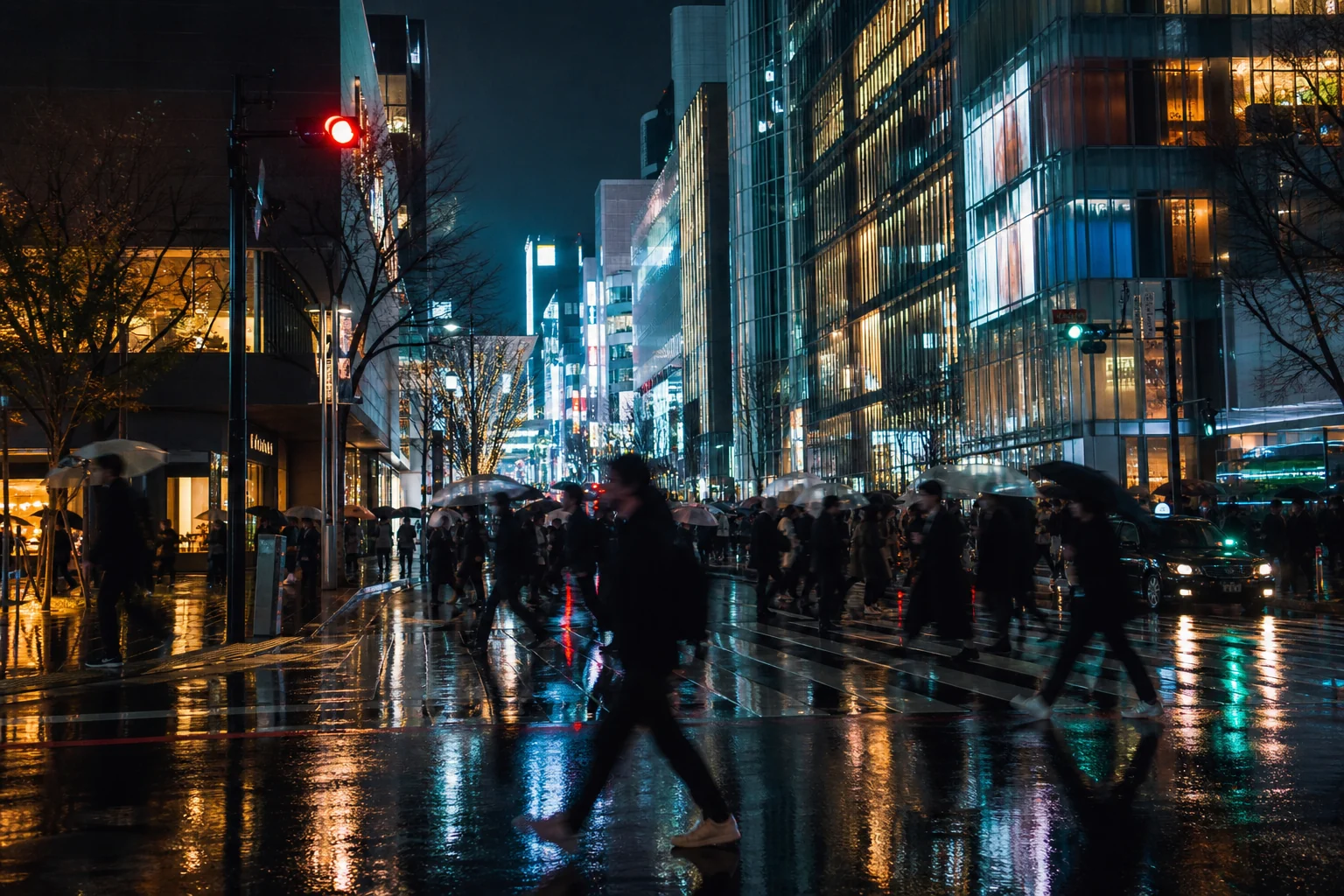
Singapore suits travellers who want contemporary design, ambitious food, greenery and a highly organised urban experience in a compact stay. A well-located hotel gives easy access to museums, gardens and distinct neighbourhoods; dining alone at counters and hawker centres can feel natural rather than conspicuous. It is an elegant stop between Europe and a wider Asian journey.
Order should not be confused with the absence of risk or rules. Local law is strictly enforced, tropical heat changes walking plans and nightlife still requires judgement. The choice between heritage quarter, Marina Bay and Orchard affects the tone and mobility of the stay. Singapore is most rewarding when treated as a real city, not merely a controlled stopover.
Copenhagen and Switzerland: scale and precision
Copenhagen offers a rare combination of serious restaurants, design, water and neighbourhood life within a navigable urban scale. It suits the traveller who wants to move between museum, bakery, harbour and dinner without a full apparatus of drivers. A food counter or communal table can make solo dining especially pleasurable.
Season changes the experience dramatically. Winter darkness, wind and icy streets ask for a different rhythm from long summer evenings. Bicycles demand attention even from pedestrians, and a late walk still needs ordinary city awareness. The right hotel is close to the desired neighbourhood life, not simply the most famous address in the metropolitan area.
Zurich, Lucerne and selected Alpine bases work beautifully for a woman who values dependable rail travel, landscape and polished hotels without a language-heavy logistical burden. A city-and-mountain combination can move from gallery and restaurant to lake or trail without a rental car. Switzerland also makes a short solo journey feel complete rather than abbreviated.
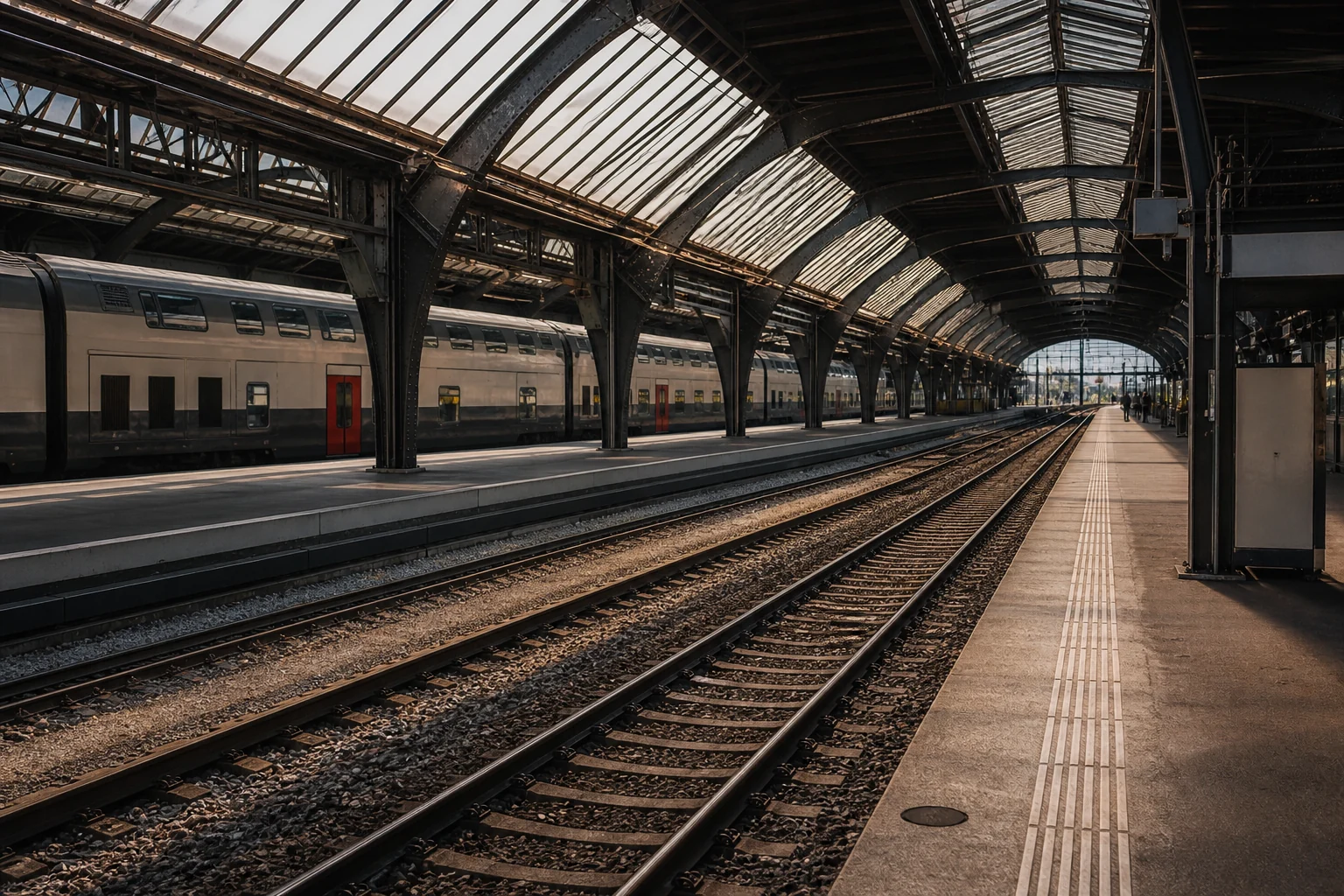
Ease is not the same as simplicity everywhere. Mountain weather, last cable cars, seasonal closures and ambitious hikes require respect. Some resorts become quiet between seasons, and a remote grand hotel may offer little life outside its walls. The best plan pairs reliable transport with a property whose dining and public spaces work for one guest.
Lisbon and Iceland: warmth or weather-bound solitude
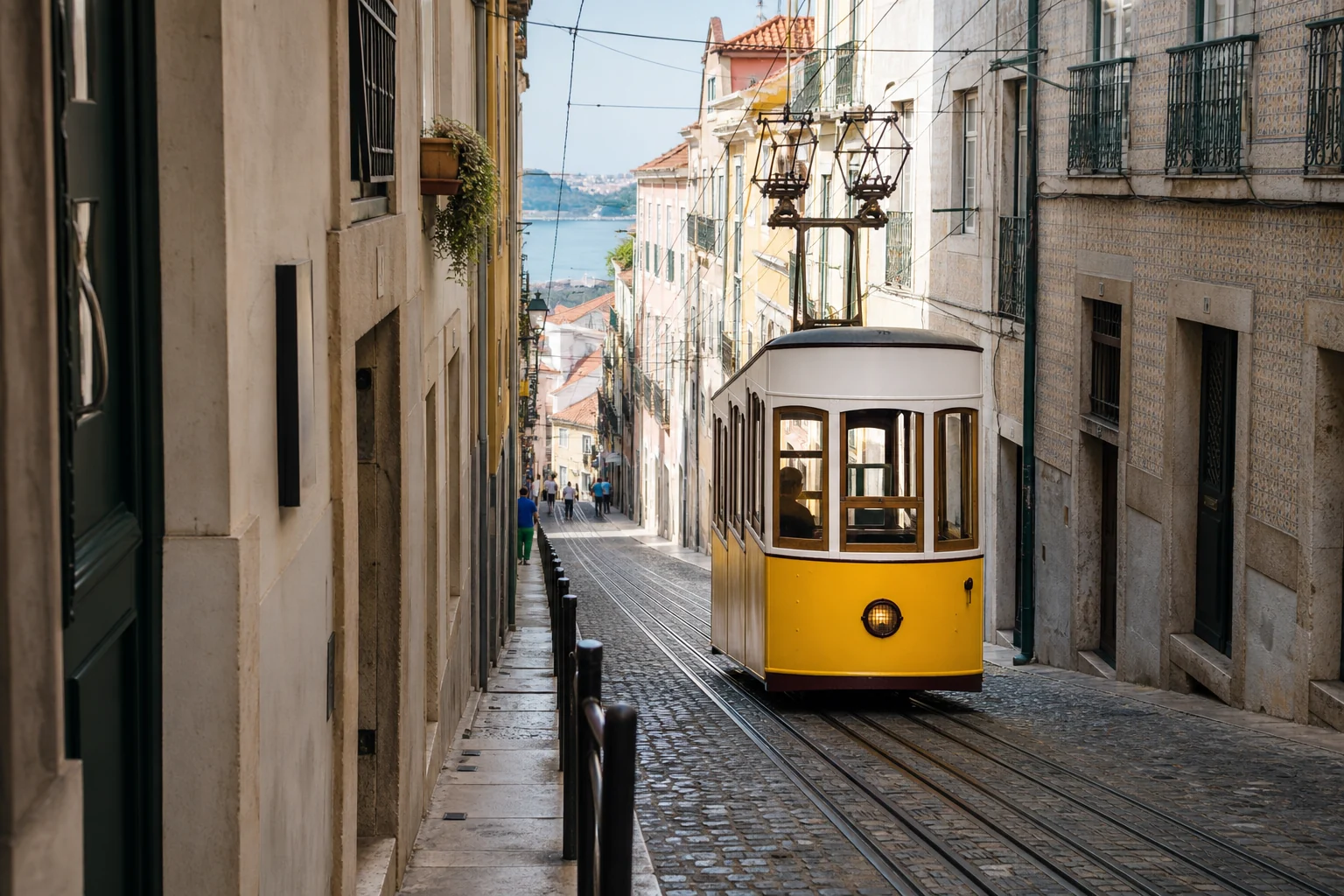
Lisbon appeals to the traveller who wants texture rather than polish alone: tiled façades, contemporary galleries, Atlantic light and restaurants that can feel convivial without formality. The city supports a rewarding three- or four-night stay, perhaps followed by a carefully chosen coast or wine-country retreat.
Its hills, pavements, crowded trams and busy nightlife complicate the romantic image. Petty theft is a real urban consideration, and the shortest map route may not be the most comfortable after dinner. Hotel location and a reliable evening transport plan matter. A private half-day with a local guide can reveal how neighbourhoods connect and make the rest of the stay more independent.
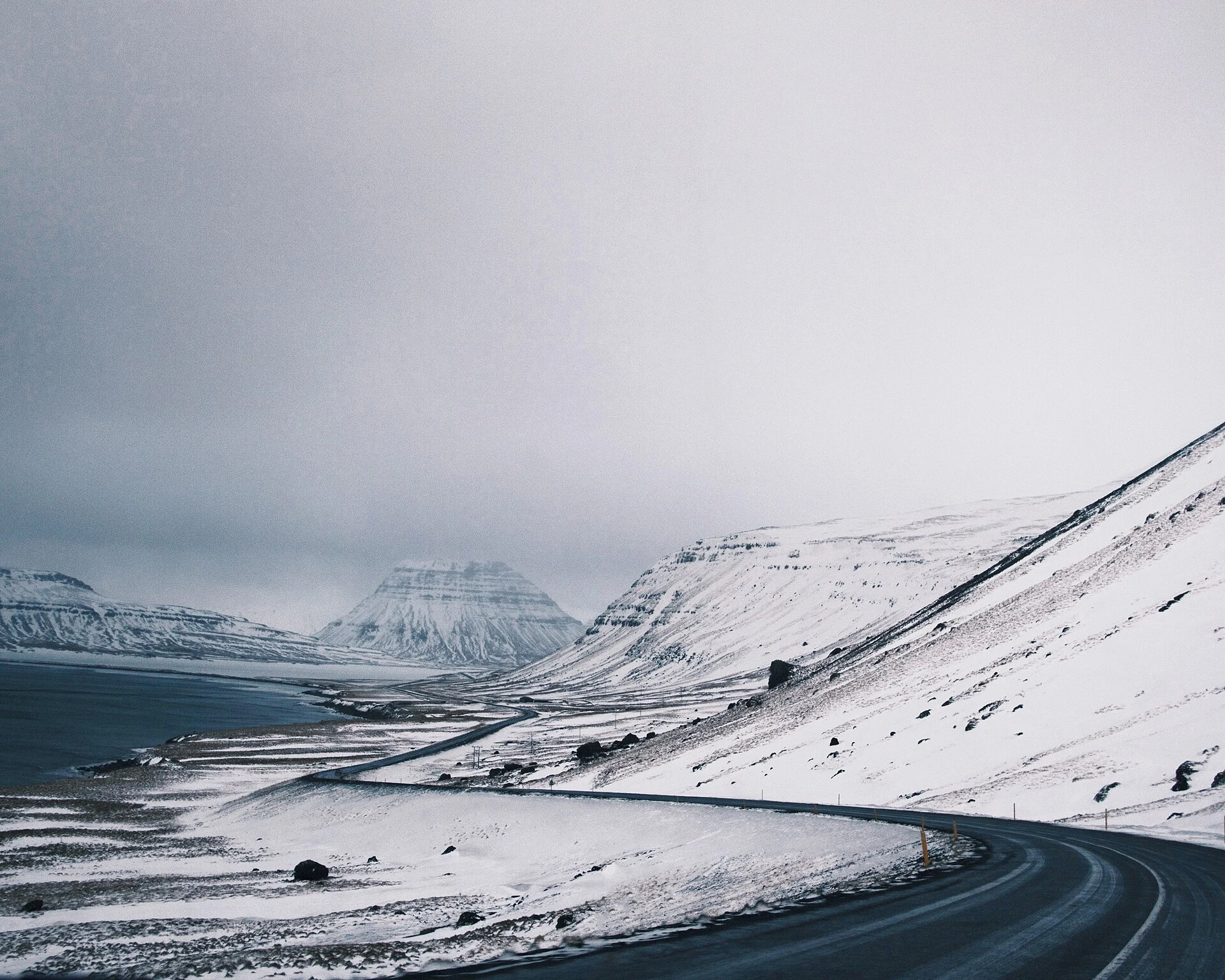
Reykjavik can be a graceful base for design, food, geothermal bathing and access to elemental landscapes. For one traveller, small-group excursions or a private guide can provide company and reduce the burden of winter driving. A few days in the capital followed by a well-supported rural stay creates contrast without overextending the route.
The principal risk is not social awkwardness but environment and logistics. Wind, ice, road conditions, daylight and mobile coverage can alter a plan quickly. Self-driving alone should reflect actual winter and rural-driving experience, not the promise of a cinematic road. Official weather and road information take precedence over the day’s wish list.
New Zealand and Paris: distance or urban challenge
New Zealand can suit an experienced solo traveller who wants walking, food, wine and expansive landscapes with English-language ease. Auckland or Wellington may frame a South Island lodge, rail sector or privately guided route. Hosted lodges and small nature experiences offer optional conversation without compromising privacy.
The challenge is scale. Long drives, left-side traffic, changing weather and weak coverage in remote areas deserve honest planning. A luxury itinerary does not need to prove independence by driving every kilometre. Domestic flights, private transfers and guides can protect energy for the landscape itself.
A sophisticated solo traveller may prefer Paris to any destination marketed as uncomplicated. The city rewards one person brilliantly: museum mornings, counter dining, theatre, fashion appointments and neighbourhood rituals need no companion. A familiar language, known hotel or repeated district can deepen confidence.
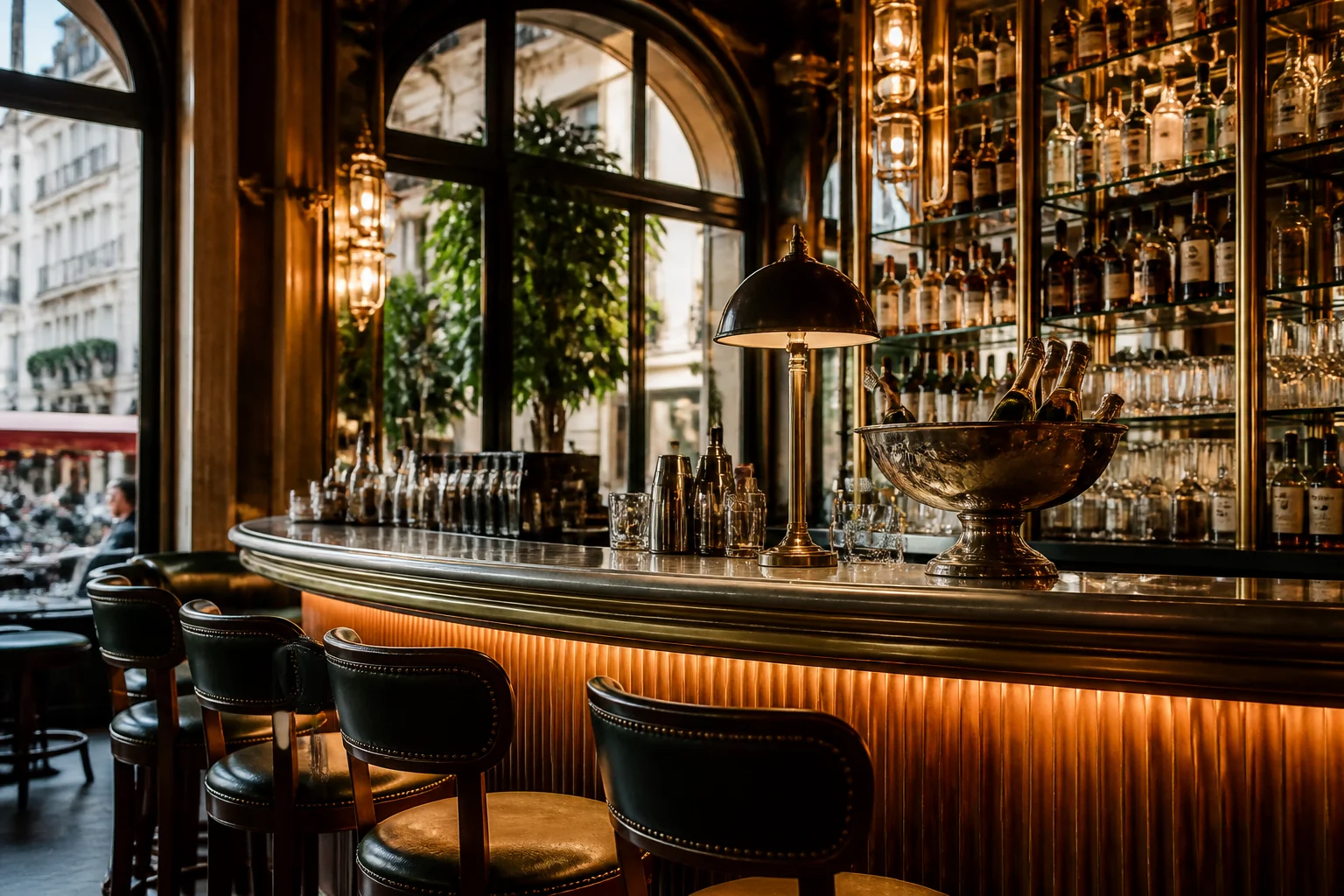
Yet crowds, theft, transport disruption and late-night movement require active judgement. This is precisely why destinations should not be sorted into safe and unsafe boxes. With the right arrondissement, arrival and evening plan, a complex city can be the more fulfilling choice. The aim is not to remove the world’s texture, but to navigate it intelligently.
Resort and private guide must enlarge independence
Private-island and destination resorts often control transfers and access, but isolation creates a different question: will the guest have enough agency and social texture once there A vast villa, couples-oriented restaurants and activities priced for two can make one person feel like an exception. Single supplements and private excursion costs also alter value.
Look for hosted tables, meaningful classes, a strong spa or wellness programme, watersports suited to one guest and public spaces where reading alone feels natural. Transfer frequency and medical access matter. Physical separation is not the same as emotional ease.
A guide need not fill every hour. The most effective format is often a concentrated beginning: airport orientation, a half-day neighbourhood walk or the first museum and market. The traveller learns how taxis work, where the hotel sits in the city and which cultural signals matter. She can then continue alone with far more confidence.
Credentials, identity and meeting point should be confirmed before the encounter. For remote walks, water activities or wilderness, the guide is also a safety decision. A small group may offer enjoyable company, but “group” is not a quality standard; size, pace and operator still matter.
Digital and evening freedom need a plan
An eSIM or local data plan, offline maps, charged power bank and saved hotel address reduce friction. Share the itinerary and a simple check-in rhythm with one trusted person. Store document copies securely and keep the phone number of the hotel, transfer company, insurer and relevant representation available offline.
Do not publish the live location of a solo stay, room number or empty home. Dating apps and social invitations are personal choices, not moral failures, but meetings should begin in public, with independent transport and a check-in plan. Technology can support judgement; it cannot replace it.
The ability to dine, attend a performance or have a drink alone is part of the pleasure. Plan the return before the evening begins: licensed taxi, hotel car, public transport timetable or a short, well-understood walk. Watch the drink, retain control of transport and trust discomfort early rather than explaining it away.
A hotel bar can be a useful final address because staff know the guest and the room is close, but the room number remains private. If someone claims to be hotel staff or a driver, verify through the official desk or app. Confidence and caution are not opposites.
The 48-hour protocol and solo-aware proof questions
- Recheck official travel advice, weather, local disruption and entry requirements.
- Confirm the operating flight, transfer contact, meeting point and fallback number.
- Send the concise itinerary and first check-in time to one trusted person.
- Save hotel, insurer, bank and consular contacts offline; note the local emergency number.
- Download maps, transport apps and essential tickets; charge devices and power bank.
- Ask the hotel to reconfirm room-location preferences without displaying them publicly.
- Keep medication, documents, one change and valuables with the traveller.
Questions that reveal whether a proposal is genuinely solo-aware
- Why is this neighbourhood right after dark as well as during the day
- Exactly how will the traveller recognise the driver
- Does the hotel have staffed access and a room location suited to her preferences
- Can restaurants, spa and activities welcome one guest without penalty or awkwardness
- Which experiences are better private, small-group or entirely independent
- What is the fallback if a flight, ferry, road or weather event changes
- Which official risks and local laws were checked, and when will they be checked again
The finest solo trip enlarges the traveller
A successful journey alone is not one in which nothing unexpected happens. It is one in which the traveller has enough information, support and margin to meet the unexpected without losing ownership of the experience. The destination becomes hers—not because it was emptied of risk, but because its risks and pleasures were considered honestly.
Style matters. So do a beautiful room, a memorable dinner and the freedom of an unplanned afternoon. Yet the deepest luxury is the quiet expansion of confidence: leaving with a wider map of what feels possible, and returning because she chooses to, not because she needs to prove anything.