
A longevity retreat can provide time, quiet and unusually attentive support. It cannot promise a longer life or overwrite years of habit in a week. The intelligent question, then, is not which address offers the most treatments. It is which programme fits the purpose, operates within credible medical boundaries and leaves the traveller with something worth keeping once ordinary life resumes.
Begin with purpose, product and medical responsibility
Longevity has become a powerful travel label, but it is an imprecise one. The World Health Organization frames healthy ageing around functional ability: being able to move, make decisions, maintain relationships and participate in life. That is a more useful ambition than “reversing age”. A responsible retreat may work towards steadier sleep, safer movement, recovery or a coherent preventive review.
It should not sell guaranteed years, immunity from disease or a younger “biological age” as though one week could settle a question that science cannot.
Write one sentence before opening a hotel shortlist: what should be observably different after the trip Recovery from an exhausting period requires a different setting from rebuilding strength, reviewing a defined health concern or continuing rehabilitation. “I want to be healthier” is too broad to commission well. A useful objective might be restoring a sleep schedule,
learning a safe home routine or organising unanswered results with a physician. Only then should destination, duration, professional team and daily cadence enter the conversation.
A spa can be excellent without practising medicine. A medical prevention programme, by contrast, requires licensed responsibility, history-taking, consent, records and a plan for abnormal findings. Rehabilitation should connect to a diagnosis, current capacity and the clinicians involved at home. Confusion begins when marketing blends these categories: a laboratory panel does not transform a massage menu into medicine,
while a clinic is not automatically a good hotel. Select the right category before comparing treatment counts, architecture or social-media visibility.
Where clinical care is involved, ask which institution and licensed practitioner is accountable. Who reviews medication and contraindications Who orders an infusion or test, responds after hours and arranges transfer if a guest deteriorates Professional registration and liability must be valid in the destination. A concierge may coordinate beautifully, but should not interpret a report. The best programmes separate hospitality, training, nutrition, psychology and medicine clearly while making the guest experience feel seamless.
A menu swollen to forty interventions can look generous without being rigorous. For every health-facing component, ask five questions: what is the aim, in whom has benefit been shown, what are the risks, who is qualified to deliver it and how will success be judged Objective health claims require sound evidence; a futuristic dashboard is not evidence.
Language such as cellular rejuvenation, toxin removal, hormone optimisation or age reversal deserves particular scrutiny. Restraint may signal greater sophistication than spectacle.
Daily life is part of the programme
Jet lag, dehydration, poor sleep and travel stress change how a guest feels and can affect some measurements. A demanding assessment the morning after a long-haul flight may record the journey rather than normal life. A thoughtful schedule provides a calm arrival, light food and time to acclimatise. Altitude,
heat or a wide time-zone shift can justify another buffer day more than another treatment. Departure deserves equal care: an overfilled final afternoon followed by an overnight flight can dismantle a newly established rhythm.
A sleep consultation achieves little in a noisy room with poor blackout and a six o'clock itinerary. Room position, temperature, mattress, pillows, service traffic and the possibility of an early dinner belong in the due diligence. A sound retreat observes patterns and builds a stable rhythm without turning consumer wearable data into a diagnosis. Persistent severe sleepiness, breathing pauses or concerning symptoms require appropriate clinical assessment, not a more elaborate pillow ritual.

Regular physical activity and strength work are well-supported foundations of healthy ageing. That does not turn a retreat into an endurance test. Baseline capacity, injuries, medication and travel fatigue should govern intensity. Useful coaching teaches sound technique, a small number of memorable exercises and a realistic plan for the following week.
A safe twenty-minute routine that works at home is more valuable than a dramatic session dependent on specialist machines, altitude and daily supervision. Pain or unusual symptoms are never a test of commitment.
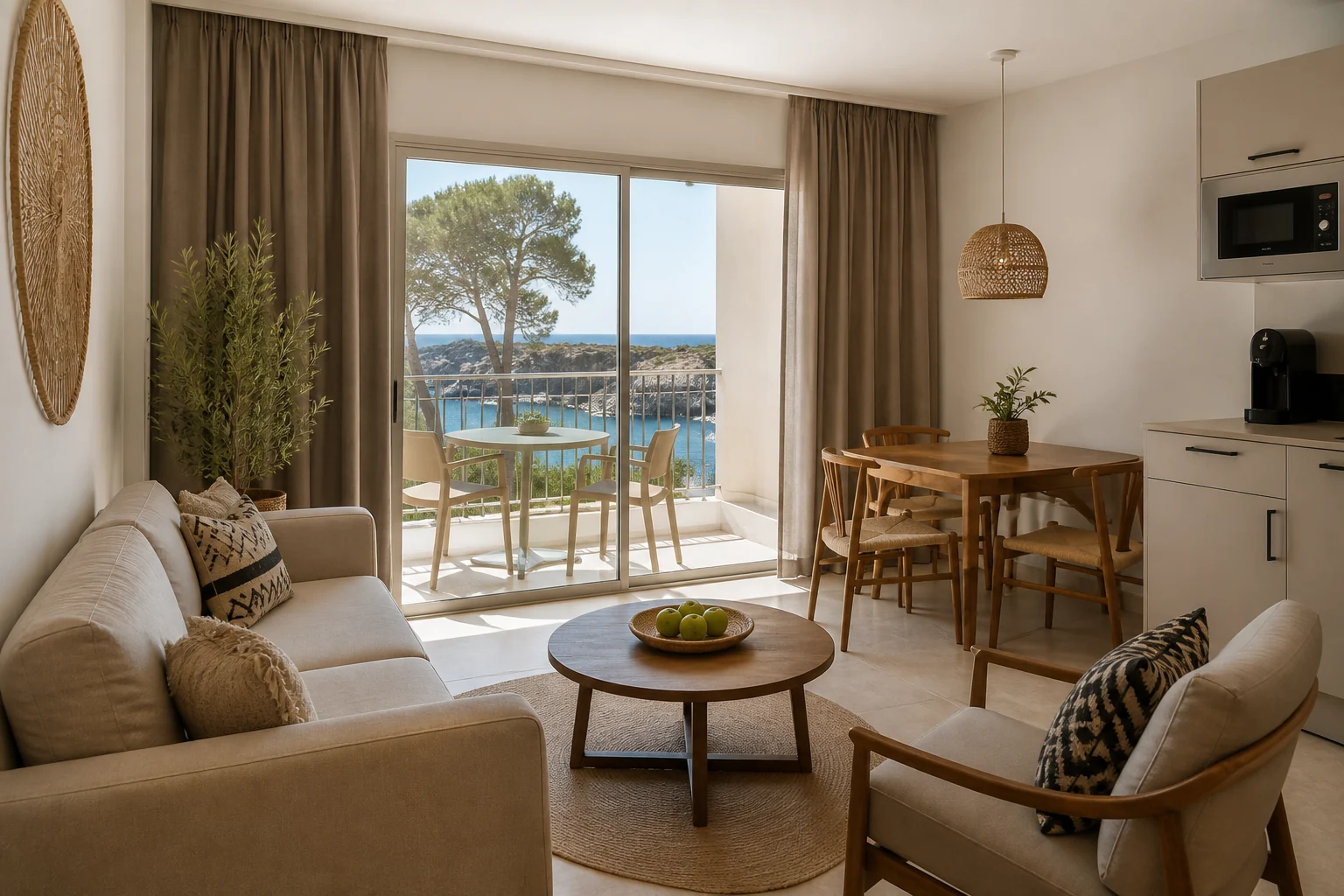
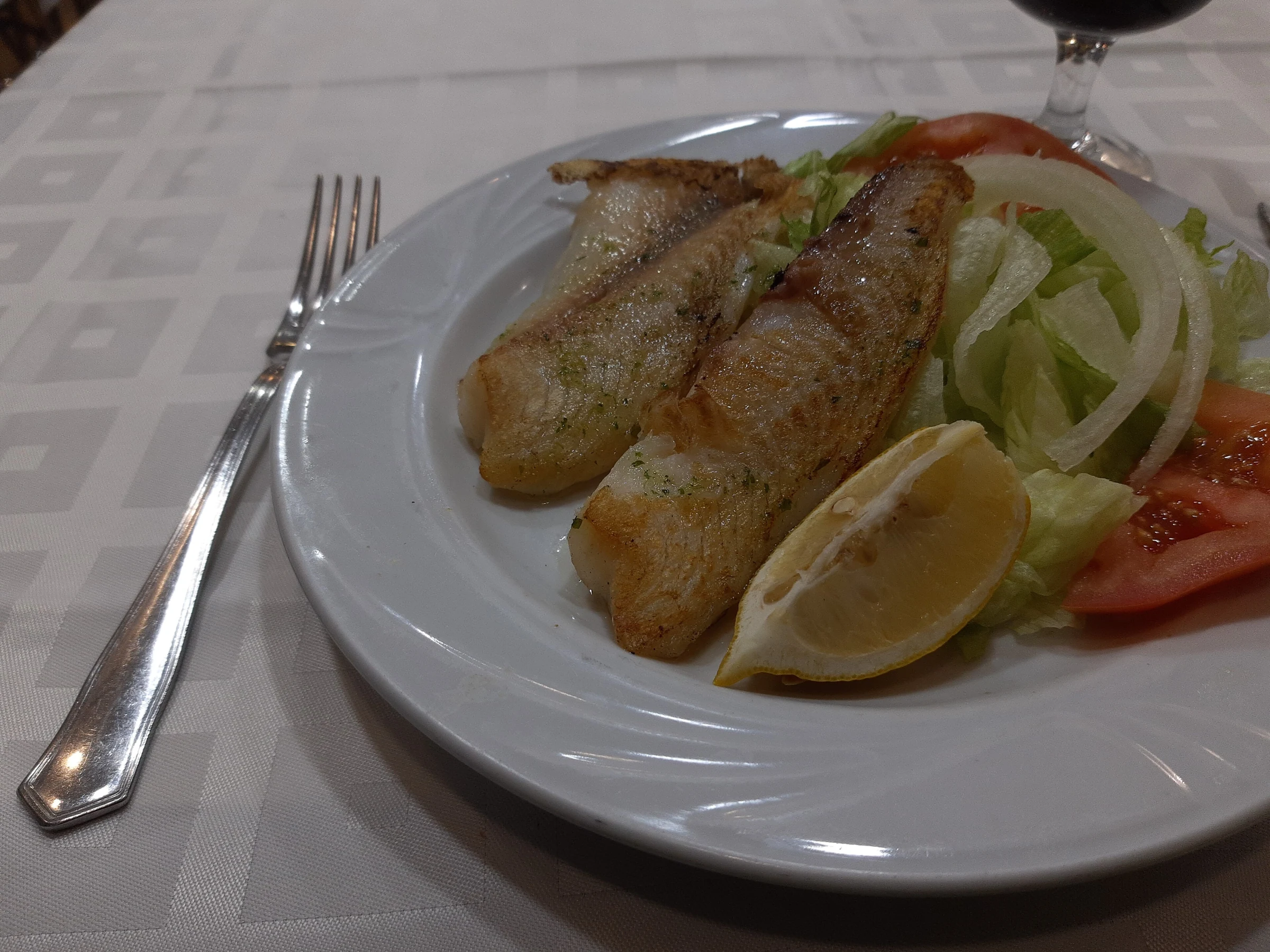
There is no single universal healthy diet; the WHO emphasises principles such as adequacy, balance, moderation and diversity within individual and cultural contexts. A good retreat uses satisfying meals and minimally processed ingredients to demonstrate patterns that can survive a workday. It explains why breakfast lasts, how pleasure remains at the table and which dishes can be repeated.
Severe calorie restriction, rigid prohibitions and constant hunger are not elegant shortcuts. Diabetes, allergies, eating disorders and medication require individual expertise rather than a standard “longevity menu”.
Breathing practice, nature, massage and an empty calendar may be restorative. They do not automatically treat trauma, burnout or psychiatric illness. A property offering coaching, psychotherapy or nervous-system treatments should state the practitioner's credentials, method, confidentiality and limits. Screening must also identify when a retreat is the wrong setting. Luxury here means privacy without isolation: trusted contacts, genuine choice and permission to decline a session without being told that the entire programme will fail.
Diagnostics and treatments need a reason
Blood tests, fitness assessment or sleep measurement can be useful when there is a defined question, a valid method and clinical follow-up. More data do not equal more prevention. Borderline results, incidental findings and measurement error may create investigations that continue for months after departure. Clarify who explains results, how urgent findings are communicated and whether the traveller's doctor receives usable records.
Detailed test selection belongs to a dedicated check-up; a retreat should not become a sales frame for indiscriminate panels.
Vitamin drips, hormones, peptides and extensive supplement plans often appear as premium additions. “Natural” and “personalised” do not mean safe or effective. Dose, interactions, kidney and liver function, sterility, regulatory status and monitoring require medical oversight. A credible provider welcomes review by the guest's own physician and does not tie package value to clinical pressure.
If no clear indication and follow-up plan can be explained, the more sophisticated choice may be to omit the intervention.
The US National Center for Complementary and Integrative Health finds no compelling evidence that detox diets remove toxins or provide durable weight control; severe restriction, laxatives, colon cleansing and unpasteurised juice can also create risk. A week without alcohol, with regular meals and sleep, may still feel excellent. The benefit should simply be named accurately:
rest, structure and perhaps an easier reset, not an unproven cleansing of the body. If a programme invokes a toxin, it should identify the substance, test and intervention rather than rely on metaphor.
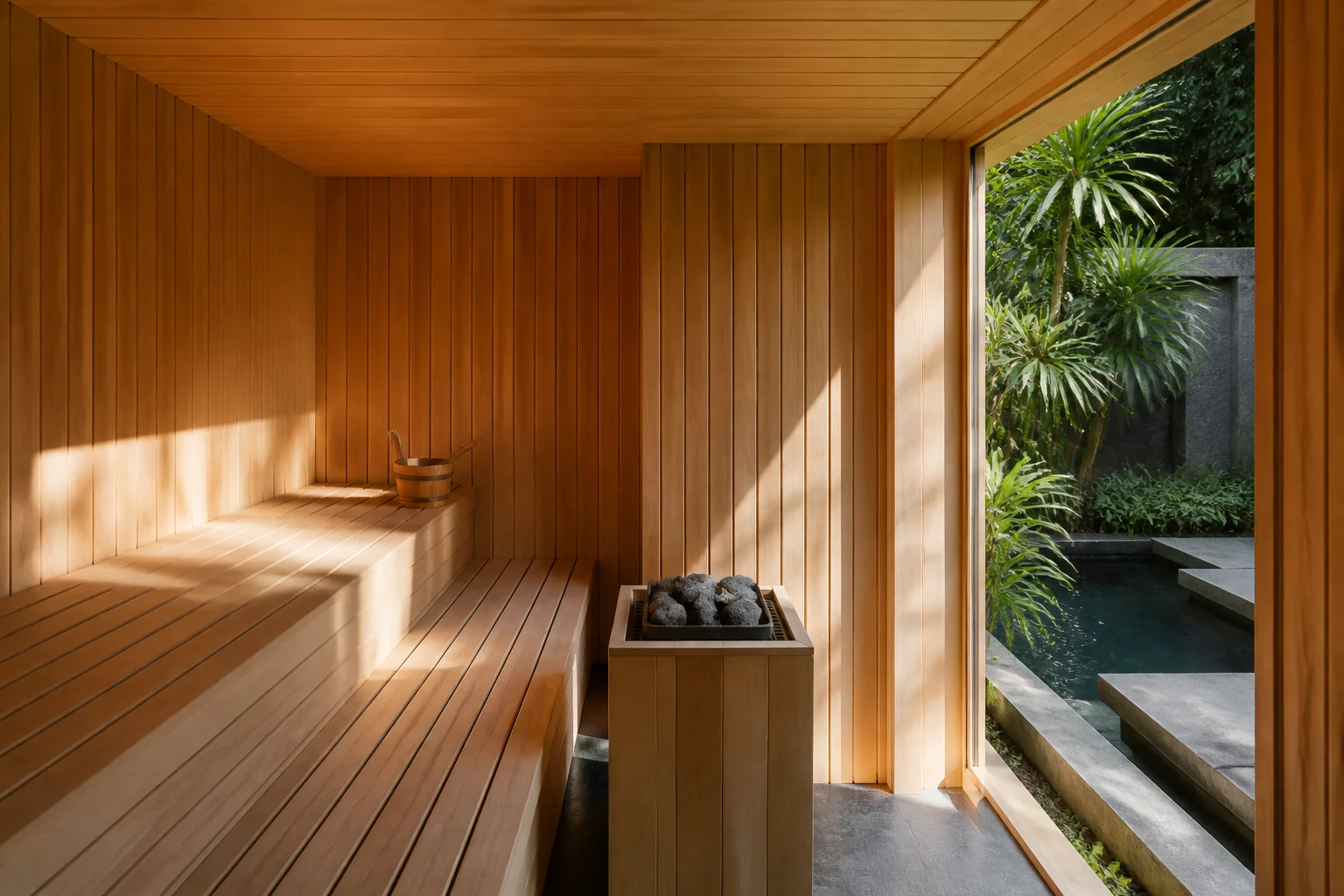
Saunas, cold plunges, breath protocols and hydrotherapy may be pleasurable, yet increasingly carry oversized health claims. Temperature, duration, supervision and personal contraindications determine safety. Cardiovascular disease, pregnancy, certain medication, acute infection and limited mobility can matter. A good property screens properly, explains the sequence and offers an equivalent alternative. No guest should feel that declining an extreme exposure jeopardises the entire outcome.
Limits and white space signal quality
A responsible retreat does not accept every booking. Acute illness, unstable symptoms, recent surgery, pregnancy, an eating disorder, addiction or a serious mental-health crisis may require adaptation, medical clearance or another care setting. The answer depends on the programme and should never be guessed from a generic list. What matters is a confidential pre-arrival questionnaire genuinely reviewed by a qualified person.
If participation is declined, the provider should explain the clinical reasoning, protect the data and suggest a safer next step.
Three nights can offer distance, sleep and a first assessment. They rarely make a complex habit stable. Two weeks are not intrinsically superior if the timetable is overloaded or home life has no bridge back. Suitable duration depends on objective, travel load, clinical intensity and follow-up. Claims that a programme only “works” after an arbitrary number of days need evidence for that exact intervention.
A shorter stay with careful preparation and several later conversations can be more durable than an immersive fortnight without continuity.
A programme booked solid from dawn to dinner creates activity, not necessarily recovery. Assessments, training, meals and treatments need transitions; a significant conversation needs time to settle. Request a sample day showing real walking, changing and meal times. At least one unassigned block should be available without a penalty or a lecture. Sleep, reading, a walk or deliberate idleness can be part of the work. Choice is especially important when a guest responds differently from the timetable's assumptions.
Two guests rarely need the same programme
Travelling together does not create shared fitness, medical history or objectives. Strong properties construct parallel days with selected meals and free time in common. The more active partner is not constrained; the depleted partner is not pushed. Medical information remains confidential within a couple unless consent says otherwise. Before booking, decide which activities should be shared,
whether consultations are private and how much personal space the room affords. Connection can be an aim without turning togetherness into an obligation.
The most cinematic location is not always the most intelligent. Altitude can alter exercise tolerance, heat can limit movement, pollen may provoke symptoms and a large time difference consumes days. Season, daylight and access to acute medical care belong in the comparison. For some travellers, an excellent retreat two hours away will achieve more than a celebrated clinic on another continent. Destination and architecture should support the objective rather than give the body a second adaptation project.
Clinical competence cannot compensate for a room in which the guest cannot sleep. Privacy, quiet circulation, good light, discreet service, reliable food and an excellent bed affect every day. For limited mobility, distances and accessibility matter more than a photogenic hillside. A truly luxurious retreat makes clinical logistics invisibly competent: no blood draw in a public spa,
no names on open lists, no waiting-room mood. Hospitality is not decoration; it removes friction from an already demanding process.
Price and effect must extend beyond the stay
Retreats may be sold as room packages, daily rates or medical modules. Before payment, obtain a written schedule of consultations, tests, treatments, meals, transfers and later calls. Imaging, repeat laboratory work, medication, external specialists or an extended stay can create significant additions. Cancellation and rebooking terms matter if pre-screening later excludes participation. The highest tariff is not automatically the most suitable. Meaningful comparison begins only when objective, professional responsibility, time and continuity sit alongside price.
A retreat is a protected experiment. At home, work, family, travel and familiar triggers return. The final plan should therefore contain no more than three priorities, each with a start date, likely obstacle and accountable person. Medical findings need a clear report and secure handover to the traveller's clinician. For behaviour, agreed contacts at two,
six and twelve weeks are more useful than a heavy presentation folder. Structured lifestyle programmes work through repetition and support, not the intensity of a single weekend.
A one-page brief separates substance from scenery
A useful enquiry fits on one page: primary objective, relevant history, medication, limitations, desired clinical intensity, acceptable travel load, room requirements, timing and budget. Add five tests of quality: accountable professional, evidence for core interventions, exclusion criteria, emergency route and follow-up. This allows genuinely different properties to be compared fairly. Deluxetargets can then assess programme,
journey, room and inclusions—and can also advise against a retreat when a well-chosen appointment at home is the wiser first step.
Editorial note: This article provides general, evidence-informed travel information, not diagnosis or personal medical advice. Individual decisions should be discussed with the traveller's own qualified clinician before booking.