
Contrast therapy is neither an endurance test nor proof of modern health. Alternating heat and cold may feel invigorating and can support some measures of post-exercise recovery. A luxury hotel is distinguished not by the coldest plunge, but by screening, hygiene, supervision and the freedom to stop.
The honest position
- Possible value
- Relaxation, ritual, short-term wellbeing and some post-exercise recovery.
- Not a credible hotel promise
- Detox, immune boost, weight loss, longevity or treatment of disease.
- Core risk
- Acute cardiovascular response to heat, cold and rapid change.
- Quality marker
- Individual briefing, measured conditions, supervision and safe exit.
- Ground rule
- No alcohol, no competition and never ignore symptoms.
What “contrast therapy” may mean
The label covers anything from sauna and cool shower to hot and cold pools, steam, snow rooms and outdoor immersion. Temperature, depth and physiological demand differ. A proprietary name or handsome treatment menu therefore says little about an appropriate experience.
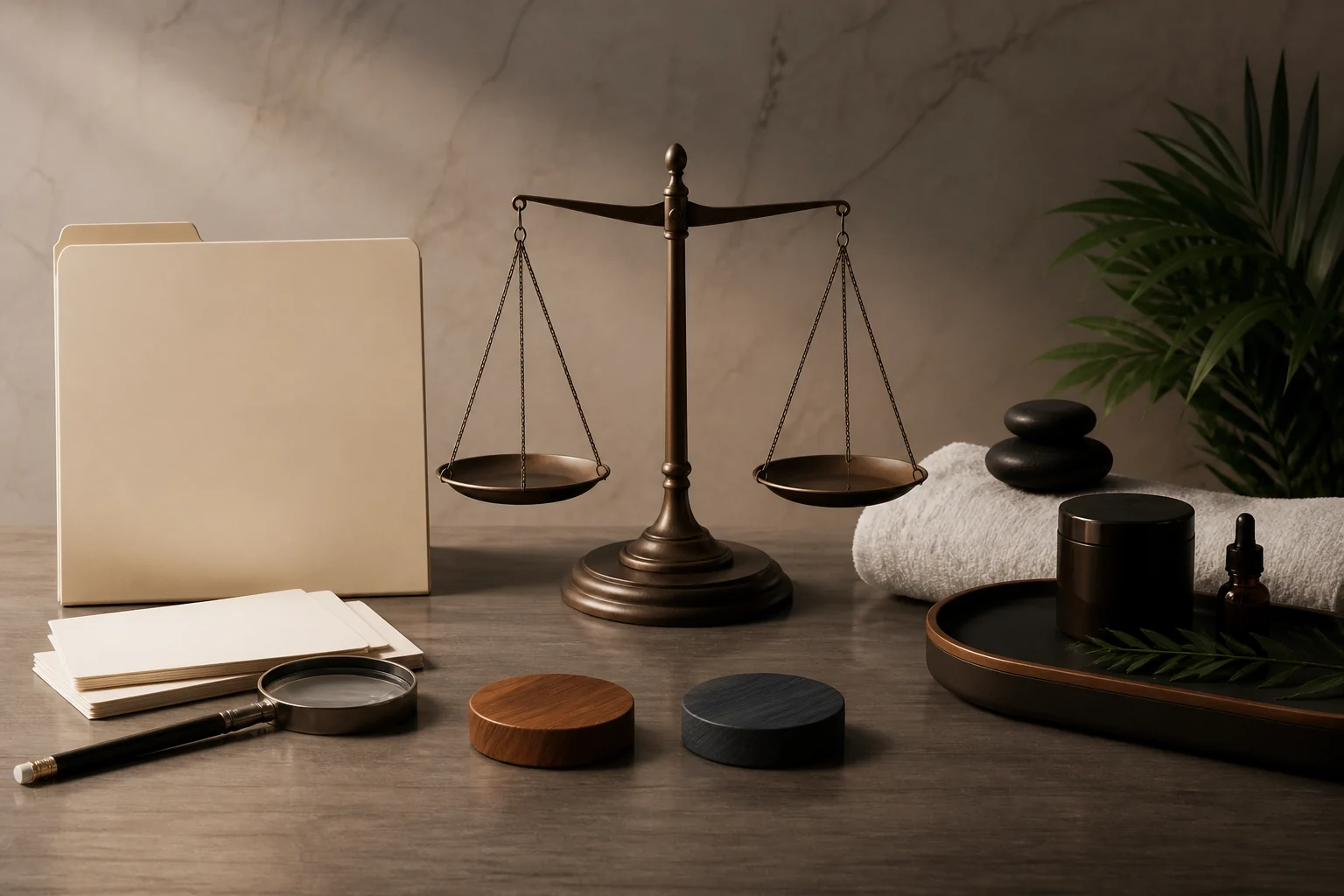
Systematic research on contrast water largely concerns recovery after exercise. Outcomes often involve soreness and perceived recovery, not whole-body health. A spa cannot turn that into guaranteed effects on hormones, inflammation, immunity or lifespan.
Separate evidence from marketing
| Claim | Assessment | Credible wording |
|---|---|---|
| “Promotes recovery” | Partly plausible depending on exercise and outcome | May influence perceived recovery or soreness |
| “Detoxifies” | Non-specific marketing language | Do not promise detoxification |
| “Boosts immunity” | Not a reliable individual hotel promise | Discuss ritual and wellbeing, not prevention |
| “Extends life” | Observational evidence is not a treatment guarantee | No longevity claim for one spa session |
| “Colder is better” | False and potentially unsafe | Choose conservative, individual exposure |
Cold is acute stress and needs medical boundaries
The American Heart Association describes cold shock as a rapid increase in breathing, heart rate and blood pressure. Sudden immersion can provoke panic, hyperventilation and loss of control. That is not proof the method is “working”; it is a safety event.
Entry should be controlled and follow instruction. Breath-holding, deliberate hyperventilation or any drill that causes light-headedness does not belong in the water. The guest remains visible and able to exit unaided.
Individual clinical advice is appropriate for cardiovascular disease, arrhythmia, uncontrolled blood pressure, fainting, Raynaud's phenomenon, altered temperature or pain sensation, pregnancy, acute illness and relevant medication. A first encounter with sauna or cold need not become extreme because it occurs on holiday.
Hotel screening is not diagnosis; it should identify when the spa cannot decide. Chest pain, palpitations, unusual breathlessness, dizziness, confusion or persistent numbness mean immediate exit and, where appropriate, medical help.
Sauna, alcohol and universal dosing do not belong together
Heat dilates blood vessels, promotes fluid loss and changes blood pressure. Medical sauna literature associates serious incidents particularly with alcohol, ischaemic heart disease and bathing alone. Champagne before the plunge is not sophisticated sequencing.
Hydration, gradual cooling and seated recovery matter more than another round. After long-haul travel, sleep loss, dehydration, a heavy meal or intense exertion, the decision should be more conservative or the session omitted.
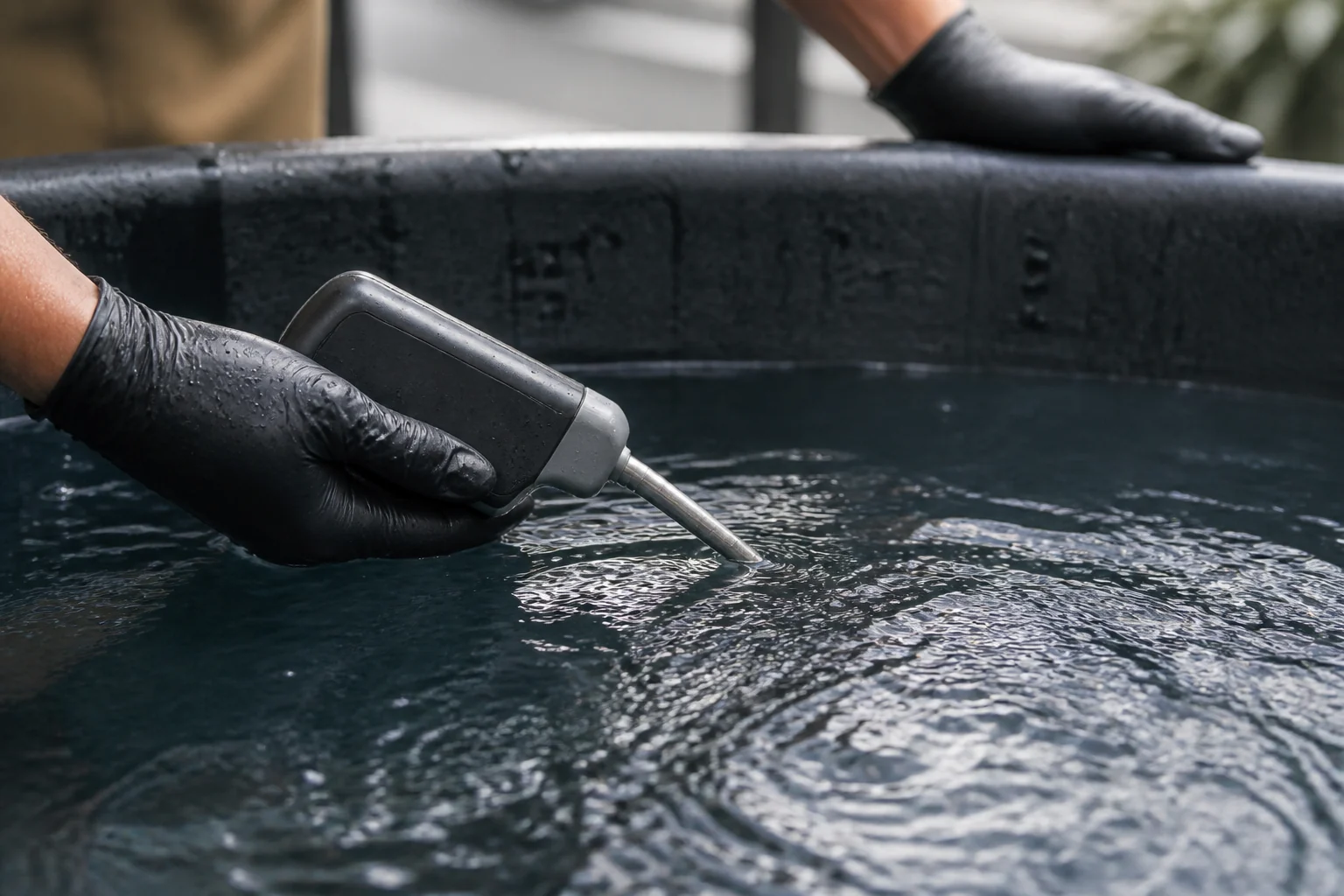
No temperature, number of minutes or cycles is safe and useful for every guest. Experience, age, health, daily condition, immersion depth and transition speed alter the load. Staff explain options and stop criteria rather than create group pressure.
A guest choosing warm sauna and a cool shower has not failed. Choice is a quality marker.
How to recognise a serious facility
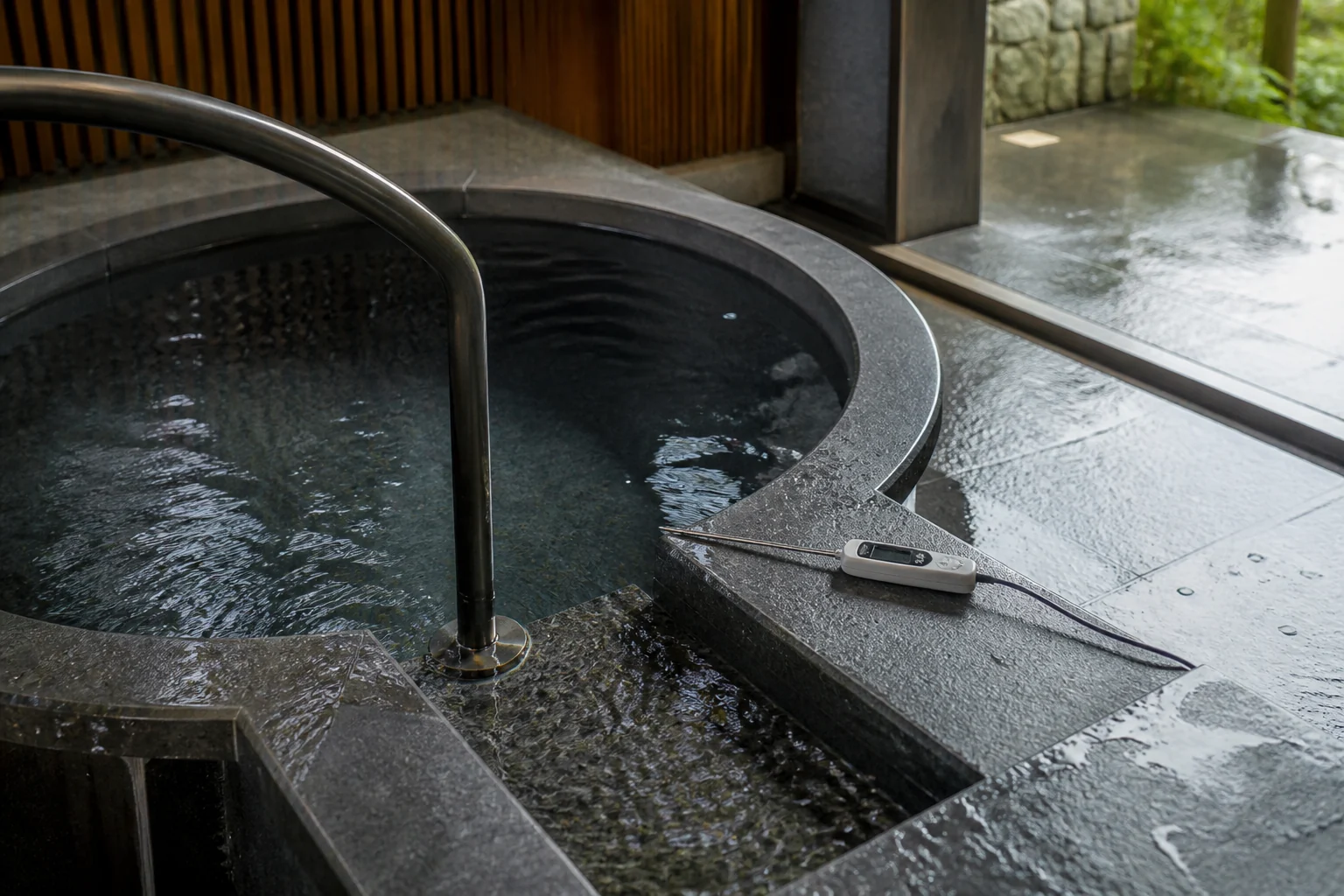
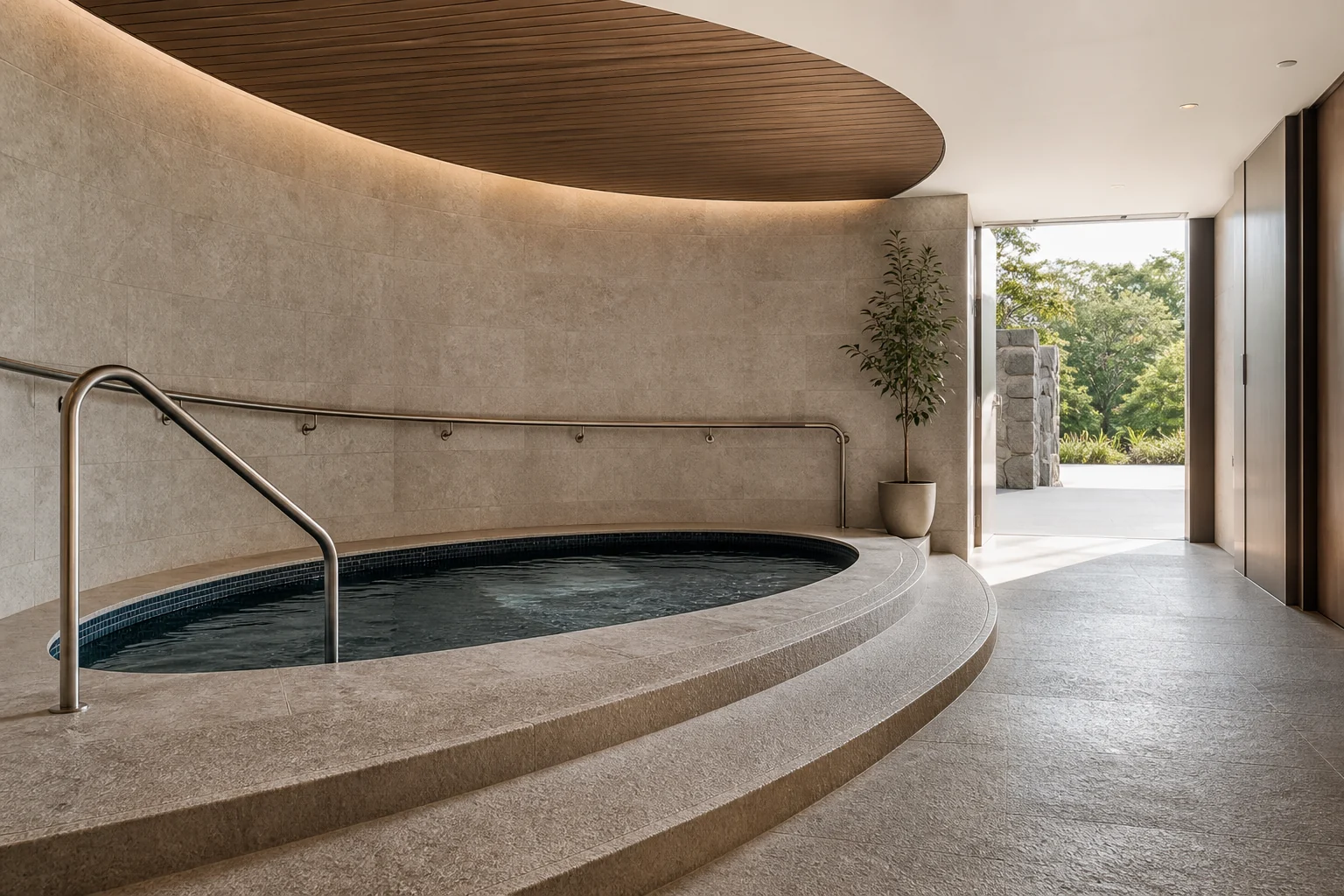
Temperatures are measured rather than described only as “arctic” or “biohacking”. Steps, rails and floors are non-slip; emergency access is visible. Staff know the equipment and exclusion rules and monitor discreetly. Private use should not mean being unreachable and alone.
For shared plunges, water treatment, turnover, filtration and cleaning matter. A decorative barrel without a defensible hygiene process is not high-end.
Recovery is larger than temperature
Sleep, hydration, nutrition, daylight, gentle movement and recovery time lack theatre but often matter more. Contrast therapy should complement those foundations. Repeated intense cold immediately after strength work may also serve a different objective from muscle development; athletes should align timing with their coaching or clinical team.
Privacy, competence and emergency pathway belong together
A private spa suite can feel calmer and more controlled, but it is not automatically safer. What matters is a defined cleaning routine, water replacement or treatment, measured temperature, non-slip access and a reliable way to call for help. Shared facilities add visible capacity limits, water-quality control, towel and surface hygiene, and supervision able to stop competitive behaviour. The most photogenic plunge loses its appeal if no one can explain when it was cleaned and checked.
Privacy itself needs boundaries. A guest may want an undisturbed setting, but should not be left unbriefed behind a locked door with extreme temperatures. Good hotels manage this discreetly: an introduction before the session, reachable staff, a clear exit, an agreed check-in point and no camera in the treatment space. Luxury here is anticipatory operation, not the complete disappearance of the team.
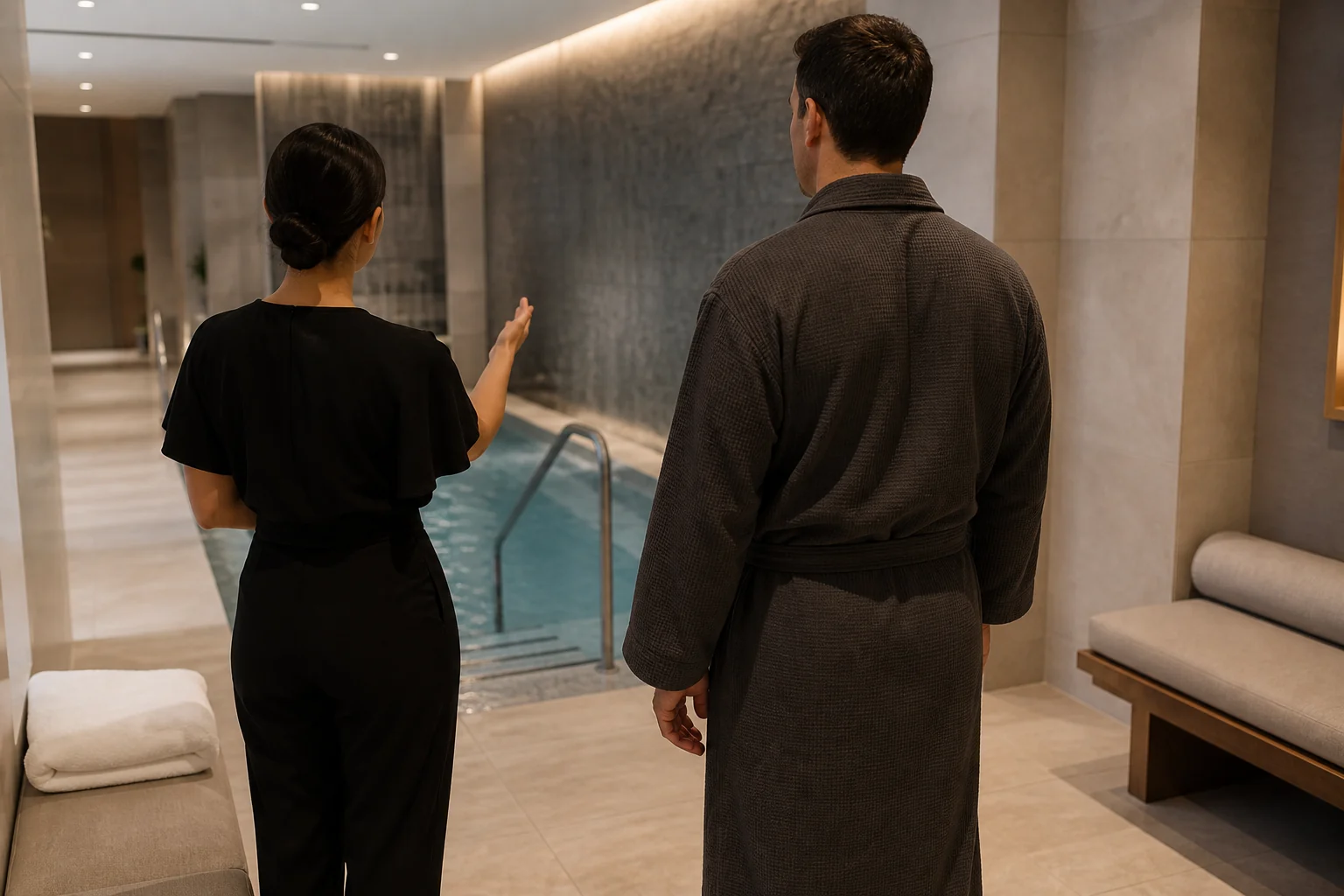
A qualified briefing asks about previous experience, current wellbeing, relevant conditions, medication, pregnancy, alcohol, dehydration and strenuous exertion. It does not diagnose and cannot replace medical clearance. Staff should know which symptoms require immediate cessation, how to help a guest leave water or heat safely, and who summons medical assistance. An AED in the building is reassuring only when its location, access and trained responders are known.
Hotels should also record incidents and near misses internally: actual temperature, duration, supervision, symptoms, action and any handover to medical services. The purpose is operational learning, not promotion. A property that responds to an event only by pointing at a waiver has confused safety with paperwork.
Timing and aftercare are personal
Contrast therapy should not be treated as a fixed appointment between landing, champagne and a late dinner. After a long flight, sleep loss, dehydration, alcohol, medication or an emerging illness may change the response. Immediately after very strenuous exercise, the guest’s objective also matters: short-term comfort, relaxation and training adaptation are not interchangeable. When someone feels unwell, postponement is the more refined decision than perseverance.
An advisor is therefore better reserving a flexible window than promising a rigid protocol, while sharing only the practical information the spa needs. The guest makes the final decision on site after briefing and in light of current condition. Duration, temperature and number of transitions should not be copied from a social-media ritual; they should be conservatively adapted to the person, facility and day.
Aftercare is part of the session
The experience does not end with the last temperature change. A good spa provides a dry, non-slip transition, somewhere to sit, drinking water and enough quiet time for the guest to assess how they feel. Severe shivering, dizziness, chest pain, breathlessness, confusion or persistent distress are not proof of an effective treatment; they are reasons to stop and obtain appropriate help. Staff should observe discreetly without minimising symptoms.
The next movement also belongs in the plan. Someone who does not feel fully stable should not swim alone, drive or proceed immediately to another demanding activity. Partners and companions should know how to summon help, but must not become unofficial supervisors for a poorly operated facility. A composed exit is what turns a dramatic temperature ritual into a responsibly designed spa experience.
A serious property also distinguishes wellness consent from medical clearance. Its form explains the sequence, foreseeable risks, voluntary participation and the right to stop; it cannot pretend to transfer unknown health risks entirely to the guest. Language comprehension is a safety feature. A traveller who cannot confidently understand the briefing needs interpretation or should decline. Where a medical concern exists, the spa schedule does not decide suitability—an appropriately qualified professional does.
Questions before booking the spa
- Is the experience supervised or entirely self-led
- Which heat and cold methods are used
- Who screens and what exclusions apply
- How are temperature and water hygiene documented
- Are there rails, emergency call, line of sight and safe exit
- May every stage be skipped without pressure
- How much recovery time follows
The Deluxetargets recommendation
Choose the hotel for the quality of its spa operation, not the lowest water temperature. A strong programme explains limits, supervises the first exposure and makes opting out as normal as participating. High-end wellness should leave a guest feeling safe, calm and appropriately challenged—not heroic.