
Recovery does not begin in an ice bath; it begins the night before. Sleep, sufficient energy, hydration, load management and gentle movement do more for most travellers than a spectacular treatment menu. Cold, sauna and photobiomodulation can complement a clear purpose. They are neither compulsory nor substitutes for medical care.
Medical note: This article offers general travel information, not individual diagnosis or treatment. Cardiovascular disease, pregnancy, relevant medication, fainting, acute illness or new symptoms require professional advice before heat, cold or light exposure.
The concise verdict
- Ice bath
- May reduce perceived soreness after acute strenuous exercise, but is not right for every person or every session
- Sauna
- Can feel restorative, while specific post-exercise evidence remains uncertain
- Photobiomodulation
- Protocol-specific, limited evidence; a red panel alone proves nothing
- Foundation
- Sleep, food, fluids, daylight and sensible loading first
The short answer: define the problem before the treatment
“Recovery” can describe four unrelated situations: soreness after a race, fatigue during a walking week, jet lag after a long-haul flight or pain after an injury. The same intervention may be useful in one, irrelevant in another and risky in a third. Selection starts by asking what the body is meant to recover from.
After competition, near-term comfort may matter more than maximising adaptation. After an ordinary strength session, the opposite may apply. Jet lag follows the body clock and is not reset by cold water. New injury symptoms do not belong in a resilience challenge.
| Situation | First priority | Optional addition | Do not miss |
|---|---|---|---|
| After endurance competition | Food, fluid, rest, gentle movement | Supervised cold immersion if experienced | Injury, hypothermia, circulation |
| After strength training | Protein/energy, sleep, programme | Heat according to preference | Routine cold may blunt adaptation |
| After a long-haul flight | Destination time, daylight, sleep rhythm, movement | Gentle spa on arrival | Jet lag is not a muscle problem |
| After skiing or hiking | Fluid, food, warmth, check feet | Moderate sauna or gentle cold if well tolerated | Altitude, dehydration, fall, swelling |
| New severe symptoms | Medical assessment | No challenge | Chest pain, breathlessness, fainting, neurology |
Foundational recovery is unglamorous and effective
A late flight, an early workout and a long tasting menu cannot be neutralised by ten minutes in cold water. Itinerary design protects sleep opportunities, regular meals, hydration and pauses first. After exercise the body needs energy and protein; after heat it also needs fluid and, in the right context, electrolytes.
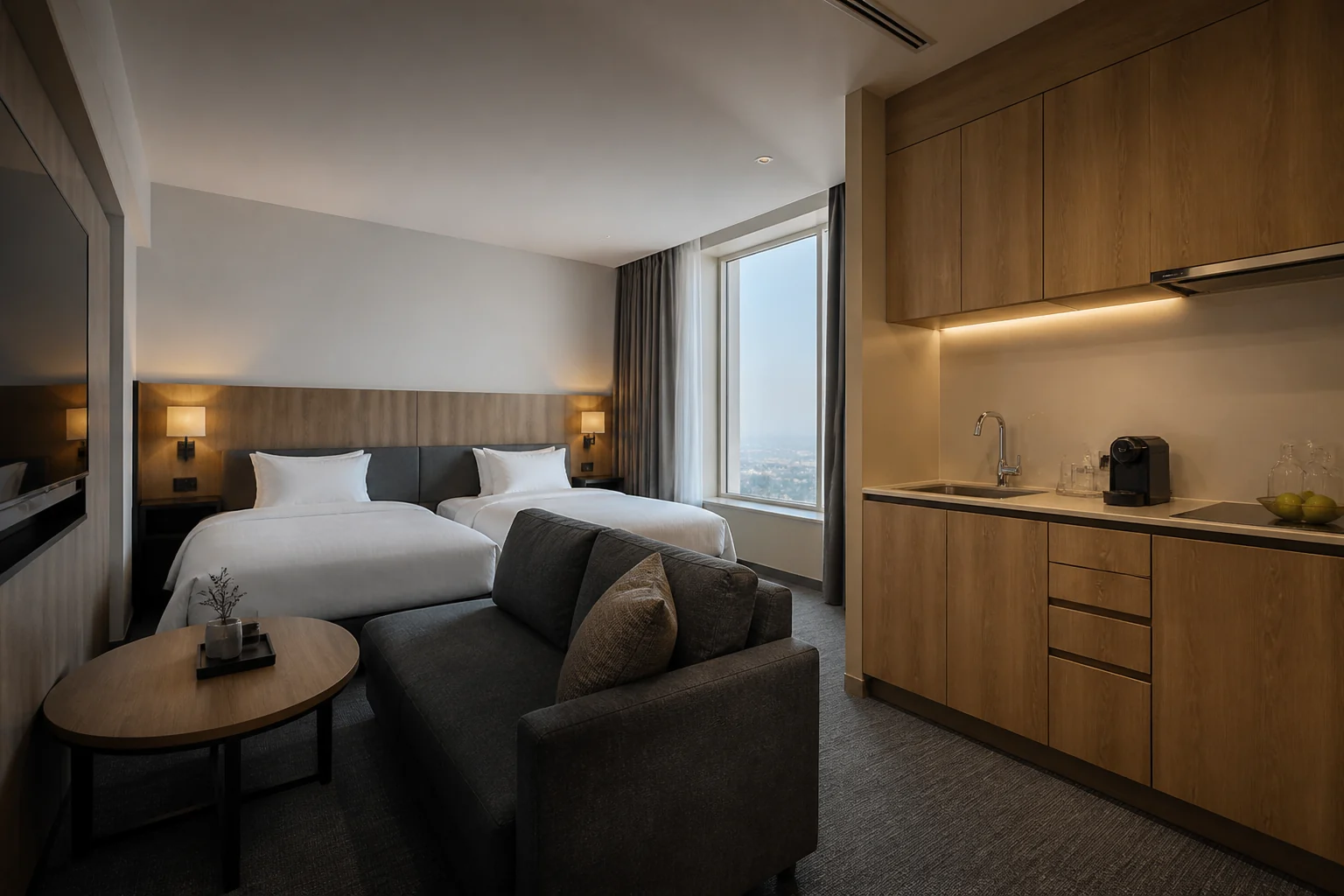
Gentle movement may feel better than complete immobility when injury is absent. Massage can be calming but does not diagnose pain. Travellers who treat fatigue as a failure and add one more stressor every day misunderstand recovery.
Cold: narrow benefit, real risk and no universal dose
A meta-analysis of 28 studies in physically active people found cold-water immersion after acute strenuous exercise superior to other recovery methods for soreness, and similar for recovery of muscular power and flexibility. That supports selective use after a race, tournament or repeated effort when perceived recovery and short-term readiness matter.
It does not show that an ice bath treats jet lag, repairs an injury or is necessary for an untrained traveller. Population, exercise model and comparator belong to the conclusion. Feeling alert and restoring muscle tissue are not the same outcome.
A separate systematic review and meta-analysis found detrimental effects on strength adaptations when cold-water immersion was used regularly alongside resistance training. The included evidence showed no effect on aerobic performance adaptation. Immediate relief and long-term training stimulus do not always point in the same direction.
One hotel plunge after a mountain race is not the same scenario as cooling after every gym session. Still, the practical rule is useful: deploy cold for a reason, not automatically. The purpose of the training phase decides.
Cold shock is not a display of willpower
The American Heart Association describes a sudden rise in breathing, heart rate and blood pressure when a person plunges into cold water. Gasping, panic, loss of control and cardiovascular strain are not desirable “activation”. Deeper and longer are not inherently better.
A credible facility provides supervision, non-slip entry, a rail, an immediate exit, visible temperature, clean water and another person within reach. Never alone, never after alcohol and never when acutely unwell. Cardiovascular disease, fainting, pregnancy or relevant medication require an individual medical decision, not encouragement from a spa host.
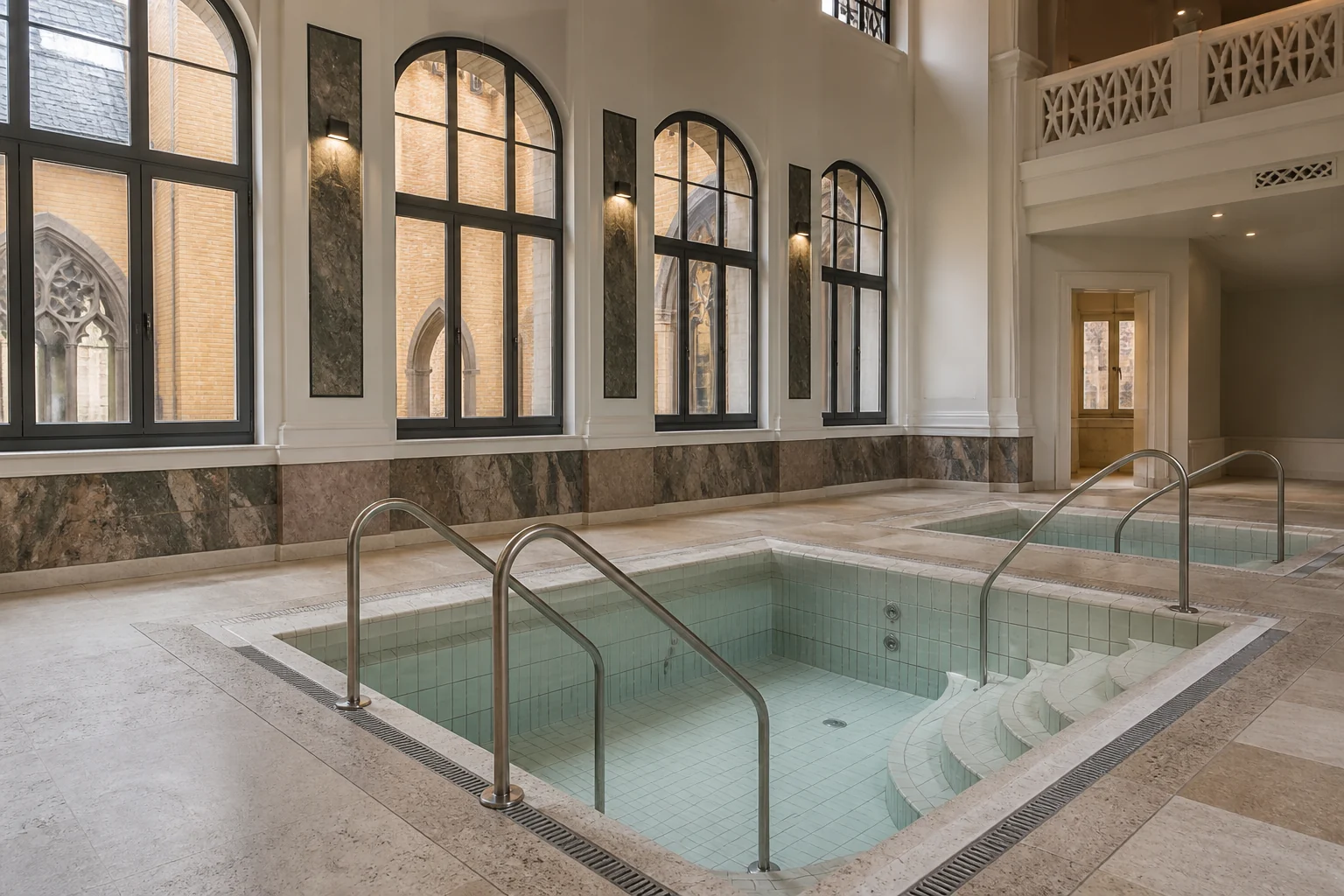
Studies use different temperatures, durations, immersion depths, timings and exercise models. Meta-regression does not produce one magic number for every guest. A hotel should not turn an online challenge into a clinical-looking protocol.
Healthy, experienced users start conservatively and leave before control deteriorates. Breath and head position are never forced against warning signals. Shaking, numbness, confusion, chest symptoms or persistent dizziness end the session and may require assessment.
Sauna and contrast without detox promises
Sweating regulates temperature; it is not a general detoxification programme. A systematic review of regular dry-sauna use found potential benefits but highlighted small, heterogeneous studies and insufficient high-quality evidence on adverse effects, optimal frequency and suitable clinical groups.
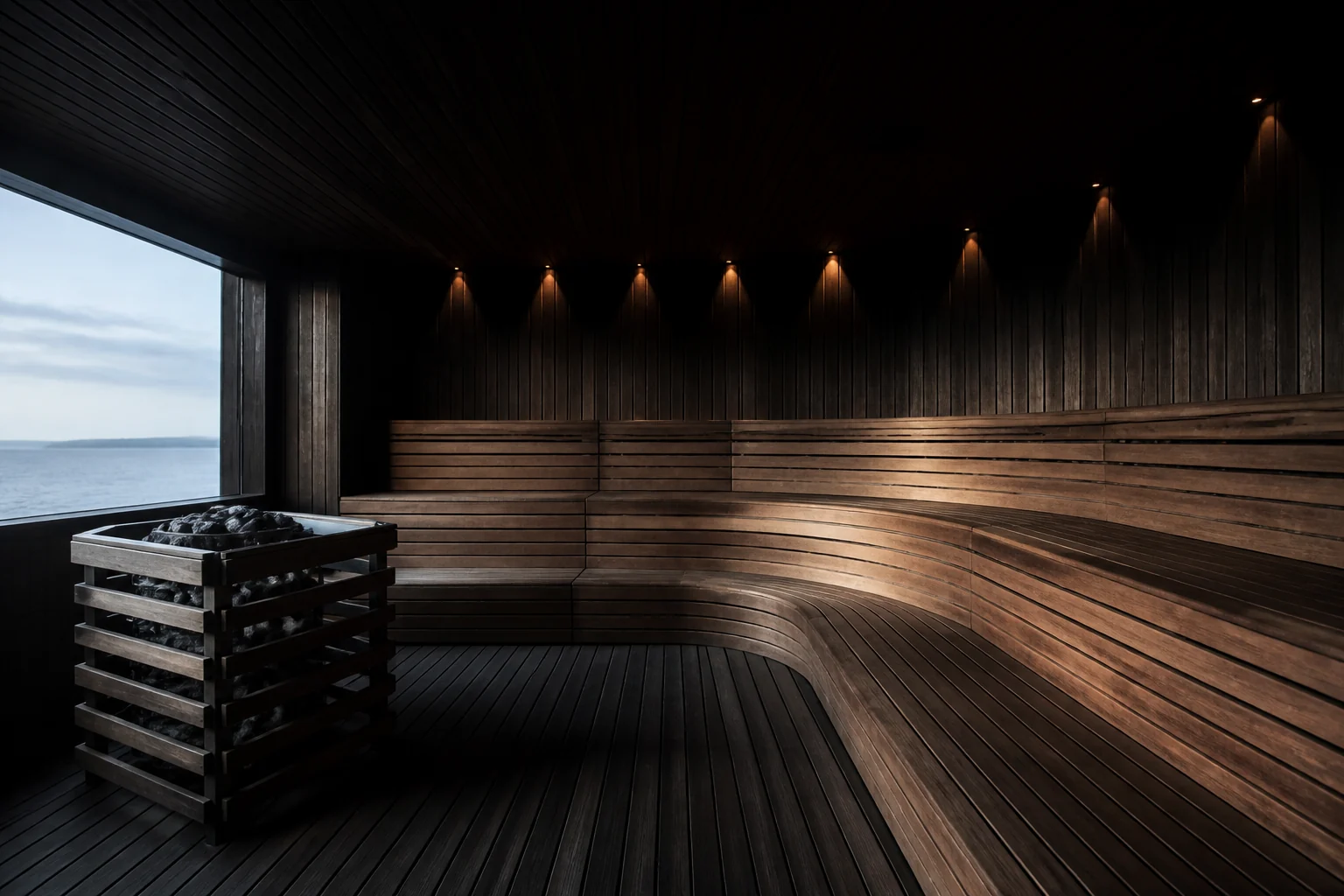
For a traveller, the honest reason may be simple: warmth feels relaxing, creates quiet and is welcome after a cold day. That is a legitimate benefit without promising immunity, longevity or removal of toxins.
A 2025 review included 14 studies and 194 participants. Acute results ranged from no effect to benefit and one adverse result. Longer interventions suggested possible improvement in running performance in heat, but not cycling performance or VO2max. Evidence was low to moderate, and study differences prevented meta-analysis.
Sauna should therefore not be sold as guaranteed recovery. It may form part of a supervised heat-acclimation programme for athletes, but that is structured training rather than an improvised ritual after a flight.
Sauna adds heat and fluid loss. After a long-haul flight, alcohol, gastrointestinal illness, severe heat, altitude or prolonged exertion, another stressor is not automatically recovery. A calm evening, food and sleep may be the wiser choice.
Chest pain, breathlessness, fainting, acute infection, marked dehydration or unstable circulation rule out a spa experiment. Medication can alter blood pressure, fluid balance or thermoregulation. Specific conditions and pregnancy need individual advice.
Hot-cold contrast is not the sum of two benefits
Moving between sauna and ice feels intense, but also creates rapid cardiovascular change. The popularity of each modality separately does not prove an added benefit when combined. A novice should never be pressured to move directly from high heat into extreme cold.
A thoughtful contrast area includes supervision, rest between exposures, a moderate alternative and permission to stop. A tepid pool, shower or quiet lounger can be more elegant than a performative challenge.
Red light needs identity, documentation and clear limits
Photobiomodulation is a technical intervention defined by wavelength, irradiance, dose, area, distance, duration and timing. “Red light” on a spa menu often identifies only a colour. Without device data, one cannot know whether the intervention resembles a studied protocol.
A 2025 meta-analysis of 19 studies and 672 healthy adults found low-certainty evidence that PBMT before exercise reduced soreness; the authors also reported improved performance 24 hours after induced muscle damage. The timing is notable: before exercise, not at any convenient hour afterwards. This does not support a claim that every panel accelerates all healing.
A serious provider identifies manufacturer, model, wavelengths, irradiance at the body, treated area, distance, session length, intended purpose, maintenance and eye protocol. It distinguishes LED from laser and makes no claim outside intended use. A timer without technical information is insufficient.
Photosensitising medication or skin conditions may matter; eyes follow manufacturer and professional guidance. Cancer treatment, pregnancy, neurological light sensitivity and unexplained lesions are not areas for improvisation. A spa does not diagnose.
The CDC Yellow Book advises timing food, sleep and light exposure to the destination zone. In that context, visible light at an appropriate hour is a signal to the circadian clock. It is a different intervention from red or near-infrared photobiomodulation applied to muscle or skin.
After a flight, a sensible arrival day, appropriately timed daylight, movement, a light meal and protected sleep matter more than a glowing device. Individual questions about melatonin or medication belong with a clinician or pharmacist.
Travel purpose, hygiene and red flags determine priority
After flying, prioritise circadian adjustment. After skiing or hiking, assess fluids, warmth, feet, altitude and any fall. After racing, cold and massage may feel useful once food, fluids and medical concerns are settled. After strength training, protect the desired long-term adaptation.
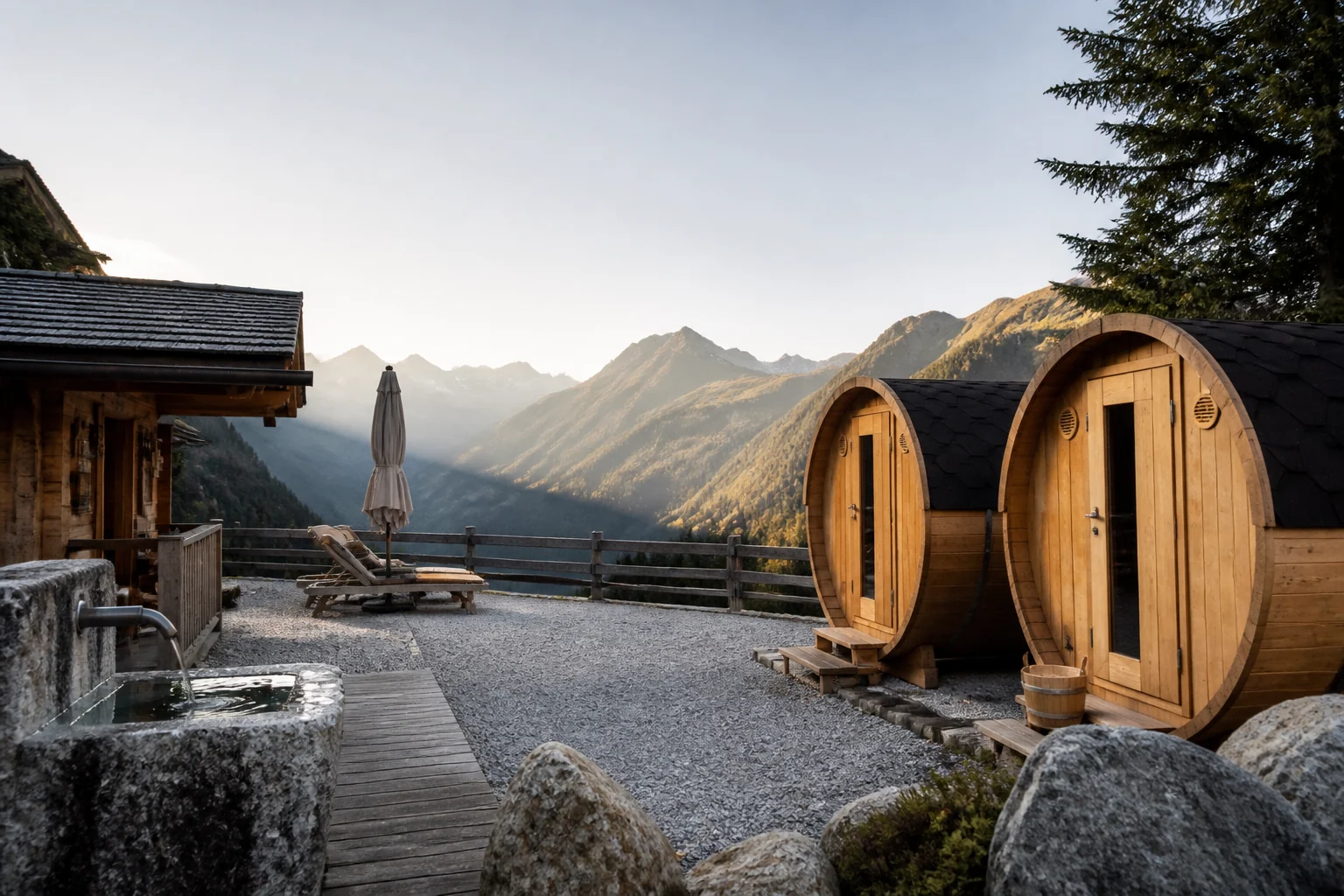
A good wellness hotel therefore asks more than “Which treatment would you like?” It asks about exertion, experience, health and the next day's itinerary. An early transfer changes the sensible evening plan.
Hygiene and operations are part of recovery
Cold tubs need documented cleaning, water replacement or treatment and reliable temperature control. Saunas require maintenance, ventilation and clean surfaces. Light devices need cleaning, technical checks and use according to manufacturer instructions.
A beautiful spa without trained staff is not a medical centre. We establish who supervises, what training they hold, how an emergency is managed and whether an AED, communication route and local medical support exist.
A red flag matters more than a recovery score
New severe or one-sided swelling, chest pain, breathlessness, fainting, confusion, neurological symptoms, a serious allergic reaction, suspected fracture or rapidly increasing pain should never be tested with heat or cold. Depending on context, they need urgent medical review.
Persistent exhaustion, recurrent loss of performance or ongoing sleep problems also require more than a spa week. A recovery programme must not delay necessary investigation.
The Deluxetargets recommendation
For an ordinary travel day, we prioritise sleep, food, fluids, daylight and gentle movement. After acute strenuous sport, supervised cold immersion may have a near-term role for an experienced, suitable guest. Sauna remains optional, moderate heat without detox claims. We consider photobiomodulation only when device and protocol are documented.
Before booking, we verify screening, supervision, hygiene, technical data, emergency planning and the medical limits of the offer. The finest recovery programme is not the one with the most devices; it is the one that knows when less treatment produces better rest.