
The Côte d’Azur does not become more luxurious when more is compressed into each day. Its quality comes from rhythm: Saint-Tropez for beach life and sociability, Cap d’Antibes or Cannes for the classic Riviera, and Monaco for urban precision. Divide the journey into intelligent bases and there is more time to experience the coast—and less to spend in traffic.
The journey at a glance
- Ideal duration
- Seven to nine nights
- Natural progression
- West to east: Saint-Tropez, Cap d’Antibes or Cannes, Monaco or Roquebrune-Cap-Martin
- Strongest months
- May, June and September, subject to events and seasonal opening dates
- Biggest planning error
- Attempting to explore the entire coast from one hotel
- Confirm early
- Hotels, beach days, event calendar, dining times and transfers
One coastline, three different promises
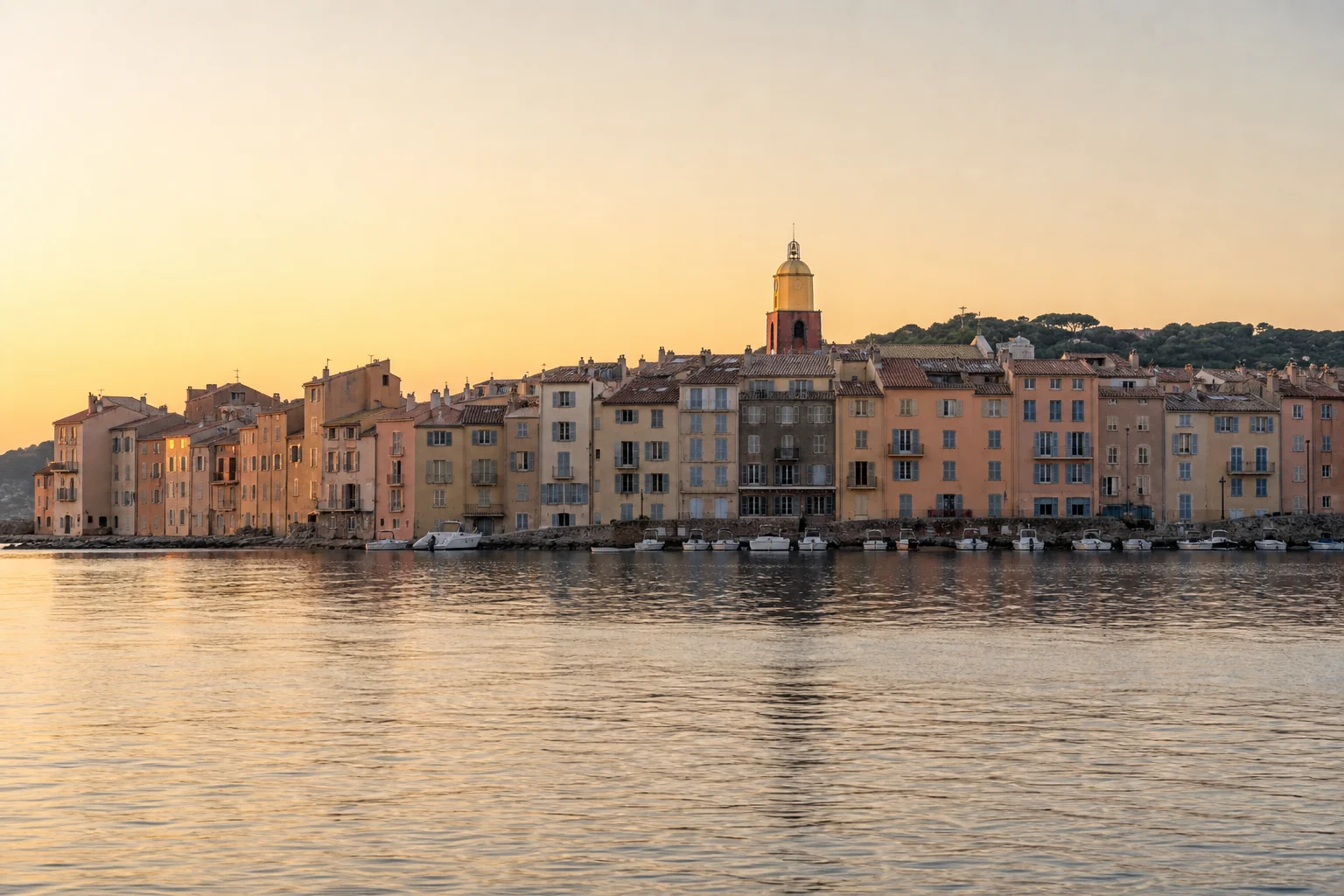
Saint-Tropez, Cannes and Monaco share a coastline but are not interchangeable luxury addresses. Saint-Tropez lives through the progression from a quiet harbour morning to Pampelonne and a long lunch. Cannes is more urban and accessible, closely connected to culture, conferences and the Croisette. Monaco concentrates hotels, dining, shopping and events into a remarkably small area.
A good itinerary respects those distinctions. It begins in the west and concludes near Nice or Monaco—or reverses direction when flights and events make that more sensible. The principle is to remove unnecessary backtracking.
Which base suits which journey
| Base | Strength | Particularly suited to | Consider |
|---|---|---|---|
| Saint-Tropez | Beach, harbour and social rhythm | Couples and friends prepared to plan slowly | Road traffic and seasonal pressure |
| Cap d’Antibes | Gardens, sea and classic resort calm | Guests seeking privacy and Riviera history | Less spontaneous city life |
| Cannes | Croisette, culture, restaurants and central position | First visits and event-led stays | A completely different rhythm during congresses |
| Monaco / Roquebrune | Urban density or dramatic coastal setting | Design, dining and event travel | Demand and traffic during major occasions |
Saint-Tropez: resist filling the day
The most rewarding hours can be early, before the harbour becomes a stage. Thereafter, give the day one direction: Pampelonne, the hotel, or a boat—not all three. A restaurant table at a beach club does not necessarily include sunbeds, parking, tender access or flexible cancellation; each element needs separate confirmation.
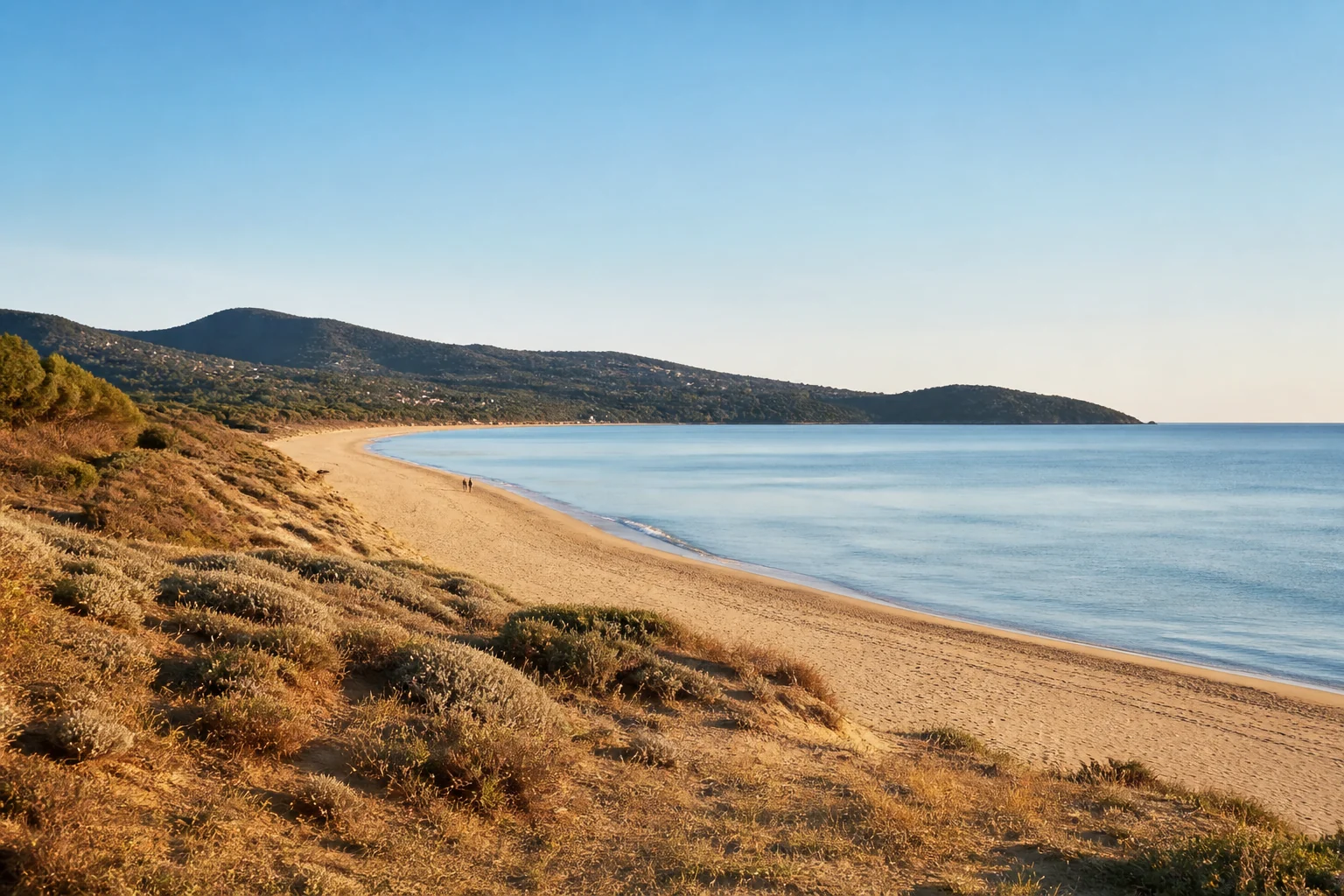
Cheval Blanc St-Tropez serves as an intimate waterfront base for travellers who consider the house itself part of the experience. Choosing it is less about rank than proximity, continuity of service and a deliberately small radius.
Cap d’Antibes or Cannes
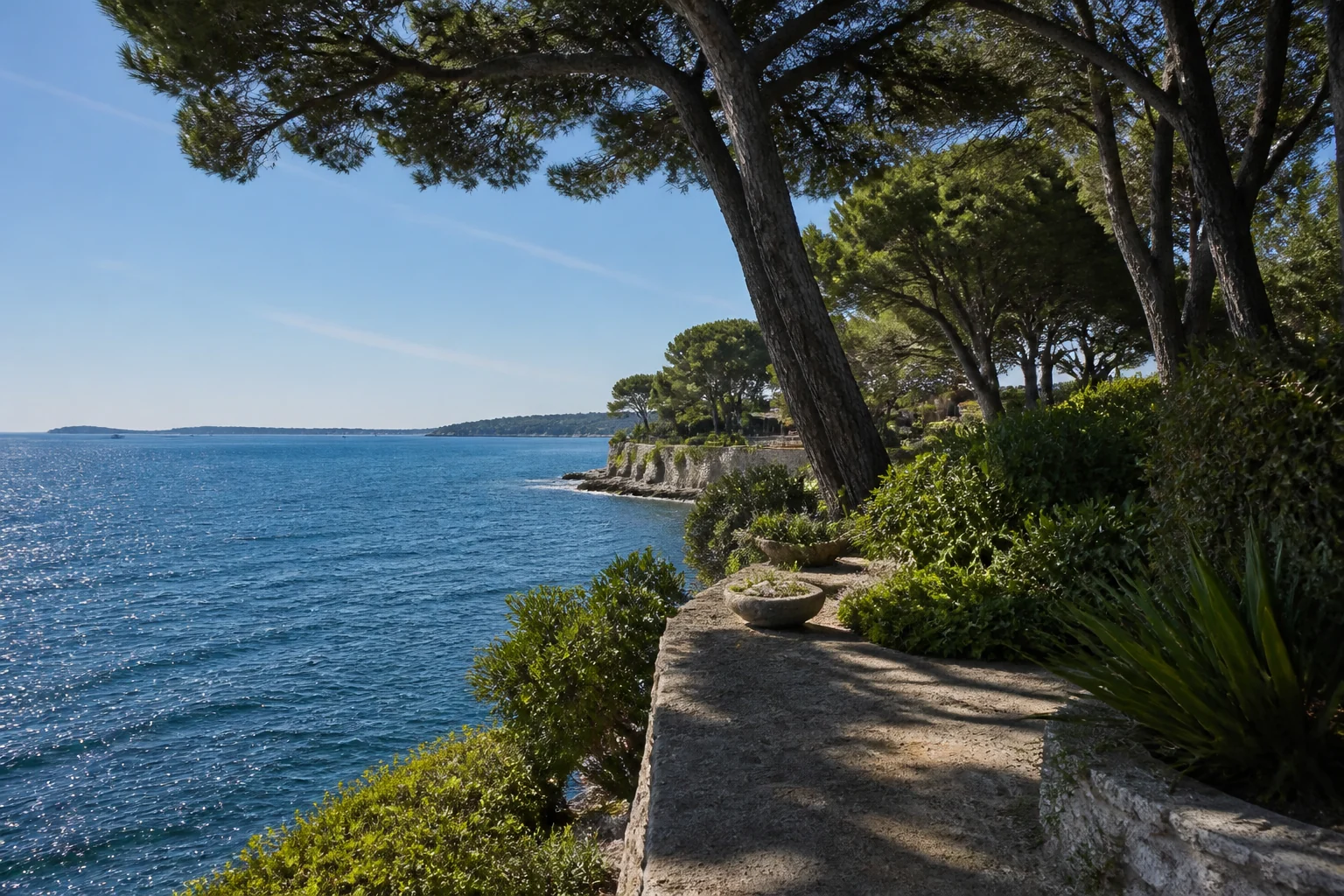
Hôtel du Cap-Eden-Roc embodies the classical resort idea: parkland, access to the sea and a stay that does not require fresh entertainment every day. It follows the right logic when hotel life takes priority. Cannes works better when walking, restaurants, culture or a Croisette appointment belong to the plan. Carlton Cannes gives that more urban proposition a grand-hotel centre.
Both may feature in one journey, but they need not become separate hotel stops. On an eight-night itinerary, a clear choice is often more elegant than another check-in.
Monaco and Roquebrune: two kinds of finale
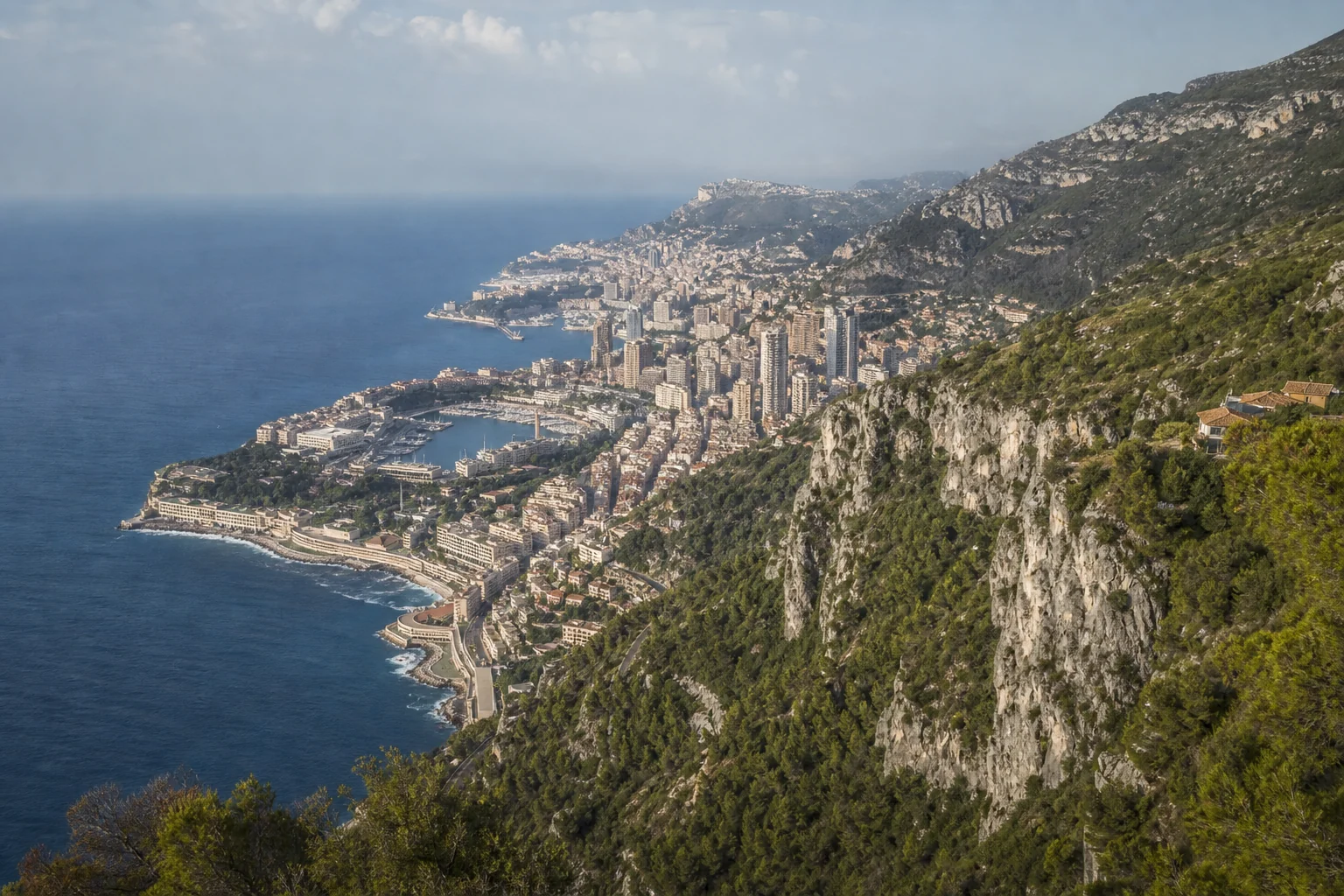
Hôtel de Paris Monte-Carlo places a guest within the classic world around Place du Casino. That position matters when restaurants, events and short city journeys define the stay. The Maybourne Riviera at Roquebrune-Cap-Martin offers another perspective: contemporary suites and studios, elevation, open views and proximity to Monaco without sleeping in its centre.
For a finale governed by evening dress and an urban beat, choose Monaco. For landscape, retreat and contemporary architecture, Roquebrune may be the stronger answer.
An eight-night route that makes sense
- Three nights in Saint-Tropez: arrival, one beach day and one uncommitted hotel or boat day.
- Three nights at Cap d’Antibes or Cannes: resort calm or the Croisette, supplemented by one carefully selected excursion.
- Two nights in Monaco or Roquebrune: one precisely reserved evening and enough time to inhabit the hotel.
This is not a compulsory circuit. Travellers prioritising calm might divide five nights at Cap d’Antibes and three at Roquebrune. Those visiting for cinema, art or the Grand Prix should build the entire itinerary around the event.
Transfers belong to the design
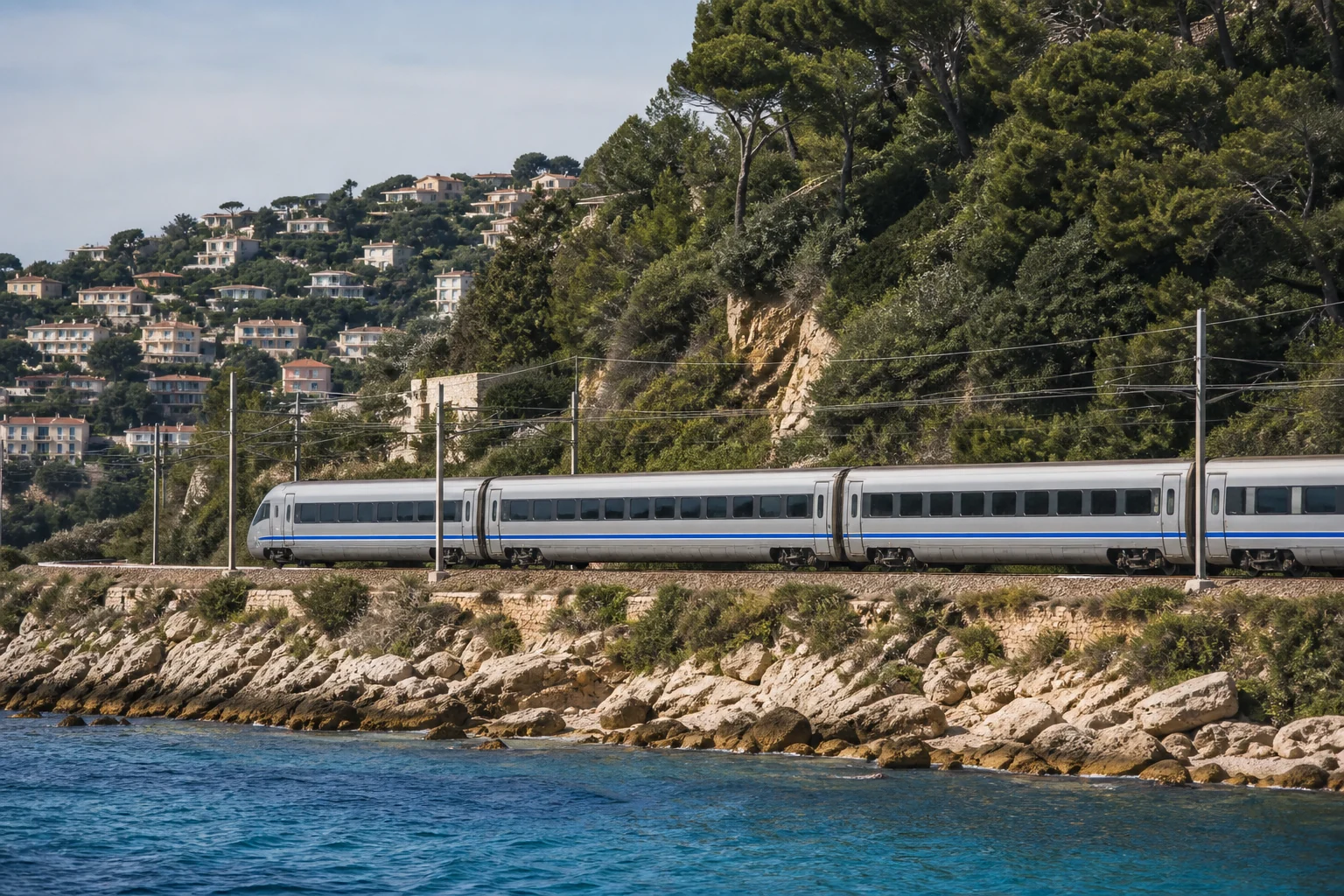
Nice is generally the natural airport for the central and eastern Riviera. Saint-Tropez can take unexpectedly long to reach by road; distance is not a dependable proxy for driving time. Hour, weekday, roadworks and events change the journey substantially. Meaningful buffers and coherent luggage handling belong in every high-end itinerary.
Boats and helicopters can be useful, but neither is a universal shortcut. Weather, landing or mooring point, luggage, tenders and the road transfer at each end determine the actual gain. Every connection must be verified for the specific date.
Festival and Grand Prix weeks
The Festival de Cannes and Monaco Grand Prix alter much more than room rates. Traffic systems, restaurant access, security zones, minimum stays and the mood of an entire destination shift. For an invited guest, that intensity may be the purpose of travelling; for another, it removes precisely the ease they came to find.
Official dates should be checked for each travel year. Strong planning does not merely book early; it decides whether the event belongs inside the experience or should be avoided.
May, June, July, August or September
May and June often combine long days with a coast that remains easier to navigate; September can feel warm and polished as peak demand recedes. Seasonal hotels, beach clubs and restaurants maintain their own calendars. July and August deliver maximum energy, accompanied by heat, demand and traffic.
The best time is therefore not a generic month. It is the intersection of the chosen hotel, preferred social rhythm, sea temperature, event calendar and willingness to plan ahead.
Yacht or hotel is not the same journey
A yacht opens coves and changes the viewpoint from which the coast is seen. It does not automatically replace a hotel or eliminate every road journey. Berths, anchorages, weather, tender times and movement from the quay remain operational realities. Guests who value spacious nights, a spa, restaurants and a consistent base often benefit from a hotel plus one well-chosen day on the water.
The yacht then becomes the right means for a particular passage, rather than a status symbol.
The Deluxetargets recommendation
Plan the Côte d’Azur as a sequence of moods, not a checklist of names. Two or three carefully chosen bases, unscheduled hours and confirmed logistics feel more luxurious than daily transfers. The real value lies in the details: which room protects sleep,
which elements make a beach day work and when a transfer genuinely improves the journey instead of merely making it look more spectacular.