
A recovery retreat begins before check-in and continues after check-out. A guest who stops caffeine abruptly, leaves medication unclear, arrives from an overnight workload and immediately returns to the same calendar is confusing a change of place with change itself. Good preparation reduces avoidable strain; good follow-through makes the stay usable at home.
The timeline at a glance
- Two to four weeks before
- Reconcile programme, health and medication
- One to two weeks before
- Reduce caffeine gradually only where appropriate
- Final 72 hours
- Prioritise sleep, normal meals and calm travel
- During the stay
- Report symptoms; prove nothing
- First week home
- Translate the experience into habits, not prohibitions
Protocol, timeline and preparation by period
“Detox” does not reveal whether the programme involves fasting, calorie restriction, vegetarian food, exercise or medical testing. Before paying, obtain a written outline of the day, nutrition, treatments, tests, exclusions and clinical responsibility.
Only then can a personal clinician assess compatibility with history and medicines. A general health questionnaire does not replace that review.
Request the current protocol, sample daily schedule, intake form, food or fasting plan, every proposed treatment, contraindications and emergency procedure. Deadlines for medical information, the first clinical contact, privacy, early termination and cancellation also belong in writing. A reassuring telephone conversation is not enough for a decision with medical consequences.

Two to four weeks before arrival, the guest’s clinician can compare those documents with diagnoses, present symptoms, previous procedures, allergies, eating history and medication. The question is not whether someone is generically “fit for detox” but whether this exact booked protocol is appropriate. New or unresolved symptoms should not be postponed until check-in.
| Period | Useful task | Unhelpful approach |
|---|---|---|
| 2–4 weeks before | Programme, clinician, medicines, relevant existing results | Untargeted self-testing and new supplements |
| 1–2 weeks before | Observe caffeine intake and taper if needed | Abrupt withdrawal during an intense workload |
| Final 72 hours | Eat normally, avoid alcohol, protect sleep and hydration | A “last feast” or pre-fast |
| Arrival day | Travel margin, light schedule, complete medication list | Starting directly after a night flight or hard training |
| After the retreat | Stepwise return under the individual plan | Reward meal, alcohol and a full calendar on night one |
Use the one-to-two-week window only for practical changes approved for the actual programme by its provider or the guest’s clinician. A calmer diary, familiar meals or an individually sensible caffeine adjustment may belong here. It is not a rehearsal for deprivation: extreme restriction, new supplements and laxatives simply add avoidable load before arrival.
Do not let caffeine become the hidden main event
The U.S. FDA stresses wide variation in sensitivity and metabolism. For most adults it cites 400 milligrams a day as an amount not generally associated with negative effects; that is not a personal target and does not apply to every situation.
Someone using coffee, tea, energy drinks or caffeinated medicines daily who wants to reduce should do so gradually. Sudden withdrawal can cause headache, fatigue and poor concentration—symptoms otherwise easily repackaged as a “detox reaction”.
There is no universal taper or target. Body weight, pregnancy, medicines, health conditions and individual sensitivity all change the response. First record actual intake across coffee, tea, soft drinks, chocolate and medicines; then decide with appropriate guidance whether any reduction is useful and what pace fits the person.

Disclose medicines and supplements completely
The current list includes active ingredient, dose, time, reason and prescriber. It also includes over-the-counter products, sleep aids, hormones, herbs and supplements. Fasting or major dietary change may affect timing, tolerability or action.
Changes belong to the responsible clinician, not the guest or a non-medical wellness coach. Original packaging and adequate supply travel too.
The retreat receives the list before arrival and the traveller carries a copy. Include as-needed medicines and known interactions. The person holding clinical responsibility should confirm how ordinary dosing aligns with meals or fasting. Without that answer, neither timing nor dose is improvised and an inconvenient tablet is not simply omitted.
Which laboratory tests are useful
MedlinePlus explains that laboratory results are interpreted alongside examination, medical and family history and other evidence. A broad panel without a defined question can create incidental abnormalities and more uncertainty than value.

Before any test, establish the question, how the result changes the programme, who interprets it and who follows it up. Existing relevant records may be more valuable than another collection of data.
Reference ranges, method and clinical context matter more than a colourful wellness dashboard. One result is not a complete health picture. If a broad panel creates an incidental finding, the pathway should already identify who explains it, whether confirmation is needed and how the information securely reaches the guest’s usual clinician.
No extreme “pre-cleanse”
A retreat need not be prepared with days of juice, laxatives or very little food. These measures may increase dehydration, diarrhoea or electrolyte problems. Familiar meals and a restrained approach to alcohol are usually a more sensible starting point.
Hard training immediately before a restrictive programme also increases load. Arrive rested rather than already depleted.
During the final 72 hours, ordinary balanced food, suitable fluid intake and sleep take priority unless the booked clinician supplies different written instructions. A “last feast” is no more useful than a secret pre-fast. The aim is to reach the programme in a stable, familiar state rather than manufacture symptoms before it begins.
Travel belongs to the dose
Long-haul flight, jet lag, heat and transfer affect circulation, sleep and appetite. A programme beginning on arrival night with fasting, sauna or intensive diagnostics needs a strong rationale. A quiet first night and qualified discussion the next morning may be wiser.
Flying immediately after the final treatment is rarely ideal either. Margin protects against fatigue and unresolved symptoms.
Connections, time zones, a late arrival and access to an appropriate meal are planned beside the first programme appointment. The property should know when the guest can realistically arrive and who will make the first clinical contact. With substantial jet lag, an acclimatisation day is not wasted accommodation but part of responsible load management.
What to pack
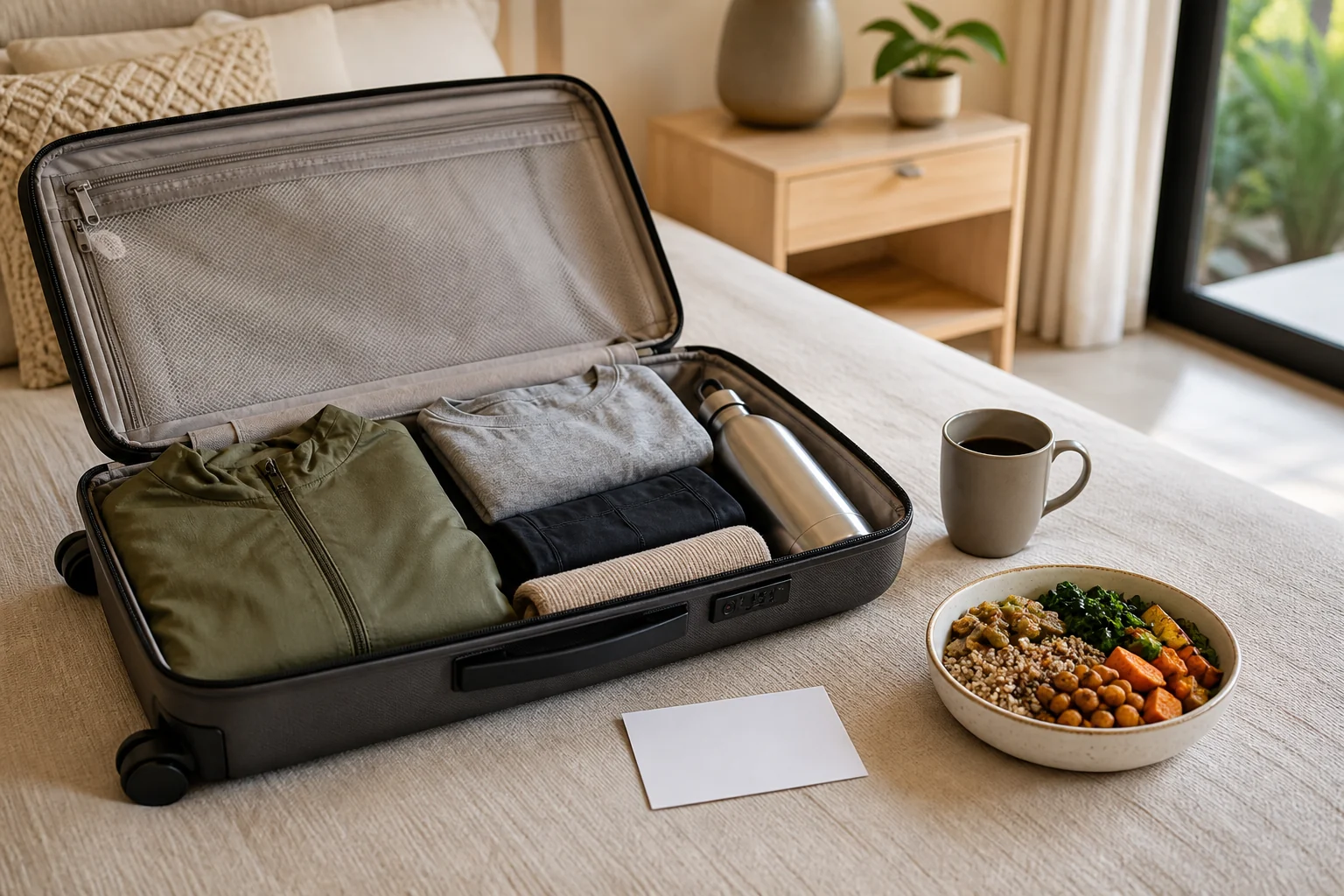
Alongside medicines: comfortable climate-appropriate clothing, familiar non-pharmacological sleep aids, glasses, chargers and necessary medical equipment. Clothing should follow the actual programme, not retreat photography.
Health documents require secure handling; diagnoses and results do not belong in an unprotected messaging thread.
Build the packing list from the documented timetable, climate and movement sessions. Add prescribed monitoring equipment where relevant, insurance information and emergency contacts. Leave behind newly purchased detox powders, unapproved devices and products whose ingredients the team has not reviewed. Personal additions can make even a careful protocol impossible to interpret.
Symptoms are not a “healing crisis”
A headache may follow caffeine withdrawal, dehydration or something else. Dizziness, fainting, confusion, chest pain, breathlessness, persistent vomiting or severe weakness require qualified assessment. They must not be dismissed as proof that the programme is working.
Before starting, know who receives symptom reports, who makes clinical decisions and where external help is available.
The first 72 hours and genuine rebound
Return according to the individual food and medication guidance provided. After significant restriction, a large meal with alcohol is not a sophisticated celebration but unnecessary strain. Keep the diary light too.
Sleep, ordinary hydration and simple meals help distinguish observations from the retreat from travel fatigue.
For those first three days, the discharge plan names meals or refeeding steps, unchanged medication or a personally authorised adjustment, protected sleep and a reachable contact. New or persistent symptoms are not romanticised as an after-effect. The guest knows when to call the retreat, their own clinician or emergency care.
Understanding rebound without blame
After brief restriction, water, glycogen, intestinal contents and appetite may increase. That is not automatically failure or renewed accumulation of mysterious toxins. The concern is when severe rules create hunger, loss of control or all-or-nothing behaviour.
Weight alone is therefore a weak success measure. Sleep, energy, eating rhythm, movement and clinically meaningful outcomes need an appropriate time frame.

Three habits instead of a new life
Before leaving, define no more than three changes: a regular bedtime, alcohol-free weekdays or a walk after lunch. Each requires a cue, a small minimum version and a plan for exceptions.
A review after several weeks is more useful than constant self-monitoring. Clinically relevant findings return to the guest’s own care team.
Give each of the three behaviours a start date, a modest minimum and a response to travel, invitations or difficult workdays. Put the follow-up appointment in the calendar before leaving. If coffee, hunger, weight or an old routine partly returns, that is information about the plan and real life—not a moral verdict on the traveller.
The Deluxetargets recommendation
Do not prepare a perfect retreat self. Create a safe baseline, reduce avoidable withdrawal and plan the return as carefully as arrival. The value of the stay is not demonstrated by seven disciplined days, but by what remains useful after seven ordinary weeks.