
Rwanda, at forest level
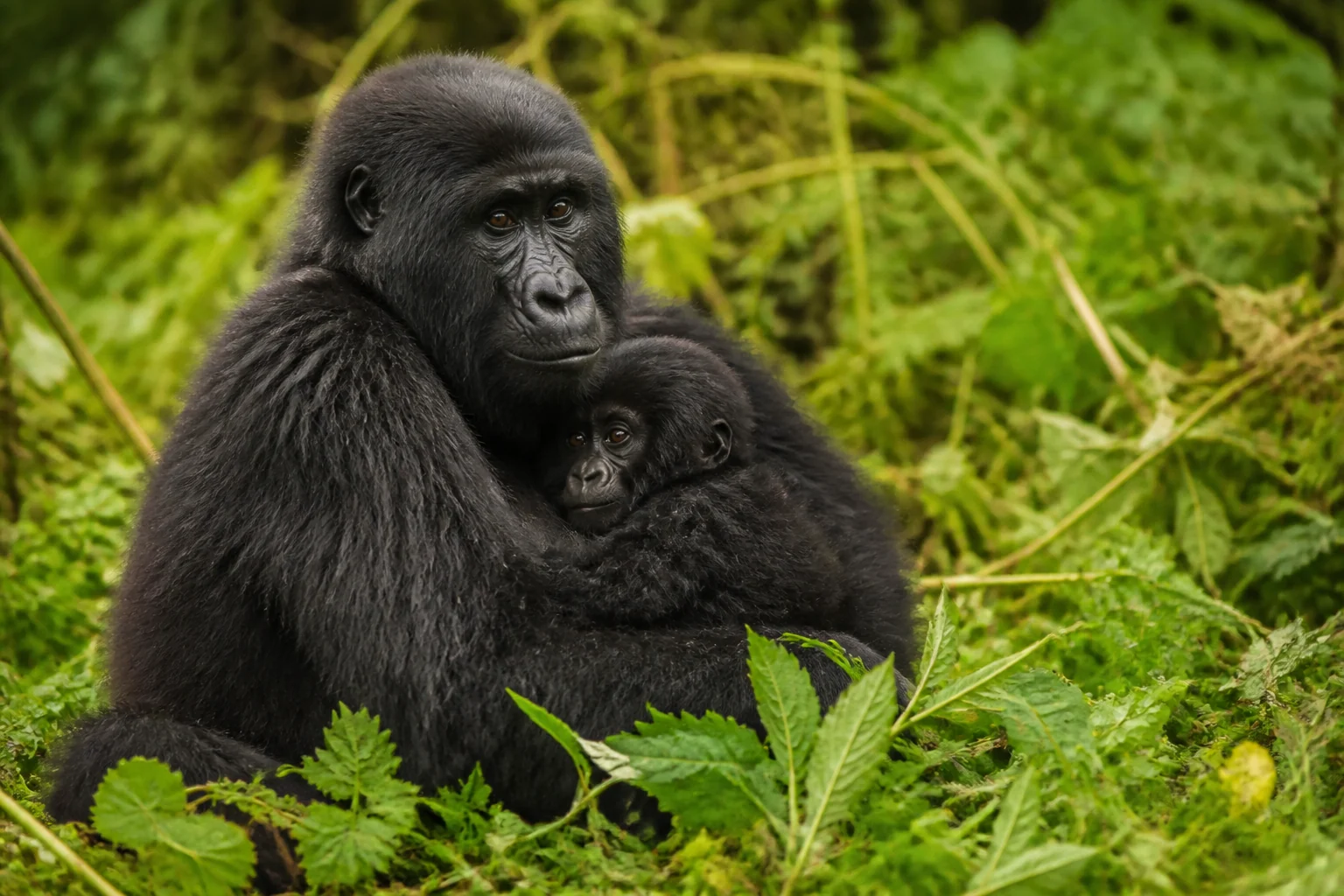
The hour with mountain gorillas may be the emotional centre of the journey. Its quality, however, is shaped long before the forest: by the permit, health, fitness, lodge position, guide and the humility to accept what the day gives.
Permit, encounter time and the reality of the day
Gorilla tracking in Rwanda’s Volcanoes National Park operates through a limited, date-specific permit system. At the research date, Visit Rwanda published a price of USD 1,500 per person per day, a minimum age of 15 and groups of no more than eight visitors. These figures are dated facts, not permanent promises; the Rwanda Development Board portal and current booking terms govern.
Secure the permit before committing to non-refundable international flights and lodge nights. Names and passport details must be exact. Cancellation, amendment, illness and no-show terms deserve the same attention as availability. A beautiful room cannot rescue an itinerary built around the wrong trekking date.
The regulated viewing period with a habituated gorilla family is normally limited. The approach may be brief or take several demanding hours, depending on the family’s current position, terrain and conditions. Neither the route nor the length of the search can be ordered in advance. Trackers and park guides make the operational decisions.
This uncertainty is part of the encounter’s integrity. The forest is not a stage and the gorillas are not held in place for a schedule. Plan the day around an open return time. A spa treatment, flight or long transfer should not sit immediately behind the trek.
Health, fitness and porters are part of conservation
Great apes are vulnerable to human disease. Respiratory symptoms, fever or gastrointestinal illness must be disclosed, even when the permit is expensive and the journey was planned for months. Current park rules regarding masks, distance, hygiene and visitor behaviour are not optional. The ranger’s instruction on the day overrides any previous information.
Going into the forest while unwell is not determination; it transfers risk to an endangered population. The itinerary should include appropriate travel insurance and enough flexibility to manage illness, while recognising that financial protection may never replace the lost encounter. Conservation comes first.
During the morning briefing, guests may be grouped with their fitness and mobility in mind. This does not create a right to an “easy family”. Gorilla groups move, paths change and park management balances several operational needs. A guest should prepare for mud, steep slopes, roots, vegetation, rain and altitude even if a shorter route is requested.
Discuss heart and respiratory conditions, balance, recent surgery, pregnancy, medication effects and joint limitations with the appropriate medical professional before travel. The lodge and advisor can help with logistics but cannot declare someone fit for trekking.
A porter carries the daypack and can offer a steady hand on difficult ground under the guide’s direction. That assistance preserves energy and allows the guest to concentrate on footing and forest. It also directs income into communities around the park. Even a fit traveller can benefit.
Clarify the current hiring process, fee and tipping guidance locally. Treat the porter as a professional collaborator, not as an anonymous luxury accessory. Pack the bag lightly and explain any fragile camera equipment before setting out.
Clothing, camera, distance and daily sequence
Sturdy, broken-in footwear with reliable grip matters more than a fashionable hiking outfit. Long trousers, long sleeves, gloves suitable for vegetation, a waterproof shell and gaiters can help with mud, nettles and rain. Layers accommodate a cool start, humid climb and stillness during the encounter. Bright white and delicate fabrics are impractical.
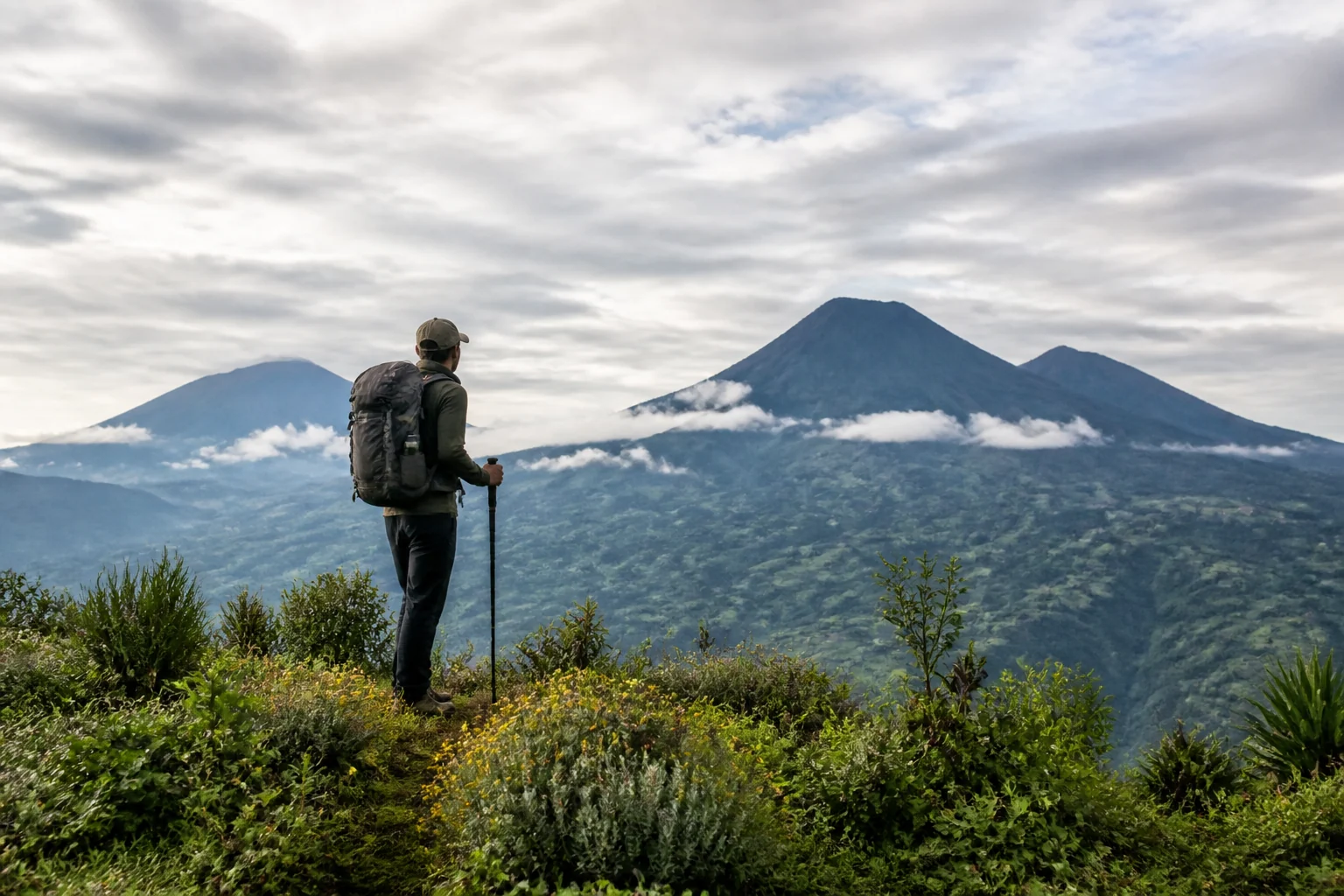
The lodge may lend certain items, but availability and sizes must be confirmed. Bring a waterproof cover or dry bag for documents and electronics. A small amount of water, permitted snacks, medication and a clean mask belong in the daypack. Follow the park’s exact rules on food in the forest.
Low light, dense vegetation and unpredictable movement make gorilla photography challenging. A camera that the guest already knows is better than a new, complex system. Use a lens that can work from the required distance, silent settings where appropriate and sufficient battery and memory. Flash is not part of responsible wildlife photography.
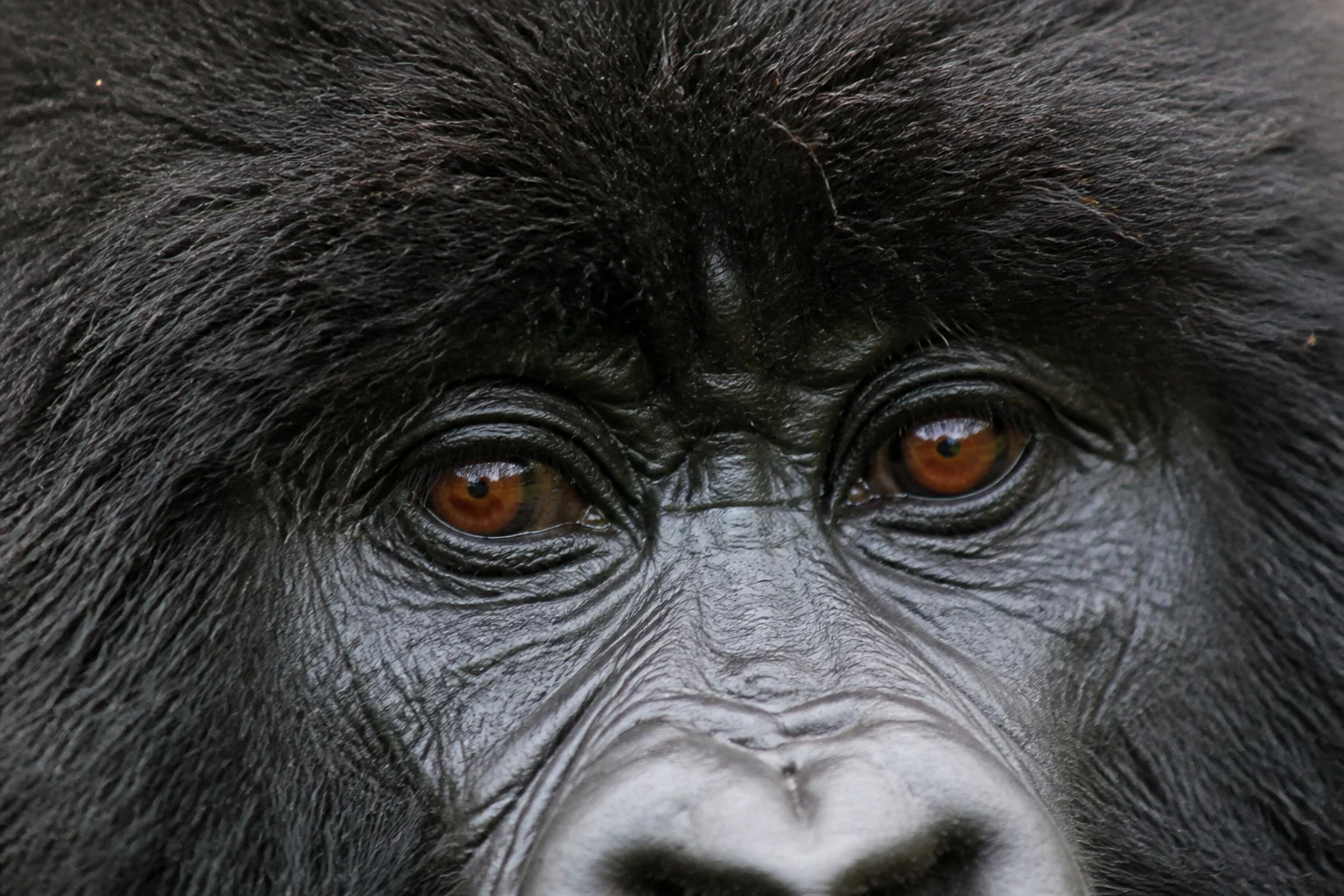
There may be no clear portrait, direct gaze or uncluttered view. Leaves, rain and other group members are part of reality. Put the camera down for part of the allotted time. The most enduring memory is often behavioural: a hand selecting vegetation, a juvenile’s movement or the quiet authority of a silverback.
Visitors follow the separation and behaviour rules communicated by park staff. If a gorilla moves closer, the guide directs the response; the guest does not step forward, touch, block or reposition for a photograph. Eye contact, crouching, voice and movement are governed by the briefing.
Social media has made apparent closeness a status symbol. It should not shape behaviour in the forest. A responsible image documents an encounter without suggesting that wildlife exists for human contact.
Breakfast and departure are timed for park registration and briefing. The drive from the lodge, paperwork, group allocation and transfer to the trailhead all take time. At the trailhead, porters and guides prepare the group before it enters farmland and forest. Conditions can change between the lodge and the first step.
On return, boots and clothing may be wet and heavily soiled. A good lodge anticipates this with practical cleaning, a warm welcome, food and time to recover. That post-trek sequence is more valuable than an elaborate amenity scheduled while the guest is still on the mountain.
Three lodges, three ways of staying
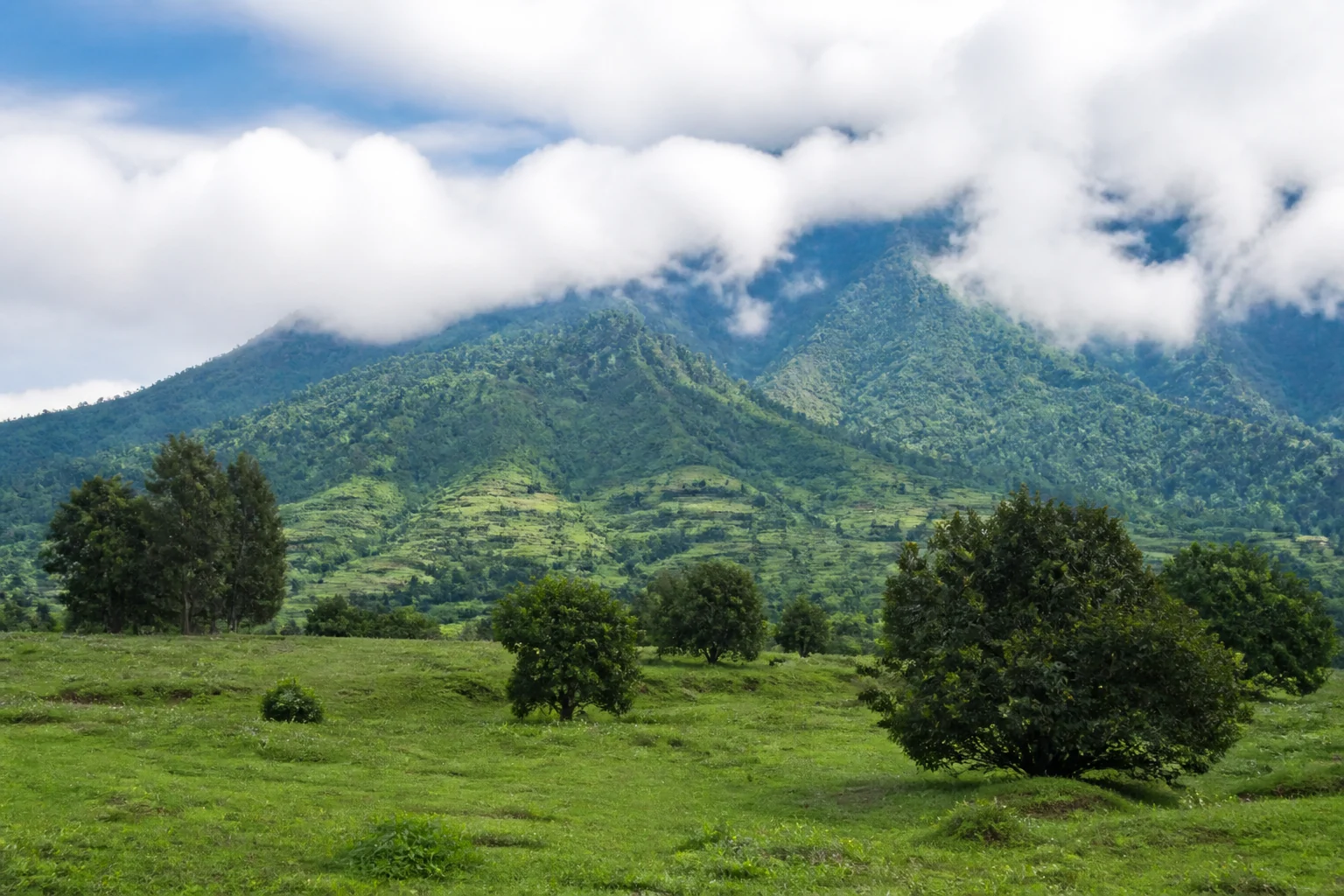
Wilderness Bisate and Bisate Reserve appeal to travellers who want a small-scale stay, striking architecture and a strong narrative around reforestation and the volcanic landscape. The exact accommodation, activity programme and inclusions differ between Bisate and the Reserve and must not be conflated.
This choice suits guests who want the lodge to deepen the ecological context, not simply provide a luxurious bed near the park. Confirm road time to registration, equipment, porter coordination and the current structure of conservation experiences.
Singita Kwitonda’s position near Volcanoes National Park and its composed residential style can work beautifully for travellers who value private space, detailed service and a strong transition from trek to recovery. It may be especially persuasive for a family or small party seeking a villa-style arrangement, subject to current configuration.
Do not choose it solely by brand. Check the exact suite or villa, vehicle and guide arrangements, meal inclusions, equipment support and the way the lodge handles two trekking days. The best room is the one that makes early starts and wet returns effortless.
One&Only Gorilla’s Nest offers a larger resort environment within forested grounds and may suit travellers who want a wider range of facilities, restorative time and a less intimate social atmosphere. For some guests, the additional space and resort rhythm are welcome after a physically and emotionally intense morning.
Confirm the booked room’s position, internal walking distances, trek logistics and current programme rather than assuming every category offers the same ease. Larger is not automatically less personal, but it creates a different experience from a tiny lodge.
All three addresses can deliver high-level hospitality. The distinctions are scale, design language, privacy, public-space energy, conservation interpretation, room configuration and how the property supports the trekking day. An absolute ranking would be less useful than matching these qualities to the traveller.
Ask whether the guest wants six quiet villas or a broader resort, whether spa and pool matter, whether children or companions who do not trek need a programme and how many nights will actually be spent at the property. The most expensive category may add space but no meaningful benefit.
Two treks and a complete Rwanda journey
A second permit creates another encounter with different weather, route, group dynamics, light and gorilla behaviour. The first day teaches the pace and makes the second less dominated by camera settings or uncertainty. For wildlife enthusiasts and photographers, this can justify the cost and physical effort.
It is not an insurance policy for a “perfect” sighting. Both days remain subject to the forest. Consecutive treks are efficient but physically demanding; a rest day between them allows recovery and creates room for golden monkeys, conservation or lodge time. The right rhythm depends on fitness and total itinerary.
A golden monkey trek can add a faster, brighter and very different primate experience in the volcanic forest. It still requires its own current permit, rules, time and physical assessment. It should be selected for genuine interest rather than inserted as filler around the gorillas.
Other regional activities may include volcano hikes, cultural encounters and conservation visits. Each needs ethical scrutiny and accurate scheduling. A full programme can become less luxurious than a slow afternoon with the mountains in view.
Kigali allows the traveller to understand contemporary Rwanda beyond the gorilla economy. A carefully paced stay can include art, design, food and the Kigali Genocide Memorial. The memorial requires time, context and respect; it should not be squeezed between airport and lunch as another attraction.
An arrival night in Kigali can also protect the permit from an international delay and create a calmer transition to the Volcanoes region. Depending on flight time, a final city night may be equally wise before departure.
Akagera National Park adds savannah, lakes and a conventional safari rhythm. Nyungwe introduces a different forest system and further primate and walking experiences. Either can make the journey more complete, but only if transfer time and total length allow depth.
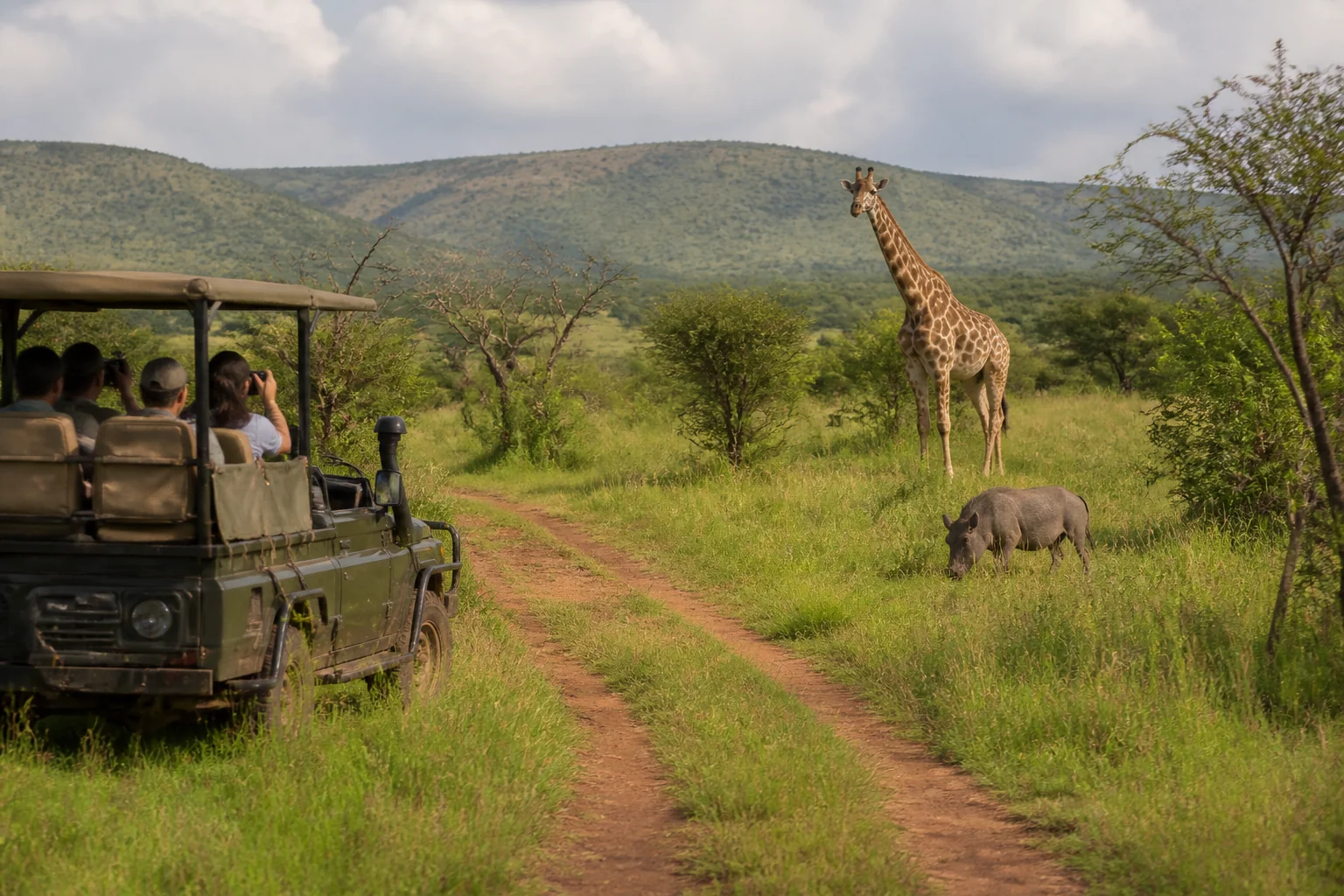
Combining every headline region in a short week produces more road than insight. Choose one extension according to interest: wildlife and open landscape, or forest, birds and primates. Rwanda’s scale appears compact on a map; roads and activities still consume real time.
The true cost extends beyond the permit
Budget for the permit, lodge, private road transfers, porter, gratuities, specialist guide where relevant, equipment, insurance and any second activity. Premium rooms and helicopter transfers may exist in some itineraries, but they do not alter park rules or guarantee an easier gorilla group.
A sound quotation states which permits are confirmed, who holds them, their amendment terms and what happens if illness prevents participation. It separates fixed government fees from hotel inclusions and optional comforts. Ambiguity is expensive.
When to advise against trekking
The experience may not suit a guest who cannot tolerate uncertain duration, steep or slippery ground, altitude, rain or strict instructions. Active illness is a clear conservation concern. A traveller who expects touch, guaranteed close portraits or a private gorilla family has misunderstood the activity.
Alternatives can still create an exceptional Rwanda journey: conservation-focused lodge time, landscape, Akagera, accessible cultural experiences or a companion programme while others trek. Declining the walk is not a lesser choice when it protects health or wildlife.
The 72-hour pre-trek check
- Reconfirm permit names, passports, reporting point and departure time.
- Review current park rules on health, masks, distance, bags, food and photography.
- Report any illness immediately and seek the appropriate medical and operator advice.
- Test boots, waterproof layers, gloves, gaiters and camera in realistic rain protection.
- Confirm porter arrangements, cash or gratuity guidance and daypack weight.
- Keep the post-trek schedule open and verify lunch, cleaning and return transport.
- Download insurer and local assistance contacts for offline access.
Questions a serious advisor should answer
- Is the permit confirmed in the correct name and under which current terms
- How does the lodge manage the early start, equipment, porter and wet return
- What fitness and medical issues should be discussed before payment
- Would one trek, two consecutive treks or a rest day between them suit the guest
- Which lodge scale and room position fit both trekking and recovery
- What happens operationally and financially if the guest becomes ill
- How does Kigali or one additional national park add context without rushing
The encounter is powerful because it is not ours to control
Mountain gorilla trekking contains every contradiction of modern luxury travel: scarcity and access, physical effort and exquisite lodges, conservation funding and the risk of human pressure. The answer is not to pretend these tensions do not exist, but to travel within strict limits and with accurate expectations.
When planned well, the luxury is not the photograph or the price of admission. It is the privilege of entering the forest briefly, guided by people who understand it, and leaving without asking the gorillas to become anything for us.