
The intelligent safari bag
A bush-flight allowance is not an invitation to sacrifice comfort. It is a design brief: one soft bag, a disciplined cabin kit and a wardrobe that works from cold dawn drives to elegant dinners in camp.
The long-haul allowance is not the relevant limit
A business-class itinerary may begin with two generous checked bags and end with a small aircraft whose baggage compartment is narrow, irregular and governed by payload. The domestic or bush sector, not the intercontinental flight, therefore sets the practical limit for the safari. A hard suitcase that travels easily to Johannesburg, Nairobi or Arusha may be impossible to load for the final leg.
The correct number is never “the African safari limit”. Current published policies among reputable operators differ materially: some specify 15 kilograms including hand baggage, others 20 kilograms inclusive, while another may separate checked and cabin weight. Dimensions and the treatment of wheels vary as well. The strictest confirmed sector in the itinerary controls the whole packing plan.
The flight-by-flight matrix decides
Before buying a new duffel, list every flight in sequence. Record the operating airline—not merely the company shown on the ticket—alongside checked weight, cabin weight, maximum dimensions, permitted bag construction and the rule for excess baggage. Mark which sectors are scheduled, seat-in-plane or private charter. Codeshares and lodge-arranged flights deserve the same attention.
Ask for the rules in writing and date the document. Operator websites are useful, but the booking confirmation governs the actual journey and policies can change. If an advisor cannot identify who operates a sector, the itinerary is not ready to pack. A single phrase such as “light aircraft applies” is insufficient.
Soft bag, leather weekender and real suitability
The ideal safari bag is compressible on all sides, has no rigid shell and can be shaped into an aircraft hold or pod. A soft duffel with a zip opening, durable fabric and modest handles is generally more useful than a framed roller. Yet “soft-sided” does not automatically mean wheels are accepted. Some operators restrict rigid bases, frames or protruding wheel assemblies; others publish only dimensions.
Choose the bag after reading the narrowest rule, not from a generic safari packing list. Do not rely on marketing labels such as “bush bag”. Measure it when realistically filled, including pockets and handles. An oversized half-empty duffel may still be awkward to load.
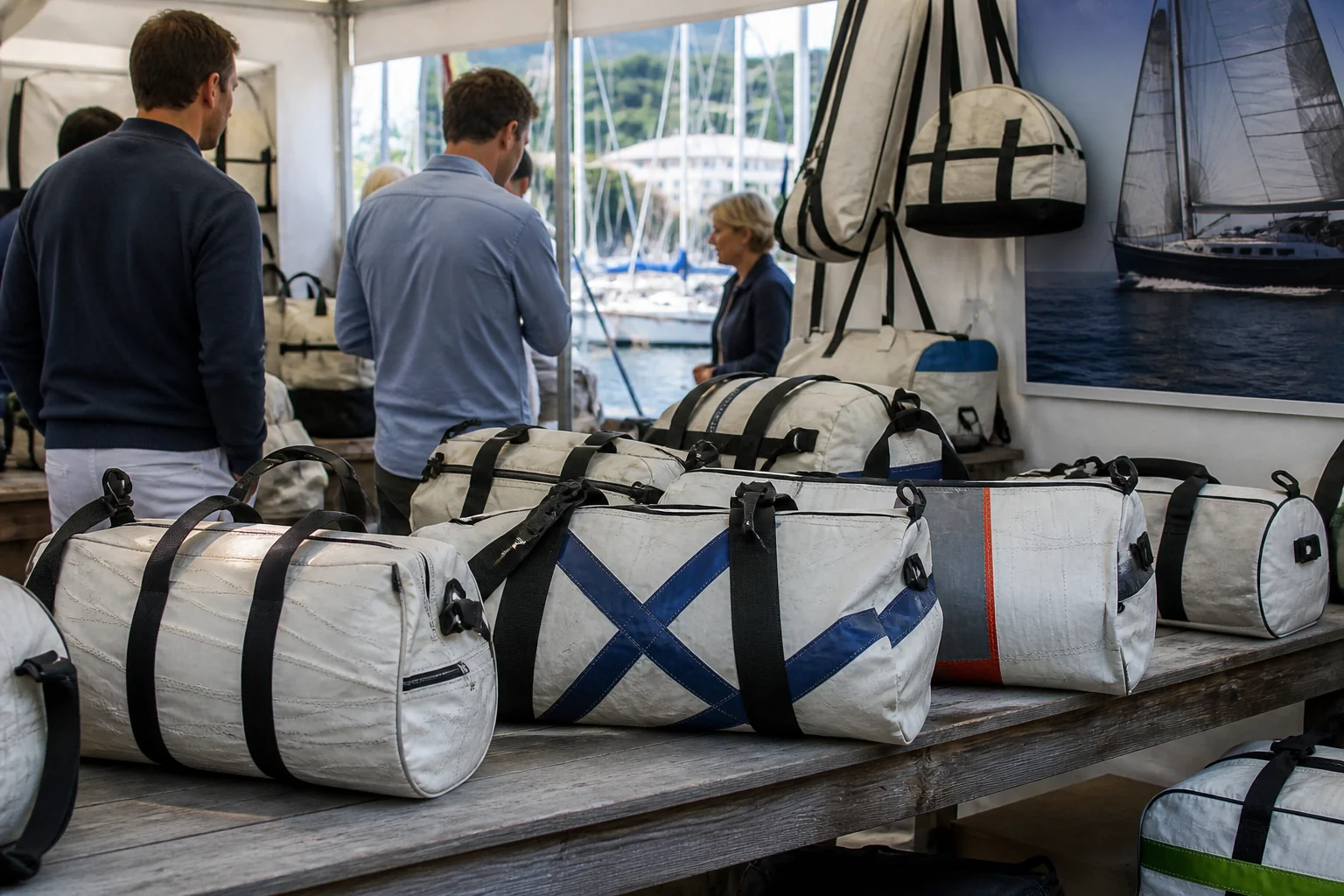
Leather can be heavy before the first shirt is packed. Structured sides resist compression, pale finishes dislike dust, and a precious bag invites unnecessary concern during open-air transfers. The most elegant choice is usually quiet, light and replaceable: robust canvas or technical fabric, smooth zips, no dangling hardware and a colour that is easy to identify without looking theatrical.
Luxury here is functional restraint. A bag that disappears into the logistics leaves attention for the journey. Save the structured luggage for the city hotel and arrange secure storage if the safari is one chapter of a longer trip.
Fifteen kilograms means wardrobe, equipment and reserve
The published total may include the bag itself, toiletries, shoes, camera, laptop and hand luggage. Begin by weighing the empty duffel and camera kit. Only then allocate clothing weight. A light bag can recover more than a kilogram compared with a heavy roller; a second camera body or long lens can consume several.
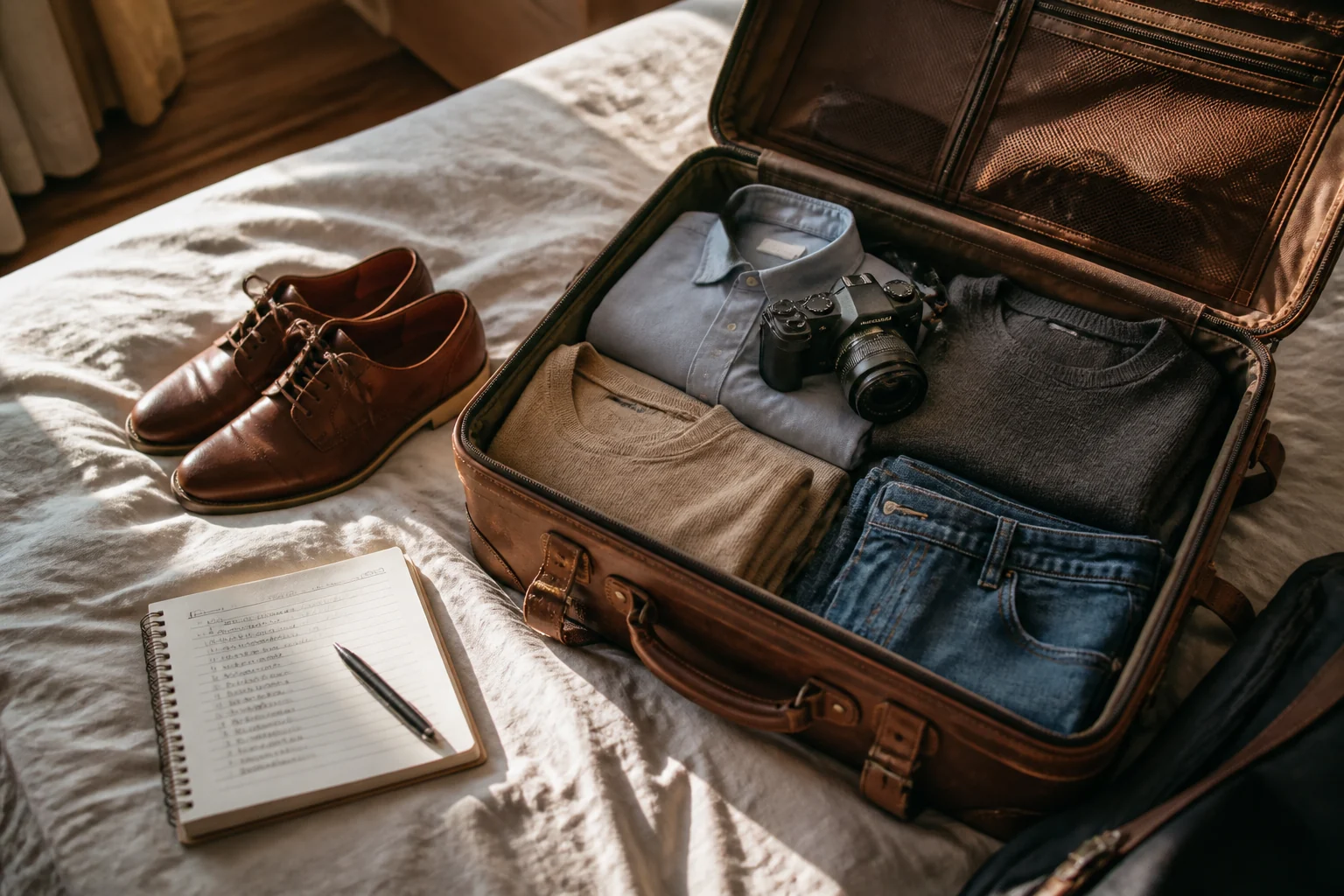
A practical wardrobe for a week in the bush might include three lightweight shirts, two pairs of trousers, one pair of shorts or a skirt according to preference, a warm mid-layer, a compact windproof jacket, sleepwear, underwear, socks, swimwear and one considered evening piece. This is a framework, not a uniform. Climate, culture, activities and personal comfort alter it.
Clothing, shoes and laundry make lightness possible
Safari mornings can be cold in an open vehicle, even when afternoons are hot. Layers outperform one bulky coat: a breathable base, light knit or fleece and wind-resistant outer layer can be combined, then packed away. Neutral, muted colours are practical for dust and wildlife viewing, but a wardrobe need not become costume. Avoid camouflage where it is restricted or culturally inappropriate, and reserve very bright pieces for camp rather than walking activities.
Fabric matters more than colour. Quick-drying, breathable materials reduce the number of items required. Linen is elegant in camp but can be less forgiving on a cold, dusty drive. Merino or technical layers may work well if the wearer already knows how they feel; a remote safari is a poor place to test an irritating fabric.
For vehicle-based safaris, a comfortable closed shoe with reliable grip is often more useful than a heavy expedition boot. Walking safaris may require more ankle support or a specific sole, depending on terrain and operator. A second light pair—sandal, loafer or clean trainer—serves camp and travel days. Confirm footwear requirements when walking is a core activity.
Wear the heavier pair on flight days. Pack socks inside the lighter pair and keep footwear in washable bags. Brand-new boots are a liability; break them in before departure. High heels rarely justify their weight or instability on timber walkways and sandy paths.
Many safari camps offer frequent laundry, sometimes included, but the details differ. Turnaround may be same-day or longer. Underwear may be excluded for cultural or operational reasons. Delicate fabrics, technical membranes and expensive garments may not be suitable for local washing methods. A weather delay can also interrupt service.
Ask each camp what is washed, how quickly and at what cost. Pack one extra day beyond the planned laundry rhythm and carry a small amount of travel detergent for essentials where appropriate. Quick-drying underwear and shirts make the system resilient. The aim is not to wash constantly, but to avoid carrying twelve versions of the same day.
Cabin bag, camera, labelling, toiletries and medicines
Passport, essential medication, travel documents, phone, valuables and critical camera cards belong with the traveller. So do spare lithium batteries and power banks under international aviation guidance; terminals must be protected against short circuit, and larger batteries may require airline approval or be prohibited. Rules for drones and specialist equipment add another layer.
A tiny aircraft may not offer a conventional overhead locker. “Cabin bag” can mean a very small item placed where the crew directs, and its weight may count within the total allowance. Use a compact, soft daypack that closes securely and can surrender non-critical items if the crew needs to redistribute weight. The safety instruction always overrides personal preference.
Wildlife photography is where otherwise disciplined packing collapses. Two bodies, a long telephoto, a mid-range lens, binoculars, laptop, chargers and batteries can exceed an entire light-aircraft allowance. Start with the images the trip is genuinely intended to make. A vehicle-based photographer may prioritise one long lens and a versatile second body; a casual traveller may be better served by a lighter zoom and excellent binoculars.
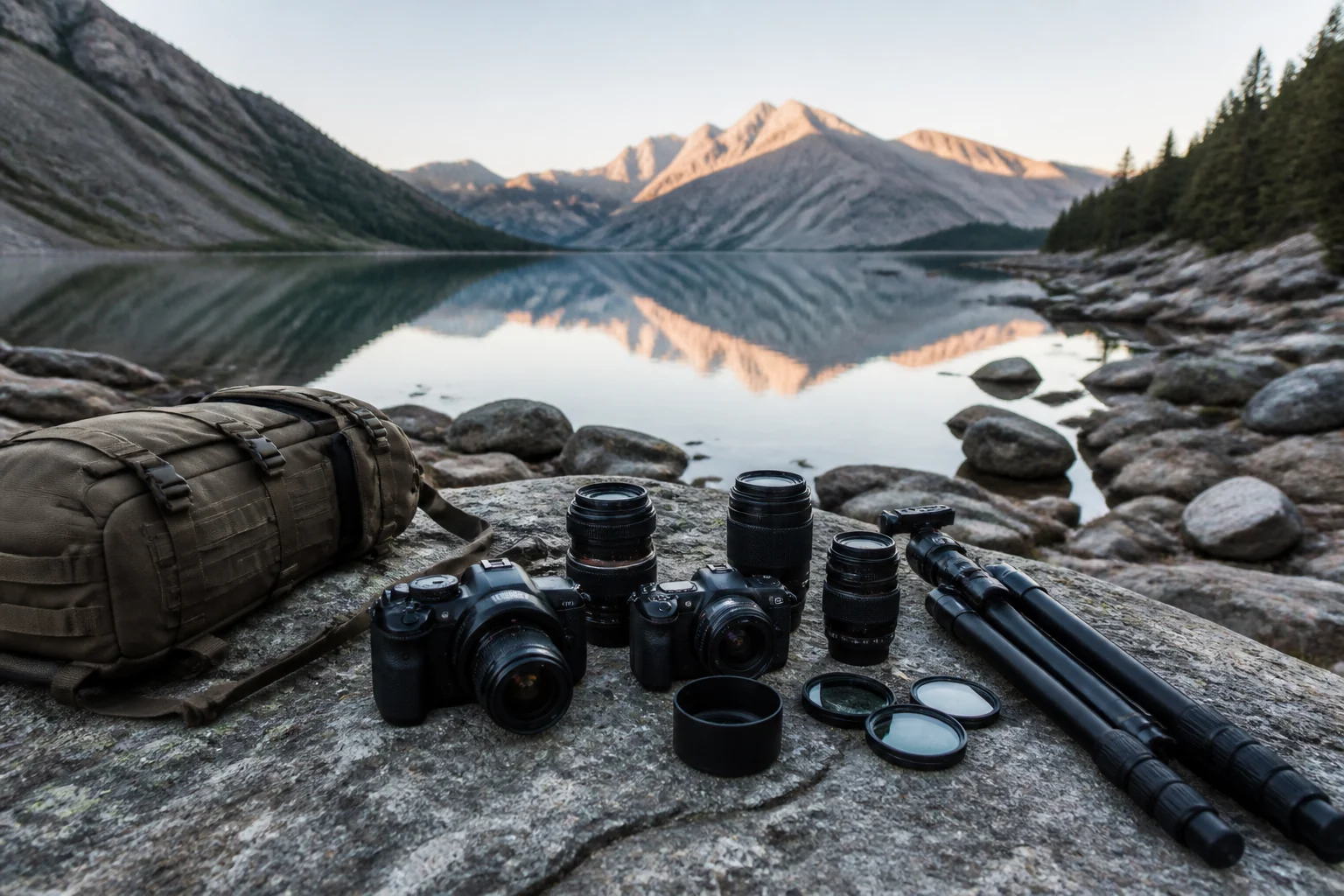
Weigh every component and discuss the result before ticketing the bush flights. Possible solutions include an approved additional seat, prepaid excess allocation, private charter, freight or safe storage, but availability is never automatic. Hard photographic cases may be appropriate on international sectors yet unsuitable in a small hold. A padded insert inside a soft daypack often creates a more adaptable system, provided it meets the operator rule.
Use a durable tag with name, mobile number including country code and an email address. A second identifier inside the bag helps if the exterior tag is lost. Avoid publishing a home address or a conspicuous itinerary. A discreet coloured cord or strap makes a common khaki duffel recognisable, but loose ribbons can catch during handling.
Photograph the packed bag and its contents before departure. Keep the operator baggage receipt where one is issued. An electronic tracker may be useful on the international route, but its battery and device must comply with airline rules, and remote airstrips may not provide meaningful network coverage.
Decant only products that remain safe and identifiable. Sunscreen, insect repellent, lip protection and personal skincare may be more important than a full cosmetics collection. Many quality camps provide shampoo, conditioner and body products; confirm rather than duplicate them. Aerosols, flammable products and liquids remain subject to aviation restrictions.
Pack leak-prone items in a sealed pouch and protect them from heat. A small fragrance or considered evening product can preserve a sense of occasion without adding a second toiletry case. If a product is medically necessary or difficult to replace, bring enough for delays and keep an essential portion with you.
Prescription medicines should travel in original, labelled packaging where possible, with a copy of the prescription or physician letter appropriate to the destination and transit countries. Controlled substances, injectable medication and refrigerated products can require specific authorisation or handling. Requirements vary by jurisdiction and must be checked with official authorities, not inferred from a previous trip.
Divide critical medication only where legally and medically appropriate, and never place the sole supply in checked luggage. Carry a concise medical summary, allergy information and insurance contacts. Camps are remote; a sophisticated packing plan anticipates delay without attempting to create an amateur pharmacy.
Families and long journeys need allocation
A child may or may not receive the same baggage allowance as an adult, especially on charter or infant tickets. Car seats, strollers, formula and medical items require advance agreement. Never assume that an item accepted on the long-haul airline will fit a bush aircraft or safari vehicle.
Distribute essentials across the family so one delayed bag does not remove every warm layer or all children’s clothing. Give older children a small personal daypack within the total limit. For babies, verify what the camps can reliably supply; remote logistics make familiar products valuable, but carrying an entire nursery may render the flight plan impossible.
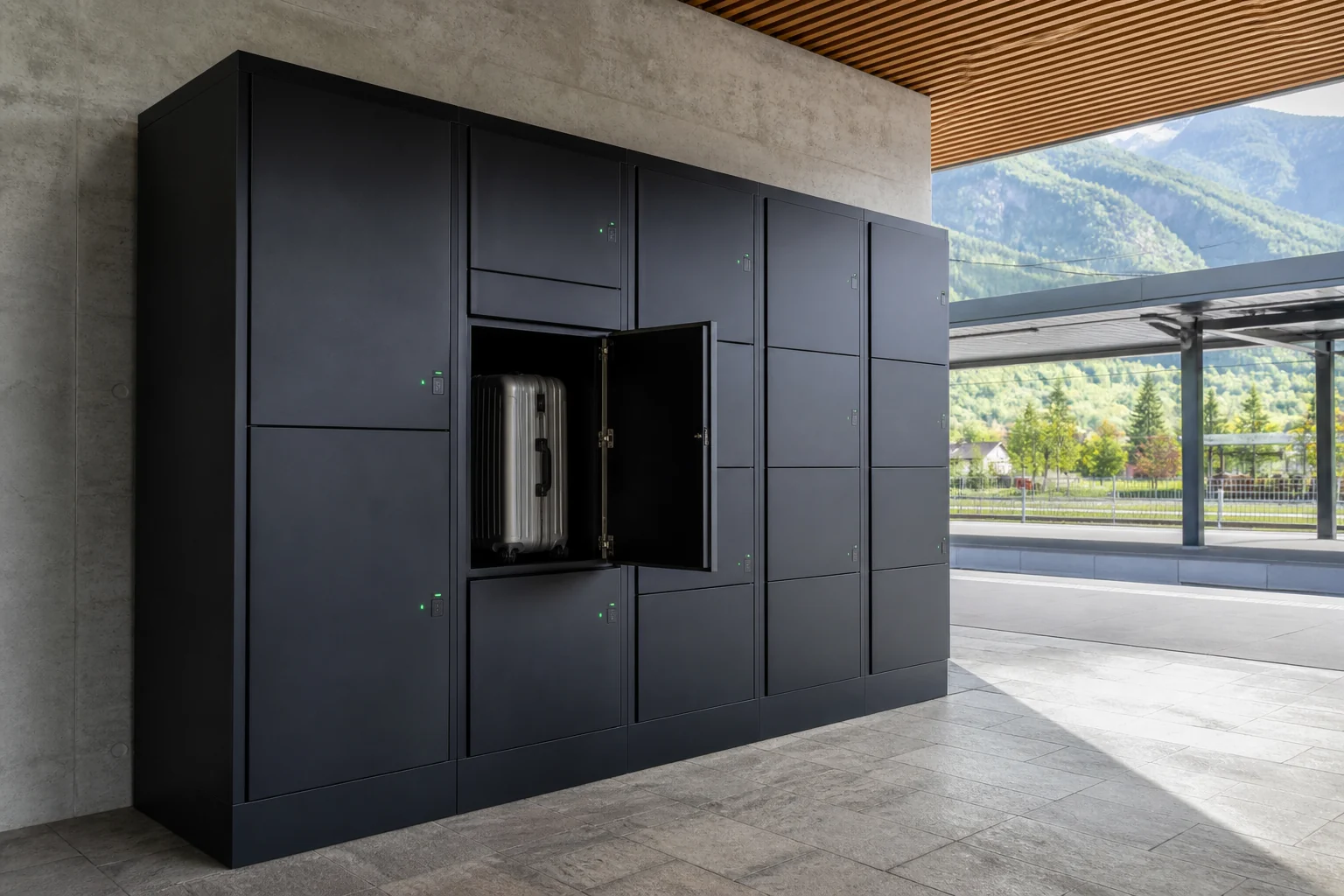
When a safari sits between city hotels, a rail journey or a beach stay, packing everything into the bush aircraft makes little sense. Use a compliant soft bag for the safari and leave formal clothes, hard luggage and excess items in secure storage at the gateway hotel or with an established ground handler. The handover and return must be documented, timed and tied to the final route.
This works only if the itinerary returns through the same gateway or a professional transfer can reunite the luggage elsewhere. A casual promise that “the bag will follow” is not enough. Record who holds it, the receipt, contact person, delivery address and contingency if the onward flight changes.
Excess baggage is not a guaranteed escape
Some airlines sell additional weight in advance; others carry it only if payload and space permit. On a small aircraft, money cannot override weight and balance. A private charter can improve flexibility, but even then the aircraft has limits and the operator controls safe loading.
If extra equipment is essential, secure written confirmation before the safari becomes non-refundable. Clarify whether the purchase is guaranteed capacity or merely a fee charged if space exists. The cost of a baggage seat, larger aircraft or freight should be visible in the original comparison—not discovered beside the airstrip.
A final 24-hour packing protocol
- Reconfirm the operating carrier and current rule for every sector.
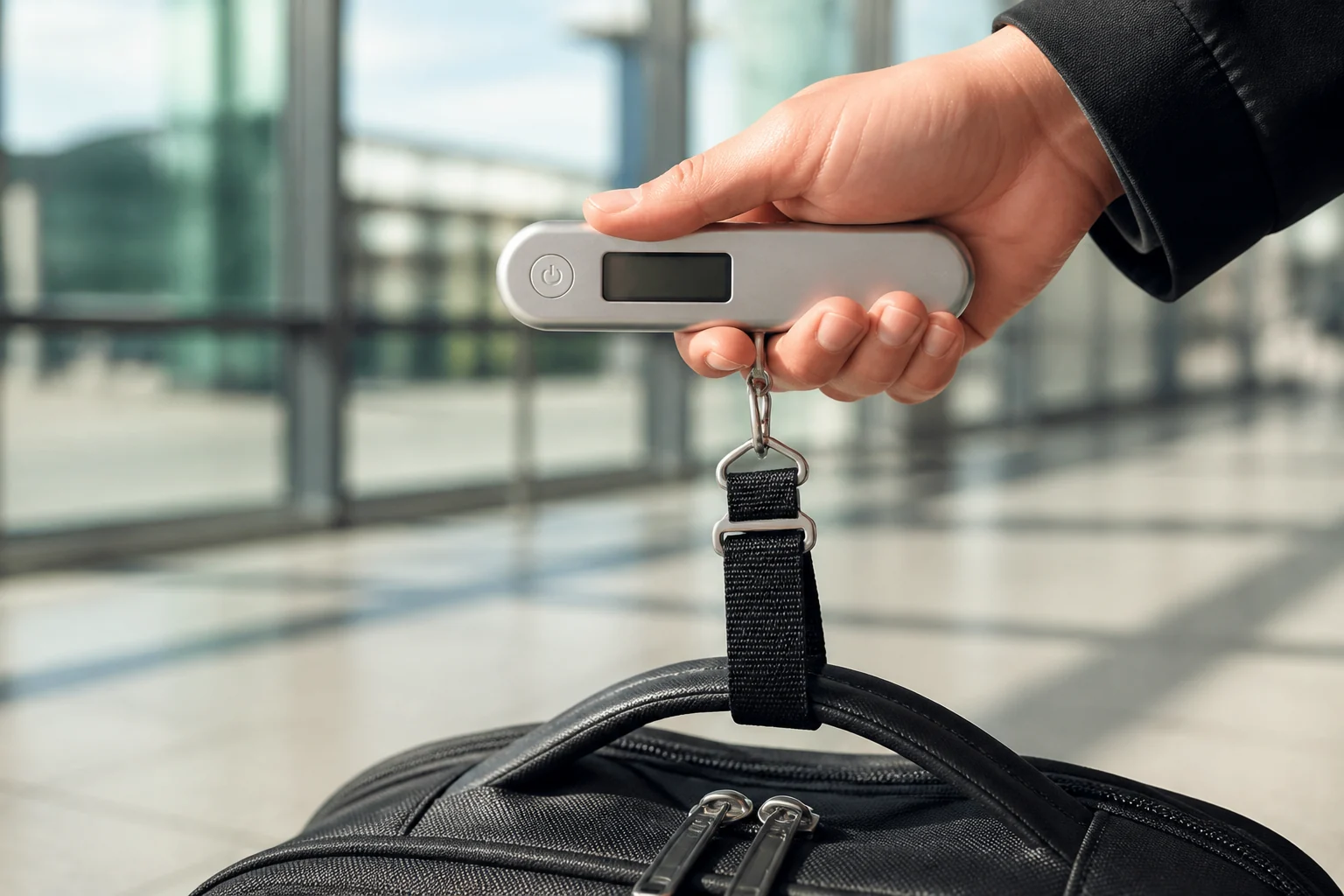
- Weigh the packed duffel and daypack separately on a reliable scale.
- Measure the bag at its widest points and remove rigid packing cubes if they prevent compression.
- Move spare batteries and power banks to the permitted cabin kit; protect every terminal.
- Place documents, critical medication and one change of essentials with the traveller.
- Photograph bags, labels and high-value equipment; save serial numbers offline.
- Remove “just in case” duplicates until a margin remains below the limit.
The refined pack list
In the soft duffel: a small layered wardrobe, two-pair footwear system, sleepwear, swimwear, compact toiletries, sun hat and any camp-appropriate evening piece. In the personal daypack: passport, documents, medication, phone, valuables, camera essentials, protected spare batteries, sunglasses and a light layer. Stored at the gateway: hard suitcase, formal wardrobe, large liquid products and anything not required in the bush.
The precise contents change with season and activity. A cold highland morning, walking safari, horseback programme or gorilla trek may demand specialist clothing. The principle does not change: every item must earn its space through safety, repeated use or genuine pleasure.
What an advisor should confirm before saying “pack light”
- The operating carrier and written allowance for every flight.
- Whether the published weight includes hand luggage and camera equipment.
- Maximum dimensions and whether wheels, frames or hard bases are accepted.
- Guaranteed arrangements for essential excess equipment.
- Laundry service and realistic turnaround at each camp.
- Storage and reunion plan for luggage left at the gateway.
- Current battery, medication, drone and specialist-equipment requirements.
The best-packed safari bag is almost invisible
Good packing is not a performance in minimalism. It prevents a beautiful journey from being governed by an inflexible suitcase, an unapproved camera case or clothing chosen for photographs rather than climate. The guest arrives with what is needed, knows where the essentials are and can move from aircraft to vehicle without negotiation.
That ease is the final standard. One well-designed soft bag, one precise cabin kit and a little empty capacity are more luxurious than excess. They create room for the only weight worth bringing home: memory.