
Luxury at the waterline
A turquoise aerial photograph reveals almost nothing about a snorkelling holiday. The meaningful questions lie below the surface: where the reef edge begins, how one enters and exits, what tide and current do, whether the lagoon contains living habitat and how recently the resort verified the condition of its coral.
House reef and lagoon are not opposing quality grades
A house reef can offer compelling marine life close to the villa, while a lagoon can provide gentle swimming, sand, seagrass and scattered coral heads. Neither term guarantees beauty, safety or biodiversity. Both describe physical relationships around an island or coast, not a star rating for the water.
The best resort may contain both: a sheltered lagoon for relaxed swimming and a defined reef edge reached through safe channels. The real comparison is between specific access, habitat and conditions. “House reef resort” and “lagoon island” are only the beginning of the brief.
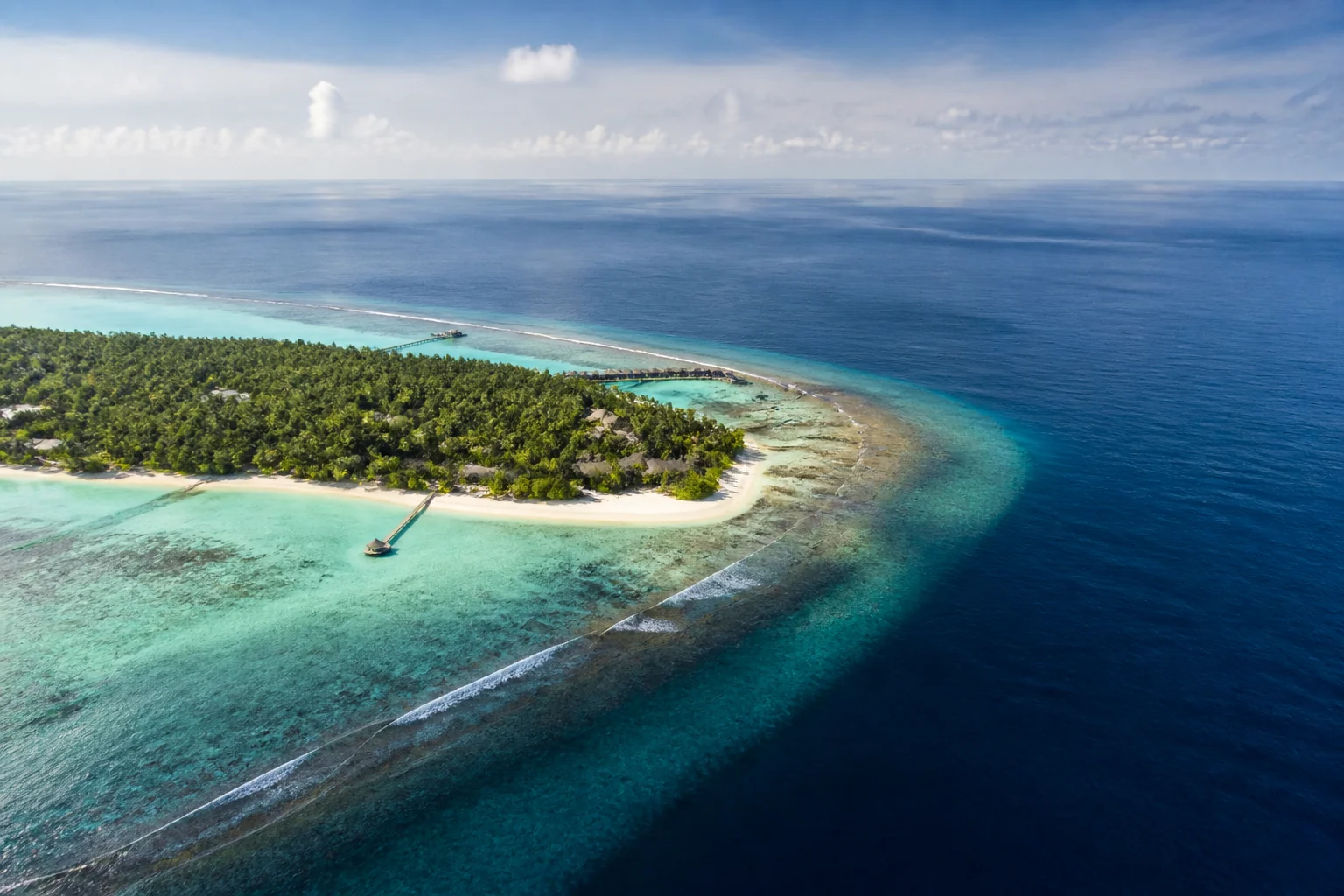
A house reef is useful only when it is truly accessible
In resort language, a house reef usually means reef habitat reachable without a dedicated excursion. That may involve a beach, jetty, platform or marked channel. It does not mean guests can enter anywhere, nor that the reef lies immediately outside every villa. Shallow reef flat may separate shore from the drop-off.
Ask for the permitted entry and exit points, the distance to the reef edge and the conditions under which access closes. An outstanding reef two hundred metres from an awkward shore is a different product from a modest but well-supervised edge beside a stable jetty.
A lagoon can be alive without looking like a coral garden
Lagoons often include pale sand, seagrass, rubble, isolated coral bommies and channels. UNEP identifies seagrass as an important marine flowering-plant ecosystem. It is not dirt that a luxury resort should remove to produce a uniform postcard. Juvenile fish, rays, turtles and invertebrates may use these habitats, without any specific animal being guaranteed.
A clear sandy lagoon can be ideal for swimming and beginners, yet deliver limited coral viewing. A biologically richer lagoon may look less perfectly turquoise from the air. The guest must decide whether the priority is effortless bathing, natural history or daily reef exploration.
Access geometry matters more than the villa photograph
Look at water depth at different tides, substrate underfoot, ladder length, wave exposure and the route back to shore. Coral shallows must never be crossed by standing or walking. A rope or marked corridor can protect both guest and reef, but only if it remains usable in the relevant conditions.
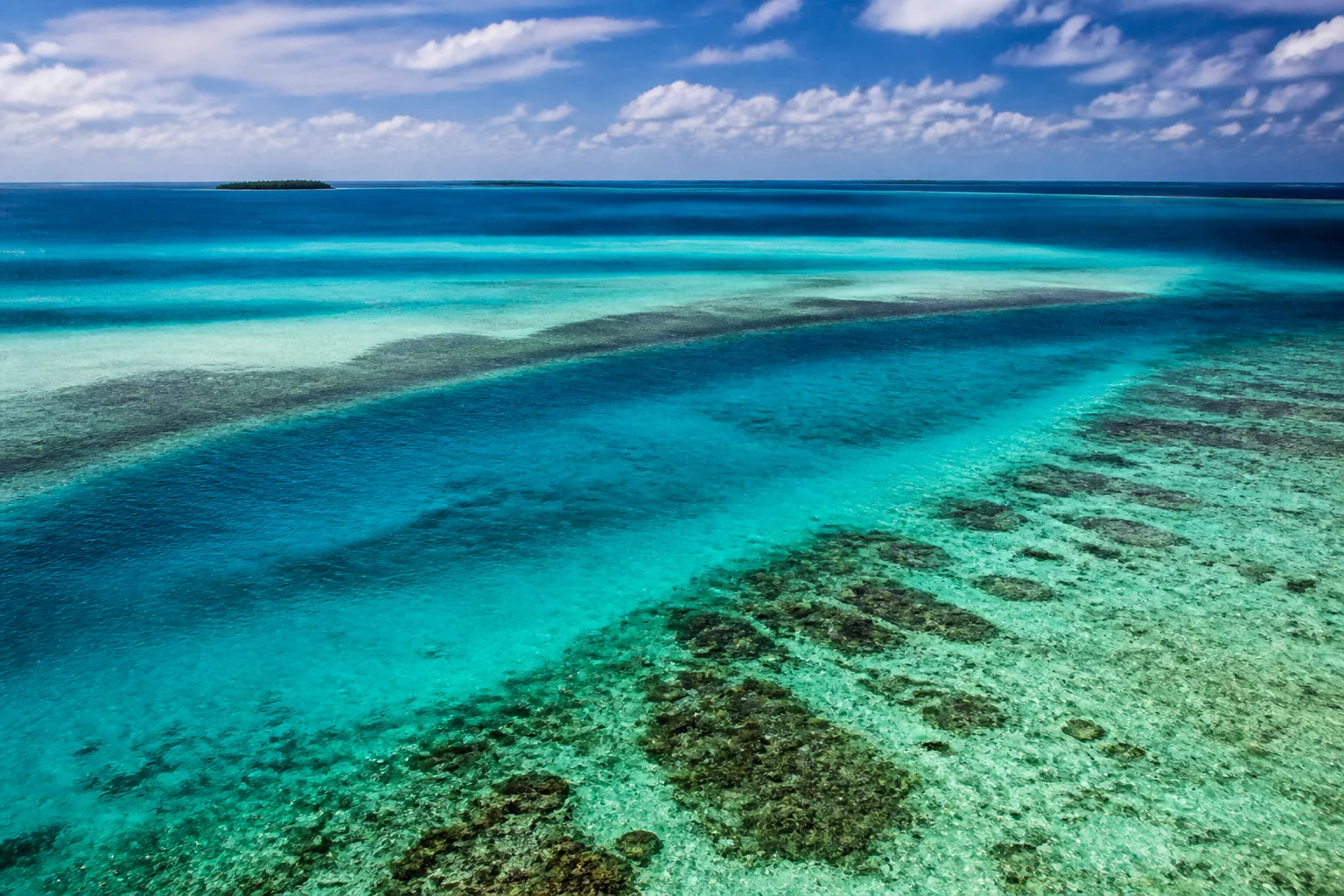
The easiest entry may be far from the chosen room. A long boardwalk, hot sand or repeated buggy wait changes spontaneous snorkelling. Ask how guests carry equipment, where they rinse it and whether towels, drinking water and shade exist at the actual exit.
Reef map, current, access and present health
Request a map showing reef flat, edge, channels, boat lanes, permitted zones, emergency exits and marine-centre position. It should distinguish snorkelling routes from diving sites and indicate where conditions often become more demanding. A decorative island outline with fish icons is not enough.
The map is still not a forecast. Tide, wind, swell and local operations change. Its value lies in exposing the resort’s understanding of its own water and allowing an advisor to compare the guest’s ability with the site before money is committed.
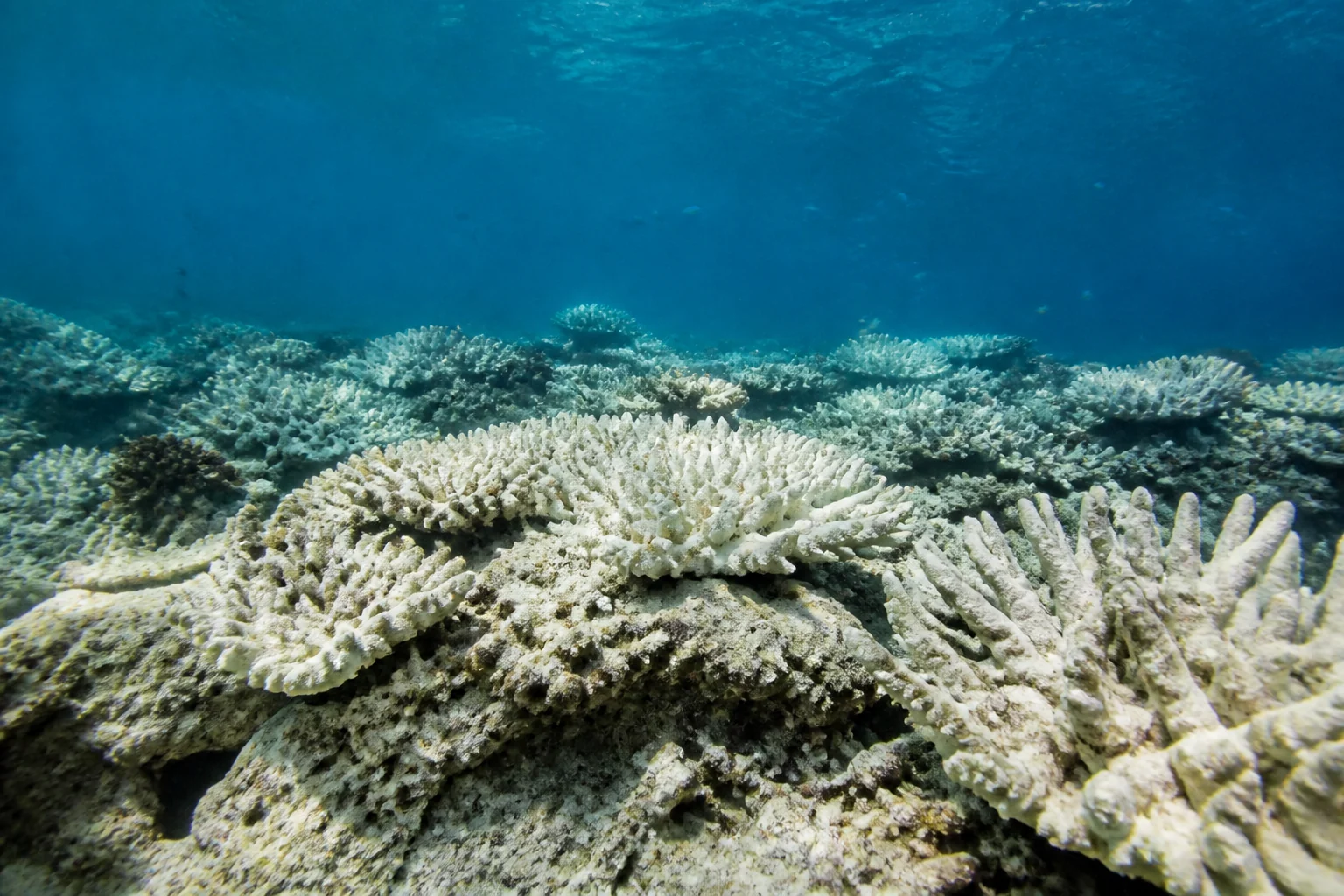
Water can accelerate through reef passes and around island corners. A benign-looking surface does not prove a weak current. Tide changes depth over the reef flat and may determine whether a marked channel is comfortable, difficult or closed. Rain, swell and wind can also change visibility and exit conditions.
Guests follow the marine team’s briefing for that day, not advice remembered from a previous visit. Ask whether current is measured or assessed, how conditions are communicated and what happens if a snorkeller misses the planned exit. No article can determine a safe time for a particular person.
The ladder may descend into a sandy lagoon, shallow seagrass, a boat channel or water too deep for a nervous swimmer. In other locations, coral or current makes villa entry prohibited. The most expensive villa category can therefore be the least useful room for someone whose priority is independent daily snorkelling.
Villa numbers and orientations matter. Request exact depth range, substrate, legal swimming zone, nearby vessel movement and the route to the supervised reef entry. For families, ladder design and the absence of a lifeguard may make a beach villa the more luxurious choice.
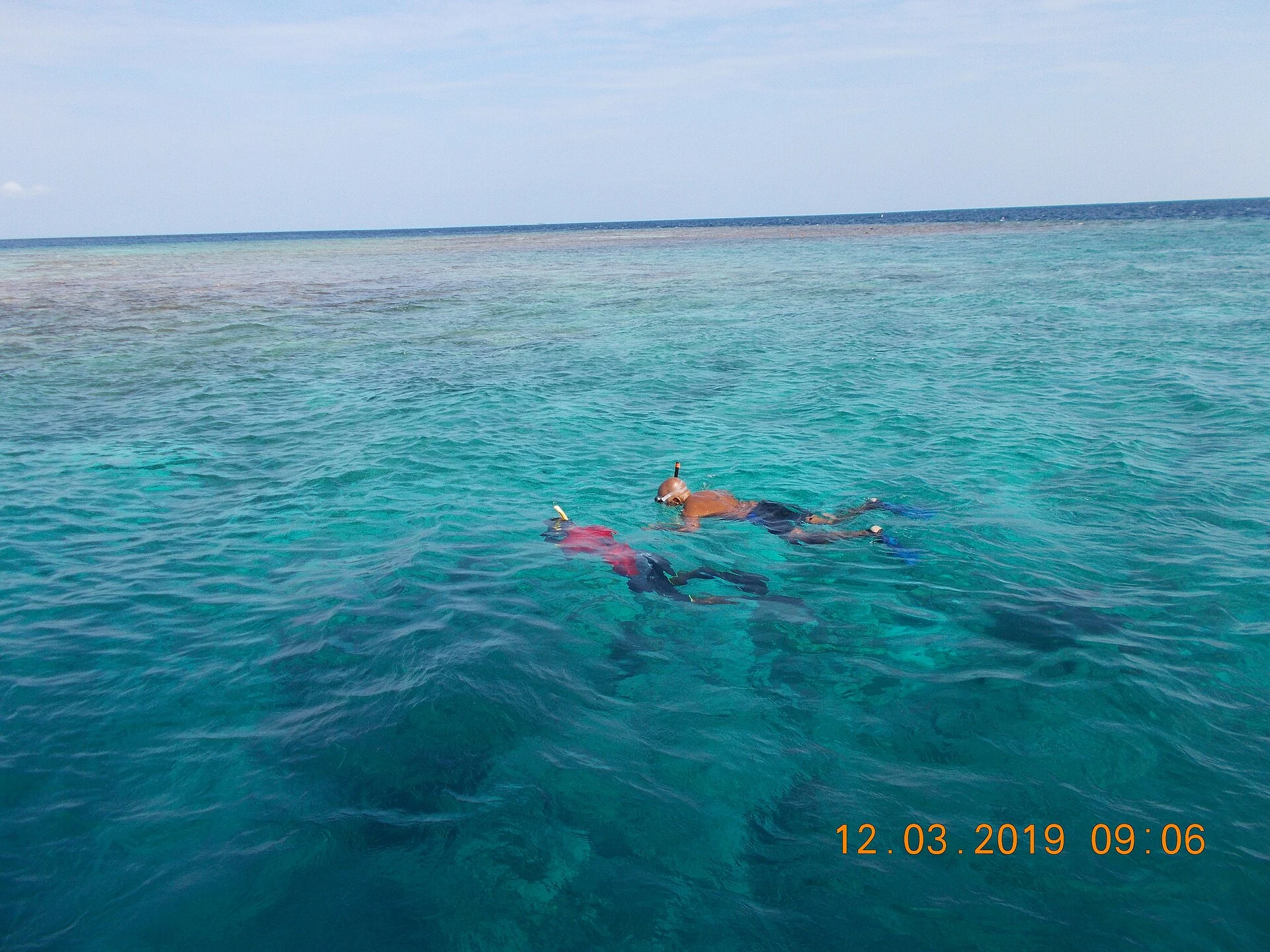
NOAA Coral Reef Watch monitors heat stress and bleaching because reef condition can change. A photograph in a hotel brochure may predate a storm, bleaching episode, construction or natural recovery. “Pristine” is not a condition report, and satellite information cannot by itself describe one resort’s coral.
Where reef quality drives the booking, ask for recent unedited underwater photographs, a dated marine-biologist update or a clear account of affected and recovering areas. Healthy fish life can coexist with damaged coral; colourful coral in one image does not characterise the entire reef.
Guests sometimes interpret seagrass or washed natural material as poor maintenance. That expectation can encourage harmful clearing. UNEP documents seagrass meadows as valuable coastal ecosystems. A resort with credible conservation practice should explain their role rather than apologise for an imperfectly empty seabed.
This does not mean every guest must prefer swimming over seagrass. It means the advisor should match expectations honestly. If white sand under every stroke is essential, choose the right beach sector; do not demand that a living habitat be removed to manufacture it.
Turtles, rays, reef sharks, schooling fish and colourful coral frequently appear in resort marketing. Wild animals move, seasons vary and one encounter never becomes an entitlement. Even a resident cleaning station or feeding ground should not be treated as a scheduled performance.
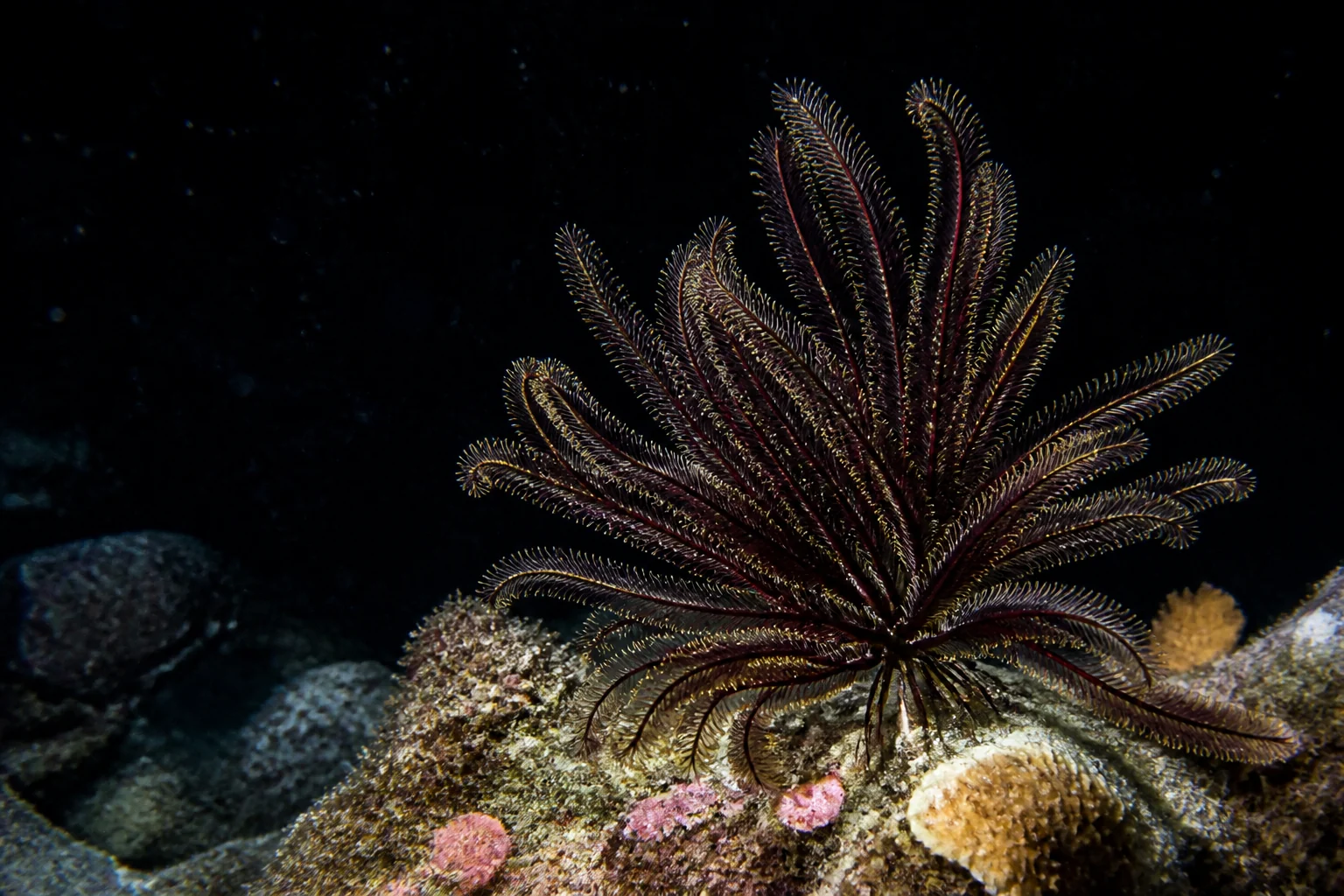
Ask which habitats are commonly observed and whether records come from the house reef, lagoon or boat excursions. A manta or whale-shark season may require a transfer to another site and favourable conditions. The distinction prevents a guest from booking the wrong island for one hoped-for animal.
The marine centre makes freedom safe and intelligible
A polished villa cannot compensate for a marine operation with limited hours, generic briefings and no clear supervision. Ask who leads snorkelling, what qualifications and local experience the team has, which languages are available and how many guests share a guide.
Safety readiness matters: lookout or surface support where appropriate, rescue craft, communication, oxygen, first-aid capability and a practised emergency plan. WorkSafe Queensland’s professional framework is jurisdiction-specific, but its emphasis on hazard assessment and supervision is a useful benchmark for questions anywhere.
Even an experienced snorkeller benefits from a site orientation. The marine team can demonstrate entries, exits, current lines, no-go zones, boat traffic and hand signals. Equipment can be adjusted before the guest is committed to open water. The first swim should be a reconnaissance, not a species hunt.
A resort that requires an orientation is not reducing luxury. It is protecting guests and habitat. Afterward, independent access should remain conditional on ability and daily conditions. Buddy practice still applies; privacy does not mean swimming alone beyond effective assistance.
Children, fitness, equipment, behaviour and sun protection
Depth, current, sun, boat traffic and a child’s real water confidence determine suitability. Age alone says little. Confirm guide ratios, flotation options, mask sizes, rash guards, shaded preparation and whether a parent must accompany the activity. A snorkel vest is an aid, not a substitute for active supervision.
Short sessions in a protected area may create a better first encounter than towing a child to the reef edge. Overwater villas add unguarded water and ladders to the risk assessment. A beach villa near the marine centre can offer more freedom to the whole family.
Snorkelling can look effortless while placing demands on breathing, circulation, shoulders and legs. Anxiety, fatigue, recent illness and unfamiliar equipment matter. A guest with relevant medical concerns should seek individual advice from an appropriate professional before travel; resort staff cannot provide medical clearance.
Be conservative after a long flight, in heat or when dehydrated. Do not let a non-refundable holiday turn discomfort into pressure. Guided, short and close-to-exit sessions can be more rewarding than an ambitious circuit that consumes all confidence.
A large equipment room means little if masks leak, fins are poorly sized or snorkels are unfamiliar. Guests with prescription masks need to confirm availability or bring their own. Full-face snorkel masks require particular caution and should never be assumed suitable; follow recognised safety guidance and operator rules.
Fins should permit control without encouraging contact with coral. A flotation device must fit and allow the user to breathe comfortably at the surface. The resort needs a rinse and drying system that is hygienic, not merely a photogenic rack of identical gear.
Green Fins guidance rejects touching or standing on coral, chasing or feeding wildlife and careless fin contact. Snorkellers should practise a horizontal position and controlled kick away from fragile substrate. Nothing is collected; no animal is handled for a photograph.
A resort’s environmental credibility appears in its briefing and operations. Does it manage anchors, boats, wastewater, guest numbers and wildlife encounters consistently A coral-restoration frame beside the jetty does not offset routine damage elsewhere.
A long-sleeved rash guard, leggings where suitable, shade and timing reduce reliance on sunscreen and protect a back exposed for an hour. Product labels using “reef safe” are not an absolute environmental guarantee. Guests follow local rules and use sunscreen thoughtfully on uncovered skin.
Heat and reflection increase dehydration and sun exposure even when water feels cool. Drinking water before and after, limiting midday sessions and resting between outings belong to a high-quality routine. The best snorkelling hour is not always the brightest one.
Destination name and brand prestige do not replace a water comparison
Maldivian resort islands can range from broad sandy lagoons to close reef edges and current-swept channels. Seychelles properties may involve granite shores, seasonal swell or boat access. Bora Bora is renowned for its lagoon, yet an overwater bungalow does not guarantee coral at the ladder. Fiji and the Red Sea add different current, wind and reef configurations.
No destination-level shortcut replaces the exact property. Compare the specific island sector, season, marine operation and current reef report. The country answers immigration and broad climate questions; it does not answer whether one guest can snorkel safely before breakfast.
A resort comparison should use water, not brand prestige
Score each candidate on permitted entry, distance to reef edge, daily current, lagoon-swimming quality, recent reef evidence, marine-centre depth, guided programme, child suitability and bad-weather alternatives. Then add villa privacy, restaurants, transfer and overall service.
This may move a famous resort down the list and a quieter property upward. That is not a compromise; it is expert matching. The best honeymoon resort and the best independent-snorkelling resort may be different places, even at the same price.
The true cost may include access that looked free
House-reef snorkelling is often included, but guided outings, private marine biologists, boat trips, equipment, prescription masks or transfers to manta and whale-shark areas may cost extra. Some activities require minimum numbers or operate only on set days.
Ask what happens when weather cancels a paid excursion and whether alternatives or refunds apply. Marine-park fees, taxes and private-guide supplements should be visible in the proposal. A lower villa rate can disappear quickly if every meaningful water experience needs a boat.
Ten questions reveal whether the promise is real
Where are the legal entries and exits How far is the reef edge What changes with tide Which areas carry current or boat traffic When was the reef last documented Is seagrass present What orientation is required Who supervises What rescue resources exist Which experiences cost extra
Also ask what the resort would recommend to a nervous swimmer, a strong teenager and an experienced adult. A serious marine team will differentiate the answer. A sales response that gives all three the same lagoon photograph is not sufficient.
The right choice protects both freedom and restraint
Choose a house reef when daily independent access, documented condition and manageable entries align with the guest’s skill. Choose a lagoon-led resort when effortless swimming, family water time and a softer shore matter more, adding guided reef excursions if desired. Choose a property with both when the group contains different swimmers.
Luxury is not the right to enter anywhere at any time. It is the confidence that access has been understood, conditions are communicated, help is credible and the living reef is not damaged for convenience. The clearest water promise is one that also explains its limits.