
A budget for the memory
A honeymoon budget is not improved by dividing it neatly. It becomes intelligent when it protects the first days, buys privacy where the couple will feel it and leaves room for one or two experiences that will still define the journey years later. The right allocation depends less on percentages than on time used, scarcity, recoverability and the kind of memory the trip is meant to create.
The budget buys memory, total value and contingency
Begin with the sentence the couple hopes to say after returning. Perhaps they wanted ten unhurried days together, the silence of an island, a table reached by boat or a first safari at dawn. That answer is more useful than choosing room categories before the journey has a purpose. Luxury spending is successful when it changes how the trip feels; it fails when every category is upgraded because the occasion appears to demand it.
The budget therefore follows emotional priorities, not supplier departments. Flights, accommodation, food and activities are competing ways to protect energy, intimacy and discovery. A beautiful invoice can still fund the wrong honeymoon.
The visible package is rarely the whole spend. Add international and domestic flights, seats, bags, transfers, hotel nights, meal plan, drinks, taxes, service, tips, spa, excursions, insurance and the cost of any pre- or post-night required by the routing. Include clothing, photography or celebration pieces if they matter to the couple. Only then is there a budget to allocate.
Use one currency and a realistic exchange buffer. Separate confirmed amounts from estimates and note when each payment becomes non-refundable. This prevents a villa upgrade from consuming money that was never truly available.
A reserve is not an invitation to add another dinner. It protects the journey from a missed connection, weather-related hotel night, medical visit, replacement transfer or changed flight. The appropriate amount depends on route complexity and the financial exposure already committed; a multi-stop island itinerary needs more resilience than a direct city stay.
Hold the reserve outside the category totals and give it an owner. If it remains unused near departure, the couple may choose a final pleasure deliberately. Before that point it is insurance in cash, not spare budget.
Protect the route and first night first
The first luxury is arriving in a condition to enjoy what was booked. A cheaper itinerary with two risky connections, an overnight airport wait and a boat that departs once daily can damage more value than it saves. Compare schedules door to door, including realistic immigration, baggage, terminal changes and the final transfer.
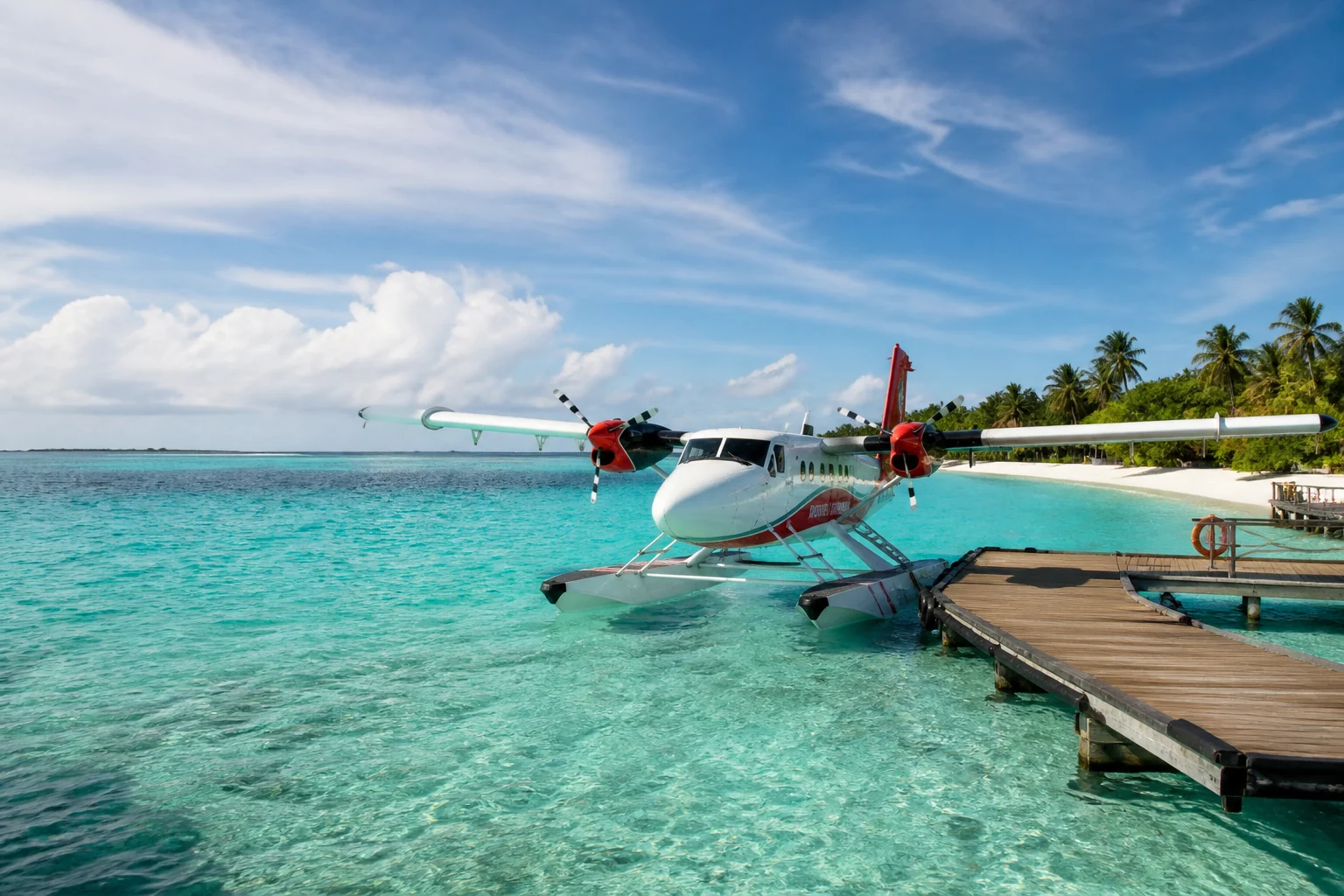
When an island, safari camp or remote lodge has a strict arrival window, a sensible buffer night may outperform an expensive room upgrade. It is not glamorous on the quotation, but it keeps the defining part of the honeymoon intact.
Business class only where it changes travel days
A flat bed on a long overnight sector can buy sleep, privacy and a usable arrival day. That is real value when the alternative means checking into an exceptional resort exhausted. The premium is less compelling on a short daytime flight, a route with an awkward connection or a product whose seat does not materially improve rest.
Price the marginal difference after taxes, seat fees and baggage, then ask what else that amount could transform. The answer is personal: a poor sleeper may value the cabin more than a pool, while another couple would gladly travel comfortably in premium economy to stay three nights longer.
The return journey is still part of the honeymoon. A luxurious outbound followed by a cramped overnight return can make the final memory unnecessarily abrupt. Mixed cabins may work, but the direction should reflect flight timing, sleep opportunity, work commitments and lounge or connection quality rather than the symbolism of “starting in style”.

Also compare one-stop excellence with a direct, simpler product. The best cabin is not automatically the best itinerary. Protecting baggage, connection margin and the last calm evening can be worth more than another airline logo.
More nights, the right room and usable privacy
An extra night gives another sunrise, unhurried breakfast and margin for weather. A category upgrade may give a larger bathroom used for a small fraction of the stay. Compare the upgrade premium across all nights with the cost of extending the trip. The result often exposes where the emotional return really lies.
Length is not always superior: an urban stop can feel complete in three well-planned nights, while an isolated resort may become repetitive. The principle is to buy enough time for the destination’s rhythm before buying more room than the couple needs.
“Villa” can mean a private garden, a detached room, a plunge pool, direct beach access or little more than a marketing category. Ask what changes physically: distance to neighbours, view, pool temperature, sun, bathroom privacy, indoor seating, sound and access to restaurants. A floor plan and location map are often more revealing than the category name.
The premium earns its place when the couple will use that difference every day. If they plan to dive, tour and dine out, an elaborate residence may remain an expensive backdrop.

Honeymoon privacy is not measured by room size. A vast terrace overlooked by a path may feel less intimate than a smaller balcony above the sea. Ask about sightlines from boats, restaurants and neighbouring units; distance from family pools, service roads and event lawns; and whether staff cross the outdoor space.
Equally, some couples prefer atmosphere to isolation. They may value a lively bar and effortless swim more than a remote villa requiring a buggy for every meal. Privacy should match temperament, not a honeymoon stereotype.
A sunset label is only useful if the terrace remains comfortable at that hour. Wind, shade, seasonal sea conditions, insects, heat and pool temperature determine whether outdoor space becomes a second living room or a photograph. On islands, the calm side can change through the year; in cities, a celebrated view may bring traffic noise.
Request current, category-specific guidance for the travel dates. Do not assume that the most expensive orientation is universally best. The right room is the one whose premium can actually be used.
Split stays can unlock value but also consume time
Combining two room types can concentrate spend: perhaps several nights in a well-located junior suite followed by two nights in a private pool villa. It can also create packing, check-out gaps and uncertainty about when the second room becomes ready. The saving is worthwhile only if the move is effortless and the categories offer genuinely different experiences.
Changing hotels is a larger decision. A second island or region adds transfers and another arrival day. For a short honeymoon, continuity may be the more sophisticated luxury.
Cost meals, drinks and supplements in full
Compare room-only, breakfast, half-board and all-inclusive using the couple’s real appetite. Which restaurants participate Is dinner a credit or a menu Are signature venues, room service, taxes and service included Does the plan encourage eating at the resort when the destination’s best evenings are outside it
PrivateUpgrades’ current terms and FAQ make the central point clear: the confirmed rate and property conditions govern what is included. A meal-plan label is not enough. Price three plausible days before deciding.
Champagne, wine pairings, premium spirits, bottled water, minibar and destination dining supplements can change the total significantly. An inclusive plan may be good value for a couple who enjoys long resort evenings, but poor value for guests who drink little or spend days touring. Ask for the current beverage list and exclusions rather than relying on “selected drinks”.
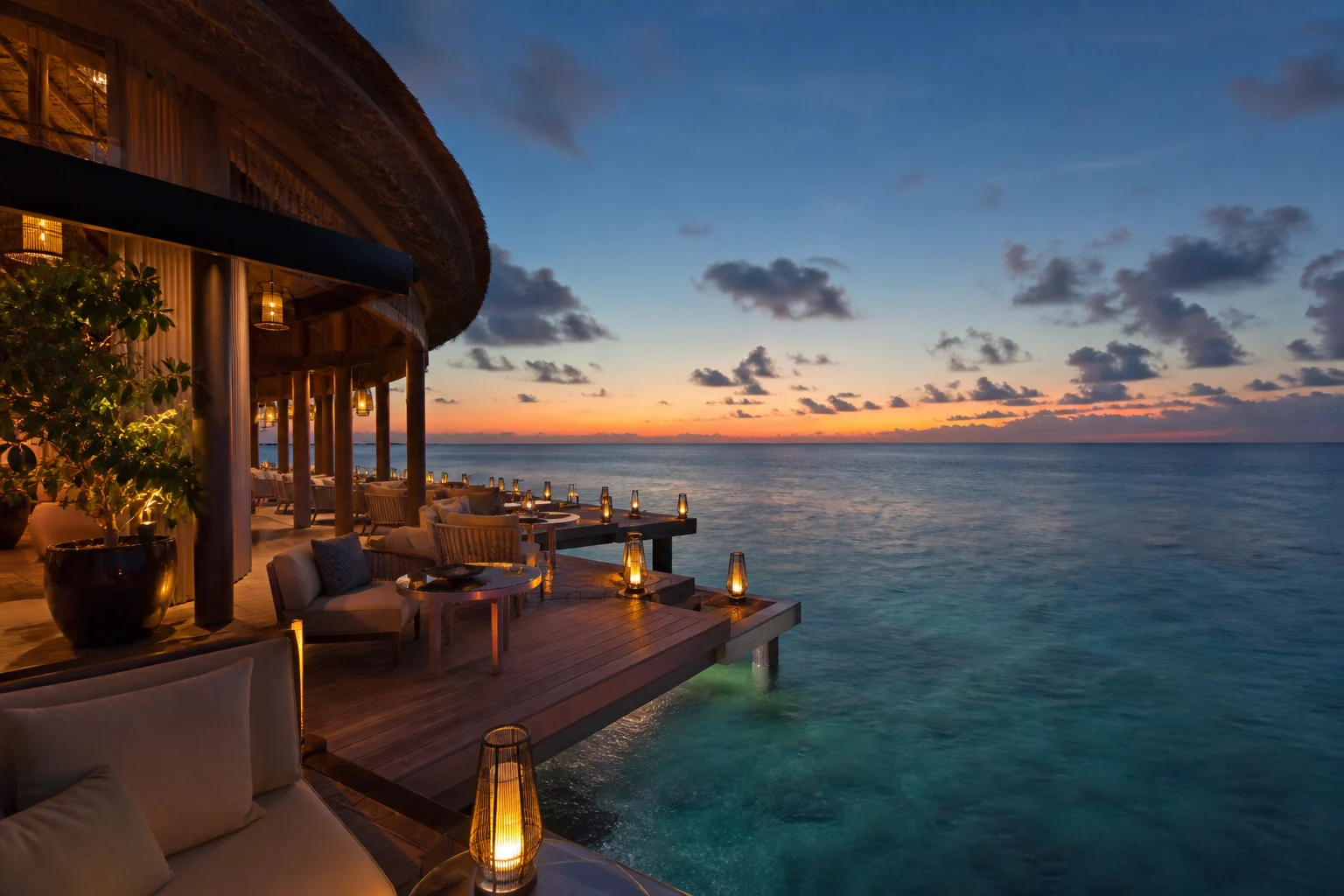
Prepaying can remove friction, yet flexibility also has value. The best arrangement lets the couple choose without feeling obliged to consume enough to justify a package.
One defining experience and prioritised extras
A private dawn boat, a conservator-led visit, a desert camp reached at the right hour or dinner in a place that cannot be recreated may matter more than a sequence of generic excursions. Identify the one experience around which timing, guide and access deserve the strongest budget.
Fund it properly: private transfer if needed, the best available guide, a weather alternative and enough empty time around it. A signature moment loses force when squeezed between spa appointments and restaurant reservations.
A private boat can create freedom; it can also place two guests on an oversized vessel with excessive crew and no atmosphere. A small expert-led group may offer better interpretation and a more natural encounter. Likewise, a private dinner can be lonely if staged on a windy platform far from good service.

Pay for privacy when it improves pace, access or discretion. If it changes only the label, direct the money towards quality, timing or an extra day instead.
Flowers, cake, musicians, spa rituals, photography and styled dinners are easy to add because each appears small beside the trip. Together they can absorb a meaningful category of spend and turn private time into a programme. Choose the extras that feel like the couple, not a resort’s honeymoon template.
Professional photography is valuable when images matter and the style has been reviewed. Otherwise, one considered portrait session or discreet in-room gesture may be more enduring than a week of repeated staging.
Transfers, tax, service and small frictions
Airport meet-and-assist, domestic flights, seaplanes, boats and long road sectors must be priced with baggage, waiting and operating windows. A remote property can look affordable until mandatory transfers are added. Conversely, a private transfer may protect the first afternoon or avoid an exhausting shared circuit and therefore deserve priority.
Write every handover into the plan. Who meets the couple, what happens after delay, where does luggage travel and which costs are already confirmed Seamlessness is designed, not implied by the room rate.
Local levies, service charges, resort fees, gratuities and card-currency choices vary by destination and booking. PrivateUpgrades notes that some local government or tourism charges may remain payable at the hotel even where known mandatory charges are included. The booking confirmation, not a generic webpage, is the source for the stay.
Create a local-payment line and keep it visible. Small surprises feel disproportionately inelegant on a honeymoon because the couple believed the major decisions were finished.
Non-refundable spend needs downside protection
Map deposits and cancellation deadlines by supplier and local time. A hotel change may require cancellation and rebooking rather than a simple amendment, so the replacement should be secured before releasing valuable inventory where terms permit. Flights, activities and transfers can follow different contracts.
Insurance is assessed against the actual prepaid exposure, causes covered and travellers’ circumstances; it is not a decorative checkbox. The more bespoke the trip, the more carefully financial risk needs to be coordinated.
Island, city, safari and multi-stop allocate differently
On an island, the room, outdoor space and meal plan may shape most hours. In a city, location, guide and dining access can matter more than a private pool. On safari, the quality of guiding, vehicle and wildlife area usually outranks decorative suite size. A multi-stop journey spends more on logistics and benefits from restraint at each property.
This is why a universal split is intellectually weak. The destination determines how often each upgrade can deliver value.
Four scenarios are more useful than one percentage formula
Build four versions: sleep-first, privacy-first, experience-first and longer-stay. Keep the total and basic route constant, then move only the discretionary spend. The comparison reveals what each choice sacrifices. It also allows two partners with different instincts to discuss consequences rather than defend abstract preferences.
A fifth version can test the “famous” option—the airline, villa or resort initially desired. If it still wins after a fair comparison, the decision becomes confident rather than impulsive.
The final allocation fits on one page
The page records the real total, contingency, confirmed and estimated amounts, payment dates, cancellation exposure and the reason each major upgrade was chosen. It names the two experiences the trip must protect and the elements that can be reduced first if price changes. Every assumption—meal inclusion, benefit, transfer or room feature—links back to a current confirmation.
A good honeymoon budget does not make every component luxurious. It makes the whole journey feel considered. That distinction is what the couple will remember long after the invoice has disappeared.