
One acclaimed restaurant can define an evening. Over seven nights, another measure begins to matter: whether breakfast, an uncomplicated lunch, a celebratory dinner, children’s appetites and a late snack all work equally well. Variety can be more valuable than a famous name, provided the concepts are genuinely distinct, open on the right days and actually available to the guests who booked the resort.
Restaurant count is only the beginning
“Eight restaurants and bars” might mean eight kitchens, or one main restaurant, several bars, a seasonal grill and multiple rooms sharing a menu. Request every outlet with concept, meal period, opening days and capacity. Count real dining decisions during the stay, not logos. Four distinct restaurants that operate reliably can provide more breadth than ten names,
several of which rotate, close in low occupancy or exist mainly for events. Inventory becomes useful only when translated into an actual week.
Ratings have a defined scope. Michelin says its restaurant Stars assess cooking through ingredient quality, harmony, technique, culinary personality and consistency, not decor or service. Forbes Travel Guide rates hotels, restaurants and spas within its own framework and emphasises service. Both can offer valuable signals. Neither automatically establishes whether one resort supplies flexible, varied meals for a particular party over seven days.
That question needs a separate dining audit based on the guest’s habits rather than the prestige of an award.
For two nights, one exceptional dinner and a good breakfast may suffice. Over a week, repeated menus, rest days and absent light options become visible. Count the meals the hotel must realistically carry: seven breakfasts, several lunches, perhaps six dinners and spontaneous gaps. Travellers out exploring each day require less on-property depth than a family remaining inside a remote resort. Variety has no absolute value; it must be judged against duration, mobility and the preferred rhythm of the holiday.
Resorts often rotate restaurants according to season, occupancy, day of week or weather. An outlet may be under renovation, open only at weekends or activated for high demand. Ask for a current sample schedule for the travel dates and the moment when the definitive weekly plan is issued. “Seasonal opening” is material if that concept influenced the booking.
The advisor should assess the restaurants likely to operate in the guest’s actual week, not the complete collection presented on the website.
Compare menus for overlap. Do several outlets repeat the same starters, grills and desserts Are sauces, breads and accompaniments drawn from one production line Shared infrastructure is normal and can support consistency, but should not be confused with culinary range. True variety changes ingredients, technique, pace, portion style and atmosphere. A Japanese counter, local kitchen,
Mediterranean terrace, beach grill and calm all-day room serve different purposes only when each retains a recognisable point of view.
The whole day tests the kitchen
A tasting menu is an occasion, not everyday nourishment. After travel, sport or a long excursion, the ideal meal may be soup, salad, pasta or beautifully grilled fish. Examine the dependable all-day restaurant first: product, range, speed, tables and flexibility. Then consider the chef-led flagship.
A mature resort can deliver both the grand dinner and the ordinary lunch without making the simpler occasion feel second tier. That capacity often matters more to the stay than another theatrical concept.
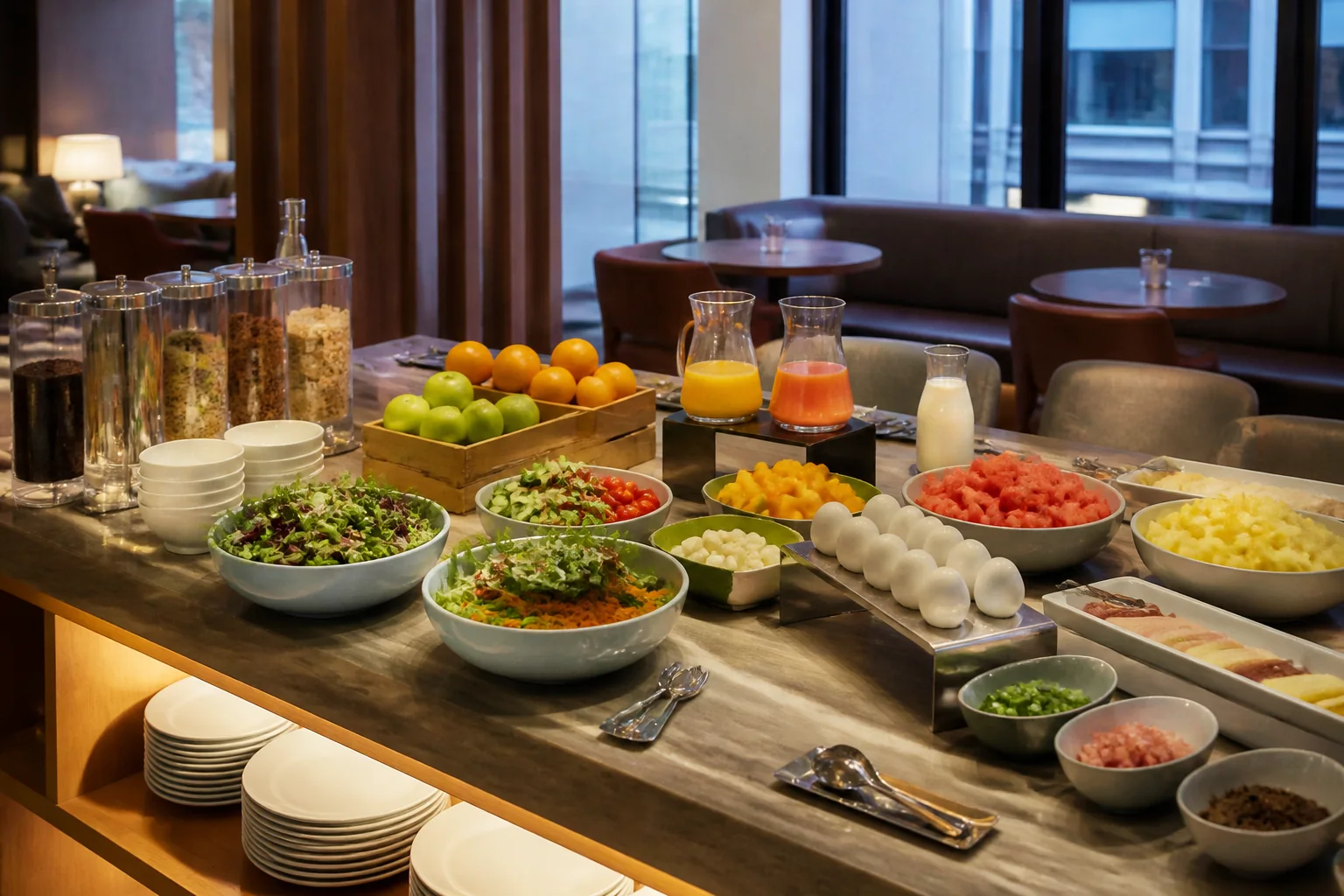
One brilliant dinner cannot offset a frantic buffet on seven mornings. Ask how à la carte and buffet service combine, how coffee and eggs are handled, which products are local and when the room is quietest. Is there a dependable early option before excursions and a late one on rest days Can children,
allergies or discreet in-villa breakfast be managed Excellent breakfast offers choice without excess, remembers recurring preferences and remains as exact on departure morning as it was on arrival.
Midday choice is often narrower than the evening portfolio. Pool, beach and in-room menus may prove nearly identical. Confirm opening times, shade, reservations, lighter cooking and the possibility of a genuinely quick meal. Guests returning from sport, spa and children’s club do not all want burgers and Caesar salad. Pace also matters. A two-hour lunch is luxurious when deliberately chosen; it is frustrating when every sandwich requires the same ceremony and delay.
A formal room, animated counter, quiet garden and relaxed beach table can give a week its rhythm. Cuisine is only part of the distinction; consider sound, lighting, distance, seat comfort and meal length. Does a couple want two tasting menus, a family an early dinner, or friends a late shared table Ask about music, indoor alternatives and weather moves. A strong portfolio prevents every evening from feeling identically staged even when the menu language changes.
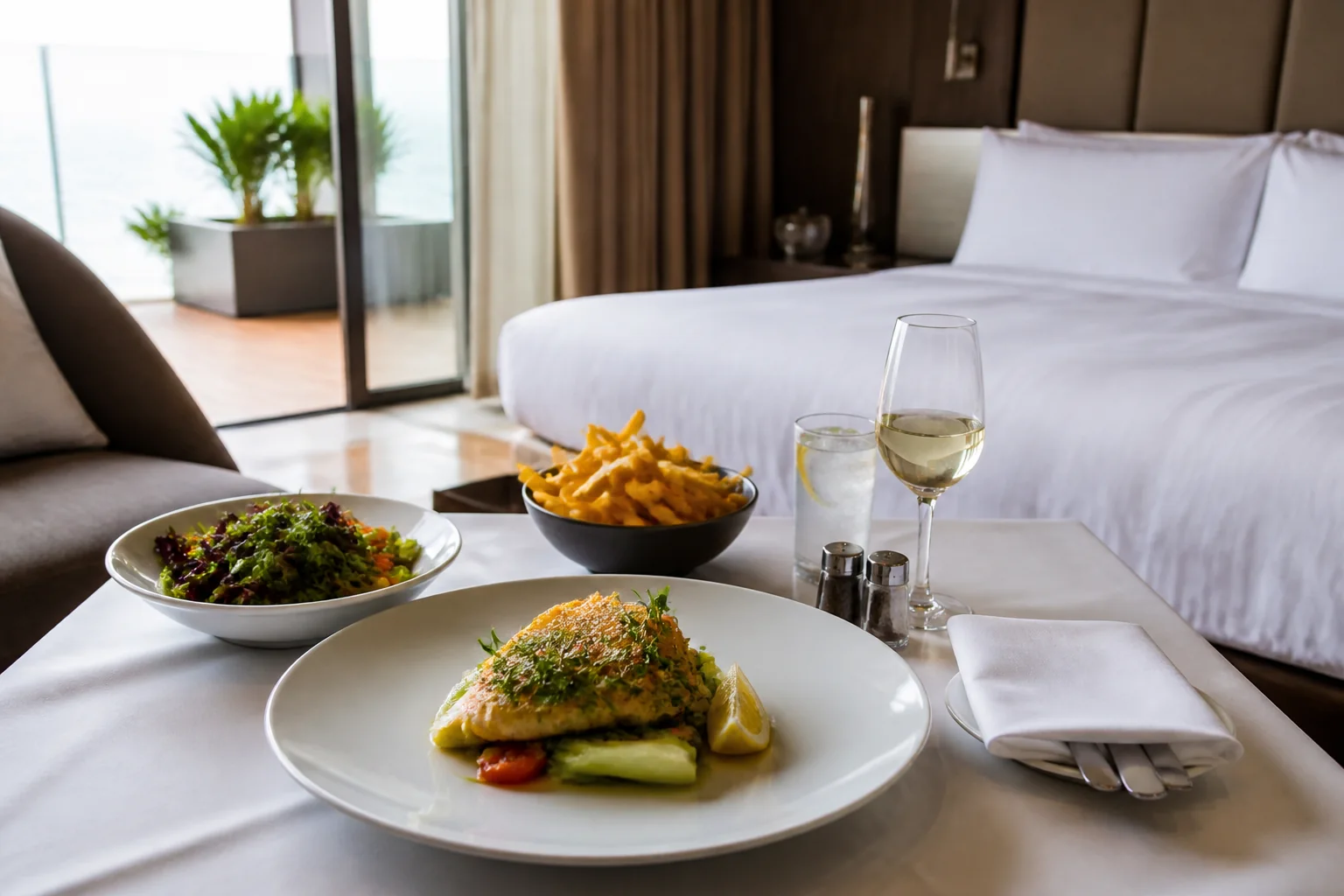
It matters with jet lag, children, illness, a late arrival or a wish for privacy. Review service hours, overnight range, delivery time, temperature and table setup. Does the menu collapse to snacks after 10pm Can allergies be handled safely Is a complete breakfast or dinner possible, or merely a takeaway box A luxury resort should not treat room service as a repository for leftovers. The meal must work where it is eaten, with appropriate crockery, collection and care.
Water, fruit, a milk alternative, a child’s snack or something savoury after a late flight may matter more than an untouched spirits display. Establish what is included, how often it is replenished and whether preferences can be set before arrival. In a villa, is the kitchen usable or decorative A thoughtful pantry removes small frictions without trying to replace restaurants. It means that every minor appetite does not require a formal order, a long wait and another signed bill.
Availability belongs to quality
Seven excellent concepts add little when desirable times are already full. When does booking open, which venues require prepayment and do hotel guests have priority Can the advisor reserve before arrival What is the cancellation window A concierge should coordinate preferences but cannot promise a table the restaurant has not confirmed. Secure two priority evenings and leave the rest intentionally flexible. Dining should not become a fully scheduled project simply because access to every outlet feels competitive.
An excellent restaurant may be practically unusable if it serves only between seven and nine. Families, jet lag, spa appointments and excursions create different clocks. Ask for last order, kitchen close rather than door close, tasting-menu duration and options after a late return. A later table can suit a hot climate and fail a small child.
Restaurant range becomes real only when it connects with the day’s programme without requiring every activity to be organised around dinner.
At a large resort, dinner may be a 20-minute walk or buggy ride from the villa. Examine terrain, lighting, shelter and the return journey. Must a buggy be ordered, how long is the wait after dinner and does the route suit a pram or wheelchair A secluded pavilion loses appeal when rain or fatigue makes the way home awkward.
Distance should create atmosphere, not surprise logistics. Villa zone therefore influences the culinary experience as much as the restaurant list does.
“Resort elegant” has many interpretations. Clarify footwear, trousers, children’s expectations and the temperature of indoor rooms. Beach concepts bring wind, sand, insects and rain; an equivalent interior is not guaranteed. Are guests relocated in bad weather, or is the restaurant cancelled Travelling light should not require clothing bought for one otherwise avoidable evening. Good information protects both atmosphere and comfort and prevents an awkward negotiation at the entrance.
Allergies, preferences and groups need systems
Within its scope, EU law requires clear information for 14 defined allergens; other jurisdictions set their own rules. For the guest, implementation is decisive. Who records the allergy, confirms it, assesses cross-contact and transmits it to every outlet A coloured note in a profile is not the same as a conversation with kitchen and service.
Severe allergies require an honest statement of what can and cannot be provided safely. “Gluten-friendly” and strict medical avoidance are not interchangeable.
Vegetarian, vegan, halal, kosher, low-sodium and medically directed diets require different knowledge. One dish per menu is not variety if every outlet offers the same bowl. Request sample choices across several days and clarify sourcing, preparation and religious boundaries. A resort should be candid about what it cannot provide.
The best kitchens build suitable dishes from their own identity rather than reheating a global substitute. Personalisation means pleasure within requirements, not merely a list of excluded ingredients.
Nuggets, pasta and ice cream are useful, but not a full week. Ask about half portions from the main menu, vegetables, mild local dishes, flexible timing and quick service. Can siblings eat differently without visiting two restaurants Are high chairs,
pram space and quiet tables available A culinary resort becomes family-friendly when parents eat well and children are neither overwhelmed nor confined to repetitive standards. An early shared dinner may add more value than arranging childcare every evening.
Grandparents, teenagers and young children do not always share hunger, pace or tolerance for noise. Genuine variety lets a party separate occasionally and regroup later. Check large tables, private rooms, accessibility, early sittings and arrangements for solo diners. Availability is harder for twelve than for two, so deposits and menu conditions matter. A successful evening need not make one menu satisfy everyone. It should keep the group connected without forcing every person into the same duration, formality and flavour.
Drinks, local food and continuity of talent
Wine, cocktails, tea, coffee and alcohol-free pairings can each deepen a restaurant’s identity. Look beyond prestigious bottles to regional selection, storage, interesting pours by the glass and informed advice. A creative non-alcoholic list matters as much as pairing for many guests. Confirm water pricing, corkage and whether packages suit actual consumption. A sommelier should read the meal, not test the guest’s spending ceiling. The best beverage service remains curious, precise and free of pressure.
A weekly buffet with decorations does not prove regional grounding. Which local products, recipes, growers and cooks appear throughout the menus Is origin explained without turning culture into a show A resort can offer international food and still belong to its place. The strongest local presence appears naturally at breakfast, in a snack and in the main restaurant,
not only during one performance. An excursion to an independent restaurant may sometimes be more meaningful than adding another in-house concept.
The World Health Organization’s five basic messages are to keep clean, separate raw and cooked food, cook thoroughly, maintain safe temperatures and use safe water and materials. Guests do not need to inspect a kitchen, but at remote resorts can reasonably ask about water, cold chain, training and raw foods. Visible polish cannot replace hygiene.
Buffets, seafood, villa dining and long supply routes reveal operational maturity through temperature control, protection and an effective response if something goes wrong.
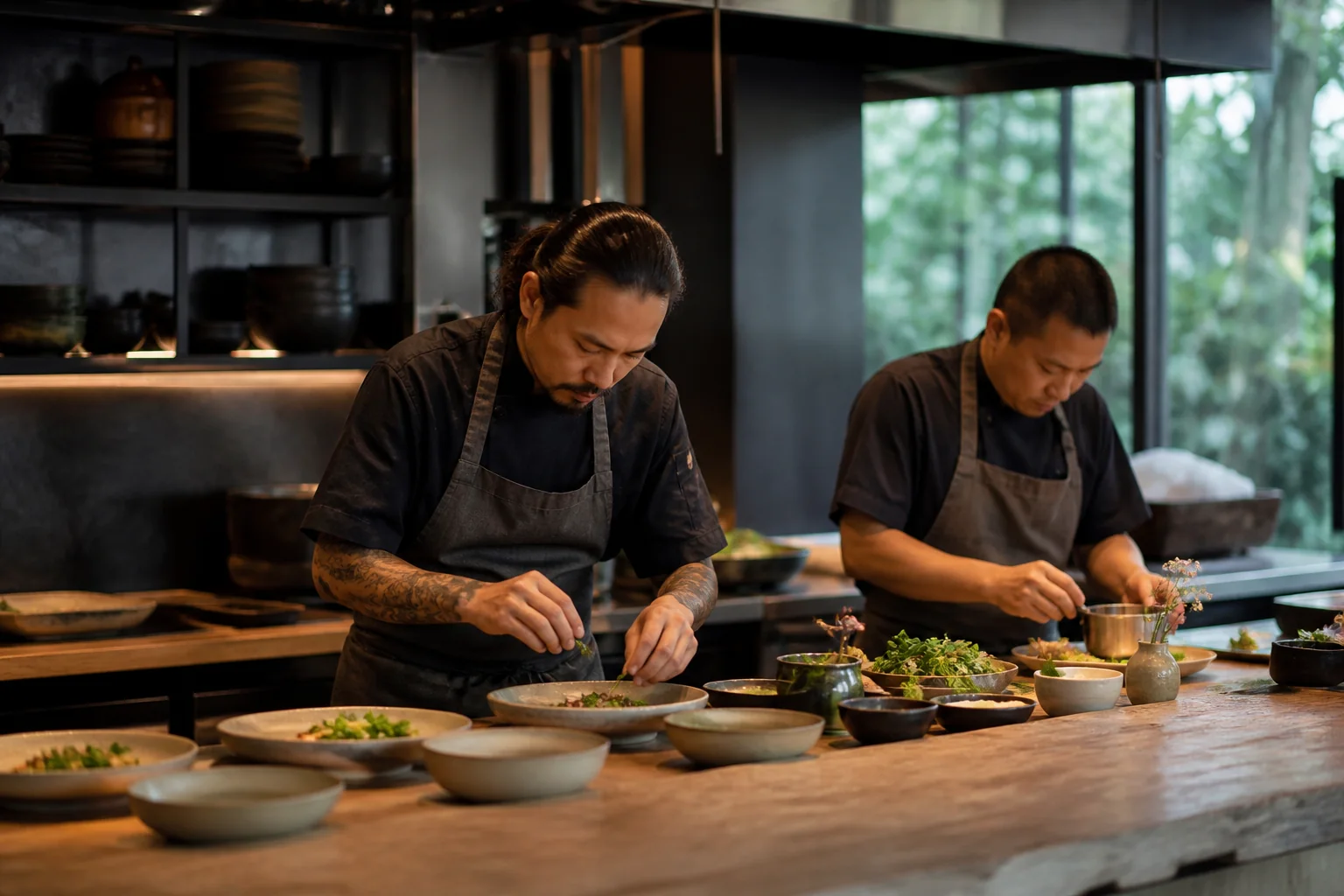
A celebrated chef may shape a concept without being present every day. Identify the operational chef and the stability of the team. Was an accolade awarded to the current restaurant or a former configuration Michelin’s emphasis on consistency across menu and time is useful beyond its own system. A resort portfolio is strong when breakfast,
grill and fine dining remain reliable without dependence on one famous name. Training, succession and dependable sourcing form part of culinary continuity.
Meal plans, real prices and alternatives beyond the resort
Half board may be fully valid in the main restaurant, a credit elsewhere and subject to supplements. Tasting menus, premium products, drinks, events and room service are often excluded. Mark what is included, credited or separate for every outlet. A generous-looking dining credit may cover only part of a realistic meal. Families also need child rules and age bands. The right plan creates freedom; the wrong one quietly pushes guests into the same restaurant every evening.
Compare an actual basket: starter, main, dessert, water, wine or alcohol-free pairing, tax and service. Add minimum spend, transfers or private-table supplements. Which currency and exchange basis apply One expensive signature dinner can be reasonable when everyday meals are fairly priced. The problem is a resort where every alternative costs similarly, sits outside the meal plan and remains the only practical option. Clarity before booking protects enjoyment from nightly arithmetic.
A city hotel or coastal resort near excellent independent restaurants needs fewer outlets of its own. Test distance, safety, taxis, reservations and the return journey. On an island or at a remote lodge, guests are effectively committed to the hotel kitchen, so internal depth matters much more. “Ten minutes away” may mean walking, a boat or a long vehicle wait. A smaller hotel in a genuinely culinary neighbourhood can provide the richer week.
For a birthday or anniversary, private space, view, cake, music and timing deserve attention. Confirm menu, decoration, weather alternative, privacy and price. The rest of the week can remain relaxed. A resort should not be chosen solely because its flagship promises one evening if the other days fail the traveller. Conversely, a restrained property with precise personal planning may stage the more meaningful occasion. The experience should reflect the person, not a standard celebration package.
A seven-night matrix makes variety visible
Map breakfast, lunch and dinner by day with open outlet, preferred time, reservation status, meal-plan rule and alternative. The point is not to lock every meal, but to expose repetition and gaps. Mark two special evenings, two flexible ones and at least one deliberately simple dinner. Add excursions, childcare and late returns. Deluxetargets can match this matrix to the resort, party and occasion. Restaurant variety then becomes usable freedom rather than an impressive number on a website.