
The finest Caribbean itinerary is rarely the one containing the most famous islands. It emerges when distance, wind, crew, anchorages and the character of the guests align. A private yacht creates freedom, not control over the sea. Real luxury begins with a clear direction and enough latitude for the captain to turn a beautiful plan into the better journey each day.
Choose the cruising ground before the yacht
Movement, sound, privacy and space shape life afloat. Breakfast may appear before a silent bay, but reaching it can involve open water. Cabins are more compact than hotel suites, crew and guests live close together, and even a large vessel remains a working maritime operation. Expecting only a floating villa misses both the pleasure and the limitations.
A successful charter uses the yacht as access to coast, water and changing horizons; it does not attempt to reproduce every habit of a resort.
Many enquiries begin with length, age and a Jacuzzi. The better starting point is the desired pattern of days. Short hops between sheltered islands require a different vessel from longer Grenadines passages. Draft affects shallow anchorages; range and speed determine which distances remain elegant. A sailing yacht makes the sea immediate, a motor yacht expands the radius,
and a catamaran offers volume and often steadier living at anchor. Only after route, guests and season are understood can the right yacht be compared honestly.
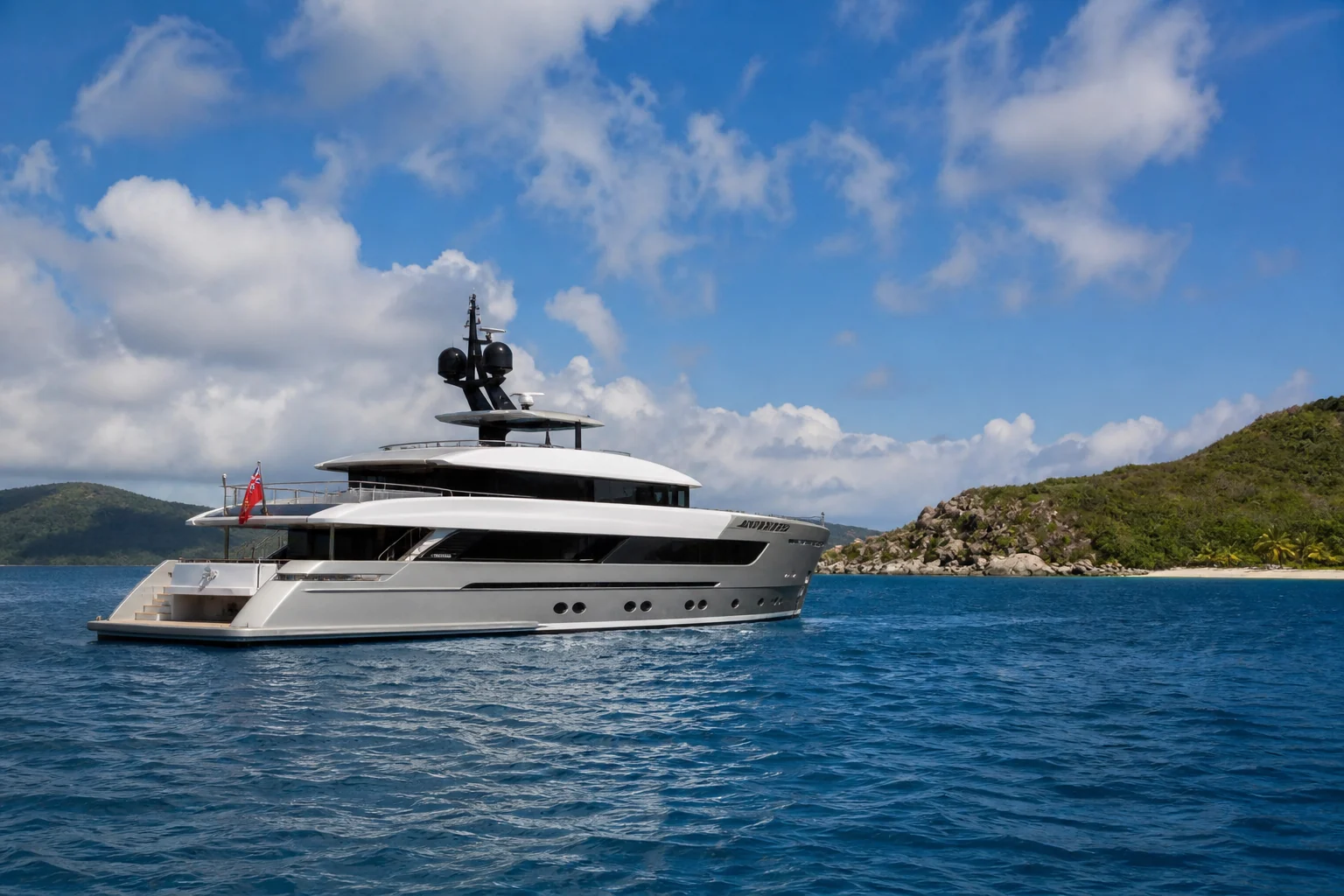
A proposed route is an intention, not a timetable. Wind, swell, visibility, berth availability, local regulation and technical judgement can alter the order. The captain is responsible for ship and safety; that authority is professional leadership, not a negotiable convenience. Guest wishes still matter, but they need priorities: deserted bay before beach club, diving before a long lunch,
quiet sleep before one named island. With that hierarchy, the crew can change the route while preserving the point of the journey.
Six cruising grounds, six ways to travel
The British Virgin Islands are among the region’s most approachable sailing grounds. In and around the Sir Francis Drake Channel, islands lie close enough for many transitions to become part of the day rather than consume it. Tortola, Virgin Gorda, Jost Van Dyke and smaller islands offer different combinations of coves, snorkelling, beach bars and quiet nights.
Ease creates its own danger: overplanning. A week does not need every famous stop. Two nights in one area may create more freedom than a daily race across the chart.
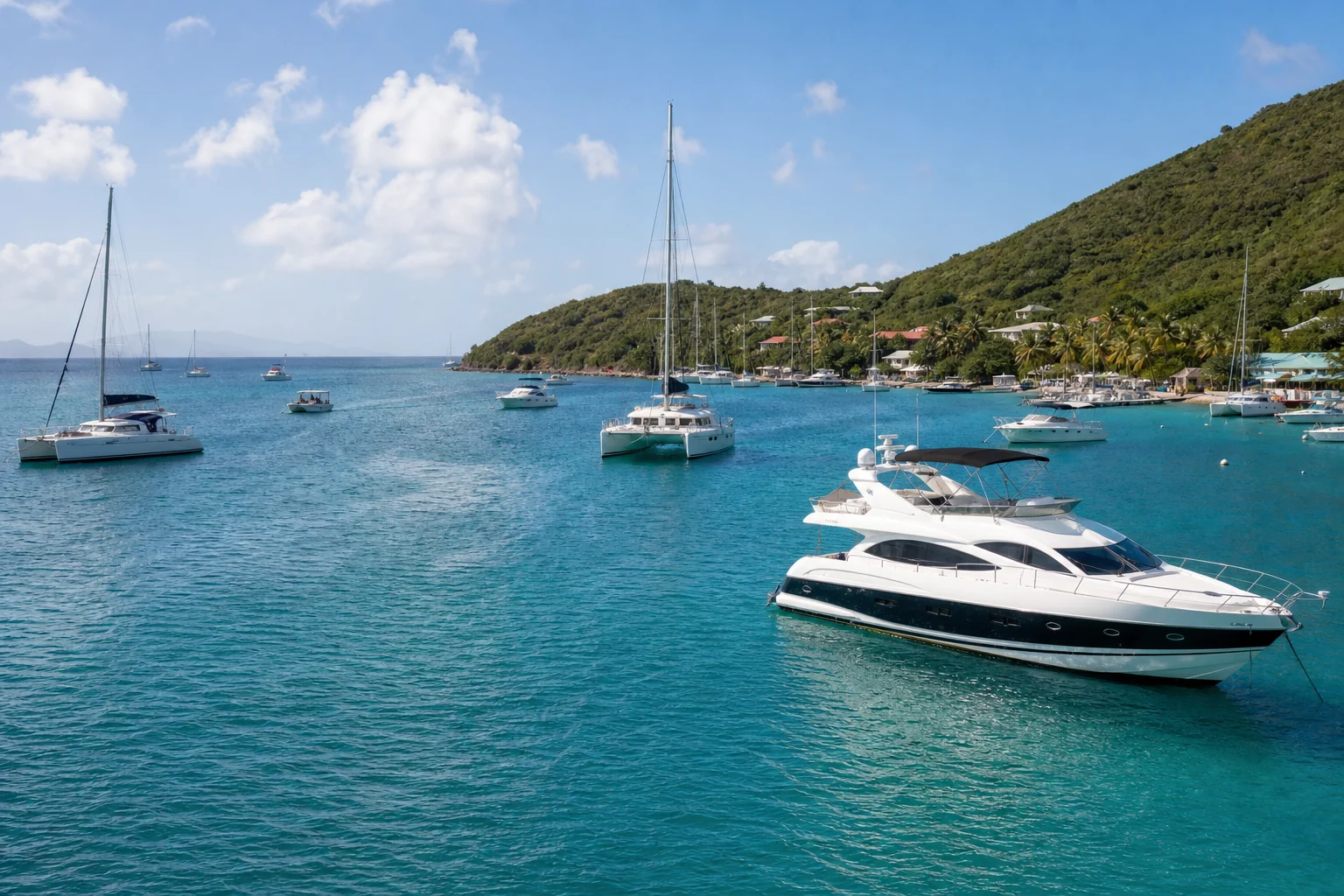
St John, St Thomas and the BVI look adjacent, yet they belong to different jurisdictions. Moving between them involves departure, arrival, documents and approved procedures. Vessel registration, crew, guest nationalities and current rules shape the detail. The combination can be useful when international flights and charter length support it. On a short week, it may consume more attention than it returns. Borders do not disappear at sea; they simply become less visible.
The northern Leewards create striking contrast: marinas and restaurants on St Martin, pale beaches and low-key elegance on Anguilla, concentrated social life on St Barth. Between those images are passages that can become physical in wind and swell. Harbour, anchorage and tender access are not equally comfortable every day. Making one St Barth dinner immovable can remove the route’s best flexibility.
A window is more intelligent, allowing the crew to choose the passage and confirm shoreside plans when they become operationally sound.
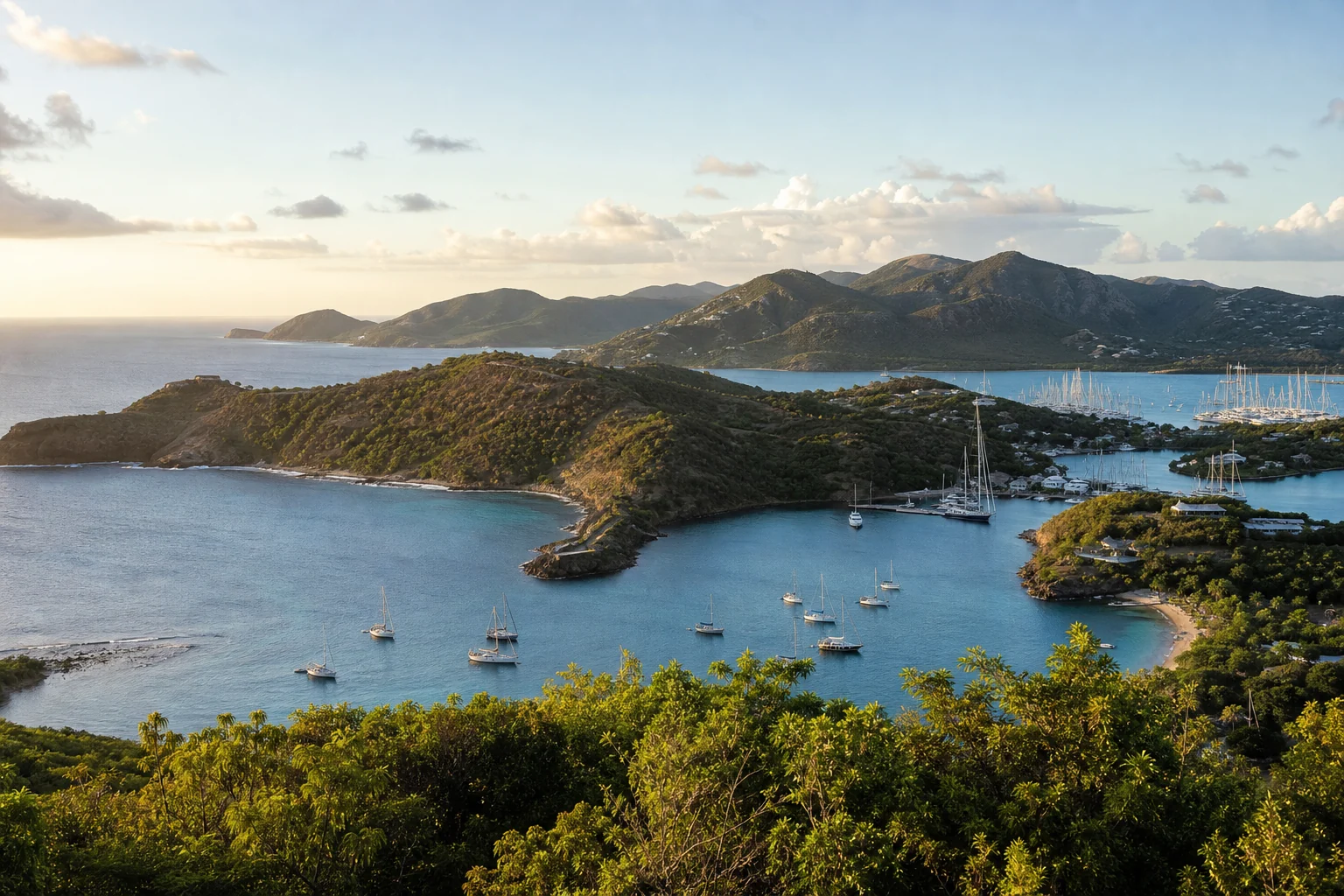
Antigua combines naval history, established harbours and a varied coastline; English Harbour can lend structure to the beginning or end. Barbuda feels flatter, quieter and more spacious, with sensitive nature and local requirements that demand respectful landings. It is not an empty backdrop for an improvised picnic. Weather, permitted access and local guidance need checking.
A strong itinerary pairs Antigua’s infrastructure with Barbuda’s calm without attempting to consume both in one hurried day.
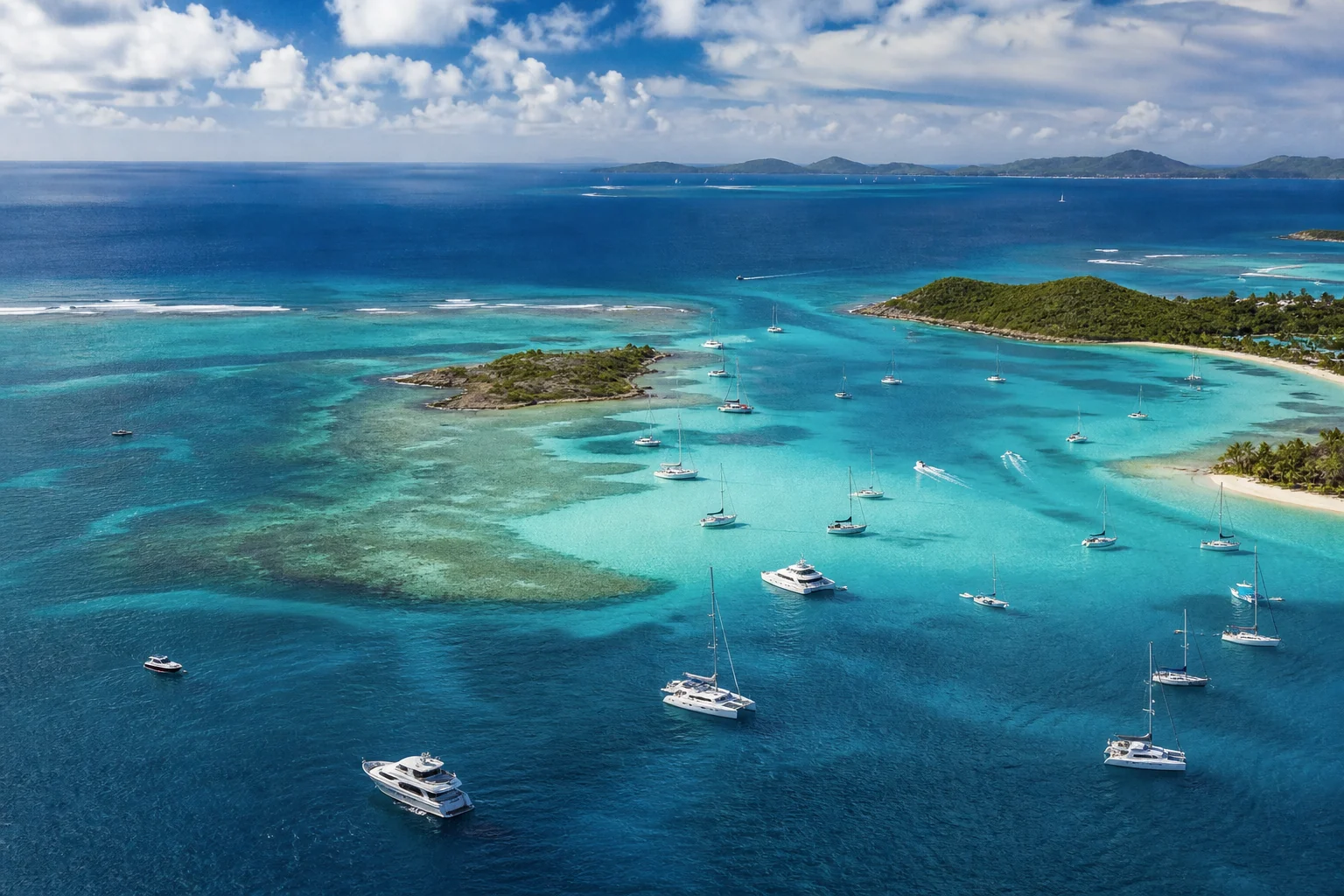
Bequia, Mustique, Canouan, Mayreau, Union Island and the Tobago Cays are not interchangeable beads. Distance and more open water make the rhythm more seagoing than the BVI. The reward is a pronounced narrative: lived-in island, private retreat, protected marine landscape and wide horizon. Trying to fit every name into seven nights creates too much movement.
The Grenadines reward ten nights or more and a selection that allows two or three anchorages to become places rather than coordinates.
A one-way charter between Grenada and St Vincent avoids retracing the same water. It can move from spice island and lush interior through Carriacou into the southern Grenadines, then continue north. The gain has conditions: different delivery ports, possible repositioning costs, clearance and suitable international flights. Direction must also answer wind and present conditions.
A line on a map becomes a viable journey only when yacht, crew and logistics are confirmed for one-way operation.
The Exumas and other Bahamian chains often appear under “Caribbean” in charter catalogues. Geographically they lie in the Atlantic and form a different proposition: brilliant shallow water, long distances between provisioning points and particular demands on draft and navigation. They deserve their own plan, not a footnote to a Caribbean list. Travellers seeking sandbanks, remote cays and visual openness may find the better voyage there. Guests wanting layered island culture and easy restaurant access may prefer another ground.
Yacht type, crew and cabins form one proposition
A motor yacht brings speed, climate control and often extensive water equipment, but uses more fuel and is not automatically calmer in every sea. A sailing yacht offers the most sensual relationship with wind and passage, while asking guests to accept heel, manoeuvres and slower progress. A catamaran supplies broad social space, shallow draft and often stable anchoring,
though its motion in short seas remains distinctive. Choose by passage, cabin plan, noise sensitivity, budget and the real balance between travel and anchoring—not by photography alone.
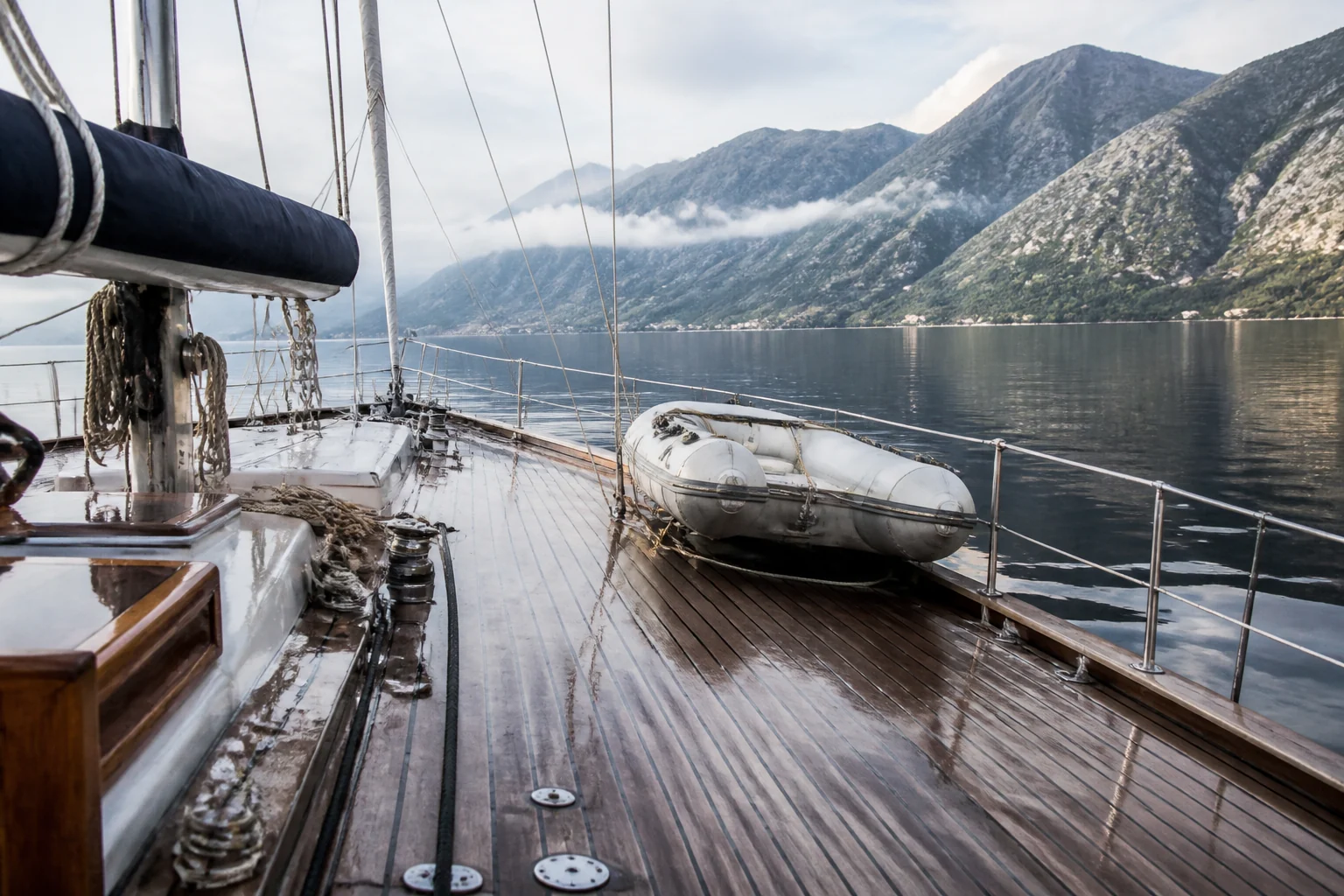
The crew shapes every day. The captain translates weather into route, the chef turns preferences into meals, and service recognises when company or distance is wanted. Families need patience and water confidence; a culinary charter needs sourcing knowledge and flexibility. CVs tell only part of the story.
References, established teamwork and a conversation about style are more useful than a long toy list. A beautiful yacht with the wrong crew remains an expensive object. A coherent crew makes limited space feel generous.
“Ten guests” says little about equality. Master, VIP, double and twin cabins differ in size, storage, bathroom and noise. An extra berth may suit a child but not an adult couple. Friends should agree allocation before boarding, or the holiday begins with an unspoken hierarchy. Review current plans, mattress dimensions, conversions, stairs and proximity to machinery or anchor chain. Another metre of yacht length does not automatically correct an unsuitable distribution.
Budget, clearance and permits
Depending on the agreement, fuel, provisions, drinks, berthing, local tax, communications, delivery and other expenses may sit outside the advertised rate. An advance provision for expenses is often administered, but percentage and accounting are contract-specific. Gratuity customs also vary and should never be presented as one mandatory figure. A serious proposal separates base rate,
known tax, likely operating costs and currency exposure. Route affects consumption directly: fast long runs and frequent marinas cost differently from sailing gently and anchoring.
Each state controls entry, exit, ports and cruising permissions. St Vincent and the Grenadines currently directs arriving yachts first to a designated port of entry, while charter vessels require appropriate local licences. Procedures and fees change. Captain and central agent plan from flag, yacht status, crew, passports and route. A spontaneous border crossing cannot be treated like an extra lunch booking. Document copies should move early through a secure, authorised process.
Seasonal risk and festive dates require discipline
NOAA defines the Atlantic season as 1 June to 30 November, with a climatological peak around 10 September and most activity from mid-August to mid-October. This is neither a forecast for one week nor a guarantee outside those dates. Yacht location, insurer, operator policy and current weather determine what can be offered. A shoulder-season charter needs flexible air,
explicit contract terms and a plan for rerouting or cancellation. A lower price does not replace an understanding of risk.
The festive weeks concentrate demand for recognised yachts, crews, berths and restaurants. Minimum durations, premiums and stricter payment or cancellation schedules may apply. Making St Barth on New Year’s Eve the immovable centre means competing for every interface, not only the yacht. Early booking helps but guarantees neither a particular anchorage nor calm water. An elegant festive charter defines the social wish and protects an equally appealing alternative for weather or access.
Responsibility above and below the waterline
Empty water in a bay does not mean anchoring is permitted. Marine parks, seagrass, coral, depth, swell and local mooring systems govern the options. The captain decides whether a buoy is suitable and the position safe. Popular areas may use reservations or reward early arrival, yet availability remains conditional. Environmental rules are not an inconvenience to luxury. A route that protects reefs and coast preserves the very quality for which the yacht was chartered.
A useful preference form explains rhythm, appetite and mood: late breakfast, light lunch, two formal dinners, allergies, favourite flavours, drinks and celebrations. Twenty luxury brands tell the chef less than knowing the family eats breakfast together or one guest needs warm food after diving. Remote islands cannot supply every product at every moment. Local fish,
fruit and spice can root the journey more deeply than imported habit. Special requests need time, realism and acceptable alternatives.
A large toy inventory has little value if age, licence, weather or crew capacity prevents use. Tender size and boarding matter for wet landings, older guests and evening clothes. A beach club cannot guarantee a safe transfer in unsuitable swell, and not every dock suits every tender. Confirm diving status, instructors, permits, swimming ability and desired activities before signing. The best shore day plans the arrival and return as carefully as the table.
The group determines the right yacht
Rails, stairs, swim platform, cabin access and crew experience matter more to families than design awards. Young children require explicit supervision; crew are not nannies unless that service is contracted. Guests with limited mobility need an honest review of gangway, tender and steps. Mixed groups require retreat space and permission not to join every activity.
A yacht magnifies harmony as readily as tension. Planning should allocate space, rhythm and expectations before they become visible on deck.
The one-page Caribbean charter brief
Record dates, embarkation and disembarkation, guest profiles, cabin distribution, flights and preferred cruising ground. Rank the three essential experiences and name what can be released. Add an all-in budget range, food, drink, watersports, medical or mobility needs and preferred crew style. Clarify contract, insurance, passport handling, taxes, onboard expenses, cancellation and weather alternatives. Then give the captain room to work.
An exceptional charter is not created by clinging to every island, but by allowing a clear intention to be intelligently reinterpreted at sea.
Describe pace just as honestly. Should the yacht move before breakfast while guests sleep, or is every passage part of the pleasure Does four hours under way feel exciting or wasteful Will the group dine ashore most nights, or is solitude at anchor the point These answers influence vessel, crew and route more than a list of famous islands.
The final brief should remain short enough to use and precise enough to eliminate the wrong yachts before appearances distract from fit.