
The finest health journey feels neither like an over-programmed hospital stay nor like wellness dressed in clinical language. It combines the right professional framework with hospitality that removes friction: deep sleep, discreet movement, exacting food, short routes and service that knows when to appear — and when to leave the guest alone.
Clinical quality and five-star service remain two systems
Hotel classifications evaluate accommodation and service; clinical licensing, accountability and treatment safety belong to different frameworks. ISO 22483 addresses hotel quality through areas including staff, service, safety, maintenance, cleanliness and guest satisfaction. ISO 22525, by contrast, concerns providers and facilitators in medical tourism. A successful health stay needs both worlds to function without confusion. Neither a luxury badge nor a clinic logo can stand in for the other discipline.
Before discussing service, one must establish whether the guest seeks wellbeing, medical prevention, rehabilitation or treatment. Our companion feature on medical spas and clinic hotels examines that distinction. This article asks the next question: once the appropriate level of care is clear, how can hospitality make the stay safer, calmer and less relentlessly patient-like That second layer turns competent provision into a convincing journey.
Improving sleep, decompressing after an intense period, rebuilding movement or completing coordinated assessments produce very different days. A renowned property can still prescribe the wrong tempo. Deluxetargets starts with purpose, intensity, companion, arrival and life after return. Only then do we test whether room, kitchen, appointments and empty time support the intention rather than concealing it beneath a mass of inclusions.
Health information does not belong in a loose email chain among reservations, reception and the spa. A strong property explains what the clinical team needs, which secure channel carries it and who may read it. Hotel preferences — pillow, room position, meal style — remain separate from medical details. A butler can know the schedule without seeing a diagnosis irrelevant to the service being delivered.
Ideally, one named person coordinates the clinical or therapeutic plan and another owns accommodation and logistics. The guest knows whom to call about a physical reaction, timetable change, noisy room or delayed car. The two roles communicate without merging responsibility. A single “wellness concierge” for everything sounds seamless, yet may blur competence and expose more confidential information than staff need.
An overnight flight, time-zone shift and long road transfer are not a neutral opening. A depleted traveller may need luggage, water, a light meal and sleep rather than immediate testing, exercise and orientation. Mature programmes keep the first day adaptable while identifying genuinely time-sensitive appointments. A private transfer is not a status gesture here; it protects punctuality, energy and the transition into a different rhythm.
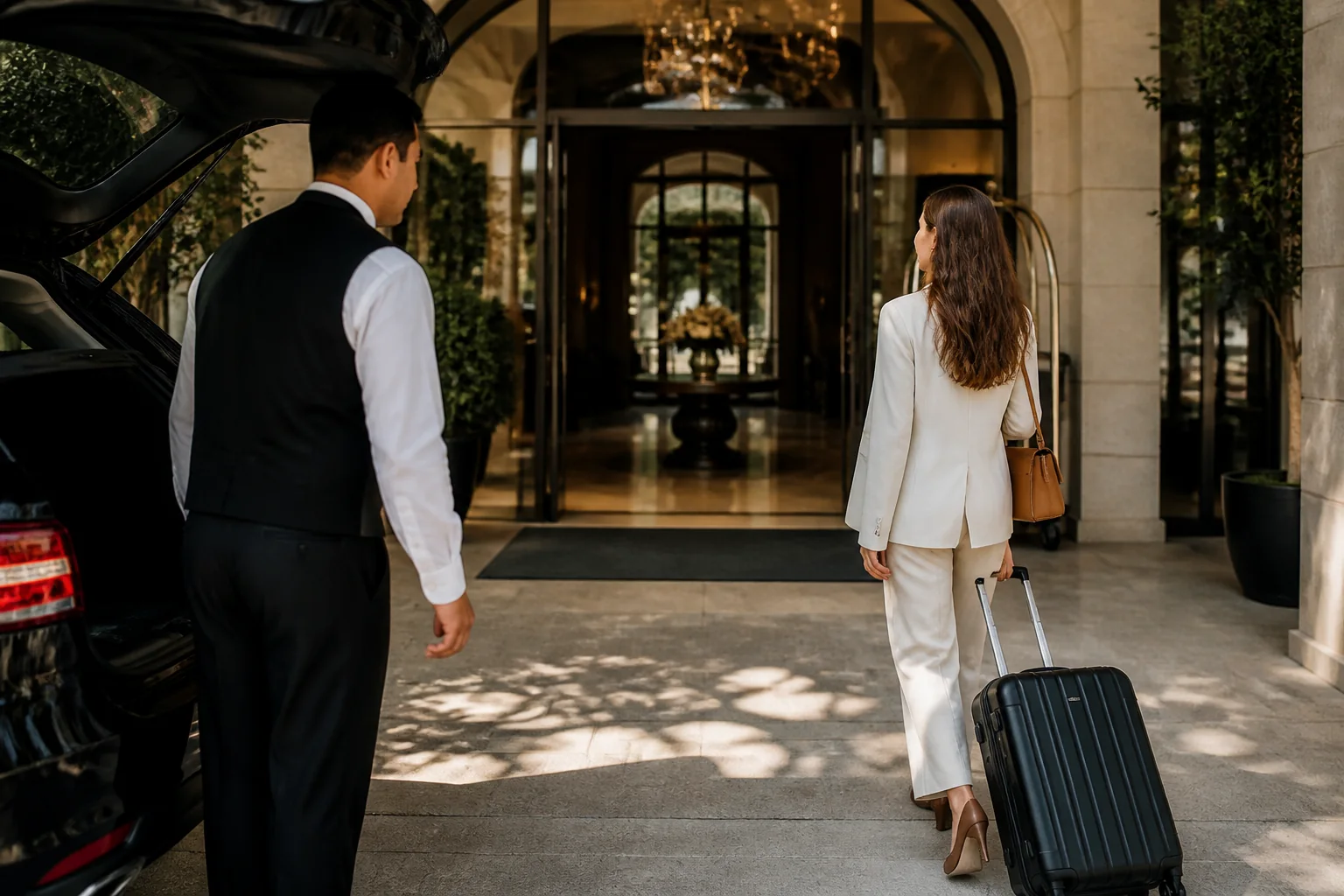
No guest wants to answer health questions in a lobby, or receive champagne when a programme requires fasting or excludes alcohol. A seated check-in in the room or a discreet lounge can connect both worlds. Keys, timetable, emergency contact and first meal are covered; clinical conversations remain with the responsible team. Dignity comes from choreography, not demonstrative special treatment.
Room, sleep and short routes are recovery infrastructure
Size and view are insufficient measures. Quiet, blackout, temperature, mattress, seating, distance and the ability to eat privately all matter. After assessments or physical work, a room near lifts and treatment spaces may outperform a secluded villa. A guest seeking strict privacy may need a separate entrance. The right category follows the day’s practical sequence rather than the hotel’s price ladder.
A pillow menu is pleasant but does not create a sleep strategy. Check noise from service corridors, doors, plant, neighbouring rooms and terraces, then examine light leakage, climate control and early housekeeping. Late arrival or early fasting tests require coordinated turndown and breakfast. If sleep is central to the programme, hotel operations must not compromise either measurement or rest. The precise room and weekly schedule belong in one decision.
A vast resort feels generous until the guest walks repeatedly among laboratory, spa, movement pavilion, restaurant and room. Distances, gradients, stairs and buggy wait times deserve scrutiny. Intelligent routing reduces fatigue, lateness and conspicuous movement through public areas. For medical wellness,
a compact property may feel more luxurious than a spectacular campus if it preserves privacy and gives the guest somewhere appealing to spend unstructured time.
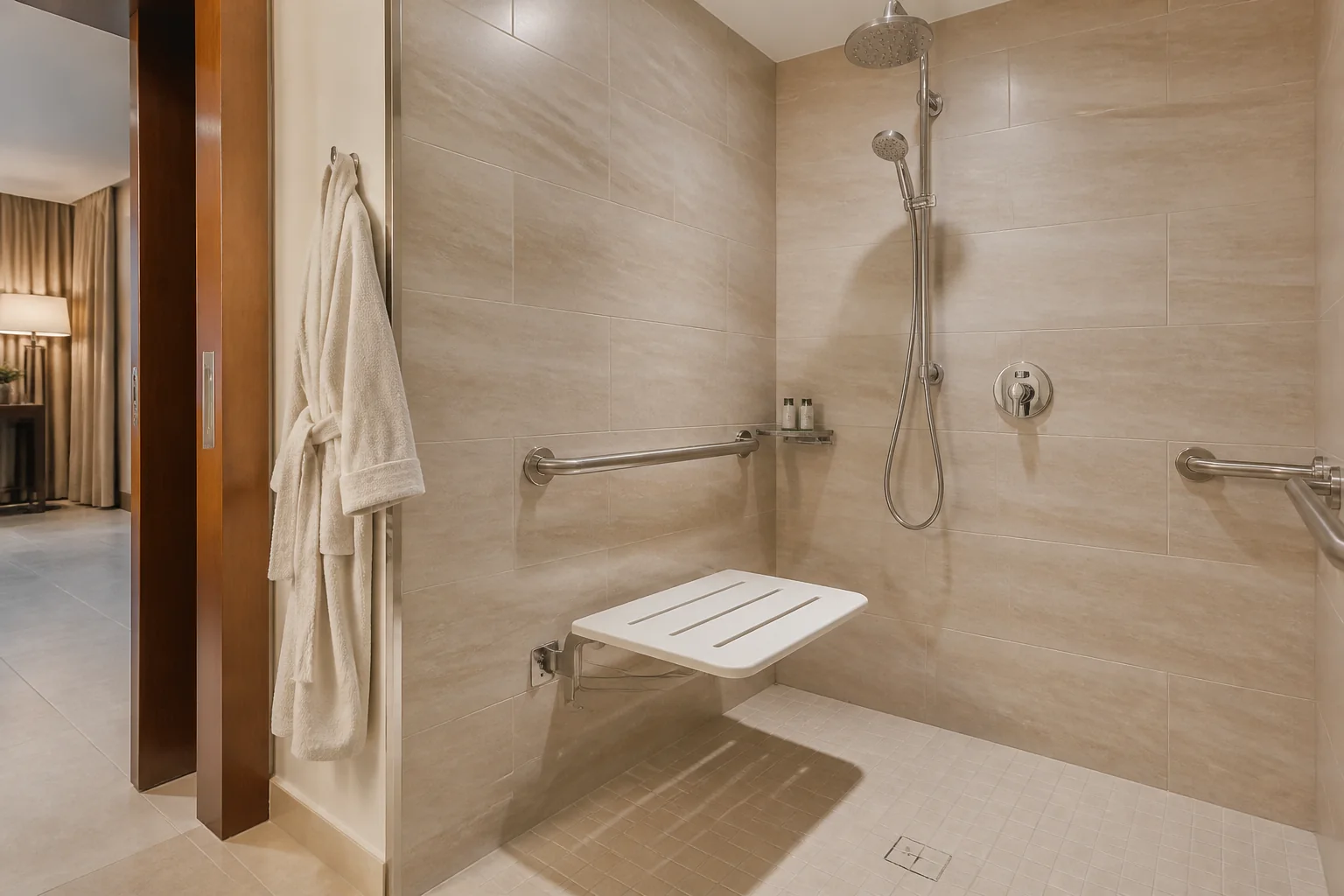
“Accessible” is not a sufficient room description. Door width, shower, rails, bed height, thresholds, lifts, slopes and distance to appointments should be confirmed individually. Temporary limitations after an intervention differ from long-term access needs. Companion, luggage and vehicle matter too. A photogenic freestanding bath may be unusable; a beautifully resolved step-free shower can deliver the greater comfort.
Food is care and hospitality at once
A menu can respect a professional plan and still taste like restaurant cooking. Clinical or dietetic requirements must reach the kitchen accurately without exposing unnecessary health details to the dining room. Allergies, textures, portions and timing are agreed in advance. Good kitchens retain choice within a framework, identify ingredients and handle intolerance without drama. Moral commentary about weight, hunger or “discipline” has no place at the table.
Colour codes, powders, supplements and severe rituals can perform seriousness without improving care. What matters is coordination among fasting appointments, medication, tolerance and the meal that follows. A guest leaving an early blood draw should not wait for the main restaurant to open. An elegant health breakfast is precise, appetising and appropriate, not ostentatiously virtuous.
After a long assessment day, or when quiet is required, the suitable meal should be available in the room. Check hours, charges, portion logic and flexibility beyond the standard menu. A health kitchen that closes at eight may not work with delayed results or transfers. Yet room service should not automatically isolate the guest. Choice among restaurant, terrace and room is part of wellbeing.
Some programmes restrict caffeine or alcohol; others do not. Expectations should be disclosed before booking and never converted into public moral judgement. Water must be effortless to obtain during transfers and between appointments. A companion outside the programme may eat or drink differently without destabilising the participant. Refined hospitality creates discreet alternatives rather than staging prohibition.
Timetable, companion and discreet operations
Five treatments per day appear valuable in a brochure and may actively prevent recovery. Walking, changing, meals, rest and inevitable delays must be built in. If a consultation overruns or a session changes, the day should not collapse. A concierge protects empty time instead of monetising every gap. Luxury is the ability to reorder priorities calmly while preserving the appointments that genuinely matter.
A brief delay in an ordinary spa is irritating; around fasting, specimens, medication or linked consultations, it may change the sequence. Guests need current times, unambiguous meeting points and proactive updates. At the same time, nobody should pretend that clinical processes always finish to the minute. A resilient plan contains buffers and resolves disruption across departments rather than turning the guest into messenger.
Vehicle class alone does not create suitable transport. Step-in height, luggage, journey length, breaks, temperature, privacy and driver contact all count. After certain procedures a standard chauffeur service may be inappropriate; only the responsible clinicians can make that assessment. Hotel and provider should establish who arranges each journey and who takes charge when the plan changes. A limousine is not a medical transfer.
A partner should not spend every appointment waiting or become the unofficial carer by default. A convincing property offers independent meals, spa, movement, excursions or quiet work space while protecting time together. Consultations remain confidential; practical information is shared with consent. Over a longer stay, this balance decides whether the trip feels jointly considered or like an extended holding pattern.
A VIP entrance is only one detail. Who shares the waiting area, how are names called, where does a guest move in a robe or after an assessment, and what appears on restaurant lists or invoices Discretion is usually the sum of small choices. Staff should recognise the guest without commenting on health motives. Prominent travellers may need a side entrance; everyone deserves the same confidentiality.
Cleaning, turndown and minibar checks must not interrupt sleep, teleconsultation or protected rest. A well-run hotel knows occupied time blocks without circulating medical detail. Fragrance, flowers, harsh products and noisy equipment may need removal. On long stays, laundry, sportswear and discreet waste handling matter. These invisible processes influence each day more than an elaborate welcome amenity.
Movement, spa, assessments and dinner require different clothes. Fast laundry, enough hangers, properly sized robes and an accurate packing list reduce friction. Guests carrying compression garments, aids or delicate textiles need suitable storage and honest care limits. A hotel must not clean or dispose of medical items unless equipped and authorised to do so. Excellent service understands the boundary here as well.
Heat, water and massage are not automatically compatible with every plan. The spa desk should not decide whether sauna, swimming or an extra treatment is appropriate when clinical advice is required. Restrictions must be implemented discreetly, and a cancelled treatment should not be replaced by another intense intervention by default. A beautiful quiet room, garden or poolside terrace can be valuable even when the guest books nothing further.
A health stay should remain a journey. A market, gentle walk, art visit or private dinner can restore pleasure and identity. Activities still need to fit energy, time and professional limits. The concierge needs only approved parameters, not the diagnosis. Good planning retains alternatives: a short walk instead of an all-day tour, garden instead of boat, library instead of compelled activity.
The clinical and hotel boundary must remain visible
Those making clinical decisions must be unmistakable. Reception, butler and travel advisor do not interpret results, comment on medication or recommend treatment. Equally, the clinical team should not sell a room category in ways that distort advice. The interface coordinates time, food, mobility and comfort without moving professional responsibility. Truly seamless service relies on clean boundaries behind the scenes.
A charming contact is of little use when information disappears at shift change. Hotel and health team need defined handovers: revised meal time, approved activity, early car or required quiet, each shared only as necessary. The guest should not repeat the same logistical story to five people. It must also remain clear who authorised a change. Service quality comes from systems, not isolated acts of exceptional effort.
An English-speaking concierge does not guarantee that complex clinical conversations are available in a guest’s preferred language. Before booking, establish the languages used for consent, consultation, reporting and emergency communication, and when a professional interpreter is provided. Hospitality can translate everyday life; medical nuance requires more. Companions should not become default interpreters. Approximate understanding is not luxury.
Accommodation, base programme, clinical services, external diagnostics, transfers and optional spa treatments should appear separately. This clarifies cost, potential reimbursement and contracting party. Opaque “wellness packages” obscure not only budget but responsibility. Currency, tax, deposits, cancellation and possible extra nights are agreed before arrival. Discreet billing does not mean vague billing.
A responsible team may cancel, postpone or reduce an intervention. The guest should not be penalised for that judgement. Ask whether unsuitable appointments are refunded, replaced or credited, and who records the decision. Flight disruption, clinician illness or equipment failure also need rules. Flexibility is not a romantic promise; it is a transparent agreement among hotel, provider and traveller.
Departure and follow-up complete the service
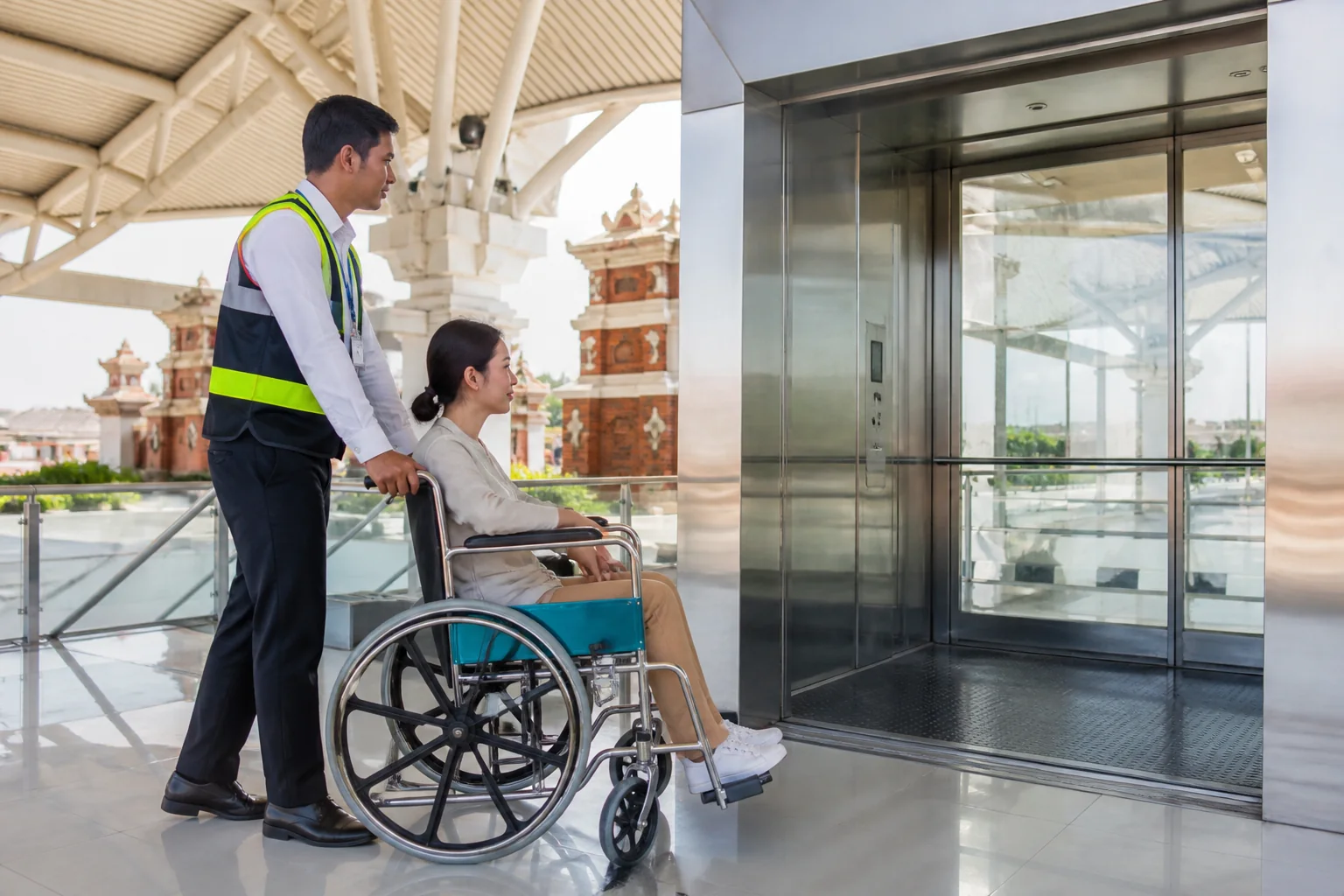
Final consultation, reports, medication, luggage, invoice and airport car should not be compressed into two frantic hours. A sound sequence delivers documentation early, explains outstanding results and protects a calm meal. Late check-out may be worth more than another treatment. When mobility is limited, airport assistance and transport are arranged appropriately. The journey ends with a viable handover, not the final appointment.
A polished “How was your stay?” note is not agreed clinical follow-up. The guest must know who sends pending results, answers questions and communicates with a home clinician. Hotel contact and medical continuity remain separate. The CDC identifies continuity as a central medical-travel concern. Luxury therefore extends beyond check-out through clear responsibility, language, timing and secure data exchange.
Three nights may restore energy and be too short for coordinated assessment. Two weeks may support change or become exhausting through over-programming. Long-haul travel, jet lag, turnaround time for results and re-entry into normal life all matter. The right stay is not the longest one sold. It allows arrival, core work, free days and an orderly departure without stretching clinical need to fill a package.
Who coordinates hotel and professional team How is data separated Which room position fits the schedule How flexible are arrival and day one Who controls food and allergies How long are routes What does the companion receive Which clinical language is guaranteed How are delays handled Are costs separated Who organises departure How does follow-up work Precise answers reveal more than five stars or a celebrated guest list.
Medical wellness reaches five-star level when hospitality and professional care interlock without confusing their roles. The room protects sleep, the kitchen turns requirements into pleasure, routes preserve energy, a host orders logistics and the clinical team retains clinical responsibility. The luxury is not maximum attention but appropriate attention. Deluxetargets therefore plans purpose and accountability first, then suite, service and beautiful extras.
Editorial note: This feature provides travel-planning context, not medical advice. Personal suitability for a programme, activity or treatment must be discussed with qualified healthcare professionals. Offers, staff, service, licensing, insurance and follow-up require confirmation for the exact property and travel dates.