Correctly evaluate ski-in/ski-out: comfort, snow and positional traps is a topic where the best answer is rarely the loudest. What is crucial is whether ski-in/ski-out fits the specific trip, not just as a label, but also based on the real quality of the location.
Important terms for the decision are ski-in/ski-out, slope location, snow reliability, ski room, lift, après-ski, chalet, private upgrades. They make the later request more specific because St. For correctly evaluating ski-in/ski-out, when it comes to travel time, the solution is better and creates less friction and clearer responsibility.

Evaluate quick facts about ski-in/ski-out correctly
- Main question
- Check ski-in/ski-out not just as a label, but also for real location quality.
- Important names
- Ski-in/ski-out, slope location, guaranteed snow, ski storage, lift, après-ski, chalet, private upgrades.
- Risk
- Properly evaluating ski-in/ski-out is decided based on prestige, although ski-in/ski-out, timing and incidental costs are more important.
- Next step
- Evaluate ski-in/ski-out correctly according to ski-in/ski-out, slope location, cost range and alternative before checking availability.
Correctly rate the short answer to ski-in/ski-out
Evaluate ski-in/ski-out correctly: In the mountains, the practical location counts more than the name. Evaluate correctly for ski-in/ski-out: comfort, snow and location traps. We first check ski-in/ski-out, piste location, snow reliability, arrival logic and additional costs before deciding on availability or category.

Before assessing availability correctly, for ski-in/ski-out, it is first clarified which choice really applies: St. For ski-in/ski-out, evaluate correctly: comfort, snow and location, when it comes to travel time, it decides whether the date, location, costs and level of peace and quiet really fit together.
Slope location
must work morning and evening.
Guaranteed snow
beats marketing.
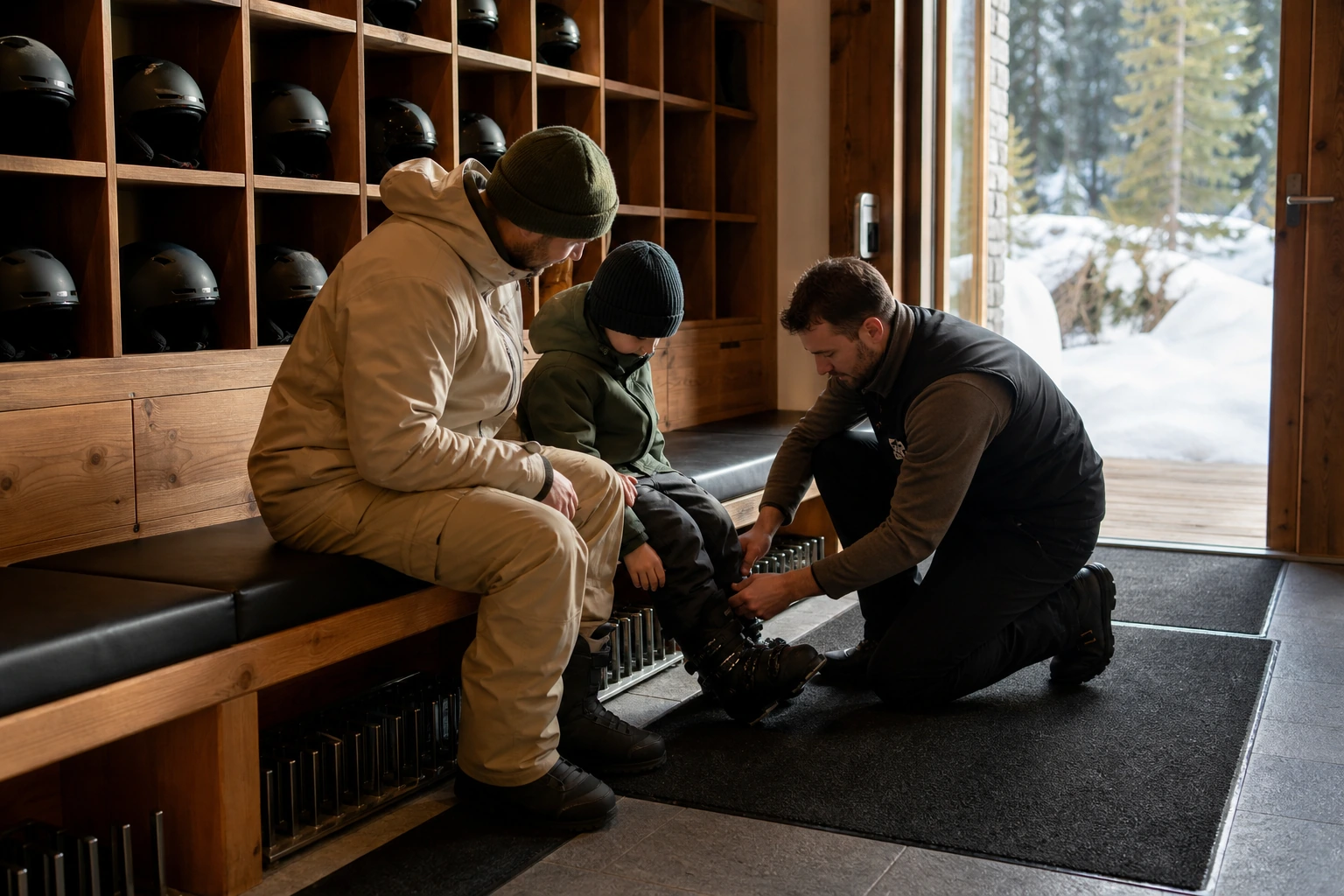
Ski room
saves nerves every day.
Elevator
should be really close.
Chalet
needs service and access.
Seasonal window
Snow, light, altitude and hotel occupancy all determine the quality of the stay.
| Correctly evaluate the specific choice for ski-in/ski-out | When she wears | Better cross-check | Clarify before request |
|---|---|---|---|
| St. Moritz as your first choice | fits if the timing and access are in the desired week | Courchevel is often the better choice logistically | Clarify season, transfer and cancellation before request |
| Zermatt as a quieter alternative | strong for guests who want less visibility or less turnover | Lech can offer more experiences | Compare location, target group and daily rhythm |
| Dolomites with additional costs | makes sense if service really takes the strain off your day | Ski-in/ski-out is easily underestimated | Record costs, waiting times and responsibility in writing |
| Bootroom as a risk | only accept if plan B is clear | Ski school needs reserves | Set cutoff point, weather or delay plan |
When it comes to ski-in/ski-out, St. The proposal will only be strong for ski-in/ski-out when St. Moritz, Zermatt, Courchevel and Lech match with date, arrival, cancellation and a realistic alternative route.
For whom the correct evaluation of ski-in/ski-out is appropriate
Particularly suitable for ski-in/ski-out. Evaluate correctly
- Families with children
- Guests with a short ski routine
- Luxury travelers with a focus on comfort
Less ideal for ski-in/ski-out
- Southern slope with no guarantee of snow
- Hotel far from the village
- Slope location without evening quality
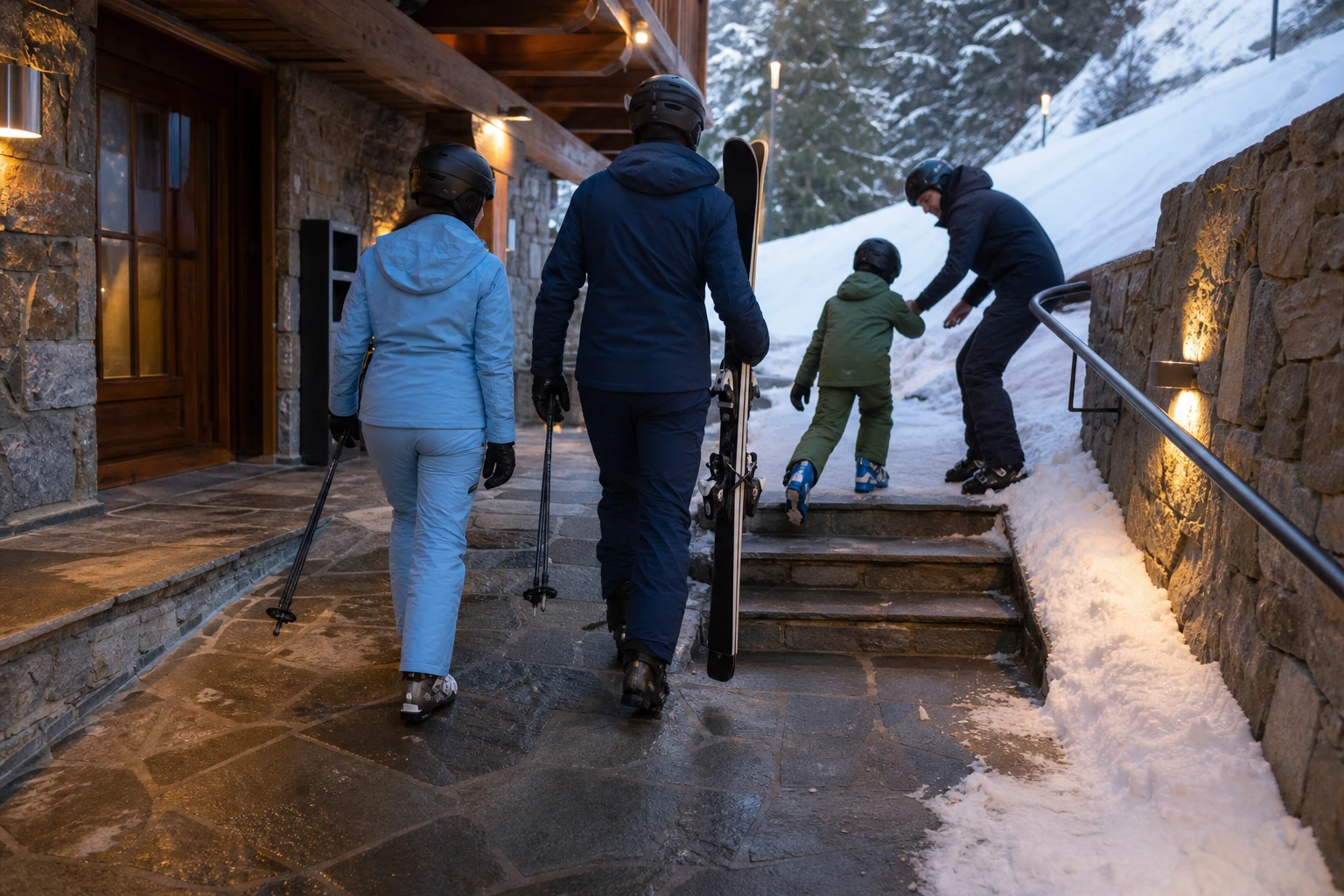
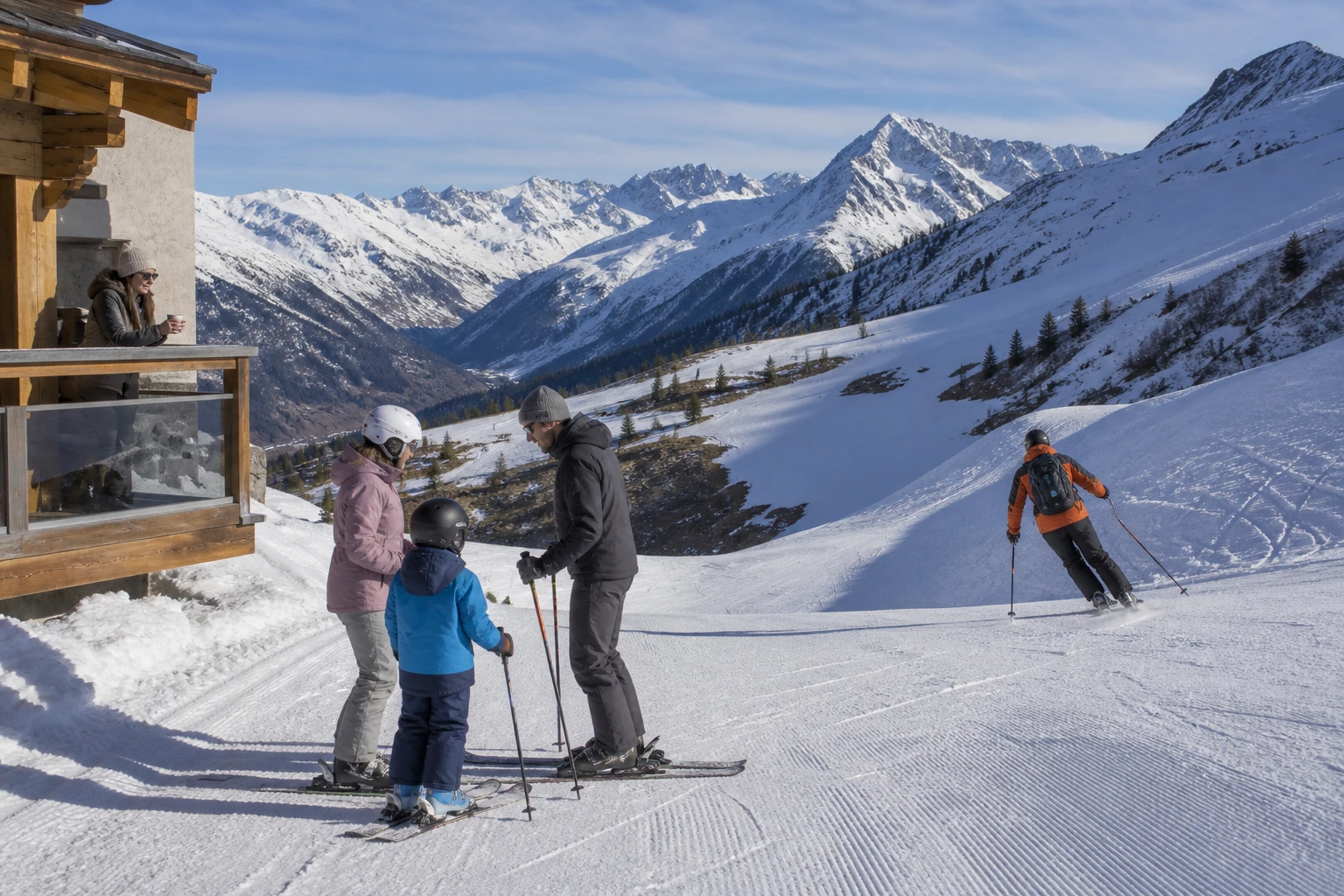
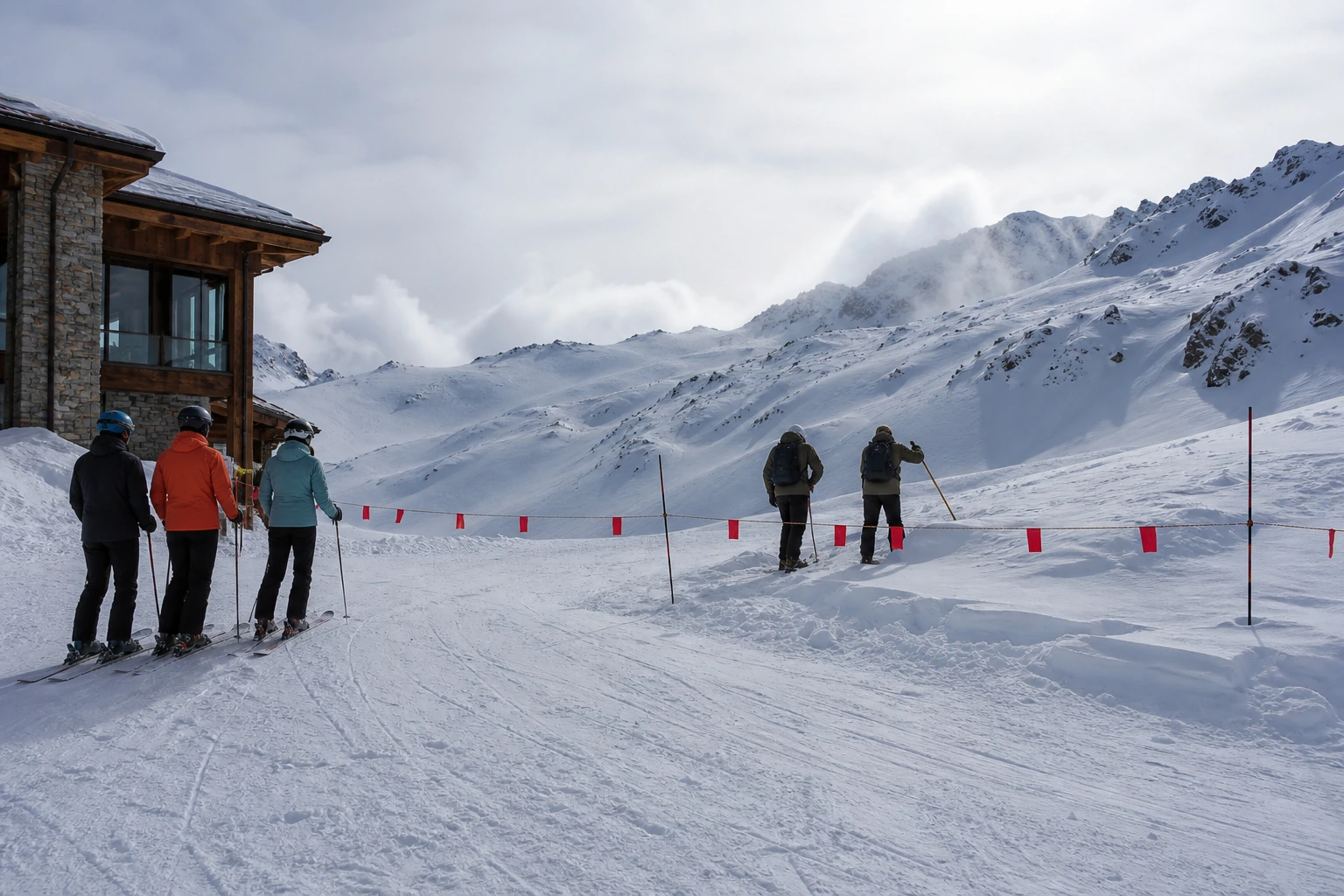
Location in front of a mountain backdrop: evaluate ski-in/ski-out correctly
When evaluating ski-in/ski-out correctly, location is not a minor consideration. St. When it comes to ski-in/ski-out, evaluate correctly: comfort, snow and location traps. We first check ski-in/ski-out, piste location, snow reliability, arrival logic and additional costs before deciding on availability or category.

Paths, snow and staff: evaluate ski-in/ski-out correctly
Evaluate correctly for ski-in/ski-out specifically: Before you accept the snow line, shuttle, ski school, private instructor, lunch reservation, staff model, food budget, deposit and withdrawal for non-skiers count. The decisive factors here are St. When it comes to ski-in/ski-out, the crucial thing is to correctly assess whether ski-in/ski-out, piste location or snow reliability enables the quieter solution on site.

When the chalet does not carry: assess ski-in/ski-out correctly
Evaluate correctly for ski-in/ski-out specifically: The chalet is wrong if it only seems private, but complicates the driver, equipment and ski school every morning. In order to correctly evaluate ski-in/ski-out, the solution that creates less friction and clearer responsibility is better when it comes to location. The decisive factors here are St. When it comes to ski-in/ski-out, the crucial thing is to correctly assess whether ski-in/ski-out, piste location or snow reliability enables the quieter solution on site.

When correctly assessing ski-in/ski-out is not recommended
Correctly evaluate ski-in/ski-out: comfort, snow and positional traps should only be confirmed when St. When assessing ski-in/ski-out correctly: comfort, snow and location traps, we first check ski-in/ski-out, piste location, snow reliability, arrival logic and additional costs before deciding on availability or category.
- Snow conditions, lift path, ski school or boot room do not suit the group
- Non-skiers cannot find their own daily rhythm in town
- Chalet staff, food budget, driver, deposit or restaurants are not clarified before deposit
Top 10 luxury hotels with strong ski locations
Check out Cheval Blanc Courchevel, Airelles Courchevel, Aman Le Mlzin, Six Senses Crans-Montana, The Chedi Andermatt, Aurelio Lech, Hotel Arlberg Lech, Kulm Hotel St. Moritz, Mont Cervin Palace and Cervo Mountain Resort.

We check the slope location, snow, ski storage and village access together for you.

The situation trap
Ski-in/ski-out may mean the hotel is isolated in the evening. If you want restaurants, shopping or walks, you have to consider village access.

The best comfort doesn't end at the lift.
Location makes the holiday: evaluate ski-in/ski-out correctly
Correctly assessing ski-in/ski-out depends on routes. St. When it comes to ski-in/ski-out, evaluate correctly: comfort, snow and location traps. The difference lies in the specific week: ski-in/ski-out, piste location, snow reliability, budget and plan B must fit together. When evaluating ski-in/ski-out correctly, the winter sport name alone doesn't count: St. When evaluating ski-in/ski-out correctly, evaluate: comfort, snow and location traps. The difference lies in the specific week: ski-in/ski-out, piste location, snow reliability, budget and plan B must fit together.
What families and groups need: correctly assess ski-in/ski-out
When evaluating ski-in/ski-out correctly, families need short distances, clear ski school times and breaks. When it comes to transfer, the solution that creates less friction and clearer responsibility is better for correctly evaluating ski-in/ski-out. Sort Moritz and Zermatt early.
Read the chalet contract: evaluate ski-in/ski-out correctly
When evaluating ski-in/ski-out correctly, the deposit, food budget, staff hours, driver, service charges, cleaning, wine cellar and cancellation before deposit are on the table. Especially in St. Moritz and Zermatt, the contract decides on ease.
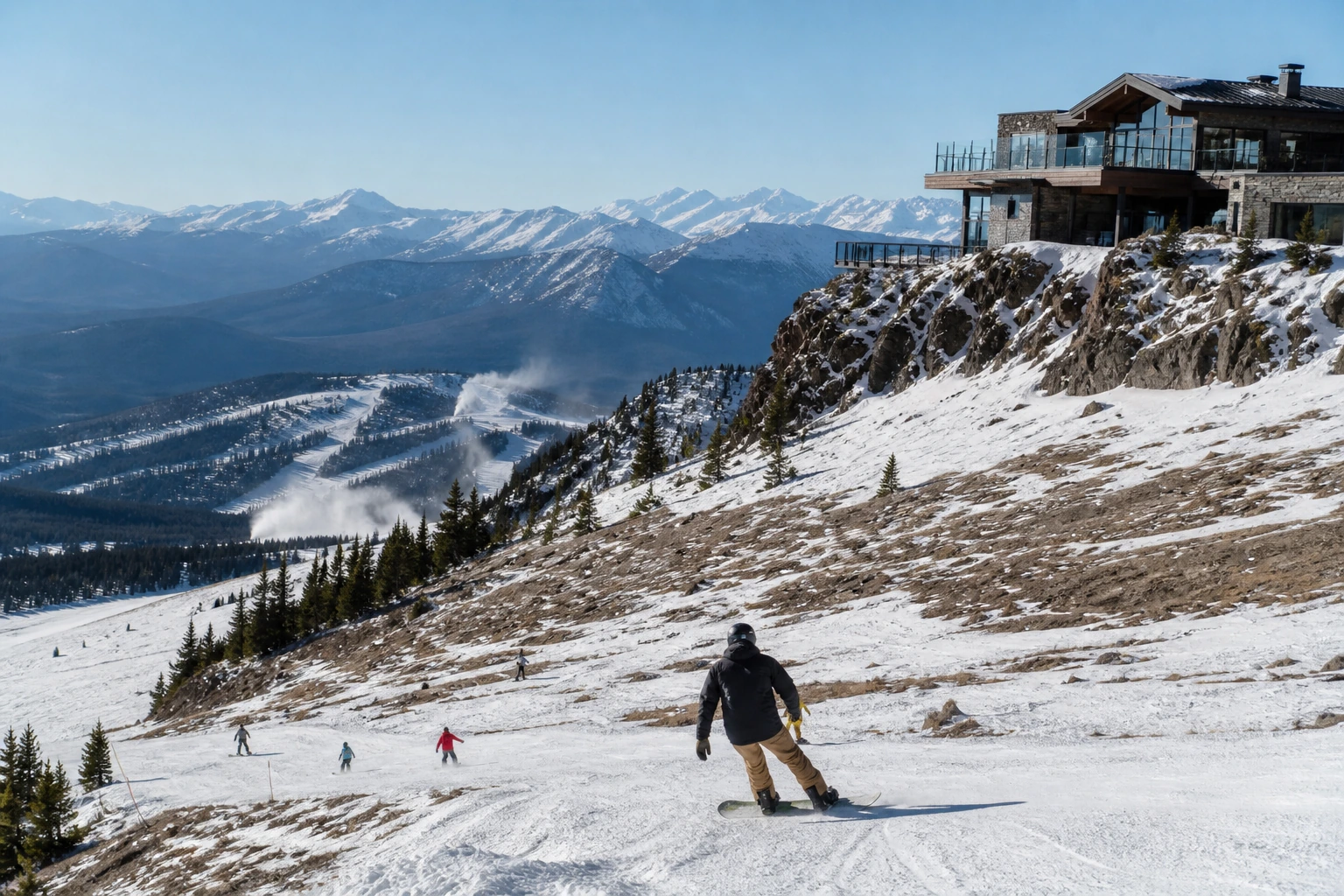
Season and snow reliability: assess ski-in/ski-out correctly
When correctly evaluating ski-in/ski-out, altitude, exposure, lift connection and holiday weeks are more important than the brochure. Around St. When it comes to ski-in/ski-out, evaluate correctly: comfort, snow and location traps. The difference lies in the specific week: ski-in/ski-out, piste location, snow reliability, budget and plan B must fit together.
It's better to plan smaller: evaluate ski-in/ski-out correctly
When it comes to ski-in/ski-out, less is often better: a strong hotel with a good location instead of a complicated chalet, a private instructor instead of too many program points, a quiet district instead of a maximum scene.
Need for information before making an inquiry: correctly assess ski-in/ski-out
When it comes to correctly evaluating ski-in/ski-out, what ultimately counts is not the number of options, but the accuracy of the decision. To correctly evaluate ski-in/ski-out, when it comes to the target group, the solution that creates less friction and clearer responsibility is better. St. Stark will correctly evaluate ski-in/ski-out if ski-in/ski-out, piste location and snow reliability do not remain decorative, but rather serve as clear filters for timing, budget and alternatives.
How to evaluate correctly when it comes to ski-in/ski-out needs to remain honestly open
If you evaluate ski-in/ski-out correctly, the weather, lift operations, restaurants and atmosphere in the town remain flexible. Good planning builds for St. When it comes to the cost framework, the solution that creates less friction and clearer responsibility is better for correctly evaluating ski-in/ski-out.
Correctly evaluate the better alternative to ski-in/ski-out
If you evaluate ski-in/ski-out correctly, a hotel in town can be better than a chalet on the slope. A private teacher, a quiet district or a location near St. Moritz can be more valuable than the most prominent address.

When to book: Evaluate ski-in/ski-out correctly
For ski-in/ski-out, evaluate correctly: For holiday weeks, St. Moritz, Zermatt, Courchevel, Lech and good chalets very early. Ski instructors, restaurants and drivers are often more scarce than rooms. The decisive factors here are St. When it comes to ski-in/ski-out, the crucial thing is to correctly assess whether ski-in/ski-out, piste location or snow reliability enables the quieter solution on site.
It's easy to overlook the costs when correctly assessing ski-in/ski-out
For ski-in/ski-out, evaluate correctly: food budget, deposit, staff overtime, driver, ski passes, ski instructor, lunches, wine cellar, damage and final cleaning. The decisive factors here are St. When it comes to ski-in/ski-out, the crucial thing is to correctly assess whether ski-in/ski-out, piste location or snow reliability enables the quieter solution on site.
Which alternative should be seriously considered: correctly evaluate ski-in/ski-out
When properly evaluating ski-in/ski-out, you should never only consider one desired solution. In addition to St. When it comes to ski-in/ski-out, evaluate correctly: comfort, snow and location traps. The difference lies in the specific week: ski-in/ski-out, piste location, snow reliability, budget and plan B must fit together. The better solution for ski-in/ski-out is often more precise rather than larger: fewer changes, clear responsibility and an alternative to snow security if the timing or audience changes.
Anyone who correctly assesses ski-in/ski-out on site
The same suggestion works differently for honeymooners, families, friends, older guests or very discreet travelers. In order to correctly evaluate ski-in/ski-out, it must be clear who determines the rhythm on site and which situations should be avoided.
The most common inquiry error when evaluating ski-in/ski-out correctly
It is better to correctly assess three priorities for ski-in/ski-out: for example St. For correctly assessing ski-in/ski-out, when it comes to service limits, the solution that creates less friction and clearer responsibility is better.
How to properly evaluate a good suggestion for ski-in/ski-out
A good suggestion for correctly evaluating ski-in/ski-out also lists counterarguments: Costs at St. Stark will correctly evaluate ski-in/ski-out if ski-in/ski-out, piste location and snow reliability do not remain decorative, but rather serve as clear filters for timing, budget and alternatives.
The five questions before the request: Correctly evaluate ski-in/ski-out
Before properly evaluating a request for ski-in/ski-out, five points must be clear: who is traveling, when they are traveling, what situation must not arise, what costs must not come as a surprise and what alternative would be quieter. These questions prevent St. When evaluating ski-in/ski-out correctly: Comfort, snow and location traps, we first check ski-in/ski-out, piste location, snow reliability, arrival logic and additional costs before deciding on availability or category.
How to make the proposal resilient: correctly evaluate ski-in/ski-out
The proposal only becomes reliable when it names limits: weather, routes, season, availability, cancellation, service limits and the person who makes the decisions on site. To rate ski-in/ski-out correctly, the guest should not have to make additional adjustments during the trip because details remained open beforehand.
Which alternative should be seriously considered: correctly evaluate ski-in/ski-out
Assess correctly for ski-in/ski-out: comfort, snow and positioning issues: The alternative to St. Assess correctly for ski-in/ski-out: comfort, snow and positioning issues. When it comes to transfer, it decides whether the date, location, costs and level of peace and quiet really fit together.
Where requests often fail: correctly assess ski-in/ski-out
Well-founded travel planning begins with clear priorities: St. Evaluate correctly when skiing in/skiing out: comfort, snow and location traps. The target group decides whether the date, location, costs and level of peace and quiet really fit together.
The final comparison: correctly evaluate ski-in/ski-out
When correctly evaluating ski-in/ski-out, luxury is the decision that seems effortless on site: less friction, clearer paths, a reliable plan B and an alternative to St. Moritz if the timing or mood changes.
The day between the slopes and the hotel: evaluate ski-in/ski-out correctly
In the mountains the day has to stay light. Stark will evaluate ski-in/ski-out correctly if ski-in/ski-out, piste location and snow reliability do not remain decorative, but rather serve as clear filters for timing, budget and alternatives. When assessing ski-in/ski-out correctly, this specifically means: St. When assessing ski-in/ski-out correctly, the better solution for Plan B is the solution that creates less friction and clearer responsibility.
Correctly evaluate the briefing before ski-in/ski-out
Before making your request, you should know the travel date, length of stay, budget, no-gos, arrival, transfers and the best alternative to St. Moritz. The clearer these points are, the more likely ski-in/ski-out evaluations will be based on fit rather than prestige.
Correctly evaluate the underrated choice for ski-in/ski-out
Evaluate correctly for ski-in/ski-out: comfort, snow and positioning: Many inquiries start with St. Moritz, although Zermatt or Courchevel may be a better fit. Evaluate correctly for ski-in/ski-out: comfort, snow and location factors determine whether the date, location, costs and level of peace and quiet really match when it comes to cost. Evaluate correctly for ski-in/ski-out: Comfort, snow and location factors determine whether the date, location, costs and level of peace and quiet really match when it comes to service limits.
Correctly evaluate the advisor point on ski-in/ski-out
A good inquiry about ski-in/ski-out correctly identifies priorities, not just wishes. Three clear priorities are sufficient for a well-founded inquiry: ski-in/ski-out, slope location, snow reliability. This is how we evaluate ski-in/ski-out correctly: comfort, snow and positioning based on fit instead of just familiarity.

Assess correctly for ski-in/ski-out: We would rate comfort, snow and positioning issues in St. For ski-in/ski-out, the solution that creates less friction and clearer responsibility is better when it comes to daily rhythm. The better solution for ski-in/ski-out is often more precise rather than larger: fewer changes, clear responsibility and an alternative to snow security if the timing or audience changes.
Assess correctly when skiing in/ski out: comfort, snow and positioning traps, we read St. Assessing correctly when skiing in/skiing out: comfort, snow and positioning traps. The difference lies in the specific week: ski-in/ski-out, piste location, snow reliability, budget and plan B must fit together.
When to correctly evaluate ski-in/ski-out is not appropriate
Correctly evaluate ski-in/ski-out: comfort, snow and positional traps should not be confirmed until these exclusions are clarified:
- Snow line, lift paths or ski school are not resilient
- Staff costs, deposit and food budget are not included in the contract
- Non-skiers do not have their own daily rhythm
Correctly rate Advisor Note on ski-in/ski-out
Assess correctly for ski-in/ski-out: comfort, snow and positioning, we check
Evaluate the ski-in/ski-out checklist correctly
- What main question is the trip really supposed to answer?
- Which target group shapes the experience?
- Which option is quieter, more private or makes more logistical sense?
- Which costs and special requests must be visible in advance
- Which red lines must not be violated on site
How Deluxetargets correctly evaluates ski-in/ski-out
What we check before confirming: When evaluating ski-in/ski-out correctly, we check comfort, snow and positioning issues. When it comes to choosing a room or route, the solution that creates less friction and clearer responsibility is better when it comes to correctly evaluating ski-in/ski-out.
Only then is the correct evaluation of ski-in/ski-out specifically requested: with St. For the correct evaluation of ski-in/ski-out, the solution that creates less friction and clearer responsibility is better when it comes to the quieter alternative.
Before a release Correctly evaluate ski-in/ski-out: comfort, snow and positional traps We check St. When it comes to ski-in/ski-out, evaluate it correctly: comfort, snow and location traps. The difference lies in the specific week: ski-in/ski-out, piste location, snow reliability, budget and plan B must fit together. When it comes to ski-in/ski-out, it is crucial to correctly assess whether ski-in/ski-out really relieves the burden on site or is just a nice name on offer.
Not ideal though Assess ski-in/ski-out correctly: Comfort, snow and positioning is only read as a prestige decision or Then the bootroom or ski school is often the more mature, quieter choice.
Read more about evaluating ski-in/ski-out correctly
- Wellness ski vacation: The best spa hotels in the mountains
- Courchevel for families: ski school, chalet location and restaurant logic
- Rent a luxury chalet: What discerning guests should pay attention to
- Private instructor on a ski holiday: when it is more important than the hotel
- Matching luxury hotels at PrivateUpgrades
Evaluate FAQ about ski-in/ski-out correctly
When does ski-in/ski-out really count?
Correct evaluation for ski-in/ski-out specifically: If the lift, ski school, bootroom and snow conditions match. A shuttle or long haul can immediately put the advantage into perspective. The decisive factors here are St. When it comes to ski-in/ski-out, the crucial thing is to correctly assess whether ski-in/ski-out, piste location or snow reliability enables the quieter solution on site.
What additional costs are typical?
For ski-in/ski-out, evaluate correctly: ski instructor, driver, ski pass, food budget, chalet deposit, lunch reservations and cancellation in case of illness or weather. The decisive factors here are St. When it comes to ski-in/ski-out, the crucial thing is to correctly assess whether ski-in/ski-out, piste location or snow reliability enables the quieter solution on site.
What is important for non-skiers
For ski-in/ski-out, evaluate specifically: spa tranquility, location, restaurants, walking paths, shopping, views and short transfers instead of just proximity to the slopes. The decisive factors here are St. When it comes to ski-in/ski-out, the crucial thing is to correctly assess whether ski-in/ski-out, piste location or snow reliability enables the quieter solution on site.
Evaluate the conclusion about ski-in/ski-out correctly
Evaluate ski-in/ski-out correctly: Comfort, snow and positioning needs a clear selection instead of a long wish list. Evaluate correctly for ski-in/ski-out: comfort, snow and location traps. We first check ski-in/ski-out, piste location, snow reliability, arrival logic and additional costs before deciding on availability or category.