
There is no single best wellness hotel in Europe; there is a right place for a clearly defined purpose. A thermal weekend, a medically supervised fasting programme and a retreat for emotional balance are not different versions of the same holiday. Compare them by pool size or treatment menu and it is easy to buy too much medicine,
too little rest or the wrong social setting. These seven addresses represent distinct forms of wellbeing and should be judged on different terms.
- Thermal resort
- Grand Resort Bad Ragaz – thermal heritage, multiple hotels and medical options
- Destination spa
- Bürgenstock Alpine Spa – architecture, water and views rather than a strict cure
- Structured reset
- Chenot Palace Weggis and Lanserhof Tegernsee – disciplined programmes of considerable intensity
- Medical wellness
- Palazzo Fiuggi and Clinique La Prairie – diagnostics, physicians and longer stays
- Holistic retreat
- Euphoria Retreat – body, emotion and movement in the Peloponnese
Define the objective before choosing the hotel
“I want to feel better” is not a sufficient brief. Is the priority sleep, stress, weight, mobility, recovery from a demanding period or a medical baseline Should the stay allow pleasure or impose reduction Are two people travelling with different objectives Those answers determine whether a generous spa resort or a regulated clinic makes sense.
Wellness can support rest, habits and useful routines. It cannot replace diagnosis or a treating medical team. Symptoms, pregnancy, eating disorders, cardiovascular concerns, acute psychological distress and complex medication all require guidance from the guest’s own qualified professionals before a reservation is made.
| Property | Strongest profile | Sensible duration | Key question |
|---|---|---|---|
| Grand Resort Bad Ragaz | Thermal water, resort life and a health centre | Weekend to programme week | Rest or a medical objective |
| Bürgenstock Alpine Spa | 10,000 m² spa and lake views | Two to four nights | Quiet periods and day visitors |
| Chenot Palace Weggis | Disciplined seven-night programme | At least seven nights | Is the restricted diet appropriate |
| Lanserhof Tegernsee | Fasting, diagnostics and regeneration | Programme dependent, usually longer | Which medical base therapy |
| Euphoria Retreat | Physical and emotional balance | Three nights to a retreat week | Programme or unstructured spa time |
| Palazzo Fiuggi | Medicine, nutrition and movement | Many core programmes from seven nights | Which diagnostics are included |
| Clinique La Prairie | Longevity programmes with medical depth | Signature programmes typically seven days | Is this exact programme clinically appropriate |
Grand Resort Bad Ragaz: wellness without social withdrawal
Bad Ragaz combines a thermal tradition with several hotels, substantial dining and the Tamina Health Center. The resort’s own offering ranges from Spa Suites with thermal water to Healthy Living programmes concerned with longevity, detox, weight, recharge and health check-ups. A stay can therefore be very free or deliberately clinical.
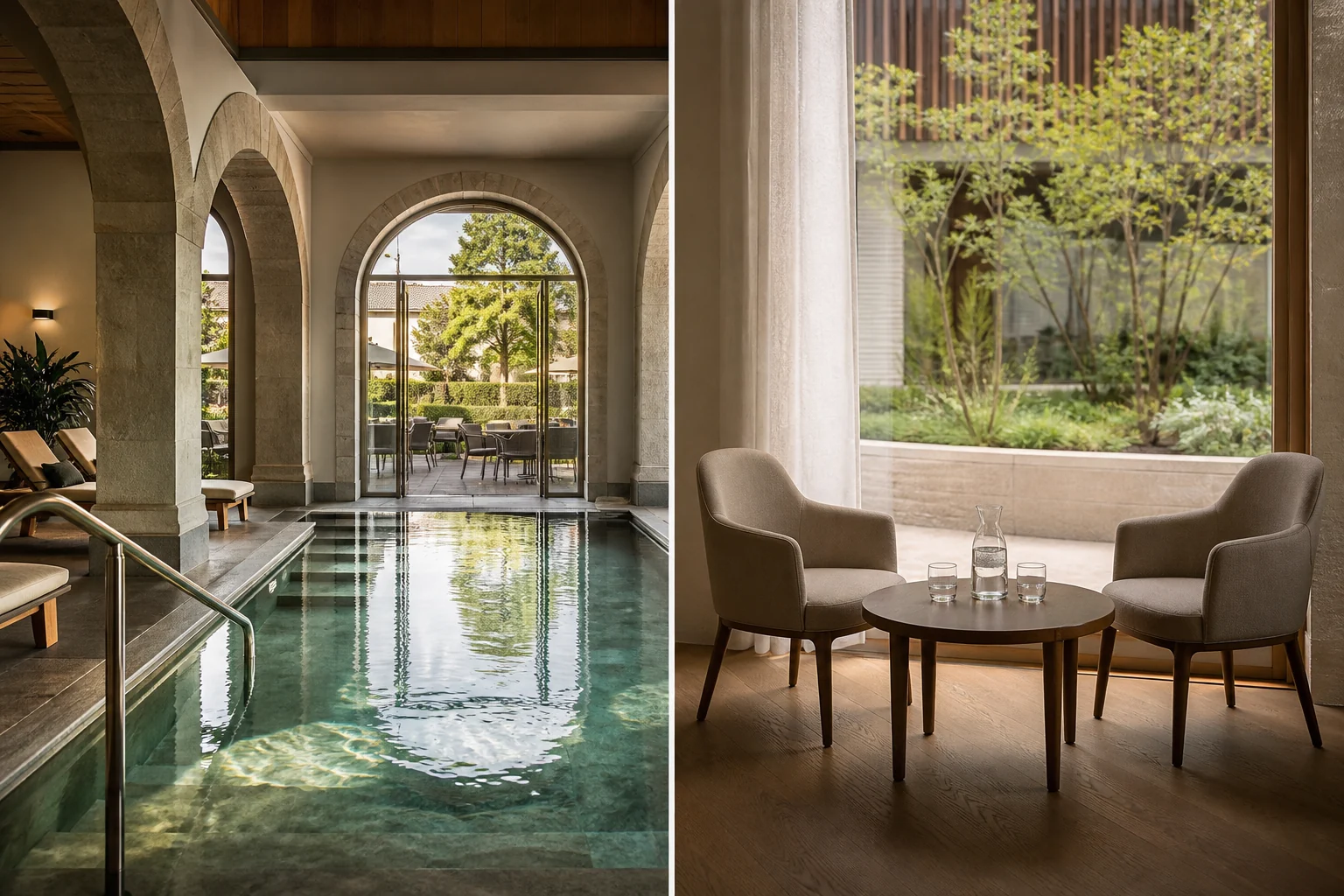
It is the strongest choice here for couples whose expectations differ: one can attend health appointments while the other uses the baths, restaurants or golf. Scale is the trade-off. Room position, walking routes, access to facilities and dinner reservations need to work together. Travellers seeking total seclusion should choose a smaller property.
Bürgenstock Alpine Spa: spectacular restoration, not a silent clinic
High above Lake Lucerne, the Alpine Spa comprises 10,000 square metres, five pools, four saunas, a hammam, 13 treatment rooms and an infinity pool heated to 35°C, according to the resort. It is an architectural destination spa with exceptional views – ideal for a short, pleasurable pause, not automatically for a profound medical reset.
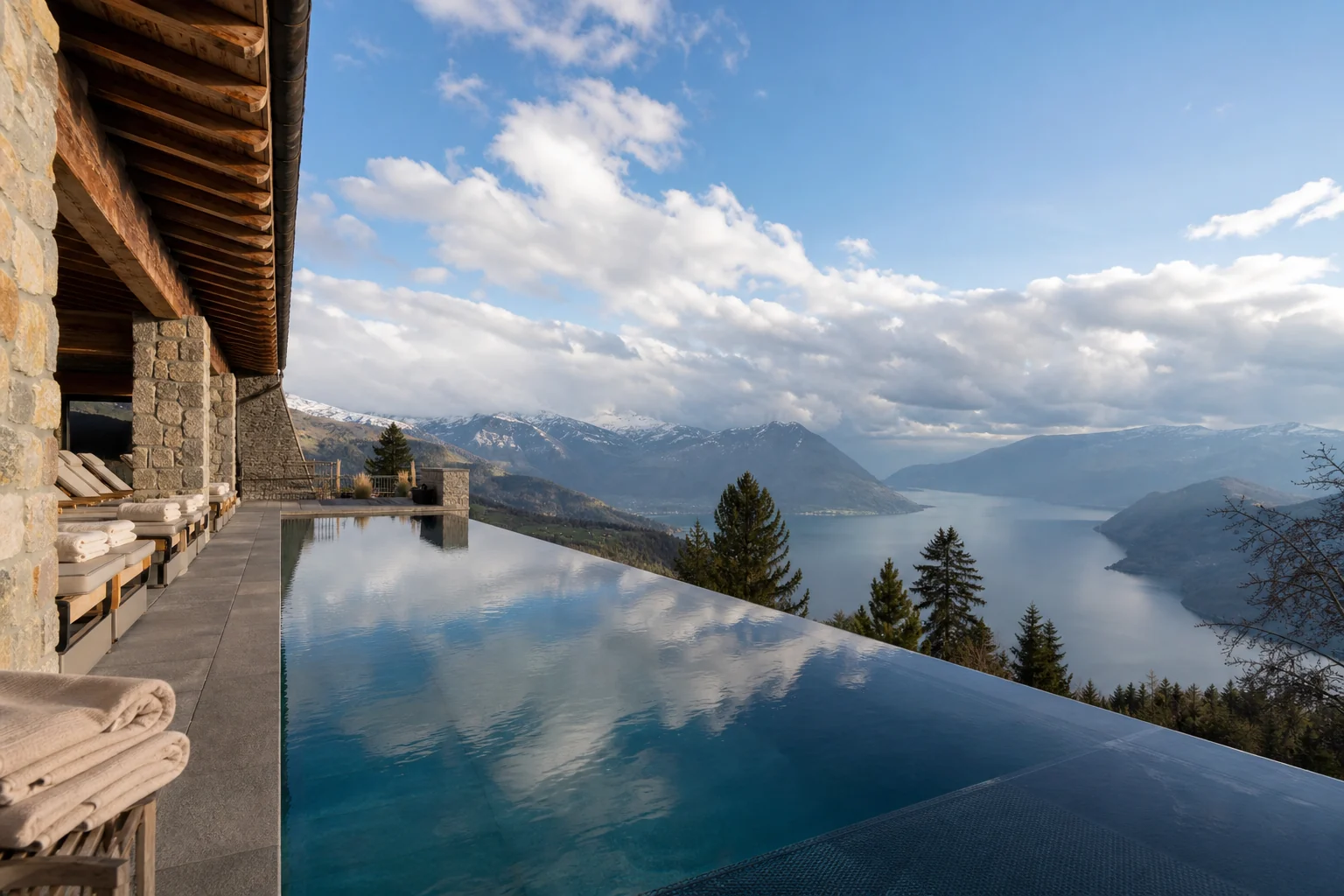
Official family and photography periods are published, and day-spa admission is sold. That makes the facilities accessible but not silent at every hour. Guests prioritising calm should consider weekdays, school holidays, spa timing and room position. Bürgenstock works for those wanting movement, restaurants and landscape alongside wellness.
Chenot Palace Weggis: structure before indulgence
Chenot does not sell an à-la-carte spa week. Its programmes are tightly designed. Recover Energise requires a minimum of seven nights, states 850 calories a day and combines medical and nutritional consultations, diagnostics and a long sequence of treatments. The stated aims include stress, sleep and energy; the method is intentionally demanding.
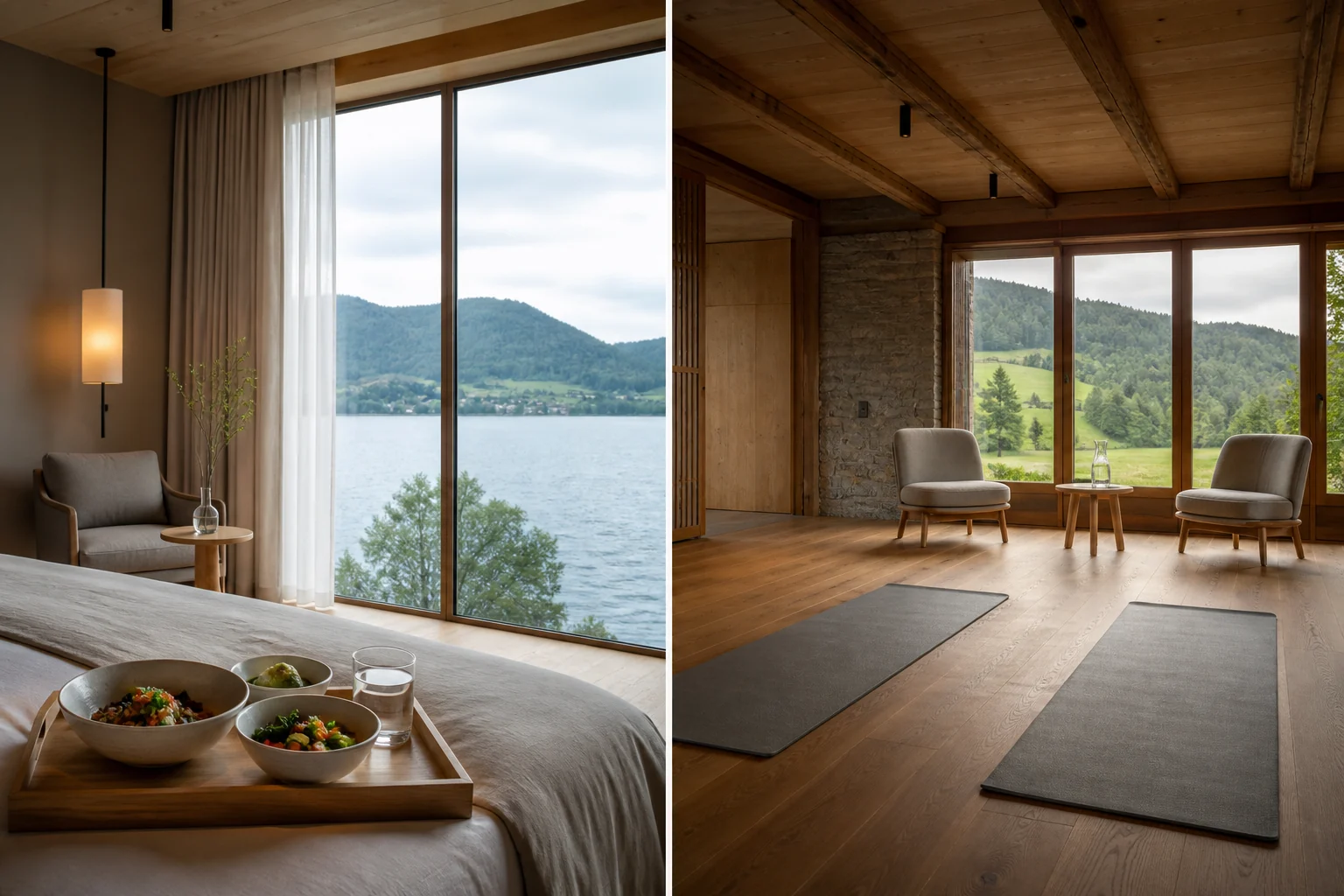
It suits only guests who genuinely want reduction and are medically suitable for it. A romantic week of spontaneous dinners would fight the concept. Dietary restrictions, medication, likely adjustment, exercise and the return to ordinary life should be discussed before arrival. One empty day after departure can be worth more than an immediate connection.
Lanserhof Tegernsee: fasting within a medical framework
Lanserhof places its fasting cure at the centre of the concept, combined with medical supervision, diagnostics, movement and restorative therapies. The 21,000-square-metre Tegernsee resort offers programmes ranging from its medical base therapy to longevity, brain health, rehabilitation and shorter checks.
Such breadth requires a precise indication. A four-day assessment is not equivalent to a longer period of fasting and regeneration. Guests should know which examinations are required, which are optional and what may be charged separately. Here too, nutrition is part of the intervention rather than merely lighter hotel dining.
Euphoria Retreat: when gentler is genuinely better
Euphoria stands near Mystras in the Greek Peloponnese. It frames its programmes around physical, emotional, mental and spiritual balance; doctors, mentors, nutritionists, therapists and trainers work together, with additional spa treatments available according to the programme.
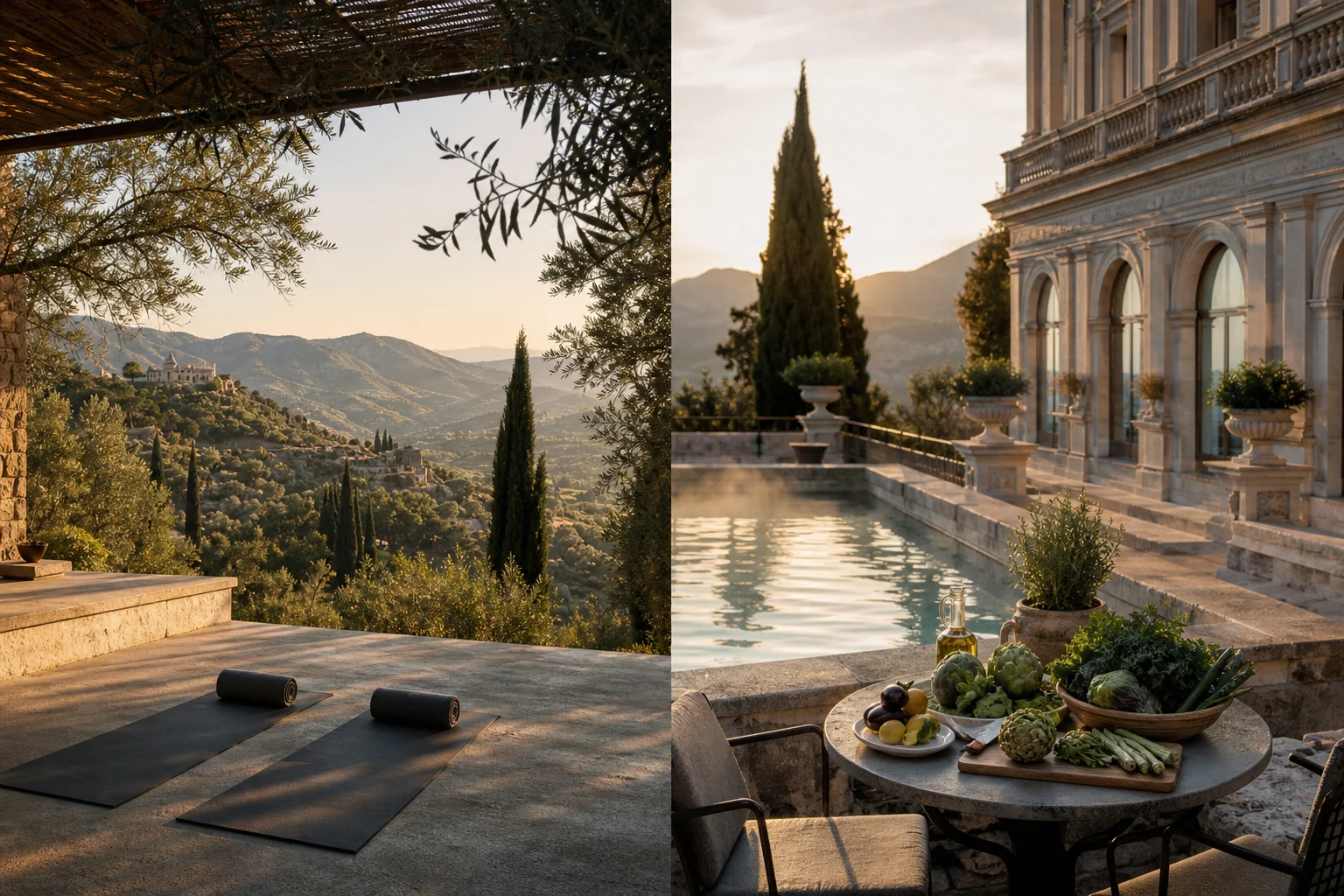
This is compelling for travellers who want movement, conversation, nature and bodywork without committing to a clinical week. “Holistic” is not, however, a precise medical credential. Anyone needing psychotherapy or medical care should confirm qualifications, language and limits. For a first retreat, a moderate programme may be more useful than maximum intensity.
Palazzo Fiuggi: medicine, food and movement together
Palazzo Fiuggi divides its offering into Medical, Wellness and Movement. Diagnostics and consultations inform individual services; core programmes such as Longevity, Deep Detox and Optimal Weight start at seven nights. “Food as Medicine” integrates nutrition into the overall method.
It fits a guest with a defined objective who still values the atmosphere of an Italian grand hotel. Before booking, establish which tests, physician consultations, therapies and follow-up are included. A programme name reveals little about the actual diary. Couples may need two different schedules with protected time together.
Clinique La Prairie: longevity with a substantial medical claim
Clinique La Prairie in Montreux offers several longevity programmes. Its seven-day Revitalisation stay includes medical oversight, laboratory and other examinations, nutrition and movement assessments, and wellness services. The clinic states that certain examinations take place only after a physician has considered age, medical history and overall health.
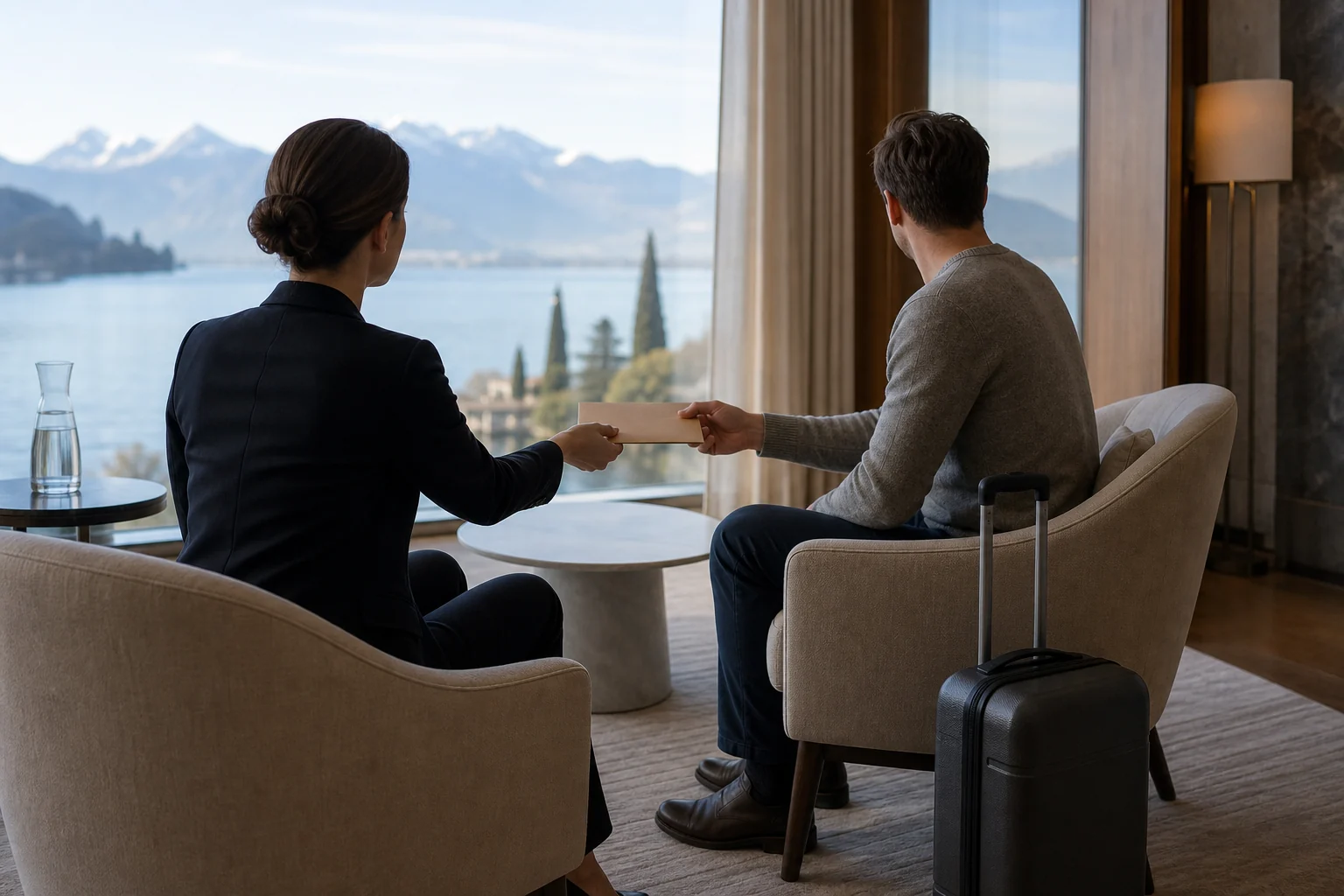
Far-reaching longevity language requires sober expectations. Diagnostics can provide information; they cannot guarantee a longer life or a defined outcome. Guests should ask their own doctor which tests are useful, how findings will be delivered and who will manage an abnormal result after the journey.
“Medical spa” is not a quality certificate
The term is not regulated identically across countries. What matters is the named practitioners and their credentials, clinical licensing, emergency procedures, informed consent, privacy and a usable medical report. Infusions, invasive procedures, blood treatments and supplements deserve particular caution.
Marketing expressions such as detox, cell regeneration or anti-ageing should not be repeated as proven outcomes. Deluxetargets can structure the journey, hotel and programme; clinical suitability belongs to qualified professionals.
The underestimated issue: food
A wellness week may be gastronomically generous, plant-based, calorie-restricted or part of a fast. Abruptly removing coffee, alcohol, sugar or familiar foods can change the experience. Sample menus, daily nutritional logic, allergies and eating history belong in the brief.
A guest with disordered-eating history should not enter a restrictive programme without specialist approval. Pleasure is not failure; sometimes a thermal hotel and excellent sleep are a wiser intervention than a severe cure.
How long does restoration take
Two nights are enough for water, massage and distance, but rarely for sustained behavioural change. Structured programmes generally need a week and sometimes more. Re-entry matters just as much: avoid a late flight before the first day back at work and a full diary immediately after fasting or intensive treatment.
Access affects the result. A complicated transfer can consume much of a short stay’s benefit. The Swiss properties are logistically strong for many European travellers; Greece and Italy become persuasive when there is enough time to arrive and leave well.
The Deluxetargets view
Choose Bad Ragaz for flexible thermal luxury and Bürgenstock for a short spa escape with a magnificent setting. Chenot and Lanserhof require genuine appetite for structure and reduction. Palazzo Fiuggi and Clinique La Prairie suit clearly framed medical questions; Euphoria is the more human alternative when balance matters more than diagnostics. We compare not only room and rate,
but diary, food regime, credentials, extras and the return home – because a retreat is successful only when it belongs to the life that follows.