
Virtuoso Hotels
Virtuoso Hotels in Buenos Aires, Argentina
4
4
Hotels
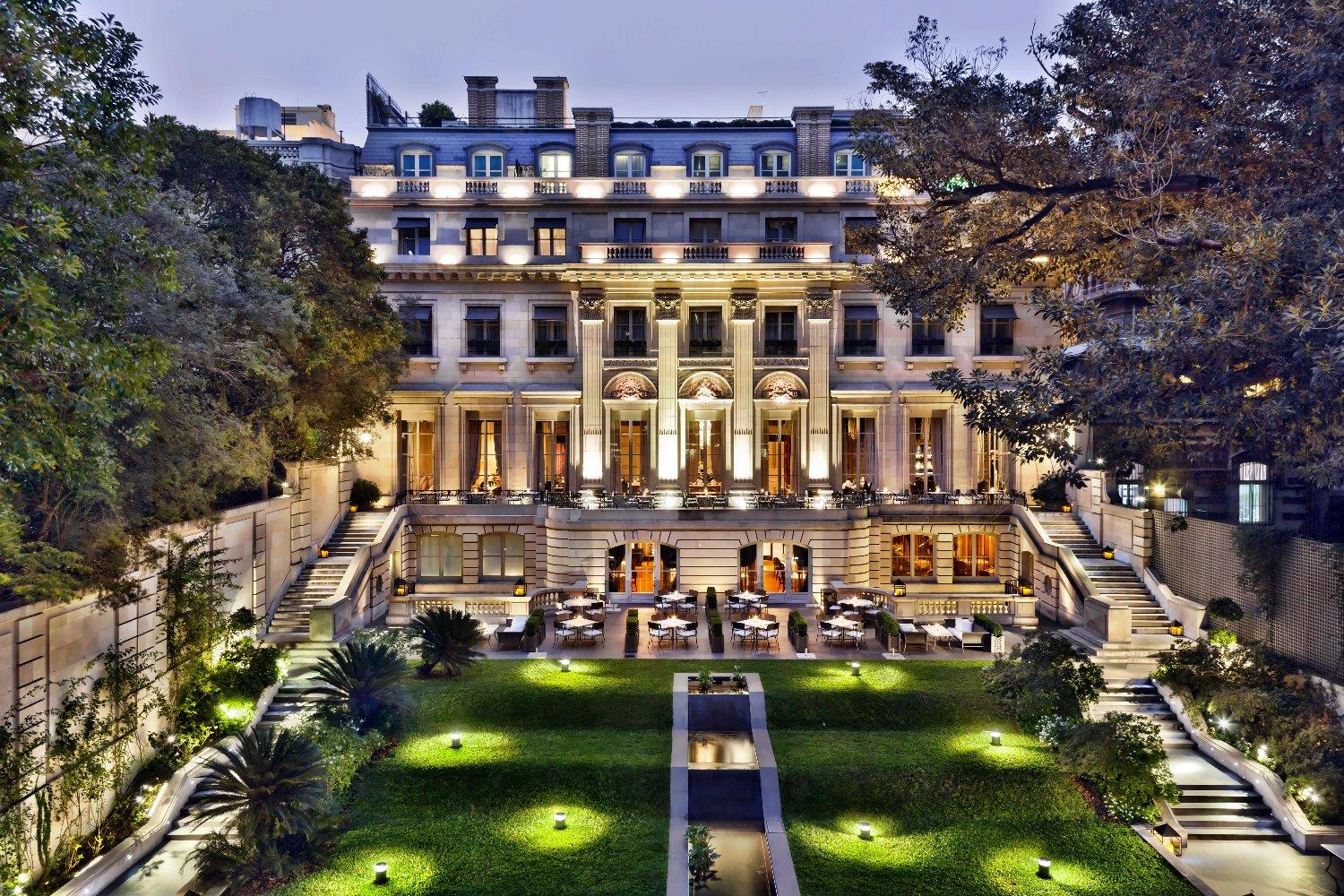
Virtuoso Hotels in Buenos Aires: neighbourhoods, sights and hotel choice
Buenos Aires should not be approached by hotel category alone. The elegant avenues of Recoleta, the contemporary waterfront of Puerto Madero, Palermo’s restaurant scene and the historic streets of San Telmo create very different stays. Location therefore matters as much as the room, service and Virtuoso benefits.
The four Virtuoso hotels featured here cover distinct travel styles: a classic grand hotel. A historic palace, a polished city hotel and a design-led cultural address. This guide helps you choose the right neighbourhood, experiences and length of stay.
Quick choice by travel style
Use this concise overview for an initial decision. The detailed neighbourhood profiles below then explain sights, atmosphere and practical differences in greater depth.
Recoleta as the balanced base
Recoleta combines elegant streets, major museums, parks and several sights within a coherent area. For a first visit, it offers the strongest balance of orientation, culture and classic Buenos Aires atmosphere.
Recoleta, Retiro and San Nicolás
This axis works well for Teatro Colón, Avenida Alvear, art museums and historic architecture. Many cultural addresses are close. for the liveliest dining scene, travellers will often continue to Palermo in the evening.
Palermo as the evening district
Palermo Soho and Hollywood have the greatest concentration of contemporary restaurants, bars and independent boutiques. The area is excellent for afternoons and evenings but less convenient for a classic historic sightseeing programme.
Puerto Madero
Broad promenades, contemporary architecture and the Ecological Reserve create a spacious, calmer cityscape. Puerto Madero is ideal for modern surroundings and waterfront walks, although it feels less established than Recoleta or San Telmo.
San Telmo and Monserrat
Cobbled streets, markets, colonial façades and milongas communicate much of the city’s history. The districts are particularly rewarding by day. many luxury travellers still prefer Recoleta or Puerto Madero as a quieter hotel base.
Palermo Chico and the Bosques
MALBA, the Japanese Garden, the Rosedal and extensive green spaces make eastern Palermo ideal for a slower cultural day. The distances inside Palermo itself should not be underestimated.
Neighbourhoods in detail
Recoleta – classical elegance and convenient sightseeing
Recoleta is the natural choice for travellers who want Buenos Aires at its most elegant. French-inspired architecture, tree-lined avenues, galleries and historic cafés shape the district. Recoleta Cemetery, the National Museum of Fine Arts, Floralis Genérica and Avenida Alvear are close together. Alvear Palace and Palacio Duhau are particularly well suited to culture, shopping and grand-hotel atmosphere.
Puerto Madero – waterfront space and contemporary design
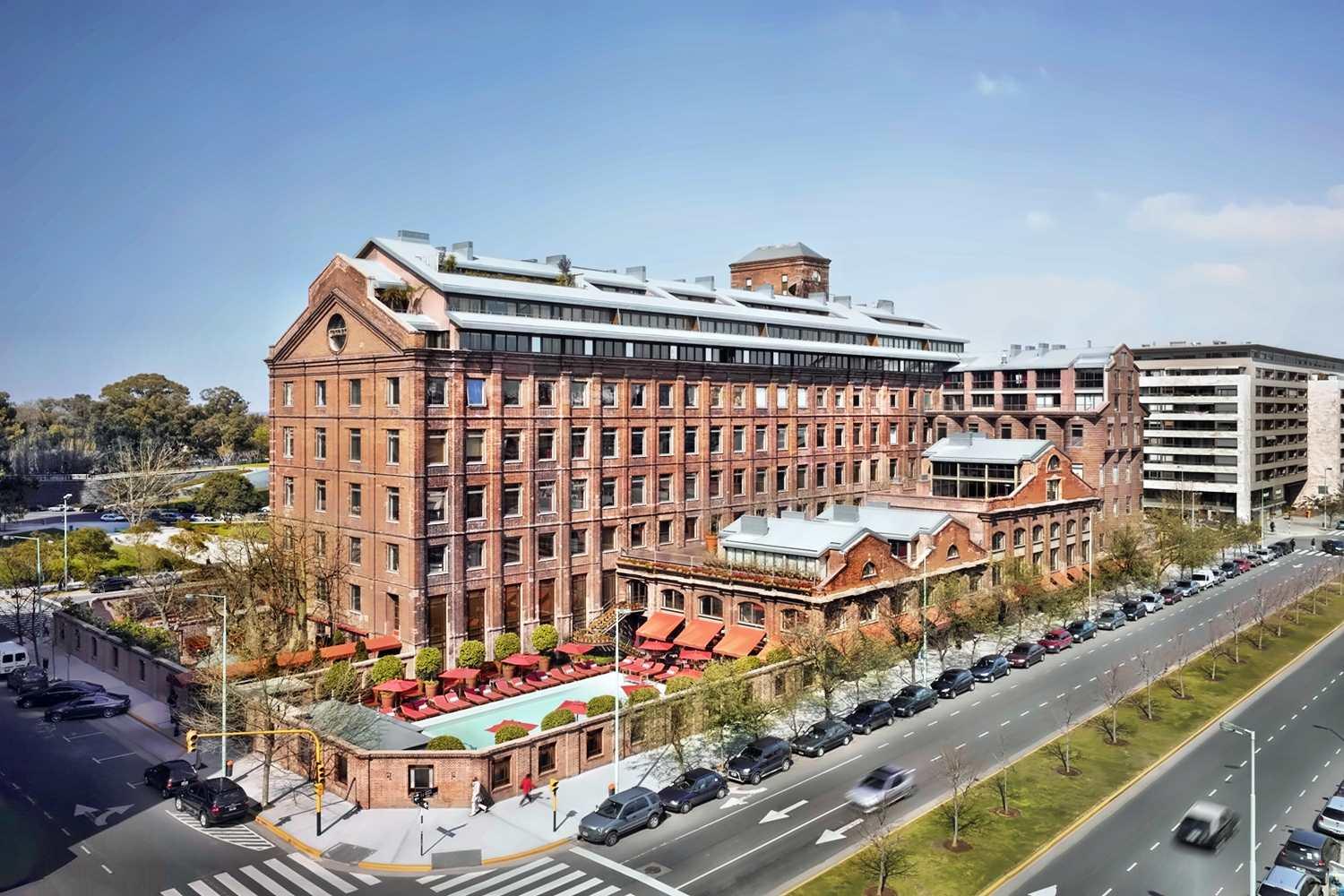
Puerto Madero combines restored dock buildings with modern towers, broad promenades and views towards the Río de la Plata. Puente de la Mujer and the Costanera Sur Ecological Reserve provide space for walking. While waterfront restaurants create a more contemporary mood. Faena is the strongest fit when design, nightlife and a distinctive tango production matter more than traditional neighbourhood character.
Palermo – parks, design and restaurants
Palermo is the city’s largest district and is commonly divided into Palermo Chico, Soho and Hollywood. MALBA, the Japanese Garden, Botanical Garden and the parks around the Rosedal sit to the east. Soho and Hollywood offer boutiques, bars and a dynamic dining scene. It is an excellent area for afternoons and evenings even when staying in Recoleta or Puerto Madero.
San Telmo and Monserrat – history, markets and tango
San Telmo is one of the oldest parts of Buenos Aires, known for cobbled streets, courtyards, antique shops and Plaza Dorrego. The Sunday market along Defensa draws large crowds. Neighbouring Monserrat contains Plaza de Mayo, Casa Rosada, the Cabildo and the cathedral. A private walking tour adds valuable historical and architectural context.
Retiro and San Nicolás – central for culture
Retiro and San Nicolás combine elegant residential streets, business areas and important cultural landmarks. Teatro Colón, Avenida 9 de Julio, the Obelisk and Galerías Pacífico are easily reached. Four Seasons works particularly well for travellers who plan active days and want strong restaurants within the hotel at night.
The four Virtuoso hotels compared
The hotel grid provides each address and its booking access. This comparison answers a different question: which atmosphere and location best fit the planned Buenos Aires stay
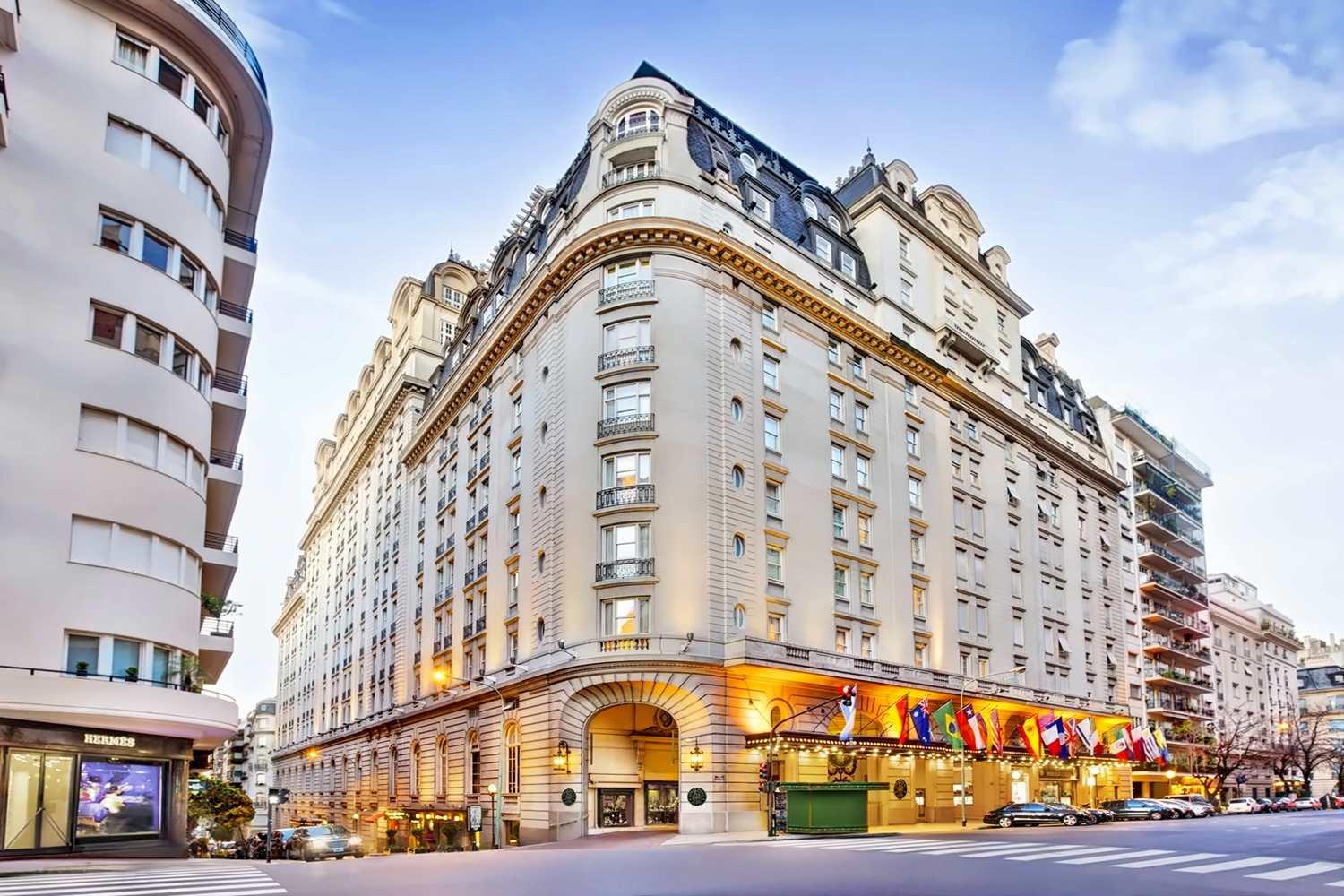
Alvear Palace Hotel
This address suits travellers who want Recoleta, traditional hospitality, culture and elegant cafés in one stay. The experience is deliberately classical and ceremonial.
Palacio Duhau Park Hyatt
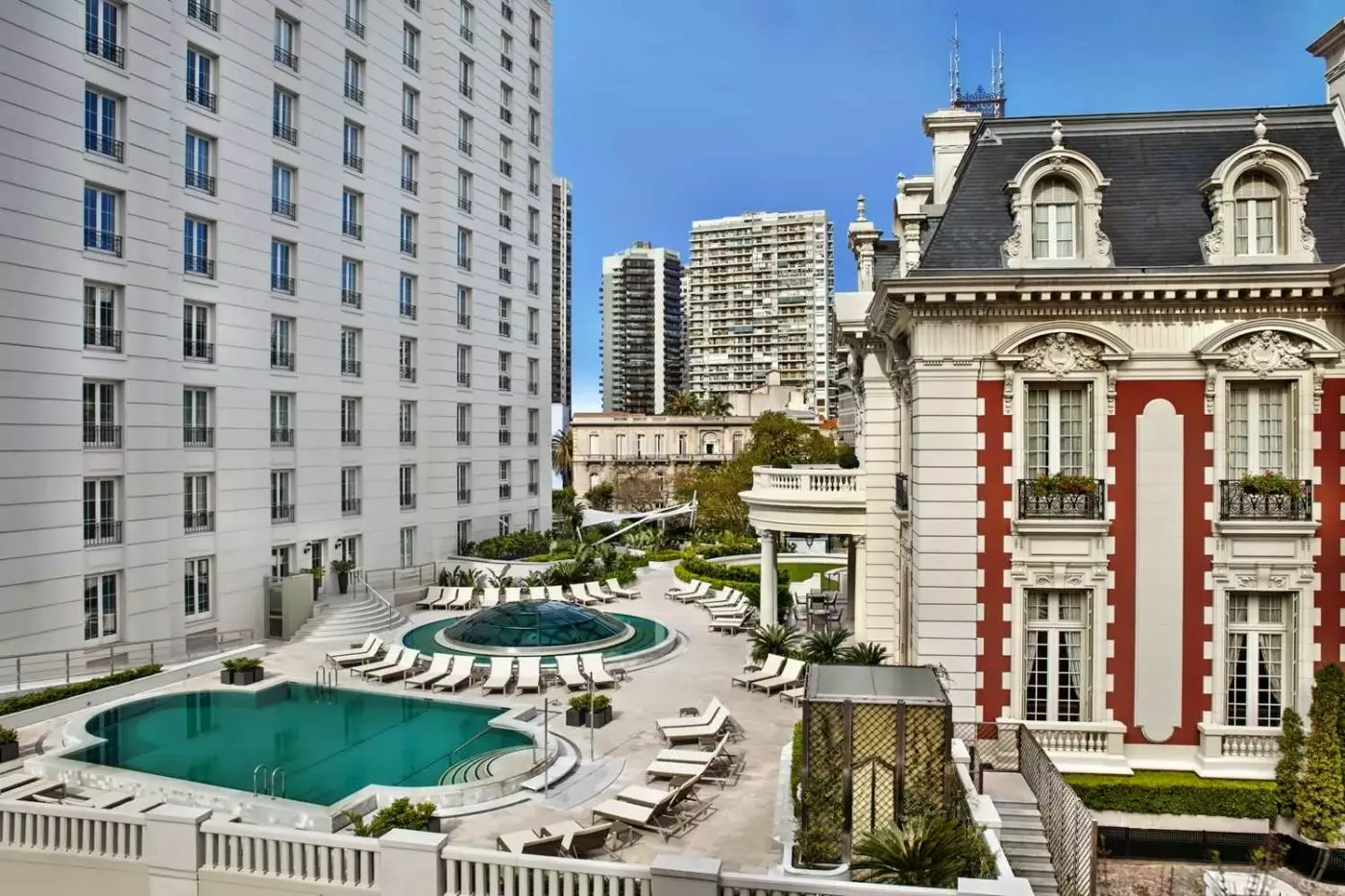
Historic architecture, art and a calm garden axis in central Recoleta define the experience. It is well suited to travellers combining sightseeing with unhurried pauses at the hotel.
Four Seasons Buenos Aires
The position between Retiro and Recoleta works well for active days, culture and dining. The hotel combines a historic mansion atmosphere with the operation of a contemporary international city hotel.
Faena Hotel Buenos Aires
Faena belongs to Puerto Madero, contemporary design, a strong evening programme and Rojo Tango. The experience is more theatrical and lifestyle-led than at Recoleta’s classical properties.
Essential Buenos Aires sights
A first visit should combine culture, architecture and contrasting districts. A private guide is especially useful in the historic centre and La Boca, where timing and context make a considerable difference.
- Teatro Colón: reserve a tour or performance early for one of the city’s great architectural and cultural experiences.
- Recoleta Cemetery: visit in the morning, ideally with a guide who can explain the stories behind the mausoleums.
- MALBA and the National Museum of Fine Arts: two complementary perspectives on Latin American and international art.
- Plaza de Mayo and Casa Rosada: essential for understanding Argentina’s political and social history.
- El Ateneo Grand Splendid: a celebrated bookshop housed in a former theatre.
- Caminito in La Boca: colourful and iconic. But better as a focused daytime visit than as a hotel location.
- Puente de la Mujer and the Ecological Reserve: modern architecture followed by a quieter waterfront walk.
- Palermo parks: the Rosedal, Botanical Garden and Japanese Garden offer a green break from sightseeing.
Dining: parrillas, historic cafés and modern restaurants
Buenos Aires dines late. A table before 8.30 pm can feel unusually early. And sought-after restaurants should be reserved from Thursday to Saturday. Classic parrillas, Italian influences, empanadas, contemporary Latin American cooking and regional wines all belong to the city’s food identity. Historic bares notables preserve tradition. While Palermo and Puerto Madero provide a more contemporary scene.
Hotel experiences worth planning
Afternoon tea at L’Orangerie is a defining ritual at Alvear Palace. Elena at Four Seasons is strong for dry-aged Argentine beef and regional wines. Palacio Duhau combines its restaurant, wine cellar and gardens. While Rojo Tango at Faena should be reserved before arrival when dinner and performance are part of the plan.
How to experience tango
Tango in Buenos Aires ranges from polished productions to intimate milongas where locals dance. A high-quality show is an accessible introduction. Rojo Tango in Faena’s El Cabaret is particularly intimate and combines live music, dance and dinner. Travellers who want more depth can pair a private lesson with a guided milonga rather than selecting a large show at random.
Best time to visit and ideal length of stay
Spring and autumn
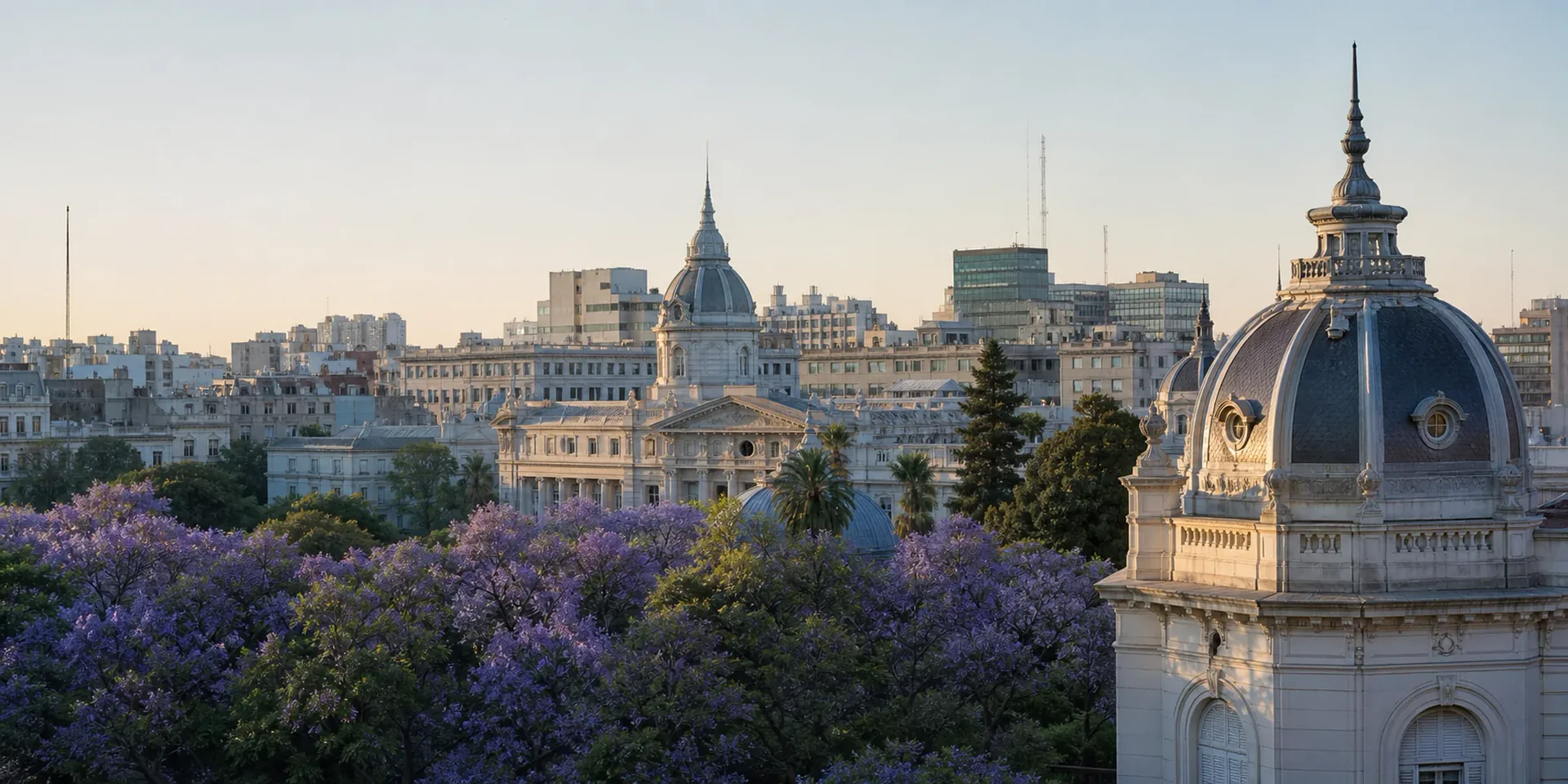
September to November and March to May are especially pleasant for walking, parks and restaurant terraces. Spring brings jacaranda blossom and longer days. While autumn is calmer and well suited to culture and dining.
Summer and winter
High summer can be hot and humid, although the city is quieter during holiday periods. Winter is generally mild enough for sightseeing and works well for museums, theatre and restaurants. Opera, polo and major festivals should be checked against exact travel dates.
Events and high-demand dates
The cultural calendar can add considerable value and also increase demand. Teatro Colón, the Tango BA Festival, major polo dates, fairs and international concerts should be checked before flights are confirmed. Dates change each year and belong in the individual travel plan rather than as permanent promises on a hotel page.
How many days
Two days provide only an overview. Three or four nights allow time for Recoleta, Palermo, the historic centre, a tango evening and several good meals. With five nights, add the Tigre Delta, an estancia or a day trip to Colonia del Sacramento.
Buenos Aires in two, three or five days
48 hours – a focused introduction
Use the first day for Recoleta, an art museum, Avenida Alvear and a carefully chosen dinner. The second day combines Plaza de Mayo, San Telmo and one deliberately selected tango experience. Palermo and La Boca should not both be forced into an already crowded two-day plan.
Three to four nights – the best balance
Add a dedicated Palermo day with parks, MALBA and a restaurant evening. Give Recoleta, the historic centre and San Telmo separate time blocks. Puerto Madero works for a walk and later evening. This duration is the strongest fit for a first sophisticated city stay.
Five nights – more depth and less rushing
An extra day allows neighbourhoods and cultural appointments to breathe. Depending on interests, add the Tigre Delta, an estancia in the Pampas or Colonia del Sacramento. Alternatively, keep the day in the city for galleries, shopping and a second exceptional restaurant.
Transfers and getting around
The two principal airports differ significantly in location and purpose. Transfer times are estimates and can increase materially during peak traffic.
Ezeiza (EZE) – international long haul
Ezeiza is approximately 32 kilometres from the centre and handles most intercontinental flights. The official tourism authority quotes around 50 minutes into the city. extra time should be allowed in heavy traffic. A pre-arranged private transfer is the most comfortable option after an overnight flight.
Aeroparque (AEP) – close to Palermo and central districts
Aeroparque is inside the city and serves many domestic and regional routes. According to the official tourism authority, the principal hotels are often within roughly 25 minutes. For Mendoza, Iguazú, Bariloche or Patagonia connections, AEP can offer substantially easier logistics.
Moving around the city
Recoleta, San Telmo, Palermo and Puerto Madero are best explored on foot in separate sections. Taxi, ride service or private driver is more efficient between districts. Always allow a traffic buffer for Teatro Colón, restaurant bookings and airport transfers.
Combining Buenos Aires with Argentina
Buenos Aires works as the opening or finale of a larger Argentina itinerary. Strong combinations include Iguazú Falls, the Mendoza wine region, Patagonia, the lakes around Bariloche or an estancia in the Pampas. Flights, hotel nights and transfers should be planned together so that the capital feels like a destination rather than a transit stop.
How Deluxetargets frames this selection
This is not a complete ranking of every luxury hotel in the city. It concentrates on currently available Virtuoso addresses and interprets them through location, atmosphere and their role in a Buenos Aires journey. The recommendations are editorially reviewed and updated when affiliation, benefits or travel conditions change.
- Travel purpose, neighbourhood and daily rhythm matter more than a universal ranking.
- Hotel information and Virtuoso affiliation are checked before publication.
- Time-sensitive details such as events, opening hours and transfers are reconfirmed for the individual trip.
- The selection remains intentionally curated and is not padded with hotels without relevant Virtuoso access.
Our planning recommendations
- Choose the neighbourhood and travel style first. the right hotel then becomes much clearer.
- Reserve Teatro Colón, popular restaurants and tango performances before arrival.
- Plan Recoleta, Palermo, San Telmo and Puerto Madero as separate parts of the day.
- Check the current events calendar before flights and travel dates are finalised.
- On a longer trip, combine Buenos Aires with Mendoza, Iguazú or Patagonia.
Frequently asked questions about Virtuoso hotels in Buenos Aires
Which neighbourhood is best for a first visit
Recoleta is the most balanced choice for many first-time visitors: elegant, convenient and close to museums, architecture, restaurants and parks. Puerto Madero suits travellers who prioritise contemporary surroundings, waterfront space and nightlife.
Which Virtuoso hotel is best for classic luxury
Alvear Palace delivers the classic grand-hotel experience. Palacio Duhau combines palace architecture and gardens. While Four Seasons and Faena are more contemporary and design-led.
Recoleta or Puerto Madero – which is better
Recoleta offers more established city culture, architecture and classic sights within easy reach. Puerto Madero feels more contemporary, spacious and calm but offers less historic neighbourhood atmosphere.
How many nights should I spend in Buenos Aires
At least three to four nights are recommended for a first visit, allowing time for several neighbourhoods, culture, tango and the restaurant scene.
When is the best time to visit
Spring from September to November and autumn from March to May usually offer the most comfortable conditions for walking and outdoor dining.
Which airport is closer to the hotels
Aeroparque is inside the city and often around 25 minutes from central hotels. Ezeiza is approximately 32 kilometres away. the journey is around 50 minutes without heavy traffic and should be planned more generously.
Should restaurants and tango shows be booked ahead
Yes. Popular restaurants, Rojo Tango and good seats at Teatro Colón should be reserved before arrival, especially around weekends and holidays.
Can I book the hotel online
Yes. The online booking button opens the matching PrivateUpgrades hotel page, where rates, availability and confirmed benefits can be reviewed.
Combine your hotel stay with a privately designed journey through Argentina, with hotels, transfers and experiences planned as one seamless itinerary.