
Virtuoso Hotels
Virtuoso Hotels in Mendoza, Argentina
3
3
Hotels
Virtuoso hotels in Mendoza: city, Chacras de Coria, Uco Valley and high-Andes planning
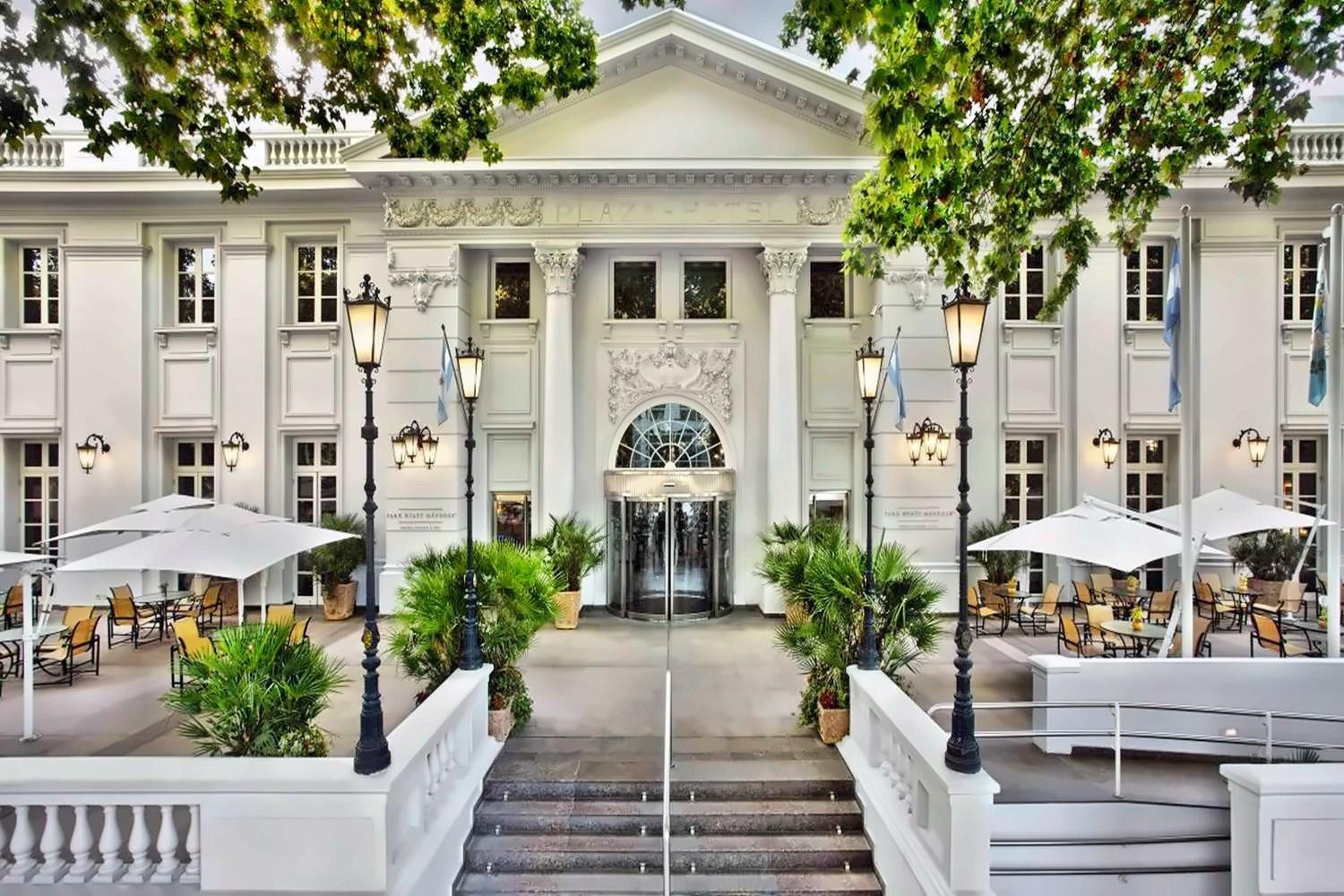
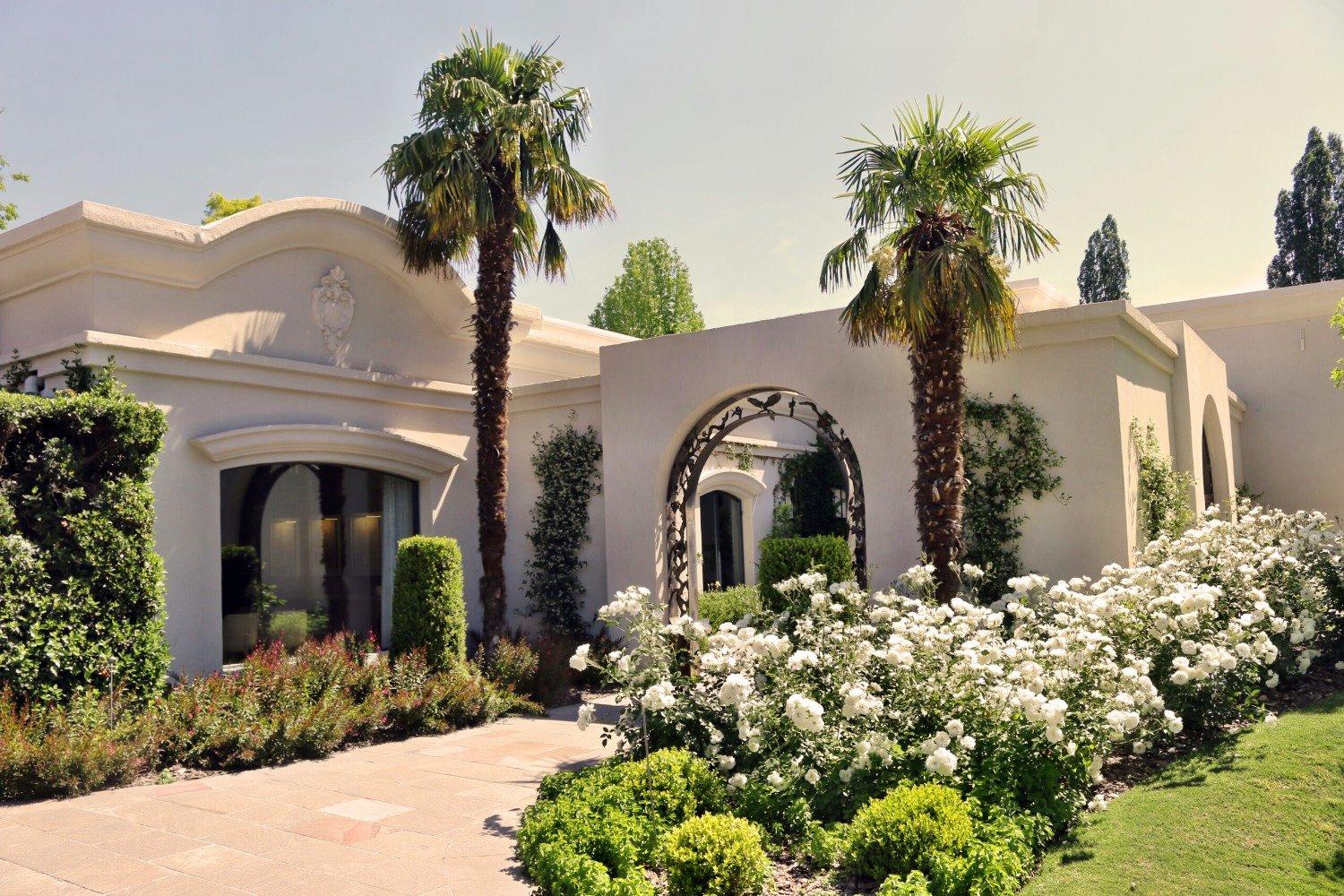
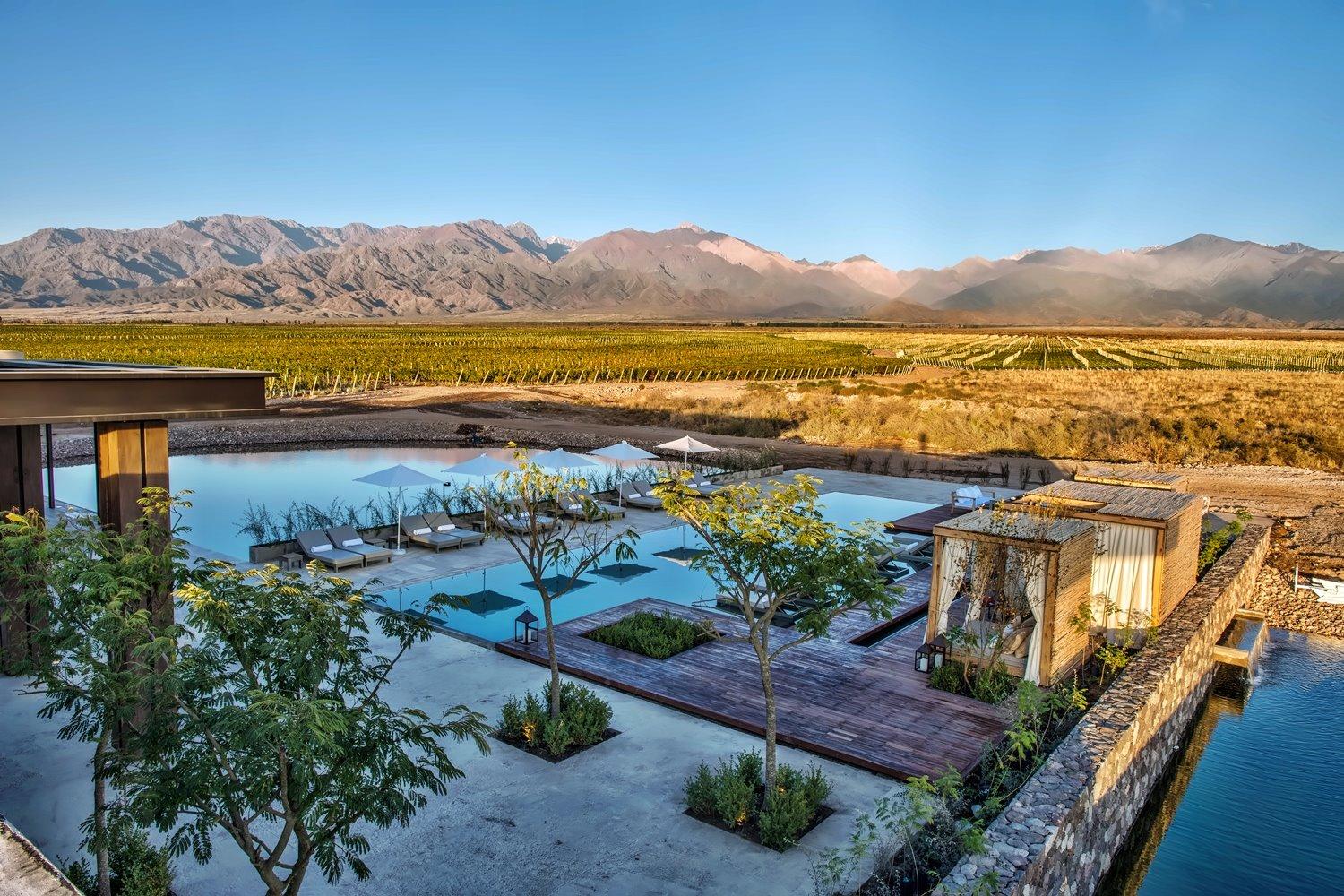
Mendoza is not one vineyard district around a compact city. Park Hyatt anchors the provincial capital on Plaza Independencia. SB Winemaker's House &. Spa Suites creates an intimate base in Chacras de Coria, useful for Luján de Cuyo and Maipú. The Vines Resort &. Spa is a destination property deep in the Uco Valley.
Choosing among them changes transfer hours, dinner possibilities, altitude, landscape and whether the hotel or the wine route defines the day.
A thoughtful stay is measured in terroirs understood, not glasses accumulated. Mendoza's wine culture sits within an irrigated high-desert landscape shaped by Andean water, agricultural labour, regulation and changing climate. Winery access, mountain roads, currency conditions, entry rules and hotel services can change after this guide's review on 3 August 2026. Confirm every visit, transfer and requirement through the responsible official body, producer and property for the actual dates.
Choose the base before choosing wineries
Park Hyatt works best for travellers who want city restaurants, plazas and a formal full-service hotel between regional excursions. Chacras de Coria places SB Winemaker's House closer to Luján de Cuyo estates and a village dining rhythm. While still allowing a road transfer into Mendoza. The Vines turns the Uco Valley into the stay itself,
replacing spontaneous city evenings with villa, vineyard, spa and Siete Fuegos time. Plot every confirmed winery first: an Uco appointment from the city can consume much of a day. While a Maipú visit from The Vines is a major cross-region transfer. Hotel changes make sense only when they materially reduce driving or create a distinct resort chapter, not simply to collect another landscape.
Read Luján, Maipú and Uco as different regions
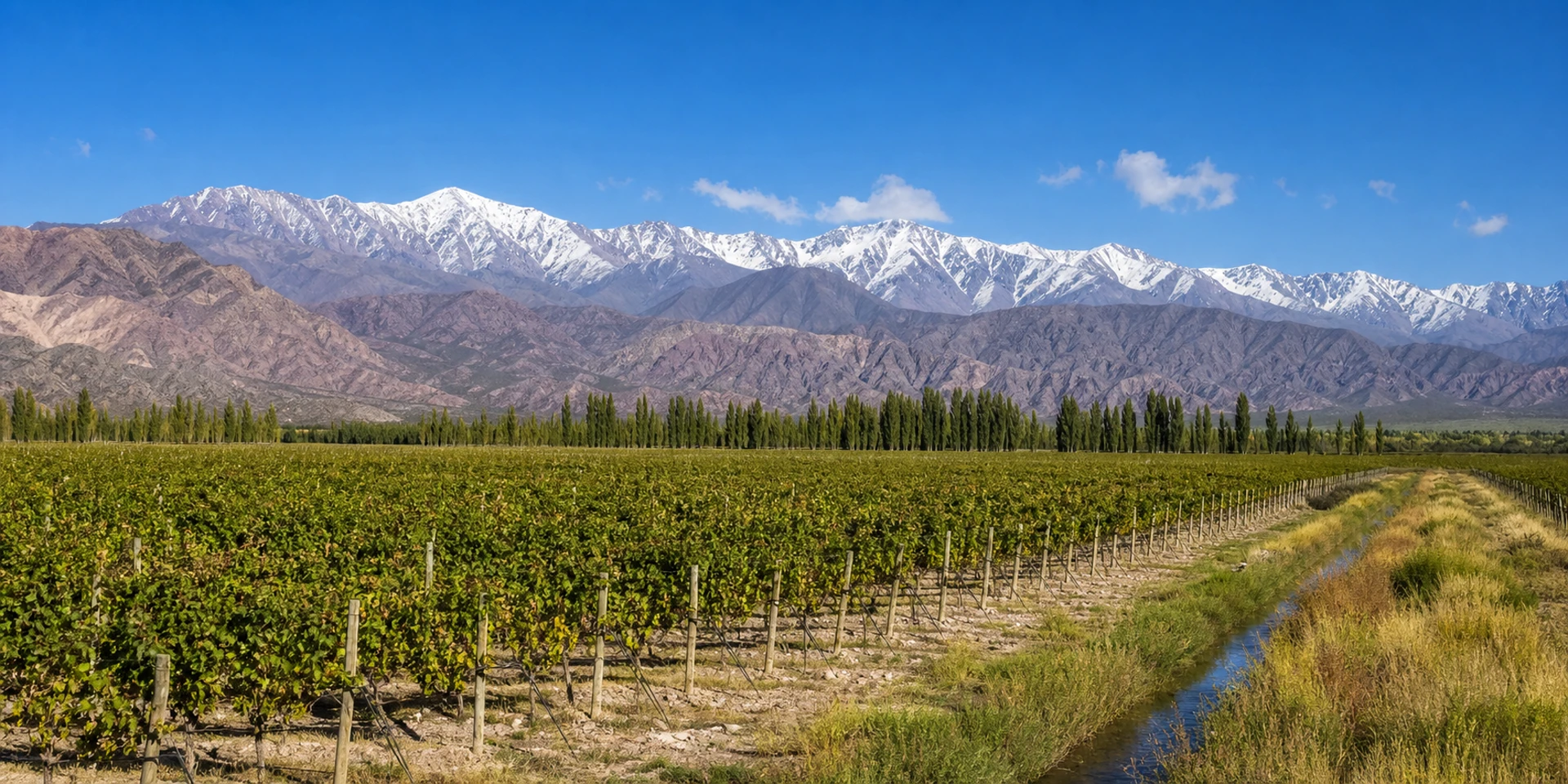
Luján de Cuyo is closely associated with historic Malbec identity and a broad range of established and modern wineries. Maipú offers important older viticultural and olive-oil traditions closer to the city. the Uco Valley combines higher-elevation sites across Tunuyán, Tupungato and San Carlos with striking Andes proximity. These are not interchangeable labels. Ask a wine specialist to build a day around geology,
elevation, variety or production philosophy rather than reputation alone. Two wineries with a considered lunch are usually sufficient. Request the exact property address because producer offices and visitor wineries may differ. Allow road buffers and avoid crossing between regions for a famous name. The clearest itinerary compares two approaches within one landscape before moving to another on a separate day.
Reserve a sober driver for every tasting day
Mendoza's distances, alcohol and rural roads make a private professional driver essential, even when tastings appear modest. Confirm vehicle, licence, insurance, air conditioning, bottled water, pickup, overtime and the driver's knowledge of each estate entrance. Send the final winery confirmations, not just names. And keep producer phone numbers offline. Do not ask a guide or hotel employee to improvise transport after lunch.
Spitting is normal and useful. hydrate, eat and stop tasting when judgement changes. Travellers who do not drink should still receive meaningful vineyard, architecture, food and agricultural interpretation rather than being treated as companions. A dedicated driver also protects flexibility when a tour runs late, mountain weather changes or a rural property has limited mobile coverage.
Taste through viticulture, not a scorecard
The Instituto Nacional de Vitivinicultura regulates Argentine wine. While producers and Wines of Argentina offer additional regional context. Begin each visit in the vineyard when weather and operations allow: ask about altitude. Alluvial soils, irrigation source, canopy, harvest timing and how hail, frost or drought influence decisions. In the cellar. Compare vessel, extraction, blending and ageing without assuming oak or altitude automatically means quality.
Request small pours and a focused flight. And never pressure staff to open prestige bottles outside the booked format. Buy only after understanding storage and customs for the onward journey. One technical visit, one family or historical property and a strong food pairing often reveal more than three luxury tasting rooms offering similar narratives.
Give irrigation and desert landscape attention
Mendoza's green corridors and vineyards exist within an arid environment supported by Andean snowmelt, rivers, canals and long-developed irrigation systems. A knowledgeable guide should explain water distribution, acequias and current scarcity rather than presenting the landscape as naturally abundant. In the city, watch the open channels along streets and cross carefully. they are functional infrastructure as well as a defining visual element.
In vineyards, remain on designated paths, do not enter working rows without permission and understand that water use. Frost defence and hail protection can shape what visitors see. Climate pressure belongs in a serious wine conversation. Choose producers willing to discuss measurable practices and constraints rather than accepting vague sustainability language or manicured lawns as evidence.
Plan food as part of the wine structure
Mendoza lunches can last several hours and often include multiple wines, making a second elaborate dinner unrealistic. Reserve winery meals with the tasting day, clarify menu length, dietary needs, non-alcoholic pairings, transfers and cancellation. Then leave the evening simple. Bistro M or Grill Q supports a city night. SB Winemaker's House can make dining part of its intimate programme.
Siete Fuegos anchors The Vines and should not be treated as a casual last-minute table. Ask how local produce, olive oil, beef, fire and Andean ingredients are sourced rather than reducing the cuisine to steak. Serious allergies should be provided in Spanish as well as the traveller's language and repeated on arrival. Build one alcohol-light day to restore palate and sleep.
Use the city as more than an airport stop
Mendoza city offers shaded plazas, civic history, restaurants, museums and an urban irrigation pattern that explains the oasis before the vineyards. From Park Hyatt, begin early around Plaza Independencia with a historian or architecture guide. Then select one museum or market according to current opening rather than taking a generic drive-by. Parque General San Martín requires its own time and weather plan.
The city was reshaped after the nineteenth-century earthquake, a history visible in street width and open space. Chacras and Uco guests should visit only when a city chapter genuinely matters because evening road transfers add fatigue. Keep valuables discreet, use hotel-vetted transport after dark and let the urban story establish who lives and works beyond the visitor-facing wineries.
Treat Aconcagua and the high Andes as a separate expedition
Aconcagua Provincial Park and the high-mountain corridor demand far more than a vineyard-day add-on. Access, permits, seasonal opening, snow, wind, altitude and road conditions must be checked through Mendoza's official protected-area information. A viewpoint or short authorised walk still involves substantial driving and rapid elevation gain. discuss medical concerns, hydration and acclimatisation with an appropriate professional.
Hire a mountain-qualified guide and driver, carry layers and sun protection. And never continue past a closure. The international pass toward Chile can be interrupted by weather and border operations. So it is not a reliable shortcut. Keep the previous evening alcohol-light and the return dinner flexible. The mountain's scale is better respected through one safe, well-briefed route than a hurried photo stop.
Match season to vineyard work and mountain access
Harvest can bring energy and operational constraints. While winter creates bare vines, quieter cellars and possible mountain-road disruption. Spring frost and summer hail are not picturesque themes but serious agricultural risks. Ask producers what work is actually visible in the travel week and never assume guests may enter production areas during harvest.
Use Argentina's national meteorological service for forecasts and official road or protected-area sources for mountain plans. Day-night temperature ranges make layers essential even in warm months. sun at altitude remains strong. Vendimia events require far-ahead tickets and transport. And the festival calendar should not be confused with everyday winery access. Choose dates for the desired pace, accepting that green vines, snow peaks and active harvest do not reliably coincide.
Build five nights with geographic restraint
Five nights can support arrival in the city or Chacras, one Luján or Maipú day. One Uco day, a hotel or city interval and a flexible final chapter. Six nights make a split between city or Chacras and The Vines more elegant, reducing one long transfer and creating genuine resort time.
Keep the first tasting light after a long flight and the last day free of remote appointments. An Andes day should replace, not accompany, a wine route. The Argentina round-trip framework can connect Mendoza with Buenos Aires, Salta or Patagonia. But domestic flight schedules and huge distances require a designed itinerary. Reconfirm entry rules with Migraciones,
flights with the airline and every winery directly shortly before travel. Restraint produces better conversations, safer driving and clearer memory.
Five practical Mendoza planning tips
- Choose the hotel only after mapping confirmed wineries by Luján de Cuyo, Maipú and Uco Valley and calculating the road time.
- Book a licensed sober driver for every tasting day and send exact estate addresses, reservation times and producer contacts.
- Limit a wine day to two considered estates and one lunch, using small pours and spitting to preserve attention.
- Check Aconcagua access, permits, altitude conditions and mountain roads through official Mendoza sources before departure.
- Keep one alcohol-light day and protect the final day from remote winery or mountain appointments before a flight.
Mendoza hotel and wine-trip FAQ
Should I stay in Mendoza city or wine country
Choose the city for restaurants and flexible regional departures, Chacras for Luján access and intimacy, or Uco Valley for a destination-resort wine stay.
How many wineries should I visit per day
Two with a considered lunch is usually sufficient for technical attention, safe pacing and unhurried transfers.
Do I need a private driver
Yes for tasting days because regions are spread out, rural entrances vary and no participant should drive after drinking.
How many nights should I plan
Five nights allow two wine regions and useful recovery. While six support a graceful split with the Uco Valley.
Can I combine Aconcagua with a winery
Do not plan it that way. the high Andes require a separate, weather-dependent day with altitude and road preparation.
Is harvest the best time to visit
Harvest is energetic but busy and access may be restricted. So choose it for process rather than guaranteed private cellar time.
Can non-drinkers enjoy Mendoza
Yes, with vineyard, food, design, olive oil, irrigation, spa and mountain programmes designed as substantive experiences rather than tasting sidelines.
Are Virtuoso benefits guaranteed
Benefits depend on the eligible rate, programme terms, occupancy and availability. So obtain the exact written list and treat upgrades as conditional unless confirmed.
Combine your hotel stay with a privately designed journey through Argentina, with hotels, transfers and experiences planned as one seamless itinerary.