Virtuoso Hotels
Virtuoso Hotels in Vienna, Austria
6
6
Hotels
Virtuoso hotels in Vienna: Ringstrasse palaces, art and the right address
Vienna rewards a precise relationship with the Ringstrasse. A hotel beside the State Opera makes performances, Albertina and Kärntner Straße effortless. Am Hof places guests inside the quieter luxury-shopping lanes of the First District. the northern Ring feels more residential. While Schubertring and Kärntner Ring create direct access to concert halls and Belvedere. These differences are measured in daily rhythm rather than kilometres.
The current Virtuoso selection ranges from former private palaces and banks to an all-suite residence on the old city walls. This guide compares those settings, organises the Hofburg, national art collections, Belvedere, Schönbrunn and evening music. And explains how coffeehouse time, public transport and seasonal demand should shape the booking. Vienna is easy to move through. But only when its cultural programme is edited with restraint.
Choose the address by the Vienna you want after breakfast
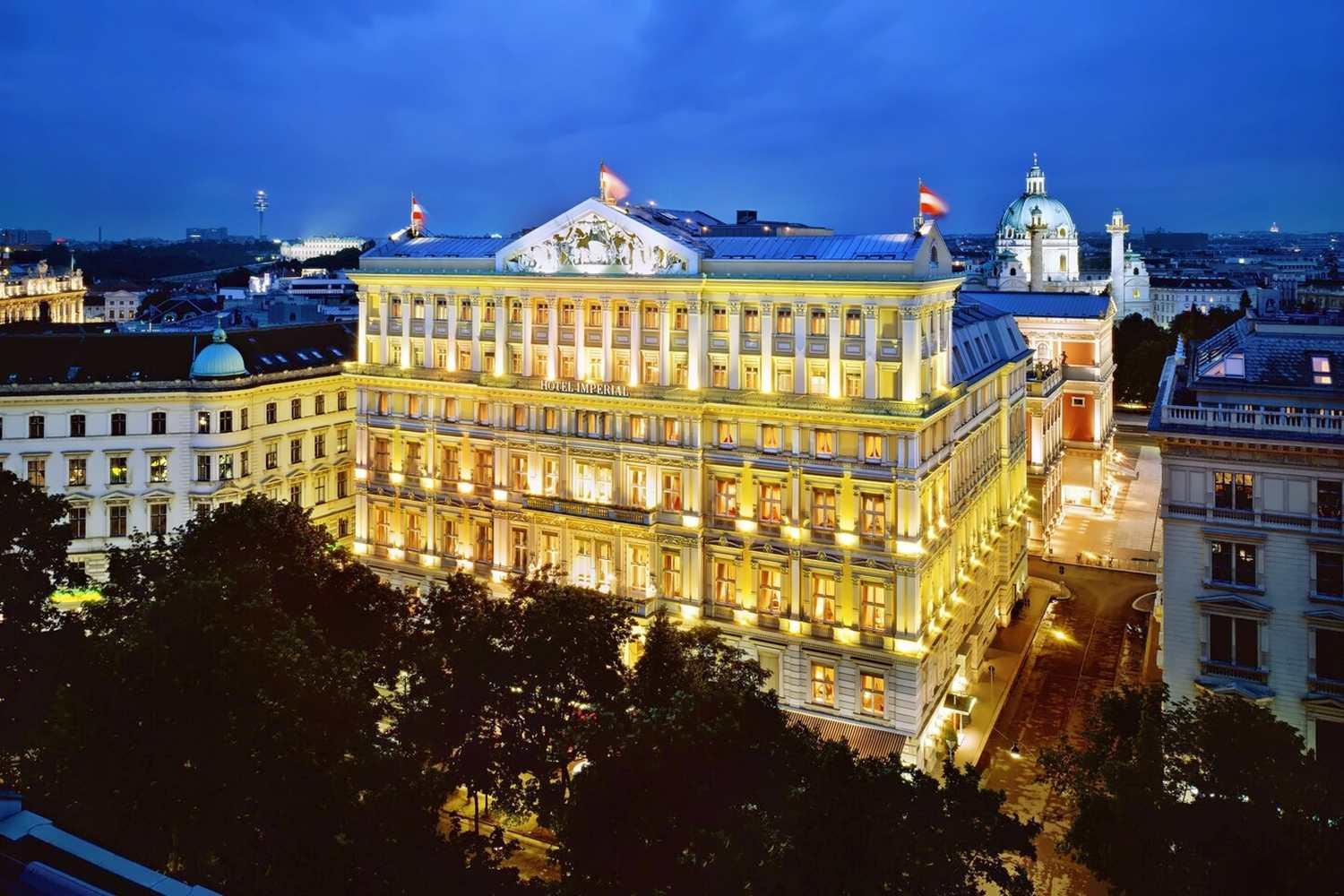
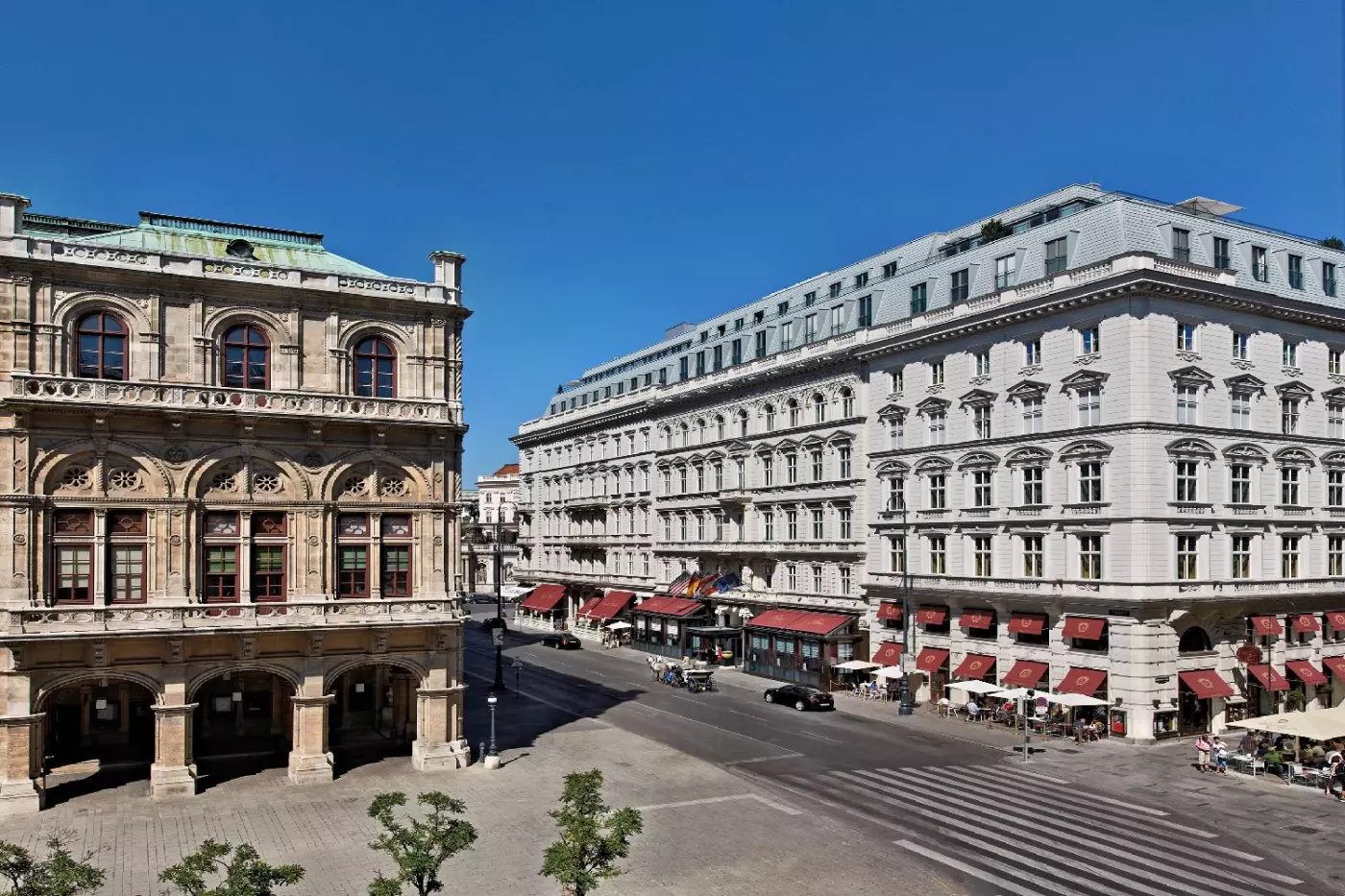
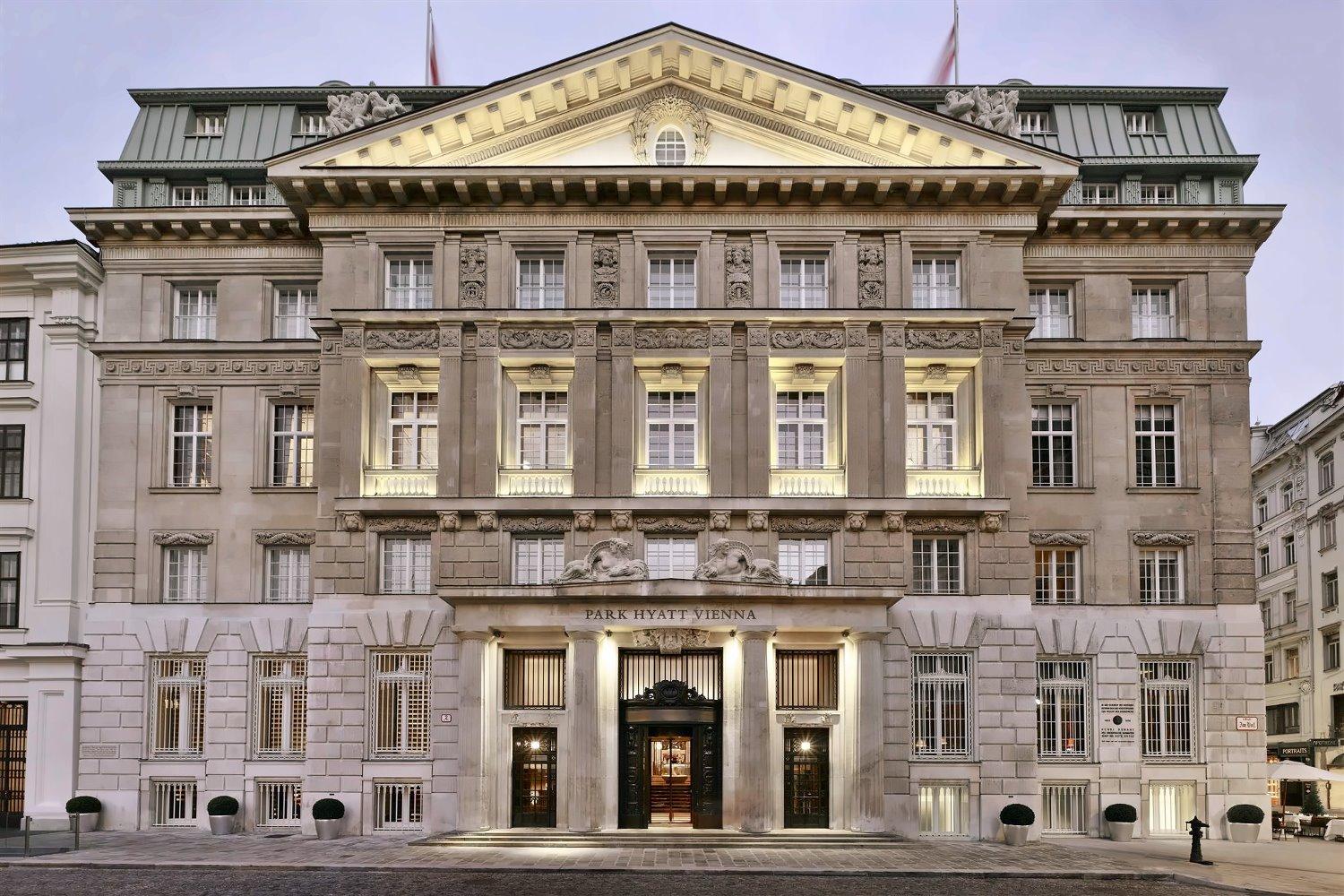
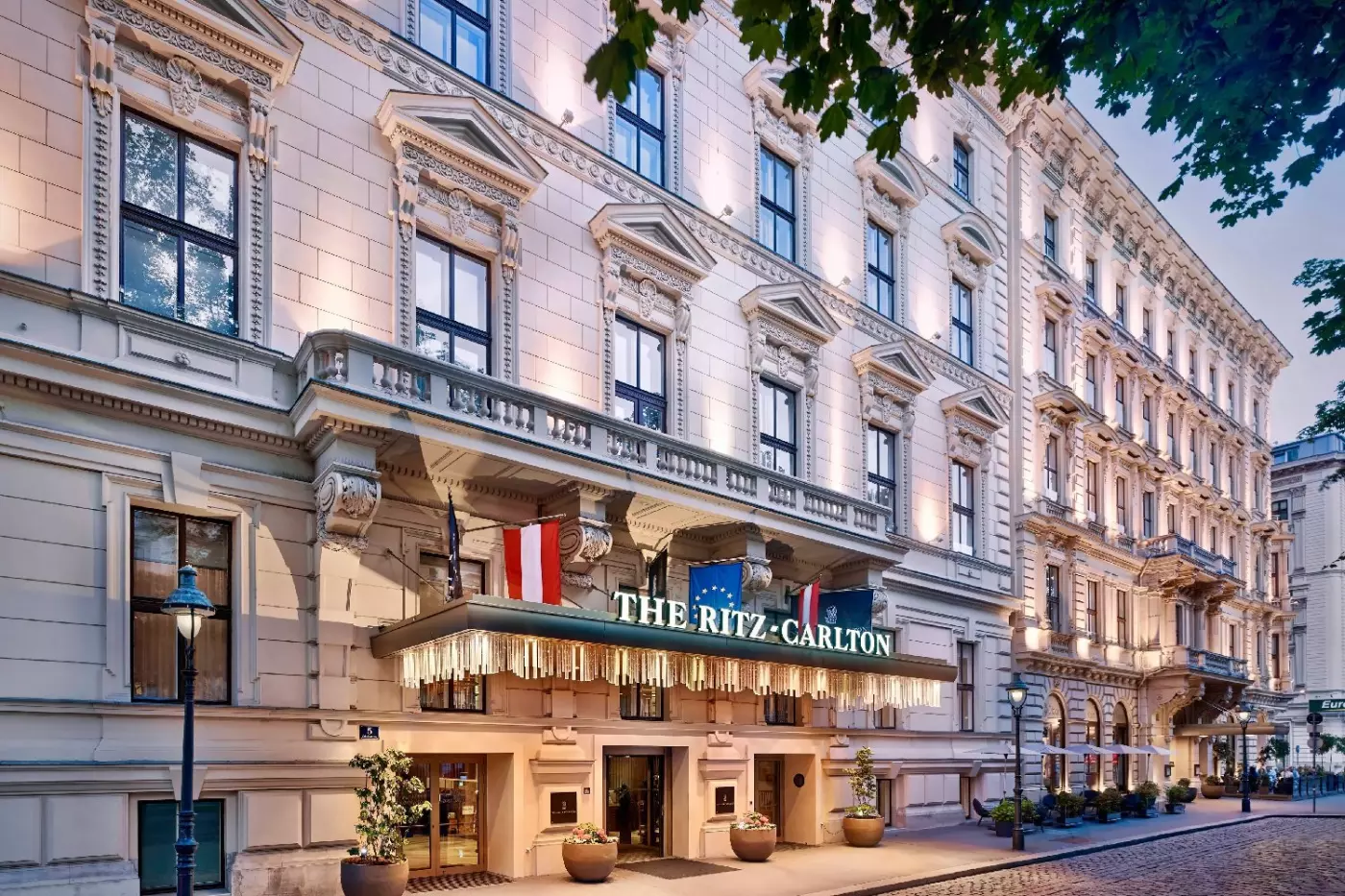
Hotel Sacher is the natural choice when the State Opera, Albertina and a formal cultural evening define the stay. Hotel Imperial and The Ritz-Carlton line the southern Ring near Musikverein, Konzerthaus and Stadtpark. they suit travellers who want grand public architecture and easy evening returns. Park Hyatt occupies Am Hof within the First District’s pedestrian core,
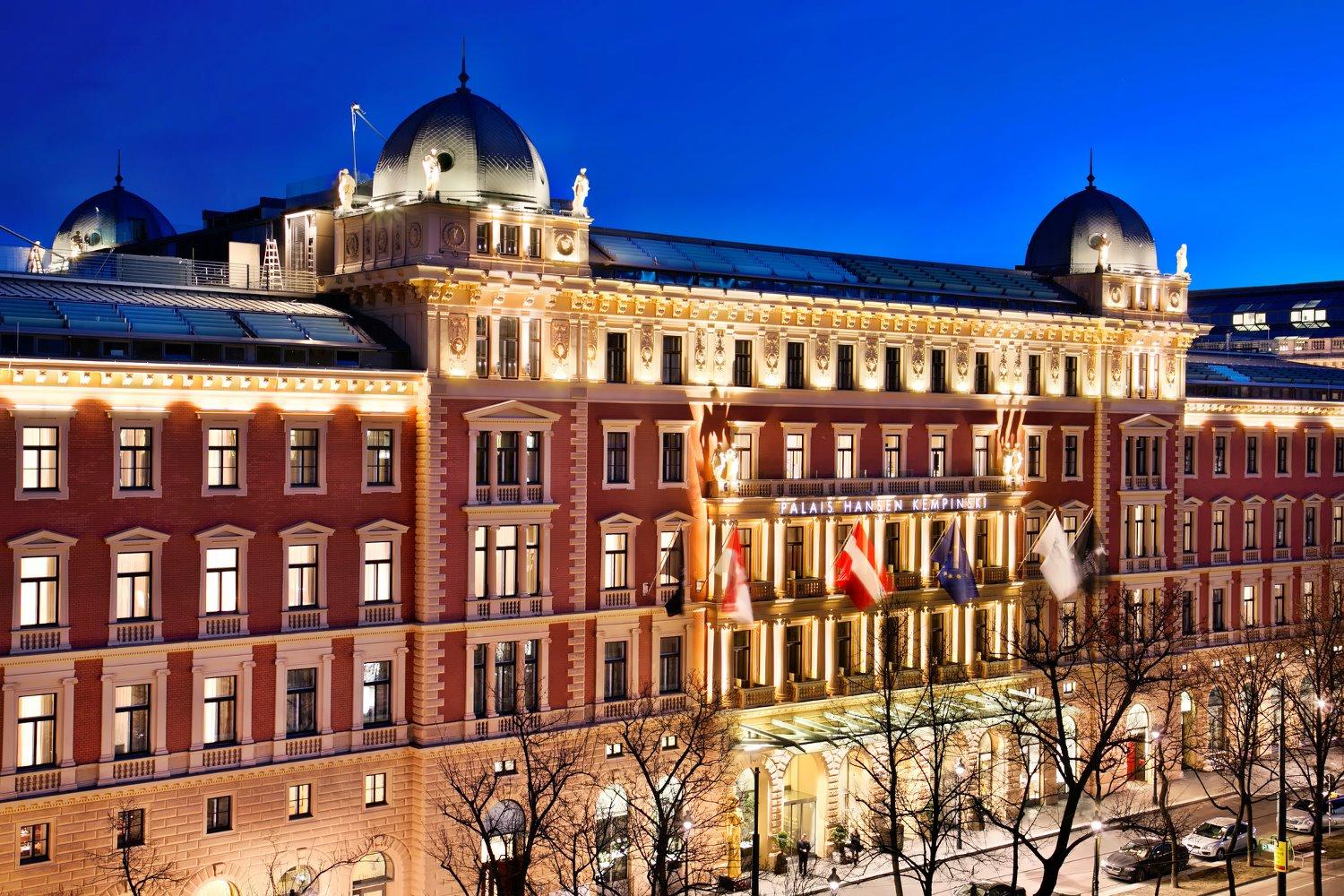
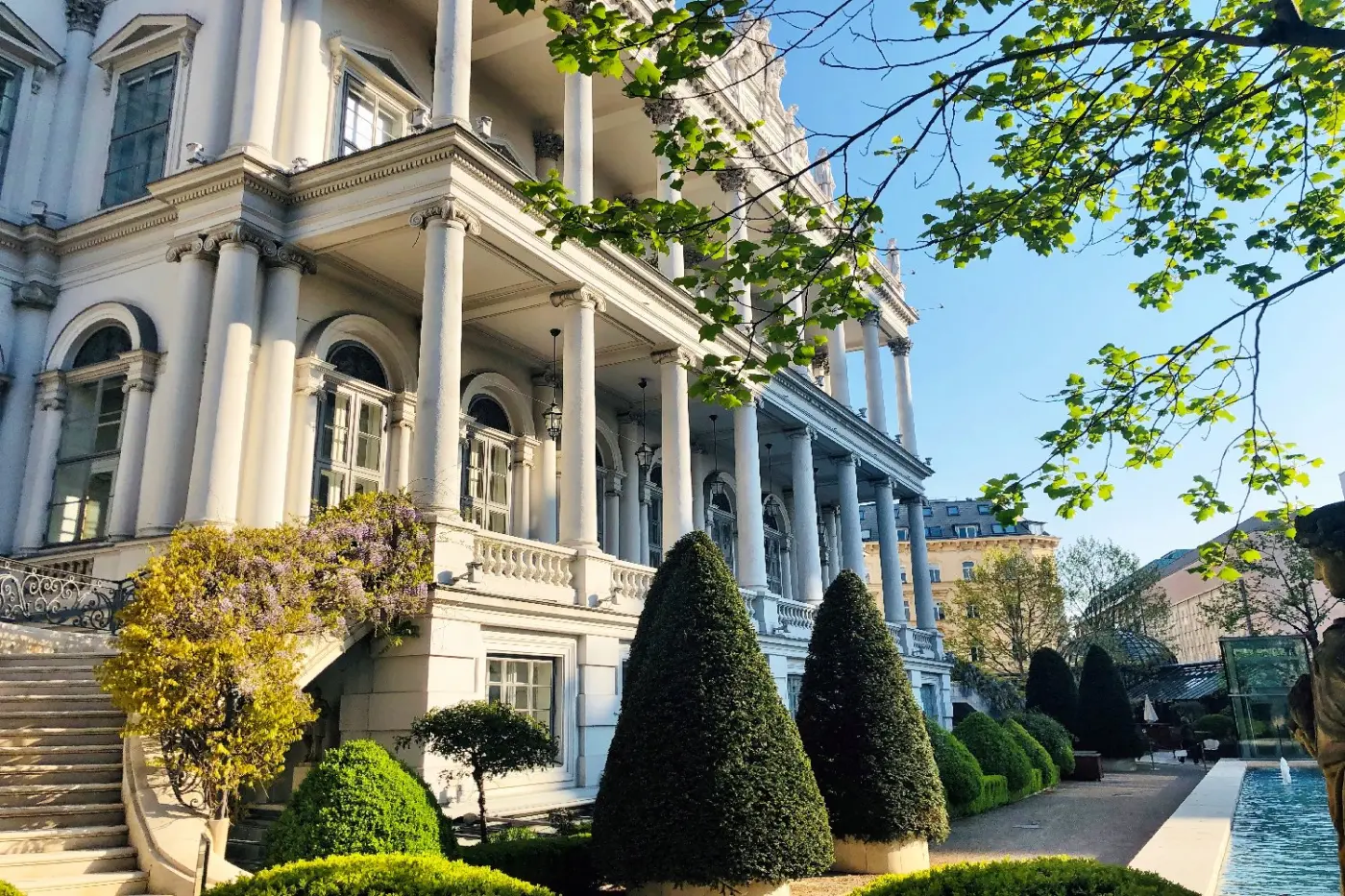
close to the Hofburg and Golden Quarter. Palais Coburg offers greater privacy on the former bastion near Stadtpark. While Anantara Palais Hansen places guests on the quieter northern Ring near the old Stock Exchange, Schottenring and Rathaus axis. All six addresses are central. But their atmosphere, room geometry and preferred concert venues differ enough that choosing only by brand wastes Vienna’s strongest advantage.
Understand the Ringstrasse as an urban collection
Vienna’s historic centre is UNESCO-listed. And the Ringstrasse is not simply a boulevard around it. Built after the removal of the fortifications, it assembles Parliament, Rathaus, Burgtheater, university, museums, opera and palatial residences into a statement about a modern imperial capital. Walk one segment with an architectural historian rather than circling the entire road from a car.
The northern arc explains civic institutions and Theophil Hansen. the western section links Parliament and the twin museums. the southern arc connects opera, Musikverein and grand hotels. Trams provide an excellent moving overview but should not replace close looking. Compare façades, courtyards and sightlines. Then return through the compact medieval streets inside the Ring to understand how the two Viennas overlap.
Hofburg, imperial apartments and political power
The Hofburg is a city within the city rather than one palace visit. Michaelerplatz, imperial apartments, treasury, Spanish Riding School, national library and museums have separate entrances, procedures and rhythms. Choose two primary interests for a first day. A private guide can connect architecture, court ceremony and the transition from empire to republic without turning every room into biography.
Morning entries are usually more focused. use the Volksgarten or Burggarten as a visual pause rather than immediately entering another institution. Performance and training schedules at the Spanish Riding School require separate confirmation. From Park Hyatt the approach through Am Hof and Kohlmarkt is especially natural. from Sacher, Imperial or Ritz-Carlton, cross the centre on foot. Do not assume a single generic Hofburg ticket covers every component.
Kunsthistorisches Museum, Albertina and MuseumsQuartier
Vienna’s collections demand selection. At the Kunsthistorisches Museum. Choose a strong line through Habsburg collecting. Old Masters, Kunstkammer, antiquities or the building itself. The official website publishes current hours and exhibitions. Albertina works well for graphic art, modern presentations and an immediate connection to the opera quarter. Across the Ring, MuseumsQuartier contains different institutions rather than one museum.
Leopold Museum and mumok should not be compressed into the same hurried afternoon. Reserve one major collection per half day and pair it with a district walk or long lunch. Hotel Sacher excels for Albertina, Park Hyatt for the Hofburg collections. While the southern Ring hotels make the Kunsthistorisches Museum and Belvedere easy to combine across separate days. A nearby hotel is valuable only if you actually return to rest.
Belvedere, Austrian modernism and the garden axis
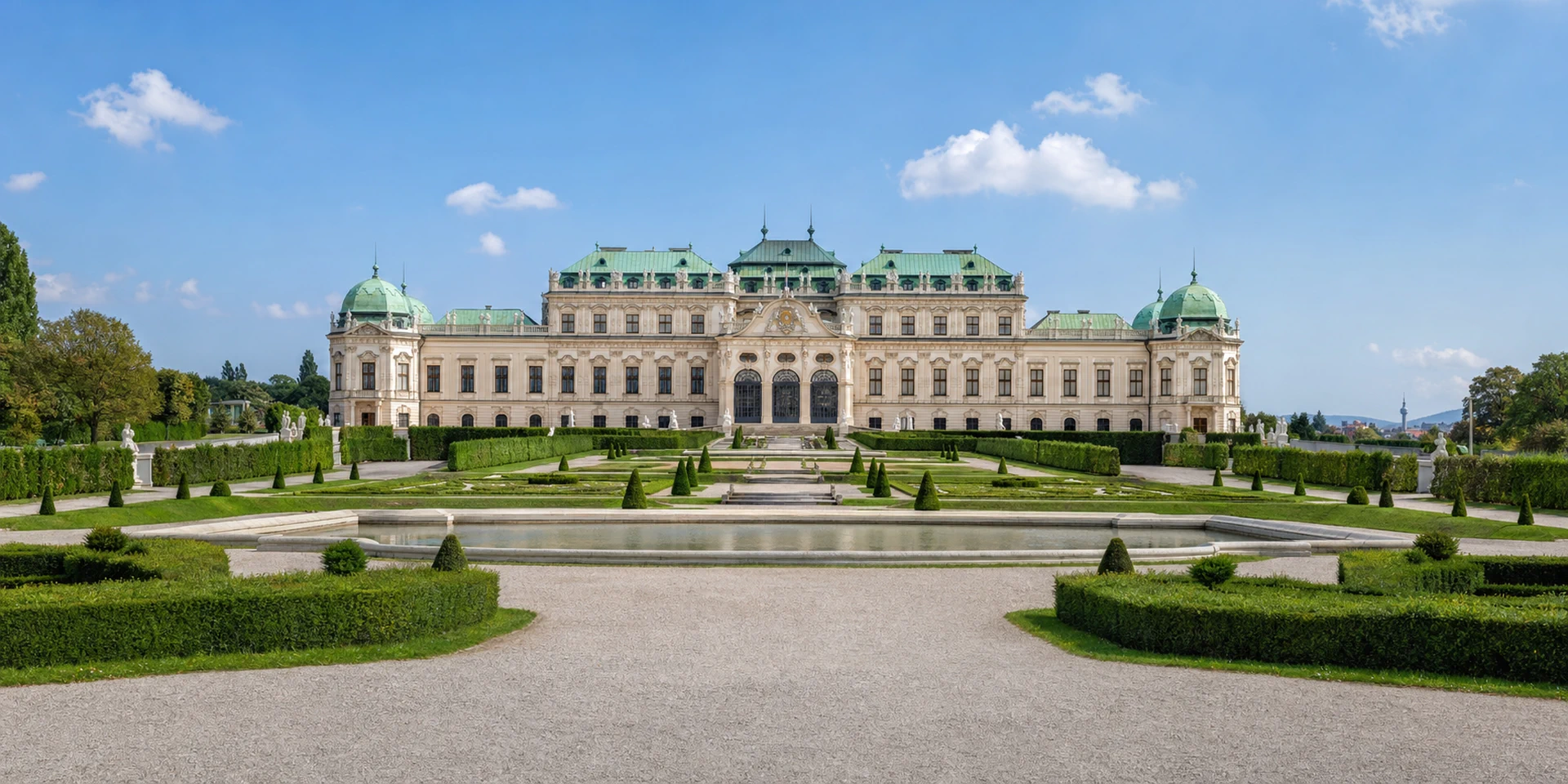
The Belvedere complex combines Upper and Lower palaces, gardens and different exhibition programmes. Its official website is the place to verify current entries and timed access. Most first visits prioritise the Upper Belvedere and Austrian art. But the baroque site deserves to be read as architecture before attention narrows to famous paintings. Arrive near opening,
examine the garden axis and city perspective. Then enter with a defined route through medieval, baroque and modern works. Lower Belvedere can support a deeper interest in temporary exhibitions and palace rooms. Hotel Imperial and The Ritz-Carlton sit most conveniently for the approach from the Ring. a short tram or prearranged car saves energy. Do not add Schönbrunn on the same day merely because both are palaces.
Schönbrunn as a separate half or full day
Schönbrunn lies outside the historic centre and requires its own plan. The official site publishes palace-tour products, opening information and garden access. select the route that matches genuine interest rather than automatically buying the longest option. Begin early. Then decide whether state rooms, gardens, Gloriette, carriage museum or zoo deserve attention. The formal garden involves distance and exposure to heat,
rain or winter cold. A private car is comfortable for families and timed onward plans. While the U-Bahn is often faster and avoids traffic. Keep lunch either near the palace or back in town rather than forcing another major museum immediately. Three-night visitors should choose between an extensive Schönbrunn chapter and a deeper inner-city art programme. four nights make both possible without turning Vienna into a procession of gilded rooms.
Opera, Musikverein and an evening that begins before the curtain
Vienna’s music life extends far beyond a single famous hall. The State Opera publishes its performance calendar, ticketing and visitor information officially. Musikverein, Konzerthaus and smaller venues require their own checks. Choose repertoire and artists before choosing prestige. And buy from the venue rather than an unofficial street seller. Formal dress varies by performance.
But a considered evening always benefits from time to change and dine without rushing. Hotel Sacher makes the opera almost an extension of the lobby. Hotel Imperial is exceptionally placed for Musikverein. The Ritz-Carlton works well for Konzerthaus. Ask the concierge to coordinate restaurant timing, interval expectations and pickup after the final applause. A daytime tour is worthwhile when tickets are unavailable. But it is not a substitute for hearing the building in use.
Coffeehouses, markets and Vienna beyond ceremony
A Viennese coffeehouse is a social institution, not a cake checklist. Choose one historic room for atmosphere and another neighbourhood address where conversation matters more than photography. Avoid spending a valuable morning in a famous queue when the hotel concierge can advise quieter hours. Naschmarkt is most useful as part of a walk between Secession,
Karlsplatz and Mariahilf rather than as an isolated culinary attraction. For contemporary Vienna, continue into Neubau, Josefstadt or the Servitenviertel. each changes scale and dining style. In warm months, a heuriger in the wine-growing districts of Grinzing, Nussdorf or Stammersdorf can create a relaxed evening. But quality and opening days vary. Arrange a knowledgeable driver or use public transport and confirm the producer before crossing the city.
Seasons, events and the temperature of the city
April through June brings gardens, longer light and a strong cultural calendar, with demand around Easter and major events. July and August can be hot. While some classical institutions operate reduced or different summer programmes. use mornings for palaces and keep afternoons flexible. September and October combine exhibitions, wine season and pleasant walking, although congresses can tighten rooms.
November and December turn Christmas markets, concerts and shopping weekends into a distinct high season with cold evenings and crowded central squares. January through March suits museums, balls and a more interior Vienna. But ball dates can transform availability and formalwear logistics. Check the specific performance, congress and holiday calendar before accepting a non-refundable rate. A famous season is not automatically the best one for your priorities.
Airport, public transport and moving without friction
Vienna International Airport connects to the city by several rail and road options. A private transfer is best for a polished arrival, families or heavy luggage. trains are efficient when the station relationship to the hotel is understood. Inside Vienna, U-Bahn, tram and bus networks are extensive. And the official city visitor guide publishes current transport information.
Validate or activate the correct ticket and do not assume an airport journey is included in every city product. The First District is highly walkable. But cobbles and pedestrian lanes make a car inefficient for short trips. Use trams for Ringstrasse segments, U-Bahn for Schönbrunn and taxis after formal evenings. Build a few minutes for cloakrooms and venue exits, especially when several performances finish together.
Three or four nights and the right Austrian extension
Three nights can hold one Hofburg chapter, one major art collection, Belvedere or Schönbrunn, two musical evenings and deliberate coffeehouse time. Four nights are substantially better: the second palace or another museum no longer competes with neighbourhood life and hotel spa time. Five nights suit serious art, music or architecture interests. Salzburg is a natural rail continuation but deserves its own nights.
the Wachau combines Danube landscapes, abbeys and wine, best treated seasonally with a driver or boat plan. Bratislava offers a different capital scale but should not be inserted merely because it is close. If Vienna follows a long-haul flight, begin here before moving by rail. Change hotels only when a country estate or regional contrast adds more than the transfer consumes.
Decisions to confirm before booking
Historic palaces rarely produce uniform rooms. Confirm exact view, floor, ceiling height, lift route and bathroom configuration. a Ringstrasse-facing room may be grander but noisier than a courtyard category. At Palais Coburg, identify suite level and outdoor space. at Park Hyatt, clarify square, street or inner orientation. at Sacher. Confirm the State Opera angle rather than assuming it.
Reserve destination restaurants and performance tickets alongside the room, particularly during balls, Advent and congress weeks. Compare the qualifying Virtuoso rate by total value and have breakfast, hotel credit or experience. Upgrade priority, early arrival and late departure confirmed for the precise stay. Seasonal rooftop access, spa appointments and connecting rooms also belong in writing.
Deluxetargets advice for planning Vienna
- Choose between opera-quarter immediacy, Am Hof walkability, southern Ring concert access and the quieter northern Ring before comparing brands.
- Buy State Opera, Musikverein or Konzerthaus tickets from the official venue first. Then shape dinner and hotel return around curtain times.
- Give the Hofburg, Belvedere and Schönbrunn separate focused chapters instead of stacking imperial interiors into one day.
- Confirm room orientation, floor, lift path and exact landmark view in writing because converted palaces and banks vary substantially.
- Use trams for the Ring, the U-Bahn for Schönbrunn and walking inside the First District. reserve cars for airport, weather and formal evenings.
Frequently asked questions about Virtuoso hotels in Vienna
Which area is best for a first visit
The First District or southern Ring offers the easiest balance of Hofburg, museums, opera and restaurants. The northern Ring is quieter but still central.
How many nights should I book
Four nights allow Hofburg, two major art chapters, Schönbrunn or Belvedere, music and genuine coffeehouse time. Three require clear choices.
Should I stay beside the State Opera
Yes when performances anchor the trip. For shopping and Hofburg walks, Am Hof may be better. concert-focused guests may prefer the southern Ring.
Can I visit Schönbrunn and Belvedere in one day
It is possible but rarely elegant. Give each complex its own half day and combine it with a lighter neighbourhood or evening programme.
Do I need advance performance tickets
Yes for specific artists, repertoire and sought-after dates. Purchase from the official venue and coordinate dinner only after seats are confirmed.
Is a car useful in central Vienna
Mostly for airport transfers, mobility or formal evenings. Walking, trams and the U-Bahn are more efficient for daily sightseeing.
When is Vienna most atmospheric
Advent is festive but busy, spring suits gardens, early autumn combines exhibitions and wine. And winter ball season rewards travellers with precise dates.
Are Virtuoso benefits identical at every hotel
No. They apply to a qualifying rate. the hotel-specific credit or experience and upgrade or timing priorities must be confirmed.