Virtuoso Hotels
Virtuoso Hotels in Brussels, Belgium
3
3
Hotels
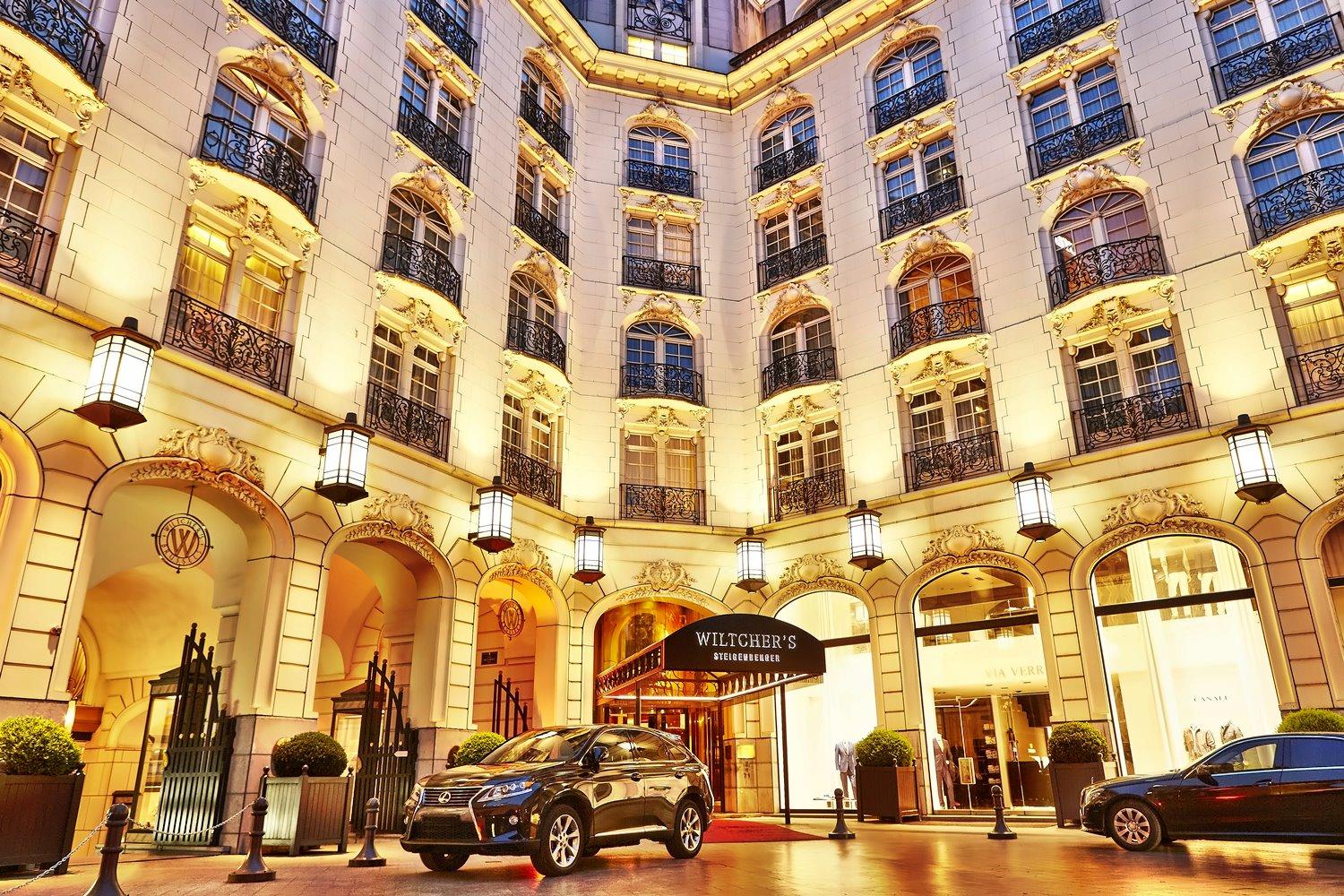
Virtuoso hotels in Brussels: three addresses for three ways to read the capital
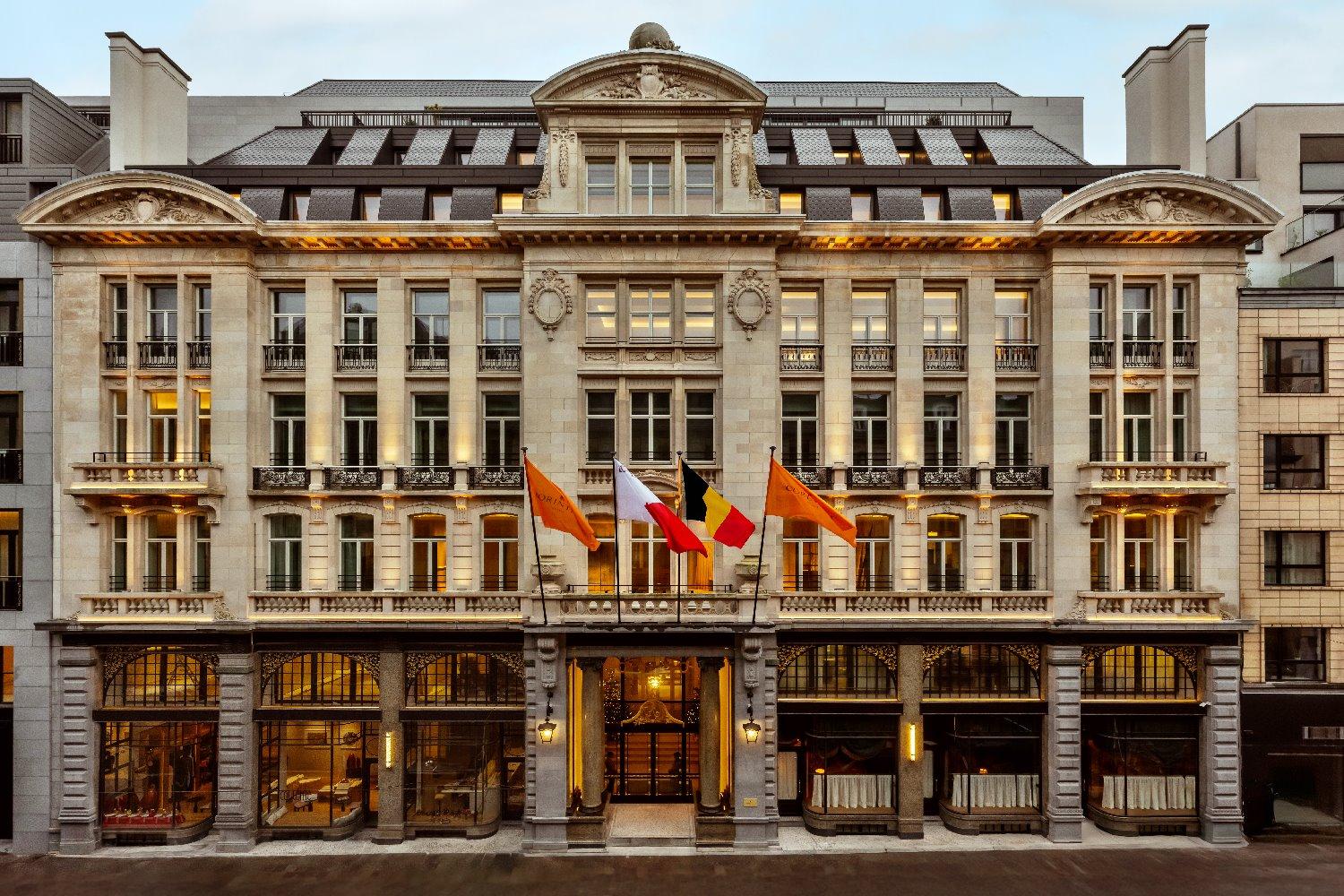
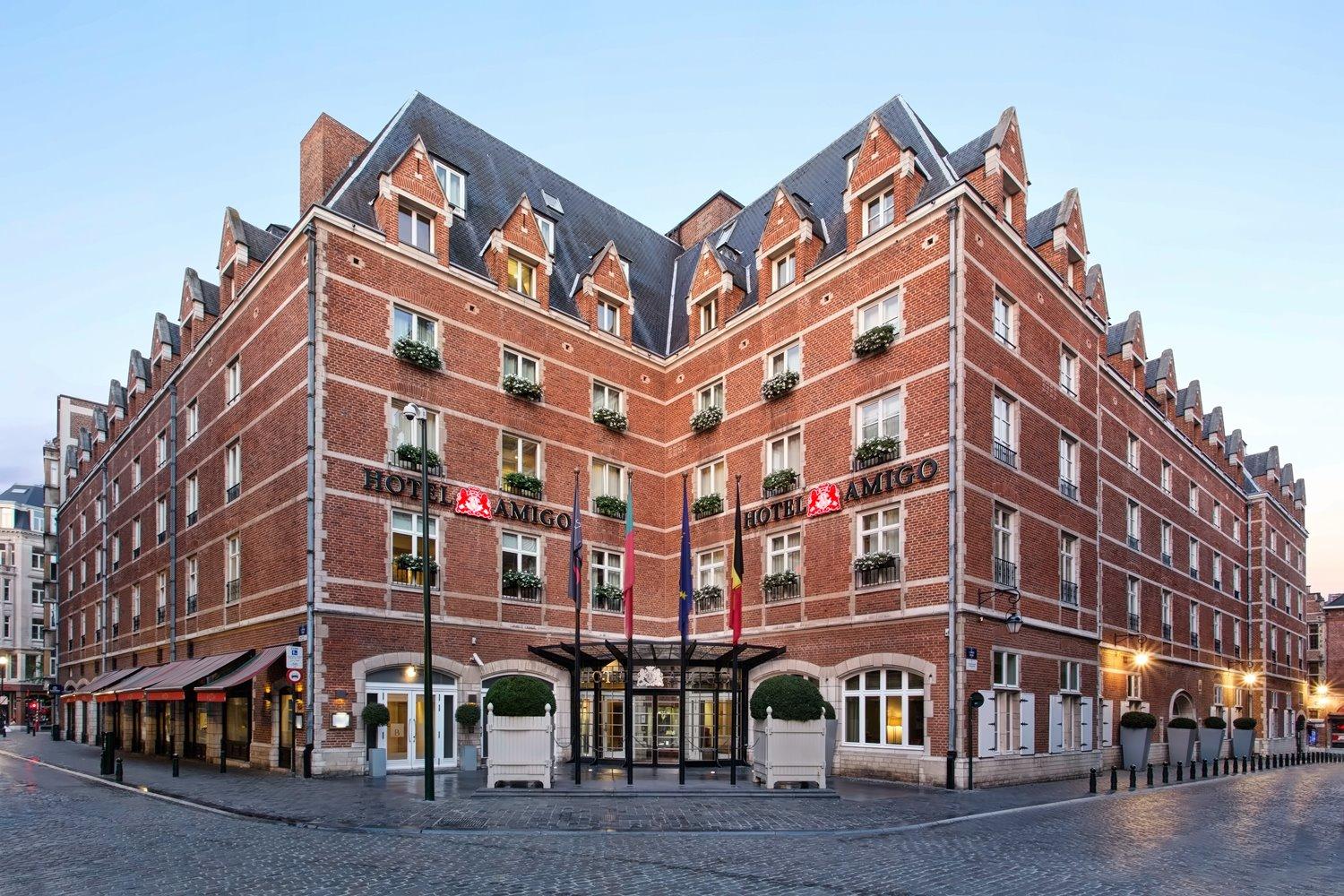
Brussels rewards a hotel decision based on neighbourhood rather than a generic city-centre label. Hotel Amigo stands between Grand-Place and Manneken Pis in the dense Lower Town. Ideal for early heritage walks and evenings on foot but exposed to crowds, cobbles and event access. Corinthia Brussels occupies the restored Grand Hotel Astoria on Rue Royale in the upper city.
Convenient for Brussels Park, the Royal Quarter and a new destination-hotel programme. Steigenberger Icon Wiltcher's anchors Avenue Louise, where larger rooms, luxury retail. Trams and access toward Sablon, Ixelles and Saint-Gilles matter more than immediate proximity to Grand-Place. Each can be excellent. But they solve different daily routes.
Deluxetargets confirms the eligible Virtuoso rate, exact paid room and current benefits before purchase. upgrades, early arrival and late departure remain availability-dependent. Three nights can cover Grand-Place, one serious museum strand and one neighbourhood chapter. Four nights provide a better balance for Art Nouveau, European institutions, contemporary Brussels and hotel dining.
While five or more can support a measured rail day elsewhere in Belgium. This is a bilingual French- and Dutch-speaking capital, a Belgian federal and regional centre. And a working European city shaped by trade, migration, monarchy, labour, colonial history, surrealism and civic debate. The best itinerary lets those layers coexist instead of reducing Brussels to chocolate, beer and a handful of photographs.
Choose Lower Town, Rue Royale or Avenue Louise first
Hotel Amigo is the most direct base for Grand-Place, the city museum, Galeries Royales Saint-Hubert and central dining. But vehicle access, festival barriers and night-time street activity require date-specific confirmation. Corinthia places a substantial spa and ambitious restaurants in a Belle Époque building near the Royal Quarter.
its value rises when guests protect time inside the hotel and walk the upper-city museums. Wiltcher's offers the broadest room dimensions and Avenue Louise positioning, better for shopping, business. Art Nouveau districts and tram-led exploration, yet every Lower Town dinner needs a deliberate return. Plot the first two museums, evening meals, station,
meeting address and airport before comparing price. Ask for floor, outlook, street exposure, lift route, event calendar and an actual walking or transit plan from the entrance, not from the neighbourhood name.
Read Grand-Place as a civic space, not a stage set
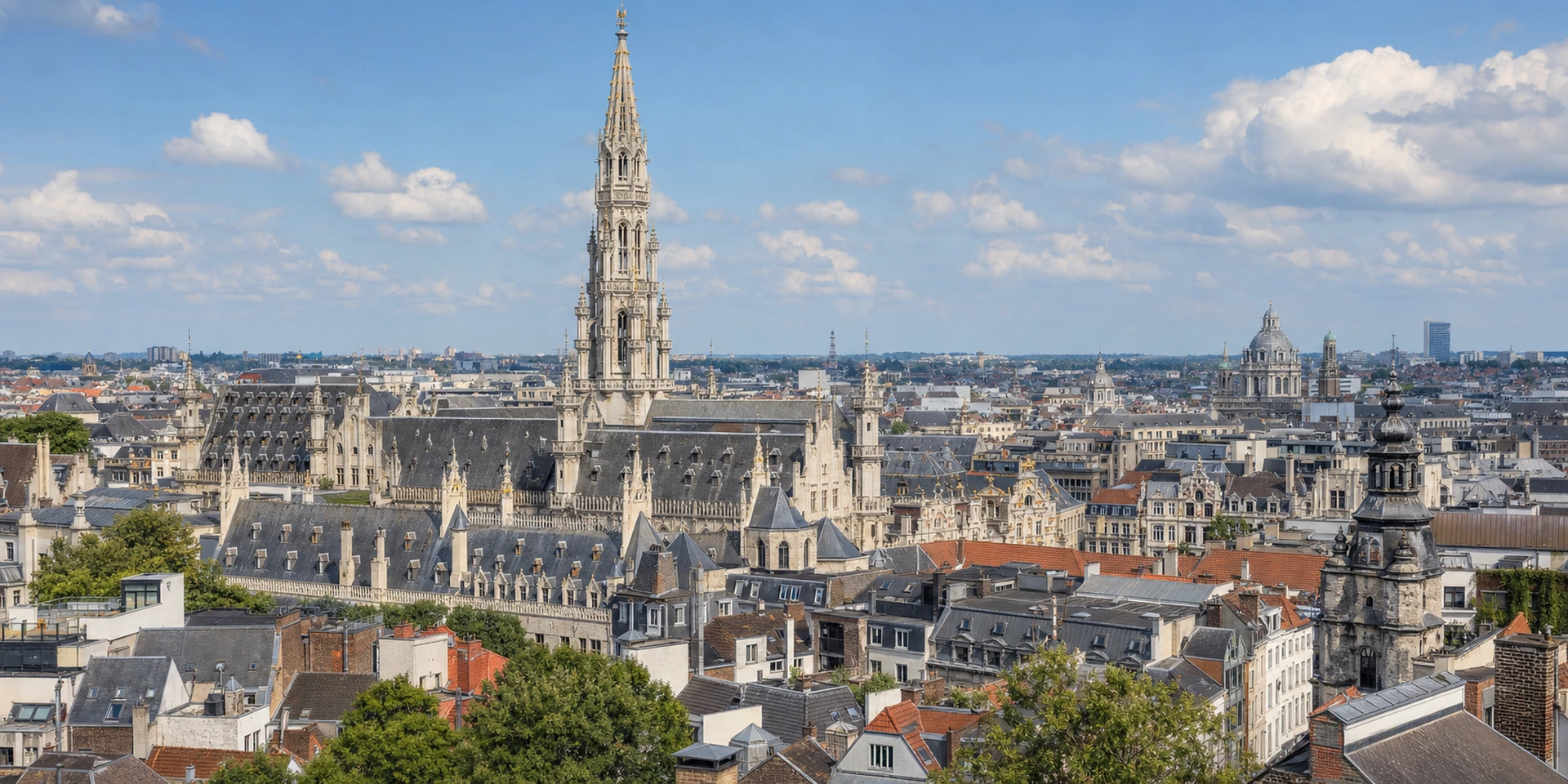
UNESCO describes Grand-Place as an unusually coherent ensemble of public and private buildings. Largely from the late seventeenth century, rebuilt after the bombardment of 1695 and still centred on municipal and commercial life. Visit early for space to examine the town hall, King's House and distinct guild façades. Then return when the square is functioning as a living meeting place.
Check the City of Brussels calendar because ceremonies, markets, concerts, the flower carpet and security arrangements can change access. A qualified guide should explain rebuilding, mercantile power, craft corporations, restoration and present governance rather than recite façade names alone. Do not block doorways, climb protected stonework or treat residents and workers as scenery. Hotel Amigo has the easiest repeat access. guests elsewhere should pair the square with a geographically coherent Lower Town walk.
Follow Art Nouveau beyond a façade checklist
Brussels was central to Art Nouveau, where Victor Horta and contemporaries used iron, glass, light, craft and flowing plans to rethink modern urban living. Begin with the official visit.brussels architecture material. Then reserve one interior whose access is genuinely confirmed, such as the Horta Museum or another participating house. Many significant buildings remain homes,
offices or appointment-only sites. So exterior admiration does not permit entry, window photography or obstruction. Saint-Gilles, Ixelles, the squares east of the centre and Avenue Louise can support a guided route. Wiltcher's has the most natural geography. While Corinthia offers a useful upper-city starting point. Ask a specialist to connect patronage,
materials, domestic labour, conservation and later alterations. One carefully interpreted interior and neighbourhood walk reveal more than a hurried taxi circuit of famous doors.
Build a museum day around current galleries
The Royal Museums of Fine Arts bring Old Masters, the Magritte Museum and changing programmes into the Royal Quarter. But individual buildings, galleries and works can close or rotate. Consult the institution's live visit page before buying a combined expectation. Reserve timed exhibitions and ask whether a favourite work is currently displayed.
Pair Magritte with broader Belgian surrealism and the artist's social context instead of turning bowler hats into a souvenir hunt. The Musical Instruments Museum, BOZAR, BELvue, the Brussels City Museum and the Belgian Comic Art Centre can form separate themes, not one impossible checklist. Corinthia is strongest for the Royal Quarter, Hotel Amigo for city history and Lower Town.
While Wiltcher's needs a short tram or walk uphill. Protect two focused hours per major museum. Check bag and accessibility rules. And never promise a complete collection.
Visit the European Quarter as a working institution
The European Quarter is not a single monument and access differs among the Parlamentarium, Hemicycle, House of European History and other institutions. The European Parliament currently recommends advance booking for the free Parlamentarium. visitors must follow its identity-document, baggage and airport-style security rules. Confirm the exact building and entry time, carry the required physical document and leave large luggage at the hotel.
Demonstrations, plenary activity and security decisions can alter movement without making the district unsafe or uninteresting. A thoughtful visit distinguishes European Parliament, Commission and Council roles and leaves room for the residential and park fabric around them. Corinthia has the simplest upper-city relationship, Wiltcher's connects by transit. And Hotel Amigo requires a deliberate eastward journey. Never market informal views of offices as access to decision-makers.
Eat and drink with craft, provenance and restraint
Chocolate, beer, waffles and fries belong to Brussels. But quality depends on maker, technique, freshness and context rather than a famous product label. Choose a chocolatier who can discuss cacao sourcing and production. Compare a bakery-style waffle with a dessert version. And seek a frituur that cooks to order. For beer, a trained guide or independent bar can explain lambic,
gueuze, Trappist terminology and contemporary brewing without encouraging a volume challenge. arrange a safe return and never drive after tasting. Reserve one defining hotel venue such as Bocconi, Palais Royal, Le Petit bon bon or Loui. Then leave room for a neighbourhood-led Belgian, Congolese, Moroccan, Turkish or other immigrant kitchen reflecting the city today.
Communicate allergies early. Confirm alcohol-free choices and service conventions. And avoid claiming that every central shop makes products on site.
Acknowledge bilingual and colonial Brussels
French and Dutch are the official regional languages. So street, station and institution names may appear in both forms. matching the exact address matters more than choosing one version. English is widely useful in visitor settings but should not be treated as an entitlement. Brussels&apos. monumental avenues,
royal narratives and museums also intersect with Belgium's colonial rule in Congo and the violence and extraction associated with Leopold II. Interpret statues, collections and urban wealth critically, using current museum scholarship and Congolese or diaspora perspectives rather than a nostalgic imperial tour. The AfricaMuseum in Tervuren can deepen this subject but is outside central Brussels and needs separate transport,
exhibition and provenance planning. Contemporary Matongé and other diverse districts are communities, not themed attractions: visit through respectful food, art or specialist guidance and ask before photographing people.
Use public transport and walking as complementary tools
Central Brussels is compact on a map but divided by slopes, cobbles, tunnels, large junctions and station complexes. Walk the Lower Town in clusters. Then use STIB-MIVB metro, tram or bus for Avenue Louise, the European Quarter, Art Nouveau districts and distant connections. The operator supports contactless bank-card payment,
yet each traveller should use a separate compatible card or device and follow the current validation instructions. Check disruptions and the final return rather than relying on a static map. Brussels-Central suits many historic-centre arrivals. Brussels-Midi is the main international rail hub but not the same place. And Brussels-Luxembourg serves the Parliament area.
Keep valuables secured in crowded vehicles and stations without alarmism. Travellers with limited mobility should request step-free routes because historic paving and nominally short hills can be decisive.
Distinguish the two airports and protect departure margin
Brussels Airport at Zaventem and Brussels South Charleroi Airport are separate airports with very different transfers. a ticket labelled Brussels does not settle the route. Verify the airport code, terminal, airline check-in guidance and baggage rules before choosing a hotel car, train or coach. For Zaventem, price the direct rail connection against a private transfer while considering luggage and the hotel's actual entrance.
Charleroi requires a longer road or coach plan and should never inherit Zaventem timing. Ask for a named pickup point and contingency contact, especially when Grand-Place events restrict Hotel Amigo access or demonstrations affect central roads. Do not schedule a day trip, long lunch or museum slot against an international departure. Weather, works and security can add delay even in a compact country. So protect a realistic margin rather than advertising a best-case journey.
Extend by rail without turning Belgium into a checklist
Ghent, Antwerp, Bruges, Leuven and Mechelen can all become meaningful rail chapters. But they are not interchangeable medieval backdrops. Ghent combines layered civic history and contemporary urban life. Antwerp brings port history, fashion and major art. Bruges rewards an early or overnight approach beyond its busiest core. Leuven offers university heritage and beer culture. Mechelen is a smaller-scale alternative.
Use Belgian train information for the exact departure station, service, works and ticket conditions. Then confirm museum closing days at the destination. One well-researched city is stronger than three platform photographs. Keep luggage at the hotel or in an official facility, leave margin for the return and never attach an unprotected day trip to a flight. Four Brussels nights can carry one rail day only if the capital itself still receives proper time.
Five practical tips for a considered Brussels stay
- Choose the neighbourhood — Decide among Grand-Place access, the Royal Quarter and Avenue Louise before comparing room size or rate.
- Reserve real interiors — Book Art Nouveau houses, exhibitions and Parliament visits through their official channels instead of assuming walk-in access.
- Carry the exact address — Save both French and Dutch street or station names and verify which Brussels airport or railway station applies.
- Protect museum depth — Choose one serious collection or theme per half-day and check current galleries, baggage rules and accessibility.
- Confirm the paid room — Secure category, floor, outlook, bedding, terrace, street exposure and connecting layout because upgrades remain conditional.
Frequently asked questions about Virtuoso hotels in Brussels
Which hotel is closest to Grand-Place
Hotel Amigo sits immediately beside the historic core and is best for repeated Lower Town walks. confirm event and vehicle access for the dates.
Which property best suits the Royal Quarter
Corinthia Brussels is the strongest base for Brussels Park, Rue Royale and the upper-city museums, with substantial dining and spa time on site.
Which hotel works best for Avenue Louise and Art Nouveau
Steigenberger Icon Wiltcher's has the most useful Avenue Louise position and spacious categories. use trams or a guide for wider architecture routes.
How many nights should I plan
Three nights support a focused first visit. While four allow Art Nouveau, European institutions and hotel time without compressing the museums.
Is Brussels easy to explore on foot
Many central clusters are walkable. But hills, cobbles and dispersed districts make metro, tram and bus valuable. request accessible routing when needed.
Do I need to book the European Parliament
Advance booking is recommended for the Parlamentarium and other offers have their own rules. bring the exact physical identity document required.
Can I visit Bruges or Ghent for the day
Yes by rail when schedules and museum hours align. But choose one city and retain a protected return rather than combining several.
Do Virtuoso benefits apply to every rate
No. The booking channel and rate must qualify. While upgrades and flexible arrival or departure remain subject to availability. Deluxetargets confirms current terms.