

Virtuoso Hotels
Virtuoso Hotels in Rio de Janeiro, Brazil
6
6
Hotels


Virtuoso hotels in Rio de Janeiro: beach districts, mountain views and precise planning
Rio de Janeiro is not one compact beachfront destination. Copacabana, Ipanema, Barra da Tijuca and Santa Teresa create distinctly different stays. While Corcovado, Sugarloaf, Centro and the botanical landscape pull each day in another direction. The strongest hotel is therefore the one whose position matches the trip’s intended rhythm, not simply the most celebrated name.
This guide compares the six current Virtuoso addresses, explains how to sequence Rio’s major landscapes and cultural districts. And turns weather, traffic, room orientation and security into manageable booking decisions. The city rewards flexibility: keep clear mornings available for the high viewpoints. Reserve demanding transfers. And leave enough unstructured time to understand the beach as daily urban life rather than scenery alone.
Choose the hotel district before choosing the hotel
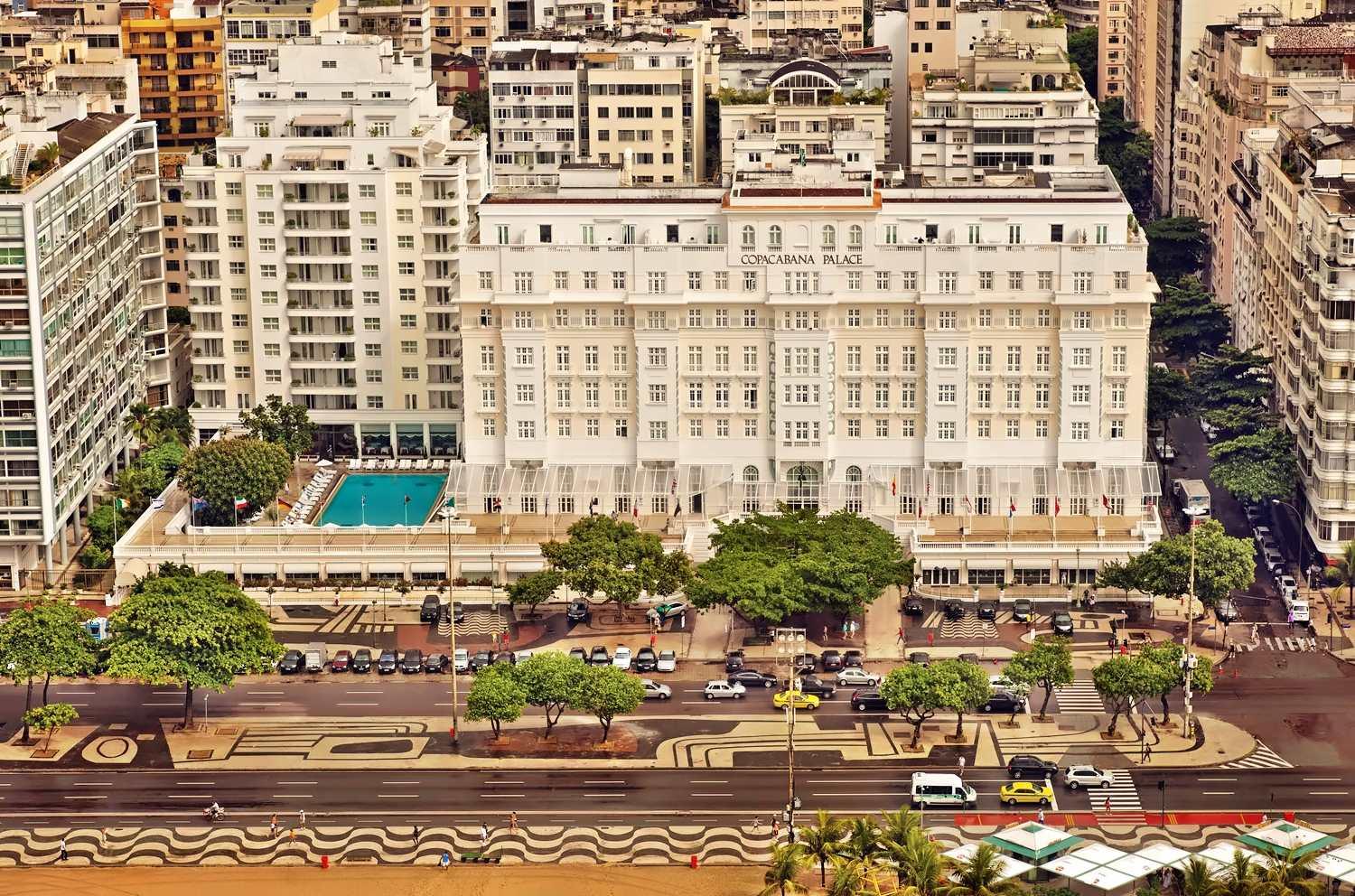
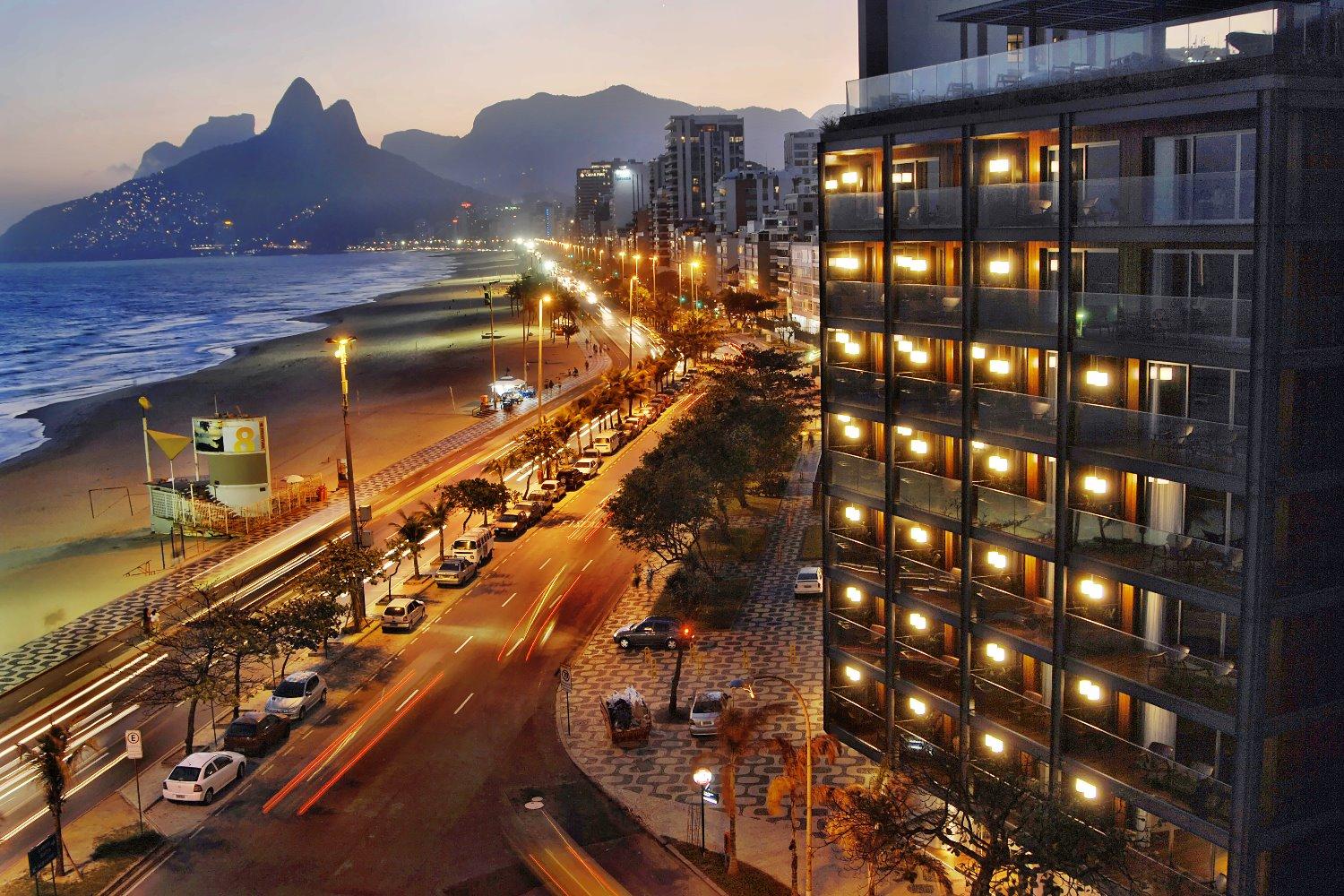
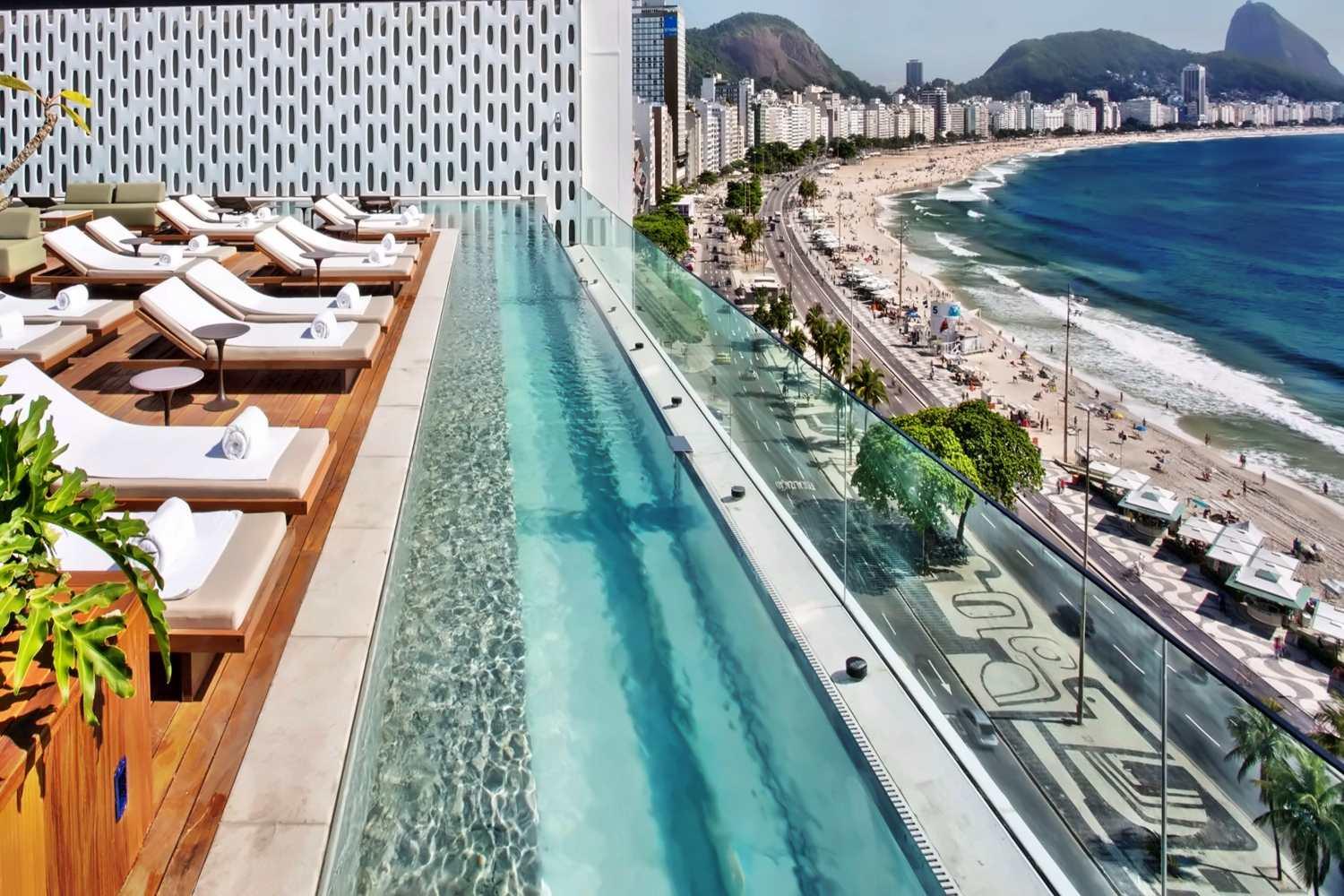
Copacabana supplies the broadest range of these Virtuoso hotels. Copacabana Palace occupies the classic central stretch. While Fairmont and Emiliano sit near the southern end toward Posto 6, Forte de Copacabana and Arpoador. Fasano moves the base around the point to Ipanema, useful for beach life, design shops and an evening walk toward Leblon. Grand Hyatt is in Barra da Tijuca,
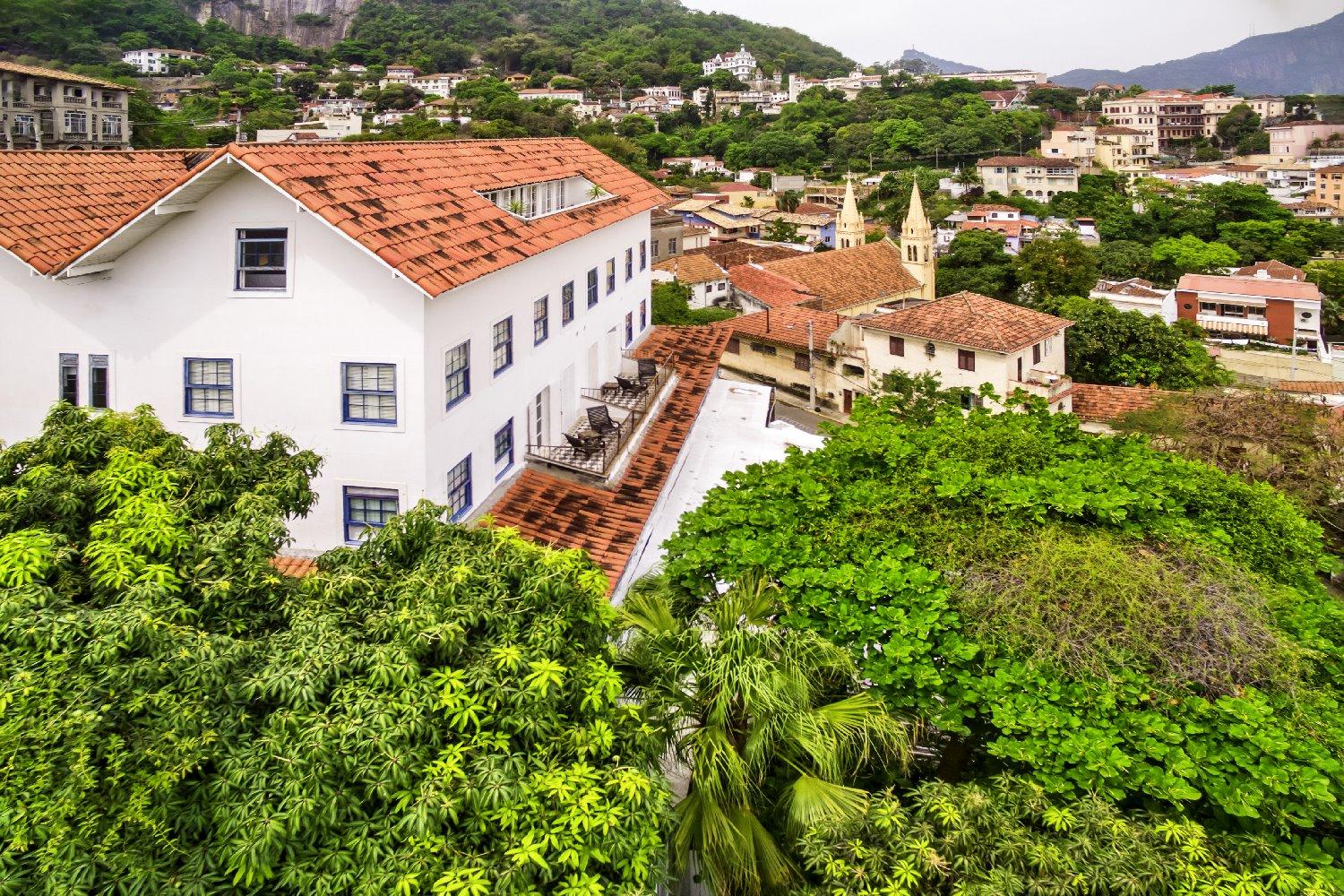
a resort-oriented district well west of the historic visitor circuit. it suits guests who accept planned car journeys in exchange for space, beach and lagoon. Santa Teresa MGallery sits above the centre in gardens and historic streets, atmospheric but dependent on trusted transport. Compare the address against every planned outing before comparing room rates.
Read Rio as a UNESCO cultural landscape
UNESCO lists Rio’s Carioca Landscapes between the Mountain and the Sea because the city’s significance comes from the interaction of geology, planted nature and urban culture. Corcovado, Tijuca National Park, the Botanical Garden, Guanabara Bay, the beachfront and designed public spaces form one visual system. This framing improves a first visit. Sugarloaf is not an isolated photograph.
And Copacabana is not only sand. Ask a guide to connect forest restoration, topography, neighbourhood development and the work of landscape designers. Move between a high viewpoint, a garden and the water on separate days so changing light and weather become part of the reading. The destination feels more coherent when the mountains are treated as city infrastructure rather than a distant backdrop.
Keep Corcovado flexible for the clearest morning
Christ the Redeemer can disappear into cloud even when the beach is bright. So a rigid itinerary creates avoidable disappointment. Hold two possible morning windows and let the hotel concierge or guide read the local forecast shortly before committing. The official Corcovado train is the authoritative source for current tickets and operating information. confirm the exact departure point and arrive with a timed plan.
Early access usually means cooler conditions and a calmer sequence. But visibility matters more than a symbolic first slot. Carry water and sun protection. And expect steps, lifts or escalators within a busy mountaintop environment. Do not pair the visit automatically with Sugarloaf: two headline viewpoints on one hazy day repeat the same weather risk and leave too little attention for the city below.
Use Sugarloaf to understand the bay and Urca
The official cable-car operator publishes current access, schedules and ticket products for Sugarloaf. A clear morning reveals the geometry of Guanabara Bay, Botafogo, Copacabana and the mountain chain. While late light can be beautiful but attracts heavier demand. Confirm the final descent time rather than assuming the evening programme. A private guide adds value by identifying the harbour,
fortifications, neighbourhoods and routes seen from above. Allow time in Urca before or after the ascent: its smaller scale and waterfront change the pace from the major beach avenues. Shoes with grip are sensible. And wind can alter perceived temperature at elevation. If the summit is enclosed by cloud, shift the booking when terms permit and use the reserved period for Centro, a museum or a coastal lunch.
Treat Copacabana and Ipanema as different urban beaches
Copacabana is monumental, public and continuously active along Avenida Atlântica. Ipanema is divided socially and spatially by its postos and meets Arpoador at the rocky point. Walk selected stretches with minimal valuables rather than trying to complete the entire shore in midday heat. Use the hotel’s current guidance for chairs, umbrellas and beach service,
because arrangements vary by property and season. At booking. Ask whether an ocean-view room is direct, angled or partially interrupted. Then confirm floor, glazing and balcony configuration. Sunrise favours some Copacabana perspectives. While Arpoador is associated with the western evening sky. haze can still soften both. Swim only under current local conditions, observe warning flags. And follow lifeguard advice because surf and currents change quickly.
Give Centro a curated architectural day
Rio’s centre should not be reduced to a drive past landmarks. A focused route can connect colonial churches, imperial institutions, republican avenues, modernist architecture and contemporary cultural spaces. But opening days and street conditions require recent local knowledge. Build the day around two interiors and one coherent walk rather than an inventory.
A specialist guide can explain how the capital’s political role changed and why successive eras rebuilt the same urban core. Travel in and out by prearranged car or a route confirmed with the concierge, particularly when finishing after business hours. Santa Teresa guests have geographical proximity, yet its hillside roads do not make every Centro transfer direct.
Beach-hotel guests should accept traffic variability and protect the evening from a tightly timed reservation immediately after the tour.
Approach Santa Teresa and Lapa with a transport plan
Santa Teresa offers villas, studios, gardens and layered views from steep streets above the centre. Hotel Santa Teresa MGallery turns that setting into a retreat. But guests should reserve a trusted car for beach days and evening returns rather than relying on spontaneous routing. Visit the neighbourhood with someone who can select active streets and current openings.
the historic tram may be part of the experience only after checking official operating information. Lapa lies below with aqueduct arches, music venues and intense nightlife, yet it demands different judgement after dark. Arrange the exact drop-off and pickup point, carry only what is needed. And let the hotel advise on the current programme. The reward is a cultural chapter distinct from the polished seafront, not a generic nightlife excursion.
Balance monuments with forest, garden and lagoon
Tijuca’s forested slopes explain how unusually close dense vegetation lies to central Rio. While the Botanical Garden offers a more legible collection of tropical plants and designed avenues. Check the garden’s official federal information for current admission and hours. Begin in the cooler part of the day, bring insect protection when appropriate. And wear shoes suitable for damp surfaces.
A naturalist or landscape specialist can turn botanical names into a story about ecology, cultivation and urban water. Lagoa Rodrigo de Freitas works as a gentler counterpoint near Ipanema. But its full circuit is longer than it looks on a map. Select one section. Then return to the hotel for a pool or spa interval. Rio feels more luxurious when the itinerary preserves energy for observation.
Plan around heat, rain and major celebration periods
Rio can be hot and humid, with powerful sun and sudden rain. no calendar month eliminates weather risk. Programme exposed viewpoints and garden walks early. Reserve air-conditioned interiors for the strongest heat. And keep a changeable half day. Carnival and New Year periods transform demand, traffic, access and minimum-stay conditions well beyond the headline events.
Other concerts, conferences and local holidays can also alter availability. Confirm event dates with official organisers before buying non-refundable rooms. And ask the hotel about road controls and transfer procedures. Outside peak celebrations, weekends can still change beach and restaurant rhythm. Pack breathable clothing, serious sun protection and a light rain layer.
The sensible luxury is not a perfectly fixed schedule but a concierge-supported structure that can move without losing essential reservations.
Move deliberately and use local security guidance
Rio’s distances are often disguised by a simple coastal map. Traffic between Barra, the South Zone, Centro and the airports can vary sharply. So build buffers around flights, performances and timed attractions. MetrôRio is useful on covered routes and its official site provides current network information. But a private car is preferable for luggage,
complex hill routes and early or late movements. Ask the hotel which door-to-door method suits the exact hour and destination. Carry minimal jewellery and cash, keep phones out of sight when not needed, avoid isolated shortcuts and do not improvise access to informal communities. These are practical urban habits rather than a reason to retreat indoors. A strong concierge and guide allow attention to return to architecture, landscape and people.
Build four or five nights with room to breathe
Four nights can support one high viewpoint, one Centro or Santa Teresa cultural day, a garden or forest chapter and genuine beach time. Five nights add weather insurance and allow both Corcovado and Sugarloaf without crowding. On arrival, use the hotel district rather than crossing the city immediately. Copacabana guests can walk the mosaic promenade,
Fasano guests can orient around Arpoador and Ipanema, Grand Hyatt guests can settle into the resort. And Santa Teresa guests can explore the property and nearby hill. Keep the departure day light because airport journeys need margin. For a longer Brazilian itinerary, fly onward to Iguaçu Falls, Bahia or the Amazon, or travel separately to Paraty with realistic road time. Do not turn distant regions into nominal day trips.
Confirm the room, benefits and scarce experiences
Before payment, obtain the full room-category wording, floor range, direct or partial view, balcony status, bed type and any renovation impact. At Copacabana Palace, building placement matters. at Fairmont, the exact angle toward Sugarloaf or the Atlantic matters. at Fasano and Emiliano, floor and ocean orientation shape the value. at Grand Hyatt, lagoon and ocean sides create different stays.
at Santa Teresa, gardens, terraces and access vary. Virtuoso amenities depend on the rate, programme rules, occupancy and availability. So request written confirmation rather than treating upgrades or early access as guaranteed. Book destination restaurants, private guides and drivers with the room dates. Then reconfirm close to arrival. Precision at this stage buys freedom once Rio’s weather begins to edit the plan.
Five practical Rio de Janeiro planning tips
- Keep two possible mornings open for Corcovado and use the clearer one after checking the local forecast.
- Confirm direct versus angled ocean view, exact floor and balcony configuration in writing before choosing a premium room.
- Prearrange airport, Barra, Santa Teresa and late-evening transfers with the hotel or a trusted operator.
- Carry minimal valuables on beach walks and follow current hotel and lifeguard guidance for routes and swimming conditions.
- Reserve only one major high viewpoint per day and protect time for a garden, museum, lunch or hotel pause.
Rio de Janeiro hotel and itinerary FAQ
Which area is best for a first luxury stay in Rio
Copacabana or Ipanema usually gives first-time visitors the easiest balance of beach life, restaurants and planned access to the major sights. While Barra and Santa Teresa suit more specific priorities.
How many nights should I spend in Rio de Janeiro
Four nights cover the essential landscape and one cultural district at a measured pace. While five nights provide valuable weather flexibility for both Corcovado and Sugarloaf.
Should I stay in Barra da Tijuca
Choose Barra when resort space, beach and lagoon matter more than spontaneous access to Centro and the South Zone. And budget time for prearranged cross-city transport.
Is an ocean-view category always a direct view
No, wording can describe full, partial or angled views. So ask for the exact orientation, floor, glazing and balcony details before confirming the rate.
Can Corcovado and Sugarloaf be visited on the same day
They can. But separating them usually improves weather flexibility, reduces repeated queues and leaves enough attention for Urca, gardens or neighbourhood life.
Do I need a private car throughout the stay
Not for every movement. But a trusted driver is useful for airports, Barra, Santa Teresa, complex sightseeing days and any route with luggage or strict timing.
When should Carnival or New Year rooms be booked
Begin as soon as official dates and personal plans are firm. Then verify minimum stays, deposits, cancellations, event access and road-transfer procedures before paying.
Are Virtuoso benefits guaranteed at these hotels
Benefits depend on the eligible booking channel, rate and availability. So request a written list for the exact reservation and treat upgrades as conditional unless explicitly confirmed.
Combine your hotel stay with a privately designed journey through Brazil, with hotels, transfers and experiences planned as one seamless itinerary.