
Virtuoso Hotels
Virtuoso Hotels in São Paulo, Brazil
6
6
Hotels
Virtuoso hotels in São Paulo: architecture, gastronomy and the right neighbourhood in Brazil’s cultural metropolis
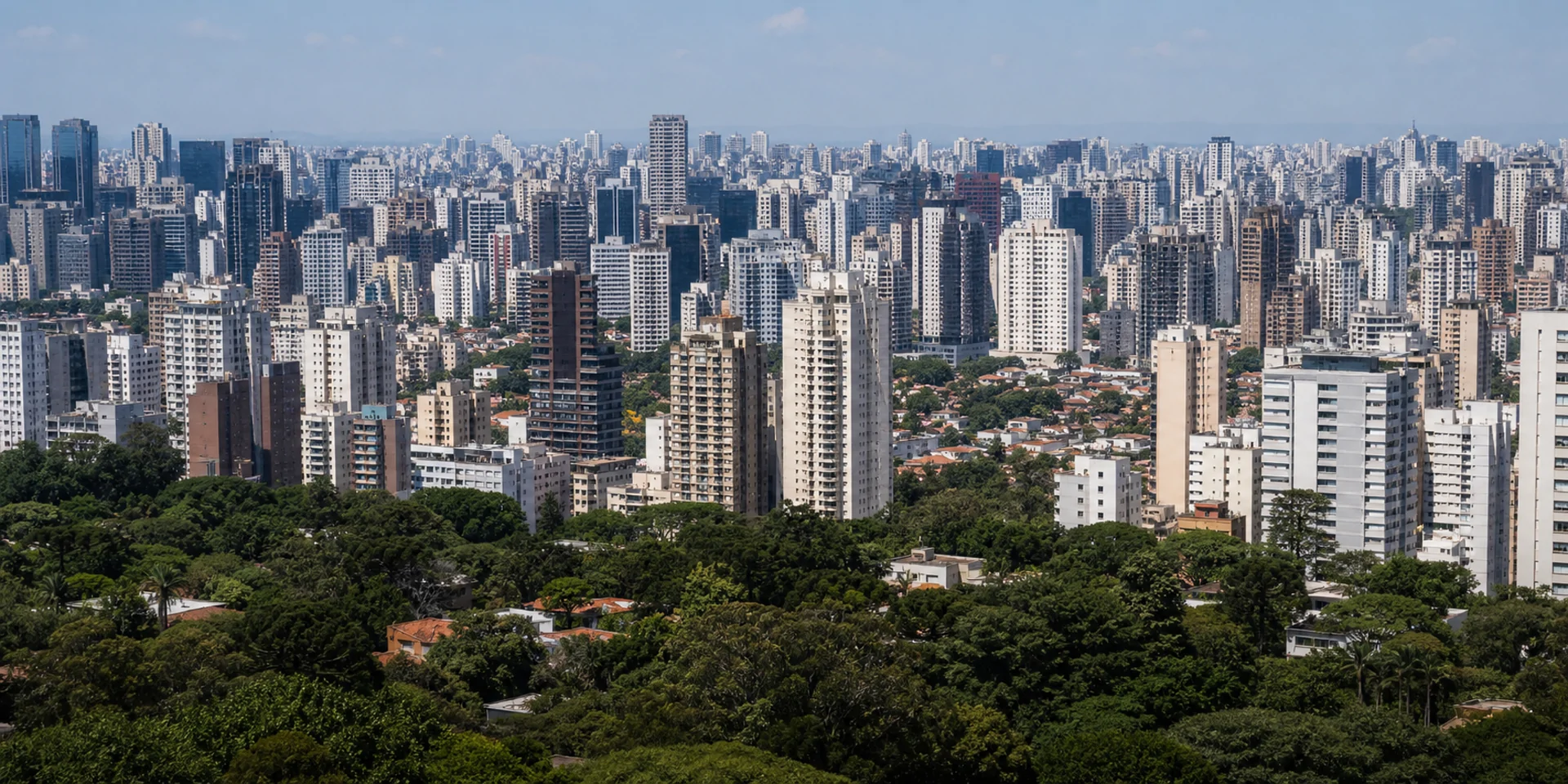
São Paulo is not a city that yields to a single postcard. Its rewards lie in the relationship between neighbourhoods, museums, architecture, restaurants, private galleries and a hotel capable of making a vast metropolis feel precise. Jardins offers polished residential streets and Rua Oscar Freire. Itaim Bibi connects business, dining and contemporary towers. Paulista and Bela Vista provide cultural intensity. Ibirapuera brings park and modernism. Panamby creates a greener, more remote retreat.
The current Virtuoso selection contains 6 hotels across those distinct settings. This guide compares them by location, scale and personality. Then builds a serious city stay around Brazilian art, design, food and practical transport. Deluxetargets confirms the qualifying Virtuoso rate with breakfast, a 100 USD hotel credit or experience, upgrade priority, early check-in and late check-out priority. And VIP recognition for the selected dates.
Choose São Paulo by neighbourhood before choosing a hotel
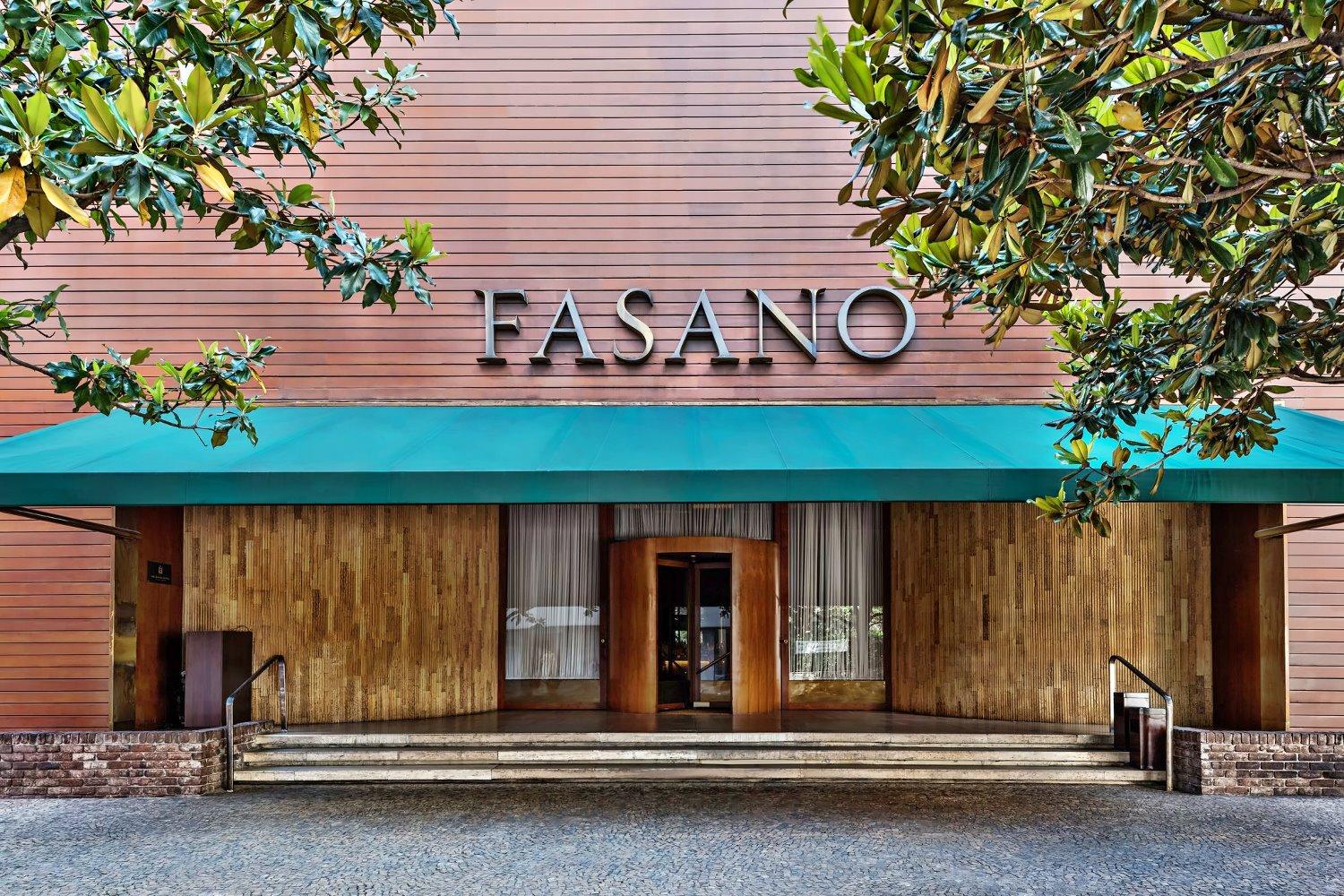
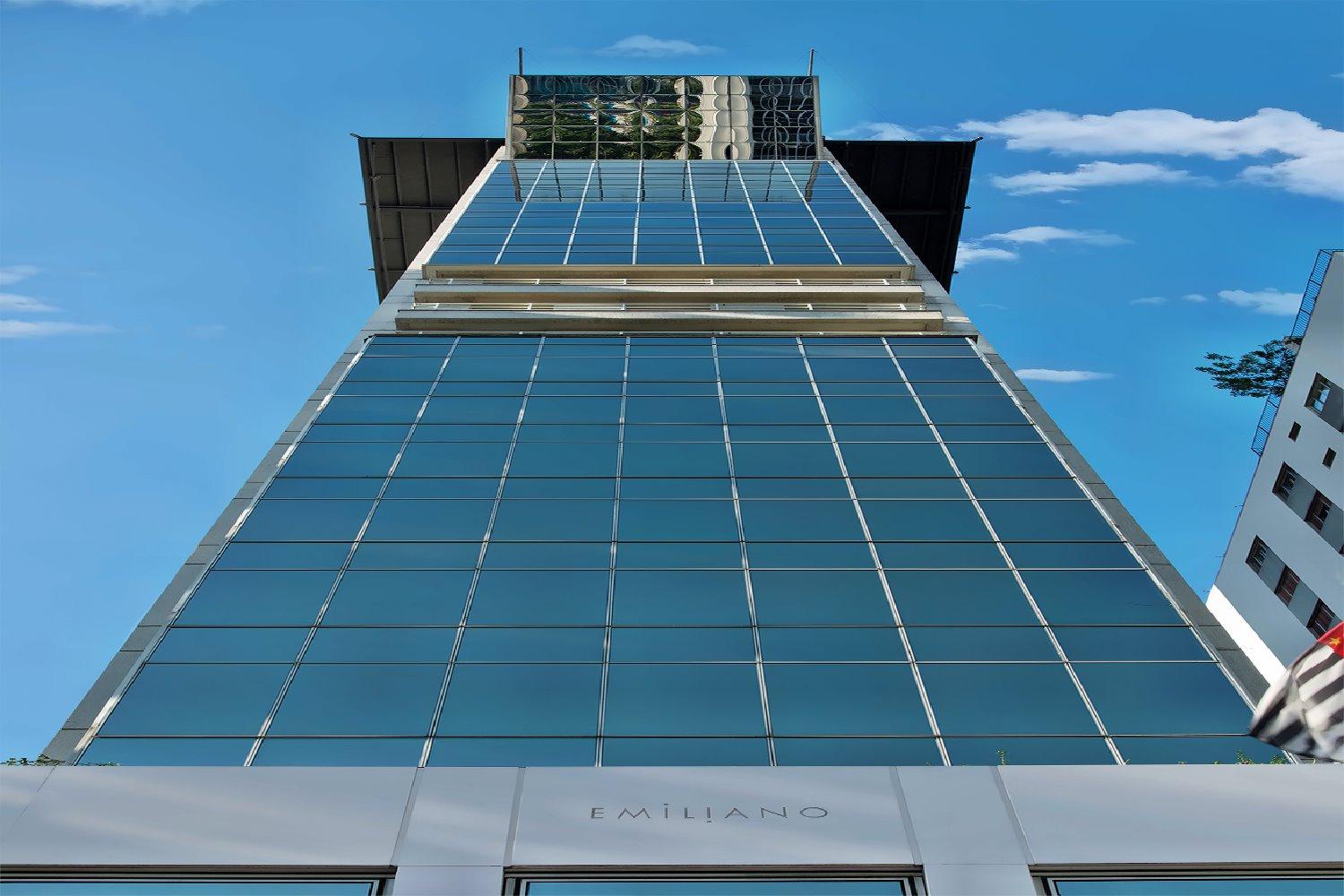
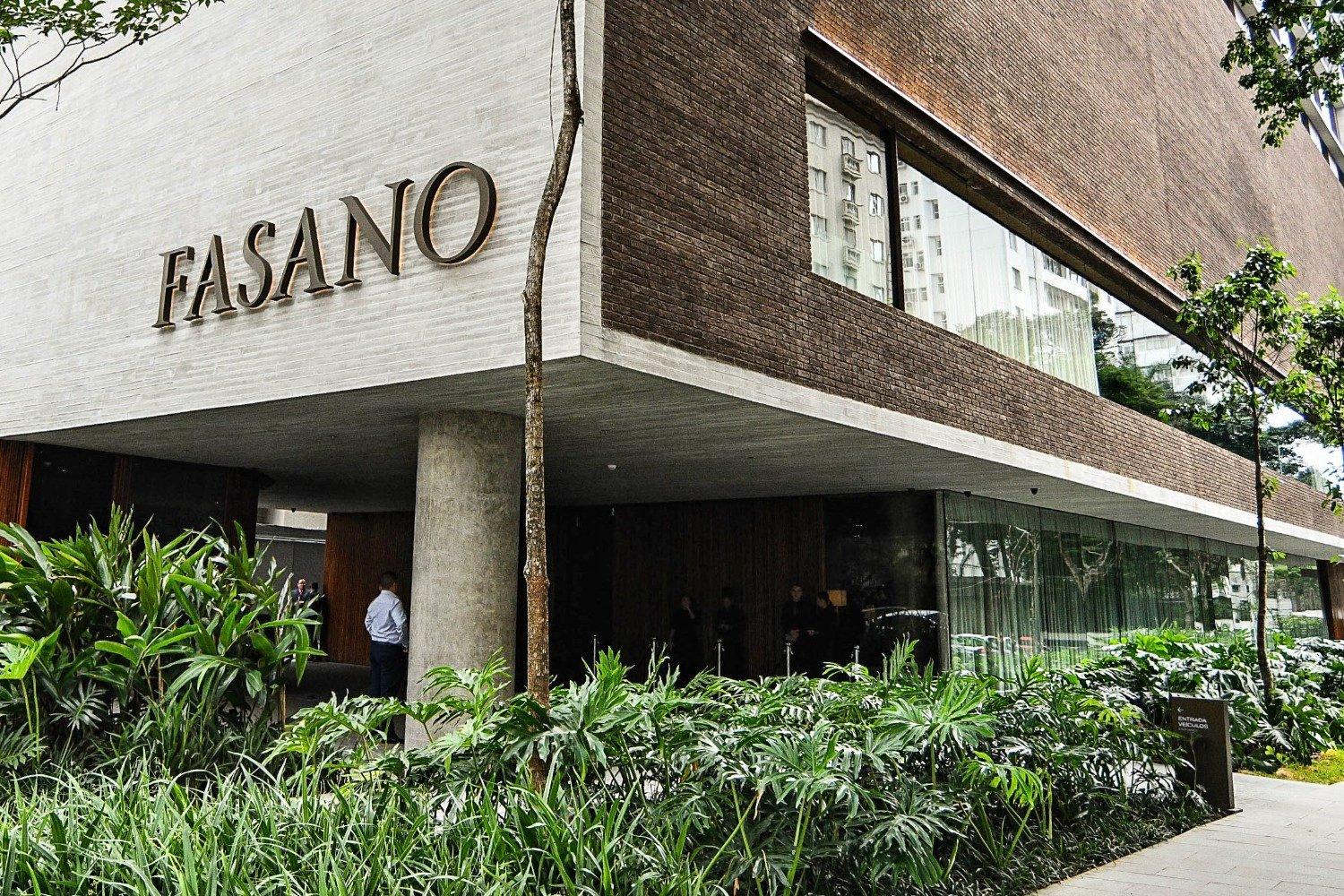
Fasano São Paulo and Emiliano place guests in Jardins, close to Rua Oscar Freire, galleries, restaurants and the Paulista corridor. Fasano São Paulo Itaim suits travellers whose appointments and social life centre on Itaim Bibi and Faria Lima. Rosewood occupies Cidade Matarazzo in Bela Vista, near Avenida Paulista but embedded in a restored cultural complex.
Hotel Unique provides immediate architectural character and access to Ibirapuera Park. Palácio Tangará sits beside Burle Marx Park in Panamby and should be chosen as an urban resort rather than a convenient base for repeated central meetings. Plot the city’s essential addresses first, because a prestigious hotel on the wrong side of traffic can weaken every day.
- Choose Jardins for boutiques, galleries, restaurants and residential polish.
- Choose Itaim for Faria Lima business access and contemporary city life.
- Choose Bela Vista for Paulista culture and an art-led hotel experience.
- Choose Ibirapuera or Panamby when park access and retreat time lead the journey.
How the 6 Virtuoso hotels differ
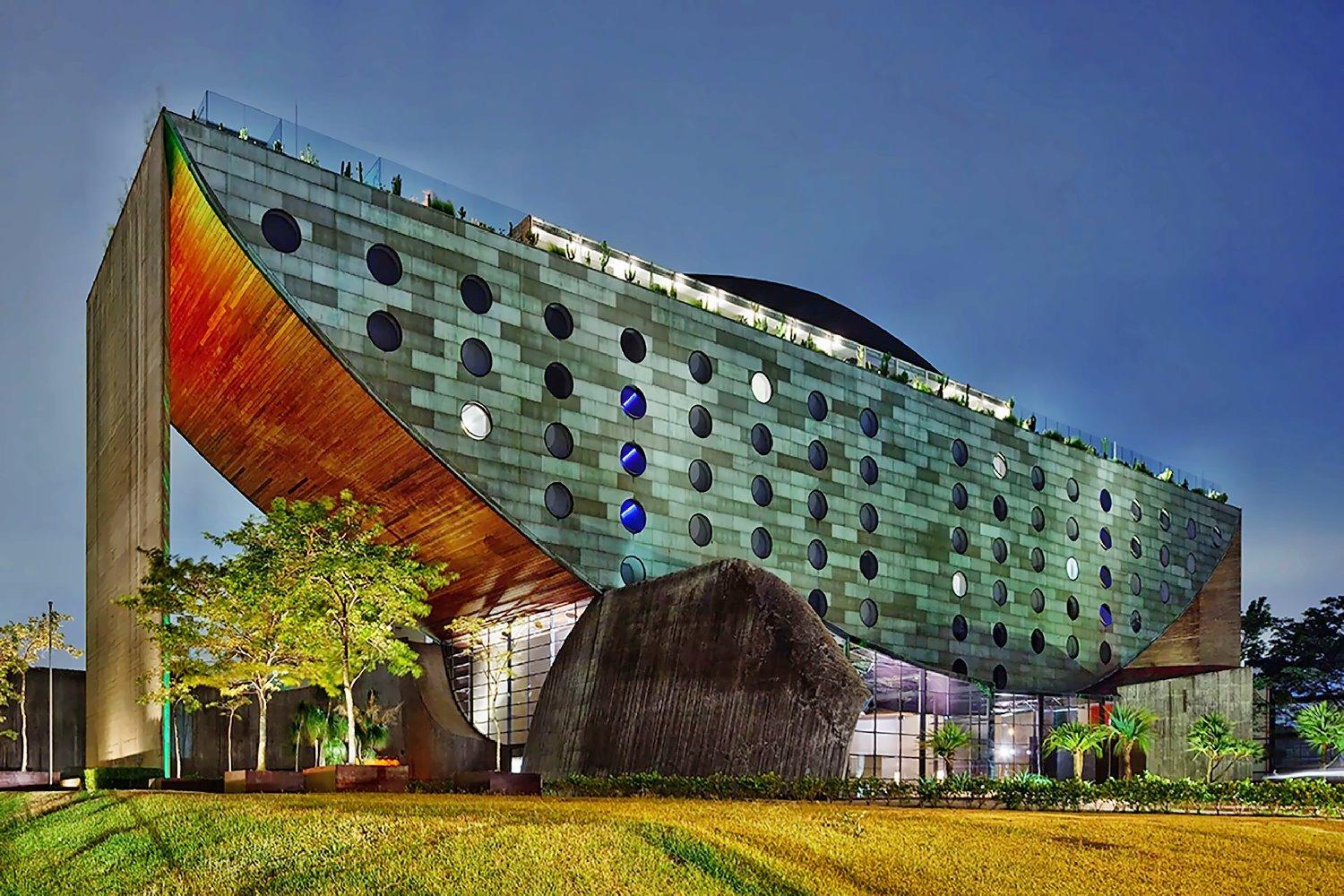
The original Fasano is discreet and club-like, combining Italian-Brazilian hospitality with Gero and live music at Baretto. Emiliano is an intimate design hotel with highly personalised service, Santapele Spa and a prime Oscar Freire address. Fasano Itaim translates the brand into a contemporary tower with rooftop pool and stronger Faria Lima access. Hotel Unique is the bold architectural statement,
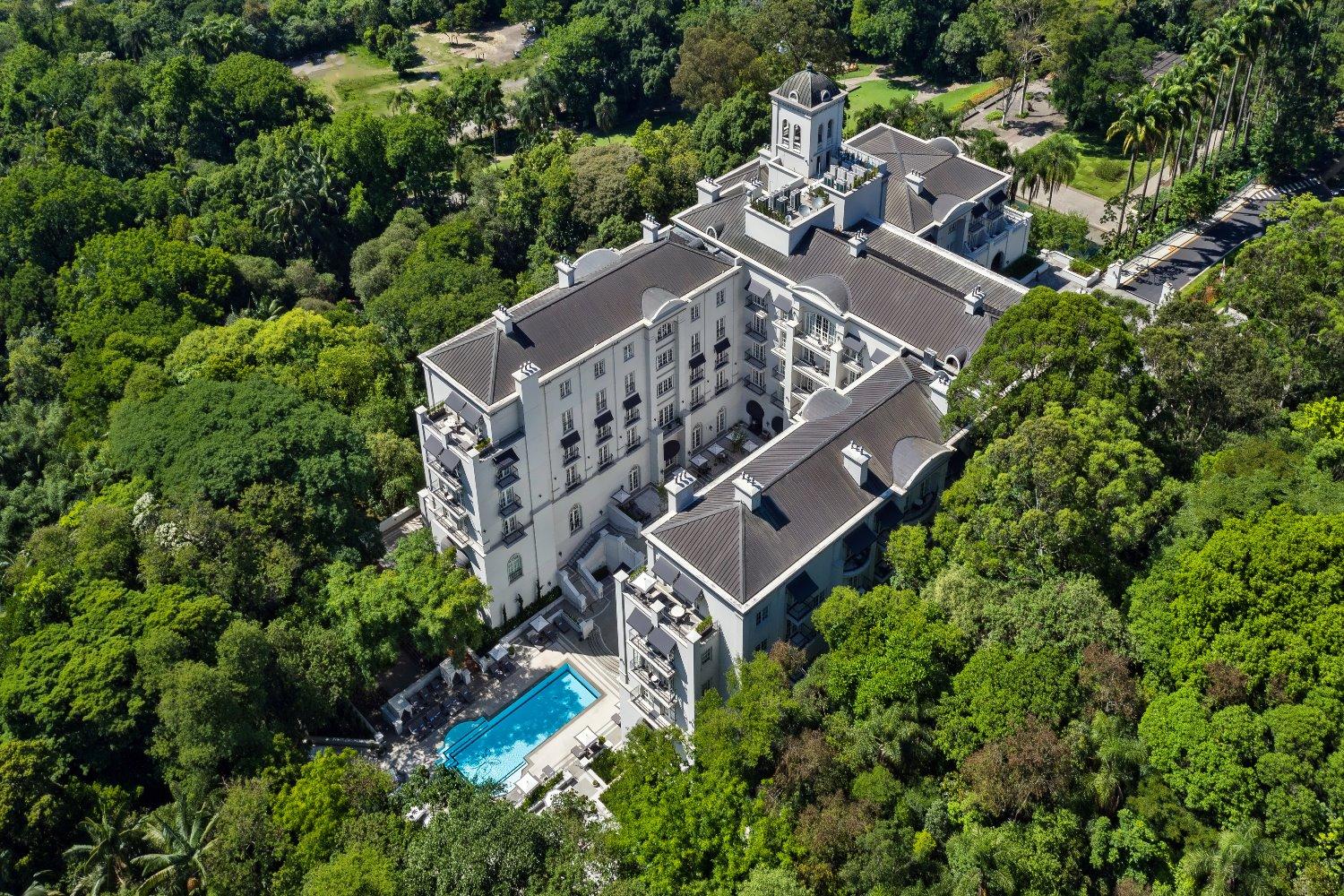
recognised by its curved form, round windows and Skye rooftop. Rosewood integrates historic structures, new architecture and an extensive Brazilian art programme at Cidade Matarazzo. Palácio Tangará offers the most complete resort withdrawal, with park views, indoor and outdoor pools, Lancôme Absolue Spa and destination dining.
- Compare exact neighbourhood and daily transport before room size.
- Decide between intimate boutique service and full urban-resort facilities.
- Confirm room outlook, rooftop access and restaurant reservations in advance.
- Protect time inside architecture-led hotels instead of treating them only as beds.
Avenida Paulista and MASP
Avenida Paulista is both an economic axis and a cultural cross-section, with institutions, offices, public life and changing street rhythms. MASP, designed by Lina Bo Bardi, deserves attention as architecture and museum: its suspended volume creates a civic span beneath the galleries. While the collection and temporary exhibitions require a current official programme. Reserve or verify admission.
Then allow enough time to study the display rather than racing to the next building. Continue selectively toward Instituto Moreira Salles or nearby cultural centres according to exhibitions. Sundays can change traffic and public use of the avenue. Rosewood is especially well positioned for this corridor. Jardins hotels also make it practical with a planned transfer or walk.
- Check MASP exhibitions, hours and ticket procedures on the official site.
- Observe Lina Bo Bardi’s building from the public space below as well as inside.
- Select one additional Paulista institution rather than collecting every centre.
- Verify Sunday street arrangements before planning vehicle access.
Ibirapuera Park: landscape, museums and modernism
Ibirapuera is not simply a green break. Roberto Burle Marx’s landscape, Oscar Niemeyer’s buildings, the Bienal pavilion. Museu Afro Brasil and other cultural spaces turn the park into one of the clearest expressions of modern São Paulo. Check each institution separately because opening days, exhibitions and access vary. Begin in the cooler morning,
combine no more than two cultural stops and leave time to understand the relationship between paths, lake, canopies and architecture. Hotel Unique makes this district especially immediate. While Jardins and Itaim remain practical by car. Weekends bring more local life but also fuller paths. A specialist architecture or art guide can replace a superficial lap with useful context.
- Check museum and Bienal schedules independently from park opening hours.
- Start early for cooler paths and clearer architectural views.
- Combine two institutions deeply instead of compressing the entire park.
- Use a guide when modern architecture and landscape design are priorities.
Brazilian modernism and contemporary architecture
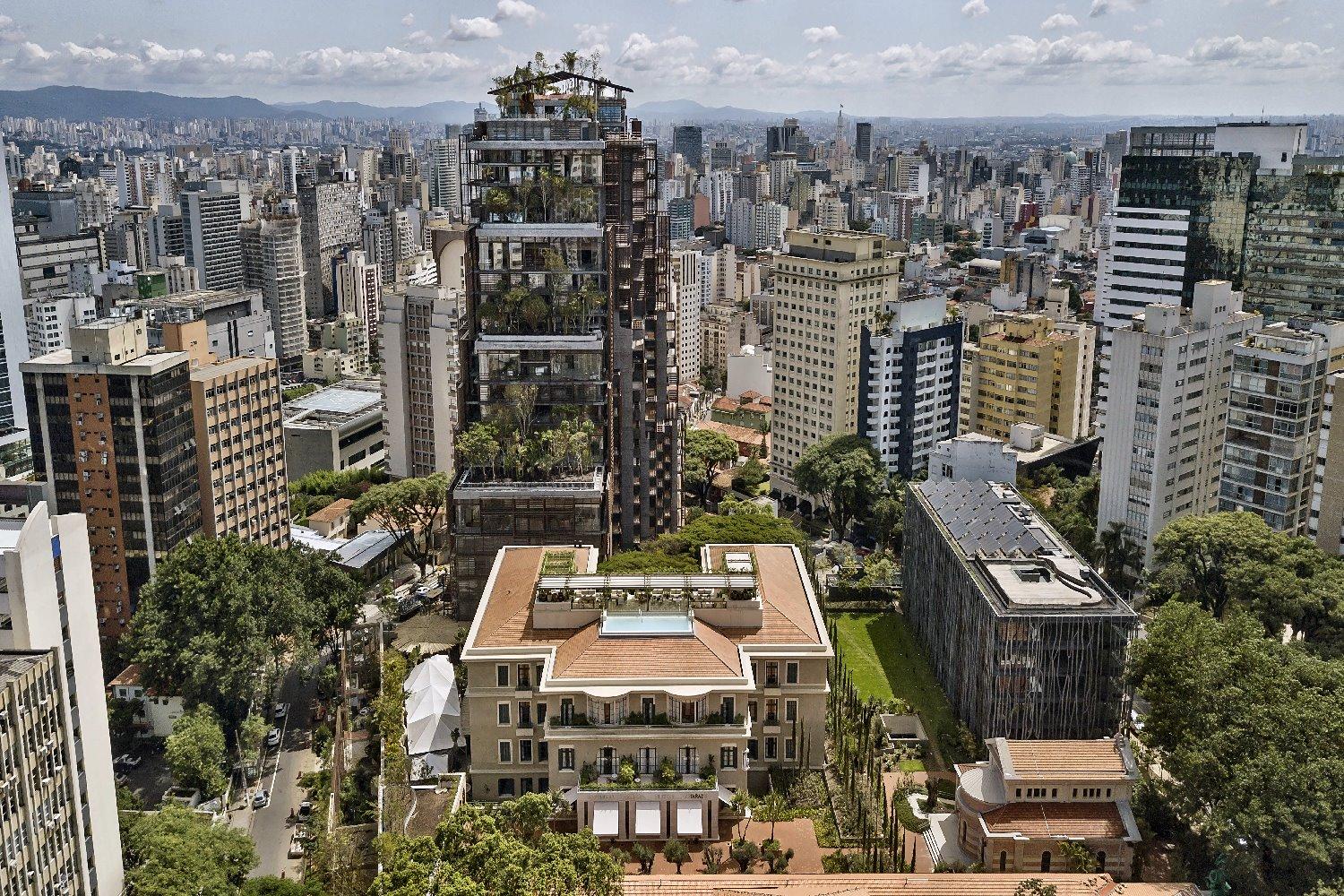
São Paulo’s architectural strength comes from contrast. Lina Bo Bardi’s MASP and Casa de Vidro, Oscar Niemeyer’s work at Ibirapuera. Ruy Ohtake’s Hotel Unique and the transformation of Cidade Matarazzo reveal different ideas about structure, landscape and public life. Casa de Vidro houses Instituto Bardi and requires advance attention to official visiting arrangements.
it should not be treated as a spontaneous drive-by. Rosewood and Hotel Unique allow architecture to continue into the overnight experience. While Fasano Itaim demonstrates a quieter contemporary language. Build one coherent architecture day with realistic transfers and a knowledgeable guide. Photograph respectfully and distinguish public access from private residential streets or functioning hotel areas.
- Reserve Casa de Vidro only through current Instituto Bardi arrangements.
- Pair modern landmarks by geography instead of chronology alone.
- Ask how structure, tropical climate and landscape influence each building.
- Respect private spaces and photography policies.
The historic centre and Pinacoteca with context
Central São Paulo contains essential layers: the monumental railway architecture around Luz, Pinacoteca’s art and courtyards. Historic streets, markets, churches and the dense evidence of migration and urban change. It also requires precise, current local planning. Visit with a trusted guide and driver, group the institutions geographically and respond to present street conditions rather than relying on an old itinerary.
Pinacoteca deserves time for Brazilian art and its architectural interventions. Do not turn the centre into a spectacle of decline or treat residents as scenery. A well-led visit explains commerce, railways, coffee wealth, social inequality and cultural reinvention while maintaining appropriate awareness of belongings, cameras and transfer points.
- Use an experienced local guide and current route assessment.
- Reserve Pinacoteca time rather than making it a brief exterior stop.
- Keep cameras and valuables discreet during street transitions.
- Approach social history with accuracy and respect.
Art, design and galleries beyond the major museums
São Paulo’s cultural depth appears in commercial galleries, foundations, artist-led spaces, design studios and hotel collections as much as in major museums. Jardins supports a concentrated gallery and design route near Fasano and Emiliano. While Rosewood’s permanent collection provides a useful introduction to Brazilian artists and artisans inside the hotel. Exhibition calendars change rapidly.
So names and openings should be confirmed shortly before travel. Arrange appointments when a gallery requires them and allow conversation rather than rushing through entrances. Collectors benefit from a specialist who understands both established and emerging programmes. Travellers without acquisition plans can still approach these spaces seriously, asking how Brazilian materials, modernism and regional identities shape current practice.
- Verify exhibitions and appointment requirements near the travel date.
- Use a specialist for collector-level access and informed studio visits.
- Begin with the hotel’s art tour at Rosewood when staying there.
- Allow time for discussion instead of measuring a route by gallery count.
Gastronomy in a city shaped by migration
São Paulo’s dining culture reflects Brazilian regions and successive migrations from Italy, Japan, the Levant, Portugal and many other communities. Its luxury restaurants matter. But so do bakeries, neighbourhood counters, markets and contemporary chefs working with native ingredients. Build the programme by cuisine and geography rather than global rankings. Jardins and Itaim support dense high-end dining.
Liberdade requires cultural nuance beyond a simplified Japanese theme. the centre and traditional districts reward a trusted local route. Reserve essential tables well ahead, particularly on Thursday through Saturday. And keep one lunch flexible. Hotel restaurants such as Gero, Cena, Skye, Tangará Jean-Georges, Blaise and Taraz should be integrated where they reduce transport and add identity.
- Reserve two or three essential dinners before arrival.
- Explore migration histories without reducing neighbourhoods to food themes.
- Use hotel restaurants strategically on arrival, spa and museum days.
- Leave one lunch open for a guide’s current neighbourhood recommendation.
Music, bars and the city after dark
São Paulo after dark ranges from intimate Brazilian music and jazz to experimental venues, cocktail bars and large performances. Baretto at Fasano offers a particularly direct way to hear established artists in a small hotel setting. But its programme should be checked and reserved rather than assumed. Skye provides skyline atmosphere and a social rooftop,
not the same listening experience. Choose one music-led evening and one bar-led evening according to the guests’ interests. Door policies, start times and neighbourhood transport can differ. So rely on current concierge knowledge and arrange the return before leaving. The best night is rarely the one with the most venues. it is the one with the right room, sound and pacing.
- Check performance programmes rather than choosing a venue by reputation alone.
- Distinguish attentive listening rooms from social rooftops.
- Arrange late transfers before the evening begins.
- Keep the number of stops low enough to experience each properly.
Green São Paulo: Burle Marx, hotel gardens and urban parks
The metropolis contains significant green systems. But they serve different purposes. Ibirapuera combines public recreation, landscape and cultural buildings. Burle Marx Park provides a more natural context in the southwest and gives Palácio Tangará its exceptional sense of withdrawal. The hotel’s park-facing rooms, pools and terrace dining should be used as part of the stay,
not merely admired between long central excursions. Jardim Botânico and other green destinations can extend the theme when location and opening conditions fit. Rain changes paths quickly. While humid summer afternoons alter comfort. A landscape-focused guide can explain native and designed planting without implying that every green space is freely interchangeable or accessible through hotel grounds.
- Use Ibirapuera for culture and public city life.
- Use Palácio Tangará as a deliberate park-side retreat.
- Check official access and weather before garden visits.
- Distinguish protected, public and hotel-managed green areas.
Mobility, airports and personal security
São Paulo’s scale makes transport part of editorial planning. Congonhas is useful for many domestic flights. While Guarulhos handles the main international network. transfer times can vary sharply with traffic and weather. A trusted driver provides continuity for multi-stop cultural days and late dinners. The metro can be efficient for selected corridors. But it should be chosen according to route,
luggage and local comfort rather than used as a blanket recommendation. Build days by neighbourhood and avoid crossing from Panamby to Paulista and then Itaim without a strong reason. As in any major metropolis, use current hotel advice, keep valuables discreet. Avoid distracted phone use on street transitions and confirm pick-up points before leaving a venue.
- Protect airport transfers with substantial traffic buffers.
- Use one trusted driver for complex cultural or evening routes.
- Group appointments by district and time of day.
- Follow current local guidance for streets, devices and pick-up points.
Best time, weather and the cultural calendar
São Paulo is a year-round city rather than a single-season destination. The warmer, wetter summer brings lush greenery, humidity and sudden heavy rain that can slow traffic. Winter is generally drier and cooler, often comfortable for urban walking, though evenings can feel surprisingly fresh. Spring and autumn offer transitional conditions. Cultural timing may matter more than weather:
major art fairs, fashion, Formula One, business congresses and the Bienal can change hotel demand and restaurant access. Check exact institutional calendars before fixing dates. Then add flexibility for rain and traffic. Indoor museums make weather disruption manageable. But an architecture or garden day should retain an alternative sequence.
- Carry a light layer in winter and rain protection in warmer months.
- Check major fairs, races and congresses for demand spikes.
- Verify museum closures and exhibition changeovers.
- Keep an indoor alternative for architecture and garden days.
How many nights and how to structure them
Four nights create a focused first encounter: one Paulista and MASP day, one Ibirapuera and architecture day, one Jardins and gallery day. And one flexible centre, food or hotel day. Five nights allow Casa de Vidro, Pinacoteca or a full urban-resort interval without reducing the trip to traffic between appointments. Stay longer when business meetings sit beside cultural priorities,
because rush-hour geography cannot be wished away. Protect one unstructured afternoon for the chosen hotel, particularly at Rosewood, Unique or Palácio Tangará where architecture and facilities form part of the destination. São Paulo combines naturally with Rio de Janeiro or Brazilian nature. But each additional stop should receive enough nights to retain its own rhythm.
- Plan at least four nights for a cultural first visit.
- Give each day one principal geographic focus.
- Protect hotel time when architecture, spa or park access informed the choice.
- Add another Brazilian destination only with realistic airport and transfer time.
Five practical tips for a refined São Paulo stay
- Choose the neighbourhood first — Map museums, meetings and dinners before selecting between Jardins, Itaim, Bela Vista, Ibirapuera and Panamby.
- Use one trusted driver — Keep a consistent professional for complex cultural days, airport transfers and late returns.
- Reserve cultural anchors — Confirm MASP, Casa de Vidro, performances and appointment-only galleries through current official channels.
- Protect against traffic — Build each day by district and leave meaningful buffers before timed entries or dinner.
- Keep one flexible meal — Reserve essential restaurants but leave space for a current recommendation shaped by exhibition routes and appetite.
Frequently asked questions about Virtuoso hotels in São Paulo
Which neighbourhood is best for a first stay in São Paulo
Jardins provides the easiest mix of restaurants, galleries, boutiques and Paulista access. Bela Vista suits an art-led stay near Paulista. While Itaim is stronger for Faria Lima business and contemporary dining.
Which Virtuoso hotel is best for a quiet retreat
Palácio Tangará offers the clearest urban-resort withdrawal beside Burle Marx Park. Emiliano and the original Fasano provide more intimate calm within central Jardins. But with fewer resort-scale facilities.
Which hotel is best for architecture and design
Hotel Unique is the strongest singular architectural statement. While Rosewood integrates historic preservation, new design and Brazilian art. The choice is between a sculptural standalone landmark and a layered cultural complex.
How many nights should I spend in São Paulo
Four nights support a focused cultural introduction. While five allow the historic centre, Casa de Vidro or a slower hotel day. Business appointments may justify additional nights because traffic limits daily range.
What is included with a Virtuoso rate
Qualifying rates generally include breakfast, a 100 USD hotel credit or experience, upgrade priority, early check-in and late check-out priority. And VIP recognition. Deluxetargets confirms exact benefits before booking.
Do I need a private driver
A trusted driver is highly useful for complex days, late dinners and airport transfers. The metro can serve selected corridors. But the decision should reflect route, luggage and current local conditions.
Is São Paulo safe for luxury travellers
It is a vast global city requiring normal urban awareness and current local guidance. Use discreet valuables, confirmed transfers, sensible street phone use and hotel advice for each district rather than relying on generalisations.
When is the best time to visit São Paulo
The city works year-round. Drier winter conditions favour walking. While warmer months bring rain and lush parks. the cultural and business calendar may matter more than the season itself.
Combine your hotel stay with a privately designed journey through Brazil, with hotels, transfers and experiences planned as one seamless itinerary.