
Virtuoso Hotels
Virtuoso Hotels in Siem Reap, Cambodia
4
4
Hotels
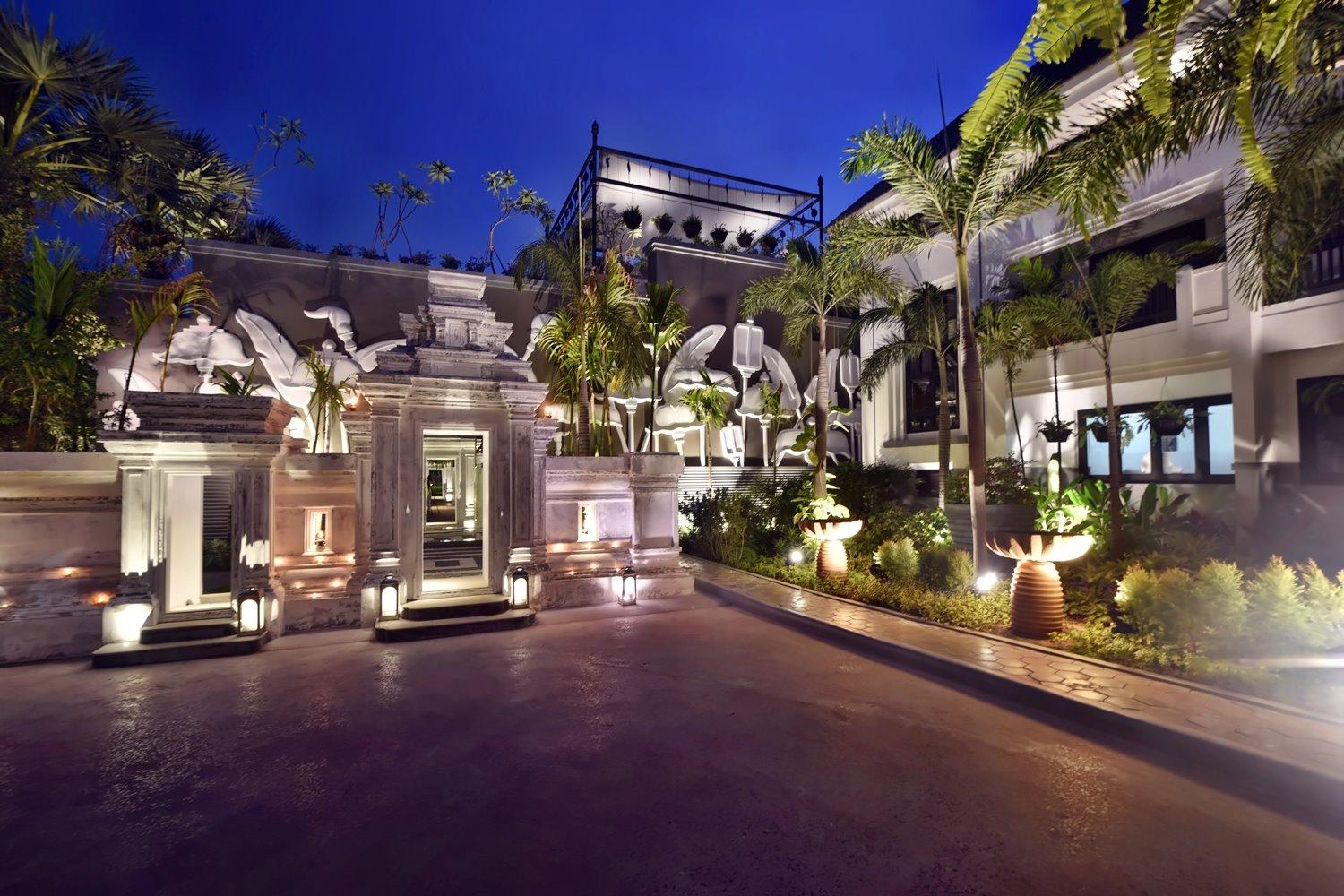
Virtuoso hotels in Siem Reap: plan Angkor without temple fatigue
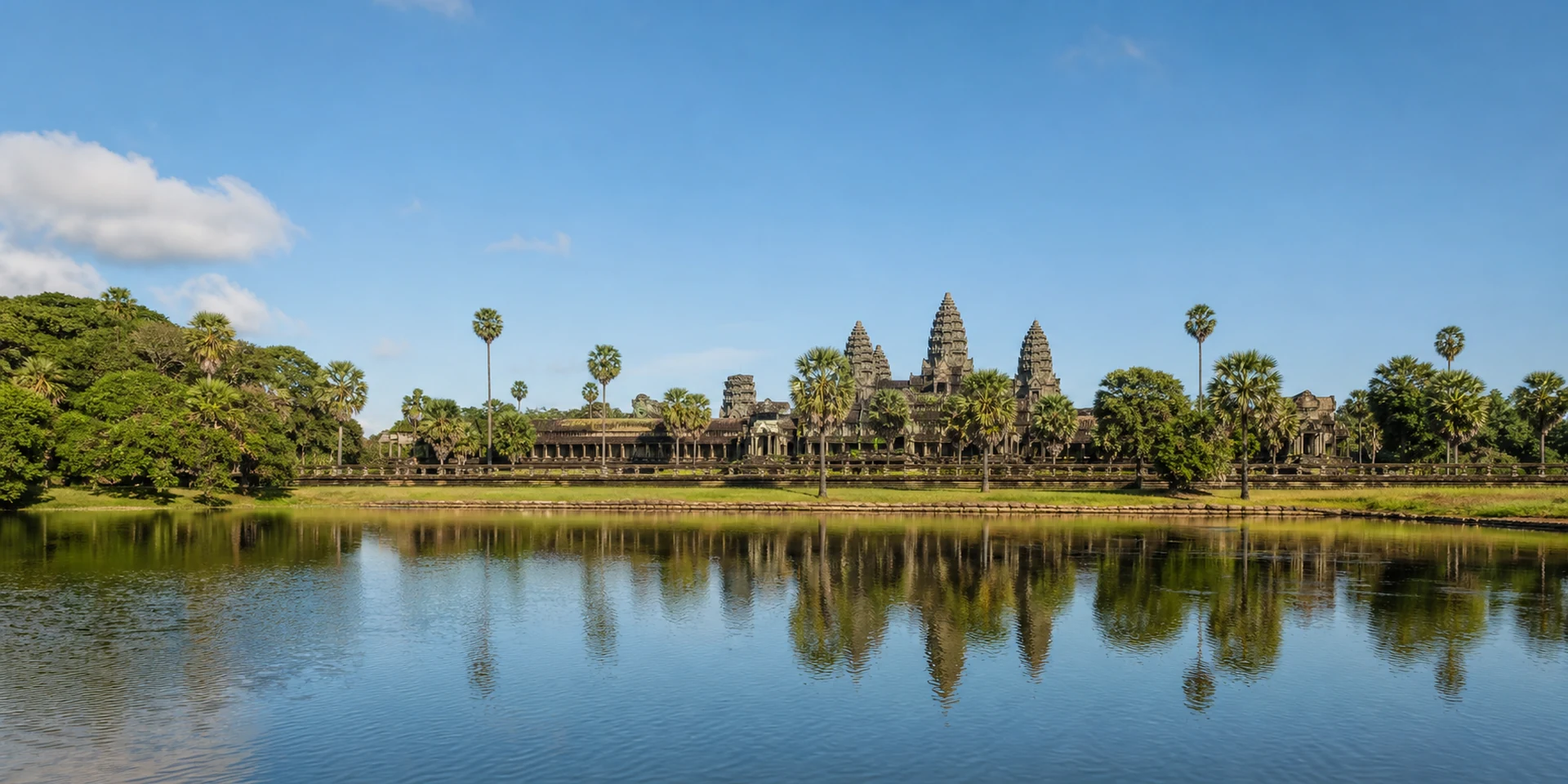
Siem Reap is the gateway to Angkor. But the destination rewards travellers who resist treating the archaeological park as one monument and one sunrise. The UNESCO World Heritage property contains temples, reservoirs, canals and inhabited cultural landscapes shaped over centuries of the Khmer Empire. Angkor Wat, Angkor Thom, Bayon, Ta Prohm, Preah Khan and Banteay Srei differ in scale,
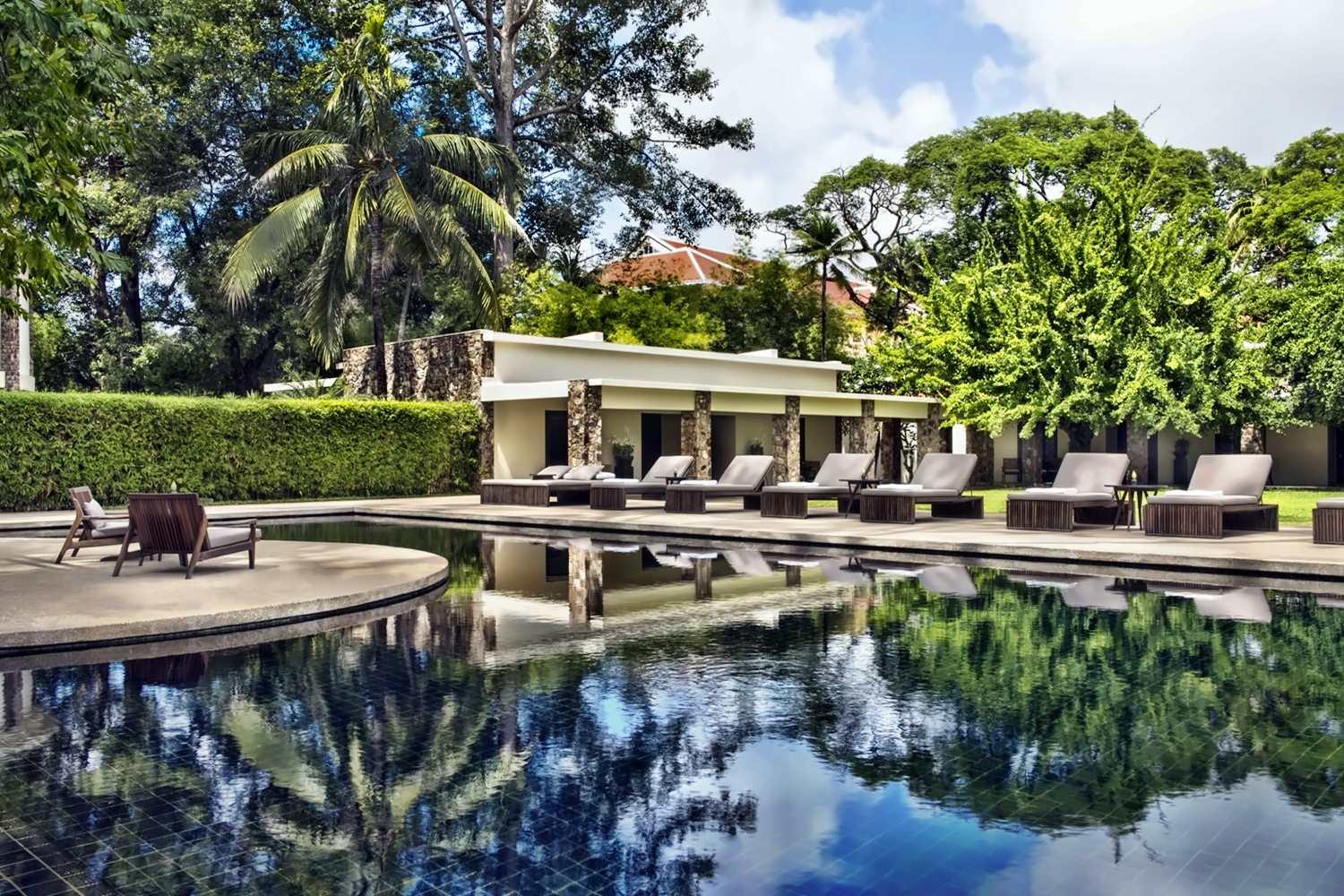
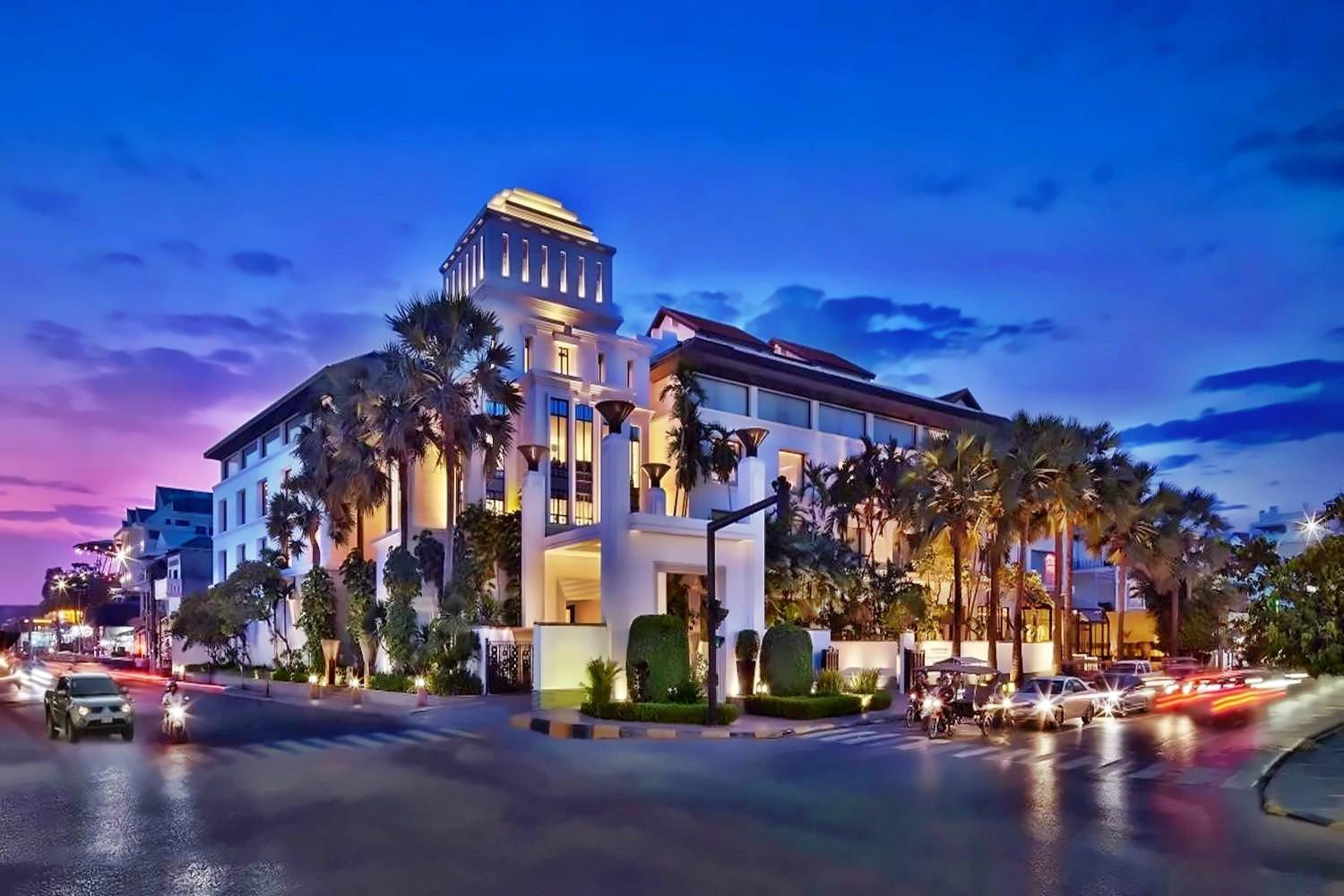
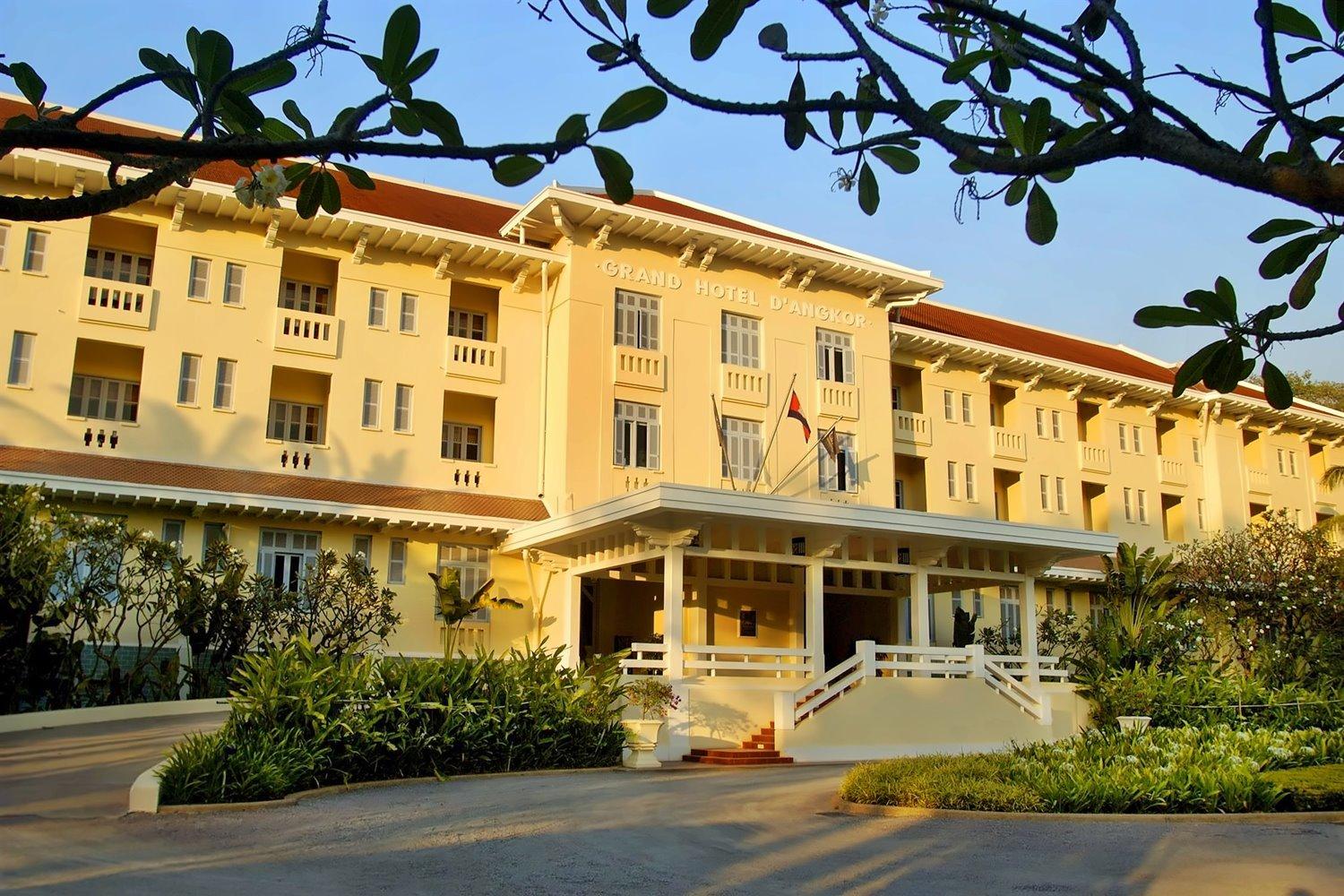
religion, material and atmosphere. seeing them well requires a licensed guide, intelligent transport and deliberate pauses. The four Virtuoso hotels support different rhythms. Amansara integrates temple guiding and quiet retreat, Park Hyatt places urban evenings at the door. Raffles Grand Hotel d’Angkor supplies historic grandeur and a serious pool. While Shinta Mani Angkor ranges from expressive resort rooms to private Bensley villas.
The essential luxury is not a private car alone. But a sequence that respects heat, conservation and concentration. Begin early when useful, stop before attention collapses and return to one temple later rather than collecting another name. Cover shoulders and knees, follow APSARA’s visitor code, never climb closed structures and remember monks, residents and ceremonies are part of a living landscape.
Siem Reap itself deserves time for Khmer cooking, craft, contemporary culture and recovery. Deluxetargets compares exact room position, pool privacy, street exposure and included guiding before confirming an eligible Virtuoso rate. Breakfast, the 100 USD credit or experience, upgrade priority and timing are recorded in writing. Four or five nights let Angkor unfold as architecture and history instead of physical endurance.
Choose the hotel by how you want Angkor organised
Amansara is the most integrated choice: its stays include daily Angkor excursions with an English-speaking guide, in-town transport and substantial dining, reducing daily decisions. Park Hyatt works for travellers who want polished contemporary rooms and immediate access to central Siem Reap’s restaurants and evening energy. Raffles offers a historic 1932 address, formal service,
broad gardens and a 35-metre pool, making it particularly satisfying after long temple walks. Shinta Mani brings Bill Bensley’s more playful design. its regular rooms share a lively resort. While the ten Pool Villas add a dedicated butler, private nine-metre pool and rooftop living. Compare actual distance from room to road, restaurant and pool because early departures amplify small inconveniences. A plunge pool matters only if the itinerary leaves daylight to use it.
Divide Angkor into coherent temple days
A strong first circuit pairs Angkor Wat with Angkor Thom, where Bayon’s towers, terraces and city gates need interpretation rather than a quick photograph. A separate day can connect Ta Prohm, Preah Khan and other monuments associated with Jayavarman VII, leaving time to distinguish conservation from picturesque tree growth.
Banteay Srei’s fine pink-sandstone carving justifies a farther excursion and can combine with carefully selected countryside context rather than another dense temple sequence. Do not let a driver’s standard small or grand circuit replace editorial judgment. Two focused mornings are better than one punishing day. And a third half-day can revisit the monument that created questions.
Your guide should explain chronology, Hindu and Buddhist layers, hydraulic systems, restoration and present-day communities, not simply provide dates at each doorway.
Treat sunrise as an option, not an obligation
Angkor Wat at sunrise is famous. But darkness, crowds and cloud can turn an early alarm into a logistical exercise rather than a revelation. Choose it because the changing light matters to you, not because every itinerary repeats it. A private guide can select the approach and meeting time. But no one can promise colour or solitude.
An alternative is a later, well-paced visit when bas-reliefs can be read and architectural geometry understood. If sunrise is included, return to the hotel for breakfast and rest rather than continuing mechanically through midday heat. Sunset viewpoints also require current access rules and safe descent. never improvise on closed stonework after dark. The best Angkor day may begin early without beginning at sunrise, capturing cooler air and calmer secondary temples before the large groups arrive.
Follow the visitor code as part of the experience
Angkor is protected heritage and a living sacred landscape. Dress with shoulders and knees covered, speak quietly and remove hats or shoes where requested. Never touch carvings, sit on fragile stone, move loose material, enter roped areas or climb a structure because another visitor does. Drones and commercial photography require specific authority. ordinary photography must never disrupt worship,
monks or residents. Ask before photographing any person and do not turn children into subjects or customers. Buy water and crafts through responsible channels, carry waste out and avoid single-use plastic where the hotel can provide a refillable bottle. The APSARA code is not a list of obstacles but the minimum behaviour that allows monuments and local cultural life to remain intact. A good guide models these choices without being prompted.
Plan around tropical heat, rain and walking surfaces
The generally drier, cooler months are popular for temple exploration. While the hotter period makes shade and midday rest more important. Green-season rain can transform moats and vegetation beautifully. But heavy showers make sandstone, wooden stairs and soil slippery. Conditions vary within a day. So carry a compact rain layer, sun protection, water and secure shoes with real grip.
Begin exposed monuments early and place shaded galleries or a museum later. Heat illness is not solved by enthusiasm: headache, dizziness, nausea or confusion requires immediate cooling and medical attention. Mosquito protection matters around vegetation and after rain. travellers should seek current clinical advice on routine vaccines and destination risks before departure. A pool and spa afternoon is not wasted time—it preserves attention for the next morning’s architecture.
Use a licensed guide and the right vehicle
A specialist guide changes Angkor from scenery into a legible capital. Ask about language fluency, archaeological knowledge, walking pace and experience with children or mobility needs. Driver and guide are different roles. the vehicle should remain cool, stocked with water and positioned for efficient exits. While the guide stays with you. Tuk-tuks can be atmospheric for short routes.
But an air-conditioned car is valuable in heat, rain or on the farther Banteay Srei day. Confirm seat belts, child seats, luggage capacity and the plan for sudden weather. Siem Reap–Angkor International Airport lies well outside the city. So the arrival transfer must be arranged with live flight details and a clear meeting point. After a long international journey, schedule no temple objective on arrival day.
Give Siem Reap a life beyond the temple gates
The town offers more than a place to sleep. A well-curated afternoon might include a serious museum introduction, workshops preserving Khmer craft. A chef-led market visit or contemporary performance whose artists and employment model are transparent. Old Market and central streets become busy at night. Park Hyatt and Shinta Mani make that energy easy to sample.
While Amansara and Raffles offer a quieter return. Tonlé Sap excursions demand careful operator selection because water level, route, village access and visitor impact change by season. Avoid tours that stage poverty, distribute gifts indiscriminately or promise intrusive access to homes and schools. Ask where the fee goes and how local people participate.
The most valuable encounter is often a craftsperson explaining technique or a chef connecting a dish to landscape, not an uninvited photograph.
Explore Khmer food without overbooking every evening
Khmer cuisine rewards attention to herbs, fermented flavours, freshwater fish, rice and regional differences. At Park Hyatt, Khmer Journey of Flavors offers an organised introduction across Cambodia’s provinces. Raffles restaurant 1932 uses the hotel’s history to frame royal and domestic culinary traditions. Amansara’s included meal simplifies a demanding temple day. Shinta Mani can arrange a rooftop Khmer barbecue for villa guests.
Reserve one or two signature experiences. Then leave room for a contemporary independent restaurant or a simple lunch recommended by a trusted guide. Explain allergies ingredient by ingredient because fish sauce, shrimp paste, peanuts and cross-contact may not be obvious. Drink sealed or properly filtered water, use the hotel’s refill system and choose freshly cooked food. A long tasting menu should not precede a 4:30 a.m. departure.
Set the length, pass and booking details correctly
Three nights allow two temple mornings and one town evening. But four or five nights create the better luxury rhythm: two substantial Angkor circuits, a lighter cultural day and protected hotel time. Six nights suit travellers adding Banteay Srei, a responsible Tonlé Sap visit or a slower photography focus. Buy the appropriate Angkor pass only through current official channels and verify validity,
identification requirements and included sites before purchase. separate monuments can have separate tickets. Do not rely on an old online price. Before hotel payment. Confirm complete room name, view, plunge-pool privacy, bedding, connecting options, transfer, guide inclusions, cancellation terms and every Virtuoso benefit. For combinations with Phnom Penh or another Southeast Asian destination, preserve one unscheduled afternoon on arrival. Angkor deserves alert eyes more than an overfull calendar.
Five practical Siem Reap planning tips
- Plan two coherent Angkor mornings with a licensed guide instead of forcing the small and grand circuits into one day.
- Treat sunrise as optional and return for breakfast or rest before heat erodes attention and safety.
- Carry covered clothing, water, sun and rain protection. And shoes with grip while following every APSARA restriction.
- Arrange the distant airport transfer with live flight details, vehicle standard and a precise meeting point before departure.
- Reserve only essential temple, spa and dining moments, leaving one afternoon for the pool and Siem Reap beyond Angkor.
Frequently asked questions about Virtuoso hotels in Siem Reap
How many days do I need for Angkor
Two focused temple mornings are the minimum. three temple sessions across four or five nights allow better context, rest and a meaningful Siem Reap day.
Is Angkor Wat sunrise essential
No. It can be atmospheric. But crowds and cloud are possible. A later guided visit may deliver better concentration on architecture and bas-reliefs.
Which Siem Reap hotel organises temples most seamlessly
Amansara integrates daily guided Angkor excursions and in-town transport into its stay. Exact inclusions and the temple pass should still be confirmed for your dates.
Can I visit Angkor without a guide
You can. But a licensed specialist makes chronology, religion, hydraulic planning and restoration legible. A driver alone does not provide that interpretation.
What should I wear at the temples
Cover shoulders and knees, wear secure walking shoes and follow instructions at every sacred or restricted area. Light breathable layers work best.
When is the best time to visit Siem Reap
Cooler, drier months are comfortable but popular. hotter and greener months can be rewarding with earlier starts, rain flexibility and midday rest.
Is Tonlé Sap worth a day trip
It can be, if water levels suit the route and the operator demonstrates community benefit, appropriate access and no staged or intrusive encounters.
Are Virtuoso benefits identical at all four hotels
No. They attach to eligible rates and vary. So breakfast, the 100 USD credit or experience, upgrade priority and timing must be confirmed in writing.
Combine your hotel stay with a privately designed journey through Cambodia, with hotels, transfers and experiences planned as one seamless itinerary.