
Virtuoso Hotels
Virtuoso Hotels in Santiago, Chile
3
3
Hotels
Virtuoso hotels in Santiago: three eastern bases for a city between Andes and memory
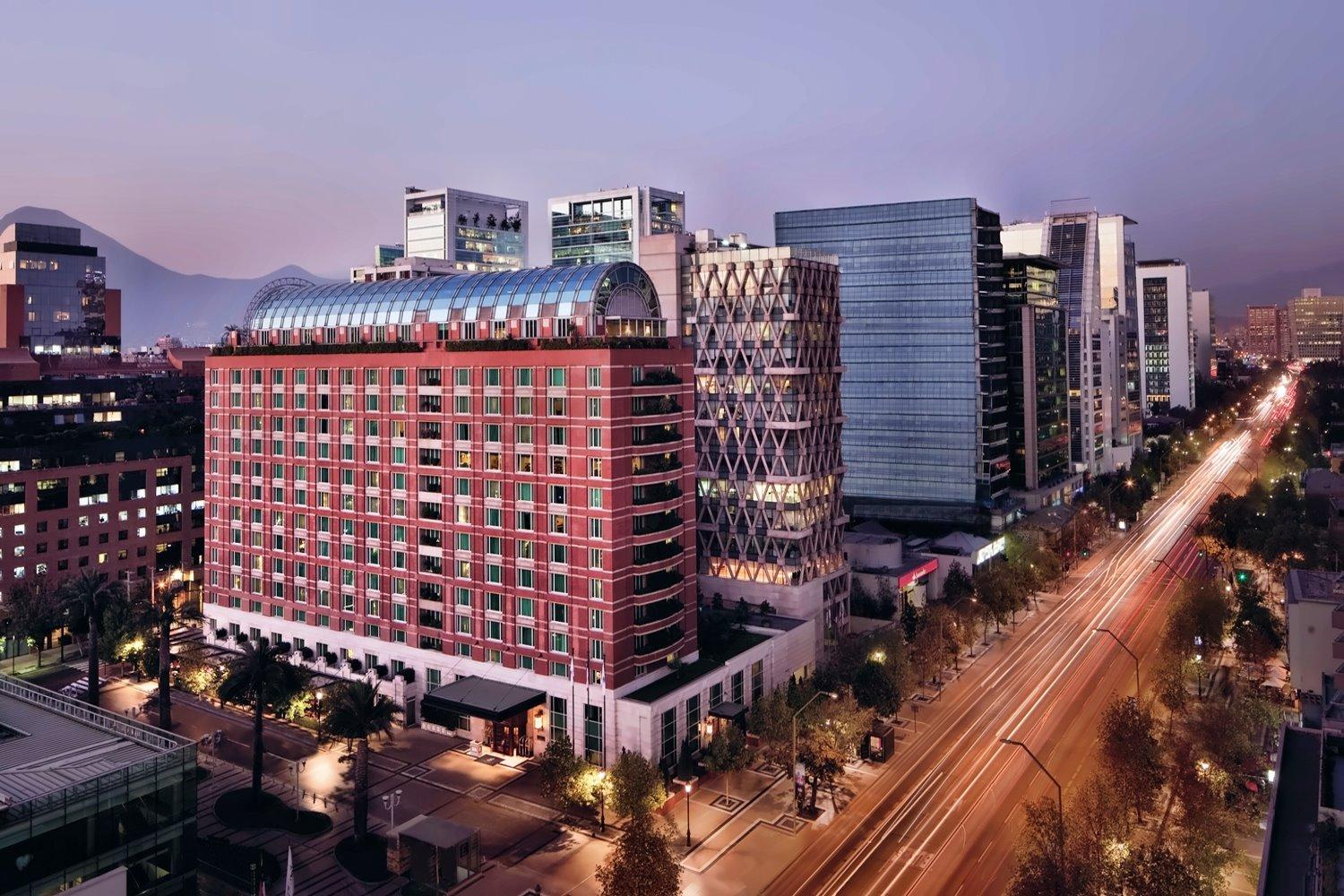
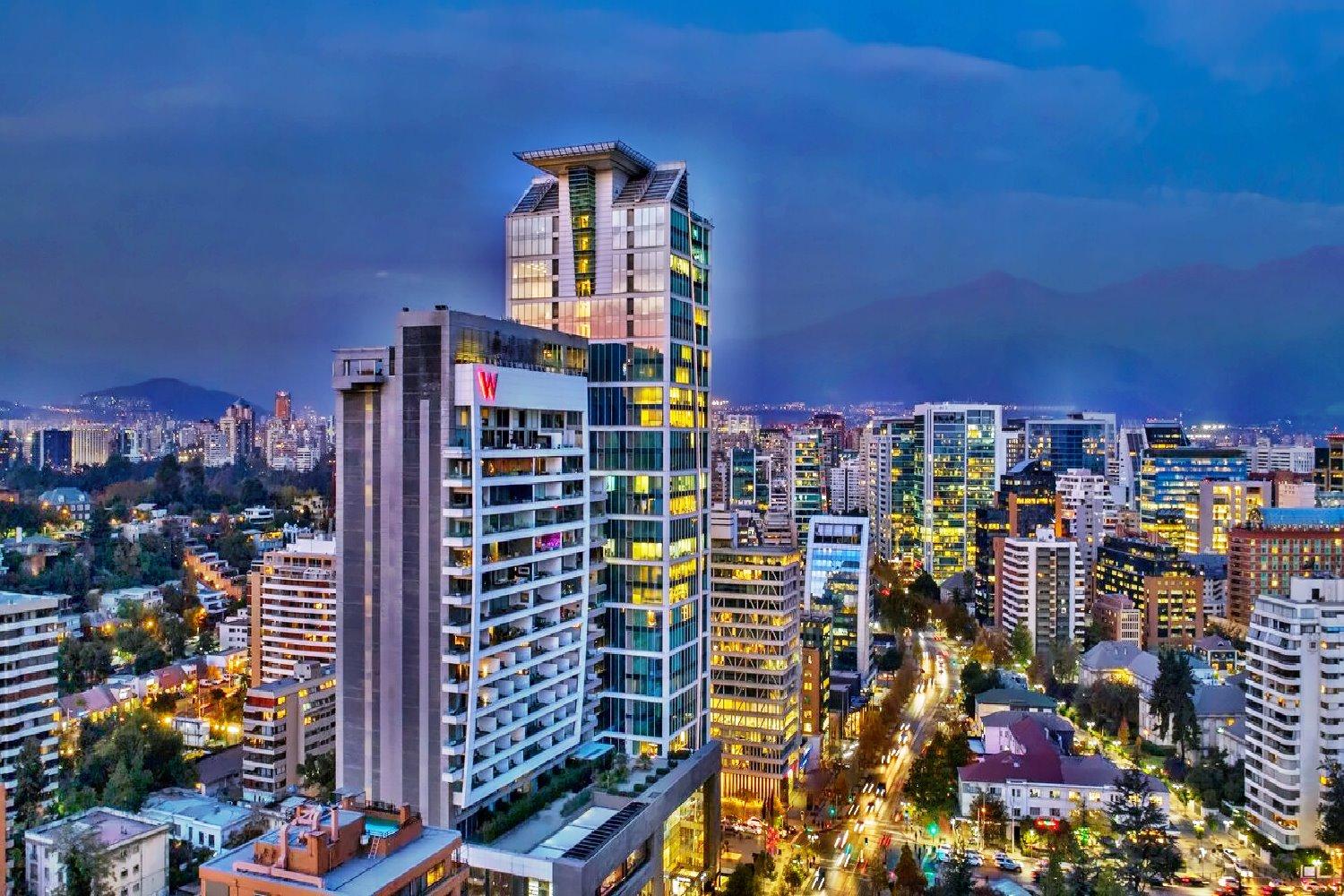
All three eligible hotels sit in Santiago's prosperous eastern sector rather than the historic centre. The Ritz-Carlton, Santiago and W Santiago are in El Golf, close to corporate addresses, restaurants and Metro access. the first favours a composed Club-and-spa rhythm. While the second is more social, design-led and rooftop-oriented.
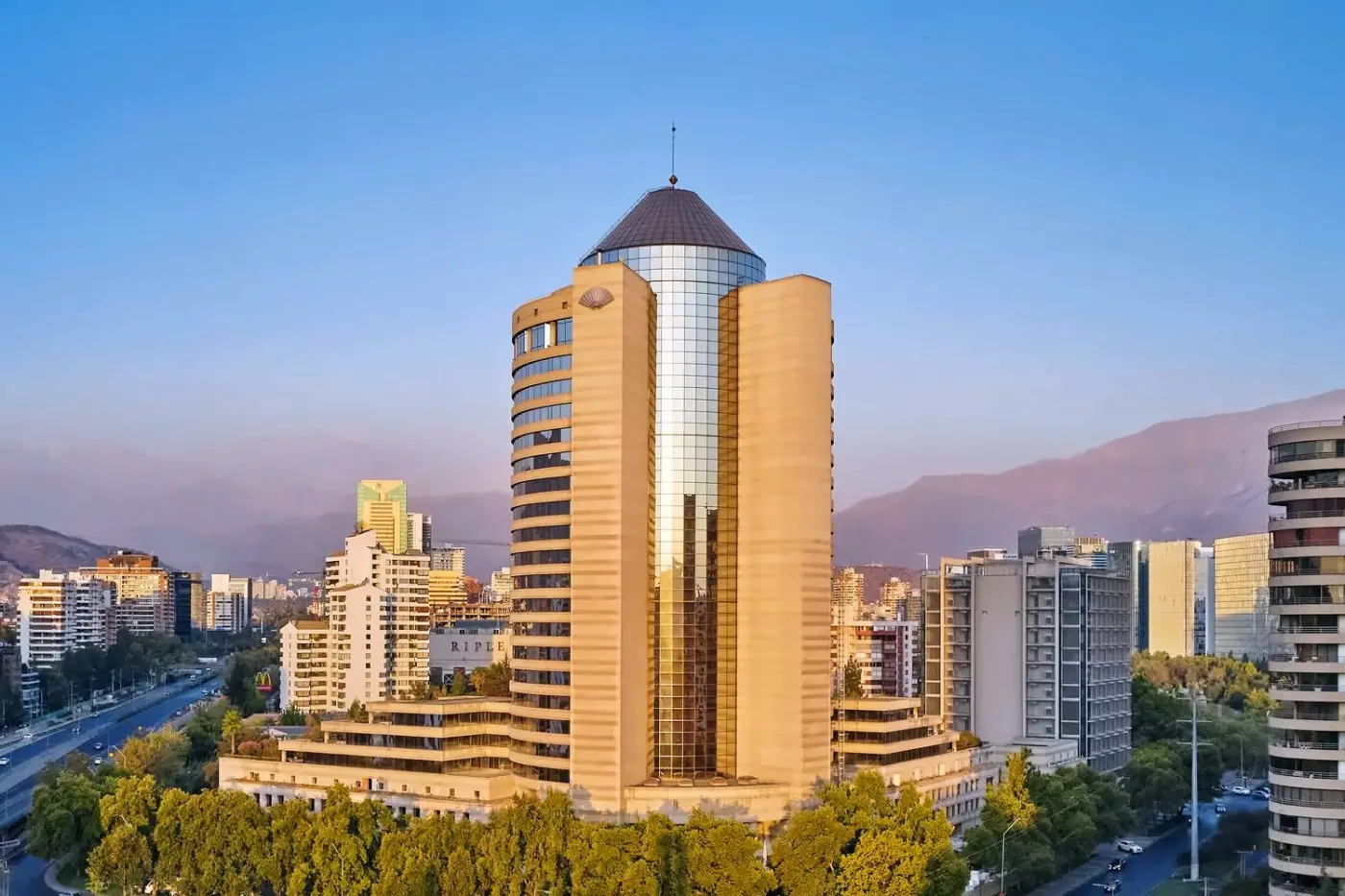
Mandarin Oriental, Santiago lies farther east on Presidente Kennedy Avenue in Las Condes, with gardens, a lagoon-style pool and larger resort character near Parque Arauco. None is a short walk from every cultural priority. The correct choice depends on meetings, evening dining, tolerance for traffic, desired mountain view and the number of westbound journeys into central Santiago.
Deluxetargets confirms the eligible Virtuoso rate, exact paid room and current benefits before purchase. upgrades, early arrival and late departure remain availability-dependent. Three nights can support a focused city introduction. While four or five allow the historic centre, a serious memory institution, contemporary neighbourhoods and one Andes or wine day without erasing hotel time.
Santiago is not merely a stop between desert and Patagonia. It is a vast, unequal and culturally active capital shaped by Indigenous presence, Spanish colonisation, independence, migration, industrialisation, dictatorship, democratic struggle and present debate. A responsible itinerary listens to those layers, uses qualified local interpretation and treats mountain, wine and food as living systems rather than polished scenery.
Choose El Golf or the eastern Las Condes resort edge
The Ritz-Carlton and W stand within the El Golf business district, making each useful for offices, Isidora Goyenechea dining and Metro-led movement. Ritz-Carlton works best when Club Lounge, rooftop spa, indoor pool and calmer service are central. W suits travellers who actively want music, design, restaurants and an outdoor rooftop rhythm. Mandarin Oriental is a more spacious garden property farther east,
advantageous for Parque Arauco, families, pool time and road departures toward the mountains. But less convenient for repeated historic-centre visits. Plot the airport, first two dinners, Plaza de Armas, Museum of Memory, meeting addresses and any mountain pickup before comparing price. Ask for an actual room view, floor, event calendar, road-noise exposure, connecting layout and hotel-entry route. A promised Andes view remains weather- and air-dependent even when the paid category faces east.
Begin the historic centre with Indigenous continuity
Plaza de Armas, the cathedral, civic buildings and colonial street grid offer a useful centre chapter. But Santiago's story did not begin with its Spanish foundation. The Museo Chileno de Arte Precolombino holds art and material culture from across the Americas and explicitly interprets Indigenous peoples who inhabited and continue to inhabit Chile. Use its current programme or a mediated visit to connect textiles,
technologies, belief systems and present communities without freezing living peoples in a precolonial past. Ask about provenance, collecting history and whose voice interprets each object. Outside, a qualified guide can link Mapocho geography, colonial power, independence and changing public space. Keep bags discreet,
follow current local access advice and group the museum with La Moneda or another central institution instead of crossing the metropolis repeatedly from Las Condes.
Give memory and human rights their own time
The Museo de la Memoria y los Derechos Humanos documents state human-rights violations during Chile's military dictatorship and centres testimony. Archives, victims and the continuing ethical demand of memory. It is not an optional dark-tourism backdrop or a quick stop before lunch. Consult the museum's current visitor information. Allow emotional and intellectual space.
And use a mediated visit when language or historical context would otherwise limit understanding. Photography rules, group arrangements and gallery content should be respected without turning testimony into social-media material. The museum in the western Matucana area requires a deliberate transfer from all three hotels and can pair with Quinta Normal or Barrio Yungay only if attention remains intact.
A wider political-history route should distinguish verified institutions and memorial sites. Avoid personality spectacle and acknowledge the democratic actors, families and civil-society organisations that defended rights.
Explore neighbourhoods without treating them as brands
Lastarria and Bellas Artes connect museums, bookshops, restaurants and cultural venues. Bellavista mixes theatres, nightlife and residential streets. Yungay carries heritage, migration and community life. Providencia and Ñuñoa reveal other scales of contemporary Santiago. None is fully represented by a mural, market or famous resident. Choose a daytime or early-evening route with an informed local guide.
Confirm venue hours and adapt to demonstrations or street closures. Ask before photographing people, workshops or political art, buy directly from makers and avoid entering residential courtyards. La Chascona can support a literary chapter. But Pablo Neruda's work and public legacy deserve critical context rather than hero worship. Return from late dining by booked car or official taxi.
The eastern hotels simplify polished El Golf evenings. leaving that comfort zone thoughtfully is essential to understanding the wider city.
Commission an Andes day around safety, not snow promises
Cajón del Maipo, foothill hikes and winter mountain centres can be powerful contrasts to Santiago. But distance, altitude, narrow roads, weather, avalanche exposure and seasonal operations determine what is responsible. Use a licensed specialist who names the route, guide qualification, vehicle, chains, passenger limit, clothing, water, food, communications and evacuation plan. Assess fitness and medical concerns honestly.
altitude can affect guests who feel strong at city level. Never promise snow, an open ski lift, a particular reservoir colour or a fixed pass, because precipitation and road controls change rapidly. Follow SENAPRED and operator guidance, carry layers, sun protection and more water than an ordinary city walk. And turn back when instructed. A lower-elevation nature or vineyard programme is the correct substitute when the mountains are unsafe, smoky or inaccessible.
Choose one wine valley and appoint a driver
Maipo is the most direct classic wine choice from Santiago. While Casablanca trends toward Pacific-influenced whites on the road toward Valparaíso and Colchagua usually deserves a longer day or overnight. Select the valley by producer, vineyard practice, food and travel time rather than trying to collect labels. Reserve each estate through an official channel and confirm language,
cellar access, walking surface, harvest activity, lunch, purchase shipping and cancellation terms. A tasting is not permission to drive: use a licensed private driver or tour and provide a non-alcoholic programme for anyone abstaining. Ask about irrigation, water pressure, labour, ownership and climate adaptation alongside grape varieties. Vintage, harvest and blending are agricultural realities,
not staged guarantees. One producer visit with a serious meal and landscape interpretation is generally richer than three rushed pours separated by traffic.
Let season, air quality and visibility shape the plan
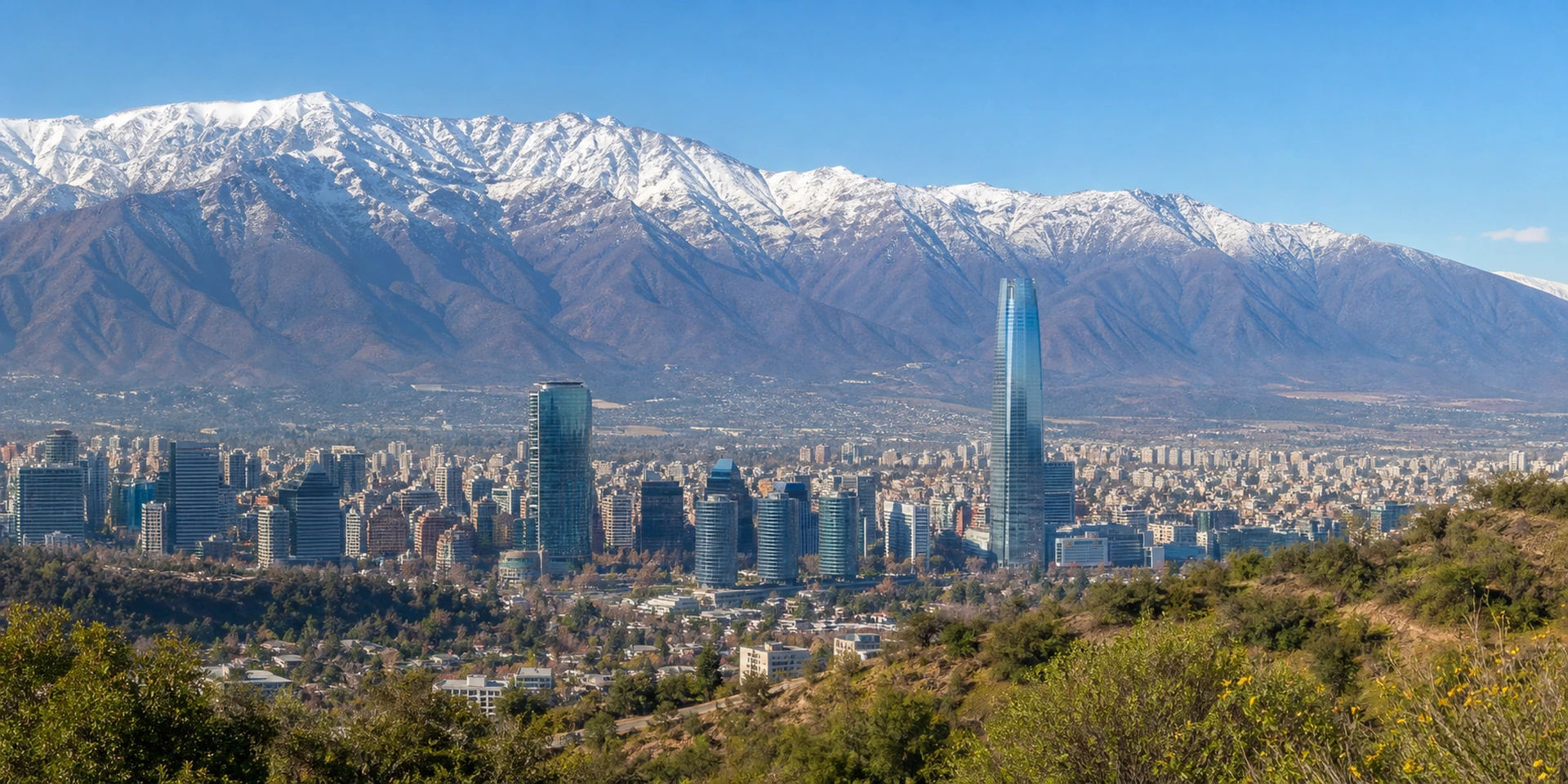
Santiago has a Mediterranean pattern of dry summers and cooler, wetter winters. But heat waves, rain systems and year-to-year variation resist a simple best-season claim. Winter inversions can trap pollution in the basin. While wind and rain may clear the air and reveal extraordinary mountain detail. Check the Dirección Meteorológica de Chile for weather and the official SINCA network for air information,
especially before strenuous outdoor activity or with respiratory conditions. Move Cerro San Cristóbal, hill walks and long outdoor meals when heat, smoke or poor air makes them unwise. Snow on the Andes is seasonal and visibility is never guaranteed from a hotel room or rooftop. Pack sun protection and layers in every month,
add rain-ready shoes in the cool season and preserve one flexible day. A hazy skyline is a health and planning signal, not merely a photographic inconvenience.
Connect airport, Metro and cars deliberately
Arturo Merino Benítez International Airport lies west of the city, opposite the three hotels&apos. eastern geography. So peak traffic can materially affect transfers. Use the airport's official transport centre, a prearranged hotel car or a verified service. confirm terminal, named pickup point, licence, fare basis, luggage capacity and emergency contact before travel.
Metro is efficient for many daytime city journeys from El Golf or nearby stations. While buses extend the network. obtain the current fare and payment rules from official operators rather than an old guide. Keep one payment card or device per traveller where contactless rules require it, secure phones in crowded areas and avoid displaying luggage.
A private car is useful for complex museum sequences, evening dining and mountain departures. But it does not eliminate congestion. Never schedule a winery, coastal day or long lunch against an international flight.
Prepare calmly for earthquakes and disruptions
Chile is seismically active. And good preparation is practical rather than alarmist. On arrival, note the hotel's marked protection areas, emergency stairs, assembly point and communication method. keep shoes, essential medication and a charged phone accessible. SENAPRED advises remaining calm, protecting yourself from falling objects and following building instructions. Then using emergency stairs rather than lifts if evacuation is required.
Do not run outside during shaking without understanding the structure and official guidance. And do not spread unverified messages. Power, transport and mobile service may be interrupted after a significant event. So carry a small amount of water and a backup contact plan. Demonstrations, heavy rain or wildfire smoke can also alter roads and venues.
the same principles apply: follow authorities, let the hotel account for guests and replace the day's programme rather than forcing it.
Use Santiago as a Chile gateway without shrinking it
Chile's length makes domestic flights and regional seasons central to any wider journey. Atacama, Rapa Nui, the Lakes District and Patagonia require separate weather, luggage, park, guide and flight planning. none is a casual add-on to a three-night capital stay. Valparaíso can be reached by road and offers important port-city heritage.
But hills, traffic, wildfire risk and site conditions deserve their own informed plan and often an overnight. Place Santiago at the beginning for recovery and context or at the end for wine, dining and a protected international connection. Keep domestic and international terminals, baggage allowances and buffer nights explicit.
Four or five city nights can include one mountain or wine day while preserving culture. a longer Chile itinerary should never turn the capital into only an airport hotel between headline landscapes.
Five practical tips for a considered Santiago stay
- Map east and centre — Calculate every museum, dinner, meeting and airport journey from the actual Las Condes hotel rather than from the word Santiago.
- Check air and mountains — Review official weather, air quality, roads and operator advice before any hill, ski or high-altitude plan.
- Appoint the wine driver — Select one valley and a licensed driver, then confirm producer access, lunch, non-alcoholic options and cancellation terms.
- Protect memory time — Give the Museum of Memory and Human Rights a dedicated block without compressing testimony between unrelated attractions.
- Secure the paid room — Confirm outlook, floor, terrace, bedding, connection, bathroom privacy and actual lounge access because upgrades remain conditional.
Frequently asked questions about Virtuoso hotels in Santiago
Are all three hotels in central Santiago
No. All are in the eastern Las Condes sector. Ritz-Carlton and W are in El Golf. While Mandarin Oriental lies farther east.
Which hotel best suits a resort-style city stay
Mandarin Oriental has the strongest garden, lagoon-pool and family-resort character. confirm seasonal pool operation and the exact room outlook.
Which property is best for nightlife and restaurants
W Santiago is the most social and rooftop-led choice. While Ritz-Carlton offers a calmer El Golf base. confirm music and event schedules.
How many nights should I plan
Three nights provide an introduction. While four or five better support history, neighbourhoods, hotel time and one Andes or wine day.
Can I see the Andes from my room
Possibly from a confirmed east-facing or mountain-view category. But clouds, haze and air quality can obscure the range at any time.
Is a winery day easy from Santiago
Maipo is the most direct option. But every estate needs a reservation and tasting requires a driver. Casablanca and Colchagua need more road time.
Do I need a car in the city
Not for every day. Metro and walking suit many clusters. While a verified driver helps with complex routes, evenings, airport and regional excursions.
Do Virtuoso benefits apply to every rate
No. The booking channel and rate must qualify. While upgrades and flexible arrival or departure remain subject to availability. Deluxetargets confirms current terms.
Combine your hotel stay with a privately designed journey through Chile, with hotels, transfers and experiences planned as one seamless itinerary.