Virtuoso Hotels
Virtuoso Hotels in Bordeaux, France
2
2
Hotels
Virtuoso hotels in Bordeaux: UNESCO urbanism, vineyard geography and thoughtful wine travel
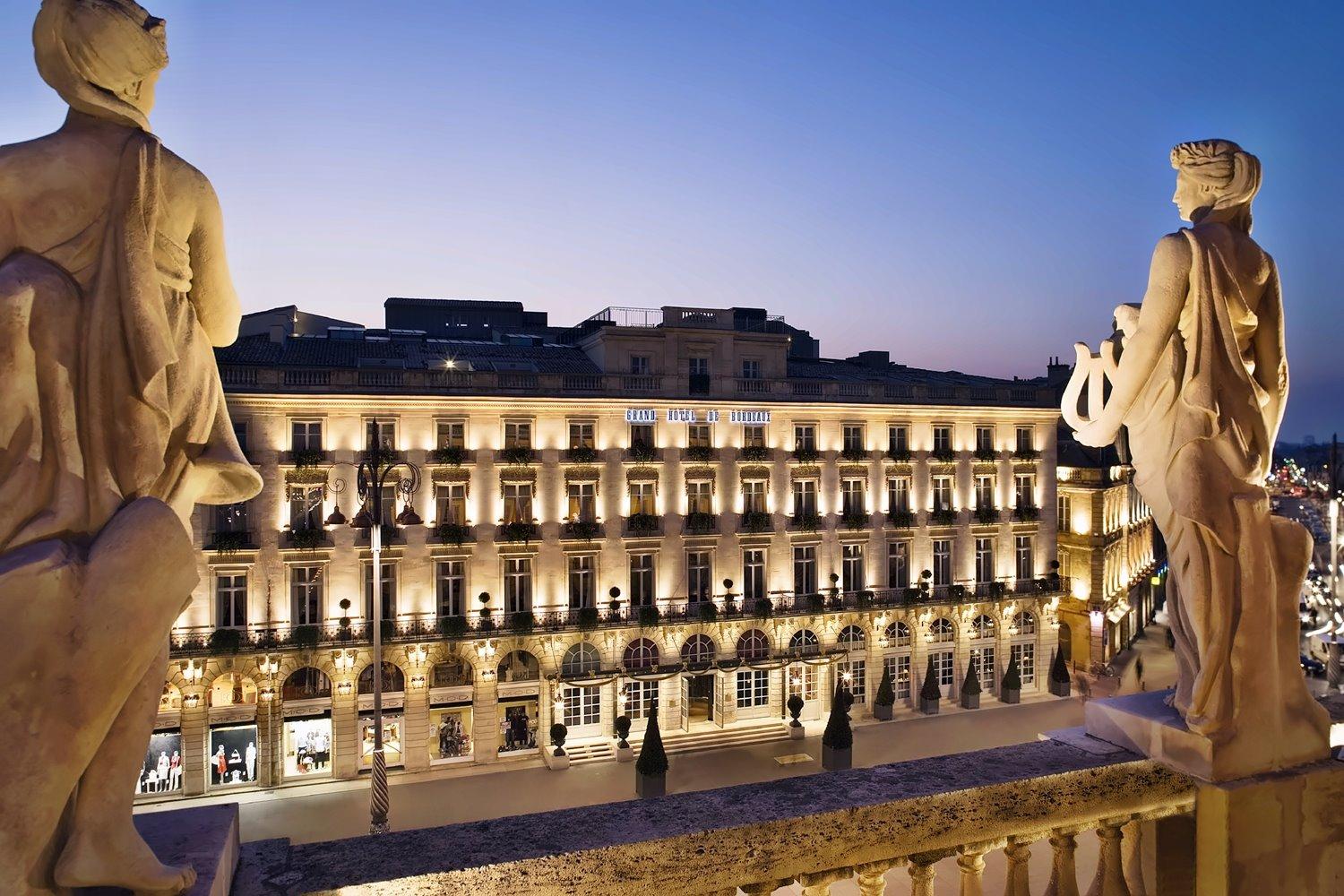
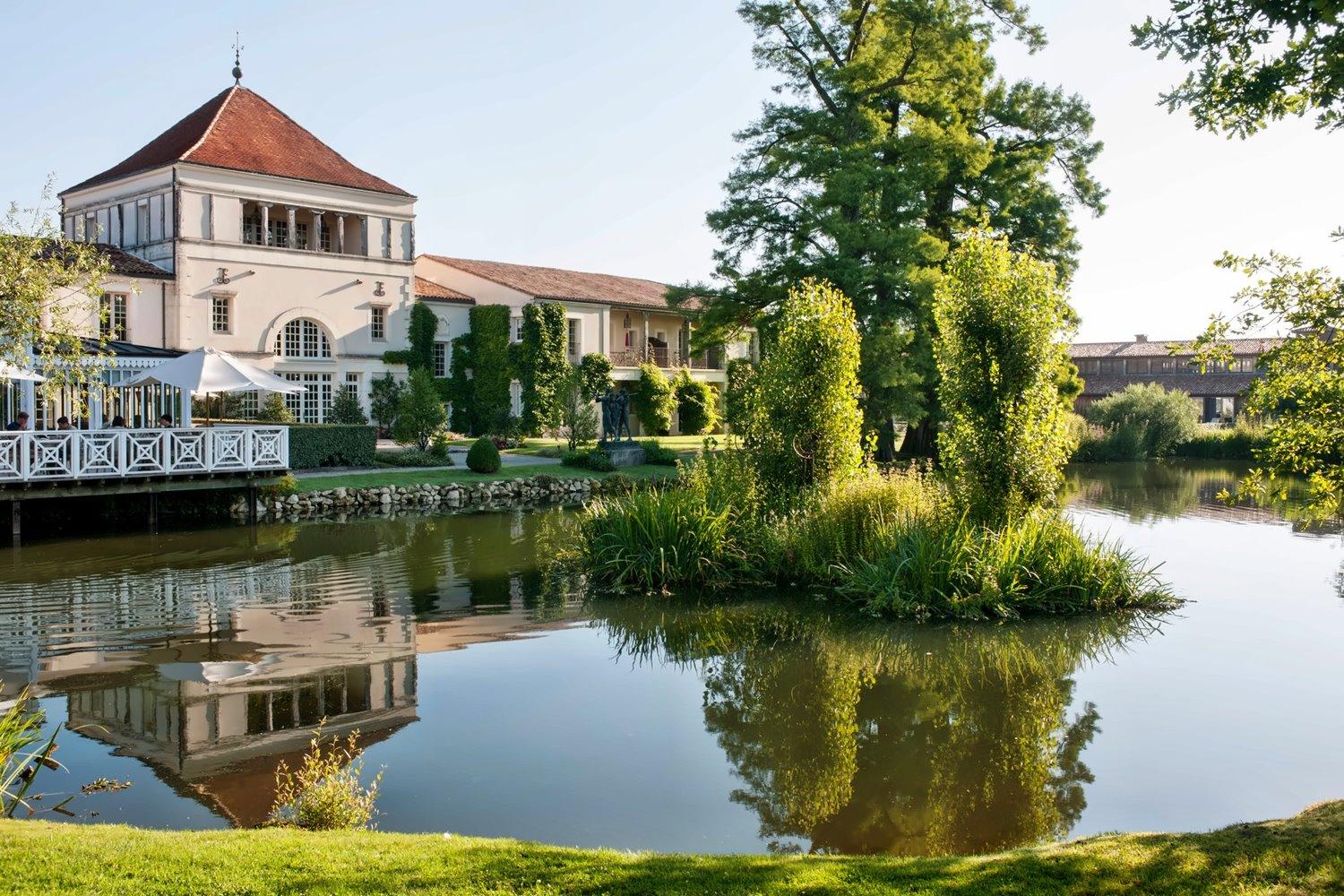
Bordeaux is both an eighteenth-century river city and the organising centre of a vast wine region whose appellations lie in different directions. Its two listed hotels create deliberately different journeys. InterContinental Bordeaux. Le Grand Hôtel faces the Grand Théâtre in the historic centre. Les Sources de Caudalie is a vineyard spa retreat in Martillac, south of Bordeaux, within the Pessac-Léognan landscape rather than downtown.
The central decision is therefore urban access versus wine-country immersion. A strong stay also looks beyond labels to architecture, the Garonne, contemporary neighbourhoods, food, agriculture and responsible alcohol use. Harvest, château access, weather, traffic and Sunday or Monday closures change plans. Verify every tasting and transfer after this editorial review of 4 August 2026 and never let a cellar appointment encourage unsafe driving.
Choose city centre or vineyard retreat
InterContinental Bordeaux. Le Grand Hôtel supports walking access to the historic centre, Grand Théâtre, restaurants and tram network. Les Sources de Caudalie provides a quieter resort chapter among vines, with spa and on-property dining. But requires planned road transport for central Bordeaux and most appellations. Ask for the exact room building, floor, view, lift route and acoustic exposure at both hotels.
In the city, square-facing rooms may trade calm for spectacle. in the vineyard, annex distances and paths matter. Confirm restaurant days, spa access and driver pickup. Switching hotels can work for a six-night trip if the contrast is intentional. But rarely improves a short visit.
Read Bordeaux as a UNESCO port city
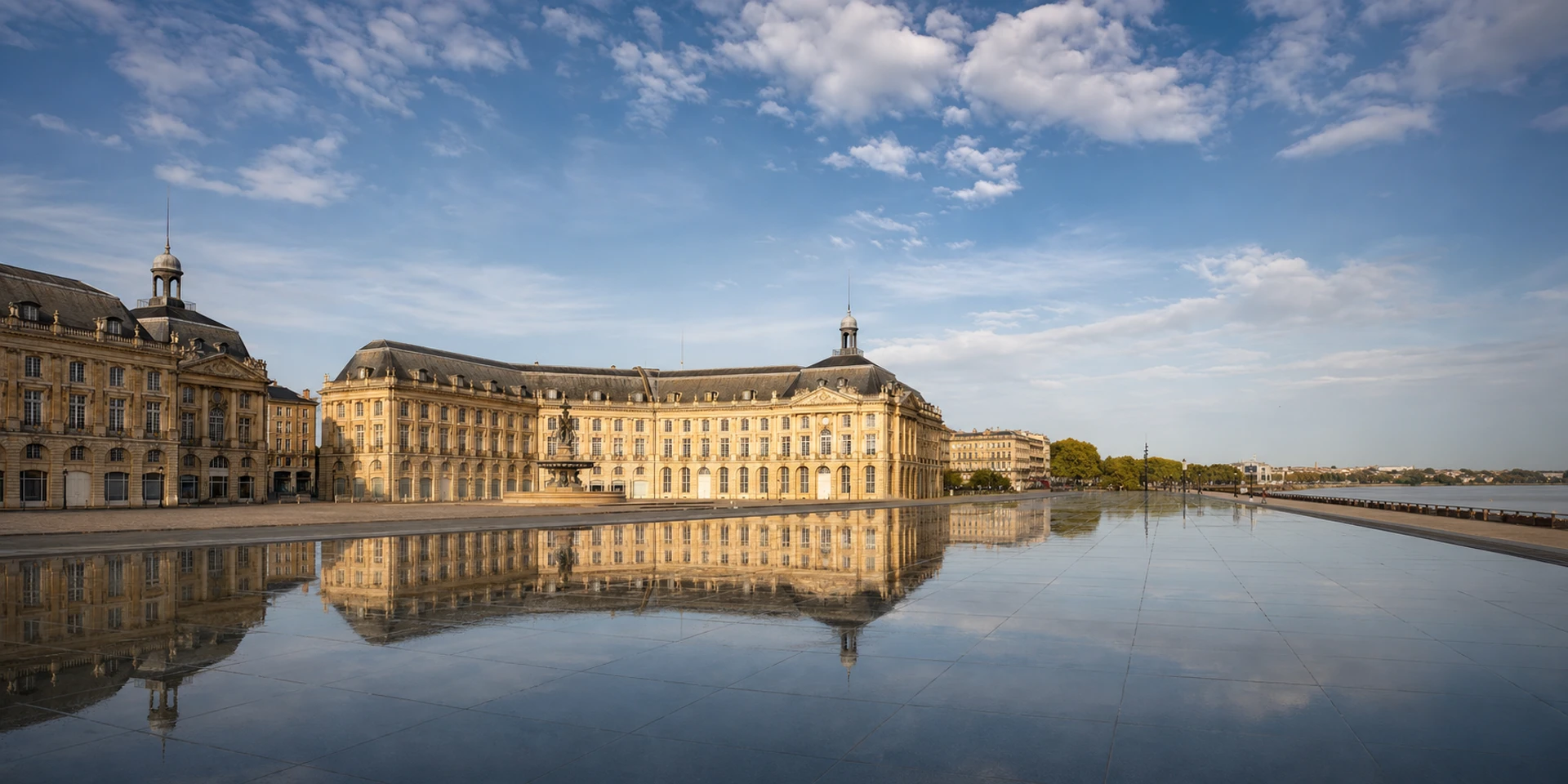
Bordeaux, Port of the Moon, is a UNESCO World Heritage property recognised for urban and architectural coherence shaped by trade and the Garonne. Use a qualified guide to connect Place de la Bourse, quays, eighteenth-century planning, medieval remains, religious buildings and later industrial districts. The city's wealth must also be discussed in relation to colonial commerce and the trade in enslaved people,
not only limestone façades. Check monument openings and church services, keep residential entrances clear and respect restoration barriers. A walk across or along the river can explain changing relationships between historic centre and right bank. Avoid describing Bordeaux as a static open-air museum. it is an active metropolitan city.
Build wine days by appellation geography
Médoc, Saint-Émilion, Pomerol, Graves, Pessac-Léognan, Sauternes and other areas are not adjacent tasting rooms. Choose one geographical sector per day and reserve estates in advance, since many receive visitors only by appointment. Confirm language, duration, accessibility, tasting quantity and whether a vineyard or production space is actually included. A licensed driver is essential when drinking.
spitting is normal and responsible. Do not promise a famous château without written confirmation. Harvest can restrict visits and increase road activity. Ask guides to explain soils, grape varieties, blending, classification systems and labour without reducing quality to price. Leave space between appointments and eat a proper lunch rather than turning the day into rapid alcohol consumption.
Treat Saint-Émilion as heritage and working village
The Jurisdiction of Saint-Émilion is a separate UNESCO World Heritage landscape east of Bordeaux. Its steep cobbles, underground spaces, religious monuments, vineyards and busy streets require deliberate planning. Reserve authorised monument access and a knowledgeable local guide, wear shoes with grip and confirm mobility before selecting a route. The monolithic church and certain underground sites have controlled entry.
never assume independent access. Combine one or two estate visits with the village rather than adding a dense tasting sequence. Residents and agricultural vehicles need space. Buy wine only after understanding shipping, taxes and storage. An early arrival helps with crowds but does not remove the need for reservations. Return to Bordeaux with a professional driver.
Use museums and contemporary districts to widen the story
La Cité du Vin offers a broad interpretation of wine cultures but should not replace visits to producers or difficult historical context. Musée d'Aquitaine, the contemporary art museum and maritime or design spaces address other dimensions of the city. Choose by collection. Verify closure days, timed entry and language support and allow one substantial visit.
The Bassins à flot, Darwin area and right bank show adaptive reuse and current urban life, though businesses and access change. A guide can connect these areas by tram or walking without romanticising every warehouse. Wine travellers should also learn about climate, water, labour and changing consumer habits. Protect a museum option for heavy rain or excessive heat.
Plan weather, harvest and river conditions
Bordeaux has an Atlantic-influenced climate with rain throughout the year, hot summer periods and occasional storms or flooding. Consult Météo-France and local transport notices. Carry a light waterproof layer, sun protection and footwear for cobbles and vineyard soil. During harvest, estates are working agricultural sites. follow every safety boundary and accept shortened access.
Heat changes tasting comfort and wine transport. While heavy rain complicates country roads. The Garonne is tidal. So river colour and level vary naturally. Do not enter closed quays or flood barriers for a photograph. Ask the hotel to maintain an indoor alternative and a driver contingency. A prepaid terrace, bicycle or vineyard picnic never overrides thunder, heat advice or producer operations.
Reserve food around market and producer schedules
Bordeaux dining links Atlantic seafood, estuary products, beef, duck, vegetables, cheeses, canelés and the wider southwest. Ask where ingredients come from rather than pairing every plate automatically with a prestigious bottle. Reserve priority hotel and city tables, especially during wine fairs, harvest and summer weekends. Markets have specific operating days. verify before building breakfast around one.
State allergies in French and English in writing, as sauces, nuts, shellfish, dairy and shared kitchens complicate assumptions. Discuss wine pairings by glass and water intake. A non-alcoholic pairing is a valid request. Understand service and tipping practices. After any serious tasting or dinner, use a driver or public transport and never rely on feeling sober.
Use tram, rail and drivers strategically
Bordeaux Airport lies west of the centre. traffic and construction alter transfer times. Send flight details. Reserve a licensed pickup when needed and obtain the meeting point. The central tram and bus network is useful for urban days. But strikes, works and event diversions require current TBM information. Bordeaux Saint-Jean station connects high-speed trains,
yet baggage, platform and onward transfers need margin. Les Sources de Caudalie requires road planning. do not assume a central shuttle or late taxi. Wine-country days need a professional driver booked for the full route. If renting a car, understand alcohol limits, parking and low-emission rules. On departure, keep the last tasting distant from the train or flight and protect time.
Shape five nights and a France journey
Five nights support two urban days, one wine-region day, one museum or food day and flexible weather or spa time. Six or seven allow both a left-bank and right-bank sector without rushed tastings. A split between central Bordeaux and Les Sources de Caudalie can be purposeful when each receives at least two nights.
Bordeaux connects naturally to Paris by rail, the Atlantic coast or another French region. But transfers and seasonal reservations require margins. The existing France round-trip link supports a broader tailor-made itinerary. Keep the final day close to the city, ship wine well before departure and never place a remote château appointment before the last possible train. Rest is part of responsible wine travel.
Five practical Bordeaux planning tips
- Choose central Bordeaux or Martillac by the balance of city and vineyard days.
- Reserve one appellation sector per day with a licensed driver and proper lunch.
- Book Saint-Émilion monuments and estates separately and wear shoes with grip.
- Check Météo-France, TBM and château operations before leaving the hotel.
- Use the France journey link only with realistic rail, harvest and transfer margins.
Bordeaux hotel and wine-planning FAQ
Which hotel is in central Bordeaux
InterContinental Bordeaux. Le Grand Hôtel faces the Grand Théâtre in the centre.
Is Les Sources de Caudalie downtown
No. it is a vineyard spa retreat in Martillac south of the city.
Can I combine Médoc and Saint-Émilion in one day
That creates excessive driving. choose one geographical sector for a considered day.
How many nights are useful
Five are a strong minimum. While six or seven support two wine sectors.
Do château visits require reservations
Most serious visits should be confirmed directly in advance.
Should I drive after tastings
No. reserve a licensed driver, spit during tastings and hydrate.
Can Bordeaux join a France journey
Yes. the existing France link supports a tailored rail or regional route.
Are Virtuoso benefits guaranteed
No. confirm the eligible rate and written benefits, with upgrades subject to availability.
Combine your hotel stay with a privately designed journey through France, with hotels, transfers and experiences planned as one seamless itinerary.