
Virtuoso Hotels
Virtuoso Hotels in Bora Bora, French Polynesia
3
3
Hotels
Virtuoso resorts in Bora Bora: motu geography, lagoon ethics and remote-island planning
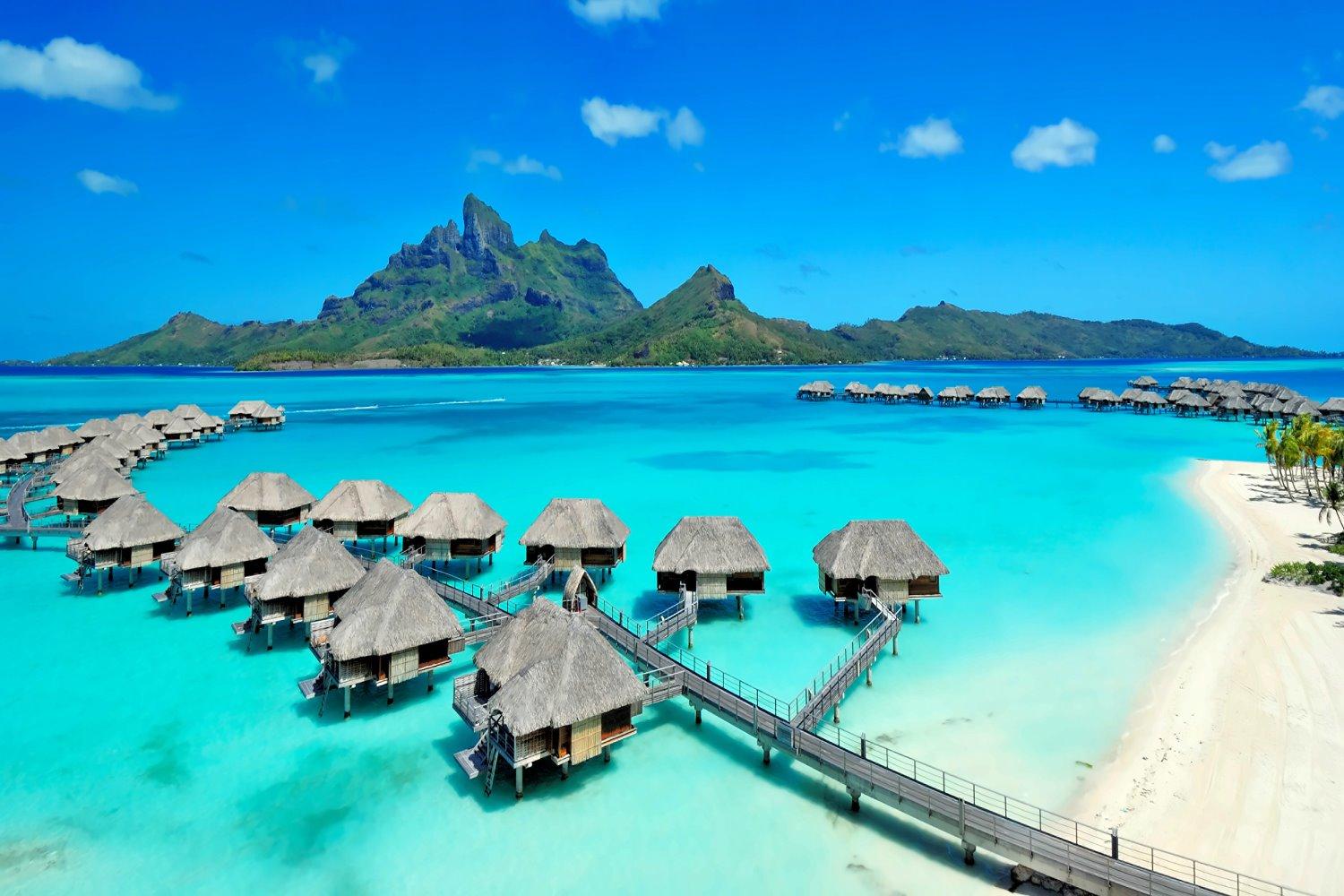
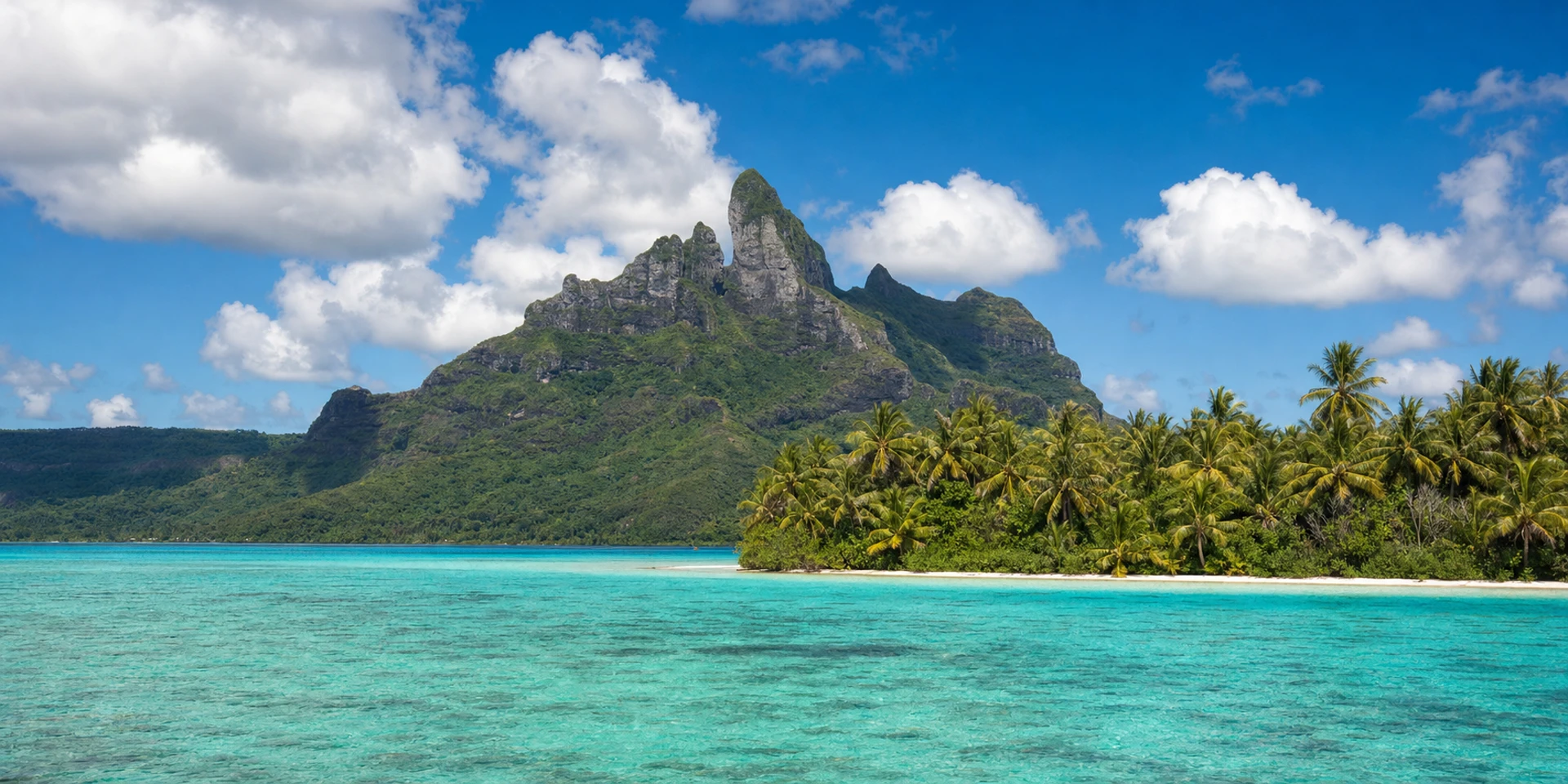
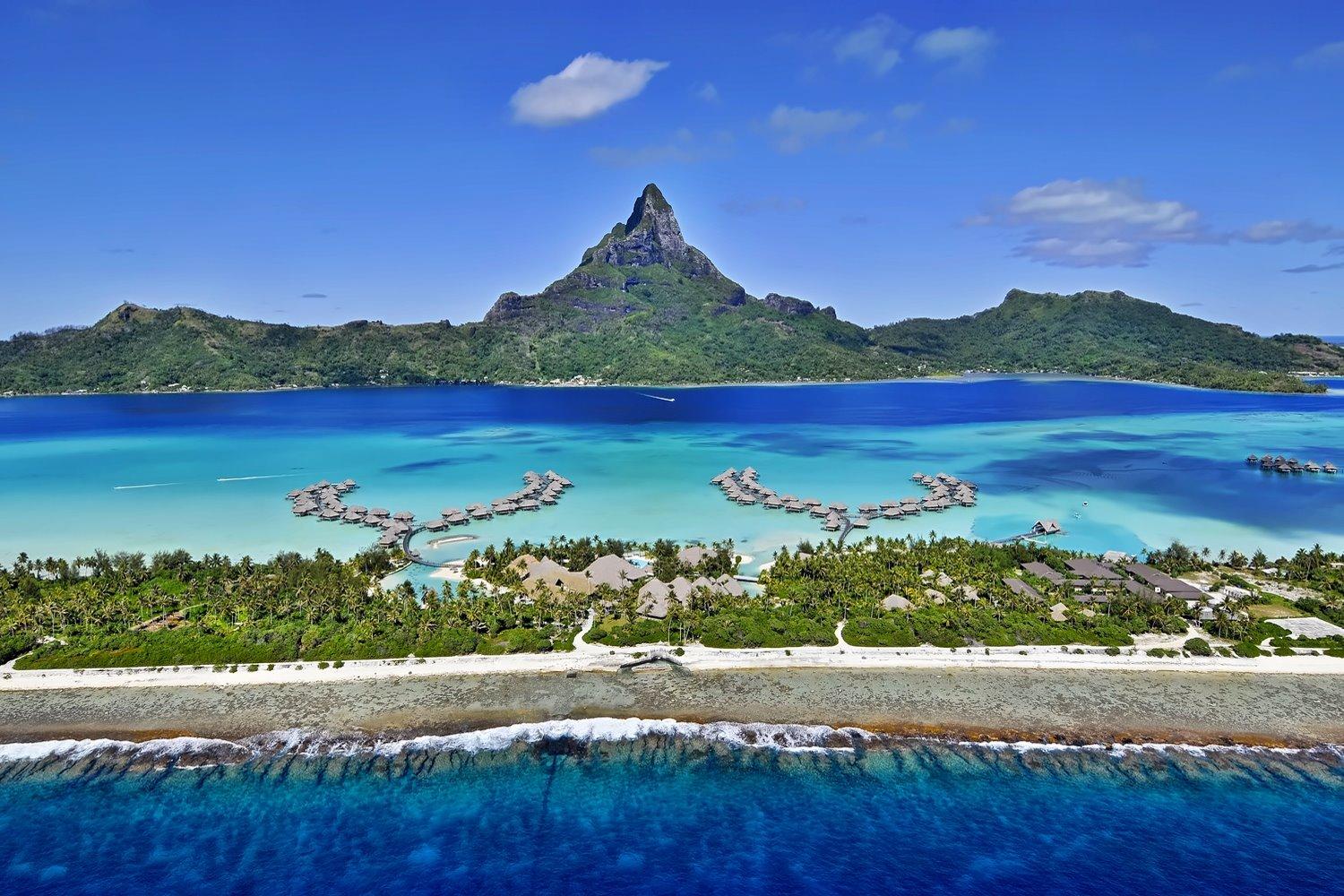
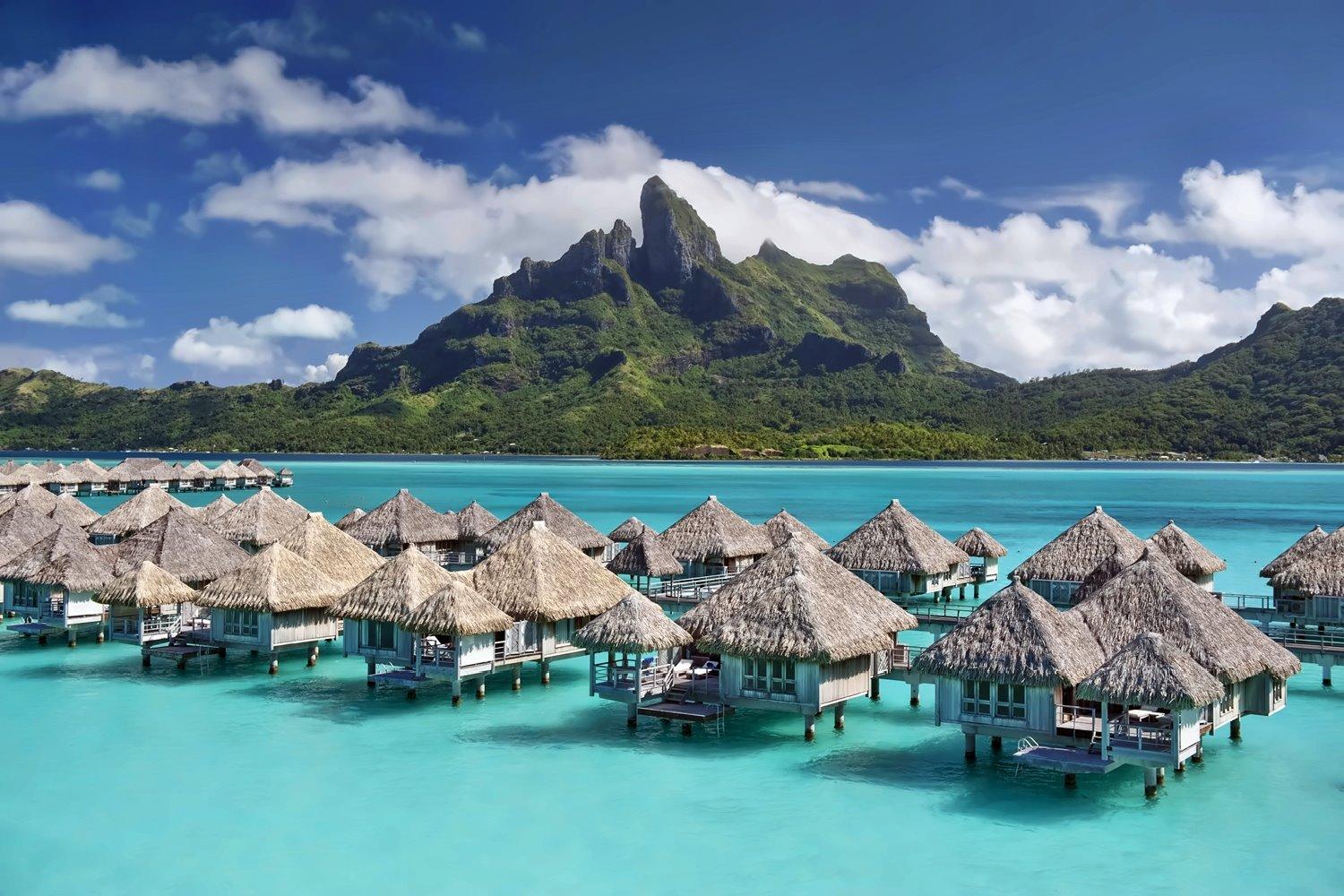
Bora Bora's three listed resorts share postcard views but not identical positions or operating rhythms. Four Seasons Resort Bora Bora and The St. Regis Bora Bora Resort occupy motu sites facing Mount Otemanu. While InterContinental Bora Bora Resort &. Thalasso Spa sits on Motu Piti Aau. Each relies on organised boat transfers, on-property dining and careful coordination with flights. none functions like a town hotel where an independent taxi can solve a missed connection.
The lagoon is a living environment and the resort is also a remote logistics system. Room choice affects wind, sun, privacy, swimming depth and walking distance as much as décor. Flights, boats, restaurants, marine excursions and medical contingencies must align. Entry rules, schedules, sea conditions and resort services may change after this review on 3 August 2026. verify every critical detail through official authorities, Air Tahiti, licensed operators and the selected property for the exact dates.
Choose the resort by motu and villa orientation
Four Seasons combines a broad resort layout, lagoon sanctuary and views toward the central mountain. The St. Regis offers large villas, extensive grounds and multiple dining settings. While InterContinental Thalasso is strongly oriented toward overwater accommodation, spa and Motu Piti Aau. Brand alone cannot select the right villa. Ask for the exact category, compass orientation,
Mount Otemanu view, sunrise or sunset exposure, prevailing-wind side, deck privacy, lagoon depth and distance to breakfast. Some overwater villas face open, deeper or windier water. others overlook calmer internal lagoon areas. Beach villas avoid long boardwalks but may bring different privacy or insect considerations.
Request a resort map with the proposed zone and confirm whether buggy service operates at the hours important to you.
Synchronise every flight and boat
Most international journeys connect through Tahiti. Then use an Air Tahiti domestic flight to Bora Bora's motu airport. The resort boat is the final scheduled segment and must know the confirmed flight number, arrival time and passenger names. Send changes immediately. do not assume a delayed flight automatically moves a private transfer. Ask where staff meet guests,
how luggage is tagged, the boat duration, life-jacket provision and charges. On departure, work backward from the domestic check-in time and preserve margin for boat and weather. A same-day tight international connection in Papeete carries risk when bags, schedules or weather shift. an overnight on Tahiti may be prudent. Keep medication, electronics and one change of clothing in hand luggage protected from spray.
Treat the overwater villa as marine accommodation
An overwater bungalow brings steps, wet decking, sun exposure and immediate water, not only a view. Ask whether the deck has ladder or stair entry, the approximate depth at typical tides, current, coral heads, night lighting, railing and child-safety equipment. Never dive from a deck unless the resort explicitly marks it safe. And do not swim alone after dark or alcohol.
Wind can make an exposed terrace unusable and salt air can affect doors or electronics. A mobility-limited guest may prefer a beach or land villa close to core facilities. Families should request gates and sleeping configuration in writing. Privacy differs across boardwalks, facing villas and excursion routes. The best category is the one matching swimming ability, exposure and daily routine, not automatically the furthest bungalow.
Use lagoon activities with ecological discipline
Book snorkelling, diving, paddling or wildlife encounters through licensed, conservation-minded operators. Ask about group size, guide qualifications, life jackets, reef briefing, weather cancellation and whether feeding or touching animals is prohibited. Do not stand on coral, chase rays or sharks, handle turtles, collect shells containing life or anchor on reef. Choose small-group observation over staged contact.
Reef health varies by location and season. So a famous name does not guarantee clear water or abundant wildlife. Use sun protection that minimises reef impact, wear protective clothing and secure loose items. Beginners should start in the resort's sheltered area with instruction. The lagoon sanctuary at a resort can be educational when staff explain restoration and species rather than promising a guaranteed spectacle.
Understand the main island beyond the resort
Bora Bora is a lived Polynesian island, not only a ring of private motus. A respectful main-island programme can include Vaitape, craft, food, historical interpretation and viewpoints with a qualified local guide. Ask how the route addresses Polynesian settlement, language, land tenure, colonial history, wartime infrastructure and contemporary island life. Avoid intrusive village photography,
unverified sacred sites, unauthorised hiking and tours that present residents as entertainment. Purchase directly from identified makers and ask before photographing people or work. Mountain interiors and private land require permission and local knowledge. Mount Otemanu is not a casual summit walk. Coordinate the resort boat with the guide and leave return margin. One thoughtful half-day is better than speeding around the road solely for photographs.
Reserve dining for a remote stay
Motu guests depend heavily on the resort's restaurants. And not every venue opens nightly. Reserve priority dinners before arrival, especially speciality menus, private settings and holiday dates. Then verify dress, transport within the property and cancellation terms. Disclose allergies, dietary requirements and cross-contact concerns in advance because remote substitution may be limited.
Ask which ingredients are Polynesian or locally sourced and which arrive by air or ship. attribution matters more than a generic tropical theme. A dinner on the main island requires boat coordination and should not be improvised after the last transfer. Read package inclusions carefully because breakfast, half board, beverages and private dining may be treated differently. Service conventions and taxes should be clarified on the written confirmation before adding gratuity.
Plan weather, sun and cyclone-season flexibility
French Polynesia has warm tropical conditions, with rainfall, humidity, wind and swell changing by season and day. Consult Météo-France Polynésie and resort marine staff close to every water activity. A sunny deck does not guarantee comfortable conditions beyond the reef. Strong wind or heavy rain can alter boats, flights, restaurants and excursions.
cyclone risk requires suitable insurance and flexible terms for the exact dates rather than alarm based on averages. Bring high-coverage sun protection, hydration and mosquito precautions. Follow closure, shelter and evacuation instructions immediately. Never pressure a captain to depart against advice to protect a prepaid activity. Keep an indoor spa, cultural or culinary alternative and do not schedule the most important lagoon excursion only once on the final day.
Prepare medical and communication contingencies
A remote motu has limited immediate medical capability compared with Tahiti. Tell the resort about significant conditions, mobility needs, pregnancy considerations and severe allergies before booking. Then ask what first response, doctor access, evacuation and after-hours transport are available. Carry adequate prescription medicine in original packaging and travel insurance that covers remote treatment and evacuation where appropriate.
Confirm current entry and health requirements through French Polynesian public authorities, not an old travel forum. Mobile and Wi-Fi performance may vary by weather and villa. download essential documents and share the itinerary with a trusted contact. Heat illness, coral cuts and slips are more common than dramatic emergencies. So use water shoes where advised, clean wounds promptly and follow professional care. Do not rely on a resort buggy as an ambulance.
Shape five to seven nights without overprogramming
Five nights allow one arrival day, two flexible lagoon days, one main-island or cultural half-day and protected resort time. Seven nights add weather resilience, deeper rest and room for diving or spa without turning every breakfast into a departure. A split between Bora Bora resorts is rarely efficient in a short stay because packing.
Boat coordination and duplicate orientation consume the very calm travellers came to find. Combine Bora Bora with Tahiti or another island only when domestic schedules and the contrast in landscape justify the extra movements. Keep the last day free of distant boat excursions and settle bills early. Reconfirm domestic flight, resort launch, villa request, dining, spa and marine activities before leaving home. Then let local conditions determine the exact order.
Five practical Bora Bora planning tips
- Send confirmed Air Tahiti flights to the resort and obtain written airport-boat meeting and luggage details.
- Select a villa by orientation, wind, privacy, lagoon depth and walking distance rather than category name alone.
- Use licensed small-group lagoon operators that prohibit touching, feeding wildlife and standing on coral.
- Reserve speciality dining and essential spa or dive times before arrival because motu alternatives are limited.
- Confirm medical response, weather cancellation and Virtuoso inclusions in writing for the booked stay.
Bora Bora resort and travel-planning FAQ
How do I reach a Bora Bora motu resort
Fly domestically from Tahiti to Bora Bora. Then use the resort's prearranged boat from the airport according to its instructions.
How many nights should I stay
Five nights provide a useful minimum. While seven give better weather flexibility and genuine time to slow down.
Is an overwater villa always the best choice
No. wind, depth, privacy, steps and boardwalk distance may make a beach or land villa more suitable.
Can I swim directly from every villa
Conditions differ by category, tide and location. So request depth and access details and follow the resort's daily safety advice.
Should I feed rays or sharks
Choose observation-led operators that prohibit feeding and touching, protect natural behaviour and keep guests off coral.
Can I dine easily outside the resort
Not spontaneously from a motu. a main-island dinner requires restaurant and boat arrangements with a reliable return.
When is cyclone season
Risk varies seasonally but a specific stay depends on actual forecasts. use official weather, flexible terms and suitable insurance.
Are Virtuoso benefits guaranteed
They depend on eligible rate, programme rules, occupancy and availability. So obtain written benefits and treat upgrades as conditional.
Combine your hotel stay with a privately designed journey through French Polynesia, with hotels, transfers and experiences planned as one seamless itinerary.