
Virtuoso Hotels
Virtuoso Hotels in Berlin, Germany
5
5
Hotels
Virtuoso hotels in Berlin: five distinct bases for a layered capital
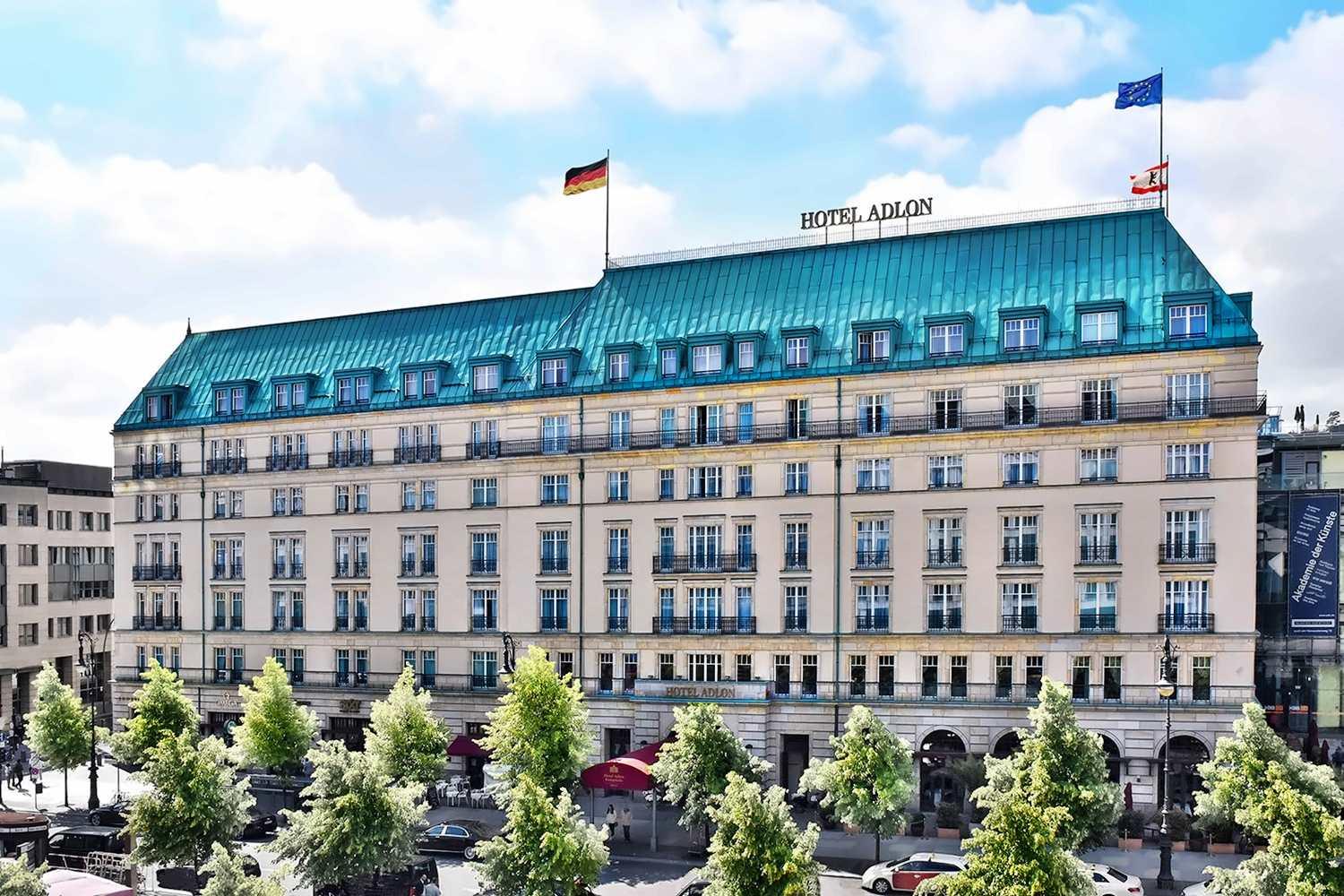
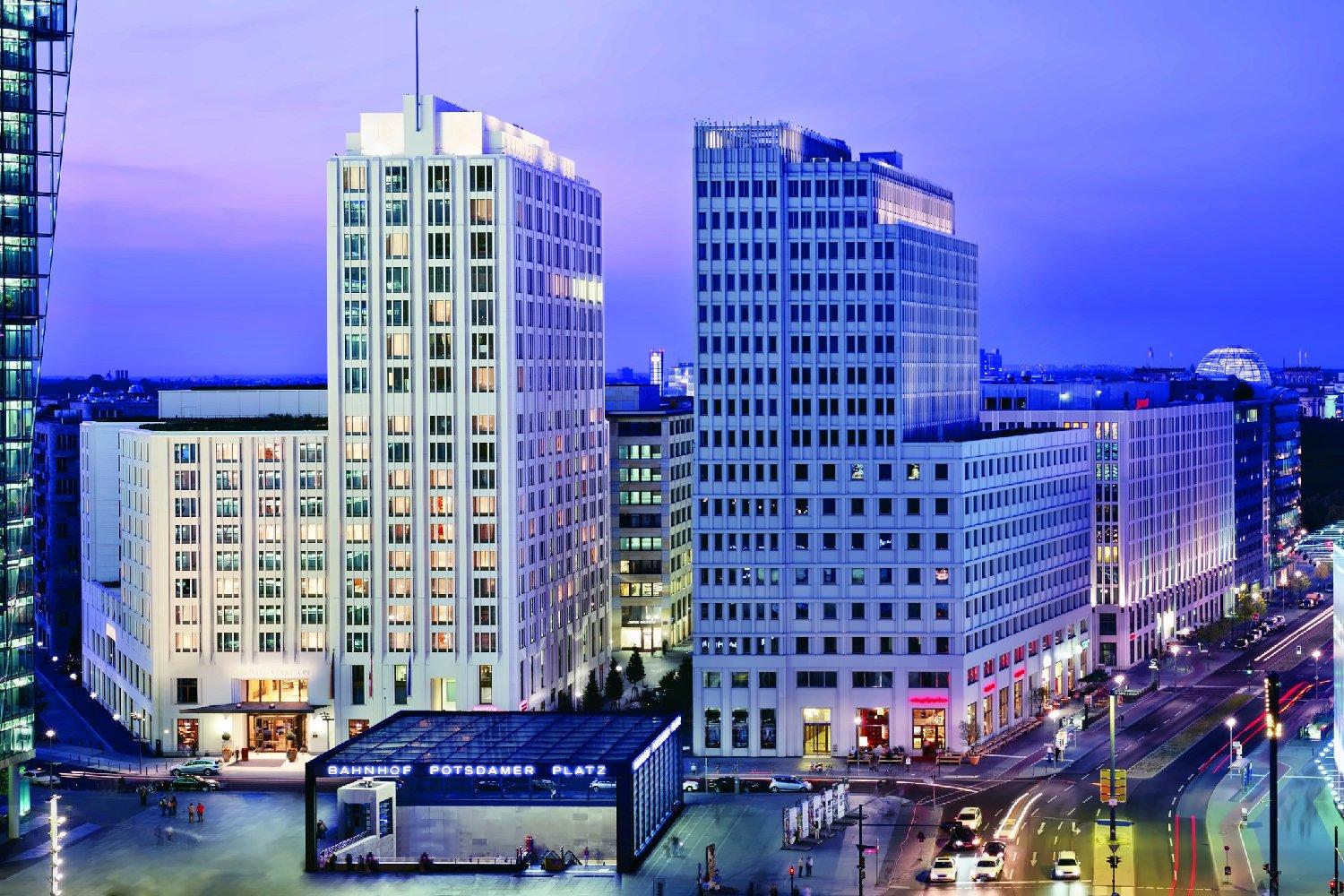
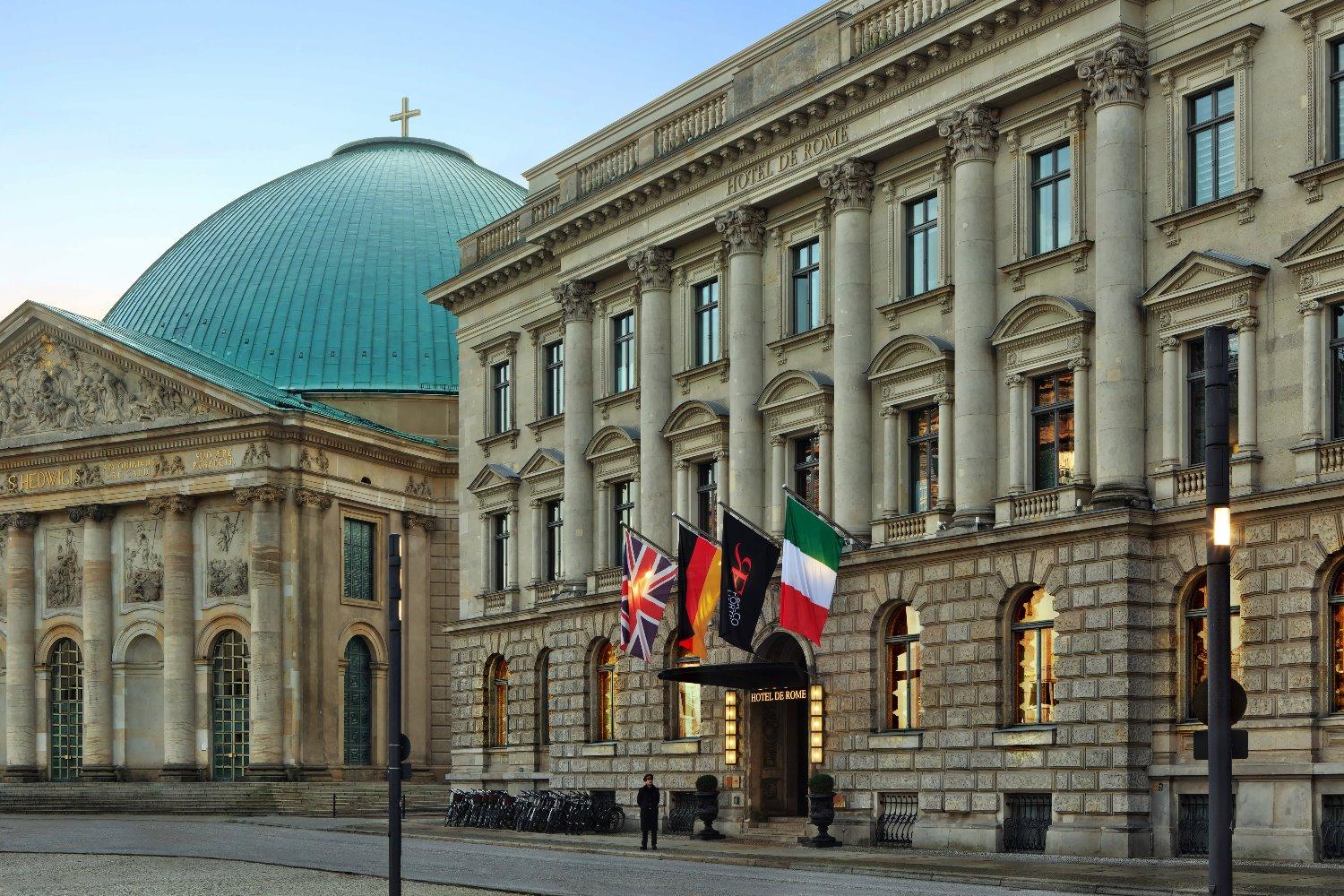
Berlin rewards travellers who choose a hotel by the first and last commitments of each day, not by an abstract promise of being central. Hotel Adlon Kempinski Berlin faces the Brandenburg Gate. Hotel de Rome stands on Bebelplatz near the State Opera and Museum Island. The Ritz-Carlton, Berlin anchors Potsdamer Platz beside the Kulturforum.
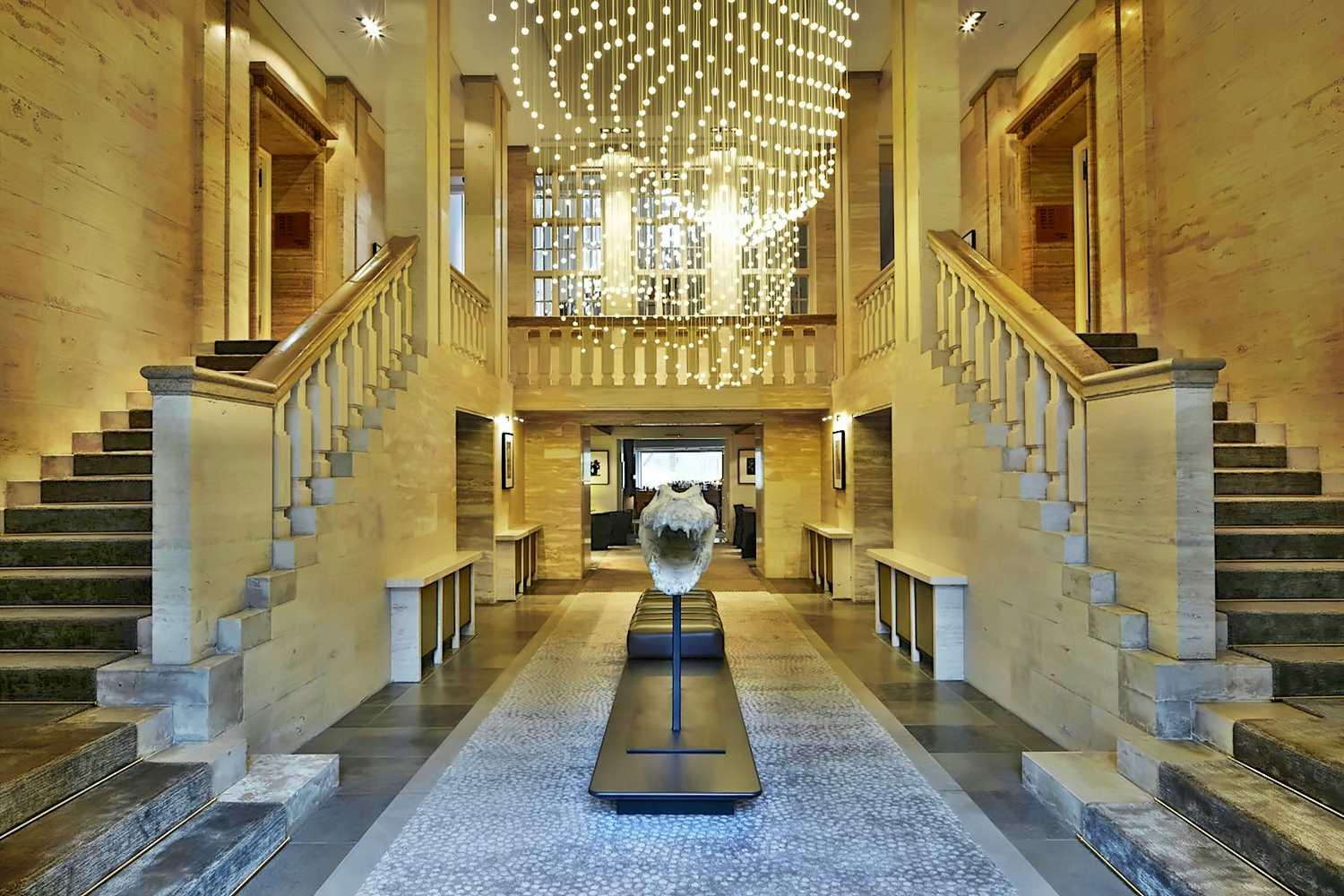
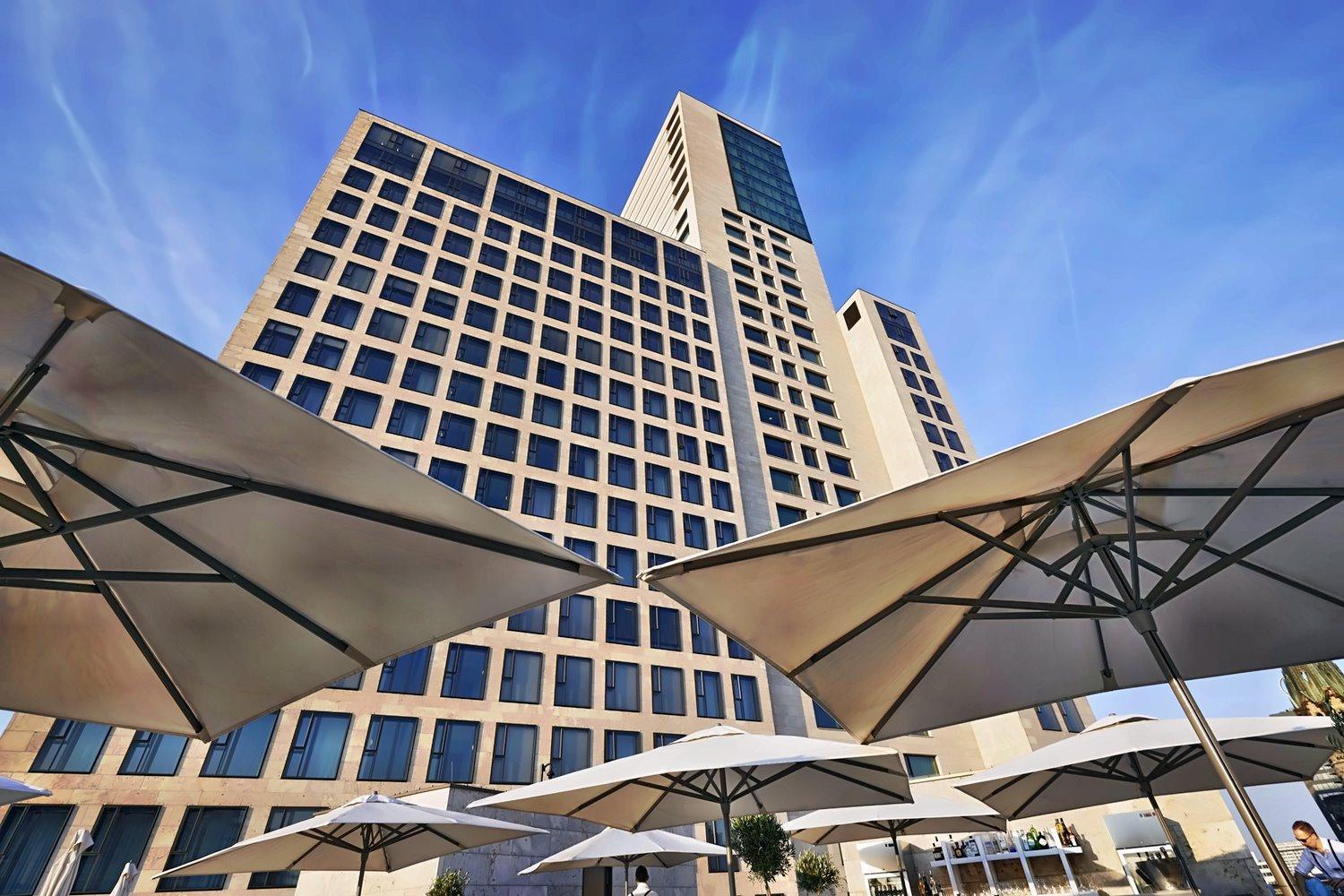
SO/ Berlin Das Stue occupies the embassy quarter between the zoo and Tiergarten. Waldorf Astoria Berlin rises over City West near Zoologischer Garten. Those positions produce different walking routes, evening rhythms and transfer needs.
The five current selections also differ in purpose. The Adlon is Berlin's ceremonial grand hotel, The Ritz-Carlton combines contemporary Potsdamer Platz access with a Club Lounge. Das Stue is a design-led SO/ retreat with park and zoo outlooks, Waldorf Astoria trades eastern monument access for western skyline views.
And Hotel de Rome offers a former-bank setting during a documented transition before a planned Four Seasons reopening in late 2027. Deluxetargets verifies the eligible Virtuoso rate, current operation, exact room and date-specific benefits before the itinerary is fixed.
Match the hotel to Berlin's geography
For a first political and historical circuit, Hotel Adlon makes the Brandenburg Gate, Reichstag. Holocaust Memorial and Unter den Linden immediately legible, although Pariser Platz can be busy and security arrangements alter vehicle access. Hotel de Rome is the strongest eastern cultural base for Bebelplatz, the State Opera, Humboldt Forum and Museum Island. But its 2026 operating status and available facilities require confirmation before booking.
The Ritz-Carlton is the practical bridge between Tiergarten, Philharmonie, Neue Nationalgalerie and Potsdamer Platz. Das Stue favours green views, quiet mornings and the zoo, with a longer journey to Museum Island. Waldorf Astoria suits shopping, photography and West Berlin history around the Memorial Church, KaDeWe and Savignyplatz. Choose the district that removes repeated cross-city journeys rather than the lobby with the most familiar name.
Build the historic centre around timed access
Berlin's central landmarks appear close on a map, yet security, museum entry and the scale of Unter den Linden make a loose checklist inefficient. Reserve the Reichstag dome through the Bundestag's official channel and carry the required identification. do not buy access from unofficial intermediaries. Pair the Brandenburg Gate with the government quarter and the Memorial to the Murdered Jews of Europe.
Allowing the memorial to remain a place of reflection rather than a photograph stop. On another morning, approach Museum Island from Bebelplatz or Hackescher Markt and select one substantial collection instead of attempting every building. Exhibition routes change as restoration continues. So check the Staatliche Museen pages for the exact museum, entrance and galleries. Hotel Adlon and Hotel de Rome minimise these eastern journeys. While the other hotels require a deliberate S-Bahn, U-Bahn or car plan.
Connect Tiergarten, Kulturforum and City West
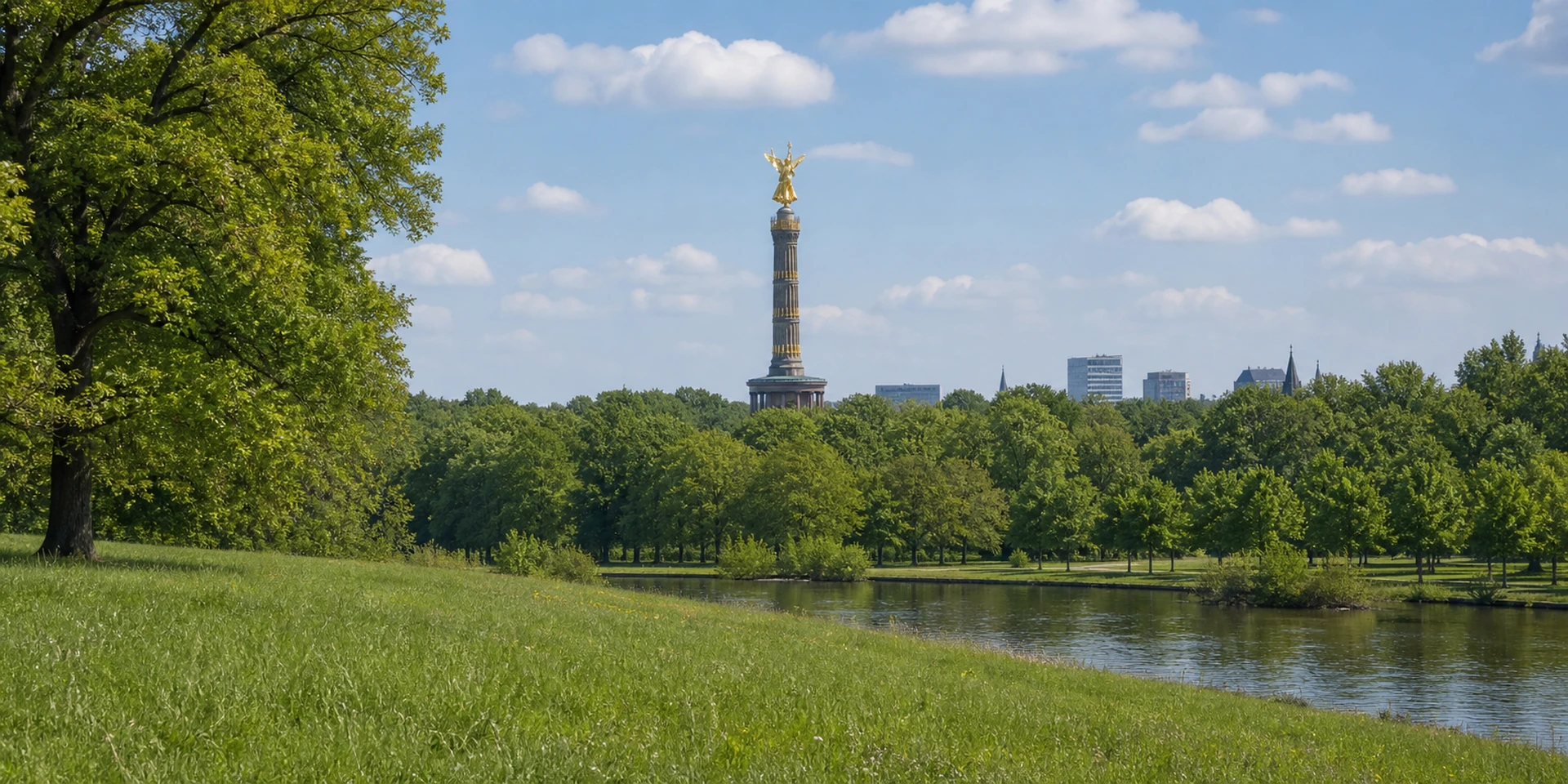
Tiergarten is not empty space between monuments but Berlin's central landscape, linking the Brandenburg Gate, Victory Column, embassy quarter and Zoologischer Garten. Walk a defined section rather than crossing the entire park by instinct, because paths branch and evening lighting varies. Das Stue provides the most intimate park relationship and a private zoo entrance whose fee and hours should be confirmed.
The Ritz-Carlton places the Philharmonie, Gemäldegalerie and Neue Nationalgalerie within a compact cultural zone on the park's southeastern edge. Farther west, Waldorf Astoria makes the Kaiser Wilhelm Memorial Church, C/O Berlin, Helmut Newton Foundation and Kurfürstendamm easy to combine. This western programme deserves its own day. treating City West as a quick shopping detour misses its post-war architecture, photography and neighbourhood dining. A car rarely improves movement within these clusters.
Approach Berlin's twentieth century with care
Berlin's most important historical places demand context and restraint. The Topography of Terror documents institutions of persecution on a surviving site of power. the Berlin Wall Memorial on Bernauer Strasse explains division through preserved urban fabric. the Jewish Museum uses architecture and collections to connect long histories rather than one isolated period. Select two such places across a stay and leave time afterward,
instead of compressing them between entertainment appointments. Specialist guides should be licensed, historically rigorous and explicit about the route. At the East Side Gallery, remember that the surviving wall segment is both artwork and historical evidence, not merely a colourful backdrop. The former Tempelhof airfield can add another layer of twentieth-century urban history when official access and weather permit. Deluxetargets can arrange transport and pacing. But respectful behaviour and sufficient attention remain the traveller's responsibility.
Reserve culture before restaurants and shopping
Berlin's opera, orchestras, theatre and museums can determine the ideal hotel more precisely than sightseeing. Check the Staatsoper Unter den Linden, Deutsche Oper, Berliner Philharmoniker and major exhibition calendars before committing to flights, because an important performance may sell first. Hotel de Rome is steps from the Staatsoper. The Ritz-Carlton is the natural Philharmonie base.
Waldorf Astoria simplifies Deutsche Oper and western venues. Confirm the actual venue when a company performs elsewhere. And allow for security, cloakrooms and intervals. Dress expectations are generally less rigid than in some capitals. Yet an intentional evening still benefits from a suitable room, pre-performance meal and post-performance transport. Sundays and Mondays can change museum,
restaurant and retail patterns. While public holidays introduce further exceptions. Build each day around one fixed cultural anchor. Then let neighbourhood walks, galleries and cafés remain flexible.
Use Berlin's transport network intelligently
Berlin Brandenburg Airport connects to the city by regional trains and S-Bahn as well as road transfers. But the best option depends on engineering works, luggage, arrival time and the hotel entrance. Check the airport and BVG channels shortly before travel rather than relying on a remembered route. Berlin Hauptbahnhof is convenient for Hotel Adlon and Potsdamer Platz.
While Zoologischer Garten serves City West and Das Stue. neither relationship removes the need to confirm a final taxi or local connection. Within the city, U-Bahn, S-Bahn, tram and bus complement walking. And the correct fare zones matter for the airport. Validate or activate the chosen ticket exactly as instructed. Pre-booked cars remain valuable for formal evenings,
mobility needs or several guests with luggage. But traffic and demonstrations can erase their advantage. Keep one offline map and the hotel address available when mobile service or a station entrance becomes confusing.
Let dining reflect the district and the hotel
Berlin's strongest dining plan alternates hotel institutions with neighbourhood tables. At the Adlon, Lorenz Adlon Esszimmer is a destination that should be reserved with the room. While Brasserie Quarré supports a less formal evening near the gate. The Ritz-Carlton can combine POTS and Curtain Club without another transfer. Das Stue's Carte Blanche and bar suit a quiet Tiergarten return.
And Waldorf Astoria's Library Lounge makes skyline tea a scheduled experience rather than an accidental view. For Hotel de Rome. Confirm which restaurants and rooftop areas actually operate during the transition period. Beyond the hotels, Mitte, Kreuzberg, Charlottenburg and Neukölln offer very different cooking and atmosphere. choose a district intentionally and avoid travelling an hour for a trend.
Berlin service is often direct, dinner can begin later than a museum day. And popular counter seating still requires planning. Protect one unscheduled meal for discovery.
Choose dates, length and confirmations with resilience
Late spring and early autumn usually support long walks and active cultural calendars. While summer brings outdoor programmes, heat and large events. winter concentrates attention on museums, concerts and restaurants but requires weather margins. Trade fairs, major football, the Berlin Marathon and festival dates can affect rates, road access and restaurant demand. Deluxetargets compares the eligible Virtuoso offer and confirms breakfast,
credit or experience, VIP recognition and priorities for upgrade, early arrival or late departure where applicable. Every upgrade remains subject to availability. So the reserved room must already satisfy view, bedding, quietness, connecting needs and accessibility. We also confirm current hotel identity, construction, restaurant and spa operations, Club access, airport transfer, cancellation terms and fixed cultural bookings. That diligence is especially important for Hotel de Rome during its 2026 transition.
Three nights
Use one geographic focus, one major museum or memory site, one performance and one hotel interval. Hotel changes waste too much time on a first short stay.
Four to five nights
Combine Mitte, Tiergarten or Kulturforum, City West and one neighbourhood day without turning every crossing into a transfer exercise. This is the balanced first-visit length.
Six nights or more
Add Potsdam, deeper contemporary art or architecture. And consider a single east-west hotel split only when the second address materially changes the programme.
Five practical tips for a considered Berlin stay
- Book official timed entries — Reserve the Reichstag dome, major exhibitions and performances through their official channels before adding flexible walks.
- Plan by cluster — Keep Mitte, Kulturforum, City West and the Wall Memorial in coherent geographic blocks to avoid repeated crossings.
- Verify Hotel de Rome — Confirm operating dates, construction conditions and available restaurants, spa and rooftop areas for the exact 2026 stay.
- Carry identification — Bring the identification required for reserved government-building access and keep booking confirmations available offline.
- Accept the booked room — Treat upgrades as conditional and confirm outlook, noise, bedding and accessibility in the category being purchased.
Frequently asked questions about Virtuoso hotels in Berlin
Which Berlin hotel is best for a first visit
Hotel Adlon is most efficient for the Brandenburg Gate and government quarter. While Hotel de Rome favours Museum Island and the State Opera. Choose The Ritz-Carlton when Kulturforum and Potsdamer Platz lead the programme.
Which hotel feels most secluded
SO/ Berlin Das Stue offers the calmest green setting between Tiergarten and the zoo. Confirm a park or zoo outlook and the current conditions of its private zoo entrance.
Which hotel is best for City West
Waldorf Astoria Berlin is the clear City West base for the Memorial Church, Kurfürstendamm, photography institutions and Zoologischer Garten transport links.
Is Hotel de Rome still a Rocco Forte hotel
No. Official information says Gruppo Statuto has managed Hotel de Rome since late 2025. it operates under its own name through 2026 before renovation and a planned Four Seasons reopening in late 2027.
How many nights does Berlin need
Four nights provide a balanced first stay across Mitte, Tiergarten or Kulturforum and City West. Five or six add resilience for performances, deeper history and a Potsdam day.
Do I need a car in Berlin
Usually not. Walking and public transport work well within planned clusters. While a pre-booked vehicle helps with luggage, mobility requirements or a formal evening.
Do Virtuoso benefits apply to every rate
No. Benefits require an eligible booking channel and date-specific offer. While upgrades and timing requests remain subject to availability. Deluxetargets confirms the exact terms.
What should be booked first
Secure scarce performances, official government access, limited exhibitions and the intended room category first. Add flexible neighbourhood meals, parks and shopping afterward.