
Virtuoso Hotels
Virtuoso Hotels in Munich, Germany
7
7
Hotels
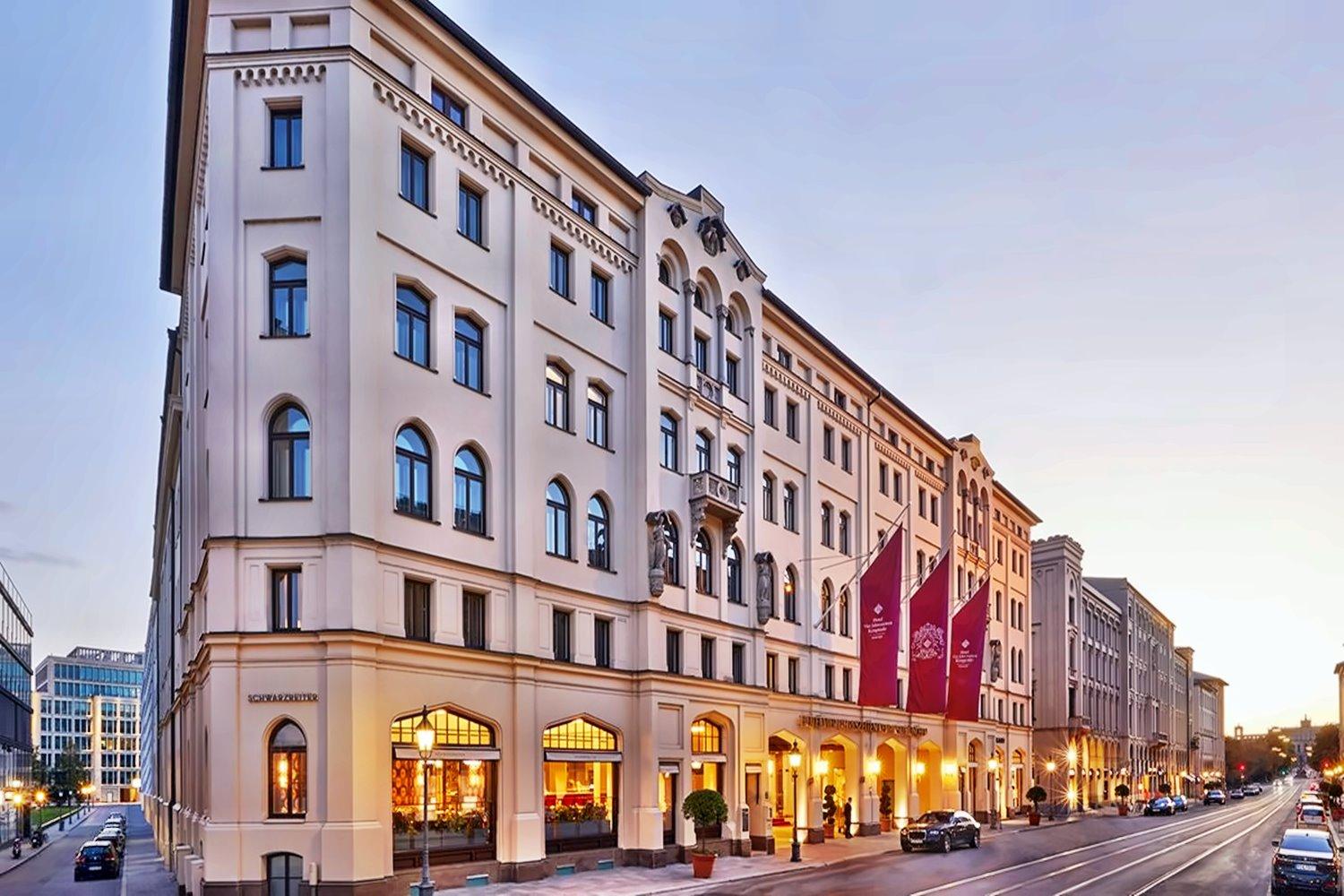
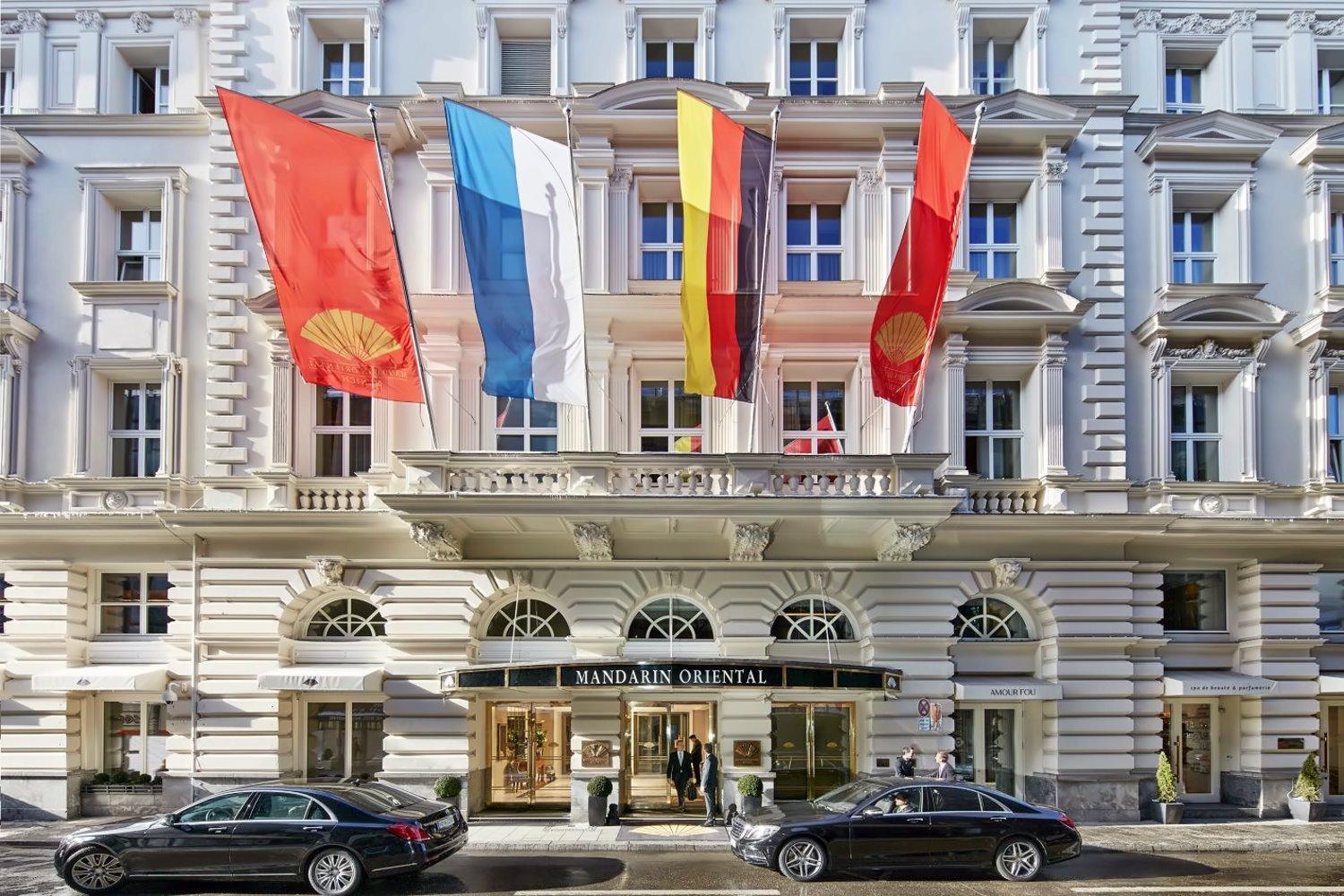
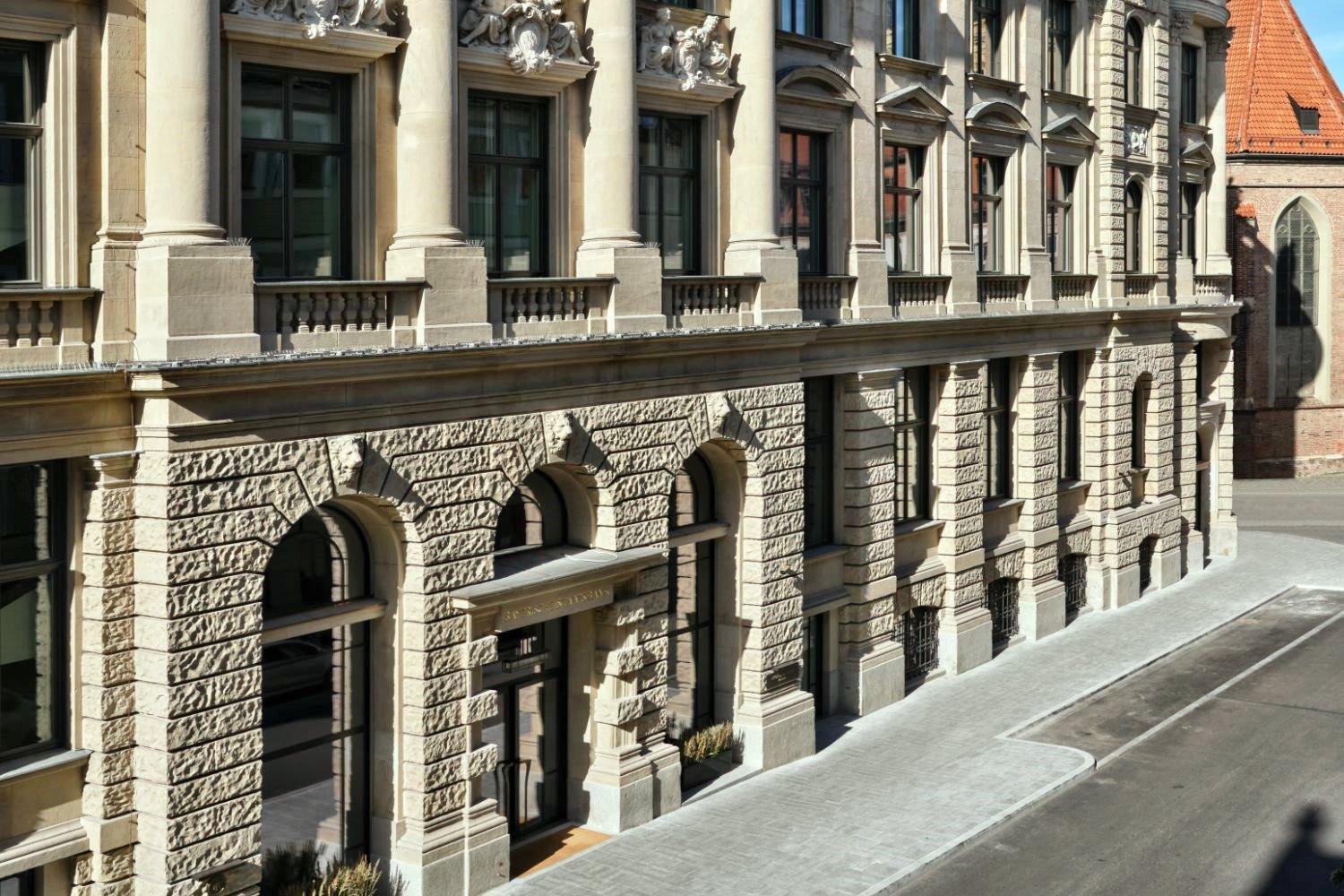
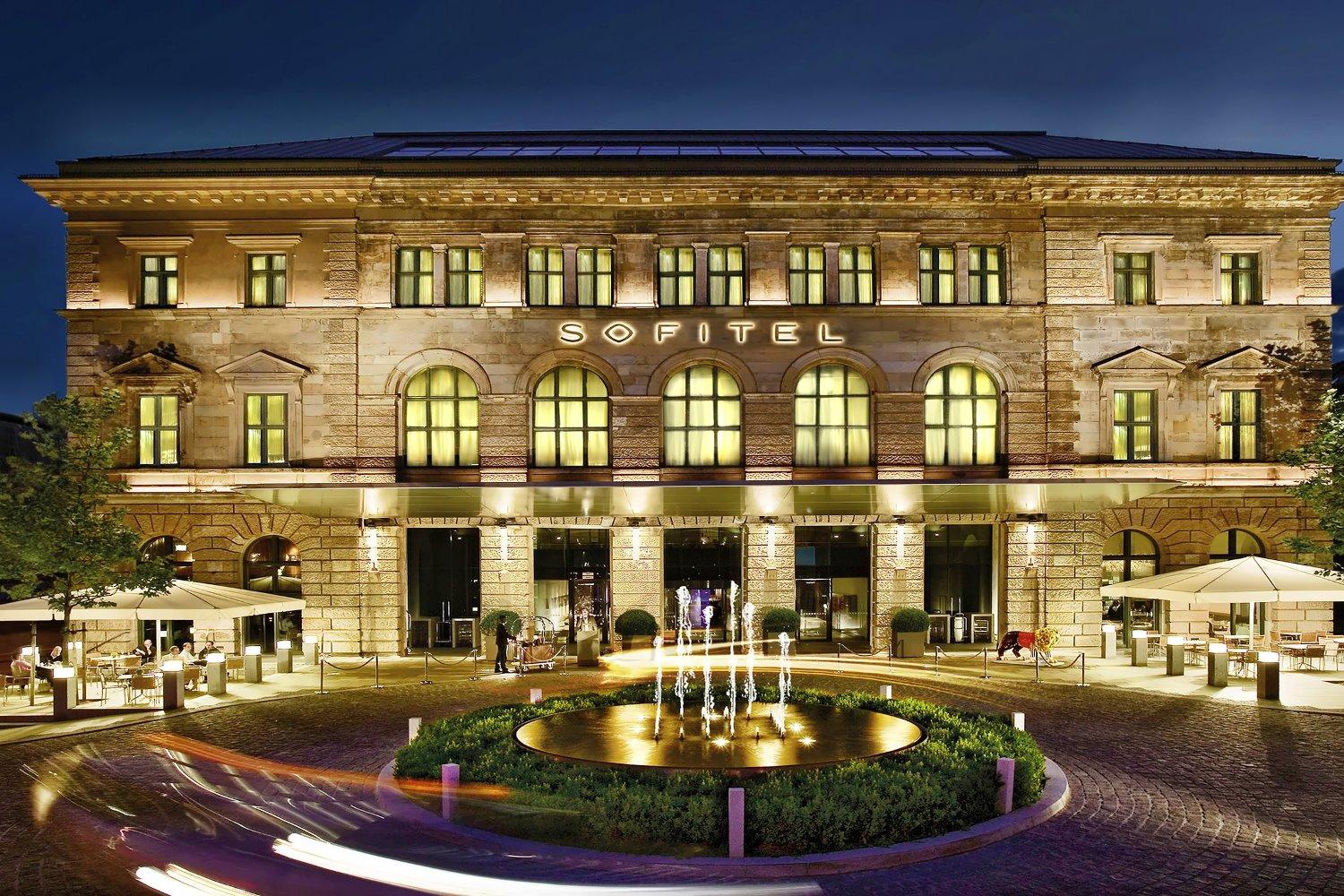
Virtuoso hotels in Munich: seven refined bases for Bavaria's capital
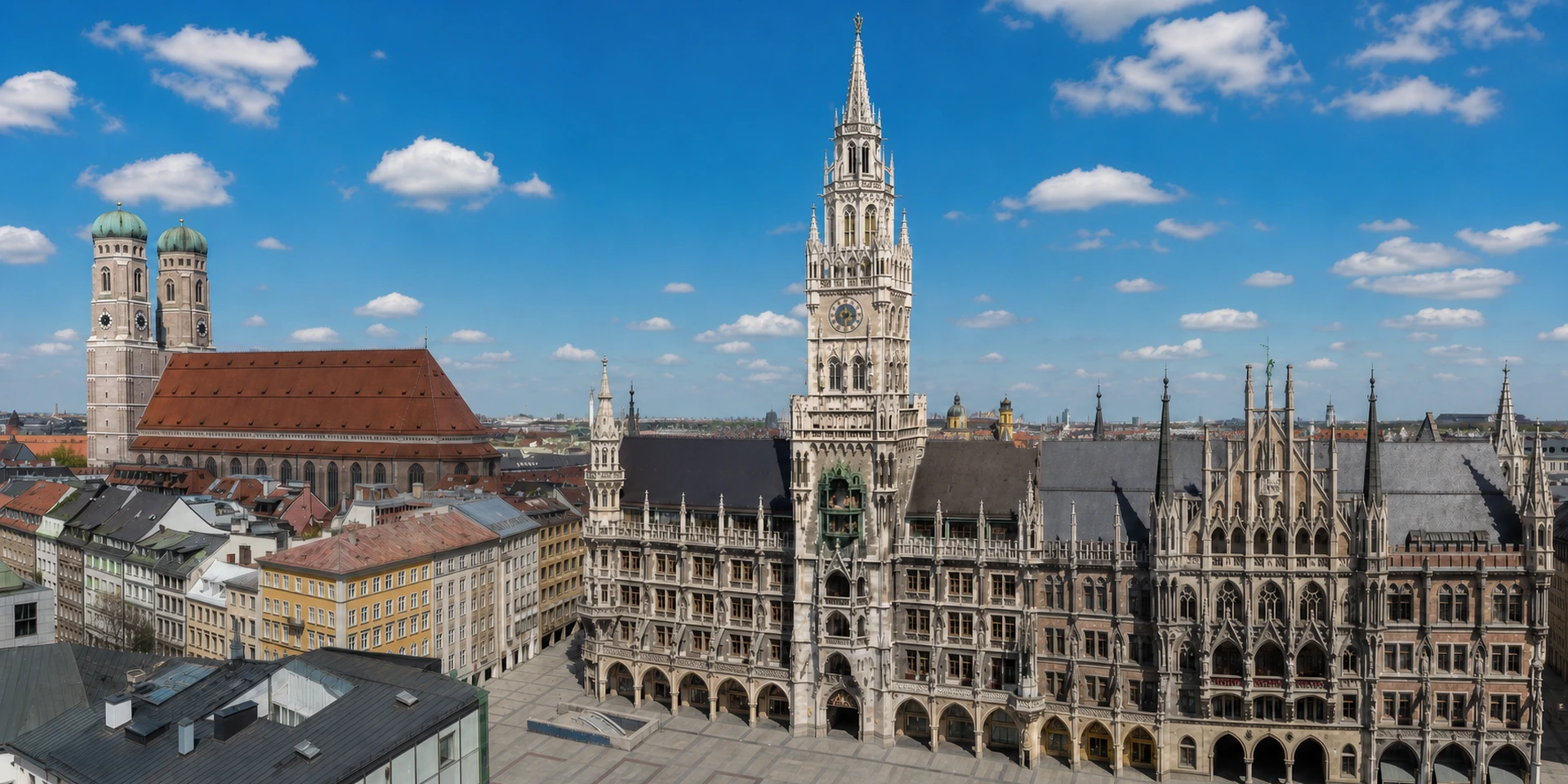
Munich is at its most persuasive when royal architecture, serious collections and everyday pleasures are allowed to share the itinerary. Marienplatz and the Residenz establish the historic centre. the Pinakotheken and Lenbachhaus reveal an international art city. the Englischer Garten and Isar provide an unusual amount of open space. Beer halls are part of the story. But so are chamber music, contemporary design, refined Bavarian cooking and neighbourhoods whose restraint rewards a slower look.
The current Virtuoso selection comprises 7 hotels. Five sit in or beside the Altstadt, one faces the Old Botanical Garden in Maxvorstadt. And one occupies the historic Bayerpost next to the central station. This guide distinguishes their locations and personalities. Then explains how to structure museums, markets, palaces, meals and journeys into the Bavarian landscape.
Deluxetargets confirms the qualifying Virtuoso rate and the exact benefits available for the selected dates. Including breakfast, hotel credit or experience, upgrade priority and VIP recognition where applicable.
Choose the right Munich address
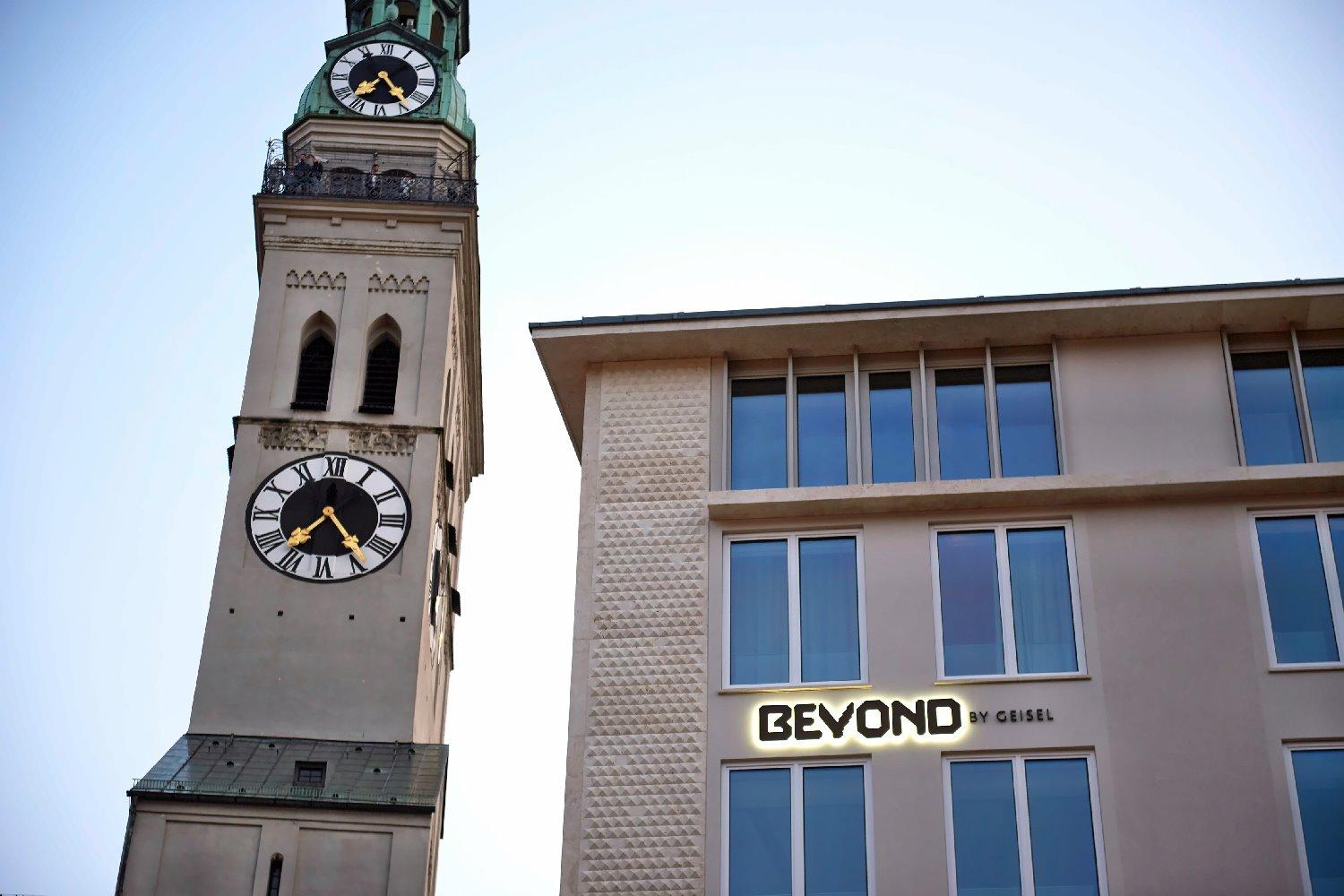
BEYOND by Geisel is the most intimate choice and places Marienplatz directly outside. Ideal for a short first visit where the view matters as much as the room. Mandarin Oriental offers discreet old-town calm near the Viktualienmarkt. While Rosewood brings restored historic architecture, a substantial wellness identity and immediate access to the Residenz quarter.
Bayerischer Hof is a self-contained Munich institution with multiple restaurants and entertainment. Vier Jahreszeiten Kempinski gives Maximilianstrasse the full grand-hotel treatment. The Charles exchanges old-town immediacy for garden outlooks, spacious leisure facilities and easy access to the Kunstareal. Sofitel Munich Bayerpost is the practical luxury choice for complex rail journeys.
Read the city through its districts
The Altstadt is compact but not uniform. Marienplatz is theatrical and busy. the lanes around the Viktualienmarkt feel more informal. the Residenz, Odeonsplatz and Maximilianstrasse form a statelier northern arc. Maxvorstadt begins beyond the old gates and concentrates the city's major art museums, universities and quieter residential streets. Across the Isar, Haidhausen supplies handsome nineteenth-century squares and a more local evening rhythm.
While the southern Isar banks suit walks between appointments. Select a hotel according to the first and last commitments of each day rather than an abstract idea of being central. A ten-minute saving repeated four times matters more than a famous lobby.
Build the first morning around Marienplatz
Start early enough to study the Neues Rathaus façade and Frauenkirche towers before the pedestrian centre fills. The Rathaus carillon is enjoyable, yet it should not dictate the entire morning. verify the official performance times and use the wait for St Peter's church. The lanes toward the Isartor or a coffee away from the square.
Continue to the Viktualienmarkt when traders are active, tasting selectively instead of turning lunch into a hurried circuit of stalls. From there, the Residenz is an easy walk through the old town. Cars add little inside this pedestrian core. And cobbles reward proper shoes. A specialist guide is valuable for connecting medieval Munich, the Wittelsbach court and post-war reconstruction.
Give the Residenz and court culture enough time
The Munich Residenz is not a single ceremonial room but a vast palace complex whose apartments, treasury and Cuvilliés Theatre can overwhelm a compressed schedule. Decide whether decorative arts, dynastic history or performance architecture is the priority. Then check current openings through the official Bavarian Palace Administration. The Antiquarium deserves unhurried attention. While the Hofgarten provides a natural pause before the Theatinerkirche or Odeonsplatz.
Music lovers should examine the opera and concert calendar before booking flights because a suitable performance can become the fixed point around which dinner and transfers are arranged. Formal venues and palace rooms may operate with different entry rules. So do not assume one ticket or timetable covers everything.
Curate the Kunstareal instead of collecting museums
The Alte Pinakothek, Pinakothek der Moderne, Museum Brandhorst, Lenbachhaus, Glyptothek and Egyptian collection make Maxvorstadt one of Europe's densest museum districts. Trying to complete it in a day produces fatigue rather than understanding. Pair one substantial collection with a smaller, contrasting institution. Old Masters with the Blue Rider works at Lenbachhaus, or modern art and design with Museum Brandhorst.
Check temporary closures and exhibition tickets on each official site, particularly where renovations affect galleries. The Charles Hotel is the most convenient Virtuoso base for this district. But the Altstadt hotels remain close by tram or taxi. Leave an unscheduled hour for a café, museum bookshop or the classical proportions of Königsplatz.
Use Munich's green spaces as part of the programme
The Englischer Garten is not merely a break between monuments. Its southern section links the Eisbach wave, Monopteros, meadows and beer-garden culture within walking distance of the Altstadt. While the northern reaches become quieter and more expansive. Observe surfers from the designated banks and resist treating the fast water as a swimming attraction. Nymphenburg requires a separate half-day:
palace interiors, park pavilions and long sightlines reward a deliberate visit, especially outside peak afternoon hours. Along the Isar. Choose maintained paths and respond to local weather or high-water advice. These landscapes explain Munich's quality of life and provide a useful counterweight to ornate interiors, shopping and formal dining.
Eat beyond the checklist
A considered Munich itinerary can include veal sausage in its traditional morning context, a proper beer garden. A contemporary tasting menu and a restrained neighbourhood dinner without repeating the same version of Bavaria. At the Viktualienmarkt, buy from active traders and notice seasonality rather than assembling a list of photogenic snacks. In a beer garden,
understand the self-service and table-service zones before sitting down. customs differ by venue. Reserve high-demand hotel restaurants such as Atelier, Schwarzreiter or Matsuhisa with the room, particularly around trade fairs and cultural weekends. Modern kitchens increasingly reinterpret Alpine produce with precision. While Haidhausen and Glockenbach offer evenings less shaped by visitors. Leave room for appetite and conversation rather than scheduling every meal as an event.
Choose dates with Munich's event calendar in view
Late spring and early autumn often provide excellent walking weather, gardens and active cultural calendars. But major fairs can tighten hotel inventory sharply. Oktoberfest is a distinct travel proposition rather than simply a lively autumn week: room rates, minimum stays, traffic and restaurant access change. And table arrangements require careful, legitimate planning. Summer brings long evenings and crowded central squares.
winter offers concerts, museums and seasonal markets, with cold or wet conditions affecting outdoor time. During large sporting events and trade fairs, a hotel close to the relevant transport line may outperform the prettiest address. Compare dates against official event calendars before using season alone as a guide to value or atmosphere.
Plan arrivals and movement precisely
Munich Airport lies well beyond the centre. So allow realistic time for the S-Bahn or a pre-arranged road transfer and check disruptions close to travel. The Hauptbahnhof remains central to national and international rail itineraries, though construction can alter entrances and taxi points. Sofitel Bayerpost is immediately useful here. Within the old town,
walking is usually the elegant answer. While U-Bahn, S-Bahn, tram and bus cover the wider city efficiently. Purchase the correct zone and group product through the official transport channels rather than relying on remembered ticket rules. For formal evenings, mobility needs or heavy luggage, pre-booked vehicles still make sense. Confirm the precise hotel entrance because pedestrian zones and one-way streets complicate seemingly short final approaches.
Decide how many nights and what belongs beyond Munich
Two nights permit the historic core, one major collection and a good evening. But leave little resilience for a palace, performance or weather change. Three nights create a balanced first stay. four allow Nymphenburg, the Deutsches Museum or deeper art without sacrificing hotel time. Five nights suit travellers using Munich as a gateway,
although the most ambitious Alpine excursions deserve an overnight rather than a long return drive. Neuschwanstein is popular but geographically inefficient and should be planned with timed admission and realistic road or rail connections. Lake Tegernsee, the foothills and historic towns offer gentler alternatives when privately arranged. Dachau Memorial Site requires respectful preparation and should never be packaged as a casual sightseeing stop.
Five practical tips for a refined Munich stay
- Reserve fixed culture first — Confirm opera, concerts, palace components and limited exhibitions before arranging flexible market walks or shopping.
- Use early light — See Marienplatz and the Frauenkirche exterior early, then move indoors when the pedestrian centre becomes busiest.
- Limit museum pairings — Combine one major collection with one contrasting smaller museum and preserve an hour for reflection in Maxvorstadt.
- Check the event calendar — Oktoberfest, trade fairs and football can change rates, transport and dining access far more than the nominal season.
- Book the room you can accept — Treat upgrades as subject to availability and confirm outlook, quietness and bedding in the reserved category.
Frequently asked questions about Virtuoso hotels in Munich
Which area is best for a first visit to Munich
The Altstadt is most efficient for Marienplatz, the Residenz and Viktualienmarkt. BEYOND, Mandarin Oriental, Rosewood, Bayerischer Hof and Vier Jahreszeiten Kempinski provide different versions of that central position.
Which Munich hotel is best for museums
The Charles Hotel faces the Old Botanical Garden and gives the easiest access to the Kunstareal and Lenbachhaus. Old-town hotels remain a short tram or taxi ride away.
How many nights should I spend in Munich
Three nights suit a balanced first visit. While four permit Nymphenburg or a deeper museum programme. Add separate nights when the Alps or lakes are the true purpose of the journey.
Is Munich walkable
The historic centre is highly walkable. And several selected hotels sit within it. Public transport is valuable for Nymphenburg, Olympiapark, the airport and longer cross-city journeys.
When should I book for Oktoberfest
Plan far ahead and use official festival information and legitimate reservation channels. Hotel conditions, transport and restaurant demand differ materially from a normal September or October stay.
Which hotel is most convenient for train travel
Sofitel Munich Bayerpost stands beside the Hauptbahnhof and is the clearest choice for early departures, late arrivals or complex rail itineraries. Request a quiet room orientation.
Do Virtuoso benefits apply at every rate
No. Benefits depend on booking an eligible rate through the appropriate channel. And upgrades or timing requests remain subject to availability. Deluxetargets confirms the exact terms for the selected dates.
Can Munich work with an Alpine extension
Yes. Munich's airport and rail links make it a strong gateway. But important lake and mountain experiences are usually better as separate stays than as rushed return excursions.