
Virtuoso Hotels
Virtuoso Hotels in Bali, Indonesia
10
10
Hotels
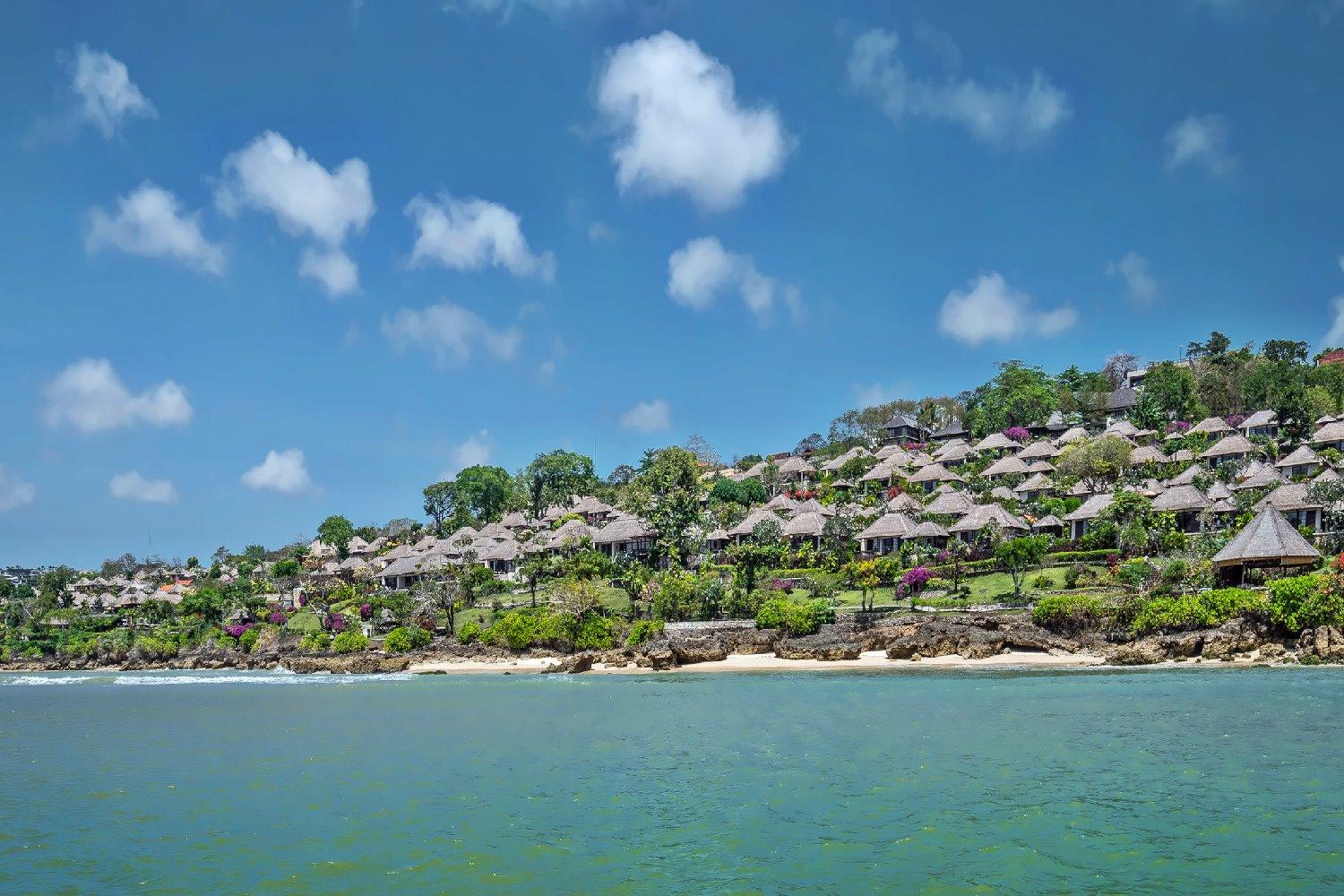
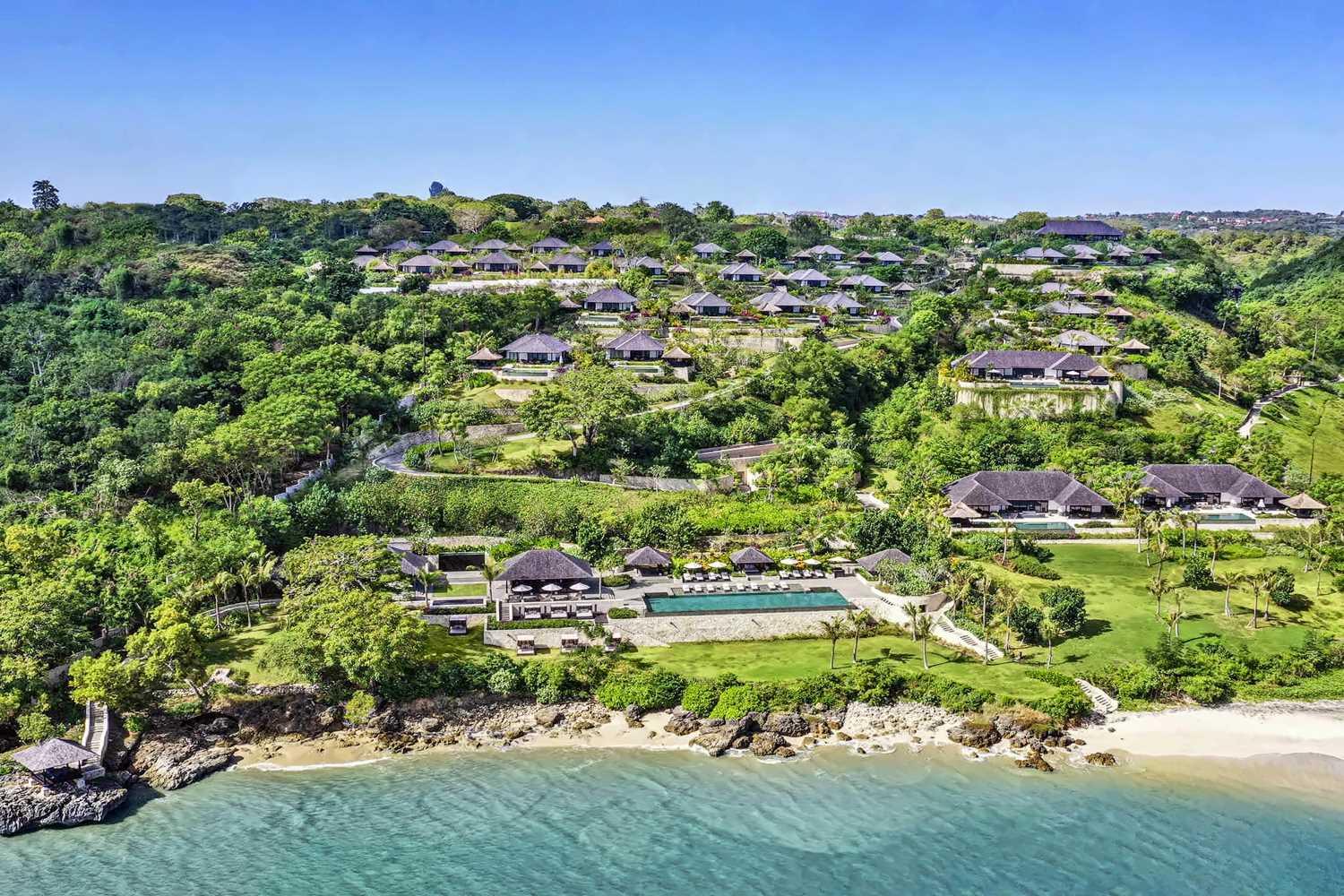
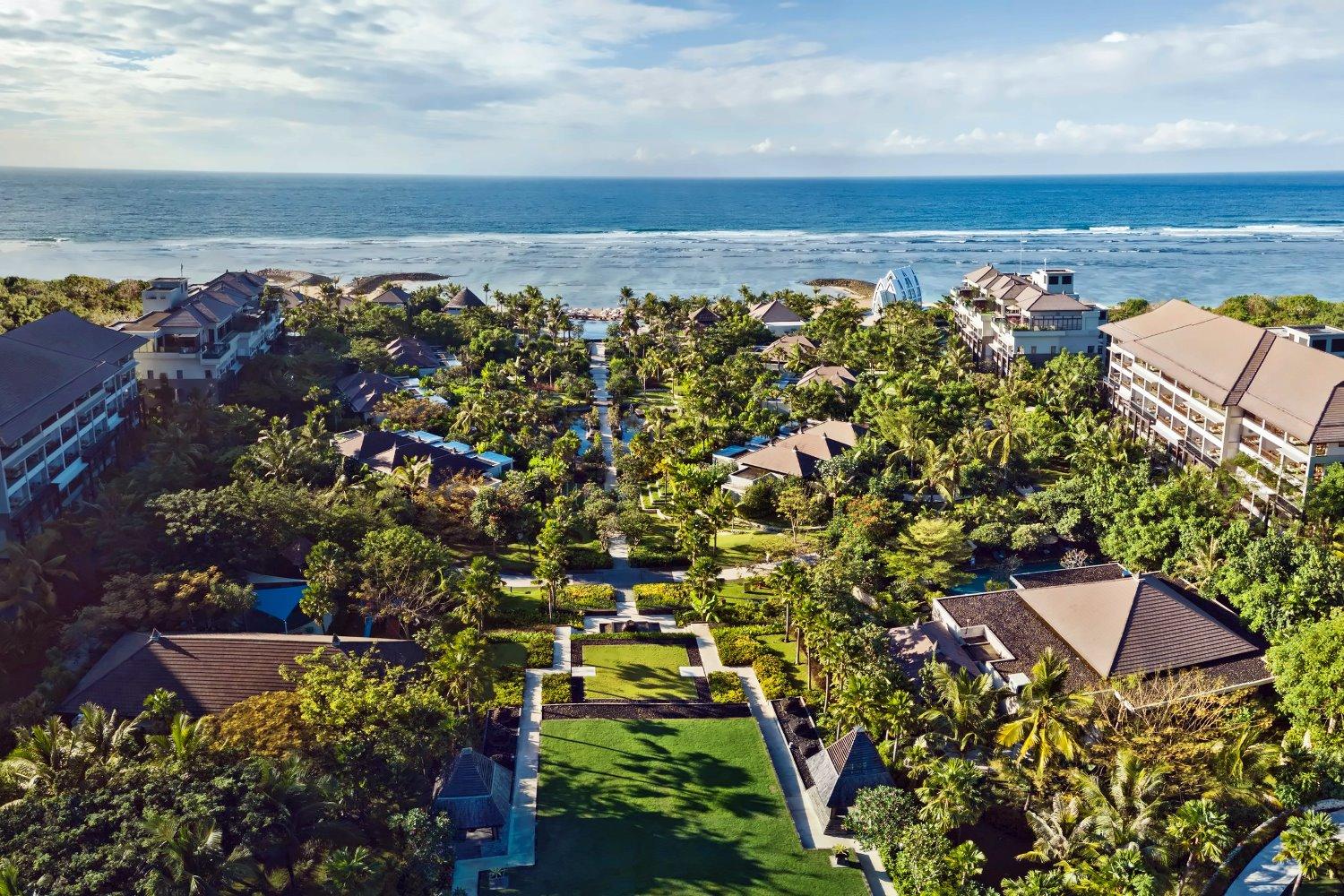
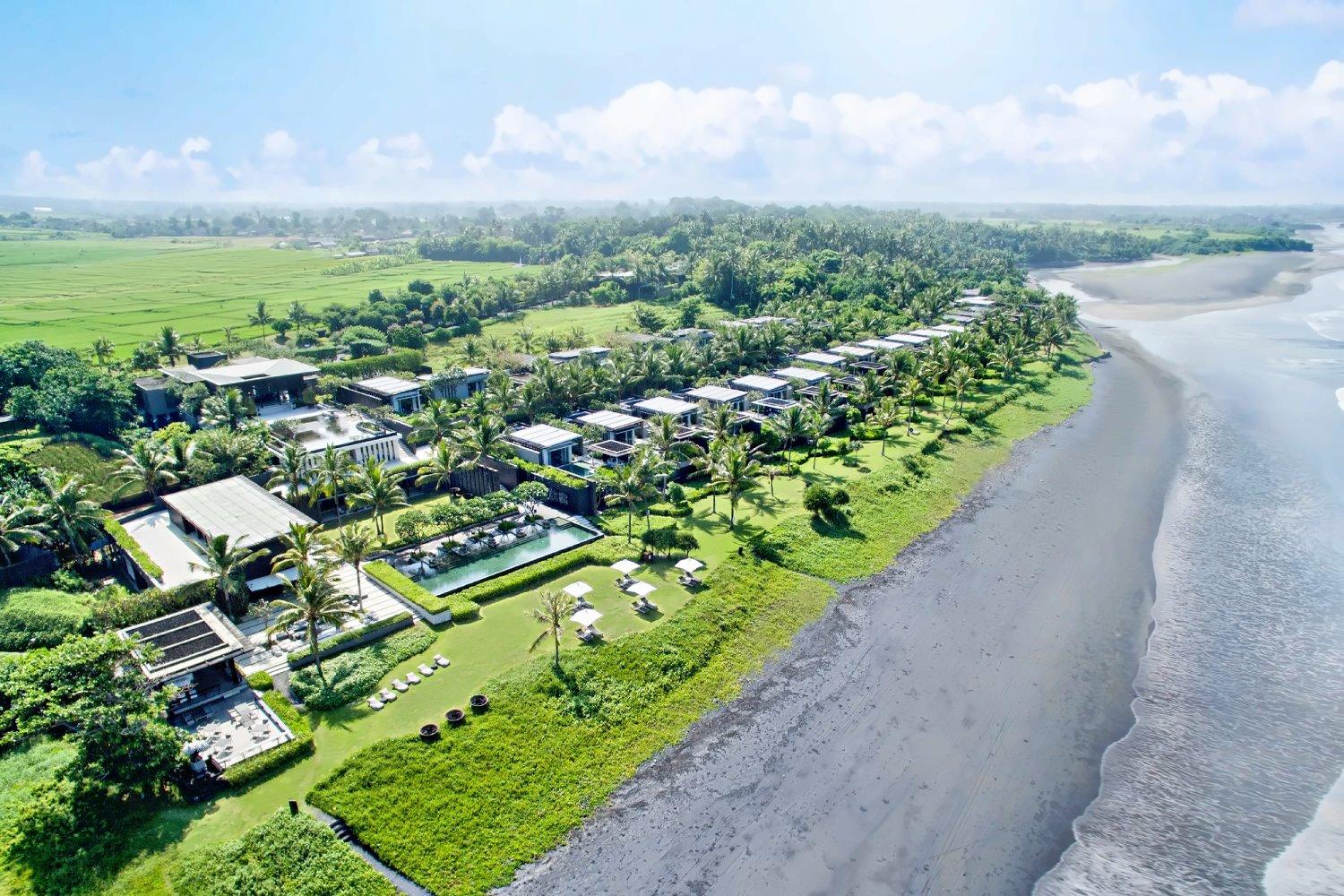

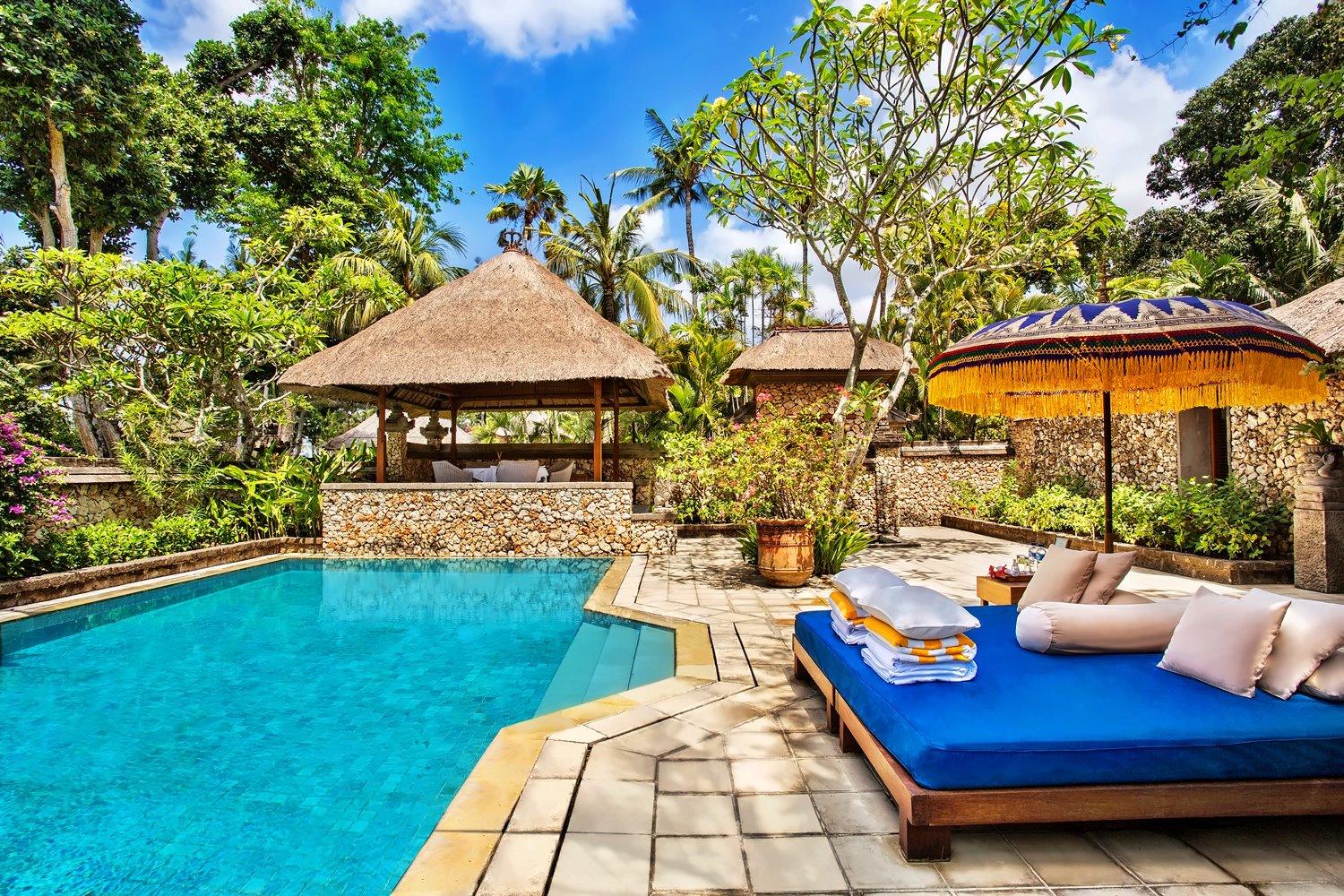
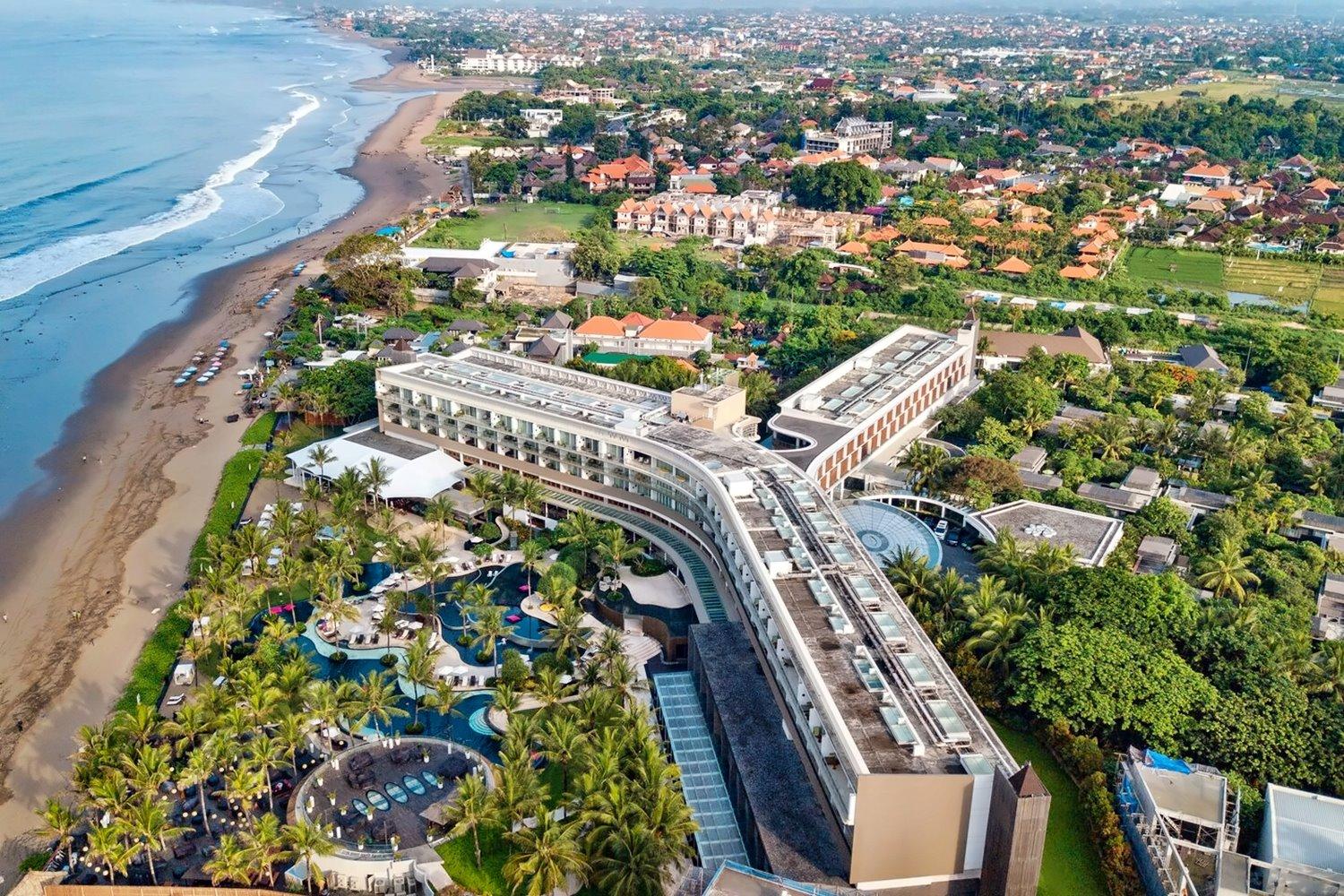
Virtuoso hotels in Bali: coast, highlands and the right island stay
Bali is an island of distinct landscapes, not one resort strip. Uluwatu places clifftop architecture above powerful surf. Jimbaran combines a broad bay with airport convenience. Nusa Dua offers controlled resort infrastructure and calmer family logistics. Seminyak brings restaurants, shopping and social energy. the west coast around Tabanan replaces nightlife with rice fields, volcanic sand and space.
the interior connects temples, subak landscapes, craft villages and forest. The correct hotel depends on which Bali should be present each morning.
The Virtuoso selection represented here ranges from open-air highland escapes to cliff villas, private-pool beach resorts and established Seminyak icons. This guide compares regions, seasonal weather and realistic road times before individual brands. We then confirm villa position, pool privacy, qualifying rate and benefits, because oceanfront.
Sunset and rice-field views are highly specific and a beautiful island map does not reveal the traffic between them.
Choose Bali by travel style
Couples seeking seclusion can choose Uluwatu, Soori’s west coast or Buahan’s open highland landscape. Families often benefit from Jimbaran or Nusa Dua, where resort facilities, easier beach conditions and airport transfers are more predictable. Seminyak suits guests who want restaurants, boutiques and energy outside the hotel.
A first journey with seven nights or more is usually stronger as two chapters—coast plus interior or quiet west—than as daily excursions from one base. The newest resort is not automatically the most Balinese experience.
Uluwatu and the Bukit
For private villas, Indian Ocean views, surf culture and temple sunsets, with steep beach access.
Jimbaran and Nusa Dua
For broad resort facilities, family logistics, calmer bays and relatively practical airport access.
Seminyak
For restaurants, shops, beach clubs and evenings outside the resort, accepting congestion.
Highlands and west coast
For rice fields, forest, wellness and deeper quiet, with fewer spontaneous coastal evenings.
The most useful hotel regions
Bali distances are deceptive. Narrow roads, ceremonies, construction and peak traffic can turn a short map distance into a long drive. Moving between Uluwatu, Seminyak and the interior in one day rarely feels luxurious. Choose a base for the majority of each chapter and group activities by region. Airport convenience matters on departure. But an airport-adjacent hotel is not necessary if the final day is planned with a realistic buffer.
Uluwatu and the Bukit Peninsula
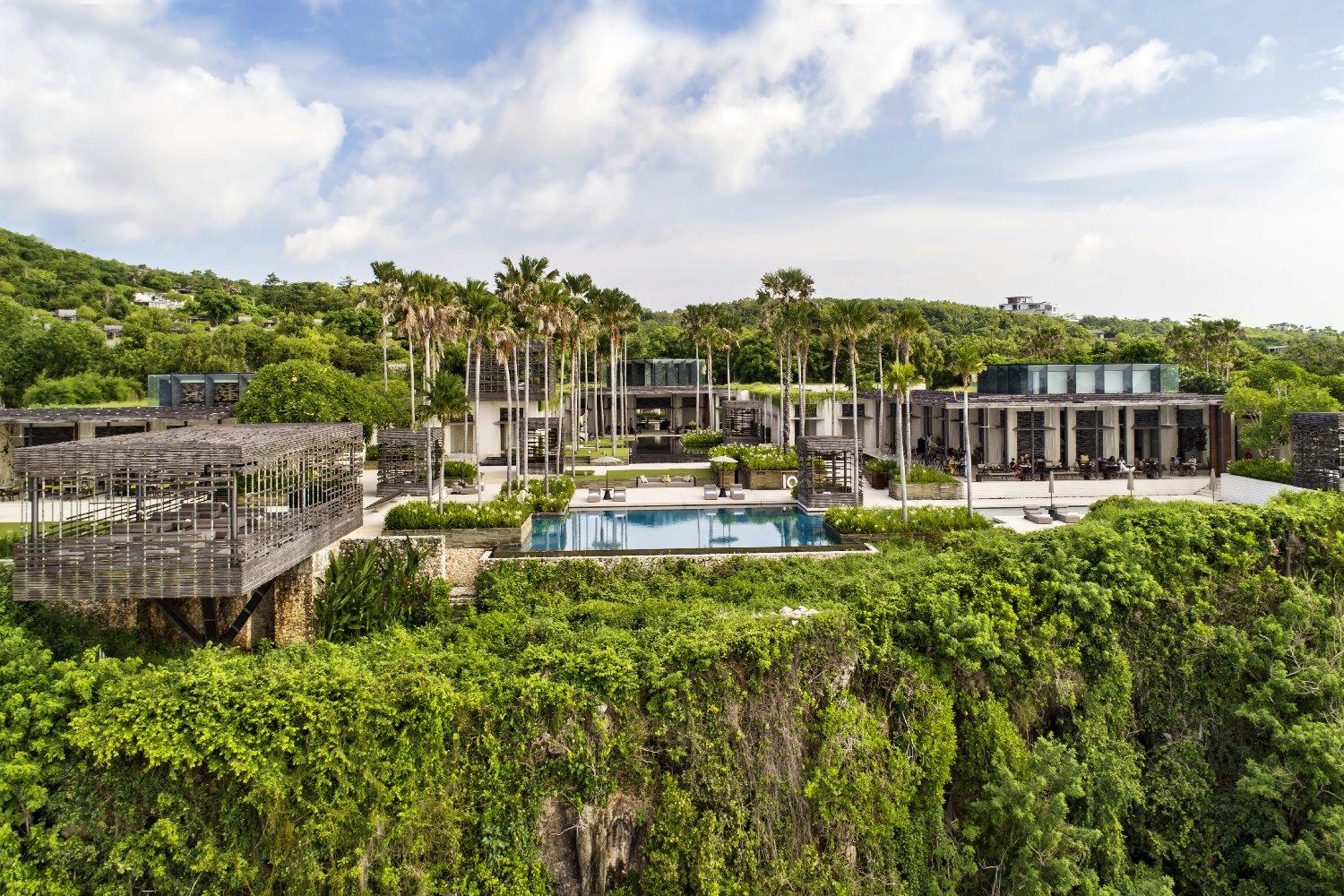
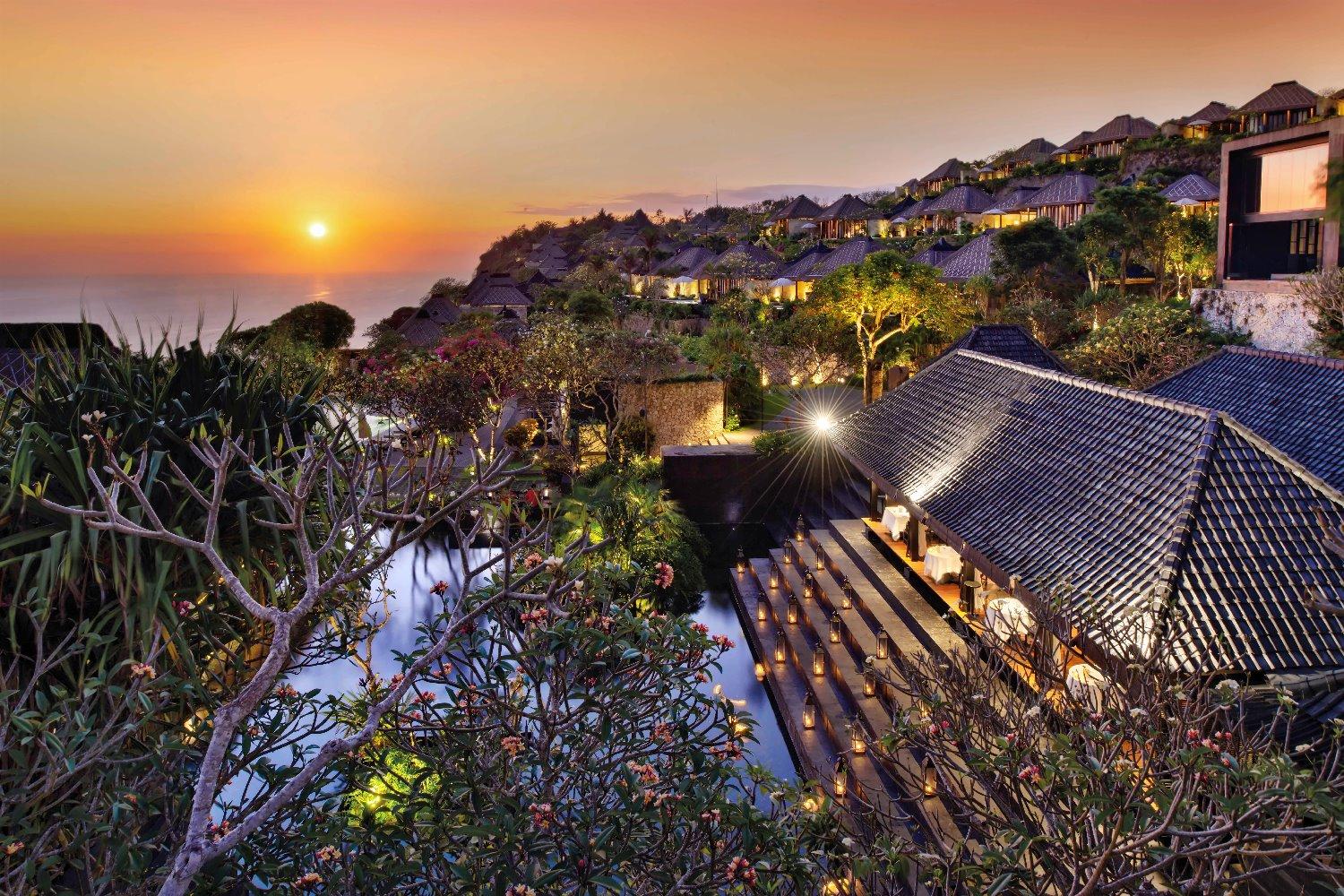
Choose the Bukit for limestone cliffs, ocean drama, surf breaks and private villas. Many beaches require stairs or a shuttle. And swimming changes with tide and swell. confirm access rather than assuming a clifftop address includes an easy beach.
Jimbaran and Nusa Dua
Jimbaran combines a working bay, resort beach and seafood traditions. While Nusa Dua is a purpose-built enclave with controlled access and extensive facilities. Both suit shorter stays and families better than remote regions.
Seminyak and the southwest
Seminyak places restaurants and shopping close but can be congested and noisy. Select an established low-rise resort or a room away from nightlife if sleep matters. And walk short distances whenever practical.
Tabanan, north of Ubud and rural Bali
The west and highlands are for landscape, cultural context and retreat. They reward two or three nights, not a day trip squeezed between beach dinners. And require advance transport planning.
How Bali’s Virtuoso hotels differ
Alila and Bulgari interpret the Uluwatu cliffs through contemporary villas. Four Seasons and Raffles refine Jimbaran Bay. Ritz-Carlton and St. Regis offer larger Nusa Dua-style resort programmes. Oberoi and W connect directly to Seminyak in very different moods. Soori is rooted in the remote volcanic west coast. Buahan removes walls and conventional city comfort to immerse guests in the highlands. Compare climate, beach access, villa exposure, resort scale and surrounding area before square metres.
- Request the named ocean, sunset, garden or rice-field category when the outlook defines the stay.
- Confirm whether the pool and terrace are genuinely private from paths, neighbouring villas and drones.
- Ask how many stairs, lifts or shuttle segments separate the villa from the beach and restaurants.
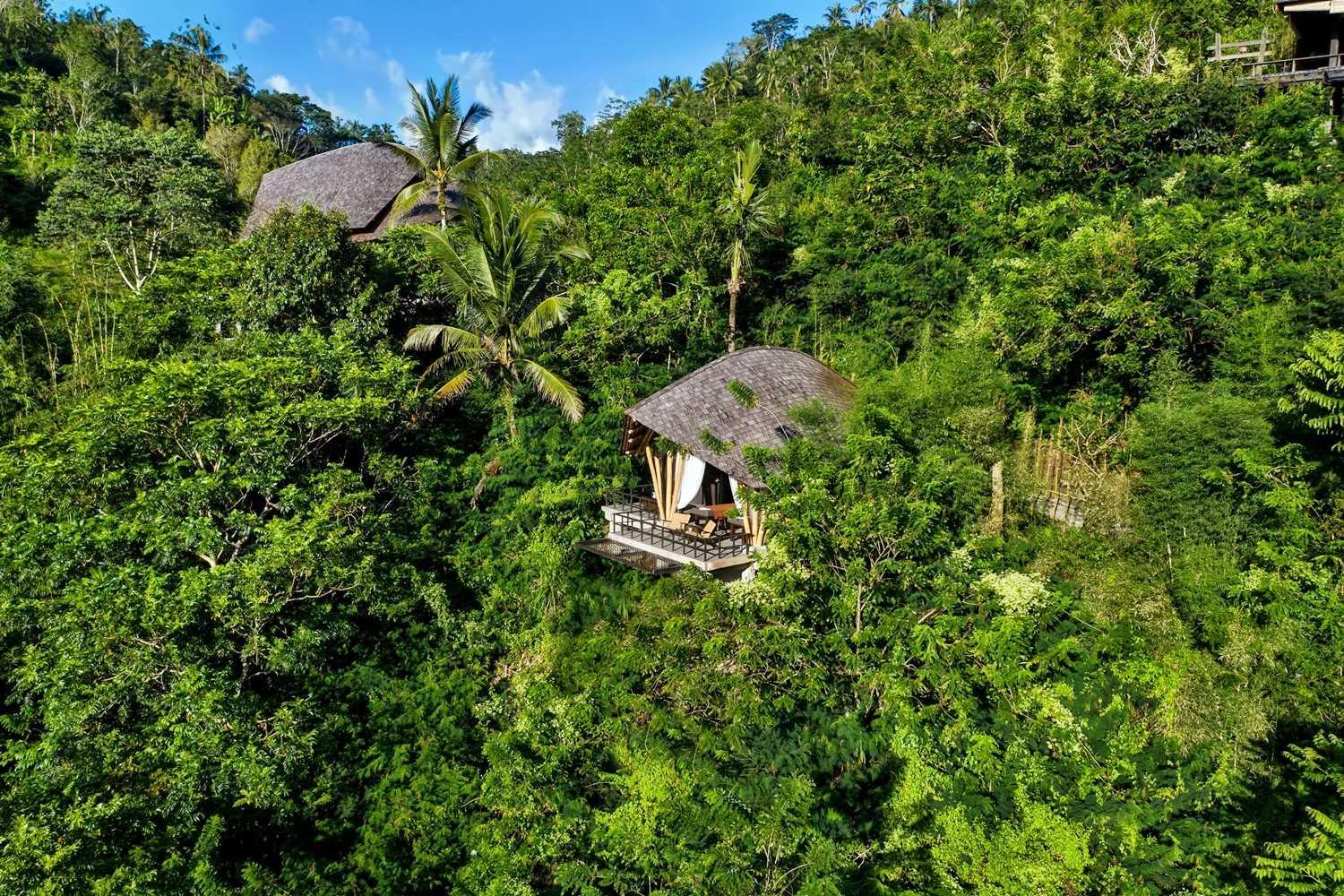
- For open-air rooms, understand insects, humidity, temperature and sound before choosing immersion over enclosure.
Beaches, tides and ocean conditions
Bali’s beaches are not interchangeable. Uluwatu and the west coast can have powerful surf, reef and tidal variation. Jimbaran is broader and more protected. Nusa Dua may offer calmer water but is still subject to tide and weather. Seminyak is valued for long walks, surf and sunsets rather than consistently gentle swimming. Daily flags and local lifeguard advice take priority.
Ask the resort which hours suit swimming, reef shoes or surfing. And keep a strong pool option for rough-sea days.
Surf and cliff beaches
Use a qualified instructor and select the break for current ability, tide and swell. Access can involve steep stairs. So a dramatic beach may not suit mobility needs or small children.
Family swimming
Jimbaran and selected Nusa Dua sections often provide easier access. But conditions still change. Confirm the exact resort frontage and supervise children regardless of how calm the bay appears.
Temples, ceremonies and respectful travel
Balinese Hinduism shapes the island’s daily rhythm through offerings, processions, temple calendars and community obligations. Temples require respectful dress, usually a sarong and sash. And access to sacred areas may be restricted. Ceremonies are not performances arranged for visitors. a good guide explains when observation is welcome and when distance is appropriate. Never step on offerings,
climb sacred structures or fly a drone without explicit permission. Uluwatu, water temples and village sites are best visited with context rather than as a sequence of photographs.
- Follow the guide’s clothing and behaviour instructions even when other visitors do not.
- Allow road flexibility because processions and ceremonies can temporarily redirect traffic.
- Ask before photographing worship, cremations or private compounds.
- Choose a locally knowledgeable guide who can explain living belief, not only architecture.
Subak landscapes, craft and the interior
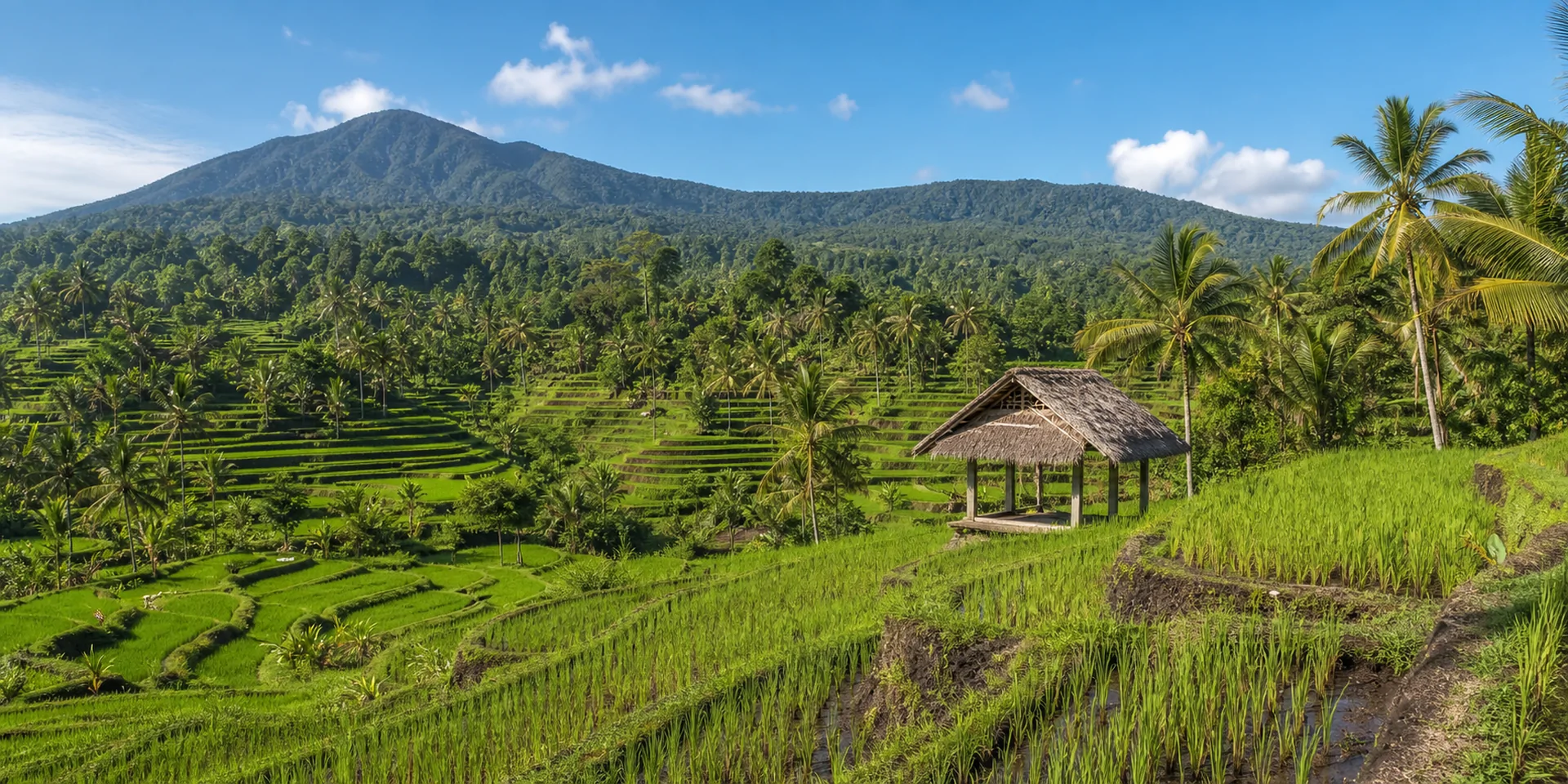
The UNESCO-listed Cultural Landscape of Bali recognises the subak water-management system and its relationship to temples, communities and rice agriculture. Rice terraces are working landscapes whose appearance changes with planting and harvest. luminous green cannot be promised year-round. Visit with a guide who explains irrigation, land pressure and etiquette on farm paths.
Combine one geographic area with a craft workshop, market or temple instead of racing between famous viewpoints. The interior is most rewarding with an overnight stay that allows early walks and quieter late afternoons.
Rice-field walks
Start early for cooler temperatures and stay on agreed paths. Pay local access contributions transparently and avoid treating farmers’ work areas as private photo sets.
Craft appointments
Choose a serious woodcarver, textile studio, ceramicist or silversmith with enough time for process and conversation. One informed visit is more meaningful than several retail stops.
Best time to visit Bali
The drier period generally runs from around April to October, with July and August bringing strong demand, trade winds and busy roads. The wetter period usually falls from November to March, when showers can be intense but often alternate with clear hours. humidity rises and landscapes become richly green. Weather varies by coast and elevation.
And no season is rain-free. May, June and September often balance conditions and demand. Nyepi, Bali’s Day of Silence, closes the airport and brings island-wide restrictions that must be understood before booking.
Dry season
Plan cliff walks, beach days and outdoor dinners. While expecting peak-season congestion in July and August. Highland evenings may still feel cool.
Wet season
Build flexible mornings, strong spa options and realistic road time after heavy rain. Some beaches can collect seasonal debris depending on currents and clean-up conditions.
Nyepi and major holidays
Nyepi creates a rare day of silence with no airport operation and strict limits on movement, light and activity. Confirm the exact date and hotel programme before flights are purchased.
Four, seven or ten nights in Bali
Four nights should use one region and combine the resort with a few nearby experiences. Seven nights create the best first balance with two complementary bases, such as Jimbaran or Uluwatu plus the highlands or west coast. Ten nights allow three chapters only when transfer days remain calm and each hotel receives at least three nights. A split stay between neighbouring southern resorts rarely adds value. move only when landscape and rhythm genuinely change.
One region, properly lived
Choose coast or interior, add two nearby experiences and protect complete resort time.
The best first balance
Combine coast with highlands or west for beach, culture, landscape and slower mornings.
Bali in three chapters
Add a contrasting third coast only when each base receives time and transfers are part of the design.
Airport, transfers and realistic movement
I Gusti Ngurah Rai International Airport sits in the south. Jimbaran and Nusa Dua can be relatively straightforward. While Seminyak traffic, Uluwatu roads and remote west or highland journeys require larger buffers. Pre-book a trusted private driver, provide flight details and confirm the meeting point. Ride-hailing rules vary around hotels and villages. A driver is valuable for regional days.
But repeated cross-island commuting wastes time. On departure, calculate from actual traffic patterns and weather, not the clear-road estimate shown by a map.
- Send flight number and passenger names to the transfer provider and reconfirm the day before.
- Avoid non-refundable meals or activities immediately after landing.
- Move hotels after breakfast and turn the transfer into one coherent cultural day only when luggage remains secure.
- Leave a conservative airport buffer during rain, ceremonies, holidays and Friday or weekend peaks.
Wellness, food and a stronger sense of place
Bali’s wellness culture ranges from resort spas and yoga to traditional healing practices that should be approached without exaggerated medical claims. Select treatments for quality, setting and personal comfort. And disclose health considerations directly to qualified staff. Dining should include Balinese and Indonesian flavours alongside international hotel restaurants. A market visit, cooking session or thoughtful local restaurant adds more context than another imported concept.
Reserve destination tables early. But leave one meal open for a current recommendation based on produce, traffic and the area being visited.
Use the hotel as part of the itinerary
A cliff sunset, bathing ritual, private-pool breakfast or guided garden walk should replace another appointment, not compete with it. The resort becomes memorable when time is protected.
Eat geographically
Pair Seminyak restaurants with a Seminyak stay, Jimbaran seafood with the bay and highland cooking with an interior day. A famous table is rarely worth three hours in traffic.
What to decide before booking
Define coast versus interior, one base versus split stay, exact outlook, pool privacy, beach access and tolerance for open-air living before comparing rates. Then assess the qualifying Virtuoso rate by total value: breakfast, a 100 USD hotel credit or experience. Priority for upgrades, early check-in and late check-out and VIP recognition. Benefits and availability must be confirmed for the exact stay.
During July, August, festive periods and Nyepi, the correct itinerary and flexible terms matter more than waiting for a late offer.
Our Bali planning recommendations
- Choose the island region before the hotel and avoid daily cross-island journeys.
- Use two bases for seven nights when coast and interior are both priorities.
- Confirm exact villa privacy, beach access, tides and the realities of open-air rooms.
- Check Nyepi, ceremonies, wet-season conditions and airport timing before flights are fixed.
- Book a knowledgeable local guide for temples, subak landscapes and craft rather than only transport.
Frequently asked questions about Virtuoso hotels in Bali
Which area is best for a first stay
Jimbaran or Nusa Dua offers easy resort logistics. Uluwatu suits cliffs and design. With seven nights, combine the coast with an interior or west-coast retreat.
Uluwatu or Seminyak
Choose Uluwatu for villas, cliffs and seclusion. And Seminyak for restaurants, shops and social energy outside the hotel.
How many nights should I plan
Seven nights give the strongest first balance. Four require one region. ten can support three contrasting chapters.
Can I swim at every beach resort
No. Surf, reef, tide and currents vary substantially. The exact hotel frontage and daily flags must be checked.
Is a private pool completely private
Not automatically. Paths, neighbouring villas and elevated views may overlook terraces. We confirm the specific category and position.
What happens during Nyepi
The airport closes and movement, light and activity are restricted across the island. Hotels operate special in-house programmes and guests remain on property.
Do I need a private driver
A trusted driver is the most practical option for regional days and transfers. Avoid using one to commute repeatedly across the entire island.
Are Virtuoso benefits identical at every hotel
No. The hotel credit or experience and additional amenities vary by property and stay. we confirm them with the eligible rate.
Combine your hotel stay with a privately designed journey through Indonesia, with hotels, transfers and experiences planned as one seamless itinerary.