
Virtuoso Hotels
Virtuoso Hotels in Florence, Italy
15
15
Hotels
Virtuoso hotels in Florence: art, neighbourhoods and the right address
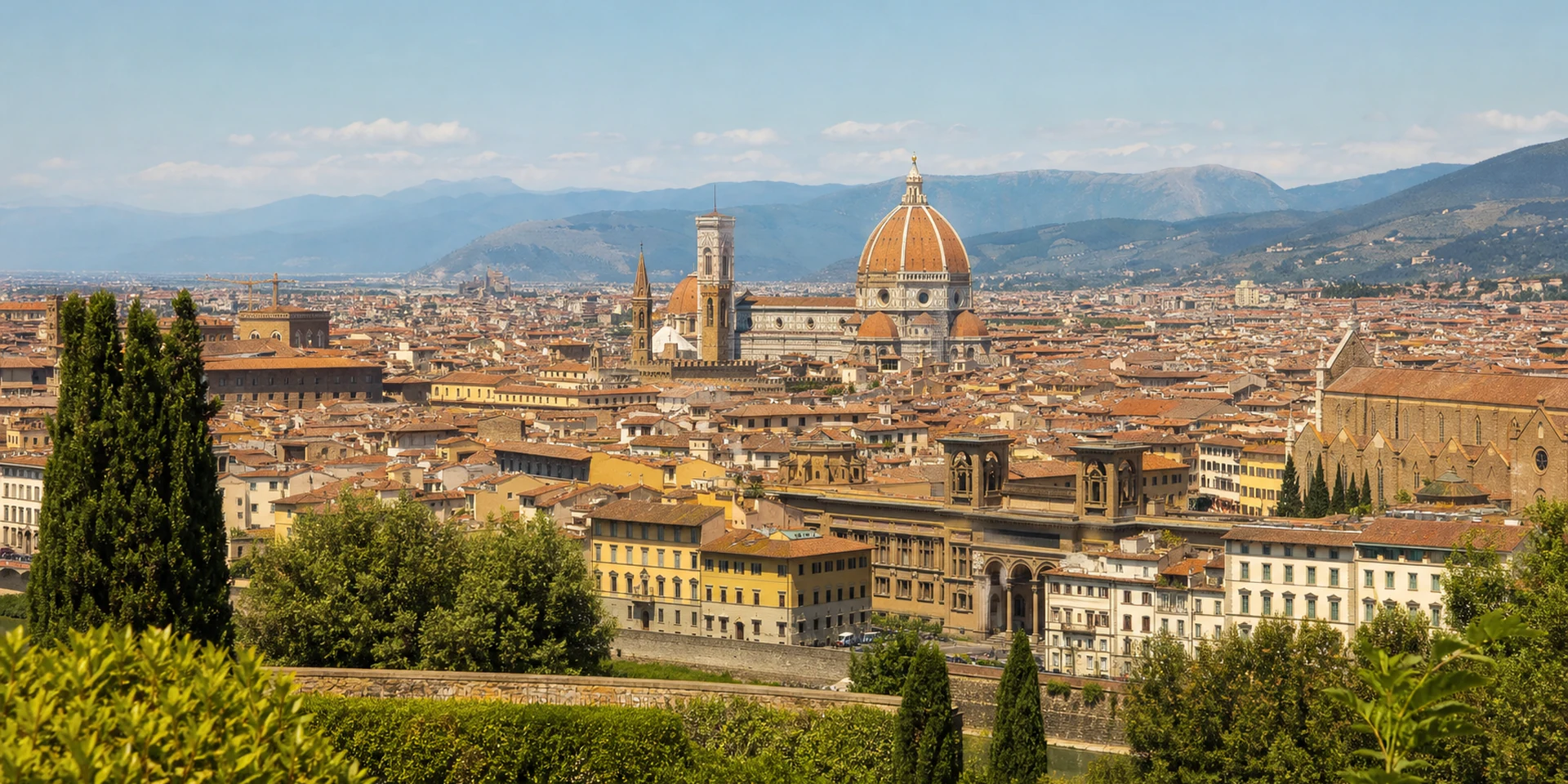
Florence is compact on a map, yet the choice between the Duomo, Ponte Vecchio, Santa Maria Novella and a hillside villa changes the entire stay. A central townhouse protects the quiet morning hours and allows an easy return between museums. a garden hotel offers space, pool time and relief from summer heat but requires a disciplined shuttle plan.
The right address is therefore less about distance in kilometres than about the rhythm you want between art, food and the hotel.
The Virtuoso collection includes Renaissance palazzi, Arno-side grand hotels, discreet residences, urban resorts and villas in Fiesole or the countryside east of the city. This guide explains how the locations and hotel styles differ, how to structure the Uffizi, Accademia and artisan appointments. And when Florence should remain a focused city stay or become the gateway to a wider Tuscan journey.
A quick choice by travel style
Choose the Florence you want to live in before comparing individual hotel names.
Duomo and Piazza della Repubblica
This central zone gives the shortest walks to the cathedral complex, Uffizi, Palazzo Vecchio and shopping. It suits a short first stay, although rooms and public spaces can be more compact and the streets remain active.
River views and Oltrarno access
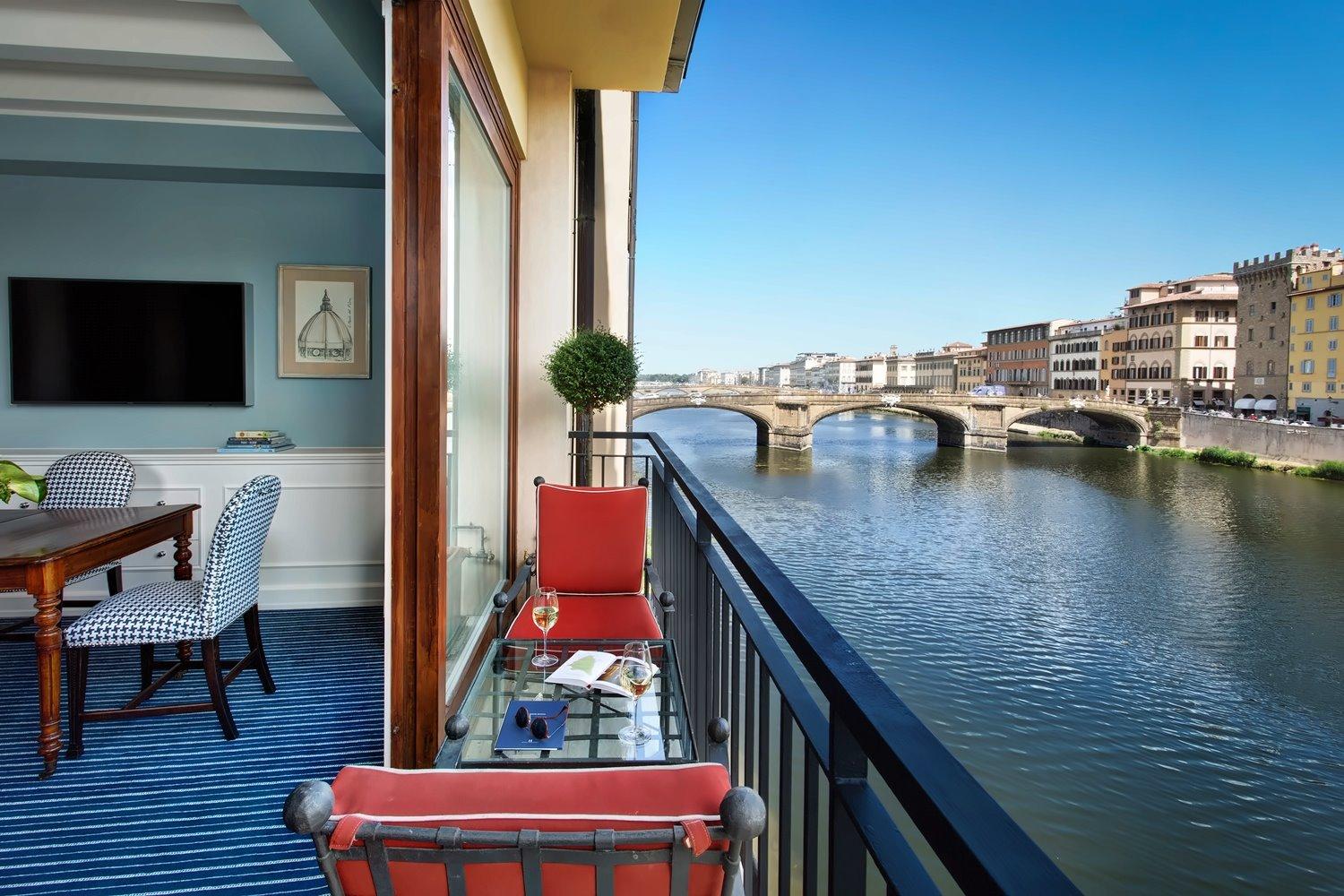
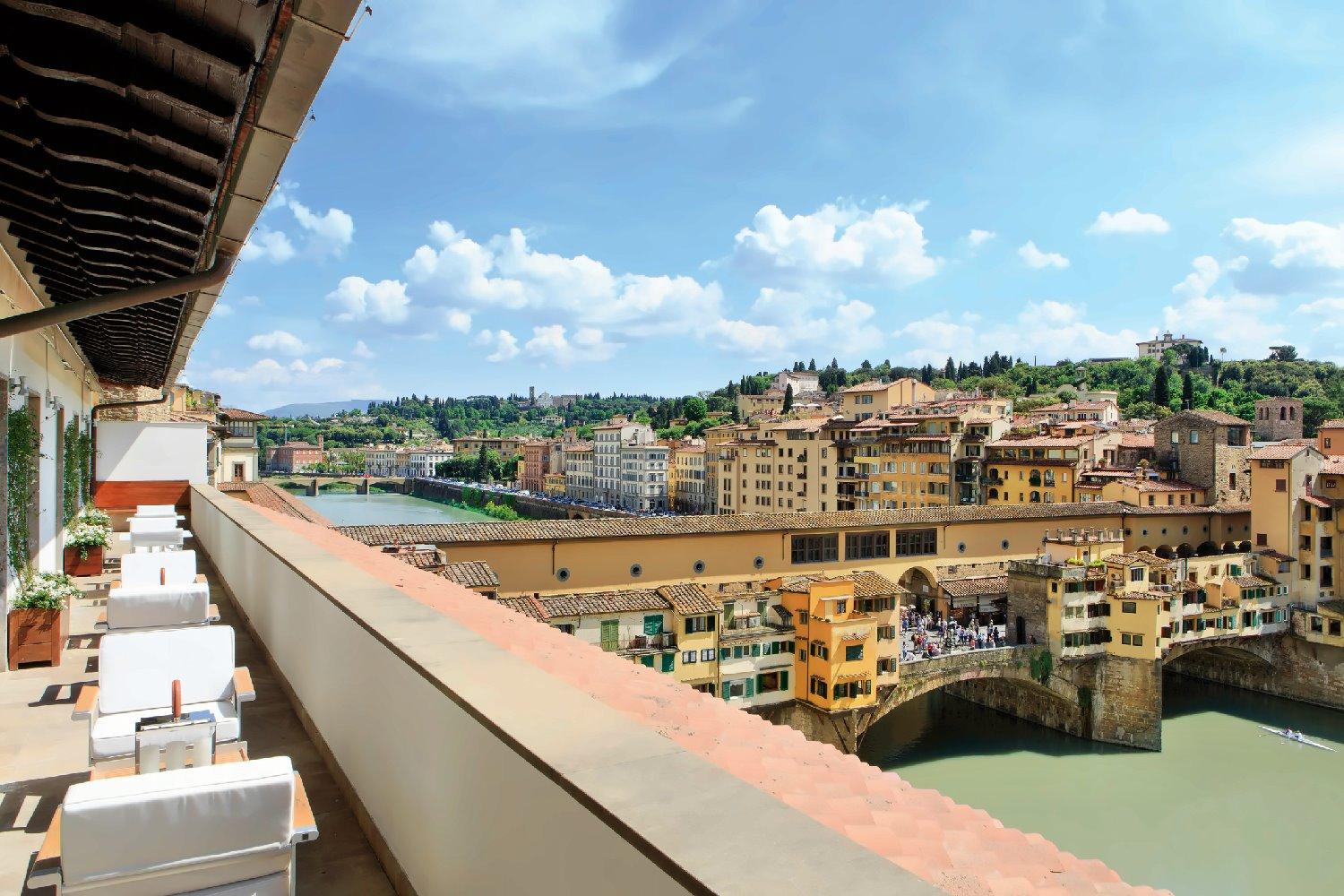
Hotels along the Lungarno place the bridge, Uffizi and artisan districts within an easy walk. Exact river views are category-specific. So confirm the outlook rather than relying on the hotel address.
Santa Maria Novella and Ognissanti
The western edge of the centre offers larger historic hotels, easier vehicle access and elegant river walks. It works well for travellers arriving by train or using Florence as a base for private day trips.
Fiesole and the villa belt
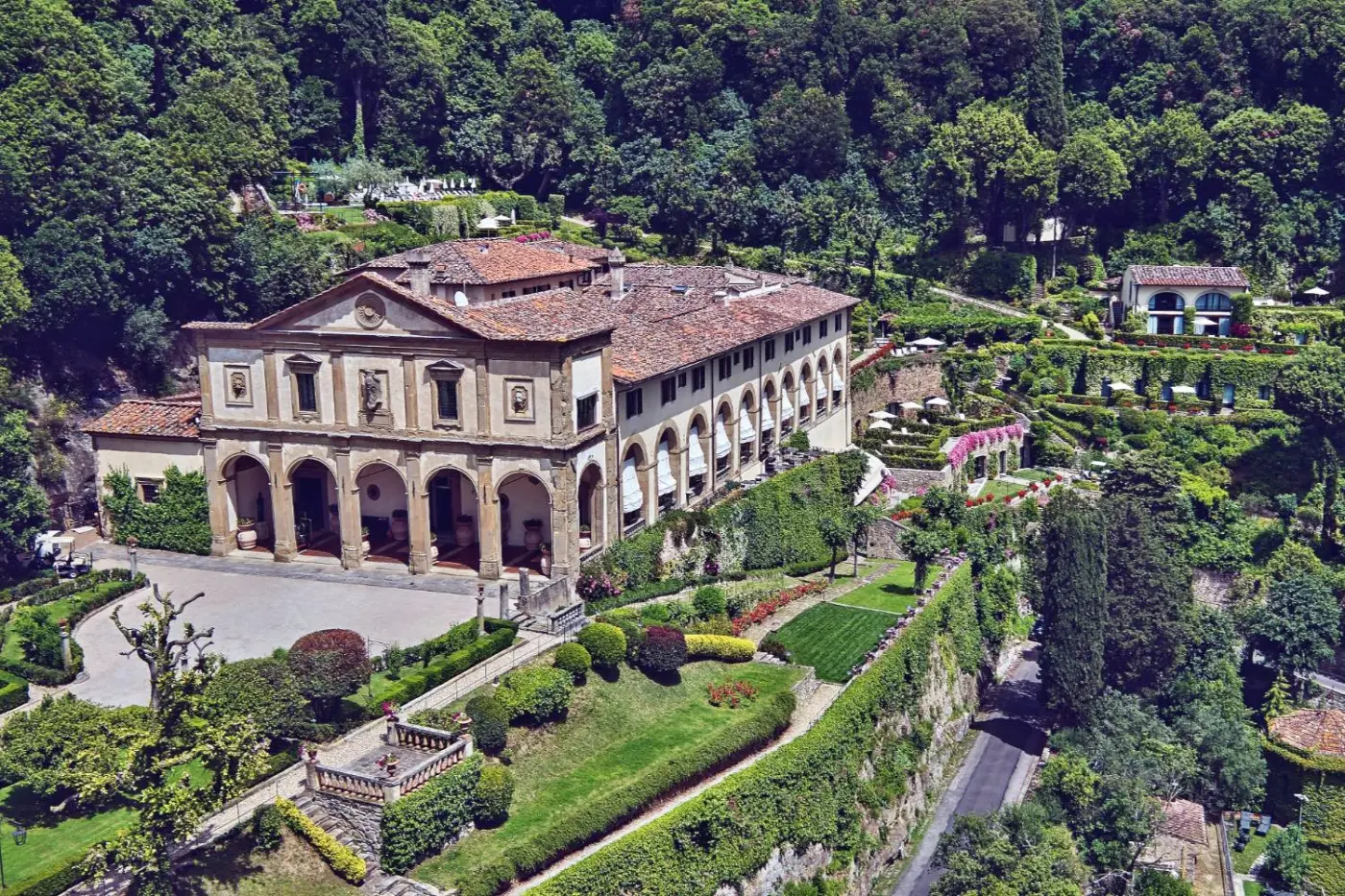
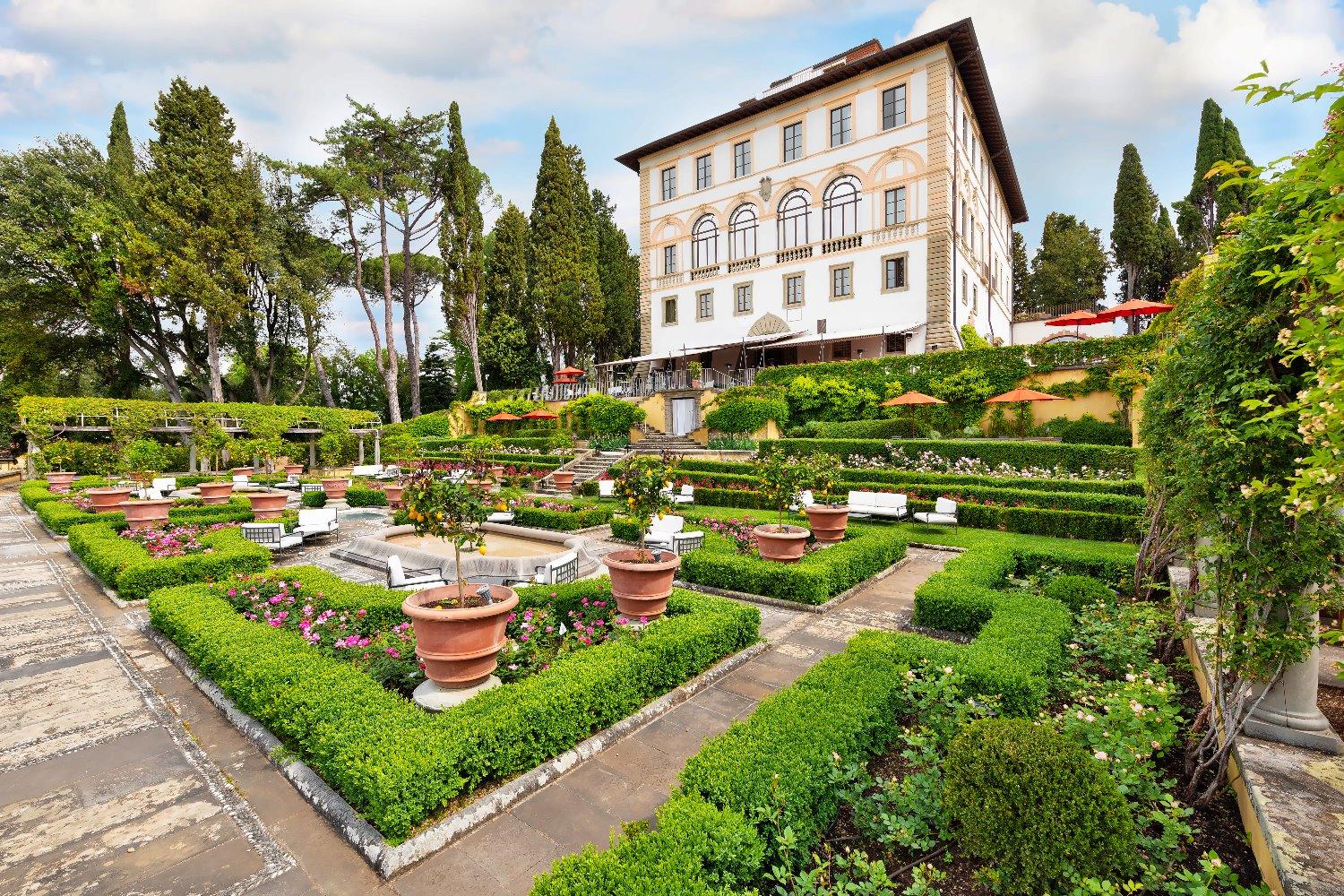
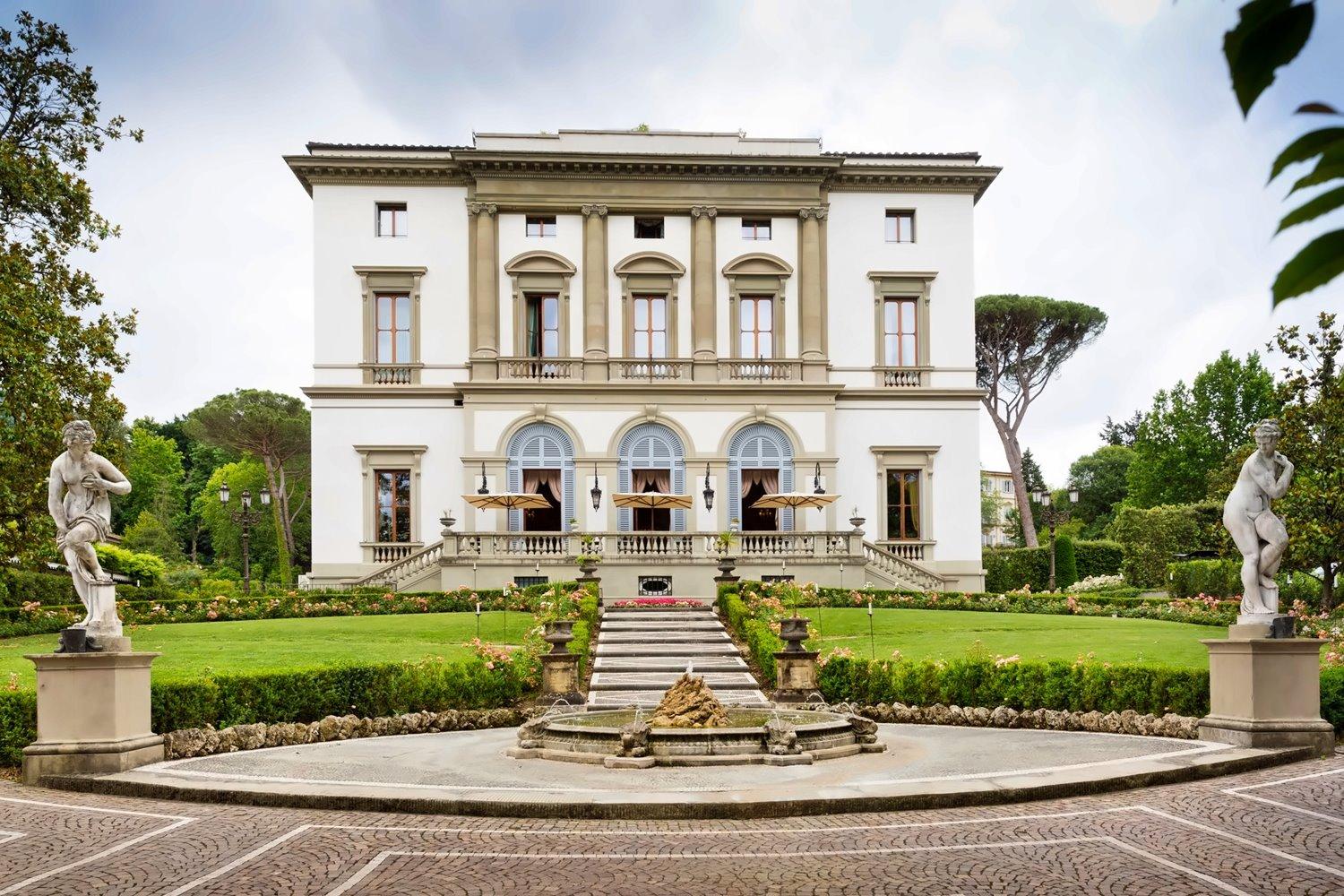
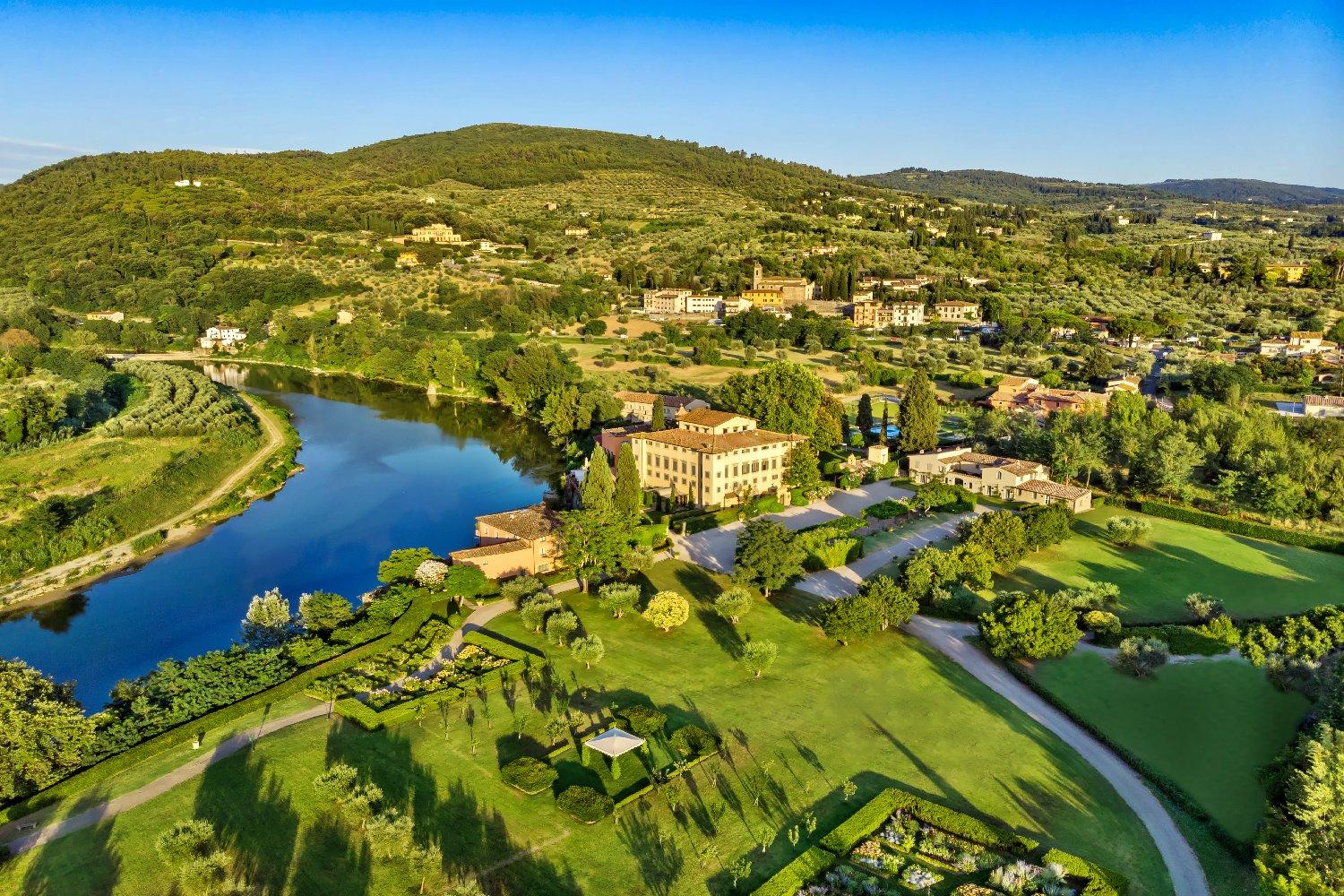
Villa San Michele, Il Salviatino, Villa Cora and Villa La Massa exchange immediate walking access for gardens, pools and space. Build the shuttle or chauffeur timetable around fixed museum entries.
The principal luxury-hotel areas
Duomo, Piazza della Repubblica and Via de’ Tornabuoni
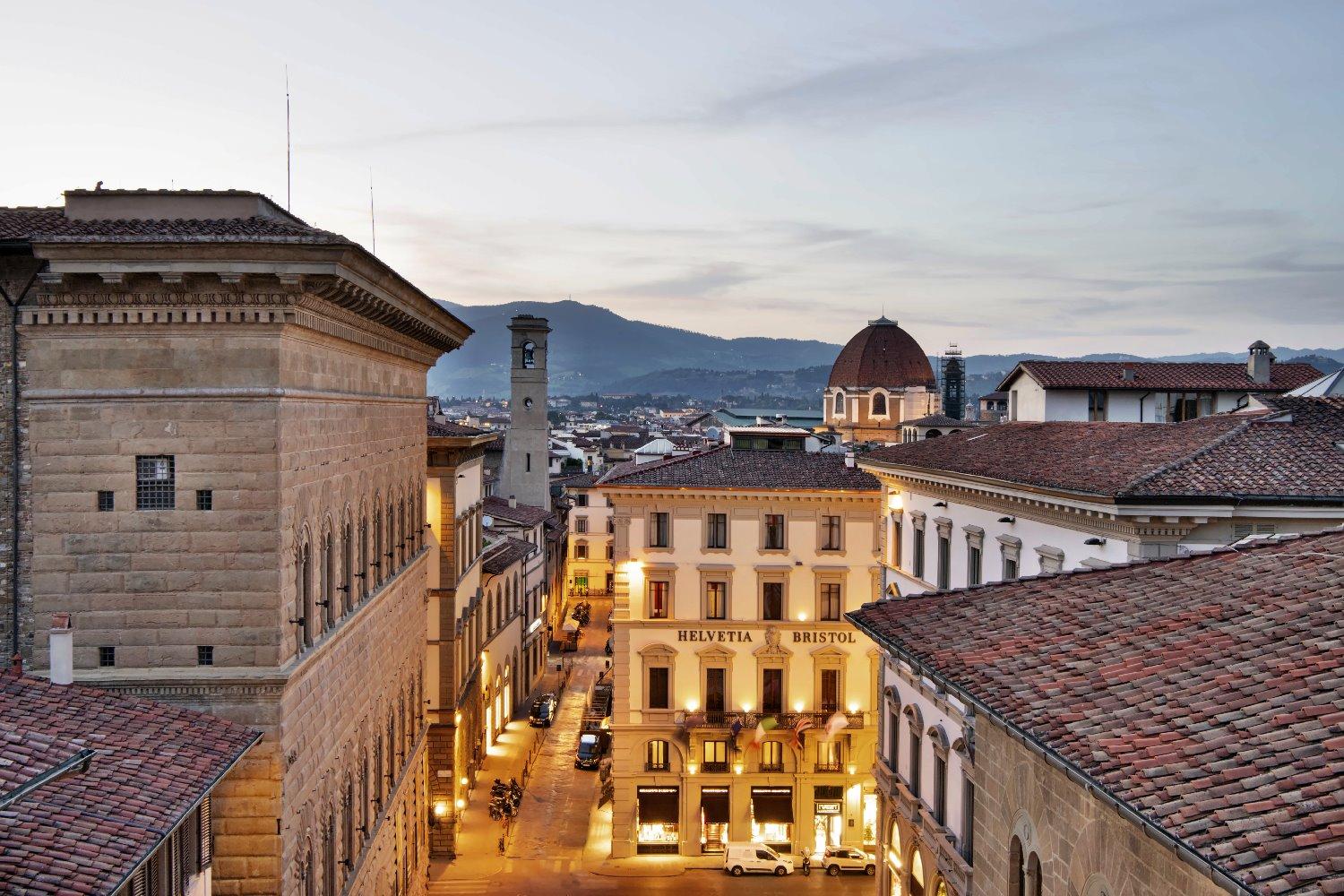
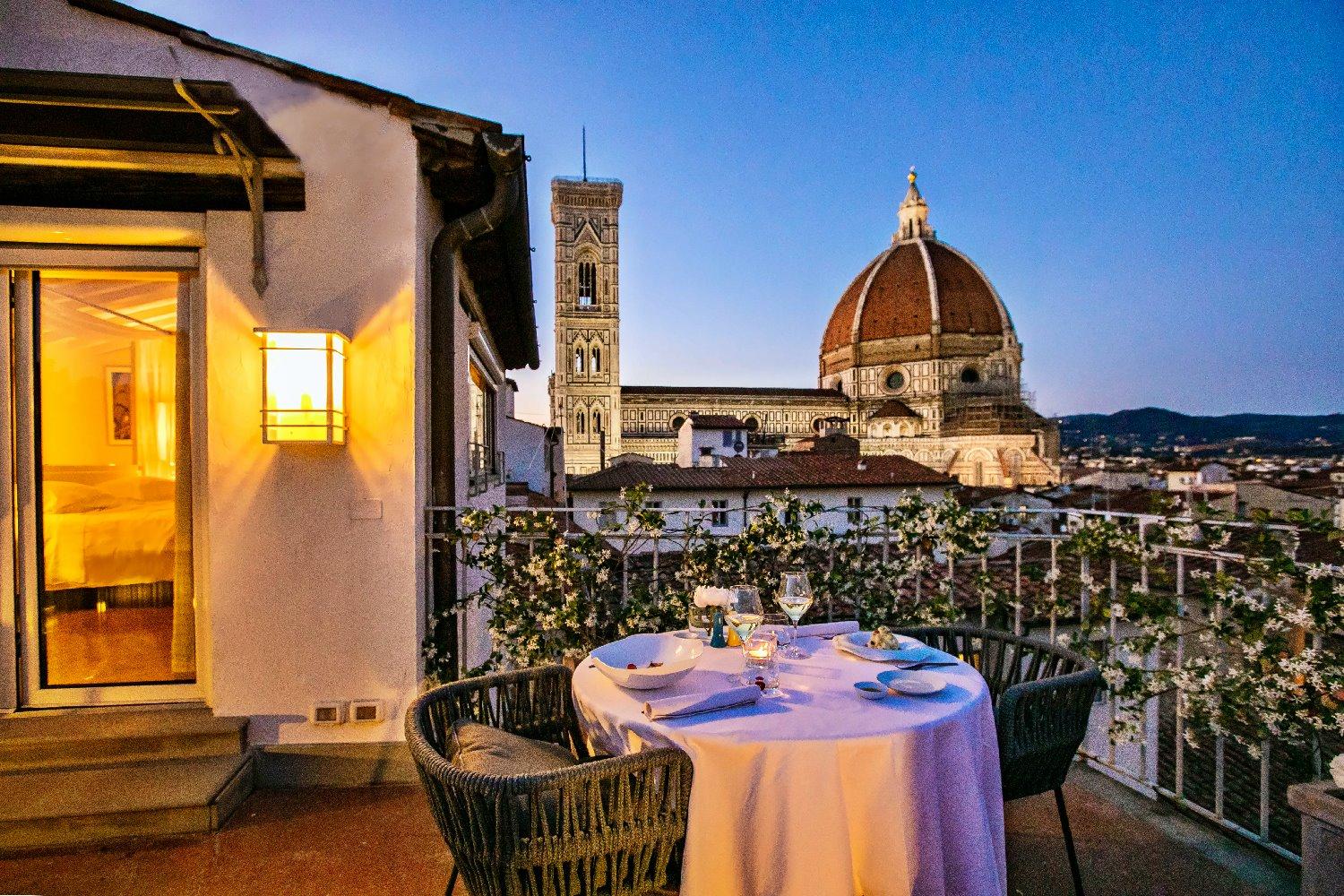
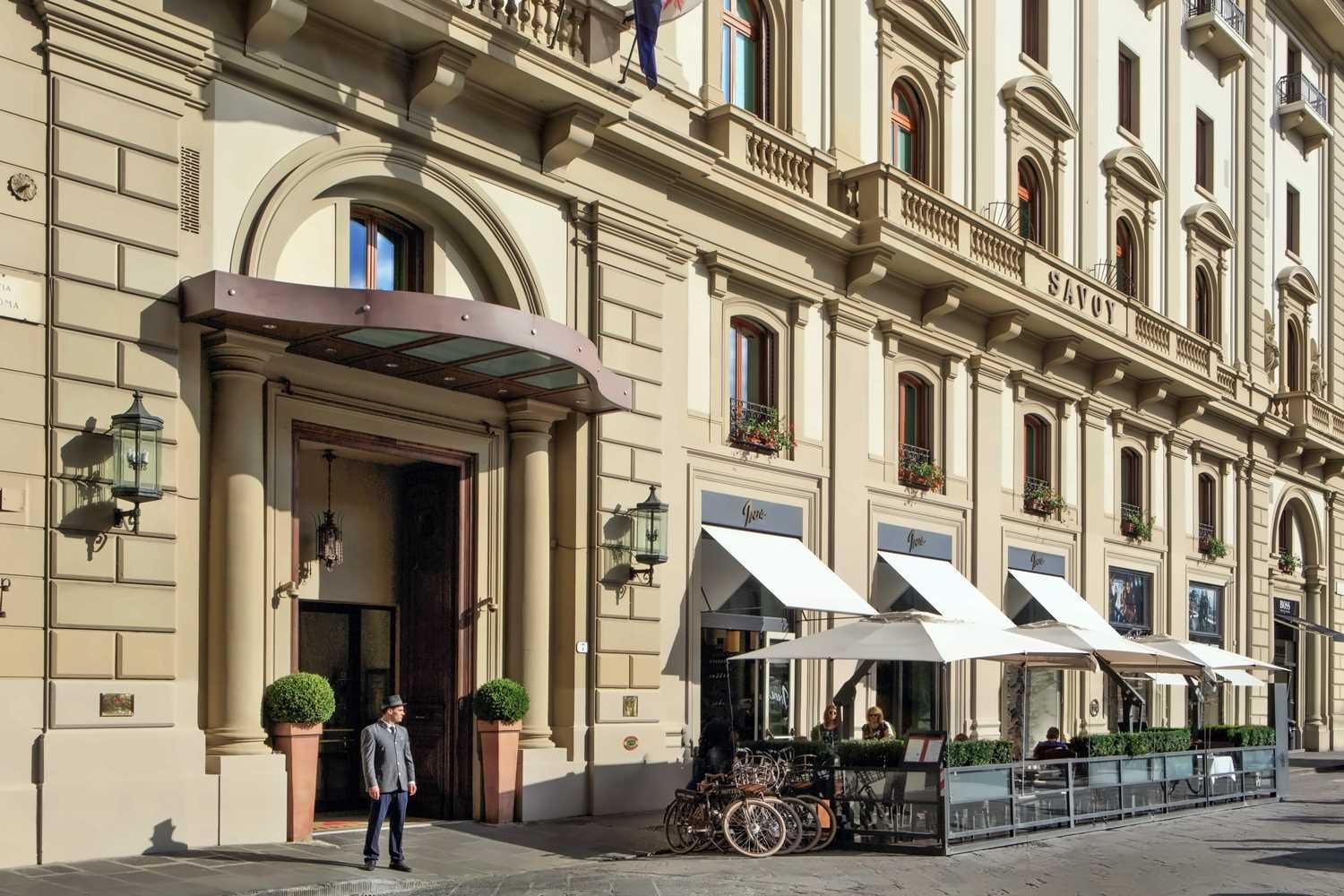
Hotel Brunelleschi, Palazzo Portinari Salviati, Hotel Savoy and Helvetia &. Bristol make the Renaissance core part of daily life. The cathedral, Palazzo Vecchio, Uffizi and major fashion houses are close, allowing a midday return without losing time. Ask about street orientation, pedestrian access and luggage arrival because the historic centre has traffic restrictions.
Ponte Vecchio and the Lungarno
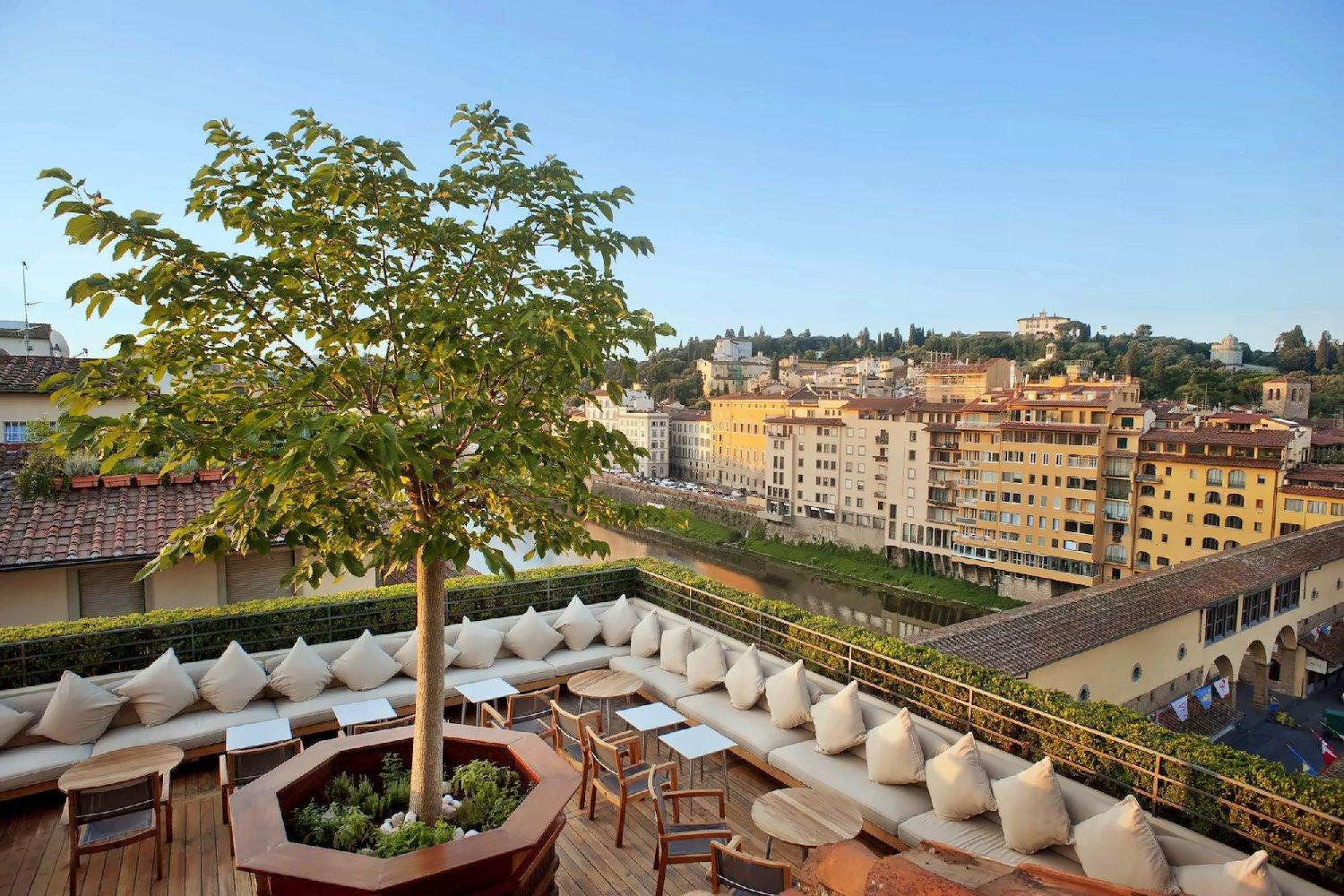
Hotel Lungarno, Portrait Firenze and Continentale sit beside Florence’s most recognisable bridge and open the door to both the Uffizi side and Oltrarno. The strongest categories face the Arno. courtyard and side views produce a very different experience. This location is particularly effective for early riverside walks and artisan appointments south of the water.
Santa Maria Novella and Piazza Ognissanti
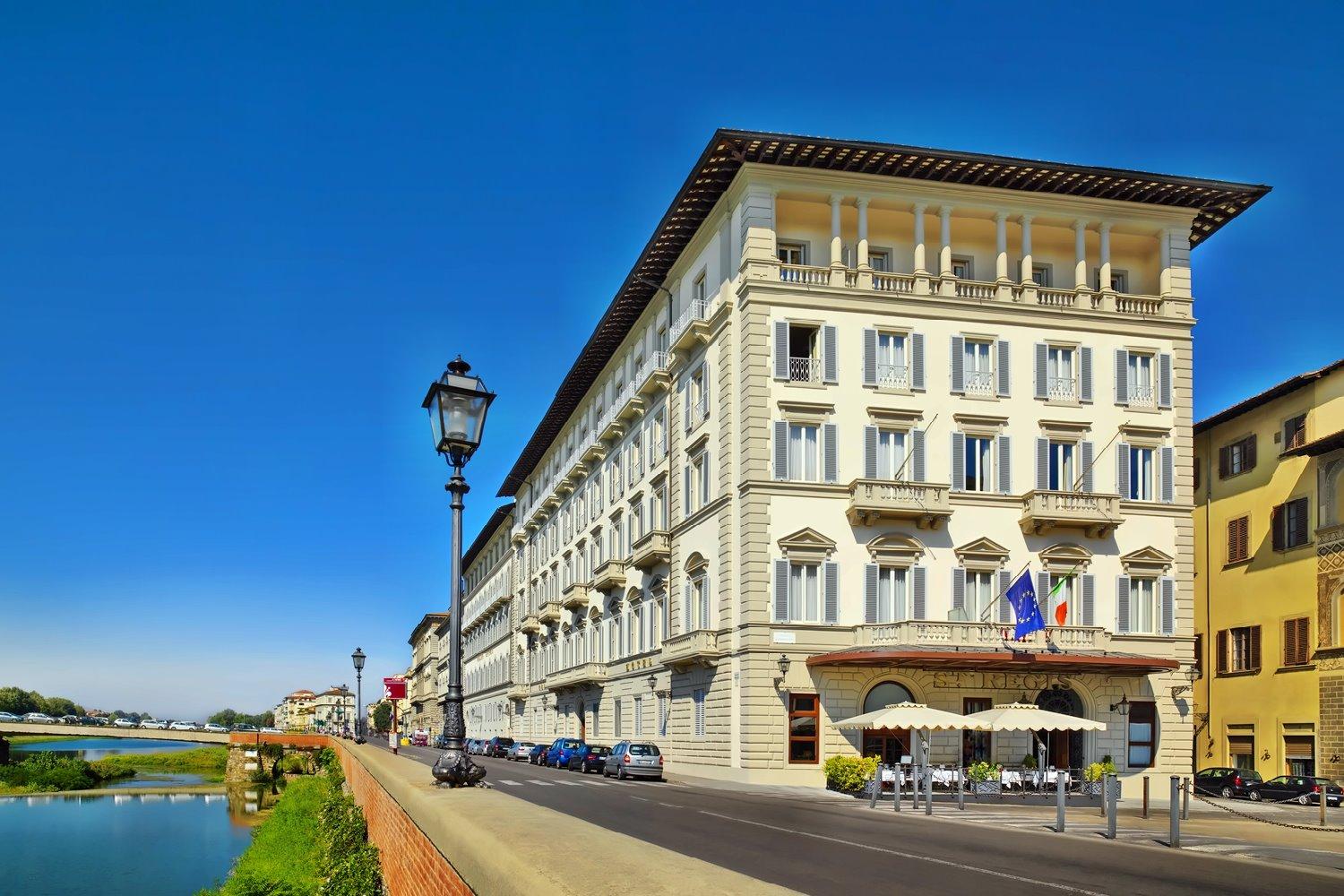
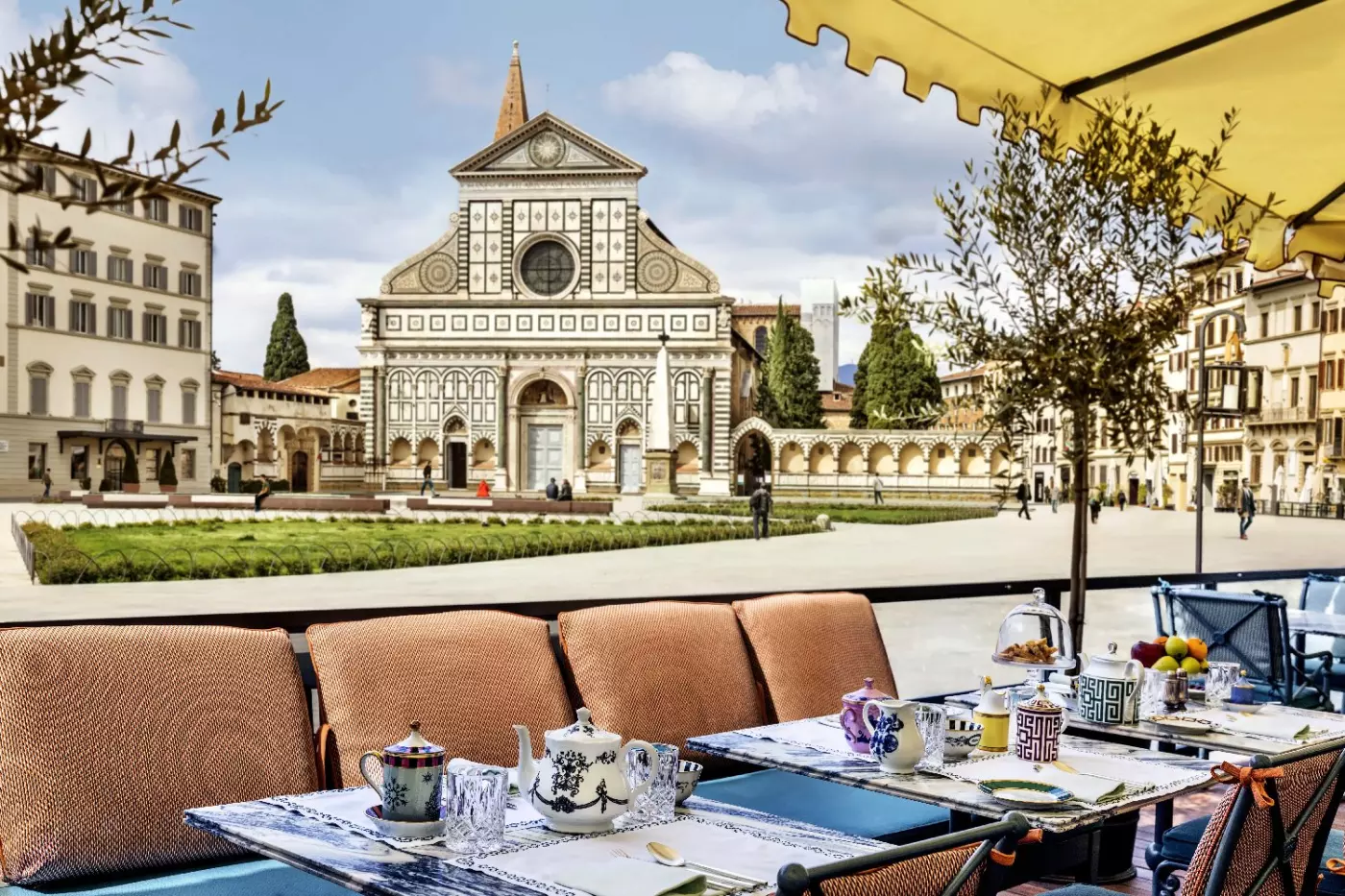
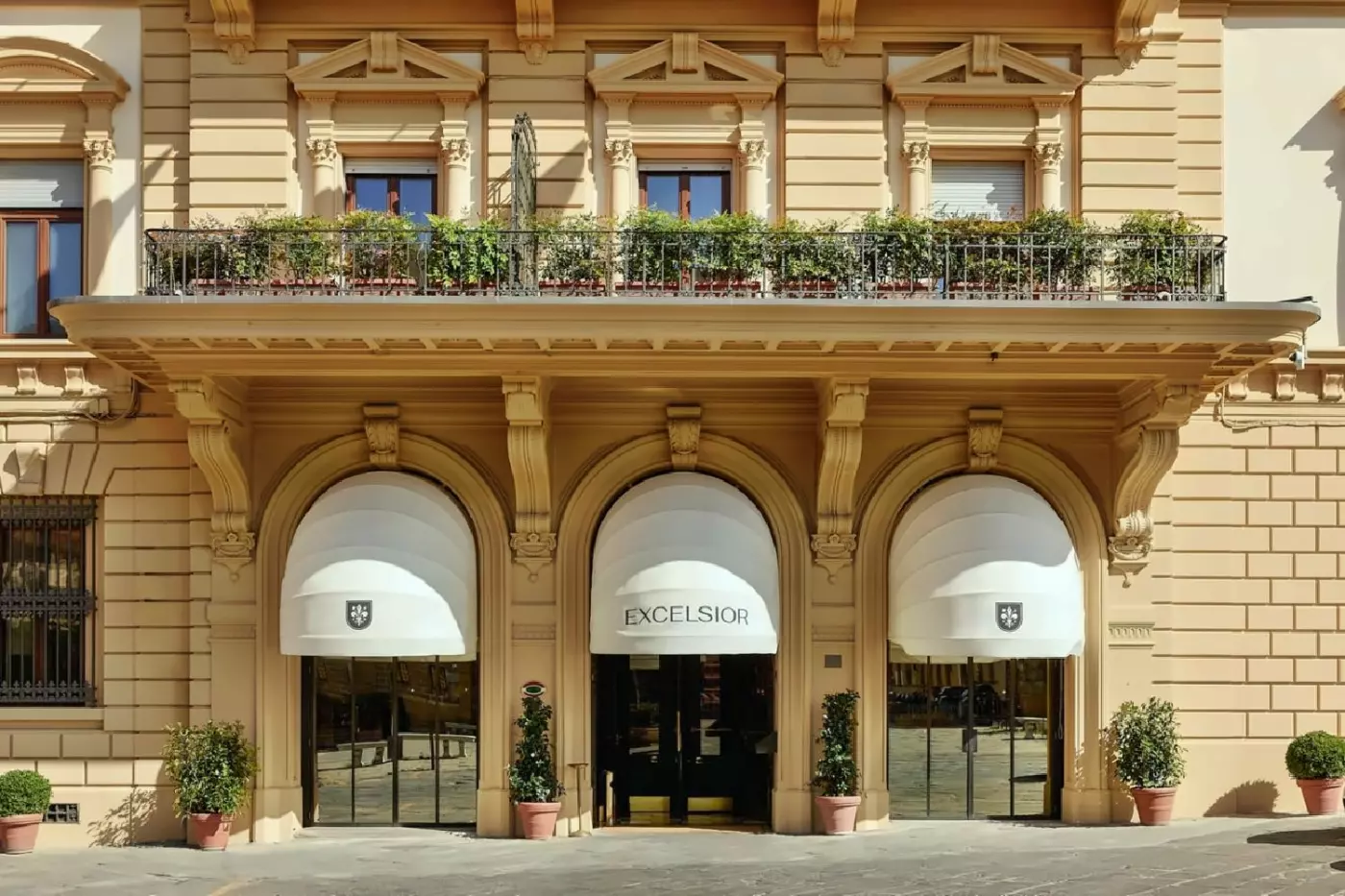
The Place, The St. Regis and The Westin Excelsior combine a western-centre position with convenient arrivals and elegant public rooms. Santa Maria Novella, the Arno and central shopping remain walkable. This area suits guests who value rail connections, chauffeur access and the ceremonial atmosphere of a grand hotel.
Eastern centre and private gardens
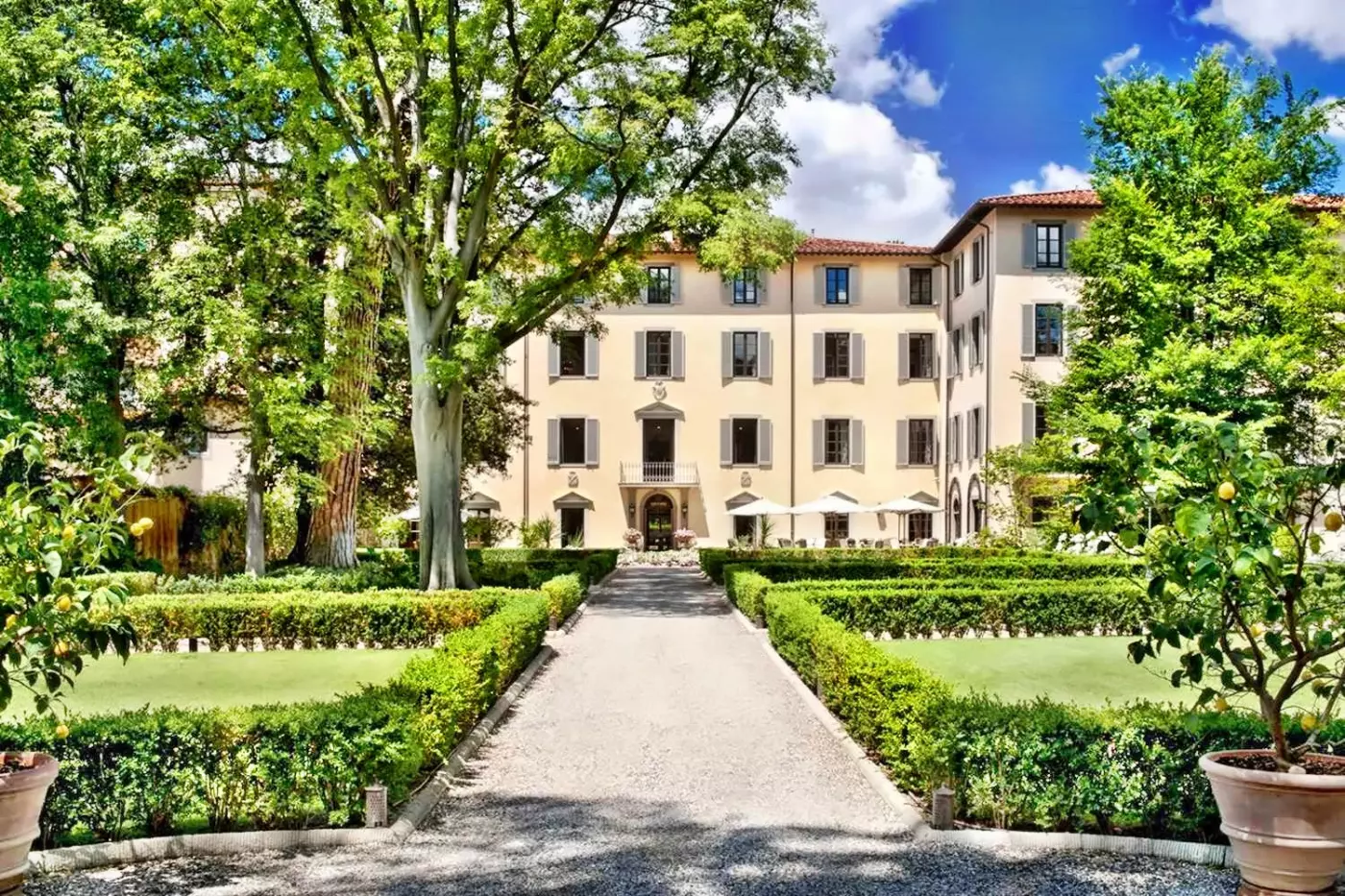
Four Seasons occupies an exceptional garden estate on the eastern side of central Florence. It is walkable to the Accademia and Duomo with more time than a Piazza della Repubblica address. But the resort-like space, spa and pool create a genuine pause. The hotel works best when at least one slow afternoon is protected.
Hillside villas and the Tuscan edge
Villa San Michele and Il Salviatino rise above Florence near Fiesole. Villa Cora sits by the Boboli side of town. Villa La Massa lies farther east on the Arno. These properties reward longer stays, families and summer visits. They are not interchangeable: compare shuttle frequency, seasonal facilities and the time needed to reach pre-booked museums.
How the Florence Virtuoso hotels differ
The most famous address is not automatically the most suitable one. Compare how each hotel supports the planned days.
Ceremony on the Arno
The St. Regis and Westin Excelsior offer scale, river presence and formal public rooms. Choose them when the hotel experience and straightforward car arrival matter as much as the smallest possible walking radius.
History inside the building
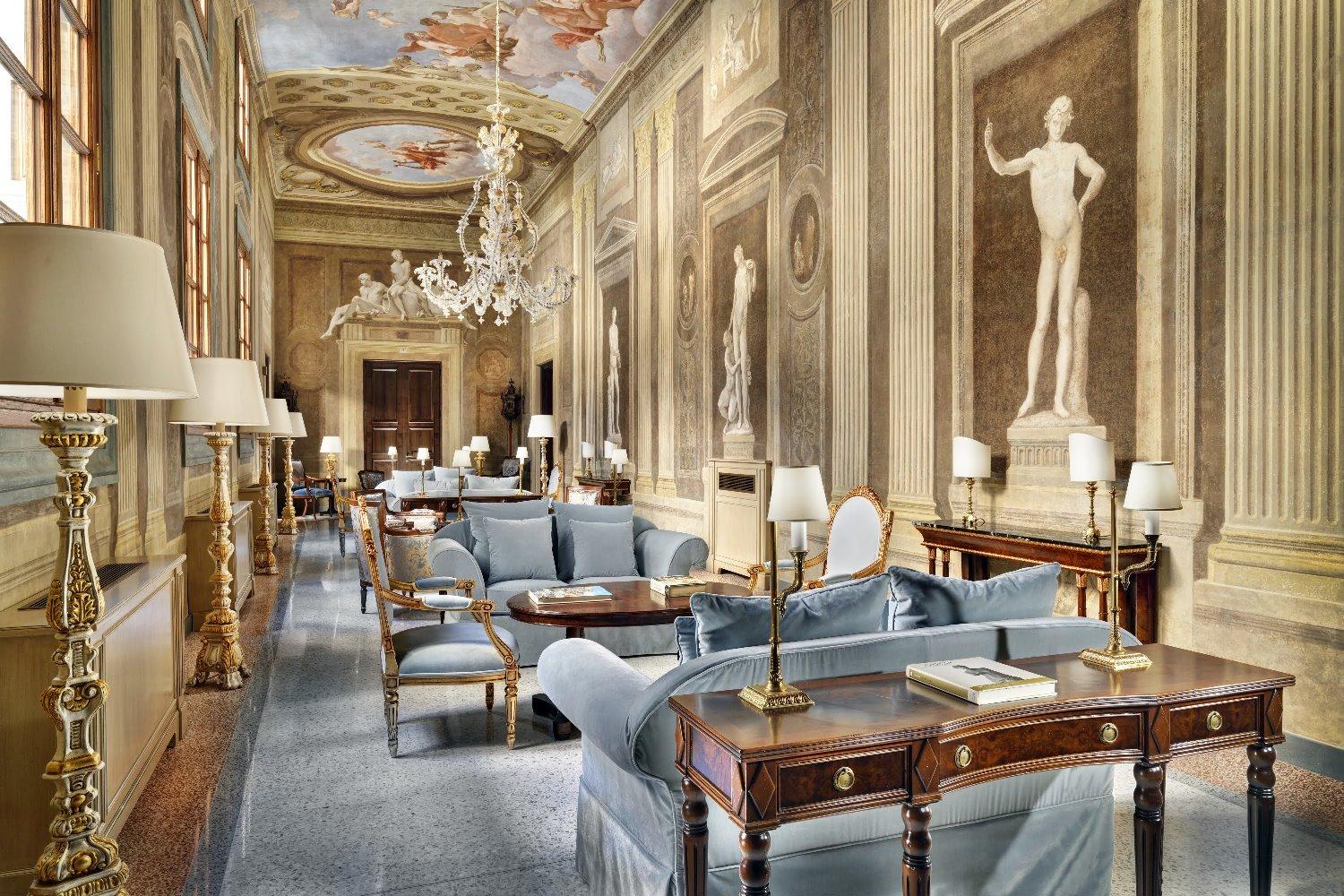
Brunelleschi, Palazzo Portinari Salviati and Helvetia &. Bristol place architecture and restoration at the centre of the stay. Their restaurants and spas justify time beyond the guest room.
Private service in the centre
Portrait Firenze and The Place reduce the scale and emphasise personal planning. They suit guests who prefer a residential mood, careful local introductions and no large lobby scene.
Gardens, pools and breathing room
Four Seasons, Villa Cora, Villa San Michele, Il Salviatino and Villa La Massa are strongest when the itinerary includes downtime. Their space becomes valuable only if the day is not filled from breakfast to dinner.
The Uffizi, Accademia and a realistic museum rhythm
The Uffizi publishes official ticket and admission information. reserve through its authorised channels and check the current rules before arrival. The collection deserves a clear focus—early Renaissance, Botticelli, Leonardo, Michelangelo or a broad first overview—rather than an exhausting attempt to see every room. The Accademia is smaller but extremely popular because of Michelangelo’s David.
use the museum’s official information and secure a timed visit. Avoid booking both institutions back-to-back without a proper break. One major collection in the morning, lunch. Then a church, palazzo or artisan visit creates a more intelligent day. Palazzo Pitti and the Boboli Gardens form another substantial chapter and should not be treated as a quick add-on to the Uffizi.
Duomo, churches and Renaissance context
The cathedral complex includes different monuments, access rules and physical demands. Decide in advance whether the priority is the interior, baptistery, museum, Giotto’s bell tower or Brunelleschi’s dome. climbing requires reserved timing and confidence with stairs and enclosed passages. Santa Croce, Santa Maria Novella, San Lorenzo and Santo Spirito reveal different chapters of Florence and work best when paired with their surrounding neighbourhoods.
A private art historian is most valuable when the route connects architecture, patrons and works across several sites rather than delivering isolated facts. Dress for sacred spaces, begin early and preserve daylight for façades, cloisters and the city’s stonework.
Oltrarno, artisans and shopping with substance
Crossing the Arno changes the texture of Florence. Santo Spirito, San Frediano and streets around Via Maggio combine workshops, antiques, gardens, bars and a more residential rhythm. Artisan appointments should be selective: leather, marbled paper, jewellery, restoration and made-to-measure work become meaningful when the maker explains material and process. Via de’ Tornabuoni remains the principal international fashion axis.
While smaller streets offer independent Florentine design. Private access is useful when it saves waiting or opens a workshop normally closed to casual visitors. Leave room for discovery. a schedule of continuous shop visits misses the pleasure of the district.
Restaurants, wine and Florentine evenings
Florentine cuisine rewards appetite and simplicity: seasonal vegetables, ribollita, handmade pasta, bistecca and excellent olive oil matter more than theatrical presentation. Reserve tasting-menu restaurants and small sought-after trattorie early. But do not schedule a heavy steak after a long tasting lunch. Geography should guide the evening—Oltrarno after artisan visits, central dining after the Uffizi,
or a hotel restaurant when staying in the hills. Tuscany’s wines deserve context. a focused Chianti Classico or Brunello appointment is more useful than an unstructured parade of labels. Rooftops are appealing, yet the skyline is most legible before nightfall. So arrive while the dome, river and hills remain visible in daylight.
Best time to visit Florence
Spring
March to May brings gardens, exhibitions and comfortable walking weather, with strong demand around Easter and long weekends. Reserve museums, restaurants and guides before flights are final.
Summer
June has long daylight. July and August can be hot and crowded. Begin outdoors early, return to the hotel at midday and favour a property with pool or shaded garden if downtime matters.
Autumn and winter
September and October are excellent for art and harvest-season excursions but remain busy. November to February suits museums and gastronomy with fewer visitors, shorter days and some seasonal villa facilities closed.
Florence in three, four or six nights
Three nights – a focused introduction
Choose a central hotel and divide the stay into Duomo and Accademia, Uffizi and civic Florence. Then Oltrarno and Palazzo Pitti. Limit each day to one major museum and one important dinner.
Four to five nights – the ideal balance
Extra time allows gardens, artisan appointments, smaller churches and a half- or full-day wine-country experience without sacrificing unplanned walks or the hotel.
Six nights or more – city and countryside
A longer stay supports deeper art study, culinary experiences and a villa rhythm. Consider splitting city and countryside only when the hotel change creates a meaningful contrast rather than extra packing.
Arrival, transfers and movement in Florence
Florence Airport is close to the city and publishes current transport information. transfer times remain traffic-sensitive. Pisa Airport provides additional international connections but requires a longer rail or road transfer. Santa Maria Novella station is centrally placed for high-speed services from Rome, Milan, Bologna and Venice. Inside the historic centre, walking is usually faster and more rewarding than a car.
Restricted-traffic zones, pedestrian streets and narrow approaches mean the driver may not reach every entrance in the same way. Use a chauffeur for airport and station arrivals, countryside days, mobility needs and luggage. Then plan the central programme on foot with realistic time for stone paving.
Combining Florence with a luxury journey through Tuscany
Florence is the natural cultural gateway to Tuscany. But the countryside should not be reduced to a rushed day trip. Chianti Classico is the easiest extension. Siena and the Val d’Orcia add medieval towns and open landscapes. Montalcino and Bolgheri serve different wine interests. Lucca and the coast form another chapter. A private driver allows tastings without compromise and opens smaller estates.
But distances and cellar appointments must be sequenced intelligently. Two or three nights in the countryside create more value than repeated returns to Florence. Deluxetargets can connect the city hotel, villa, rail, driver, guides, tastings and luggage as one itinerary rather than separate bookings.
What to decide before booking
Settle the preferred geography, importance of walking access, exact view, terrace, bed configuration and need for a pool before comparing rates. Arno, Ponte Vecchio and Duomo views belong to specific categories and may be angled or partial. In villas. Confirm shuttle times and whether pool, restaurant and spa operate on the intended dates. The qualifying Virtuoso rate should be assessed by total value:
breakfast, 100 USD hotel credit or an experience. Top priority for room and suite upgrades, top priority for early check-in and late check-out. And VIP status in the hotel.
Our Florence planning recommendations
- Choose between a walking-centre address and a garden retreat before comparing hotel brands.
- Reserve the Uffizi, Accademia, Duomo climb and destination restaurants as soon as dates are fixed.
- Plan only one major museum per half day and group churches, shops and meals by neighbourhood.
- Confirm Arno, Ponte Vecchio or Duomo views by exact room category in writing.
- Use a private driver for wine country and check exhibitions, trade fairs, public holidays and seasonal villa facilities before flights are booked.
Frequently asked questions about Virtuoso hotels in Florence
Which area is best for a first visit
The Duomo, Piazza della Repubblica and Ponte Vecchio zones provide the easiest walking access to major art, architecture and shopping. Santa Maria Novella is convenient for rail and larger grand hotels.
Should I stay in the centre or in a villa
Choose the centre for a short art-led visit and easy returns between museums. Choose a villa for pools, gardens, families and a slower stay of at least four nights.
How many nights should I plan
Four nights offer an excellent first balance. Three work with strict priorities. five or six allow artisans, Oltrarno and a countryside chapter without rushing.
Can I visit the Uffizi and Accademia on the same day
Yes. But place one in the morning and the other later with lunch and walking time between them. Back-to-back slots make both collections less rewarding.
Is an Arno or Duomo view guaranteed
No. Landmark views belong to specific categories and can be partial or angled. The exact outlook should be confirmed before booking.
Do I need a car in Florence
Not in the historic centre. Walking is usually best. Use a chauffeur for airports, luggage, hillside hotels, mobility needs and Tuscan excursions.
Are Virtuoso benefits identical at every hotel
No. Benefits apply to the qualifying rate. the exact credit or experience and any property-specific details are confirmed for the selected stay.
Can the hotels be booked online
Yes. The booking button opens the corresponding PrivateUpgrades page with live rates, availability and the confirmed benefits for the chosen dates.
Combine your hotel stay with a privately designed journey through Italy, with hotels, transfers and experiences planned as one seamless itinerary.