
Virtuoso Hotels
Virtuoso Hotels in Milan, Italy
9
9
Hotels
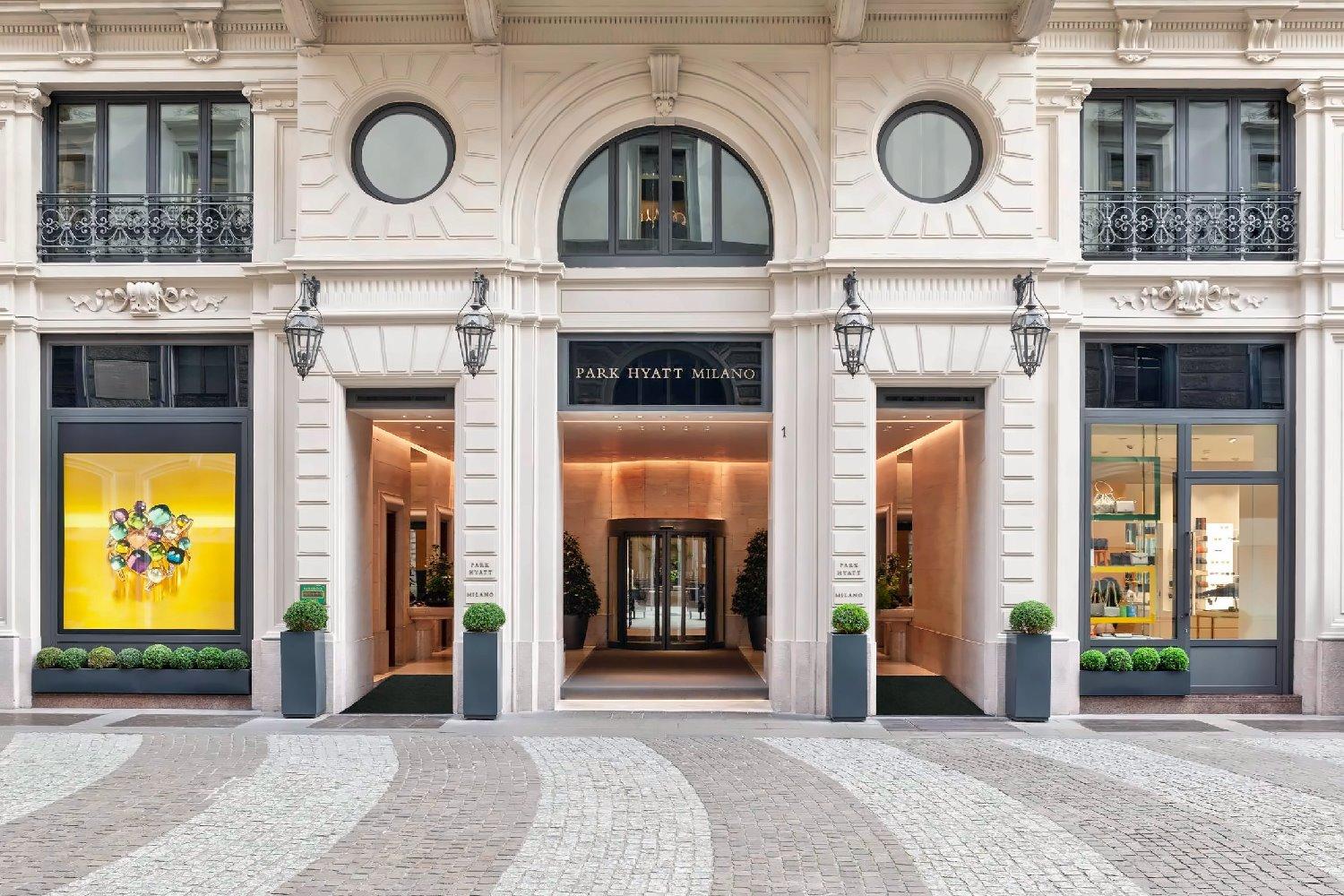
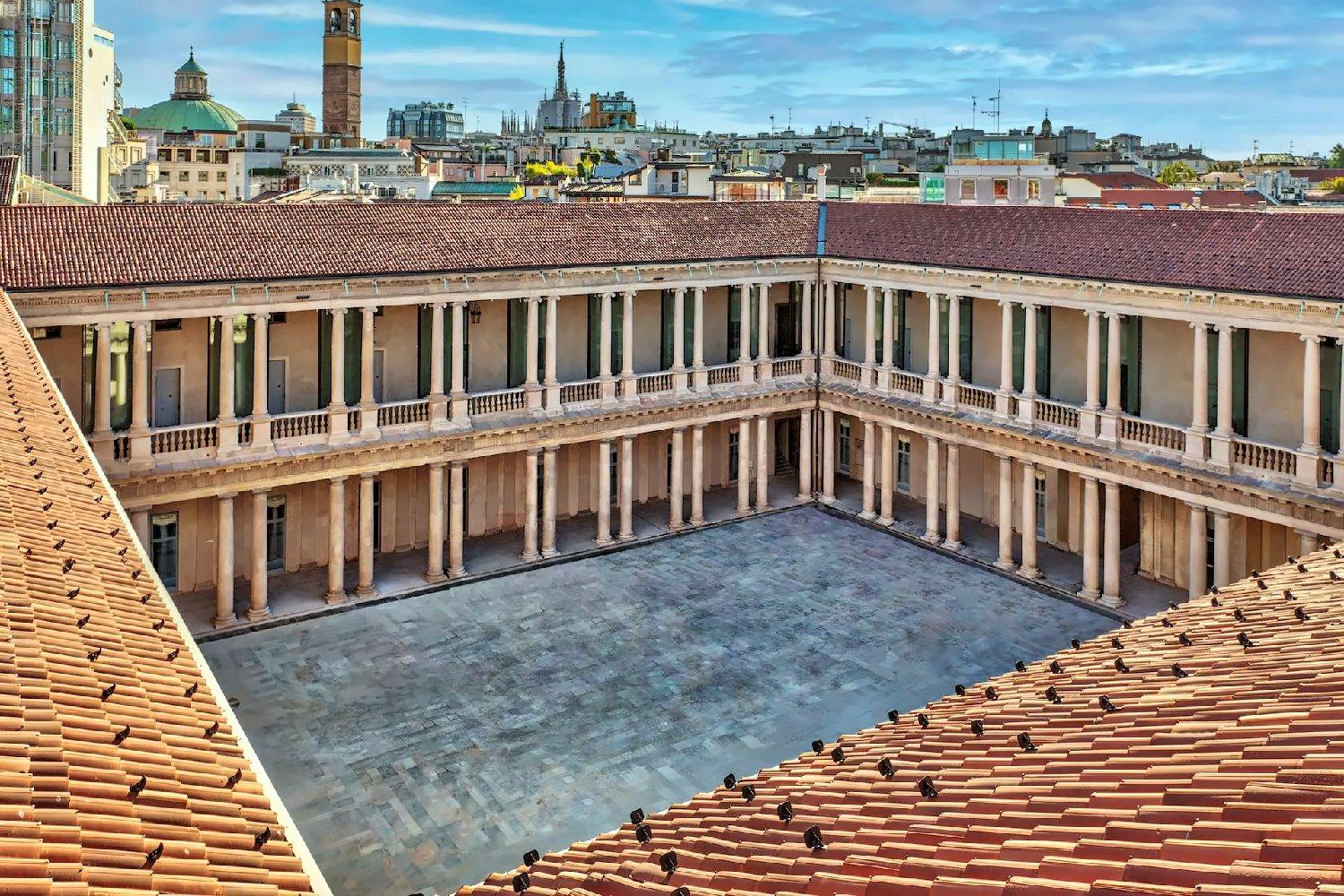
Virtuoso hotels in Milan: design, districts and nine exceptional addresses
Milan rewards travellers who look beyond a simple Duomo checklist. Its most compelling luxury hotels sit within a compact but varied centre: some open directly into the Fashion District, others hide in Brera courtyards. And one offers the scale and service theatre of a classic grand hotel near Porta Nuova. The right choice depends on whether fashion appointments, opera, museums, food, privacy or easy movement defines the stay.
The current Virtuoso selection includes 9 hotels, each with a distinct relationship to Milanese style. This guide compares their districts and personalities. Then builds a practical city plan around architecture, design, Leonardo, aperitivo and day trips. Deluxetargets confirms the qualifying Virtuoso rate, breakfast, 100 USD hotel credit or experience, upgrade priority, early check-in and late check-out priority. And VIP recognition for the selected dates.
Choose a Milan hotel by travel style
Do not select by brand alone. Milan’s centre is walkable, yet the atmosphere changes quickly between the cathedral, the Quadrilatero della Moda, Brera and Piazza della Repubblica.
Duomo and Galleria at the door
Park Hyatt is the most direct base for the Galleria Vittorio Emanuele II and cathedral. It suits a short stay where every transfer matters. But the central footfall means the exact room position deserves attention.
Inside the Quadrilatero
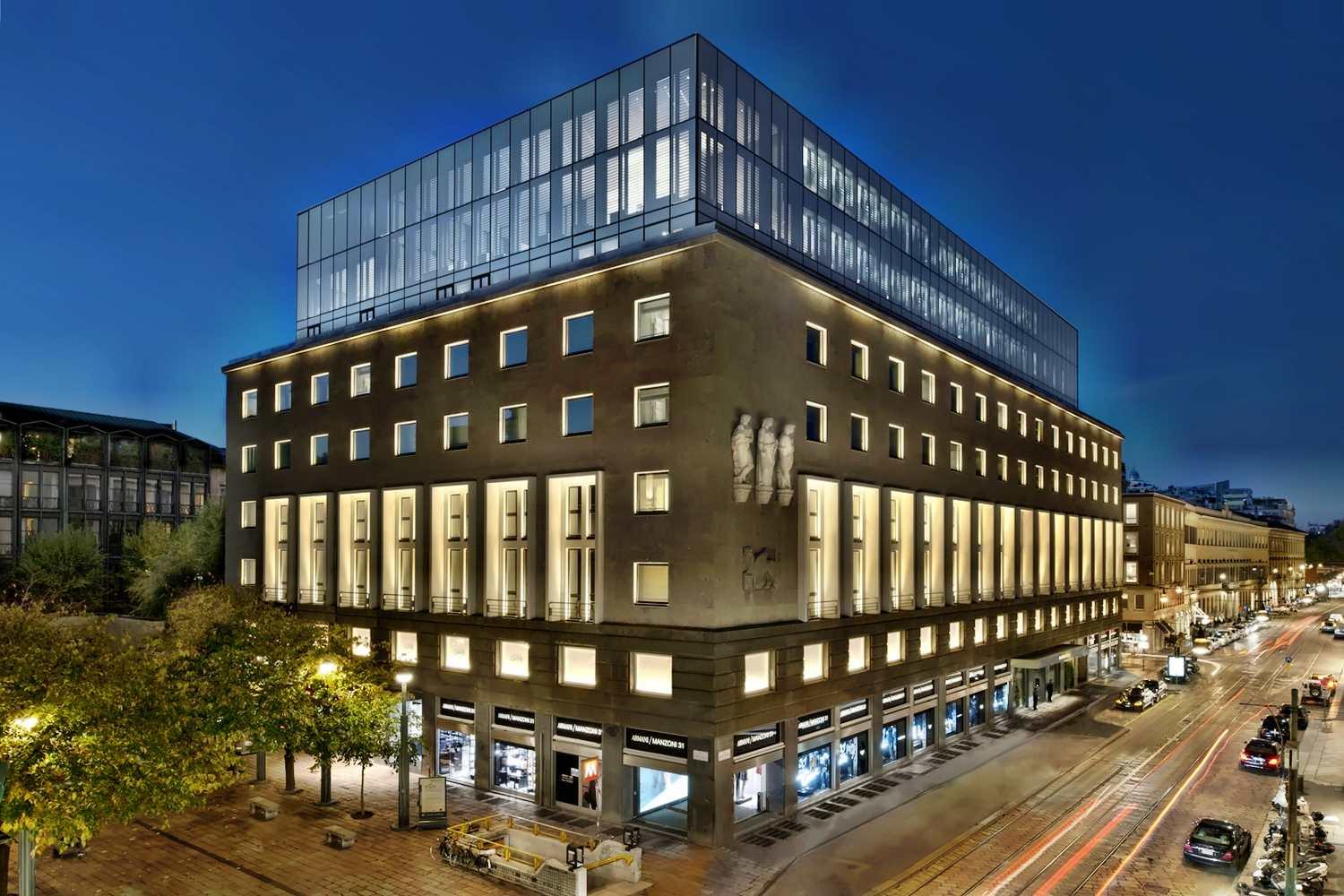
Armani, Four Seasons, Portrait and nearby Mandarin Oriental make Via Montenapoleone, Via della Spiga and Via Sant’Andrea part of daily life. Choose among minimalist design, historic cloisters, a sociable piazza or courtyard calm.
Brera courtyards
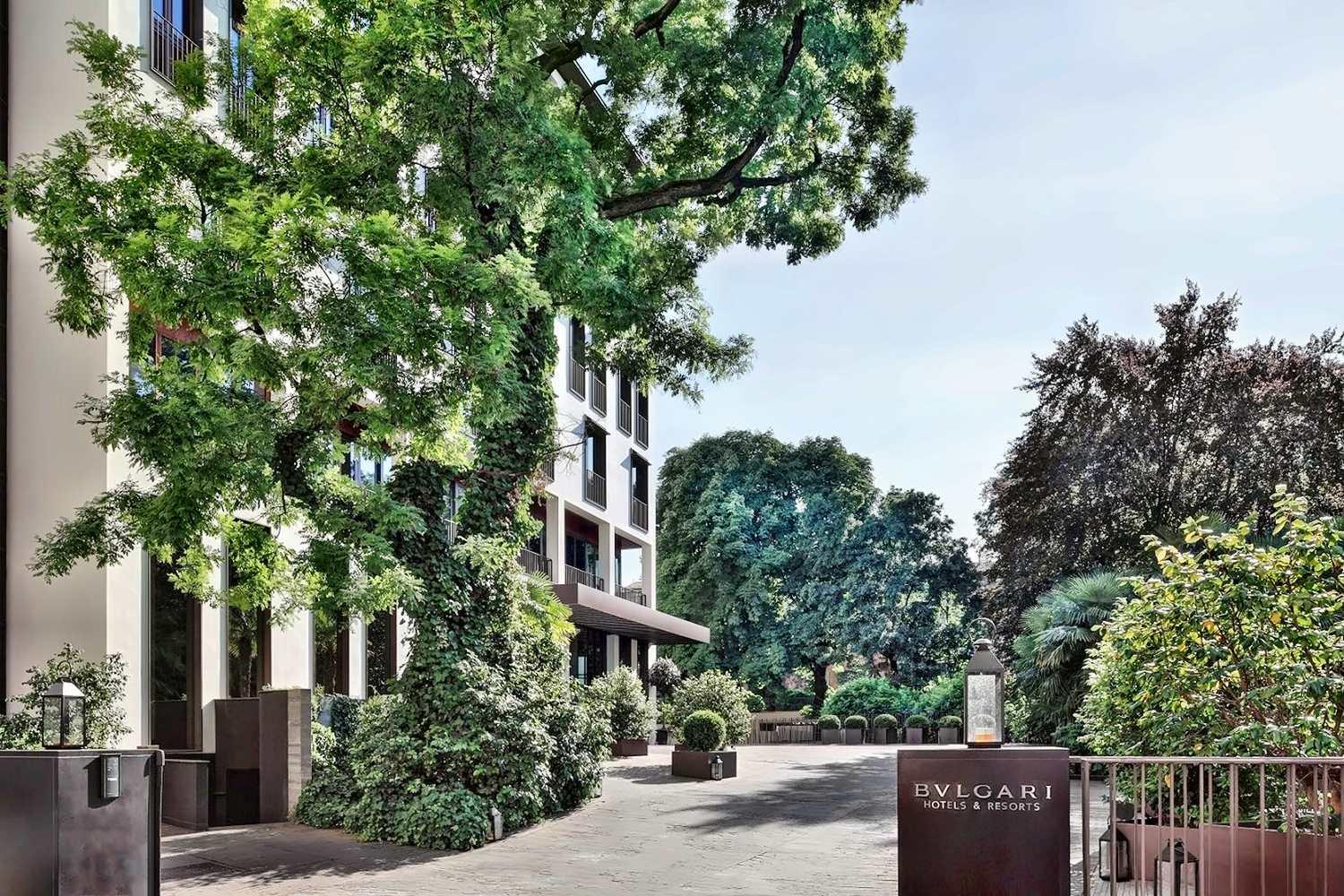
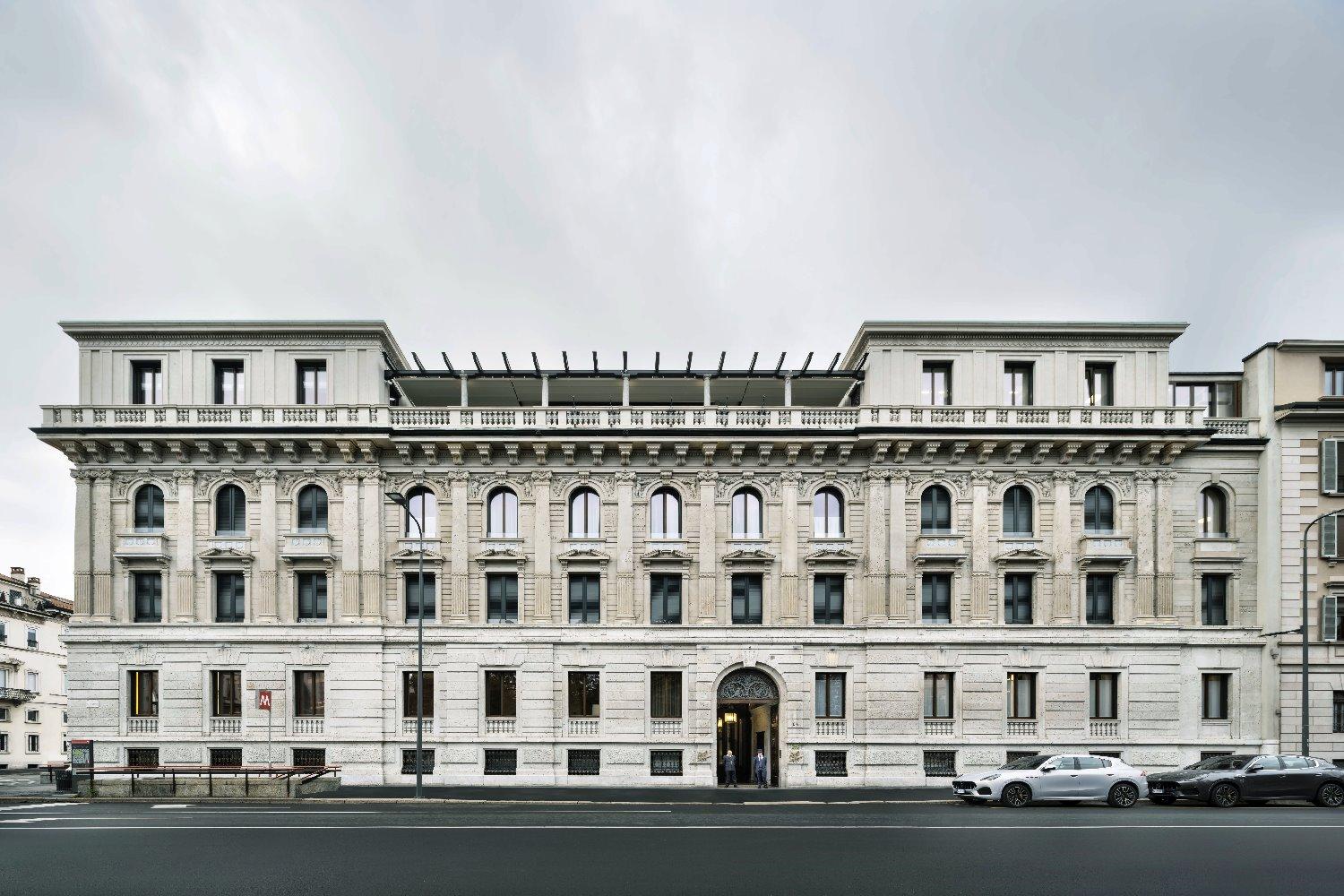
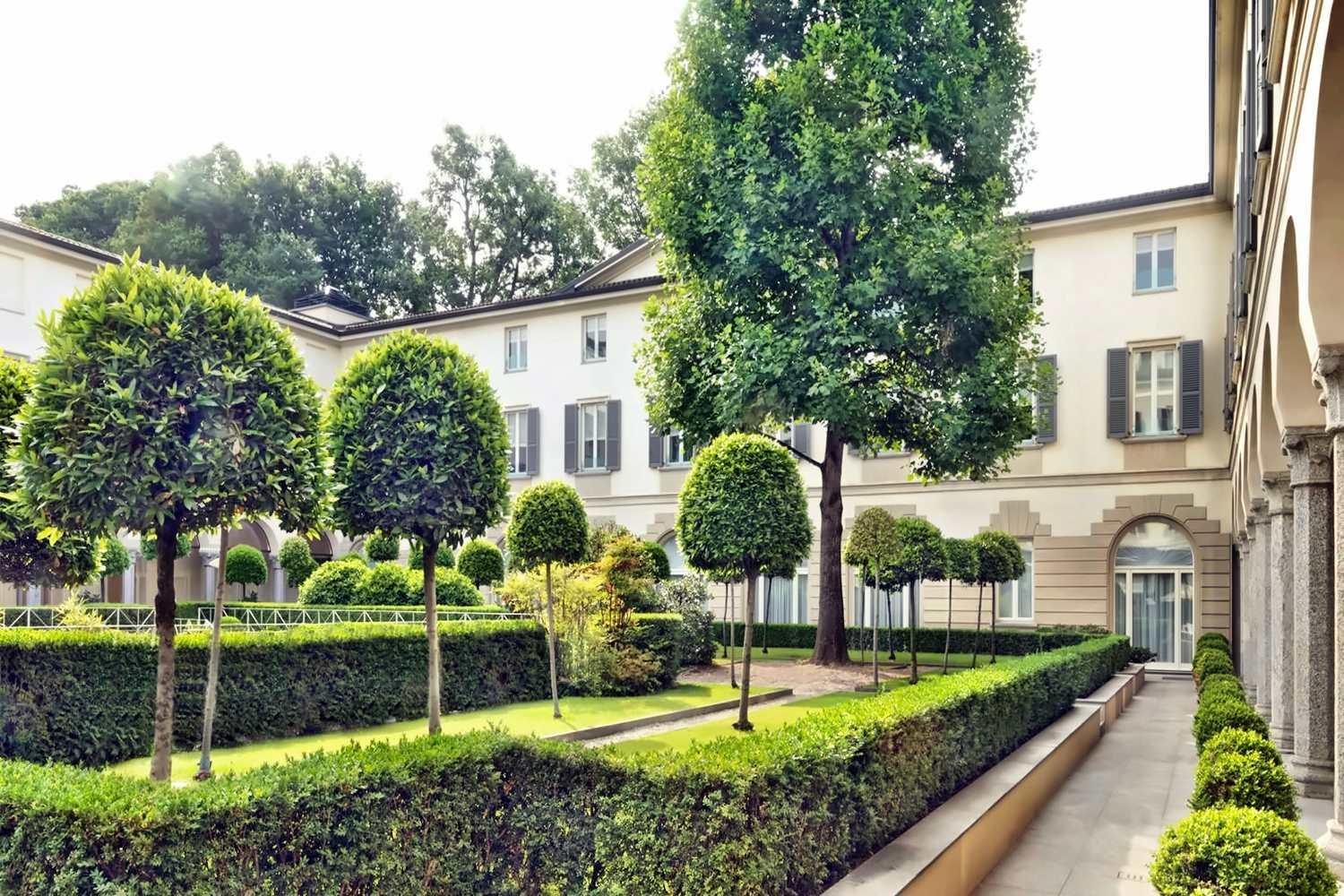
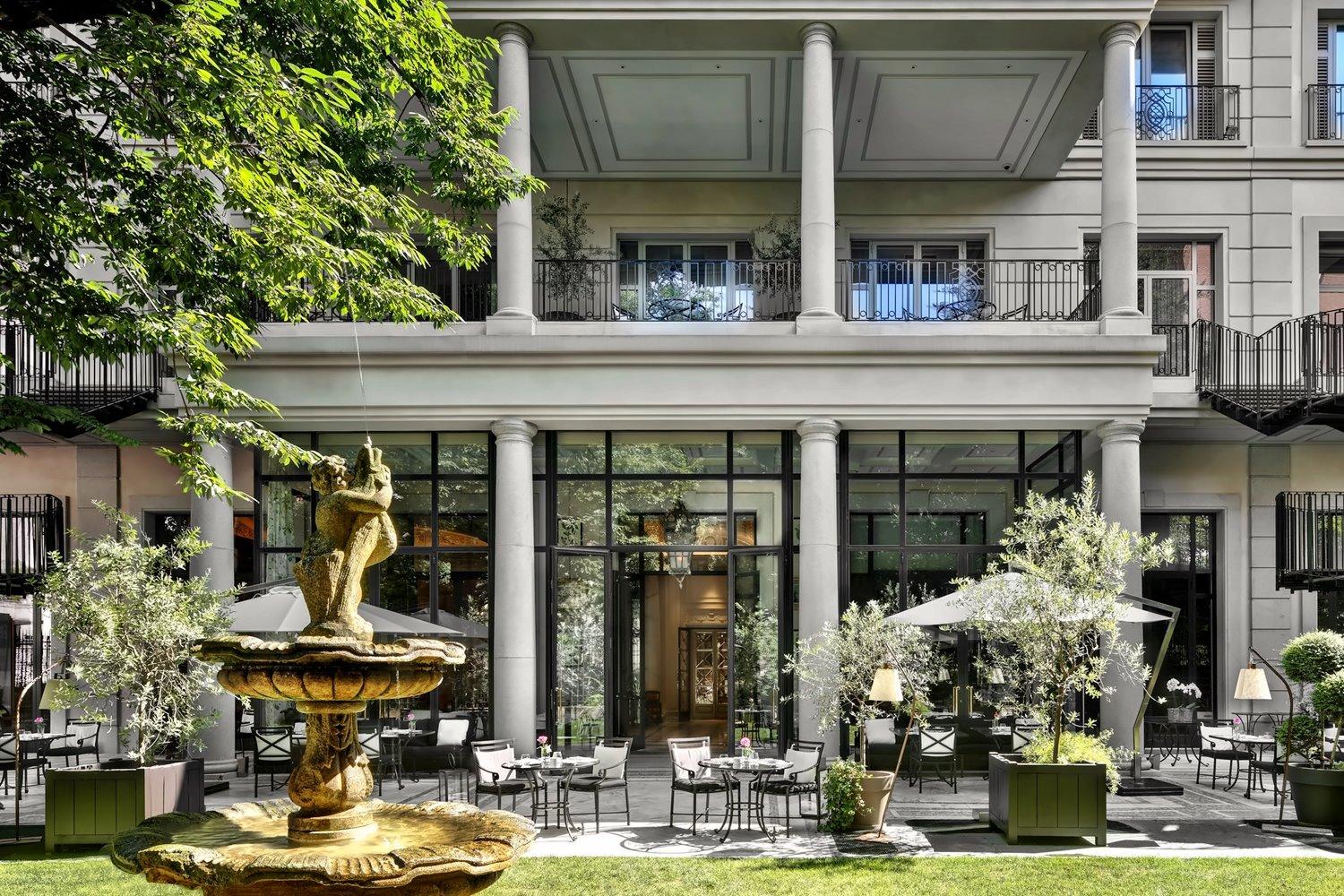
Bulgari and Palazzo Parigi sit close to Brera but express it differently: one through a secluded private garden. The other through grand interiors, balconies and a substantial spa.
Piazza della Repubblica
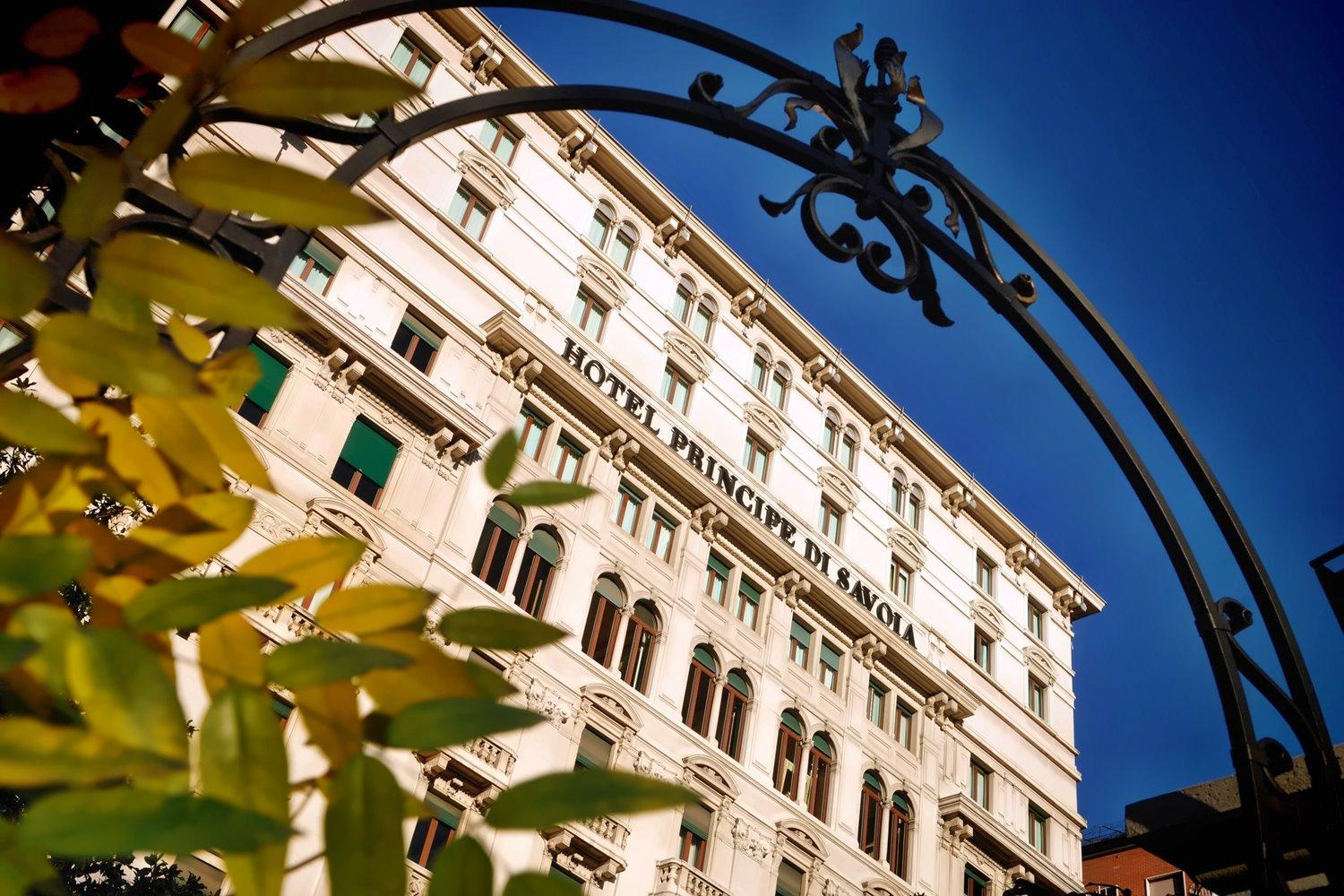
Principe di Savoia offers a larger grand-hotel rhythm near Porta Nuova and Centrale. It is less intimate than the Fashion District addresses and stronger for travellers who value space, tradition and a full-service institution.
Milan’s principal luxury-hotel districts
Duomo, Galleria and La Scala
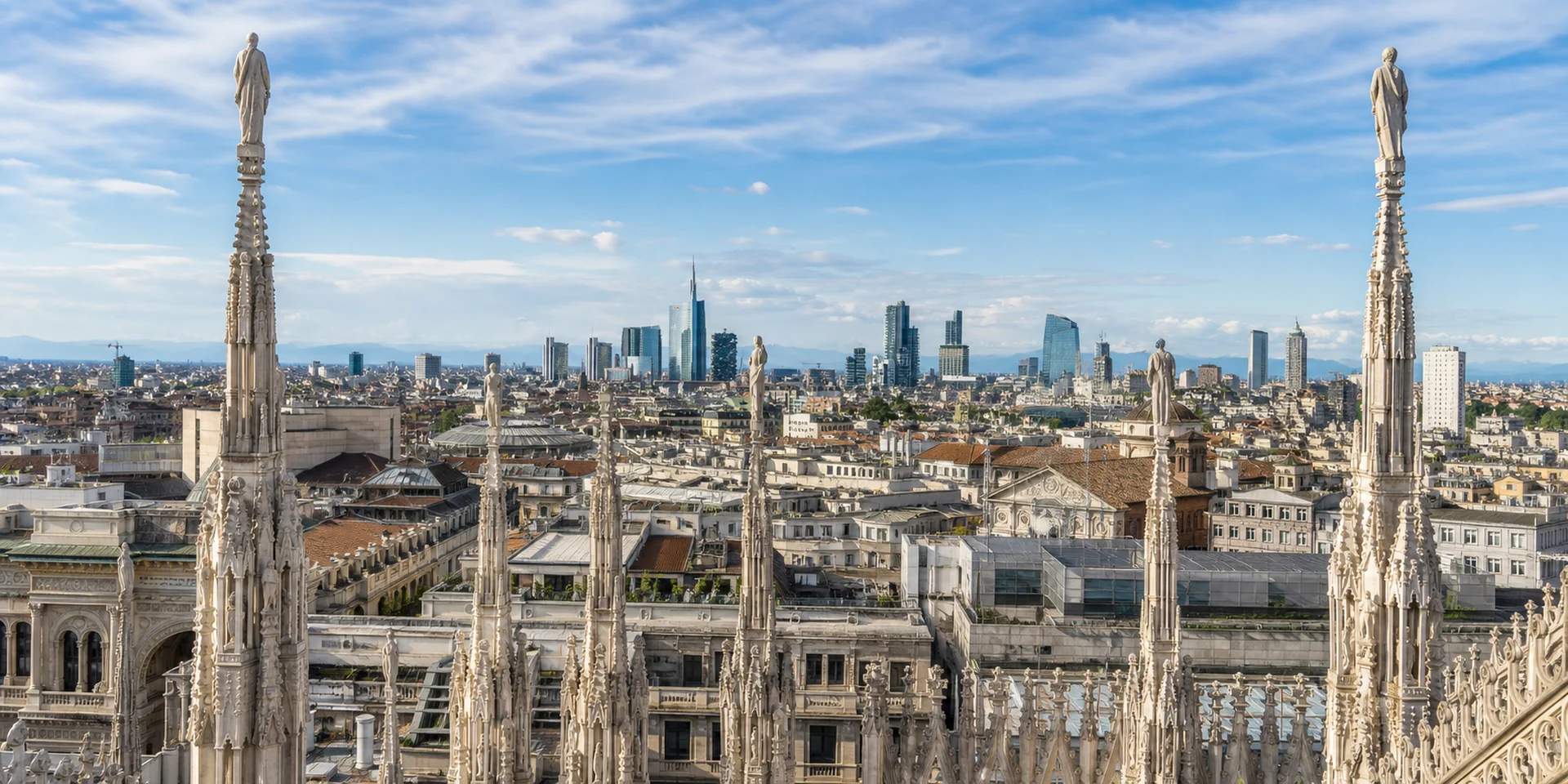
The monumental centre concentrates the cathedral, its rooftop terraces, the Galleria and Teatro alla Scala within a few streets. Park Hyatt sits almost inside this circuit. While Mandarin Oriental is a short walk away. The location is exceptionally efficient early in the morning and after performances. But midday crowds can be intense. Plan timed visits rather than crossing Piazza del Duomo repeatedly.
Quadrilatero della Moda
Via Montenapoleone, Via della Spiga, Via Gesù and Via Sant’Andrea form a district of fashion houses, showrooms and discreet courtyards. Armani Hotel, Four Seasons and Portrait Milano are embedded in this network. The area is not only for shopping: architecture, craft. Private gardens and Milanese residential proportions explain why these hotels feel connected to the city’s design identity.
Brera
Cobbled lanes, the Pinacoteca di Brera, galleries and restaurants give Brera a more textured evening atmosphere. Bulgari hides on a private street and garden edge. While Palazzo Parigi stands between Brera and the business centre. This district works well for repeat visitors who want to walk after dinner without remaining in the busiest cathedral zone.
Porta Nuova and Repubblica
North of the historic centre, contemporary towers, Piazza Gae Aulenti and the planted façades of Bosco Verticale represent modern Milan. Principe di Savoia and Casa Cipriani offer access from different sides of the district. The position is useful for Milano Centrale and newer restaurants, though taxis or the metro are sensible for the Duomo in formal shoes or bad weather.
How the 9 Virtuoso hotels differ
Milan’s leading hotels are close geographically but not interchangeable. Match the building, social energy and service style to the purpose of the trip.
Armani and Portrait
Armani offers rigorous minimalism and a controlled private entrance. Portrait animates a restored seminary around a public-facing piazza. The first is composed and inward, the second more connected to contemporary city life.
Four Seasons and Bulgari
Four Seasons uses the cloister of a former convent. While Bulgari conceals a large garden behind an eighteenth-century palazzo. Both create quiet inside the Fashion District. But their architecture and dining rituals feel distinct.
Mandarin Oriental and Park Hyatt
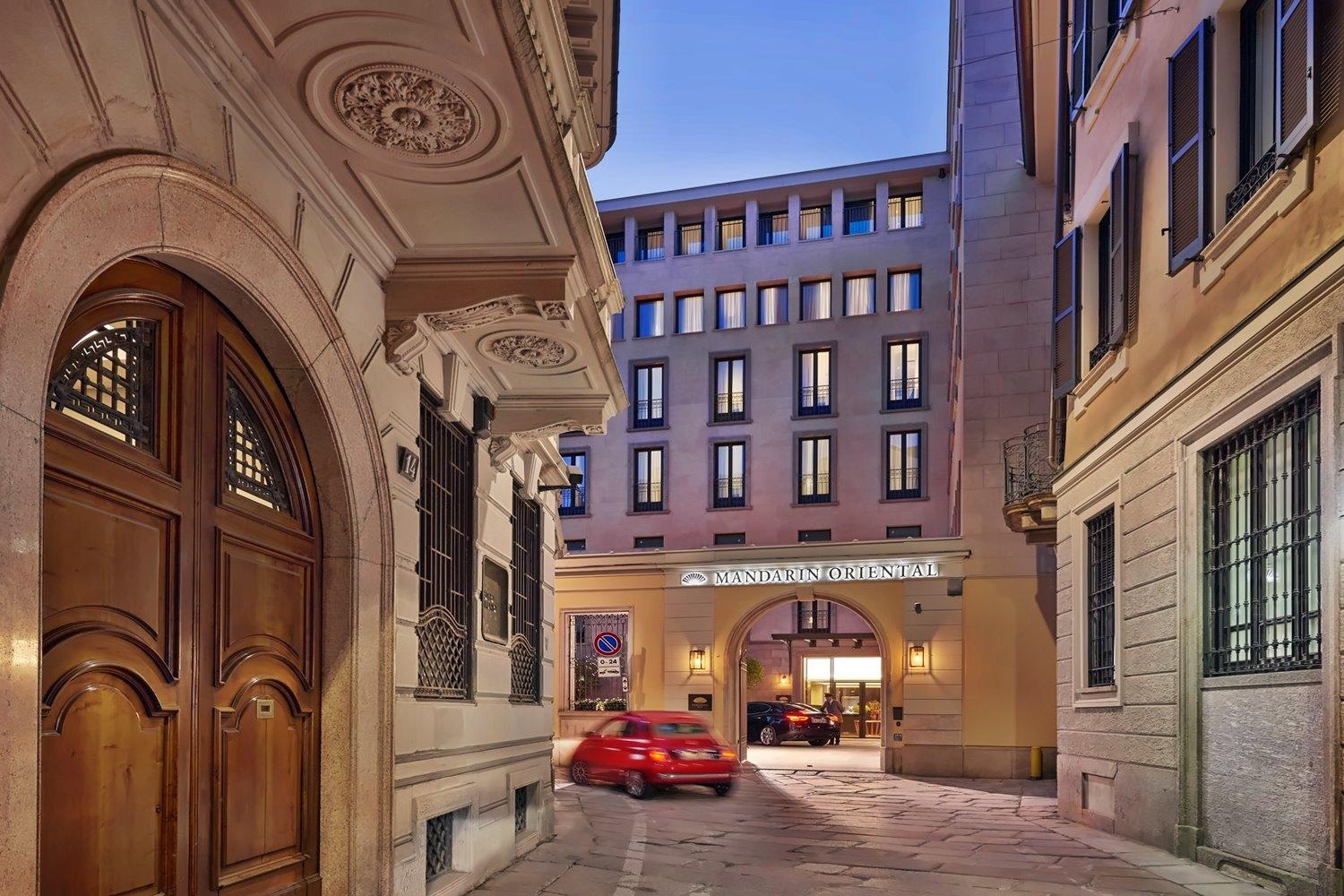
Both minimise walking to La Scala, the Galleria and luxury shopping. Mandarin Oriental brings stronger destination dining and a more layered courtyard plan. Park Hyatt offers the most immediate Duomo access.
Palazzo Parigi, Casa Cipriani and Principe
Palazzo Parigi is theatrical and spa-led, Casa Cipriani has a private-club character. And Principe di Savoia is a classic city institution. These hotels suit travellers seeking a defined social and service atmosphere rather than pure proximity.
The Duomo, Galleria and historic core
Reserve a timed cathedral and rooftop visit. Then separate the exterior, interior and terraces instead of rushing through all three. Clear morning light reveals the Candoglia-marble detail before Piazza del Duomo reaches its busiest point. Continue through the Galleria to Piazza della Scala and the museum or theatre tour. Then move into quieter streets toward Brera.
Modest dress rules apply inside the cathedral, security queues vary. And lifts do not remove every step on the terraces. A private guide adds value by connecting Roman Mediolanum, Gothic construction, nineteenth-century unification and the city’s modern commercial identity.
- Book the Duomo complex through the official channel and choose the correct rooftop access type.
- Visit the Galleria early for architecture rather than only luxury retail.
- Pair La Scala with its museum when no suitable performance is available.
- Use the compact historic centre on foot. But avoid unnecessary midday crossings of the main square.
Leonardo, Brera and Milan’s art collections
Leonardo’s Last Supper at Santa Maria delle Grazie has tightly controlled timed entry and should be treated as a fixed appointment, not a spontaneous stop. Build the day around that reservation, adding the church, nearby Casa degli Atellani area or Castello Sforzesco without risking a late arrival.
The Pinacoteca di Brera offers a deeper route through Italian painting and belongs with time in the district rather than a rapid highlights tour. Museo Poldi Pezzoli and the galleries of Piazza Scala provide more intimate alternatives close to the hotels. Choose two serious collections in one day at most. Milan’s quality becomes clearer when art, architecture and neighbourhoods are allowed to reinforce one another.
- Secure Last Supper tickets as soon as the official release window opens.
- Allow identification and security time before the stated entry.
- Reserve Brera for a separate half-day if Italian painting is a priority.
- Ask us to coordinate a specialist guide when context matters more than volume.
Design, fashion and contemporary Milan
Milan’s authority in design is visible beyond Fashion Week and Salone del Mobile. The Triennale in Parco Sempione, ADI Design Museum and showrooms around the city explain industrial design, graphics and domestic interiors. Fondazione Prada combines contemporary art with a significant architectural campus south of the centre. allow travel time and check which spaces are open.
During fashion and design weeks, hotel demand, traffic and restaurant access change dramatically. While private presentations can alter the atmosphere of Fashion District properties. Travellers with trade appointments should map showrooms before selecting a hotel. Leisure visitors may prefer quieter dates when boutiques, museums and restaurants operate at a more considered pace.
- Use the hotel location to reduce backtracking between showrooms and appointments.
- Check exhibition calendars before deciding between Triennale, ADI and Fondazione Prada.
- Leave room for independent galleries and craft ateliers rather than only global flagships.
- Confirm event periods early because availability and minimum stays can change.
Aperitivo and dining with local intelligence
Milanese dining is as much about timing and neighbourhood as famous names. A proper aperitivo can precede dinner without replacing it. seek bars where drinks and a concise selection of food support conversation rather than an oversized buffet. Traditional dishes include risotto alla milanese, cotoletta, mondeghili and seasonal preparations. While contemporary restaurants show the city’s international outlook.
Brera, Porta Venezia, Isola and Navigli create different evenings. But the prettiest canal table is not automatically the best kitchen. Hotel restaurants such as Seta, Il Ristorante. Niko Romito and Pellico 3 deserve advance planning. Let us reserve restaurants around museum and performance times so the itinerary does not become a sequence of cross-city taxis.
- Keep one evening within walking distance of the hotel for a relaxed aperitivo and dinner.
- Order regional dishes in season instead of forcing a fixed checklist.
- Reserve high-demand hotel restaurants together with the room.
- Choose Navigli for atmosphere selectively and use Brera or Porta Venezia for more varied dining.
Best time to visit Milan
April to June and September to October usually combine active cultural calendars with pleasant walking weather. But they also contain major design and fashion events. September can be warm, busy and expensive. April’s Salone del Mobile transforms the whole city. July and August bring heat, reduced local business rhythms and occasional restaurant closures,
although air-conditioned museums and quieter streets can suit a deliberate plan. Winter is cooler and often atmospheric, with opera, shopping and fewer outdoor demands. fog or rain should be expected. Always compare dates against trade fairs, Fashion Week, football fixtures and public holidays before treating a seasonal rule as sufficient.
- Spring: gardens, design events and strong demand.
- Early autumn: fashion, exhibitions and busy hotels.
- Summer: heat, lighter business traffic and possible closures.
- Winter: opera, museums and a quieter urban rhythm.
How many nights in Milan
Two nights cover the Duomo, Galleria, one major art appointment and a considered dinner. But leave little resilience if Last Supper tickets or opera dates dictate timing. Three nights allow Brera, a design institution and different neighbourhood evenings without rushing. Four nights suit travellers adding fashion appointments, deeper museums or contemporary art. Five or six nights become compelling when Milan anchors Lake Como,
Franciacorta, Bergamo or another Lombardy excursion. Do not count a late arrival as a full city day. And protect the morning after a performance from an unnecessarily early transfer.
Essential Milan
Duomo and terraces, historic centre, one fixed cultural visit and one excellent evening.
Balanced city break
Add Brera, design or Fondazione Prada and compare two neighbourhoods after dark.
Culture and style
Allow specialist museums, shopping appointments and a slower hotel experience.
Milan plus Lombardy
Use the city as a base or combine it with a carefully chosen lake, wine or historic-town day.
Airports, trains and movement
Linate is closest to central Milan and connects efficiently to the city. While Malpensa serves many long-haul routes and requires more transfer time. Bergamo is useful for selected flights but should not be described as a central Milan airport. Milano Centrale handles major Italian and international rail services. Porta Garibaldi is convenient for parts of northern Italy and the Porta Nuova district.
Within the centre, walking and the metro are usually faster than a car. The Area C congestion zone and limited street access make a pre-arranged transfer preferable for arrivals with luggage. Confirm the correct hotel vehicle entrance because several Fashion District properties occupy pedestrian-priority or restricted streets.
- Choose flights by total door-to-door time, not airport name alone.
- Keep passports and train details accessible for coordinated transfers.
- Use the metro for predictable cross-city movement and taxis for formal evenings.
- Allow extra road time during design week, fashion events and major fairs.
Day trips and a wider northern-Italy journey
Lake Como is possible as a day trip. But an overnight stay is better when lakeside pace, boats and hotel life are central to the journey. Bergamo’s Città Alta offers a compact historic contrast and straightforward rail access. While Franciacorta suits travellers whose priority is sparkling wine and a privately arranged producer visit. Turin,
Bologna and Verona are connected by fast trains but deserve more than a rushed return journey if their museums and food matter. Milan works especially well as the opening or closing chapter of northern Italy because its airports and rail links simplify arrival. Deluxetargets can connect hotels, private transfers and guides into an individual Italy itinerary rather than treating each segment separately.
- Choose Lake Como overnight when the lake itself is the purpose of travel.
- Use Bergamo for architecture and a manageable independent day.
- Arrange Franciacorta privately and verify producer opening days.
- Turn longer-distance cities into separate stays rather than collecting train journeys.
What to decide before booking
Rank four priorities before requesting a rate: district, room outlook, hotel social atmosphere and the appointments that cannot move. Then identify whether spa, destination dining, connecting rooms, terraces or immediate Duomo access changes the preferred property. Share fashion-week invitations, opera tickets, museum times and airport details early so transfers and restaurants support the fixed points.
We compare the available Virtuoso options and confirm the exact benefits for the chosen dates. an upgrade remains subject to arrival availability. So book the minimum category you would be happy to occupy. This discipline produces a stronger stay than selecting the most familiar name and solving logistics afterwards.
Practical tips for a refined Milan stay
- Fix scarce tickets first — Secure the Last Supper, opera and special exhibitions before filling the calendar with flexible walks and shopping.
- Protect early daylight — Use the first morning for the Duomo exterior, Galleria or Brera streets before commuter and visitor traffic builds.
- Map appointments — Showrooms that look close on a map may use discreet courtyards and controlled entrances, so share exact addresses with us.
- Use the hotel fully — Milan’s courtyards, gardens, spas and restaurants are part of each property’s character. schedule time rather than merely sleeping there.
- Keep one unplanned interval — A free late afternoon allows an exhibition, atelier, aperitivo or weather change to improve the trip instead of disrupting it.
Frequently asked questions about Virtuoso hotels in Milan
Which area is best for a first visit to Milan
The Duomo, Galleria and Fashion District provide the easiest first orientation. Park Hyatt is closest to the cathedral. While Mandarin Oriental, Armani, Four Seasons and Portrait combine central access with different levels of retreat.
Which Milan hotels are best for shopping
Armani, Four Seasons and Portrait sit inside the Quadrilatero della Moda. Mandarin Oriental and Bulgari are also very close. The right choice depends on the specific boutiques, private appointments and desired hotel atmosphere.
How many nights should I spend in Milan
Three nights create a balanced first stay. Add a fourth for deeper art, design or shopping. And more time if Milan anchors Lake Como or another Lombardy experience.
Do I need to reserve the Last Supper
Yes. Entry is timed and capacity is tightly controlled. So official availability should be checked early and the day planned around the confirmed slot.
When is Milan most crowded
Fashion weeks, Salone del Mobile, major fairs and some football or cultural events create sharp demand. Exact calendars matter more than broad seasonal labels.
Is Milan walkable from these hotels
Most central sights are walkable from the Duomo, Brera and Fashion District hotels. Metro and taxis remain useful for Fondazione Prada, Navigli, Porta Nuova, formal evenings and poor weather.
What Virtuoso benefits can be included
Eligible rates generally include breakfast, a 100 USD hotel credit or experience, upgrade priority, early check-in and late check-out priority. And VIP recognition. We confirm the exact benefits and conditions for the chosen hotel and dates.
Can Milan be combined with Lake Como
Yes. A day trip is possible. But an overnight lake stay is usually more rewarding when boats, views and resort time are important. we can coordinate the complete route and transfers.
Combine your hotel stay with a privately designed journey through Italy, with hotels, transfers and experiences planned as one seamless itinerary.