

Virtuoso Hotels
Virtuoso Hotels in Naples, Italy
2
2
Hotels
Virtuoso hotels in Naples: the bay, historic centre and a confident stay
Naples is not a city to reduce to a quick gateway for Pompeii or the islands. Its Greek street plan, Roman remains, Baroque churches, living markets and immense bay create a destination with its own demanding rhythm. The best stay balances serious culture with time to observe ordinary neighbourhood life, eat well and return to the hotel before the day becomes exhausting.
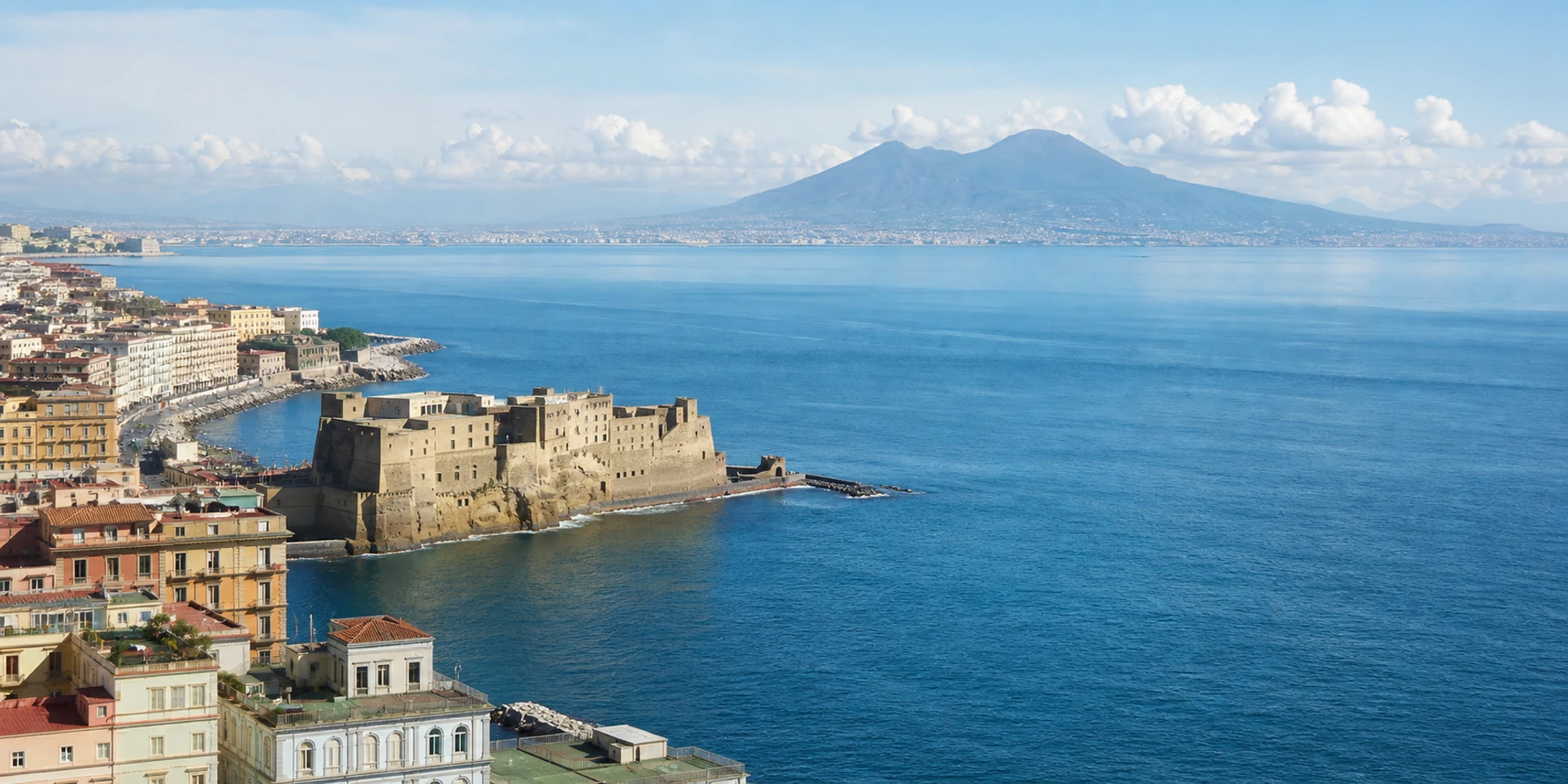
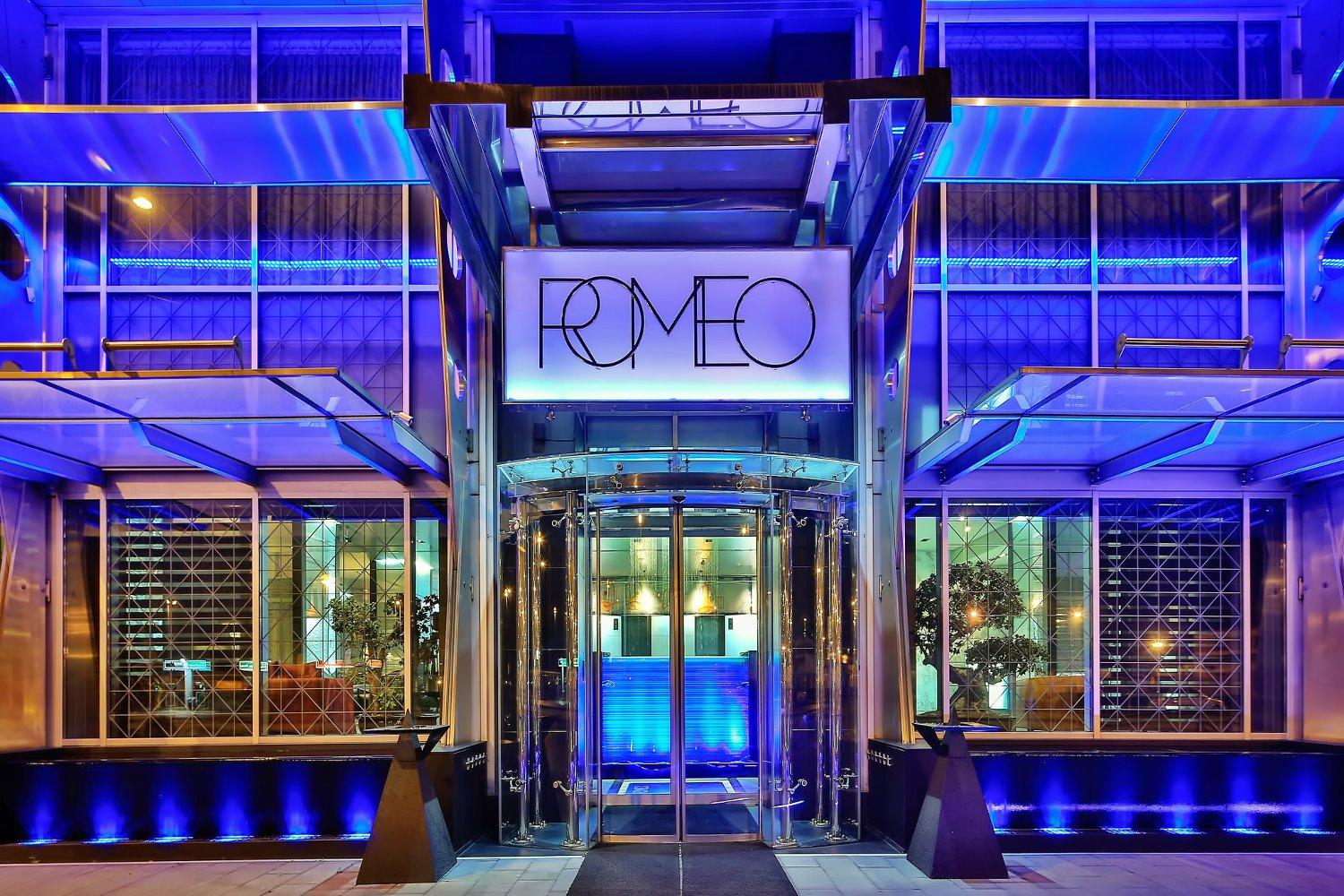
The two Virtuoso addresses offer distinct perspectives. Grand Hotel Parker's sits above Chiaia with expansive bay views and a composed residential atmosphere. ROMEO Napoli places contemporary design beside the port and within reach of the historic centre. Choose the geography first. Then organise museums, archaeological sites and dinners around that base. Four or five nights permit a rewarding Naples programme without treating every day as a transfer operation.
Choose Chiaia or the waterfront
Grand Hotel Parker's rewards travellers who value an elevated panorama, quieter evenings and access to Chiaia, Villa Comunale and the seafront. Reaching the oldest streets takes planning. But the return feels like a retreat. ROMEO Napoli suits guests who want the port, Municipio and the historic centre close at hand, along with a bolder design vocabulary.
The waterfront setting is practical for city exploration, yet cruise and port activity can shape the immediate surroundings. Compare room orientation, street noise, view category and the time required for your principal appointments. In Naples, a supposedly small distance can feel substantial when hills, heat and crowded pavements are involved.
Read the historic centre in layers
The UNESCO-listed historic centre preserves an unusually long urban history rather than a single polished period. Begin along Spaccanapoli and the Greek-Roman street grid. Then connect monasteries, courtyards, craft streets and small shrines. Santa Chiara, Gesù Nuovo, the Duomo and the Sansevero Chapel each require different timing and attention. A private guide is most valuable when architecture,
belief and daily life are explained together instead of delivered as a list of monuments. Start early, dress appropriately for active churches and leave unscheduled time for a café or courtyard. Narrow streets are busy and uneven. So comfortable footwear matters more than formal daytime dress.
Give the archaeological museum proper time
The National Archaeological Museum of Naples is essential context for Pompeii and Herculaneum. Its mosaics, frescoes, sculpture and domestic objects reveal how excavated sites were inhabited. But the scale can overwhelm. Check official opening information, current galleries and ticket procedures. Then choose several priorities rather than attempting every room. Visiting the museum before an archaeological excursion creates intellectual structure.
visiting afterwards helps interpret what you saw on site. Allow at least half a day with a pause. Do not add another major collection immediately afterwards. The surrounding streets lead naturally into the historic centre, making a focused lunch and a slower neighbourhood walk the most coherent continuation.
Plan Pompeii and Herculaneum separately
Pompeii is vast, exposed and physically demanding. While Herculaneum is more compact and preserves different details. Neither should be treated as a casual stop before an evening flight. Use the official archaeological park information for hours, authorised tickets, closures and current access. And confirm transport conditions shortly before departure. A knowledgeable archaeological guide adds value by selecting houses,
public buildings and themes rather than racing across the entire map. Carry water, sun protection and suitable shoes. But respect site rules. In warm weather, begin early and protect the afternoon. Travellers with a deeper interest should assign different days to the two sites and use Naples itself as the interpretive base.
Vesuvius, weather and responsible access
Vesuvius dominates the horizon. But a visit is an outdoor mountain excursion rather than an automatic extension of Pompeii. Check official access, timed admission, route conditions and volcanic information before leaving. The Vesuvius Observatory of Italy's National Institute of Geophysics and Volcanology is the authoritative source for monitoring context. it is not a guarantee of visitor access.
Heat, wind, cloud and uneven volcanic ground can alter the experience quickly. Use an authorised transfer or a carefully verified public-transport plan. And do not rely on informal ticket sellers. If conditions are poor, substitute the archaeological museum, a palace or deeper exploration of Naples instead of forcing the ascent.
Eat with curiosity and restraint
Pizza is foundational. But Naples also deserves attention for pasta, seafood, vegetables, ragù, fried snacks, sfogliatella and espresso culture. A famous queue is not automatically the best use of an evening. excellent neighbourhood addresses can deliver more pleasure with less waiting. Reserve ambitious restaurants in advance and keep several simple meals flexible. Explain allergies clearly,
particularly around shellfish, nuts and dairy. And ask the hotel to write essential information in Italian when needed. Street food is best approached at busy, clean vendors with rapid turnover. One guided market or cooking experience can provide context. But leave room to repeat a favourite pastry shop or pizzeria without another formal appointment.
Move carefully through a dense city
Naples rewards walking, although traffic, scooters, cobbles, stairs and summer heat require attention. The metro and funiculars can shorten steep journeys. consult the local operator for current service rather than relying on an old itinerary. Use licensed taxis from official ranks or have the hotel arrange a car for fixed appointments. Keep valuables discreet in crowded transport and markets,
as you would in any busy European city. The port serves several coastal routes. But terminals and operators differ. So verify the exact departure point. Build buffer time before trains and ferries. A midday hotel pause often improves the trip more than adding one more distant landmark.
Build four or five intelligent nights
With three nights, concentrate on the historic centre, the archaeological museum and one major excursion. Four or five nights allow Pompeii or Herculaneum, Chiaia and the seafront, churches, serious meals and an unstructured afternoon without constant urgency. Add Vesuvius only when weather and mobility are favourable. Capri, Ischia and the Amalfi Coast are substantial destinations,
not check-box detours. consider separate stays when they are priorities. Naples combines naturally with Rome, Florence or another Italian region through the Italy roundtrip. But protect the city from becoming merely a rail junction. The strongest itinerary gives Naples at least two complete days that do not begin with departure.
Five practical Naples tips
- Reserve major archaeological sites and the Sansevero Chapel through official channels. Then keep confirmation details available offline.
- Choose a hotel and room category by actual outlook and access, not by a broad promise of being central.
- Begin outdoor sightseeing early in warm months and protect a midday pause for lunch or the hotel.
- Use licensed taxis or hotel-arranged cars for fixed appointments. And allow extra time around the port and station.
- Carry comfortable shoes, discreet valuables and a light church-appropriate layer for the historic centre.
Naples hotel and travel questions
How many nights should I spend in Naples
Four nights provide a strong first stay. five allow a major archaeological excursion and a slower city rhythm without sacrificing the hotel.
Is Chiaia or the port better
Choose Chiaia for residential calm and bay views, or the port for easier access to Municipio, ferries and much of the historic centre.
Should I visit Pompeii or Herculaneum
Pompeii offers immense urban scale. While Herculaneum is more compact and detailed. Select by interest and mobility, or visit them on separate days.
Do I need a guide in Naples
A strong guide is especially worthwhile for the historic centre or archaeology, where layers of history are easy to miss without interpretation.
Can I visit Vesuvius after Pompeii
It is possible but demanding. Confirm access and weather, begin early and avoid combining both when heat, mobility or limited daylight makes the schedule fragile.
Is Naples suitable without a car
Yes. Walking, metro, funiculars, trains and licensed taxis cover most needs. a private car is useful for specific excursions rather than daily city travel.
When is the best time to visit
Spring and autumn usually offer comfortable walking conditions. Summer brings heat and crowds. While winter offers quieter museums with shorter daylight and variable weather.
How does Naples fit an Italy roundtrip
Use fast rail to connect Rome or Florence, or continue south with a dedicated coastal stay. Keep at least two full city days free from transfers.
Combine your hotel stay with a privately designed journey through Italy, with hotels, transfers and experiences planned as one seamless itinerary.