
Virtuoso Hotels
Virtuoso Hotels in Perugia, Italy
3
3
Hotels
Virtuoso hotels in Perugia: hill-city art, Umbrian estates and deliberate regional travel
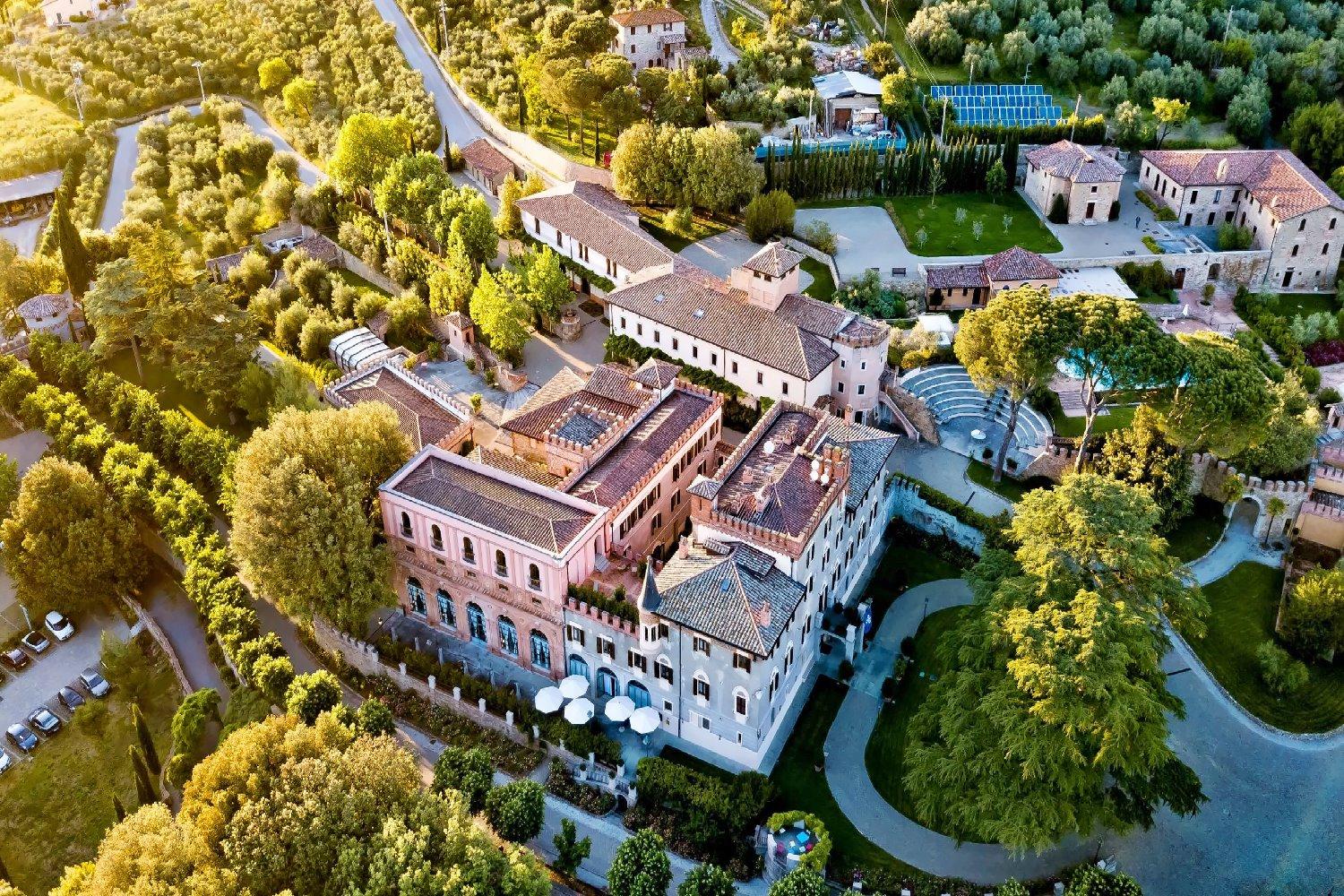
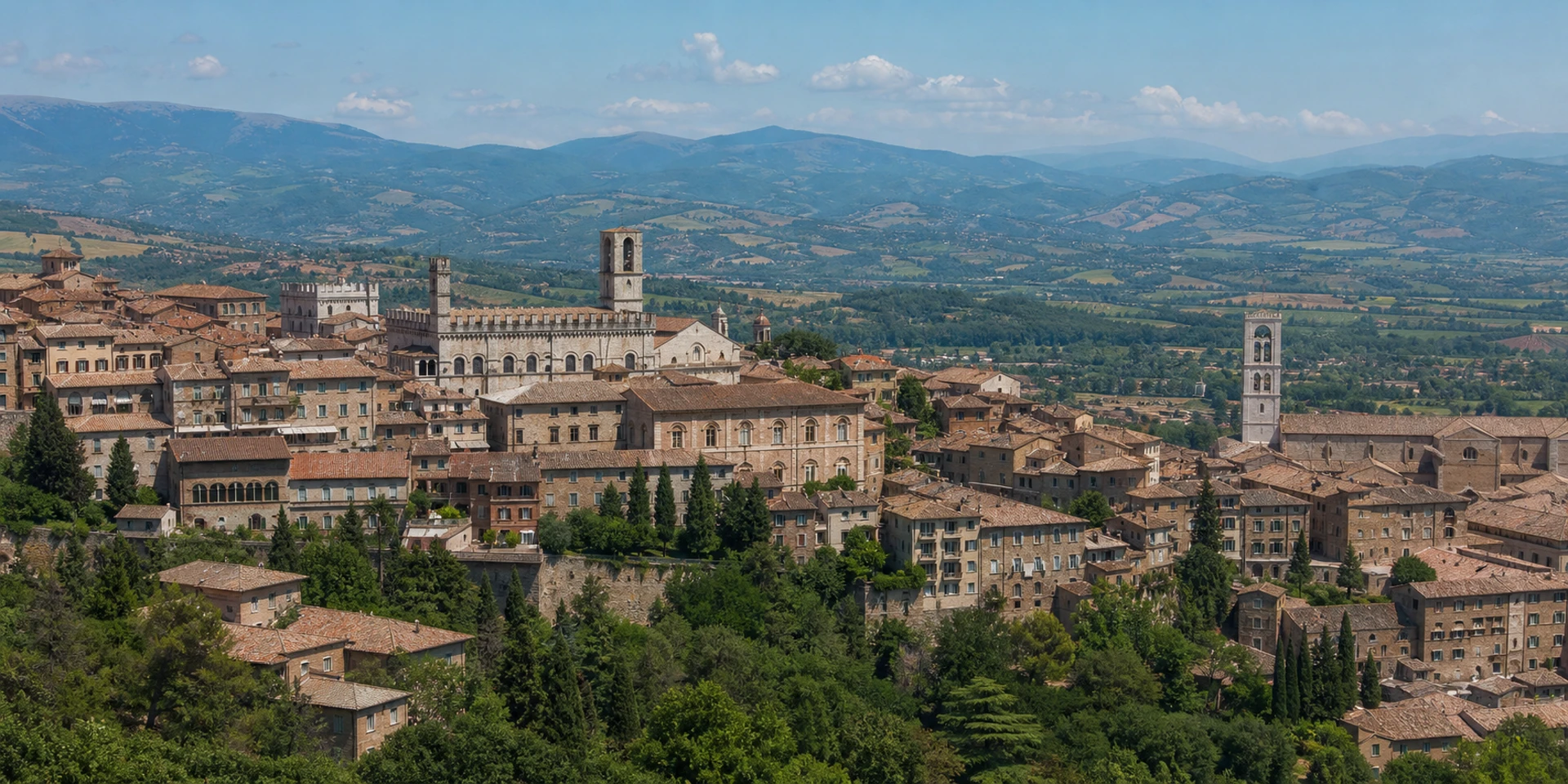
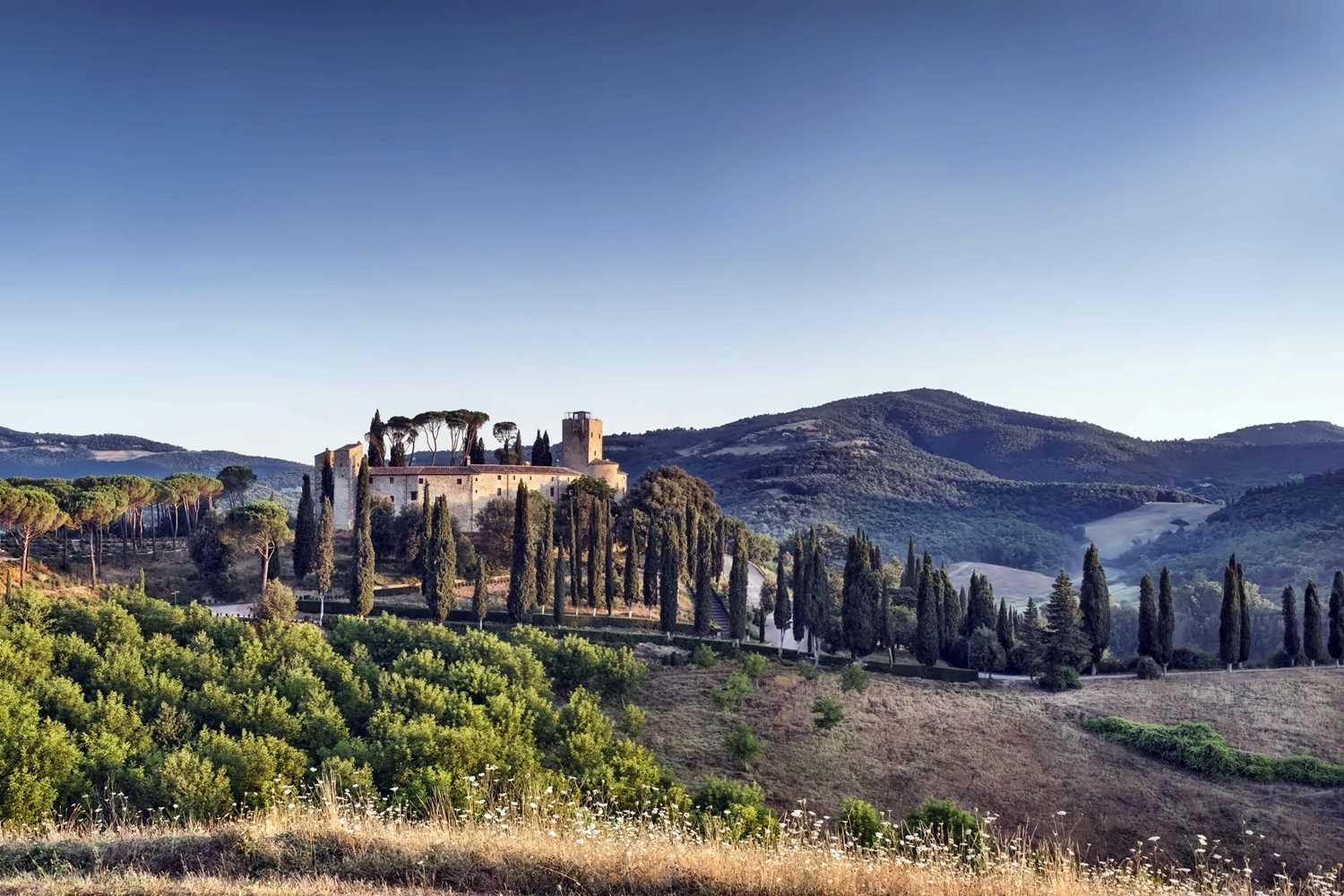
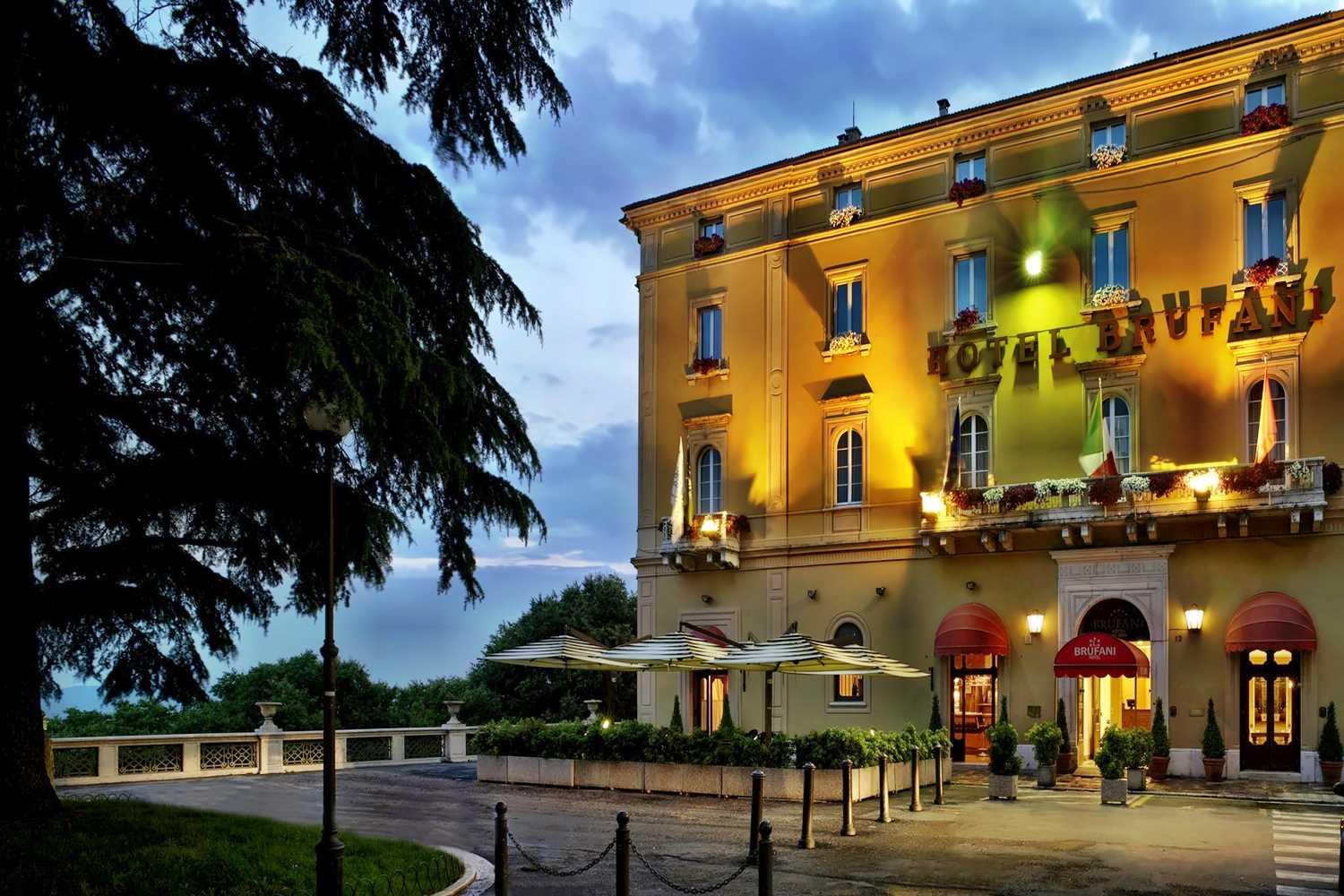
Perugia is both a compact historic hill city and a catalogue label for three very different Umbrian stays. Sina Brufani occupies the upper-centre edge near the main monuments. Borgo dei Conti Resort lies in countryside south-west of the city. While Castello di Reschio is a remote estate in northern Umbria near the Tuscan border.
Only the first supports spontaneous urban walking. the estates require a driver and work best when landscape, privacy and on-property time are central.
Perugia rewards close looking rather than checklist touring. Etruscan fabric, medieval civic power, Renaissance painting, university life and contemporary Umbrian culture overlap within steep streets and underground passages. Regional roads, museum closures, heat and festival dates change the rhythm. Opening hours, access, restaurant operations and transport may change after this review on 3 August 2026. confirm every timed element with official institutions and the hotel for the exact dates.
Choose city address or country estate first
Sina Brufani is the practical choice for guests who want Corso Vannucci, the National Gallery. Fontana Maggiore and evening restaurants on foot, accepting a historic urban building and possible event or street activity. Borgo dei Conti provides a renovated country-resort setting with grounds, spa and food-led days. But a Perugia visit becomes a planned excursion.
Castello di Reschio is farther north and functions as a destination estate, with horses, landscape, design and long on-property intervals. it should not be sold as a city hotel. Compare actual drive times to the sights on the itinerary, not the shared Perugia label. At every property request the exact room building, stair or lift route, view and distance to breakfast before selecting a rate.
Arrive with the hill-city traffic system understood
Perugia's historic centre uses restricted traffic zones, steep approaches, escalators and the MiniMetrò system. A rental car is useful for country estates but can become a liability at an urban hotel without correct arrival instructions. Send the number plate and route details to Sina Brufani. Confirm valet or garage access and never follow a generic navigation app through a ZTL gate.
Estate guests should book a named airport or station transfer and decide whether a rental vehicle is necessary for independent villages. Perugia railway station is below the centre. So luggage needs a taxi or connected local transport. Verify Trenitalia schedules and platform changes for the travel day. Allow generous road margin for Florence, Rome or regional airports and keep medicine and documents with you rather than in a separately transferred case.
Begin in Piazza IV Novembre with a specialist
A qualified private guide can use Piazza IV Novembre to connect Fontana Maggiore, the cathedral, Palazzo dei Priori, guilds, papal authority and urban government. Ask that the route also address Etruscan origins, medieval conflict, religious institutions, the university and the modern city instead of reducing Perugia to decorative stone. Enter buildings according to current opening and worship schedules,
keep voices low and do not photograph services. Streets are steep and paved unevenly. So set a measured pace and request a route matched to mobility. Early morning gives clearer public space. late afternoon can work outside peak heat. The official municipal tourism office should anchor current access and events.
Estate guests need a fixed drop-off and driver contact because a guide cannot solve parking restrictions at the meeting time.
Give the National Gallery real time
The Galleria Nazionale dell'Umbria in Palazzo dei Priori is the essential art institution for understanding Umbrian painting beyond a single famous name. Consult its official site for timed admission, room closures, accessibility and current exhibitions. Then reserve at least two focused hours. A specialist can trace medieval panels, Perugino, Pinturicchio and regional workshops while explaining patronage,
devotional use and conservation. Do not attach the visit to a rushed Assisi departure or treat every gold-ground painting as interchangeable. Historic circulation may involve long routes and security rules. confirm stools, lifts, bags and photography directly. Pair the gallery with a simple lunch and one civic monument rather than another major museum. Guests staying outside Perugia should protect the appointment with realistic traffic margin and a confirmed return vehicle.
Read the underground and Etruscan layers
Perugia's visible medieval city rests on older walls, gates, wells and later subterranean structures. Rocca Paolina and the escalator passages reveal how a sixteenth-century papal fortress absorbed an earlier neighbourhood. While the Etruscan Arch and archaeological collections extend the chronology. Use an official or academically grounded guide. Check each site's current access and avoid claiming that every underground corridor is Etruscan.
Damp floors, stairs and low light may affect mobility. The National Archaeological Museum can provide deeper evidence when open. But it deserves a separate slot rather than a hurried add-on. Discuss how later rulers reused earlier material and reshaped memory. These layers turn ordinary movement through escalators and streets into history. But they should never be entered beyond barriers or after posted closing.
Plan Assisi as a separate sacred and artistic day
Assisi is close enough for a dedicated excursion but too important for a quick photo stop between wineries. Reserve a qualified guide. Verify basilica schedules and religious observances, dress appropriately and allow silence around worship. Frescoes, Franciscan history, medieval urbanism and the living pilgrimage city require context and time. Photography and bag rules can change.
And large groups may alter access. From Perugia, rail plus local connection may work. from the estates, a private car is more coherent. Do not combine Assisi with distant Orvieto on the same day. A measured programme can add Spello or a rural lunch only when opening and transport remain realistic. Return before late evening if the hotel dinner is important. And keep the driver informed of any schedule shift.
Use food and wine as agricultural interpretation
Umbrian food is shaped by grain, legumes, olive oil, pork, truffles, game, vegetables, wine and local microseasons. Choose a guide, producer or chef who explains provenance, labour and harvest rather than promising a generic truffle experience at any time of year. Confirm tastings, designated driver and allergy details before departure. Wine areas such as Montefalco require a separate directional day from northern Reschio.
While Lake Trasimeno and its producers may pair more naturally with that estate. Hotel dining can anchor the evening at all three properties. reserve the preferred venue and check closures. Buy oil and wine from identified producers. Ask about shipping and never drink before driving. Michelin status and chef names change. So verify current claims through the issuing guide and property.
Match the season to heat, festivals and countryside
Perugia's stone centre can be hot in summer and cold or slippery in winter. While country roads, gardens and pools follow their own season. Consult regional civil-protection weather information close to travel and schedule walking early in heat. Major festivals can bring exceptional music or cultural energy along with crowds, road restrictions and scarce tables.
check official dates before choosing the hotel. Spring and autumn often support walking and agricultural visits. But rain can alter estates, unpaved paths and outdoor dining. In dry hot periods follow all fire restrictions. Carry water, sun protection and shoes with grip. Ask the estate what facilities and restaurants operate in shoulder season rather than assuming a full summer programme. Suitable insurance should cover disruption for the exact itinerary.
Shape four nights and the wider Italy journey
Four nights work well for a first Perugia chapter: orient in the historic centre, devote real time to the National Gallery and archaeological layers. Reserve one Assisi day. And leave one half-day for food or landscape. Estate stays benefit from a fifth night because arrival, spa, riding or countryside should not compete with every city excursion.
A split between city and estate usually needs six nights to justify packing and transfer. Perugia can connect naturally to a tailor-made Italy round trip toward Florence, Rome, Tuscany or another Umbrian base. And the existing Italy journey link provides that planning route. Do not treat each hill town as an interchangeable two-hour stop. Confirm car, guides, museums, restaurants and next-stage transfer shortly before arrival, with the final morning kept local.
Five practical Perugia planning tips
- Choose Sina Brufani for a walking city stay and treat Borgo dei Conti or Reschio as separate country-estate bases.
- Send vehicle details and follow the hotel's exact route before approaching Perugia's restricted-traffic centre.
- Reserve a specialist guide and timed National Gallery visit for the first full city day.
- Give Assisi its own day and align religious opening, dress, transport and guiding before departure.
- Confirm room building, restaurant schedule, seasonal facilities and Virtuoso inclusions in writing.
Perugia hotel and Umbria-planning FAQ
Which listed hotel is in central Perugia
Sina Brufani is at the upper historic centre. Borgo dei Conti and Castello di Reschio are countryside estates requiring road transfers.
How many nights should I stay
Four nights suit a city-led introduction. While five or six better support an estate stay and regional excursions.
Do I need a car
Not for a central stay. But a car or private driver is valuable at the estates and for dispersed Umbrian visits.
Can I drive into the historic centre
Access is restricted by ZTL rules. So follow the hotel's registered route and parking instructions exactly.
Is Assisi a half-day trip
A full day gives its basilicas, frescoes, pilgrimage context and urban fabric the attention they deserve.
When should I visit the National Gallery
Use a timed morning or midday slot confirmed on the official site and allow at least two focused hours.
Can Perugia join a wider Italy itinerary
Yes. it connects well with Tuscany, Rome or further Umbria when transfer days remain realistic and each place receives enough time.
Are Virtuoso benefits guaranteed
They depend on eligible rate, programme rules, occupancy and availability. So obtain written benefits and treat upgrades as conditional.
Combine your hotel stay with a privately designed journey through Italy, with hotels, transfers and experiences planned as one seamless itinerary.