
Virtuoso Hotels
Virtuoso Hotels in Rome, Italy
21
21
Hotels
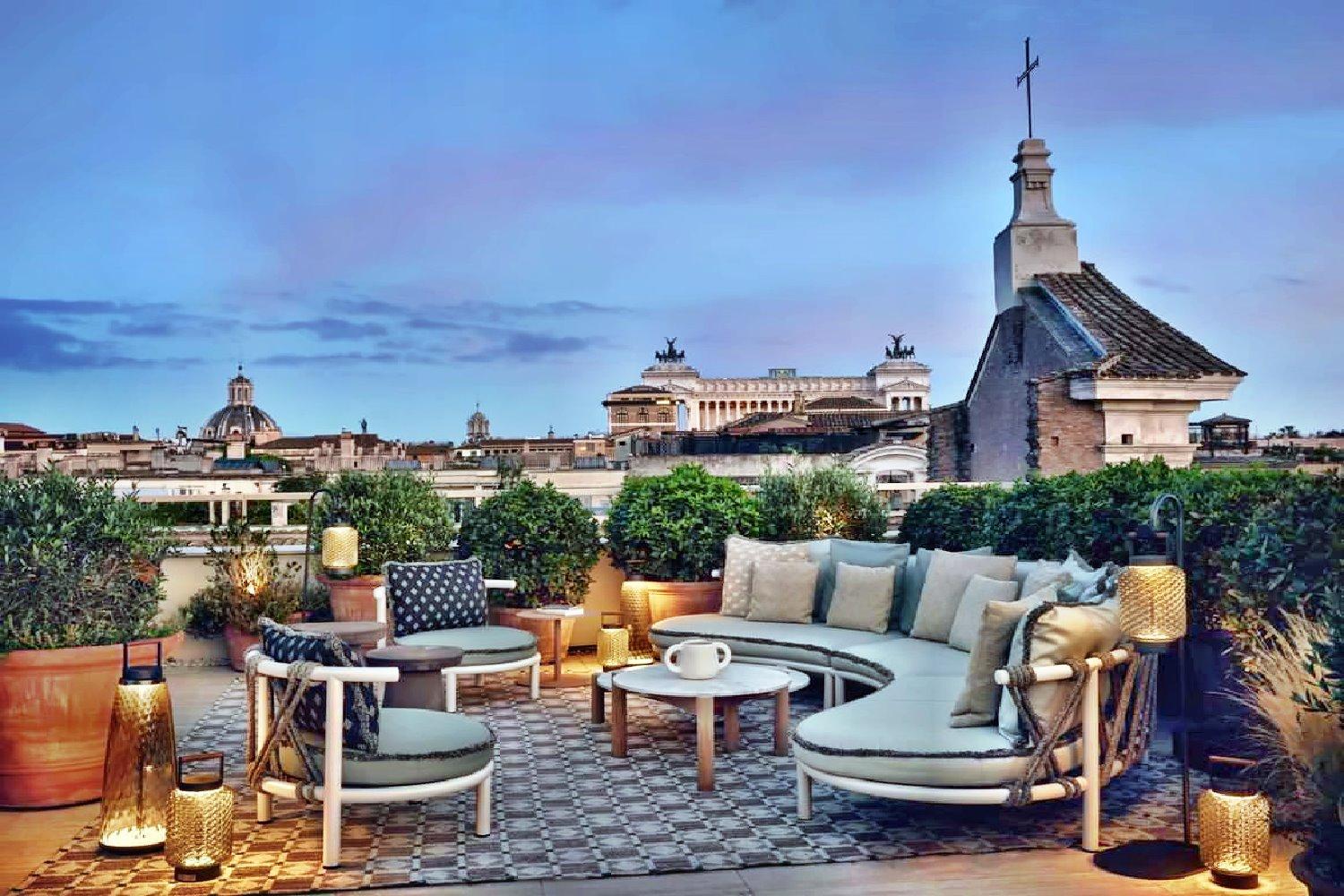
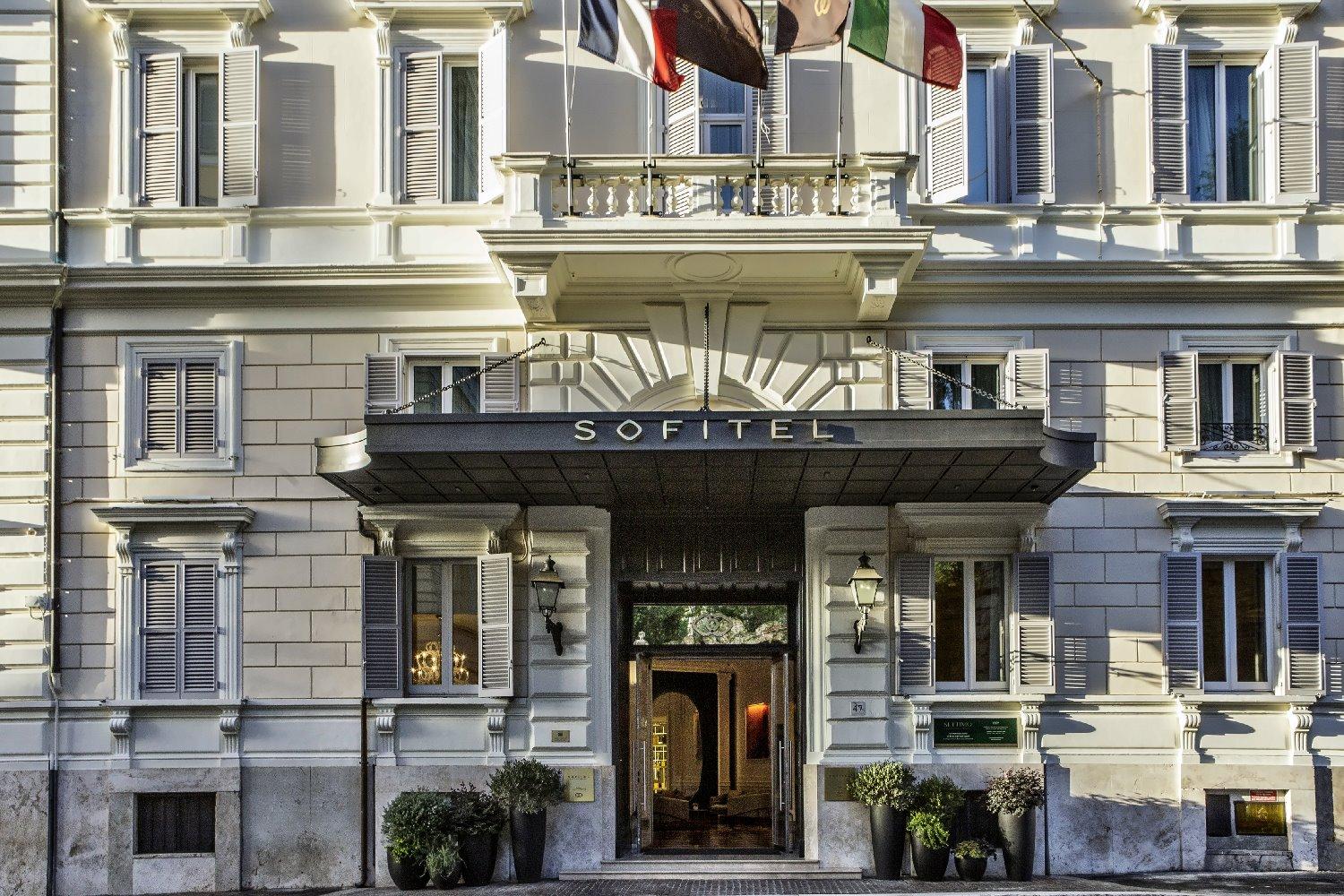
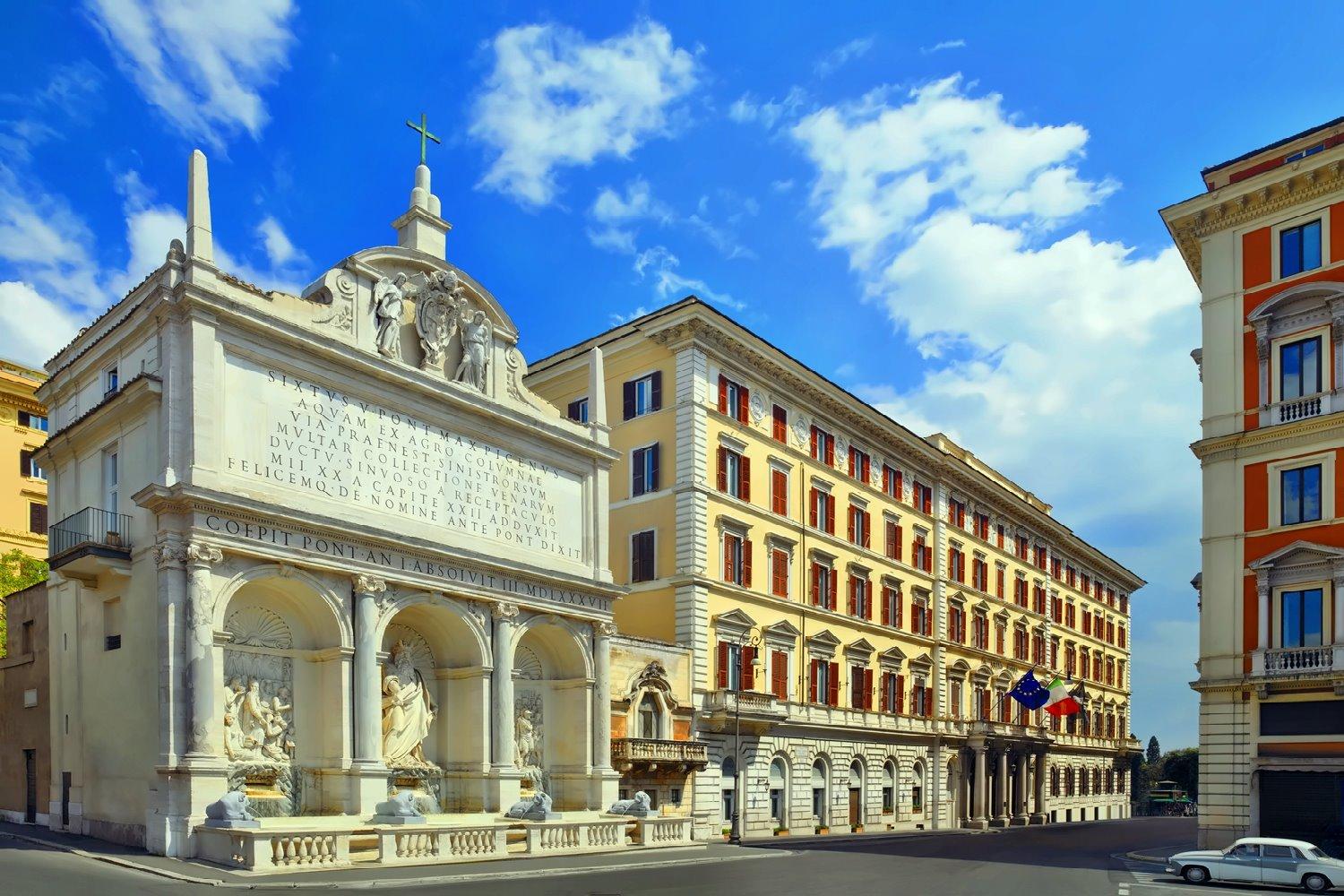
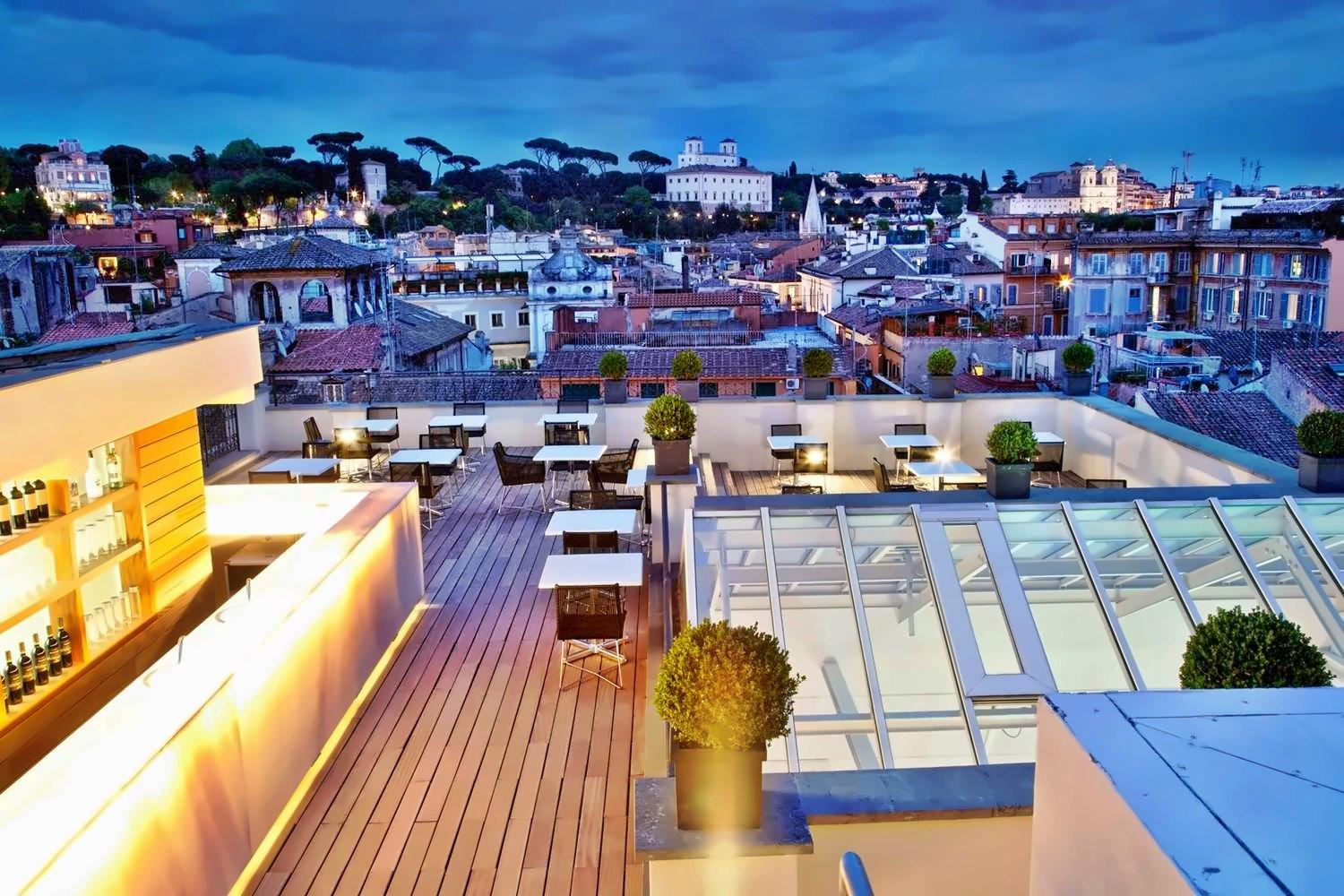
Virtuoso hotels in Rome: neighbourhoods, monuments and the right address
Rome is not a city where the hotel should be chosen by name alone. A base above the Spanish Steps creates a different daily rhythm from a retreat beside the Colosseum. A garden hotel near the Vatican or a hilltop resort with pools and space. Traffic, cobbled streets and the density of monuments make location unusually consequential: the right address protects the quiet morning hours. Limits unnecessary transfers and leaves time for lunch rather than logistics.
The Virtuoso collection in Rome ranges from ceremonial grand hotels and discreet townhouses to contemporary design addresses, serviced residences and a coastal villa outside the city. This guide compares the neighbourhoods, hotel styles and practical trade-offs. Then explains how to plan ancient sites, Vatican collections, restaurants and a wider Italian journey without reducing Rome to a list of landmarks.
A quick choice by travel style
Start with the Rome you want to experience. Then compare hotels within the right geography.
Spanish Steps and the historic centre
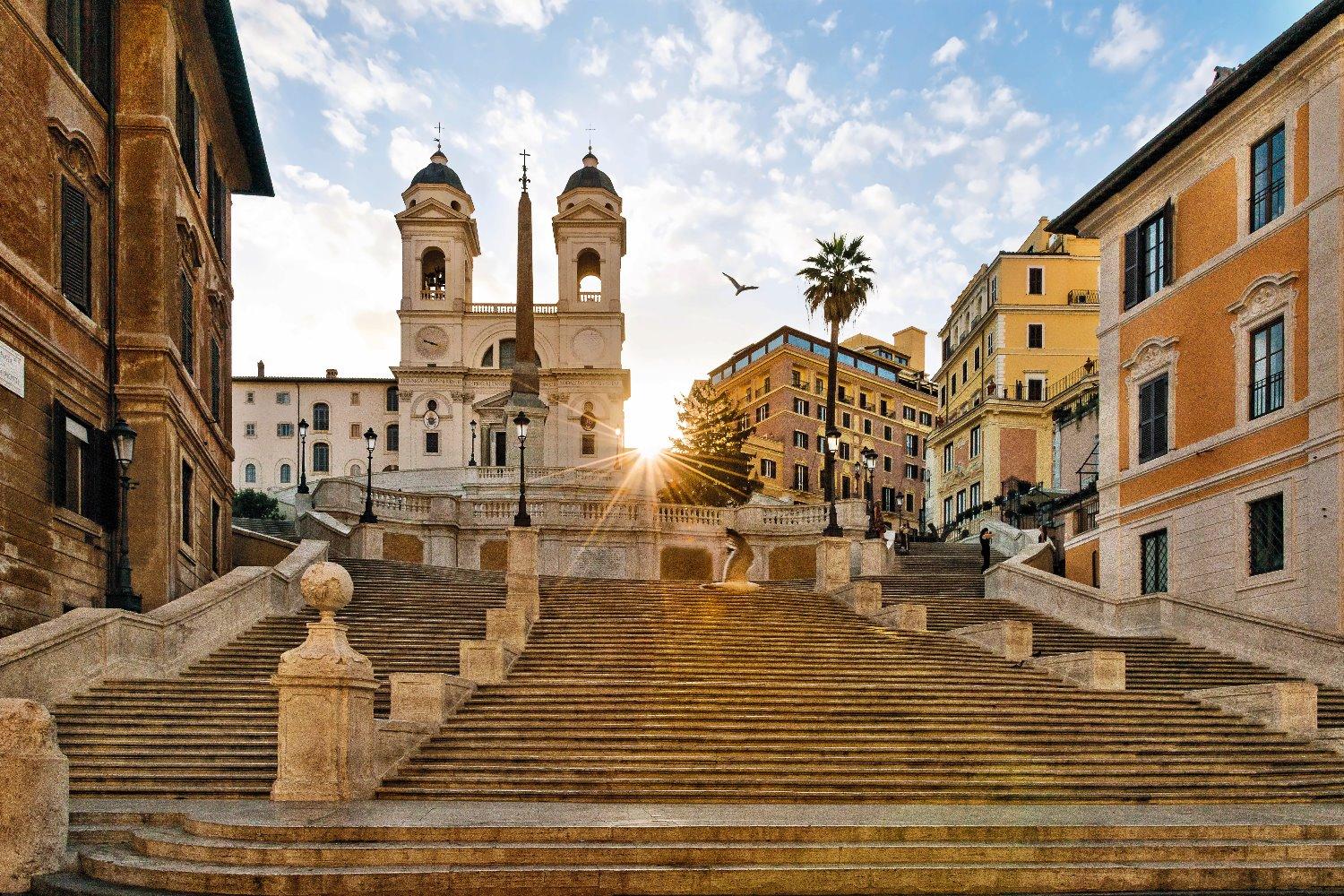
Piazza di Spagna, Via Condotti, Trevi Fountain and the Pantheon are best for travellers who want to walk early and return easily between visits. Hotels here trade immediate access for busier streets and smaller footprints.
Colosseum, Forum and Monti
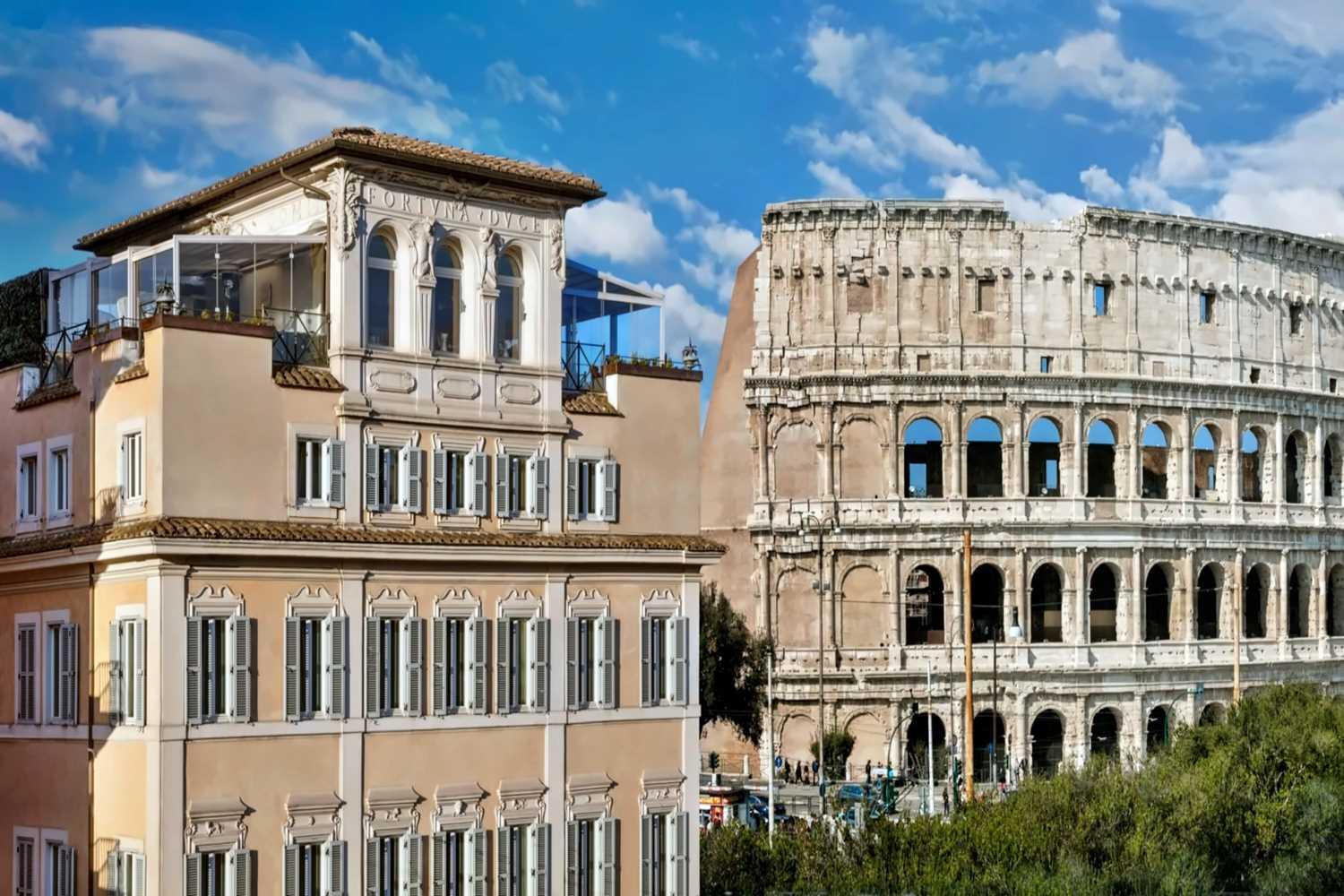
A Colosseum-facing base turns the archaeological landscape into part of the stay. It suits guests who prioritise the Forum and Palatine, although the luxury-hotel choice is narrower than around the Spanish Steps.
Via Veneto and Villa Borghese
Broad avenues, larger historic hotels and access to the Borghese gardens create a calmer rhythm. This district works well when spa, public rooms and easy car departures matter.
Vatican, Monte Mario and the coast
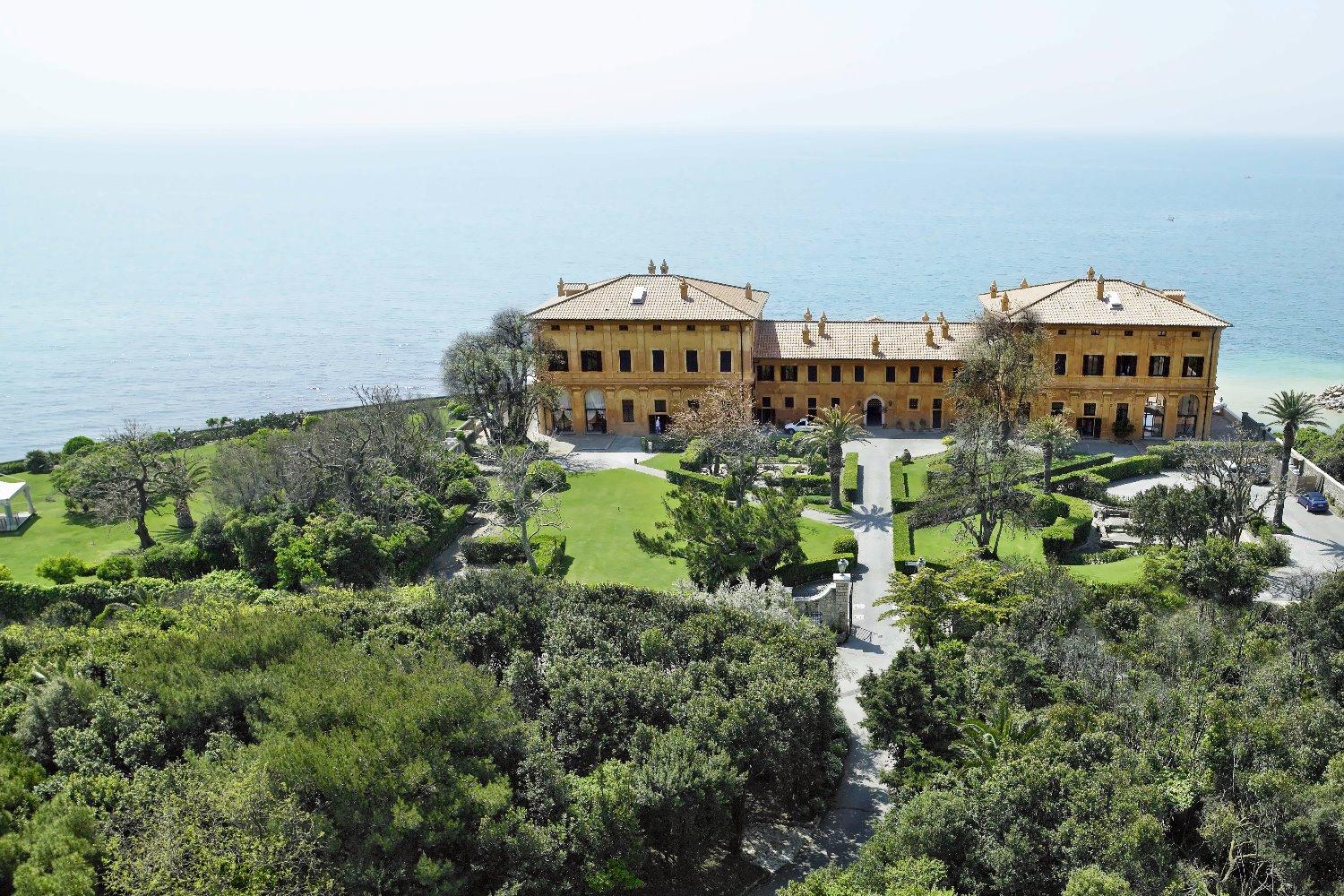
Garden hotels west of the Tiber and the Rome Cavalieri offer pools and room to breathe. La Posta Vecchia is a separate coastal chapter and should not be treated as a daily sightseeing base.
The principal luxury-hotel neighbourhoods
Piazza di Spagna, Via Condotti and Campo Marzio
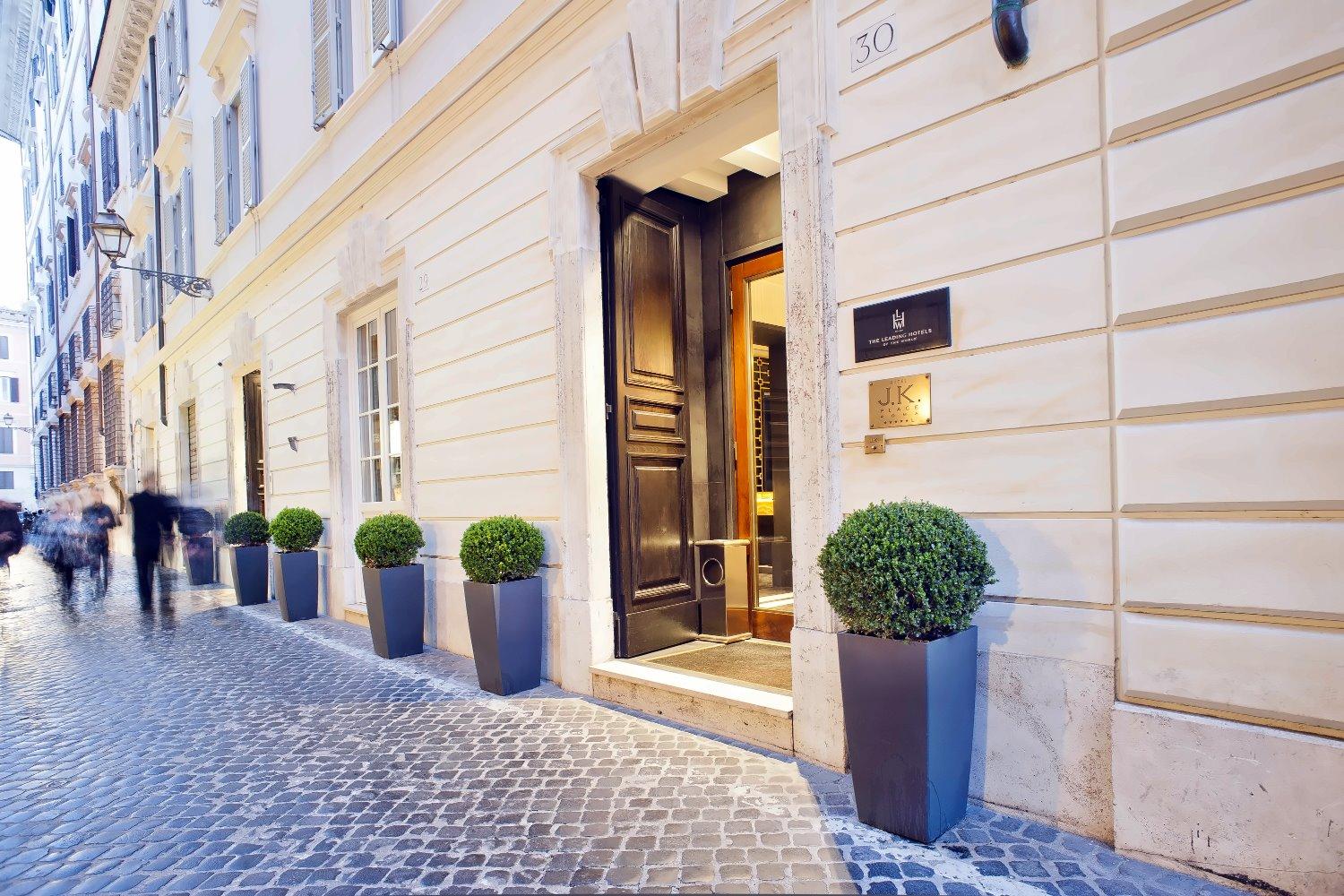
Hassler, Hotel de la Ville, Portrait Roma, Rocco Forte House and JK Place place fashion. The Spanish Steps and central walks at the heart of the stay. It is the strongest zone for a first visit, shopping appointments and spontaneous returns to the room. Confirm room orientation carefully: a central address can mean street energy. And terraces or landmark views belong to specific categories.
Via Veneto, Barberini and Villa Borghese
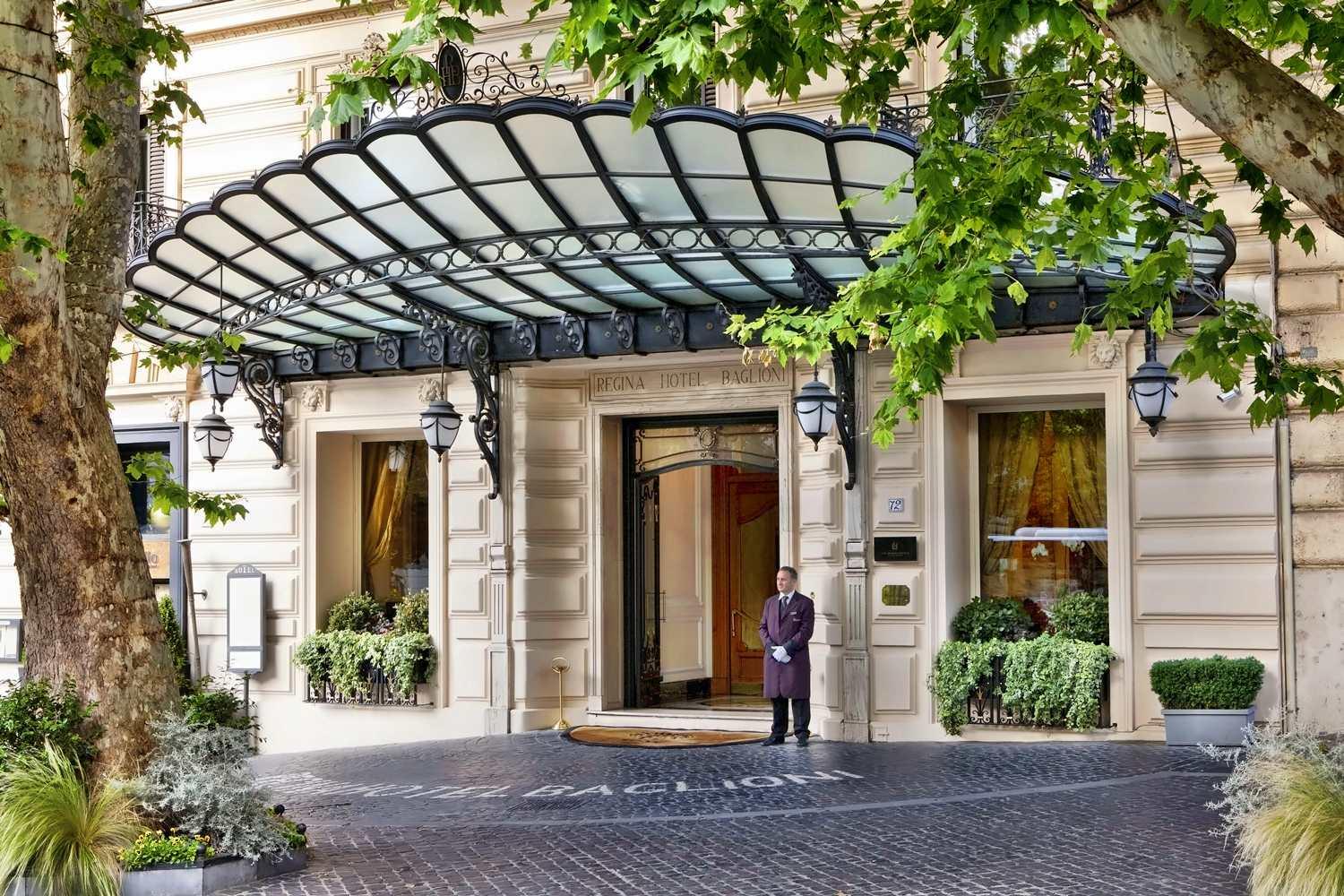
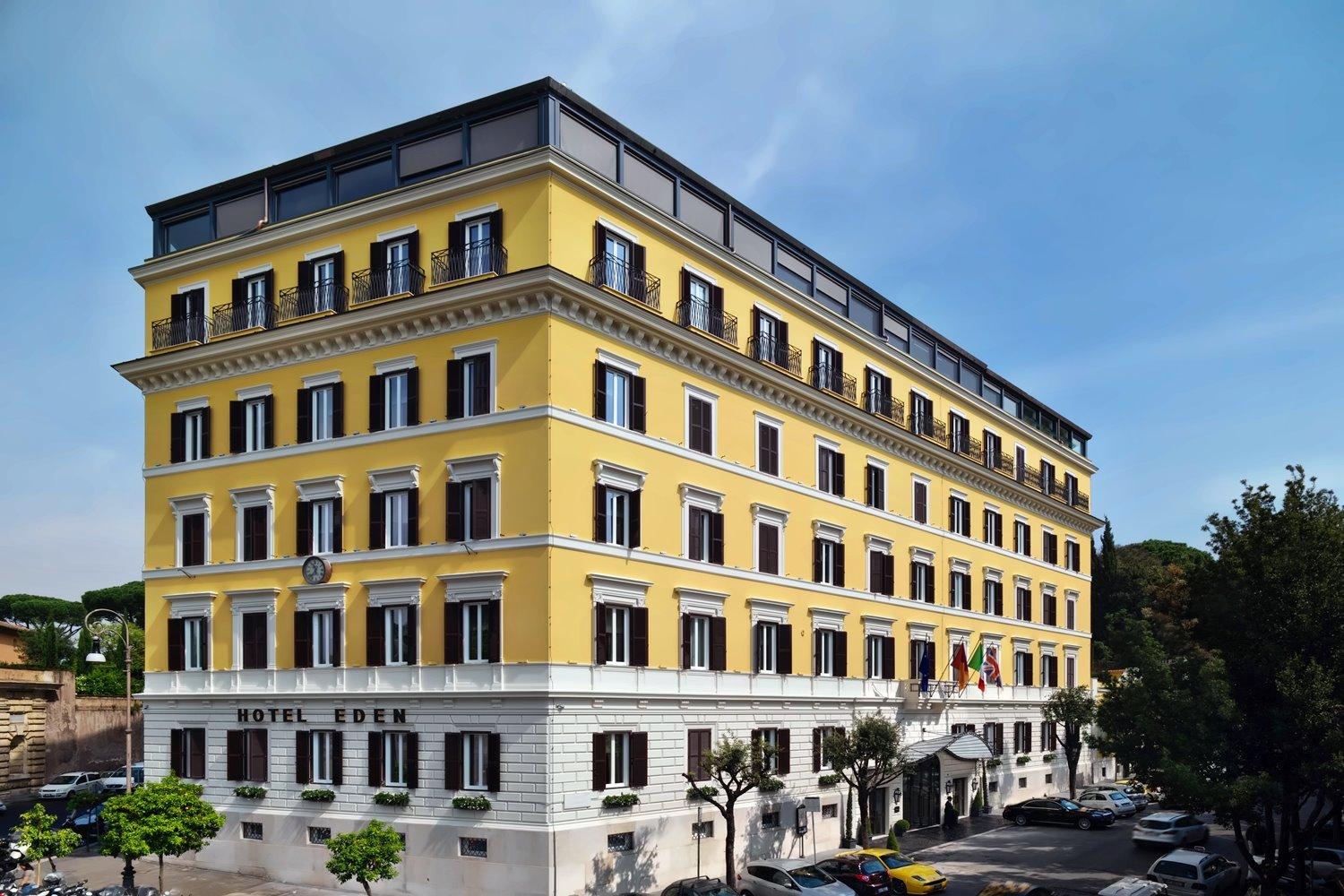
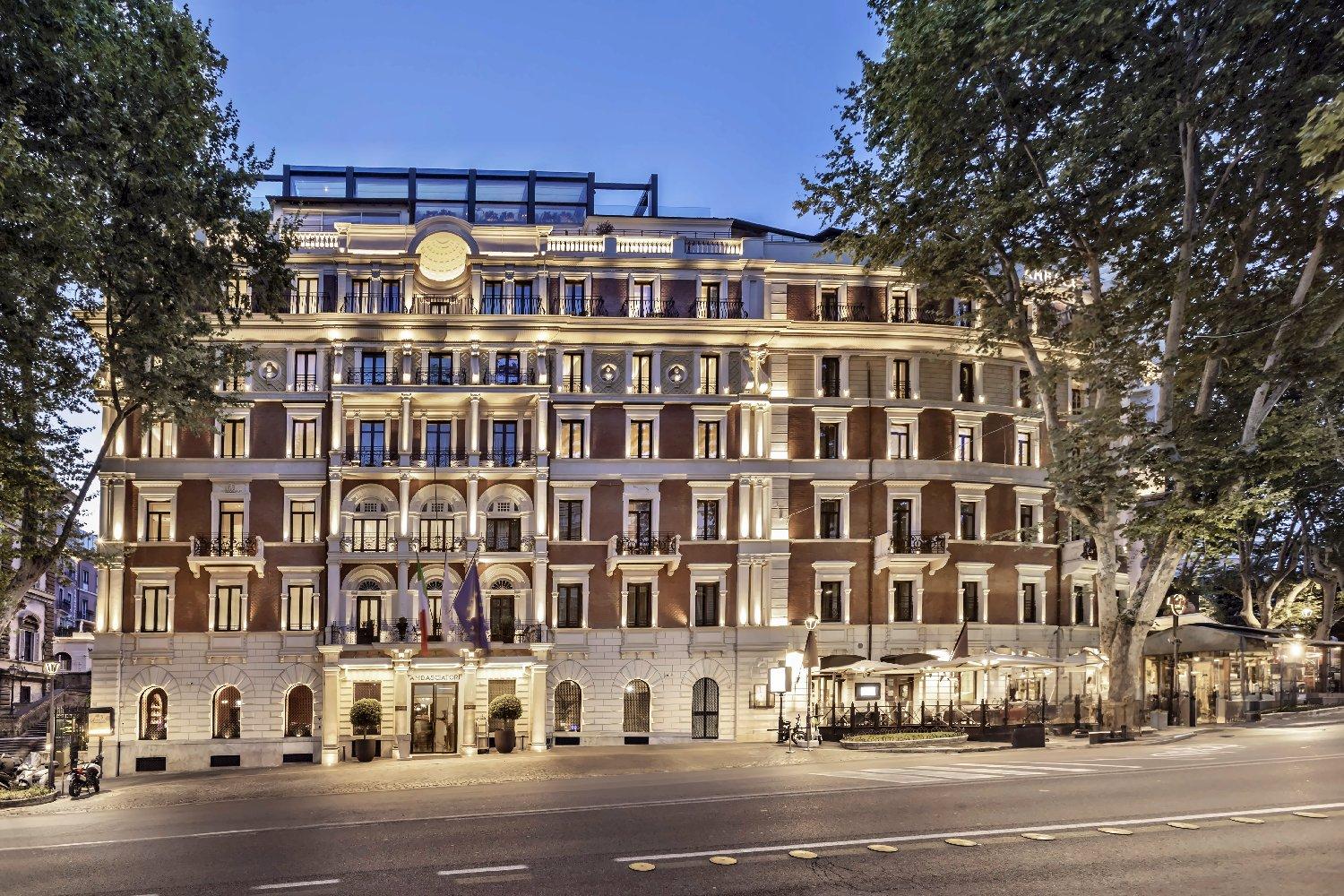
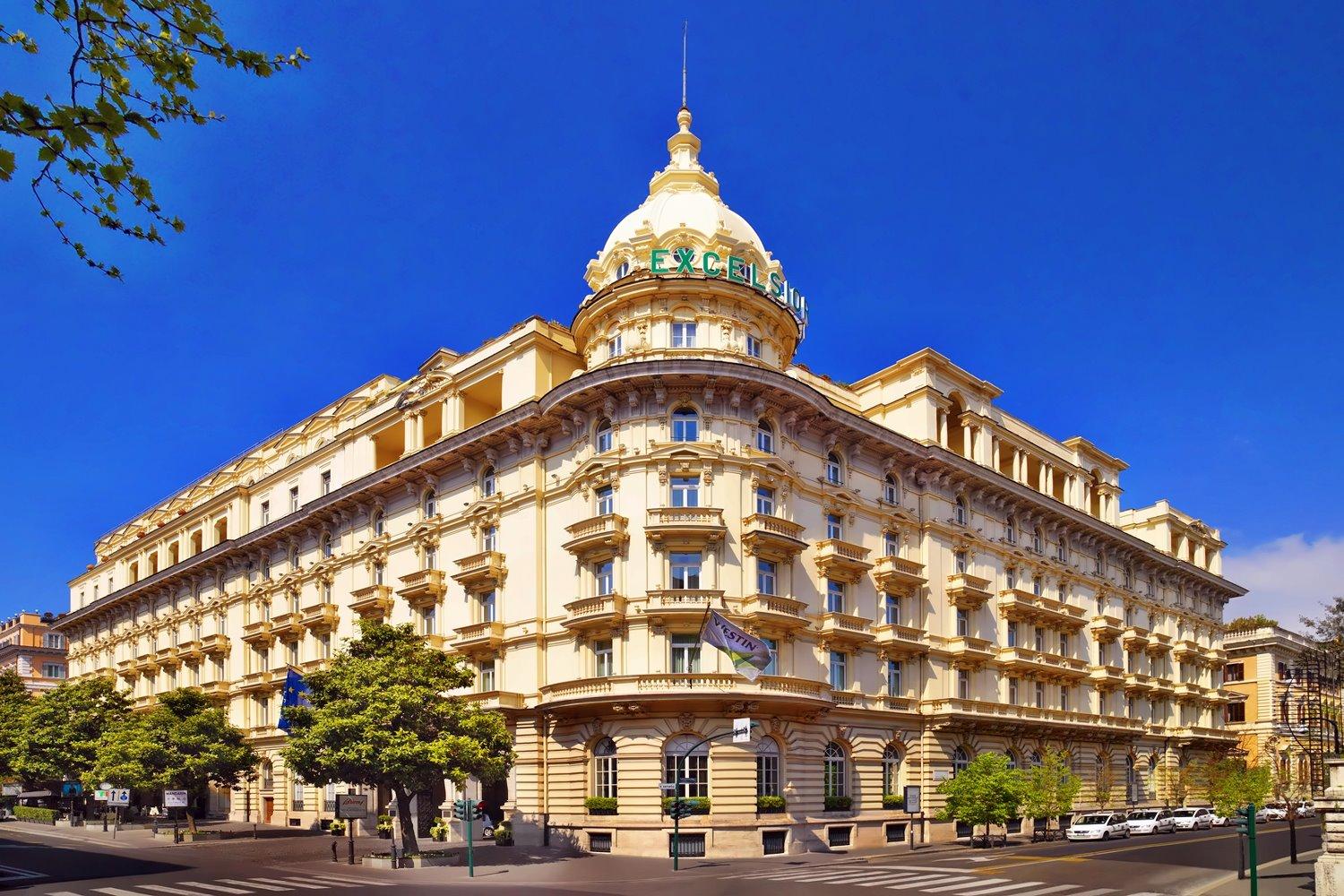
Hotel Eden, Baglioni Regina, InterContinental Ambasciatori Palace, Sofitel Villa Borghese and The Westin Excelsior combine grand-hotel tradition with access to the park. Trevi Fountain remains walkable from the lower end. While the Borghese Gallery and gardens are close. This is a sensible base for travellers who want a larger hotel and frequent car transfers.
Pantheon, Trevi and central Rome
Singer Palace and Six Senses sit within the dense historic fabric between major monuments. The reward is early access before day visitors arrive. the compromise is slower vehicle movement and active streets. Pack shoes suitable for stone paving and group each day geographically rather than repeatedly crossing the centre.
Colosseum and archaeological Rome
Palazzo Manfredi offers the most direct visual relationship with the Colosseum. Stay here when the Forum, Palatine and Monti are central to the trip. And reserve the exact view category rather than assuming every room faces the monument. Restaurants around Monti add an independent evening scene.
Vatican, gardens and elevated resorts
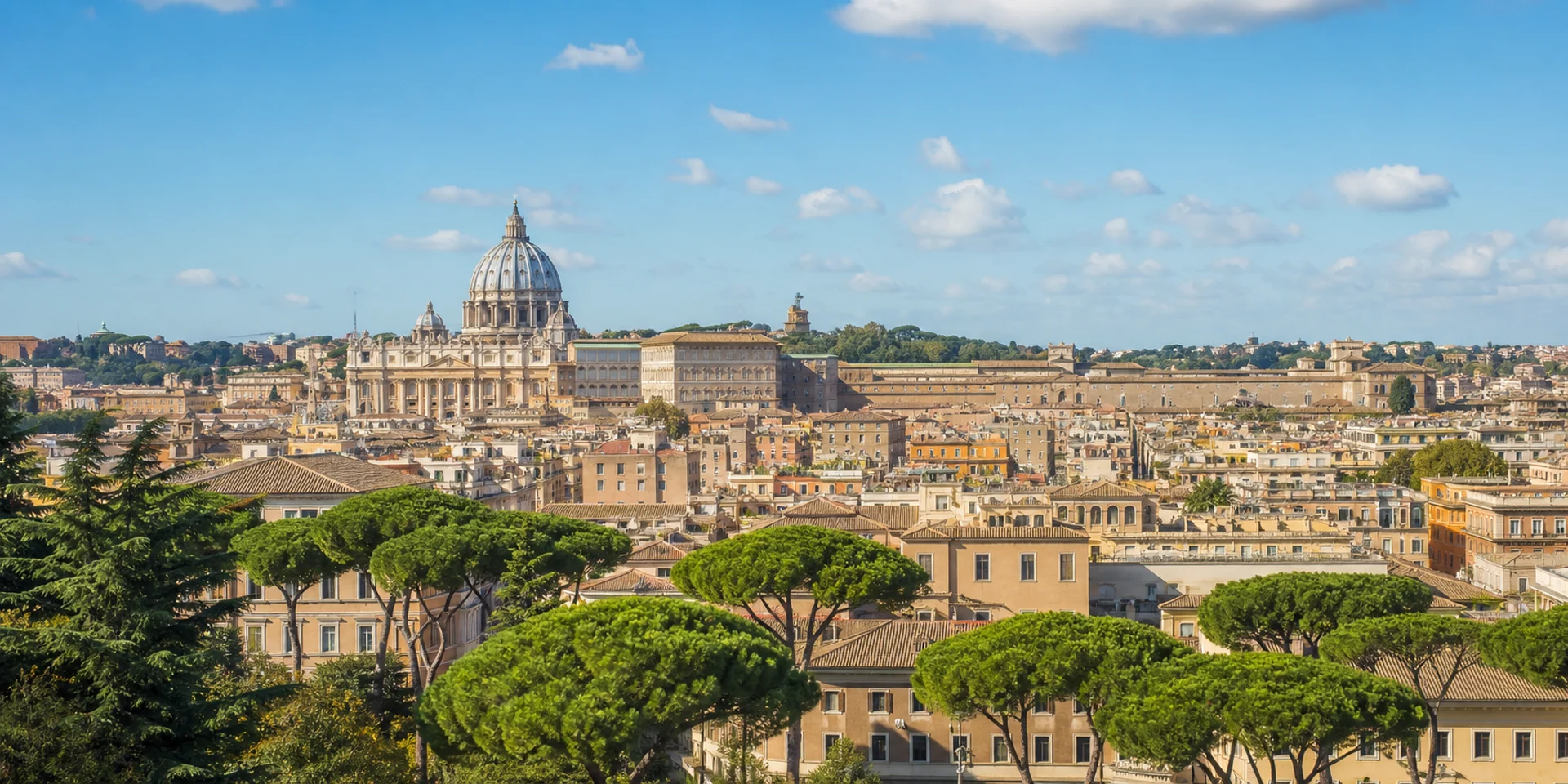
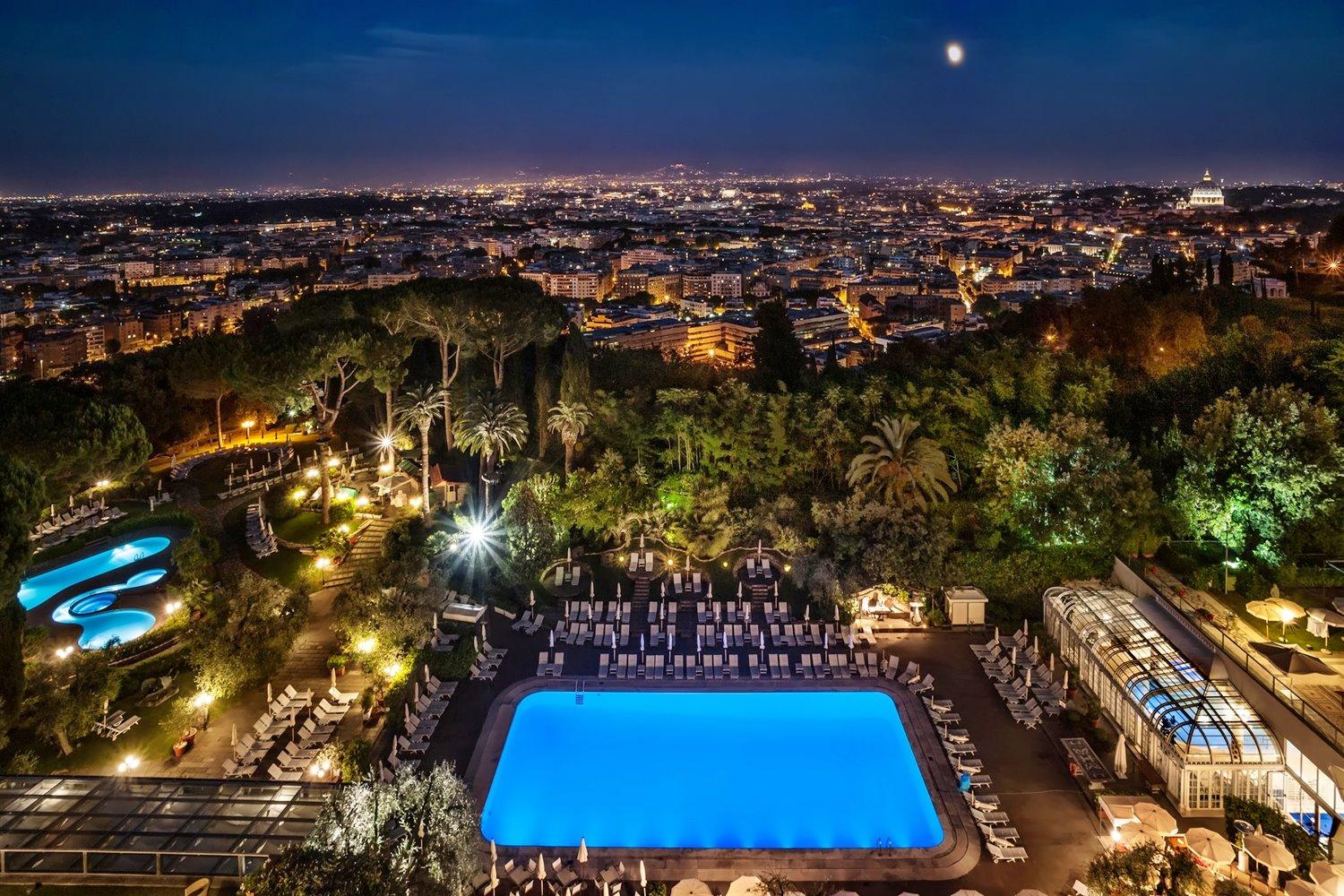
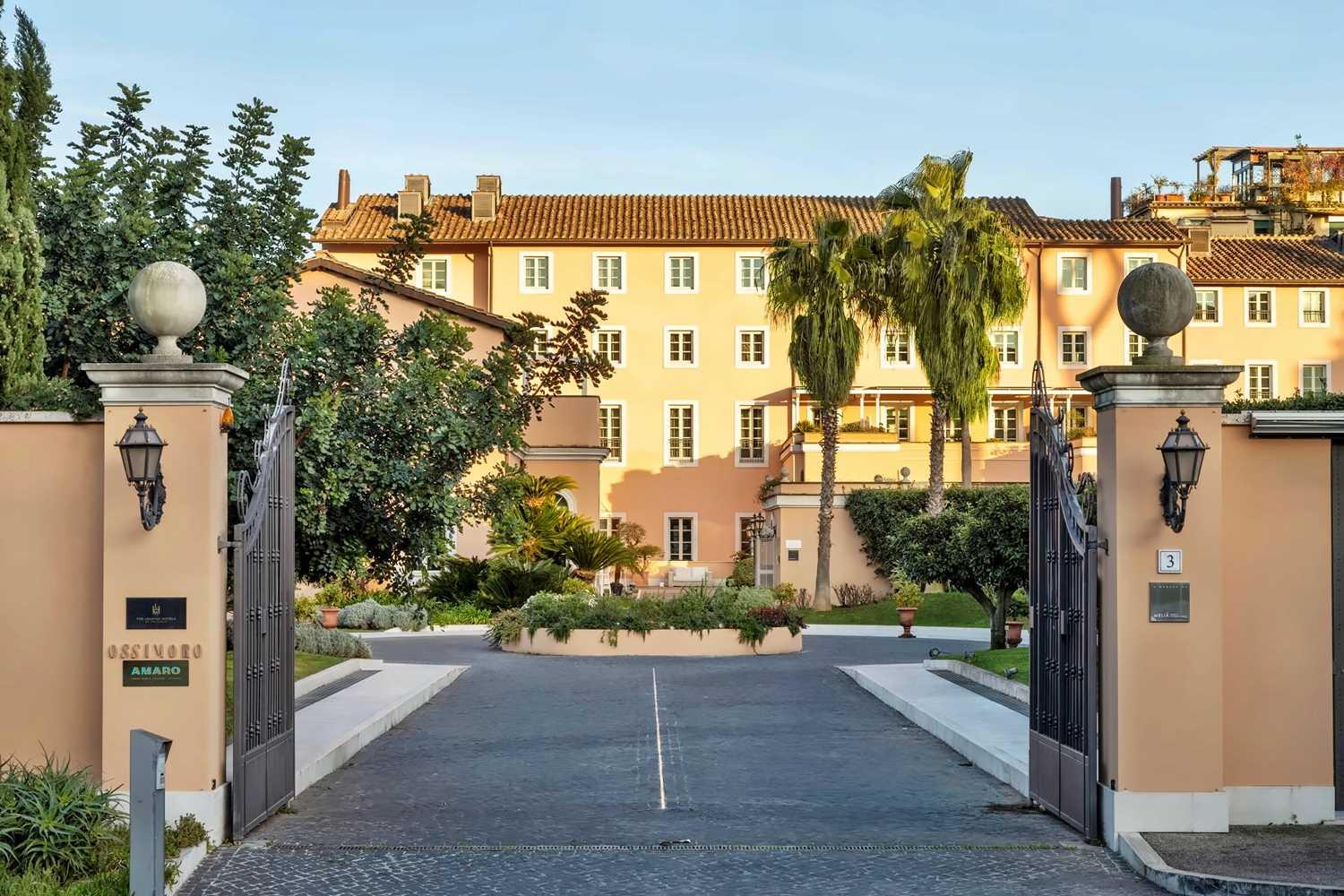
Villa Agrippina Gran Meliá gives garden and pool space close to St Peter’s. Rome Cavalieri sits higher above the city with extensive facilities and destination dining. Both require more transfer planning than a Spanish Steps address. But reward families, wellness stays and guests who want genuine downtime.
How the Rome Virtuoso hotels differ
There is no universal best hotel in Rome. The useful comparison is between the kind of stay each property enables.
Ceremony, heritage and public rooms
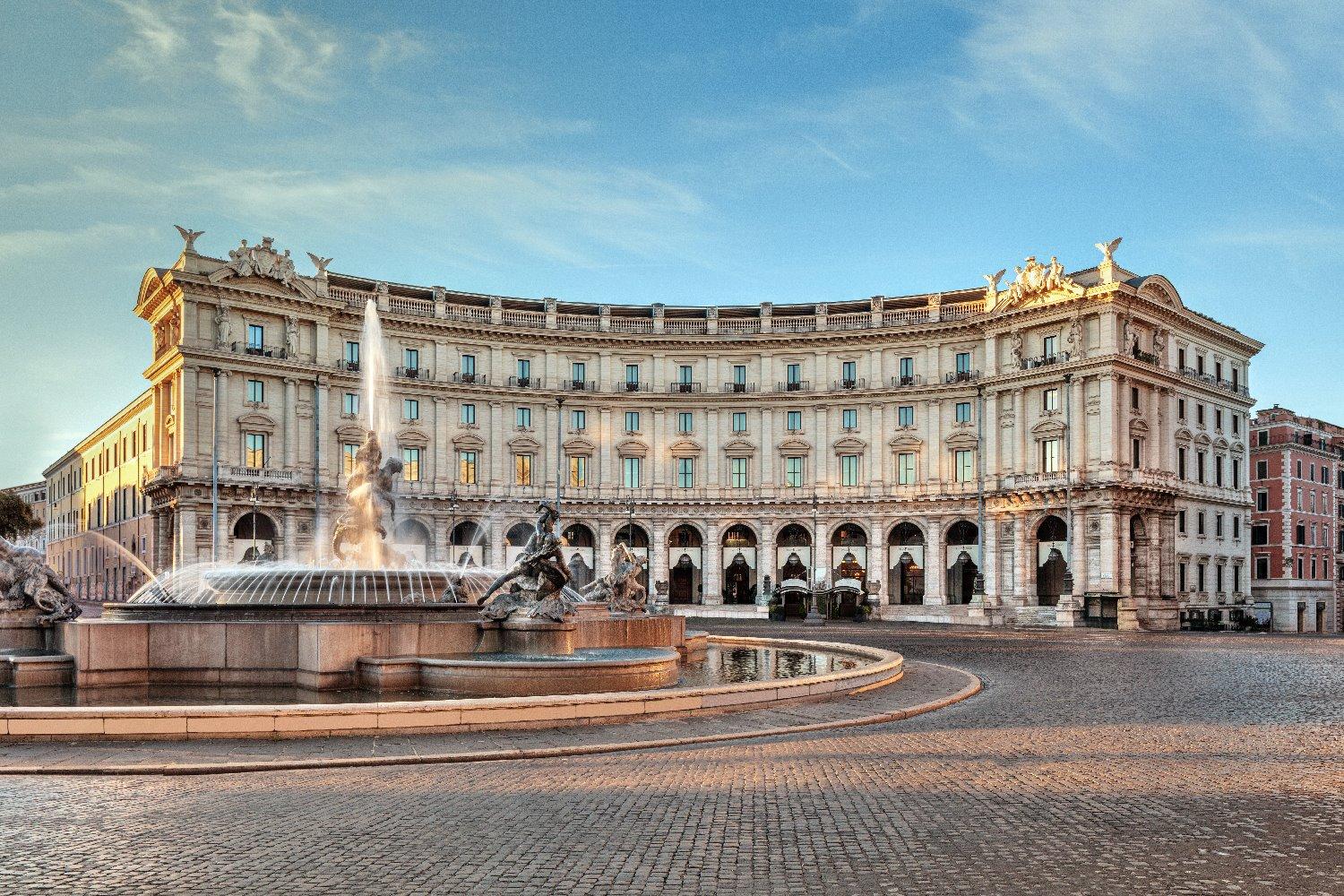
St. Regis, Westin Excelsior, Anantara Palazzo Naiadi, Baglioni Regina and Hassler make arrival and service rituals part of the experience. Allow time for the building rather than using it only as a bedroom.
Design, wellness and gastronomy
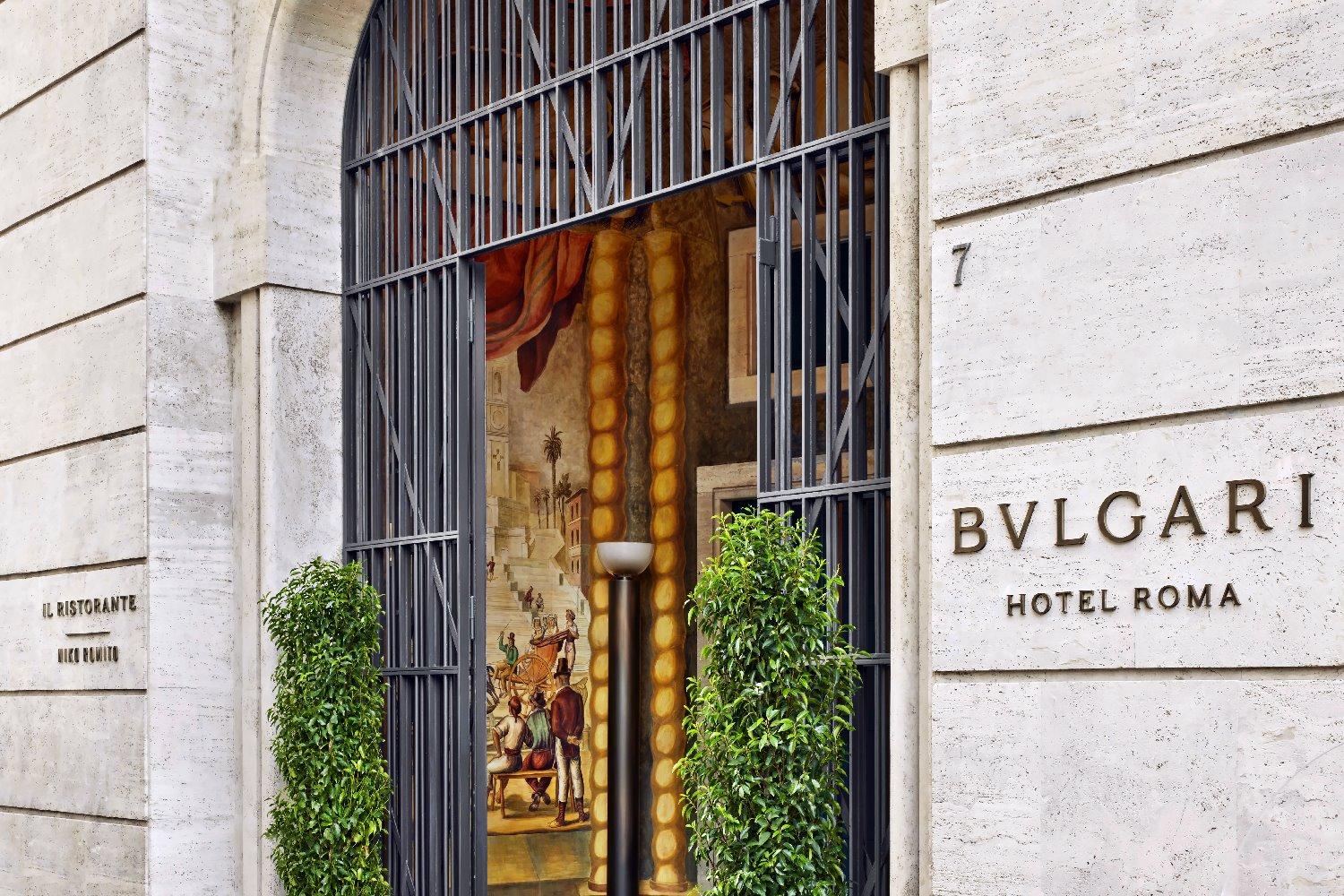
Bulgari Roma, Six Senses and The First Roma Arte interpret the city through modern Italian design, spa culture, art and ambitious dining. They suit repeat visitors as well as guests who want a present-day Rome.
Privacy near the Spanish Steps
JK Place, Portrait Roma and Rocco Forte House feel closer to private homes than conventional grand hotels. They are ideal when personal service and discretion matter more than multiple restaurants or large pools.
Pools, gardens and space
Rome Cavalieri and Villa Agrippina are strong for families and restorative afternoons. La Posta Vecchia belongs to a coastal extension. combine it with Rome only when the itinerary allows a change of pace.
Ancient Rome without turning the day into a queue
The Colosseum Archaeological Park publishes official opening times and ticket rules. secure the appropriate timed product through authorised channels and carry identification when required. Treat the Colosseum, Roman Forum and Palatine as one archaeological chapter, not three unrelated stops. A private archaeologist adds context. But the day still needs shade, water and realistic walking time.
Begin early, pause for lunch in Monti or near the Capitoline Hill and resist adding the Vatican Museums on the same day. The Pantheon, Piazza Navona and Trevi Fountain form a separate central walk that works best in the first hours of the morning. After dark the monuments are atmospheric. But the most revealing architectural views come in daylight.
Vatican Museums, churches and art planning
The Vatican Museums publish current opening and closure information on their official site. popular entry times should be secured as soon as dates are fixed. The collection is immense. So decide whether the priority is classical sculpture, Raphael, the Sistine Chapel or a broader first overview. St Peter’s Basilica and the museums have separate entry systems and security procedures.
Dress appropriately for sacred buildings and do not build the day around an unrealistic promise of empty galleries. Beyond the Vatican, the Borghese Gallery requires timed admission. While churches by Caravaggio, Bernini and Borromini can be connected in compact walks. Our preferred approach is one major collection per half day, supported by one church or neighbourhood rather than another headline museum.
Restaurants, shopping and Roman evenings
Roman dining ranges from formal hotel restaurants to trattorie, contemporary kitchens and ingredient-led neighbourhood addresses. Reserve Michelin-starred tables and rooftop restaurants early, especially from Thursday to Saturday. But leave space for a simple lunch built around seasonal pasta, artichokes or market produce. Geography matters: pair a Colosseum evening with Monti, a Spanish Steps stay with Campo Marzio.
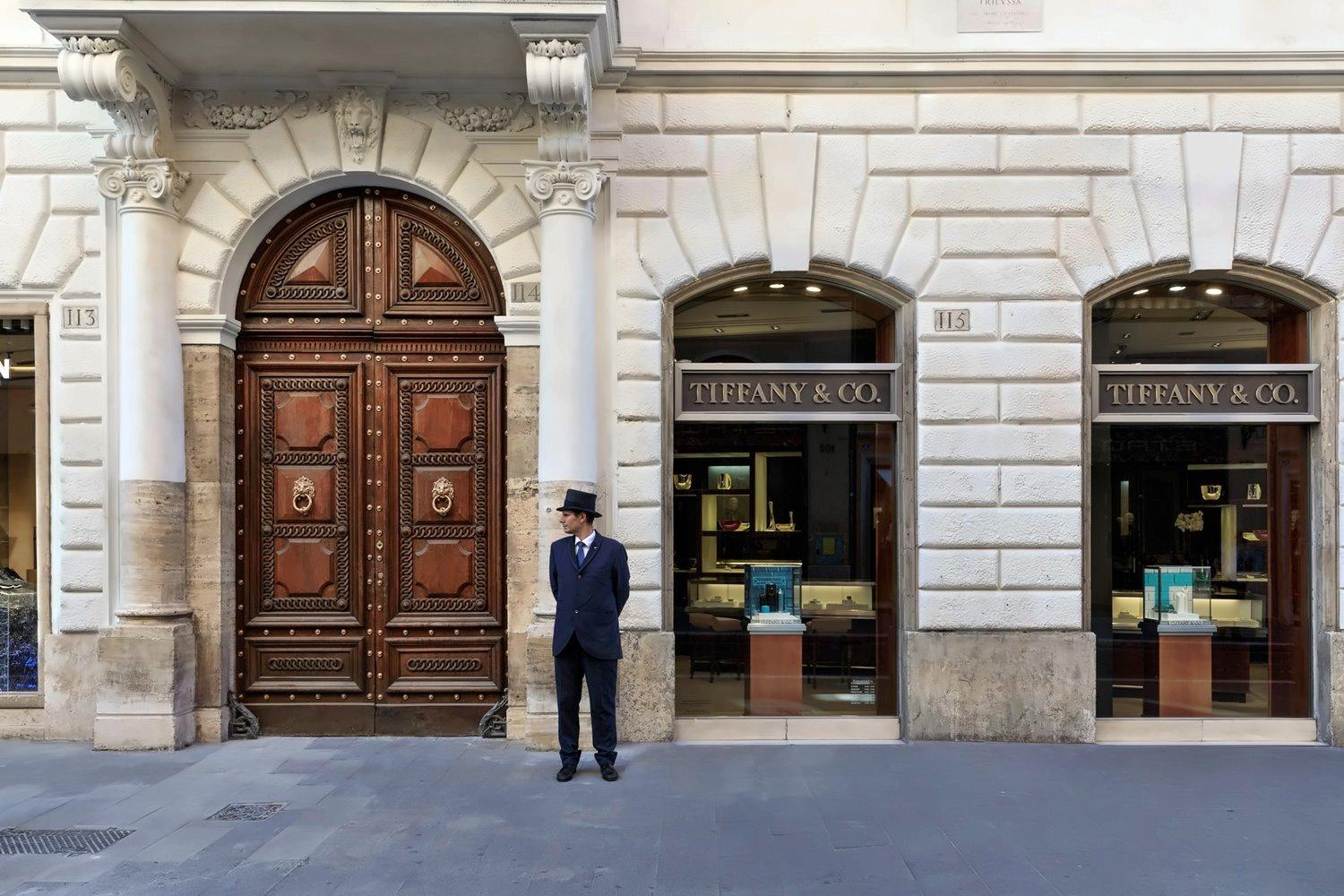
And a Vatican day with Prati rather than spending the evening in traffic. Via Condotti carries the international houses. streets around Campo Marzio mix Italian fashion, jewellery and design. Private appointments are valuable when they create access or save time. An aperitivo should open the evening, not replace an excellent dinner by accident.
Best time to visit Rome
Spring
March to May brings comfortable walking weather, gardens and strong demand around Easter. Holy Week changes access and traffic near the Vatican. confirm museum, restaurant and transfer plans before flights are final.
Summer
June offers long days. While July and August can be intensely hot. Start monuments early, use the hotel at midday and resume later. A pool becomes a meaningful hotel feature, not a decorative extra.
Autumn and winter
September and October combine warm days with exhibitions and high demand. November to February suits art and gastronomy with fewer crowds, although daylight is shorter and some coastal or rooftop experiences are seasonal.
Rome in three, four or six nights
Three nights – disciplined highlights
Choose a central hotel and give one day to ancient Rome, one to the Vatican and one to the historic centre. Book only one major dinner or private experience per day and preserve time to walk without an appointment.
Four to five nights – the ideal first stay
Add the Borghese Gallery, Trastevere, Appian Way or a food-focused neighbourhood morning without compressing the monuments. This length also justifies a spa afternoon or a hotel lunch.
Six nights or more – Rome beyond the icons
Explore Testaccio, contemporary art, ancient roads and quieter churches, or divide the stay between a central townhouse and a resort. A day trip works only when Rome itself is not sacrificed.
Airports, transfers and movement within Rome
Fiumicino is the principal international airport. Aeroporti di Roma publishes current rail connections, including direct services to Roma Termini. A private transfer is more comfortable with luggage and after long-haul flights. But driving time varies with traffic. Ciampino handles a smaller mix of flights and has different ground links. Within the historic centre, walking is often the most rewarding solution.
taxis and chauffeurs help with the Vatican, Appian Way, evening dress, families and mobility needs. Large vehicles cannot enter every lane. So the final approach may involve cobbles. Build buffers before timed museum entries and never schedule an airport departure immediately after a cross-city lunch.
Combining Rome with a luxury journey through Italy
Rome works as a standalone city break or as the central chapter of a wider Italian itinerary. Florence is the easiest high-speed-rail pairing. Naples opens access to Pompeii, Capri and the Amalfi Coast. Tuscany and Umbria work best with a private driver and carefully selected countryside stays. Puglia,
Sicily and the northern lakes need more time and usually a flight or longer rail connection. The strongest itinerary does not collect cities indiscriminately: it connects contrasting landscapes and gives each hotel enough nights. Deluxetargets can align flights, rail, private transfers, guides and luggage handling as one journey rather than a sequence of disconnected reservations.
What to decide before booking
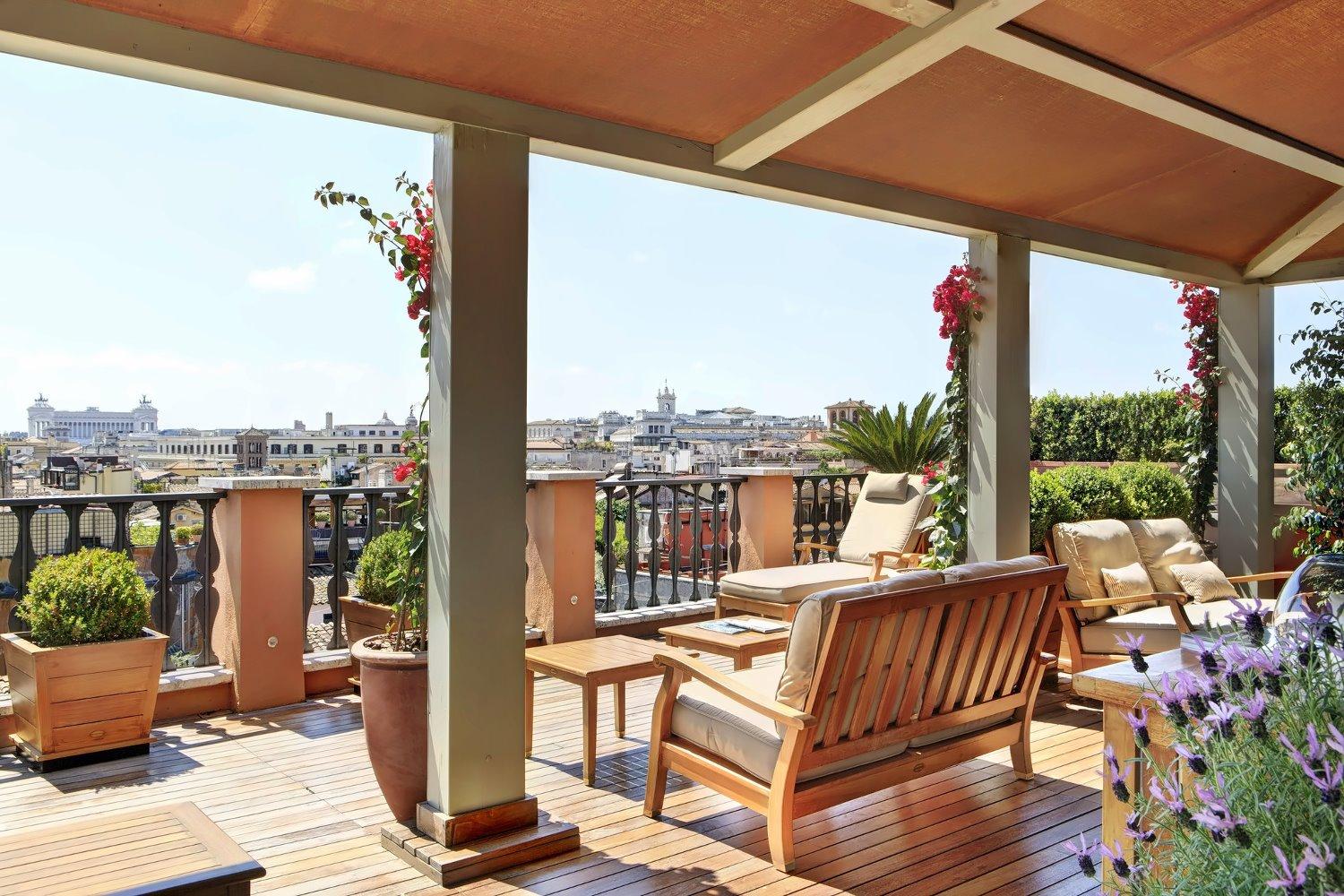
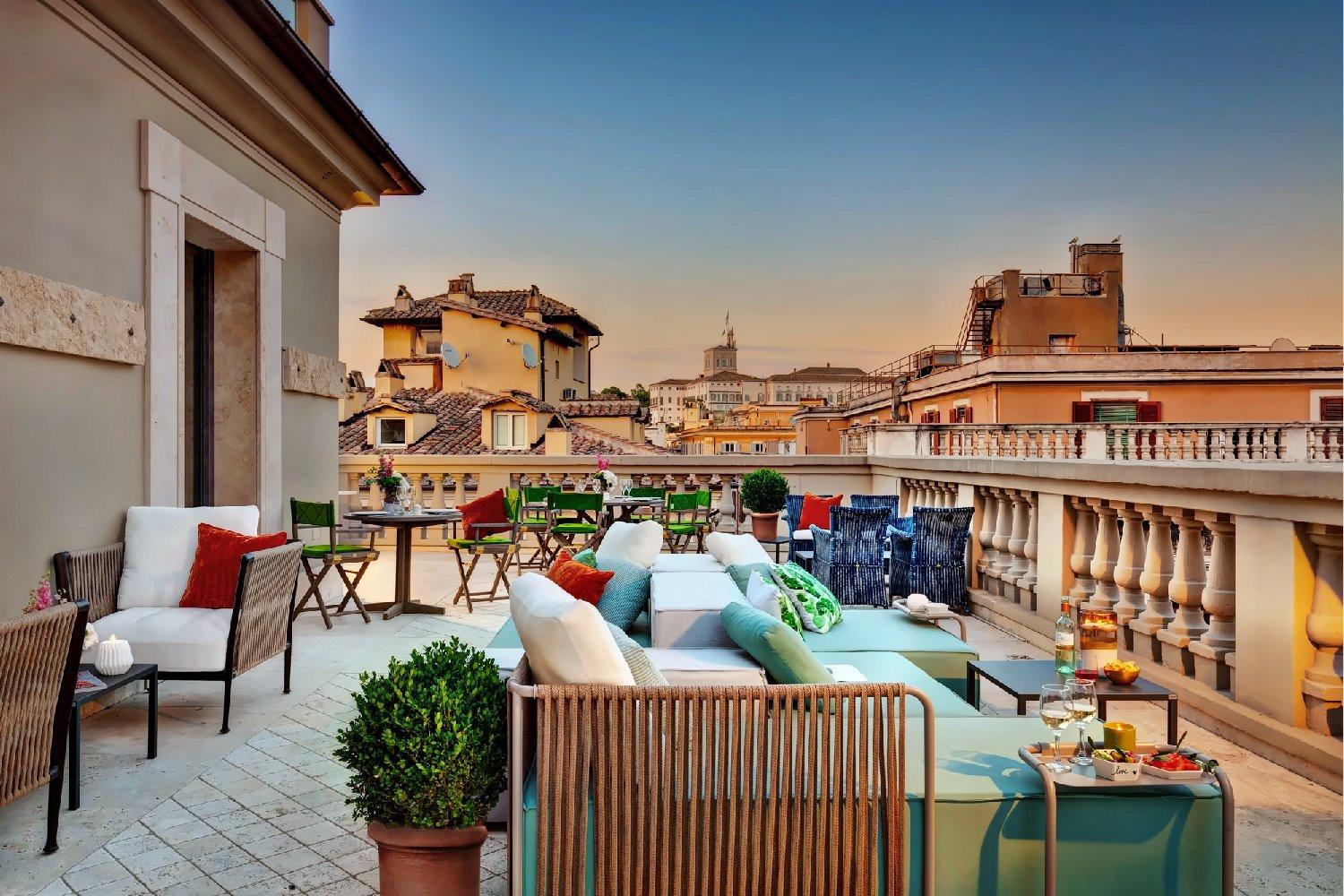
Confirm the neighbourhood, importance of walking access, exact room outlook, bed configuration and need for pool or connecting rooms before comparing rates. Colosseum, dome and Spanish Steps views belong to specific categories and may be partial. terraces also differ substantially in privacy and size. For summer, air conditioning and pool access deserve explicit confirmation. The qualifying Virtuoso rate should be assessed by total value:
breakfast, 100 USD hotel credit or an experience. Top priority for upgrades, top priority for early check-in and late check-out. And VIP status in the hotel.
Our Rome planning recommendations
- Choose the neighbourhood before choosing the hotel name.
- Reserve the Colosseum, Vatican Museums, Borghese Gallery and destination restaurants as soon as dates are fixed.
- Group each day by geography and protect the first daylight hours for outdoor monuments.
- Confirm landmark views, terraces, connecting rooms and pool access by exact category in writing.
- Plan a midday pause in hot months and check Vatican events, public holidays and seasonal closures before booking flights.
Frequently asked questions about Virtuoso hotels in Rome
Which area is best for a first visit
Piazza di Spagna and the central historic district provide the most balanced walking access to Trevi Fountain, Pantheon, shopping and restaurants. Via Veneto is calmer and better for larger grand hotels.
How many nights should I plan
Four to five nights give a first luxury stay the best balance. Three nights require strict priorities. six nights allow neighbourhoods, the Appian Way and genuine hotel downtime.
Can I visit the Colosseum and Vatican Museums on the same day
It is technically possible but rarely luxurious. Separate them so each visit has context, walking time and a proper meal rather than a rushed transfer.
Is a landmark view guaranteed
No. Colosseum, dome and Spanish Steps views belong to specific room or suite categories and can be partial. The exact outlook must be confirmed before booking.
Do I need a chauffeur throughout
Not usually. Walking is best in the compact centre. A chauffeur is valuable for airports, Vatican transfers, the Appian Way, families and complex evening schedules.
When is the best season
April to May and late September to October usually offer the strongest balance of weather and daylight. But also high demand. Winter is excellent for museums and dining.
Are Virtuoso benefits identical at every hotel
No. Benefits apply to the qualifying rate. the exact credit or experience and any property-specific details are confirmed for the selected stay.
Can the hotels be booked online
Yes. The booking button opens the corresponding PrivateUpgrades page with live rates, availability and the confirmed benefits for the selected stay.
Combine your hotel stay with a privately designed journey through Italy, with hotels, transfers and experiences planned as one seamless itinerary.