
Virtuoso Hotels
Virtuoso Hotels in Siena, Italy
5
5
Hotels
Virtuoso hotels in Siena: medieval city, Tuscan estates and the right base
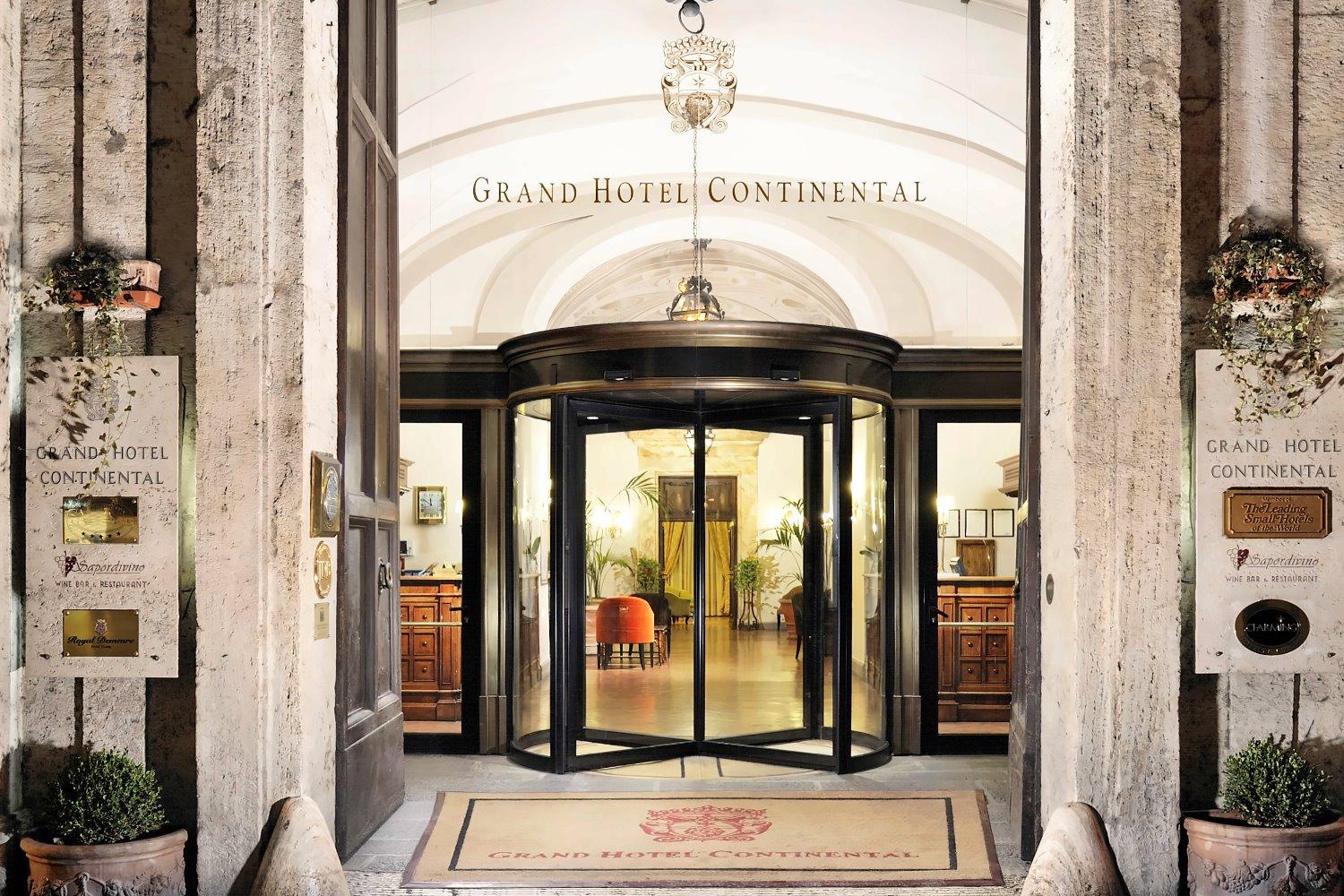
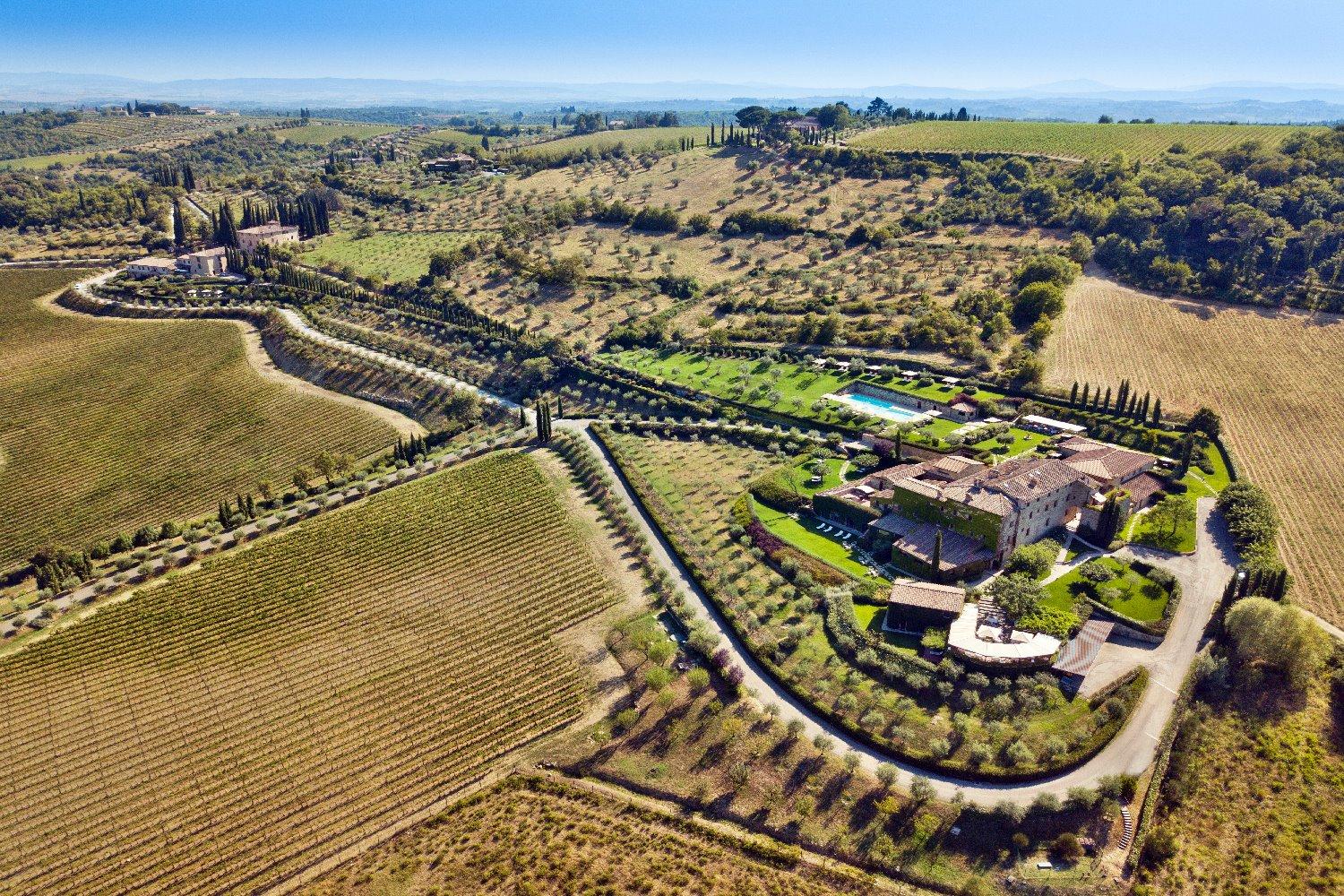
Siena is not a destination where the hotel decision can be separated from the itinerary. Grand Hotel Continental places guests inside the historic centre, within walking distance of Piazza del Campo and the cathedral. Borgo Santo Pietro, Castel Monastero, Castello di Casole and Hotel Le Fontanelle are countryside estates whose gardens, restaurants, spas and views are part of the journey. But each requires deliberate transport into Siena.
This guide compares the five current Virtuoso hotels by location, atmosphere and daily rhythm. Then explains the city’s monuments, contrade, food, seasons and practical access. Deluxetargets confirms the qualifying Virtuoso rate with breakfast, a 100 USD hotel credit or an experience, upgrade priority, early check-in and late check-out priority. And VIP recognition. The strongest stay begins by deciding whether Siena itself or the Tuscan landscape should shape most mornings.
Choose the historic centre or a country estate
Grand Hotel Continental is the only hotel in this selection inside Siena’s pedestrian core. It is the logical choice for early walks, evening restaurants and travellers who prefer not to schedule a driver every day. The four country properties exchange walkability for pools, gardens, larger grounds and a deeper sense of rural Tuscany. Borgo Santo Pietro and Castello di Casole are destination estates.
Castel Monastero has the character of a restored hamlet. Hotel Le Fontanelle offers a more intimate Chianti hill setting. Do not choose solely by room style. Map every dinner, city visit and wine appointment first, because the transfer pattern determines whether the stay feels serene or fragmented.
How the 5 Virtuoso hotels differ
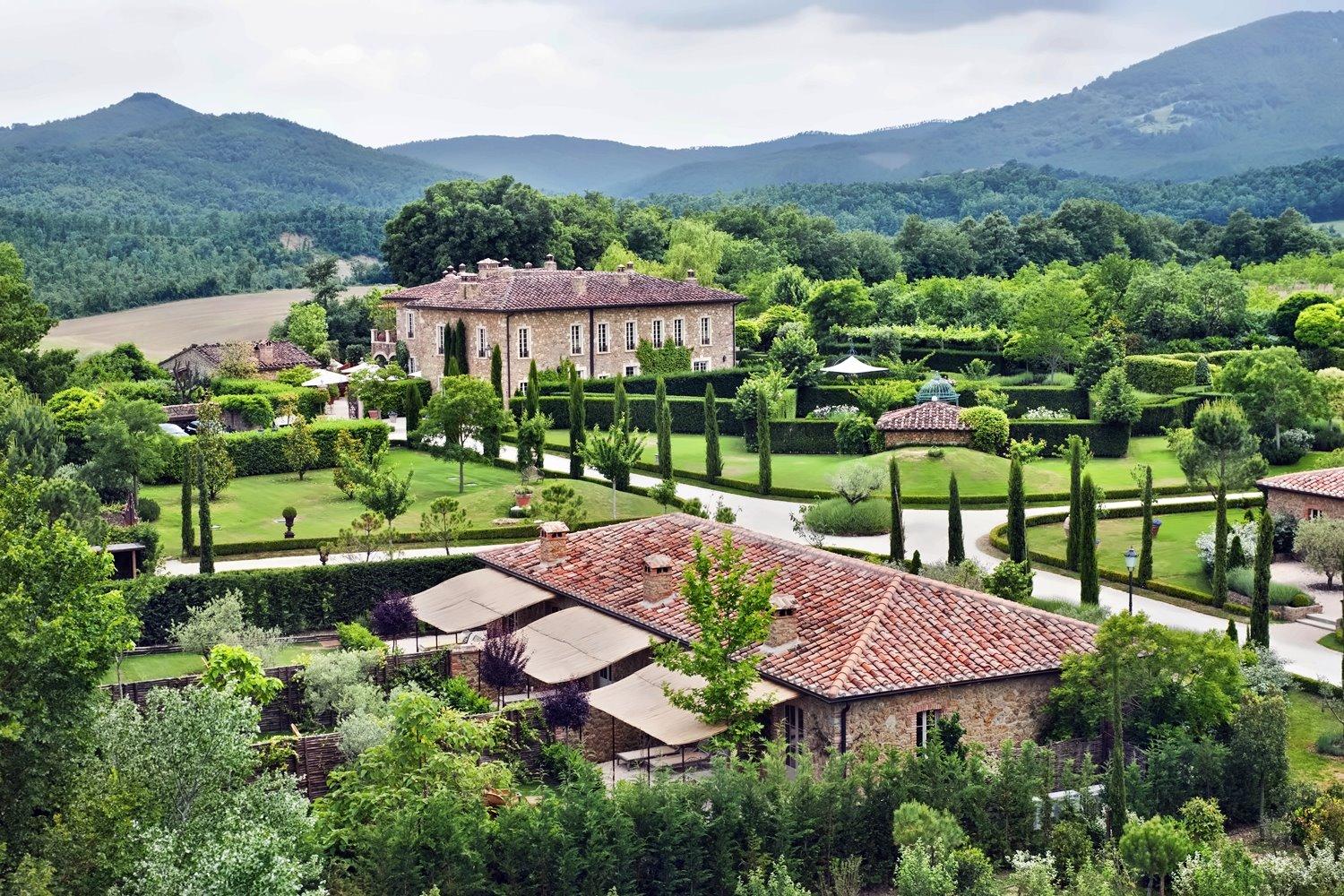
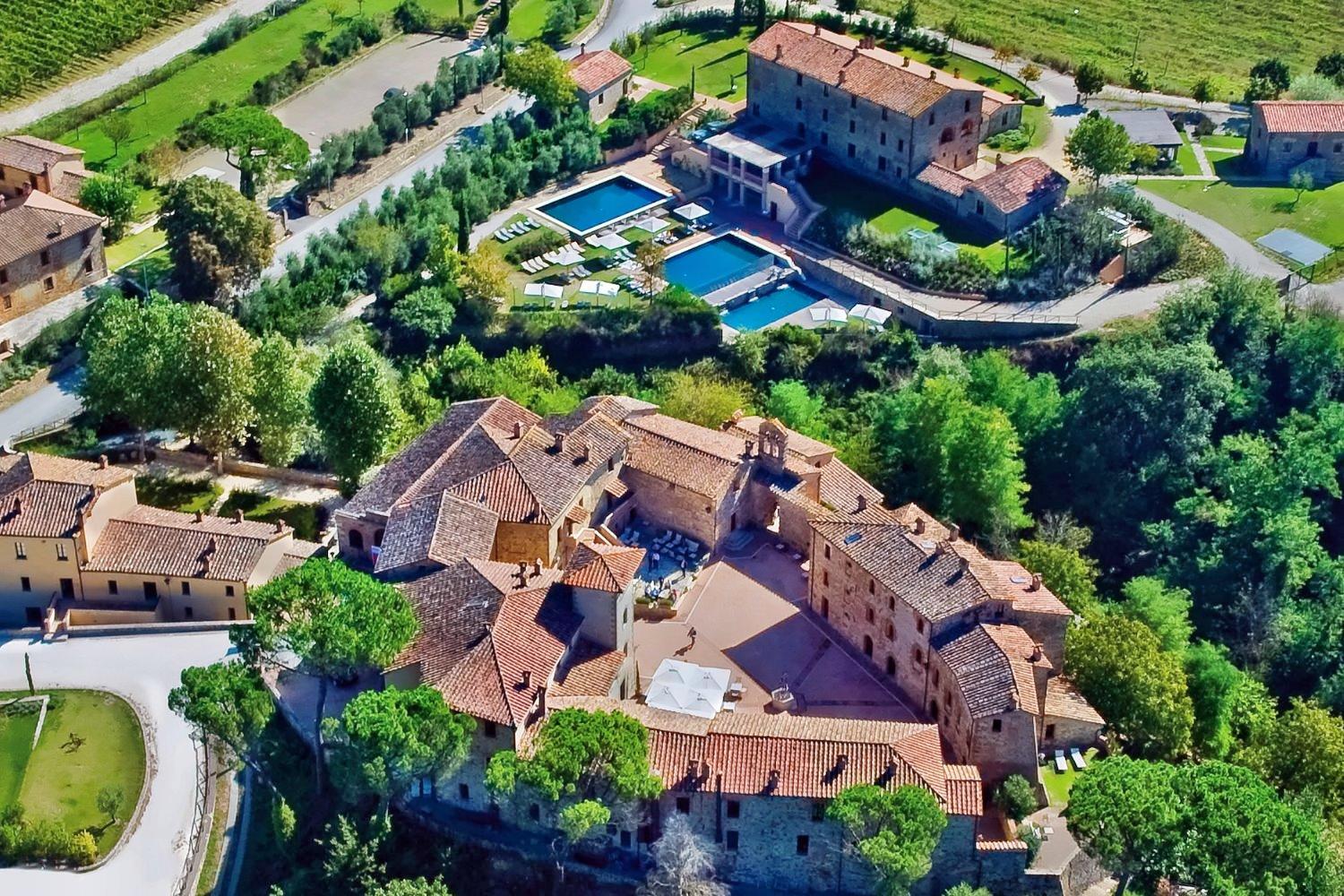
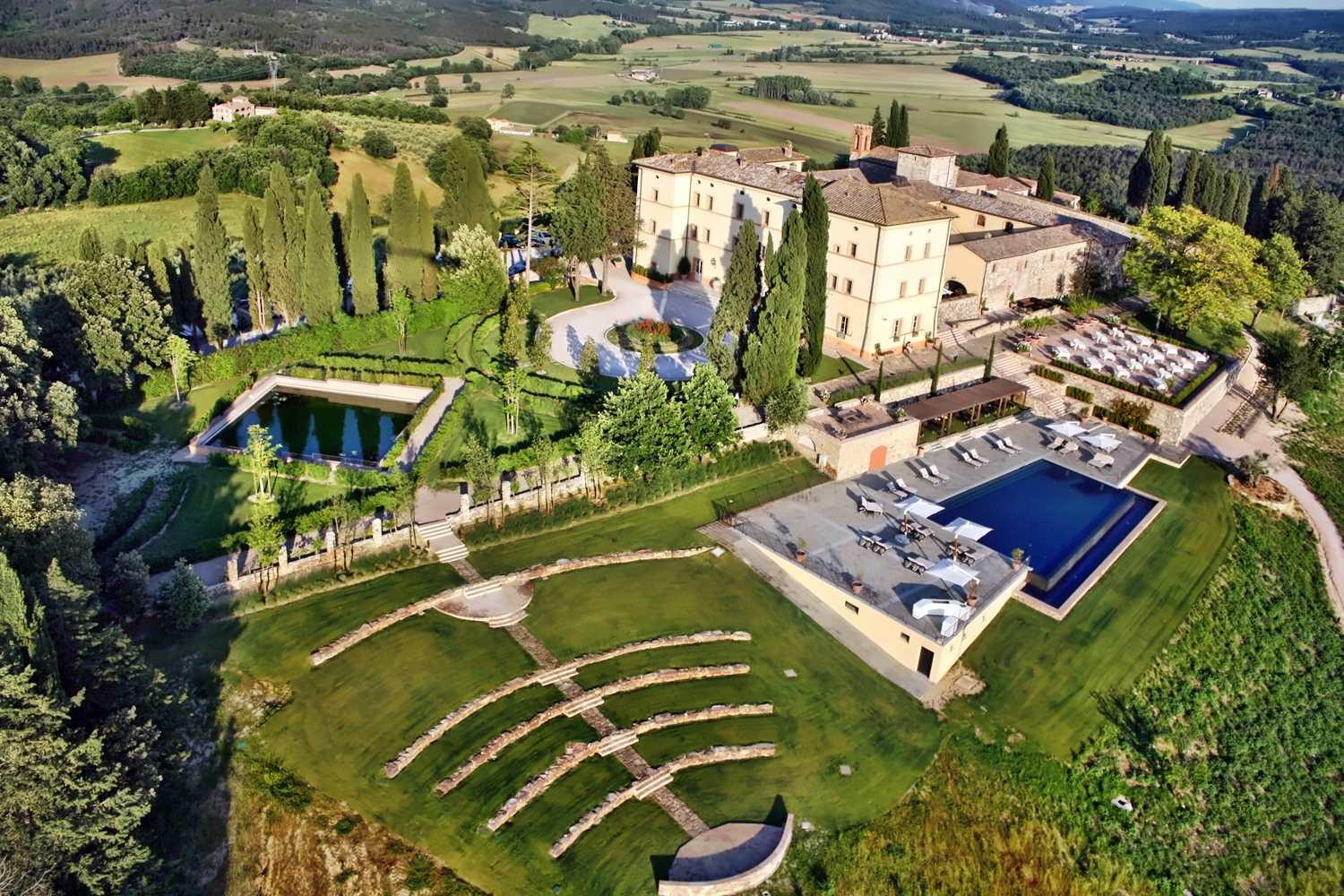
Borgo Santo Pietro is built around a working farm, extensive gardens, refined gastronomy and Seed to Skin wellbeing. Castel Monastero suits guests drawn to medieval stone architecture, a broad spa and a quiet village atmosphere. Castello di Casole, A Belmond Hotel, Tuscany combines a large historic estate with polished service, vineyards, olive groves and several accommodation types.
Grand Hotel Continental Siena. Starhotels Collezione is the urban palazzo for culture on foot. Hotel Le Fontanelle is a tranquil Chianti Classico retreat with vineyard views and a smaller scale. Compare privacy, internal distances, restaurant ambition and access to Siena before comparing category names.
Piazza del Campo and the civic city
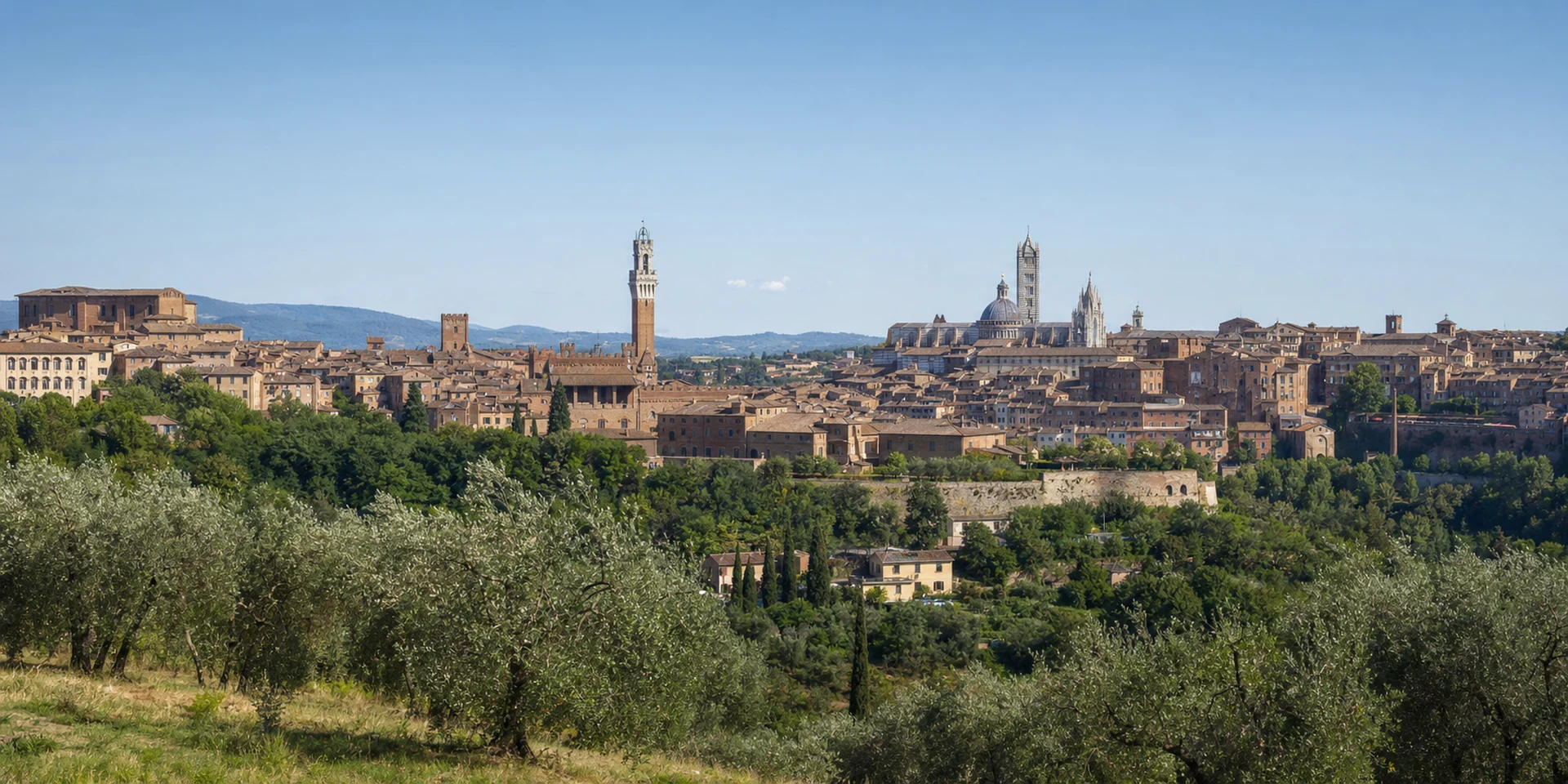
Piazza del Campo is Siena’s civic heart, not merely a photographic stop. Its shell-shaped form focuses attention on Palazzo Pubblico and Torre del Mangia. While the surrounding streets reveal how the medieval city descends and rises across three hills. Visit early for spatial clarity. Then return later when the square functions as a living room.
Museum and tower opening hours, access rules and weather restrictions should be checked with the municipality before arrival. Climbing the tower demands time and physical confidence. the civic museum is the stronger alternative for guests avoiding stairs. A private guide can connect government, art and urban form without turning the morning into a list of dates.
The cathedral complex deserves its own interval
Siena Cathedral, the Piccolomini Library, Baptistery, crypt and Museo dell’Opera form a complex that should not be compressed between lunch and shopping. Ticket combinations and seasonal routes change. So use the Opera della Metropolitana’s official information. Marble floors, sculptural detail and Duccio’s legacy reward slow observation. While the museum panorama adds geographical context when accessible.
Santa Maria della Scala opposite the cathedral extends the story through hospital, pilgrimage, archaeology and exhibition spaces. Separate the cathedral complex from Piazza del Campo if possible. Guests staying outside Siena should arrange a precise driver collection point beyond restricted traffic rather than trying to improvise after a long cultural visit.
Understand the contrade and the Palio respectfully
Siena’s seventeen contrade are living neighbourhood communities with identities, museums, rituals and social structures that extend far beyond the Palio horse race. The Palio traditionally transforms Piazza del Campo in summer. But access, ceremonies and crowd conditions require current official guidance. Do not promise tickets through informal sellers or treat a contrada emblem as decorative folklore.
A knowledgeable local guide can explain boundaries, fountains and civic loyalties without intruding on private spaces. During race periods, transport, restaurants and hotel demand change substantially. Travellers who prefer a quieter city should choose other dates. those who attend need a carefully planned route, realistic standing conditions and respect for an event that belongs first to Siena.
Walk Siena with its hills in mind
The old town is compact but not flat. Brick lanes, stone paving, steps and steep gradients make distance a poor measure of effort, especially in summer heat. Organise sightseeing by zones. Campo and the civic centre, cathedral and Santa Maria della Scala. Then quieter streets such as those toward San Domenico or the botanical areas.
Wear supportive shoes and schedule a seated lunch rather than crossing the city repeatedly. Travellers with reduced mobility should confirm accessible entrances, taxi drop-offs and lift availability for each monument. The restricted traffic zone protects the centre but complicates arrivals. Grand Hotel Continental guests should prearrange valet instructions. While countryside guests need an agreed legal meeting point for their driver.
Eat Siena rather than generic Tuscany
Sienese food has a distinct identity: pici, ribollita, cinta senese pork, pecorino, panforte and ricciarelli can anchor a useful progression from simple lunch to serious dinner. Ask where dishes are produced rather than selecting a menu only by view. Around the estates, destination restaurants such as Meo Modo, Tosca, Contrada and La Colonna should be reserved before arrival,
especially when the property is remote. Chianti Classico lies within practical reach. While Brunello and Vino Nobile routes require more driving. Use a professional driver for tastings and avoid combining several estates with a full Siena day. One focused producer visit followed by an unhurried meal creates more understanding than a rapid sequence of labels.
Build countryside days geographically
Siena is a gateway to several different landscapes. But Val d’Orcia, the Crete Senesi, Chianti and San Gimignano should not be treated as interchangeable stops. The Crete Senesi offers sculptural clay hills southeast of the city. Chianti favours vineyards, wooded ridges and villages to the north. Val d’Orcia requires a longer dedicated route.
Select one landscape according to the hotel’s position and the desired pace. A guide-driver adds value by adjusting for light, market days and cellar appointments. Country estates deserve time on property. So avoid leaving every morning and returning after dark. Alternate one touring day with one slower hotel day to preserve the reason for choosing a rural address.
Season, weather and reservation pressure
Late spring and early autumn often balance comfortable walking conditions, green or golden landscapes and active hotel schedules. July and August can be hot, with stronger demand around the Palio and limited shade during exposed city walks. Winter offers a quieter urban experience but some country resorts and seasonal facilities may close or reduce services.
Harvest periods bring atmosphere and demand, yet agricultural timing varies by year. Confirm hotel opening dates, pool heating, restaurant days and spa hours rather than assuming every facility operates throughout the stay. Reserve guides and defining dinners early, keep the hottest hours for lunch or interiors. And carry a light layer because evenings on elevated estates can cool quickly.
Arrival and transport need advance decisions
Florence is the most common air gateway. While Rome and Pisa can work within a broader itinerary. Rail services reach Siena with route-dependent changes and the station sits below the historic centre. So luggage transfer still matters. A private car is usually the smoothest choice for the four country hotels. But driving inside Siena’s restricted zone is not.
Send flight or rail details, luggage volume and child-seat needs before arrival. If renting a car. Verify parking and route instructions directly with the hotel and understand Italian restricted-traffic signage. For a city day from an estate. Book both outbound and return times with enough flexibility for lunch rather than relying on an uncertain last-minute taxi.
Families, accessibility and room configuration
Country estates provide space, pools and activities, yet historic buildings may include stairs, separated annexes and long paths. Families should confirm connected rooms, pool supervision, dining times and whether farm or cooking activities match each child’s age. Siena itself works well with older children when the guide uses symbols, towers and contrada stories. But long museum sequences and midday heat quickly exhaust younger travellers.
Guests with mobility needs require room-level information, not a general accessibility label: ask about thresholds, lift dimensions, bathroom layout and distance to restaurants. Grand Hotel Continental simplifies city access but still sits within historic architecture. rural hotels simplify outdoor time but increase vehicle dependence.
How many nights create a complete stay
Two nights permit a focused look at Siena but make a country resort feel underused. Three nights work for an urban stay with one full cultural day and one flexible interval. Four to five nights are stronger for an estate: one Siena day. One landscape or winery day and at least one full day for gardens,
spa and dining. Six or more nights suit travellers combining several slow experiences without changing hotels. Avoid splitting between city and countryside unless each side has enough time to justify packing and transfer. A good first itinerary protects the arrival afternoon, keeps one major anchor per half-day and places the final evening close to the hotel before departure.
Five practical tips for a refined Siena stay
- Choose daily geography first — Decide how often you want to walk in Siena before selecting a remote estate.
- Reserve the driver with dinner — Country restaurants and city evenings need a confirmed legal collection point and return time.
- Separate Campo and cathedral — Give the civic centre and cathedral complex distinct intervals rather than rushing both.
- Respect the contrade — Use an informed guide and current official advice, especially around Palio dates.
- Protect an estate day — Keep one full day for gardens, spa, food and landscape at a countryside hotel.
Frequently asked questions about Virtuoso hotels in Siena
Should I stay in Siena or the countryside
Choose central Siena for walking access and evening independence. Choose an estate for space, spa, landscape and a slower hotel-led stay with planned transport.
Which hotel is inside Siena
Grand Hotel Continental Siena. Starhotels Collezione is in the historic centre. The other four selected hotels are countryside properties.
How many nights should I stay
Three nights suit a city-focused visit. Four to five nights better balance Siena, countryside and meaningful time at a resort.
Do I need a car
Not for a central stay. Country hotels require a rental car or, more comfortably for tastings and dinners, prearranged private drivers.
When is the best time to visit
Late spring and early autumn often offer the best balance. Summer is hotter and especially busy around the Palio.
What does a Virtuoso rate include
Qualifying rates generally include breakfast, a 100 USD hotel credit or an experience, upgrade priority, early check-in and late check-out priority. And VIP recognition. Exact benefits are confirmed.
Can the Palio be added casually to an itinerary
No. Dates, access, crowds and traditions require current official guidance and careful planning well before arrival.
Can Siena be combined with a wine region
Yes. Choose one geographically coherent area such as Chianti Classico and use a driver, rather than compressing several distant wine zones into one day.
Combine your hotel stay with a privately designed journey through Italy, with hotels, transfers and experiences planned as one seamless itinerary.