
Virtuoso Hotels
Virtuoso Hotels in Venice, Italy
11
11
Hotels
Virtuoso hotels in Venice: canals, sestieri and the right address
Venice rewards precision more than almost any other European city. A hotel beside St Mark’s creates effortless early access but places guests in the busiest visitor corridor. Dorsoduro feels calmer and more art-led. a palace on the Grand Canal turns every arrival into theatre. an island resort offers gardens and a pool but requires disciplined shuttle timing. Because every transfer involves bridges, narrow lanes or water, the right location protects both energy and time.
The Virtuoso collection spans intimate craft-led houses, historic palazzi, formal grand hotels and private island resorts. This guide compares the sestieri and hotel styles, explains how to organise St Mark’s, museums, the Biennale and lagoon islands. And shows how Venice can remain a focused three- or four-night stay or become the beginning of a wider journey through northern Italy.
A quick choice by travel style
Choose the Venice you want to wake up in before comparing individual hotel names.
San Marco and the basin
Stay here for St Mark’s Square before the crowds, the Doge’s Palace and direct lagoon views. The reward is access. the compromise is intense daytime footfall in the principal lanes.
Palazzi between Rialto and Salute
A canal-facing room makes water traffic and architectural façades part of the stay. Confirm the precise outlook, because courtyard and side categories feel completely different.
Dorsoduro
The Accademia, Peggy Guggenheim Collection, Punta della Dogana and neighbourhood squares suit travellers who want culture with a more residential rhythm. San Marco remains walkable across the bridges.
Giudecca and private islands
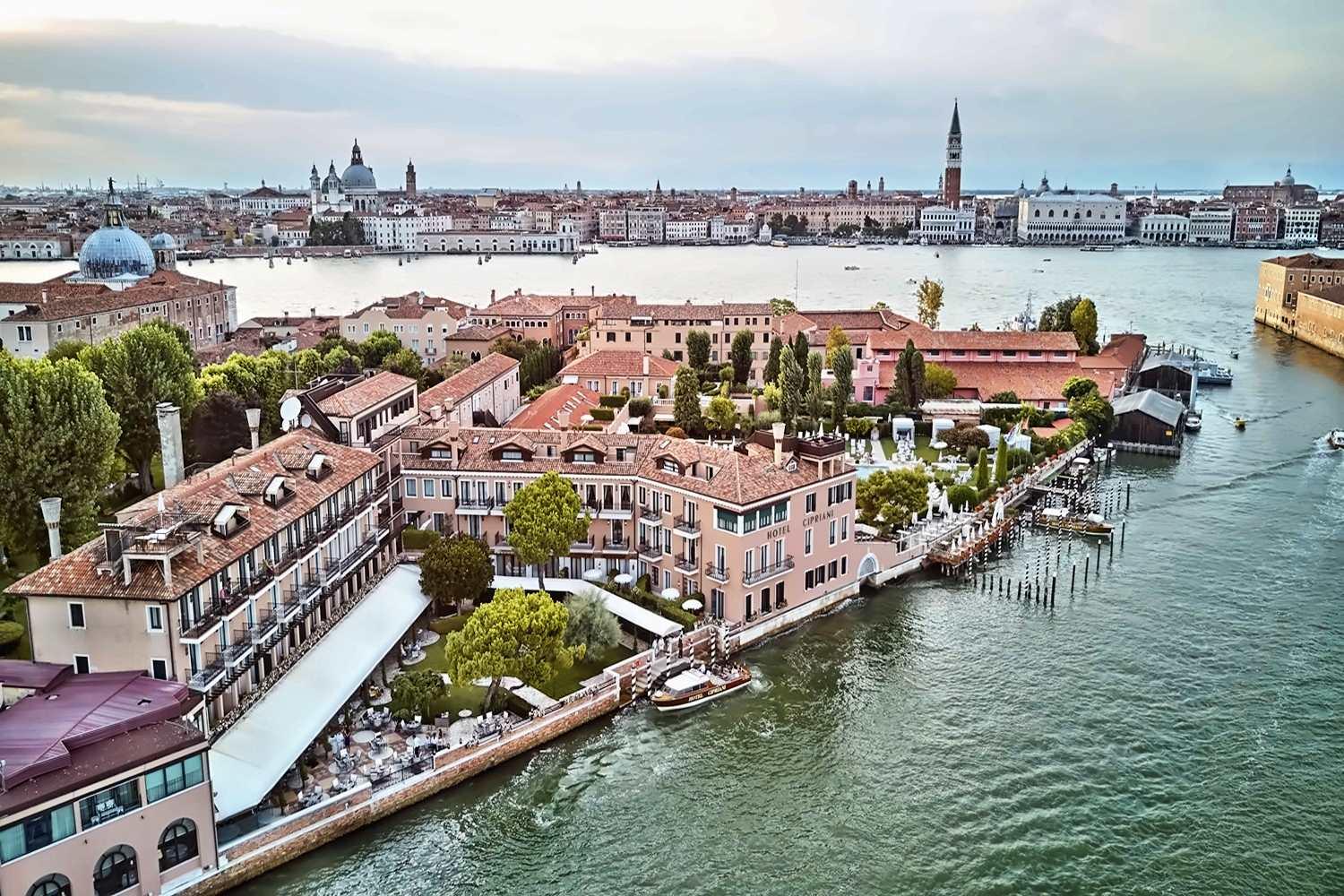
Cipriani and San Clemente exchange immediate walking access for gardens, pools and calm. They work best when a full afternoon is protected and shuttle times are built around reservations.
The principal luxury-hotel areas
San Marco – monuments at first light
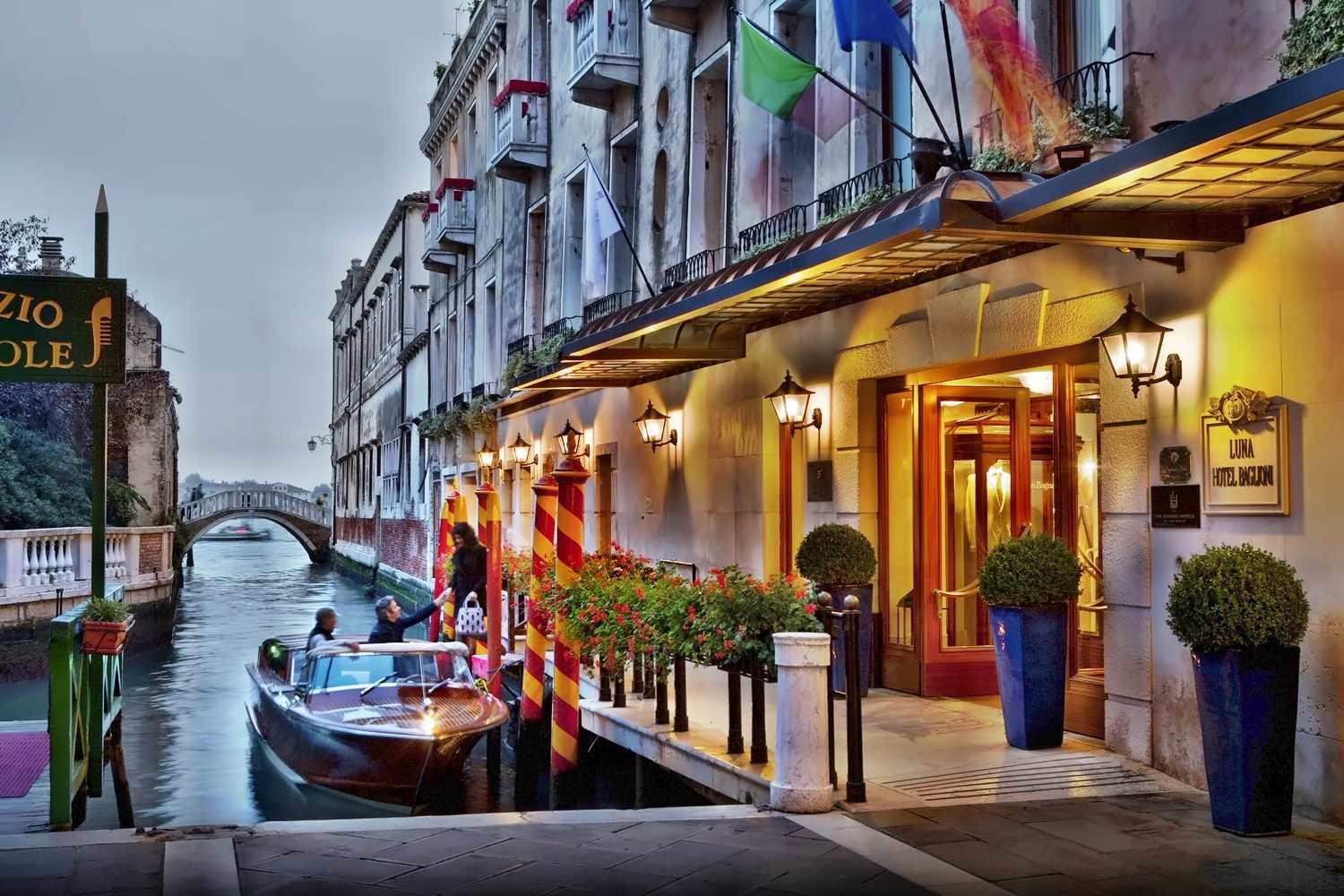
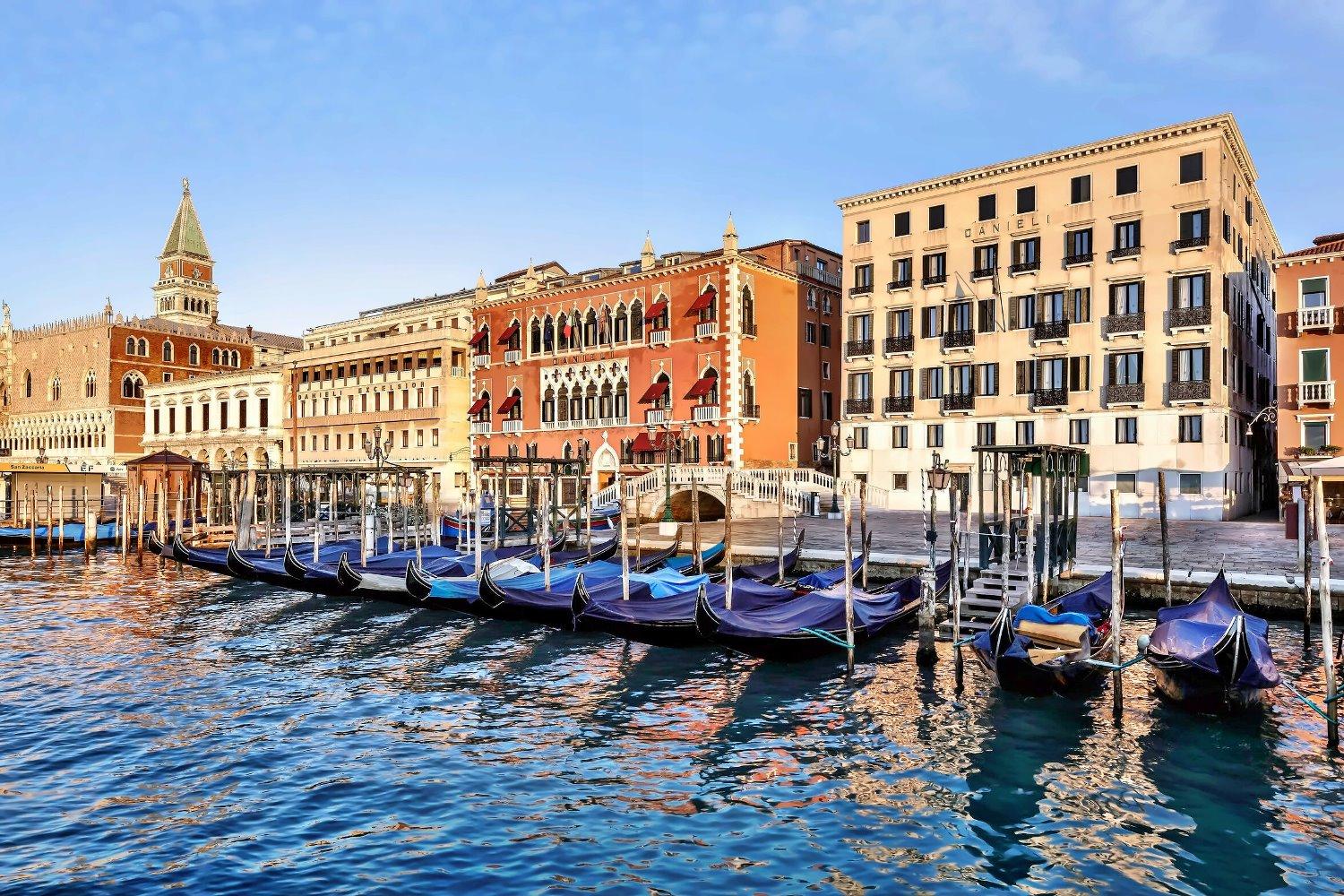
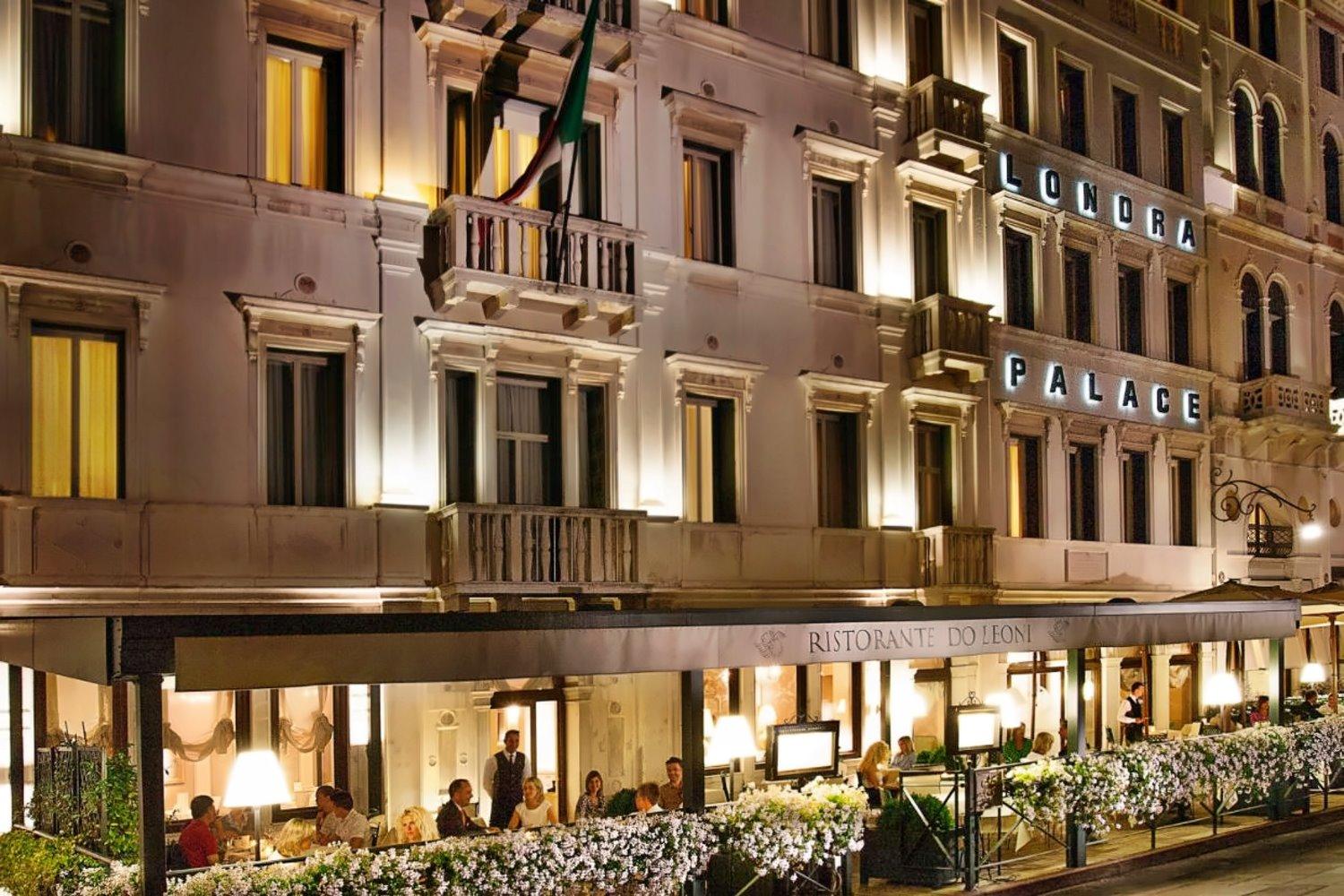
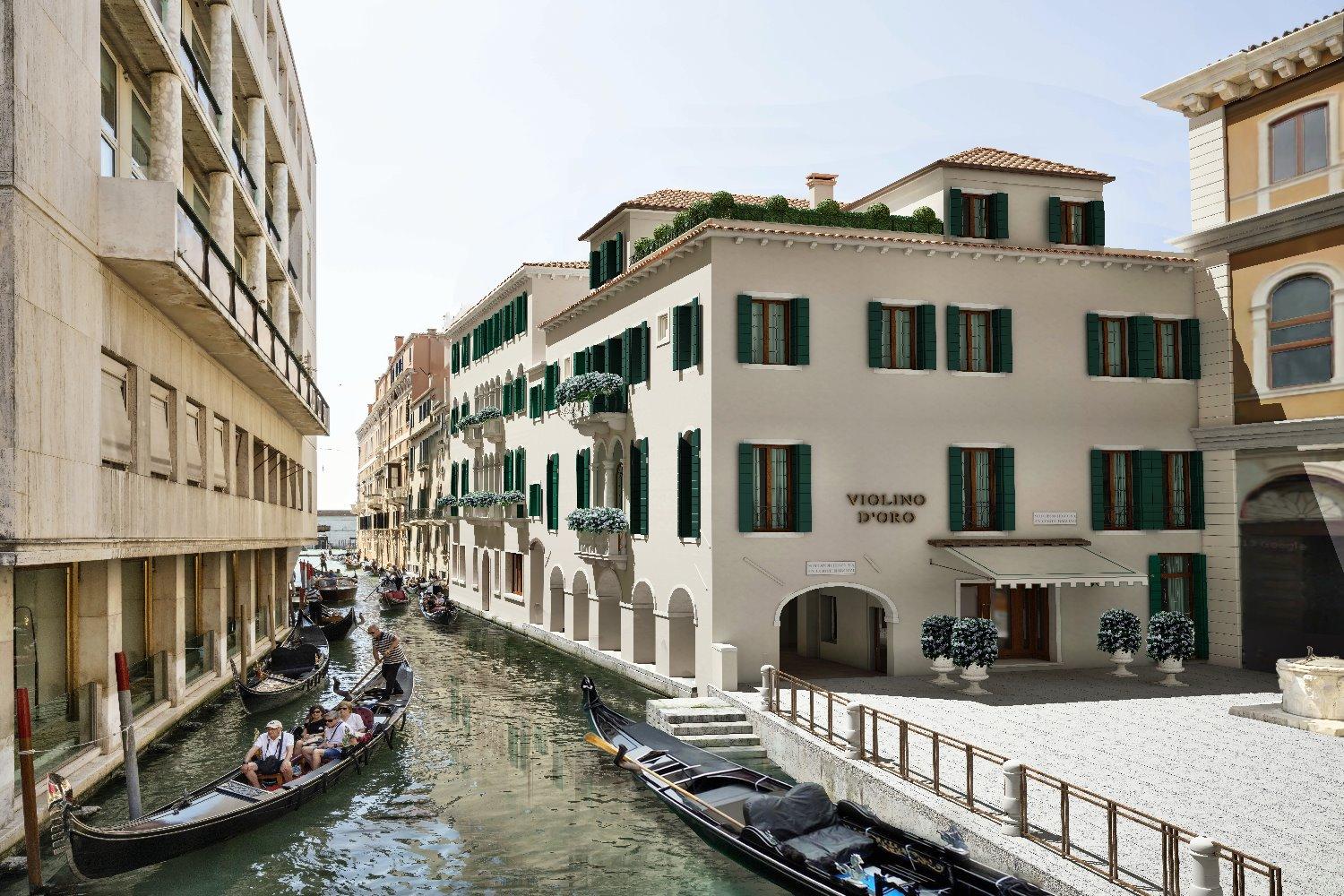
Baglioni Luna, Danieli, Londra Palace and Violino d’Oro place guests close to St Mark’s Square and the lagoon basin. Begin outside before day visitors arrive, return to the hotel during peak hours and reserve afternoon entries intelligently. Room orientation matters: a famous address does not mean that every window faces water, domes or the square.
The Grand Canal – arrival as part of the journey
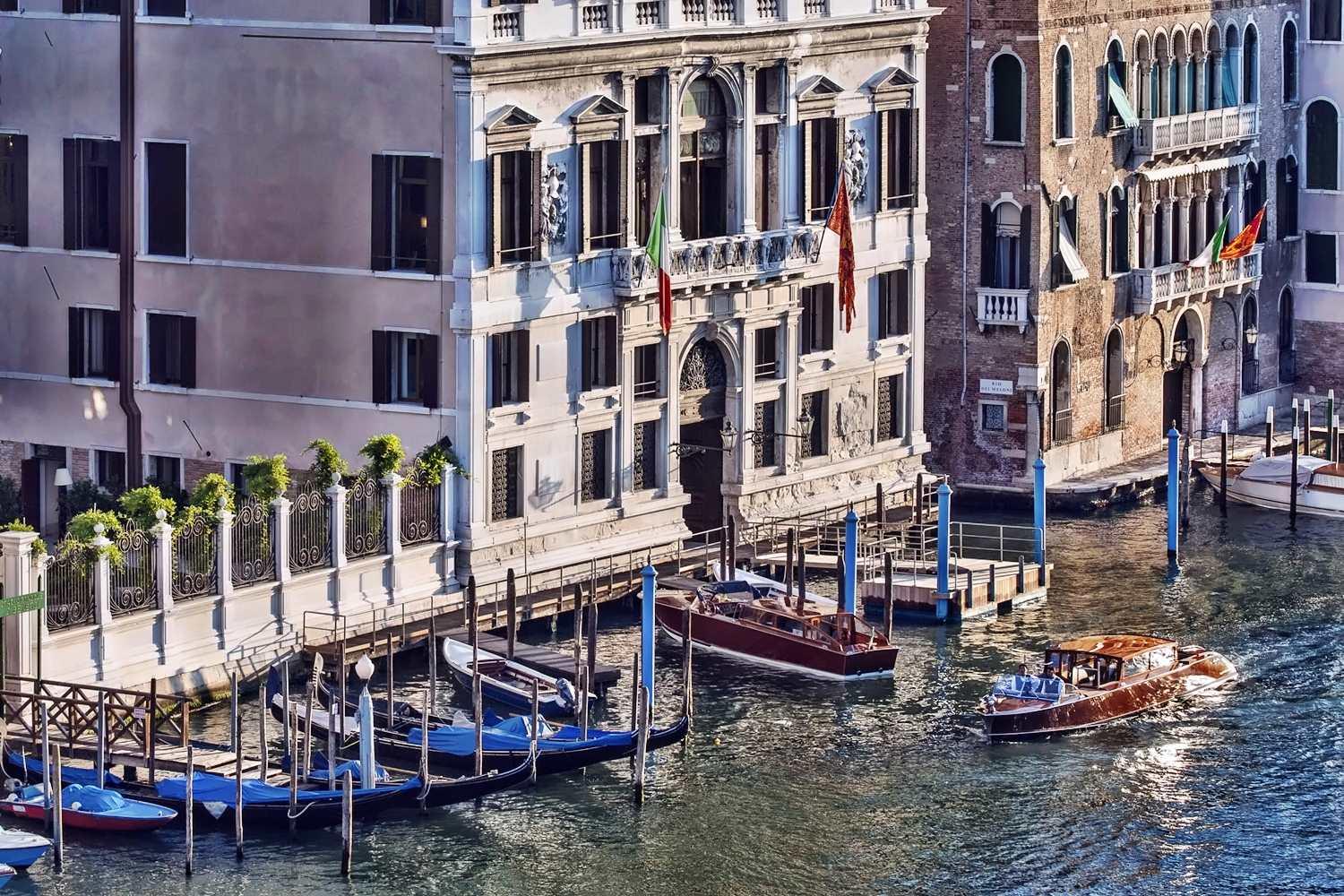
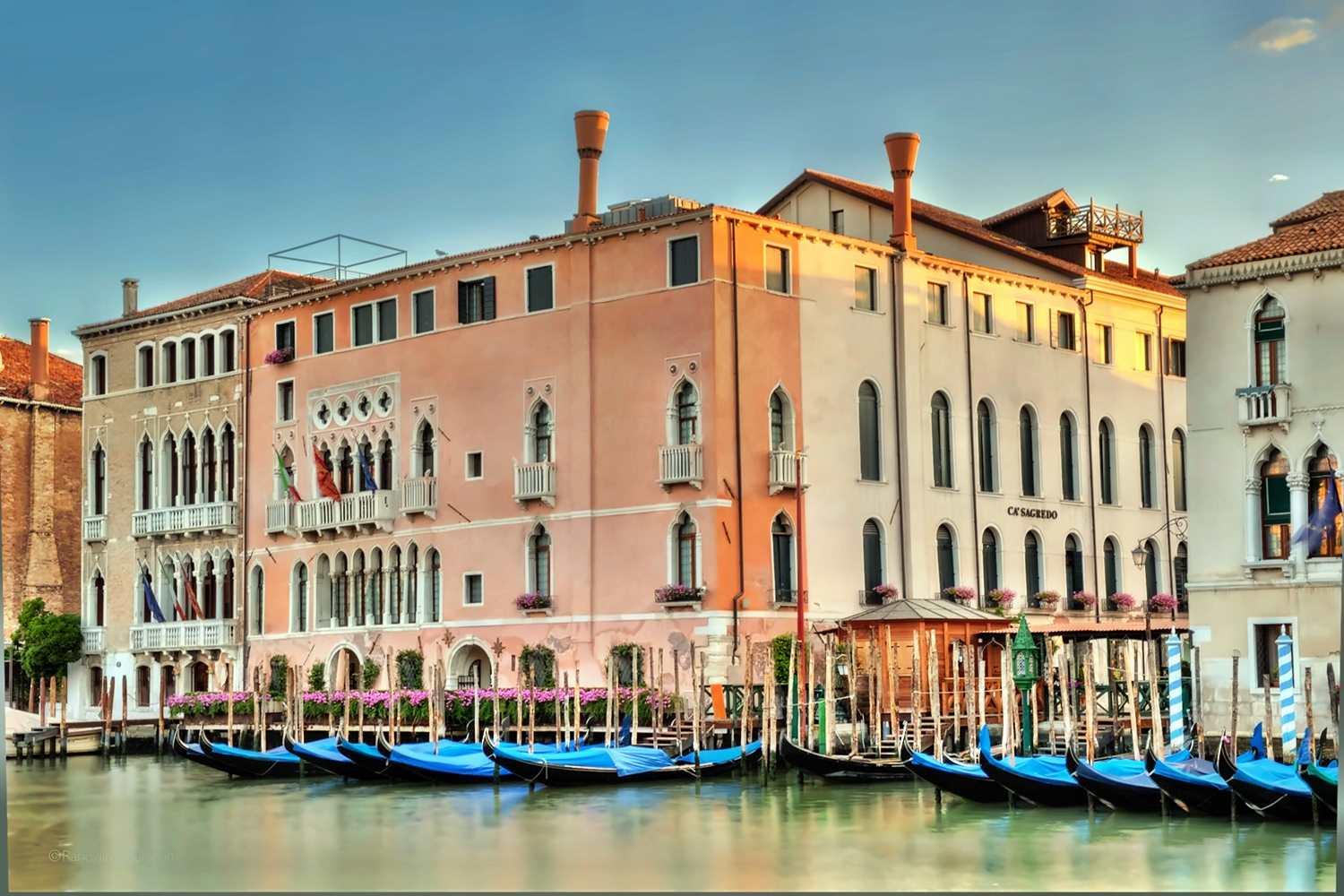
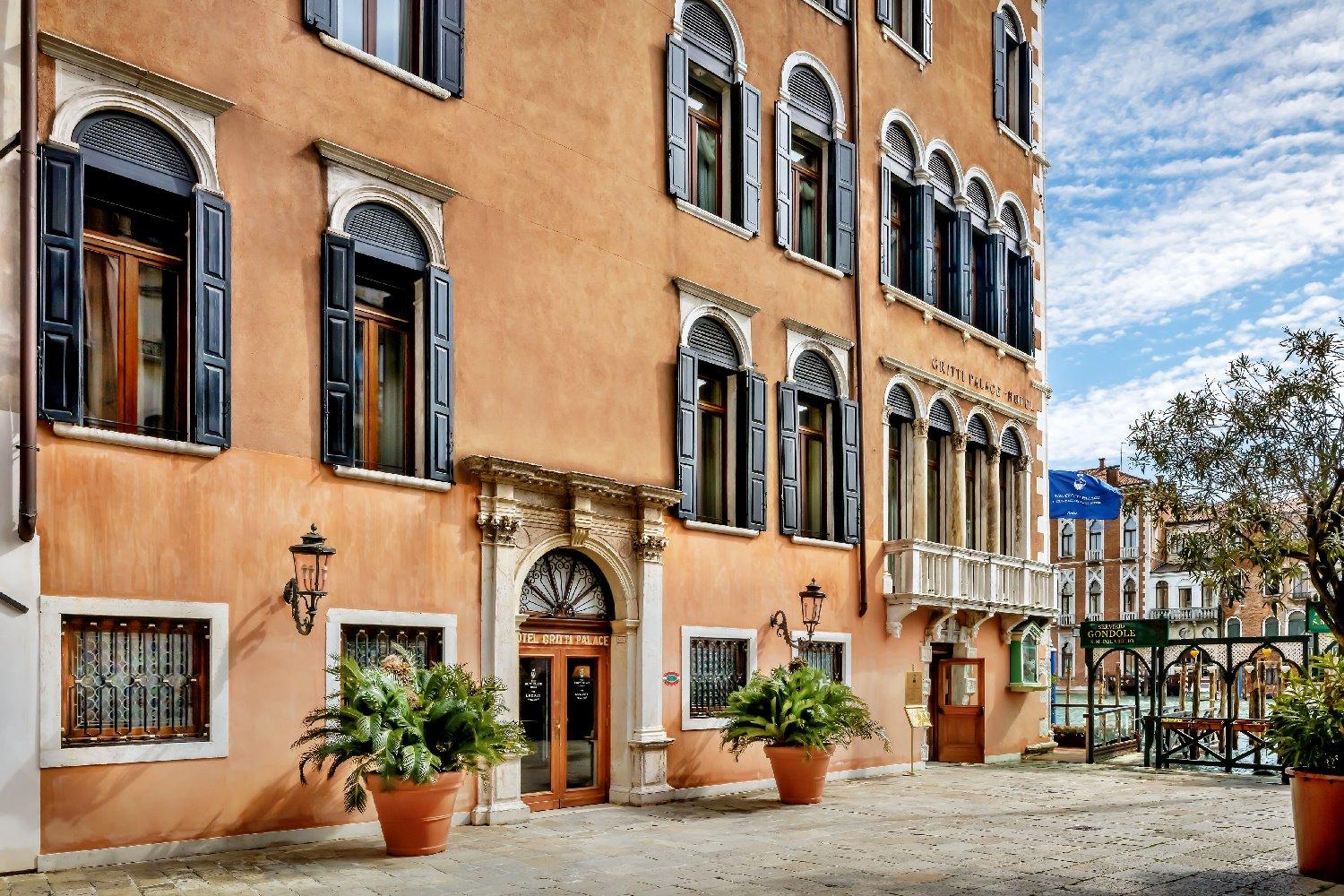
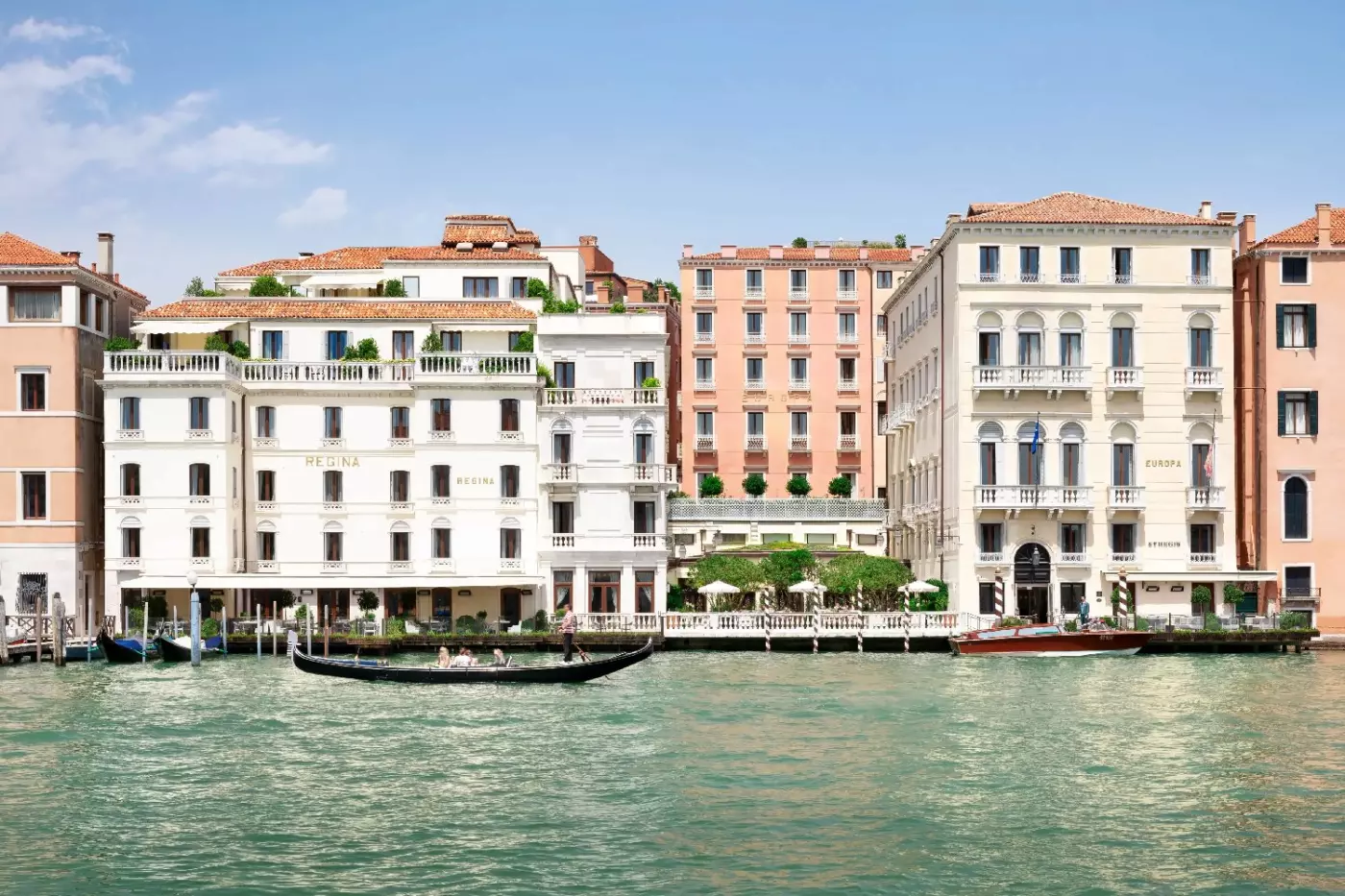
Aman Venice, Gritti Palace, St. Regis and Ca’ Sagredo occupy distinct points along Venice’s principal waterway. Their strongest categories frame the canal. While garden, inner and side rooms create more privacy at a different price. A private water transfer is not merely transport here. it reveals the palace façade and avoids unnecessary bridges with luggage.
Dorsoduro and the Salute
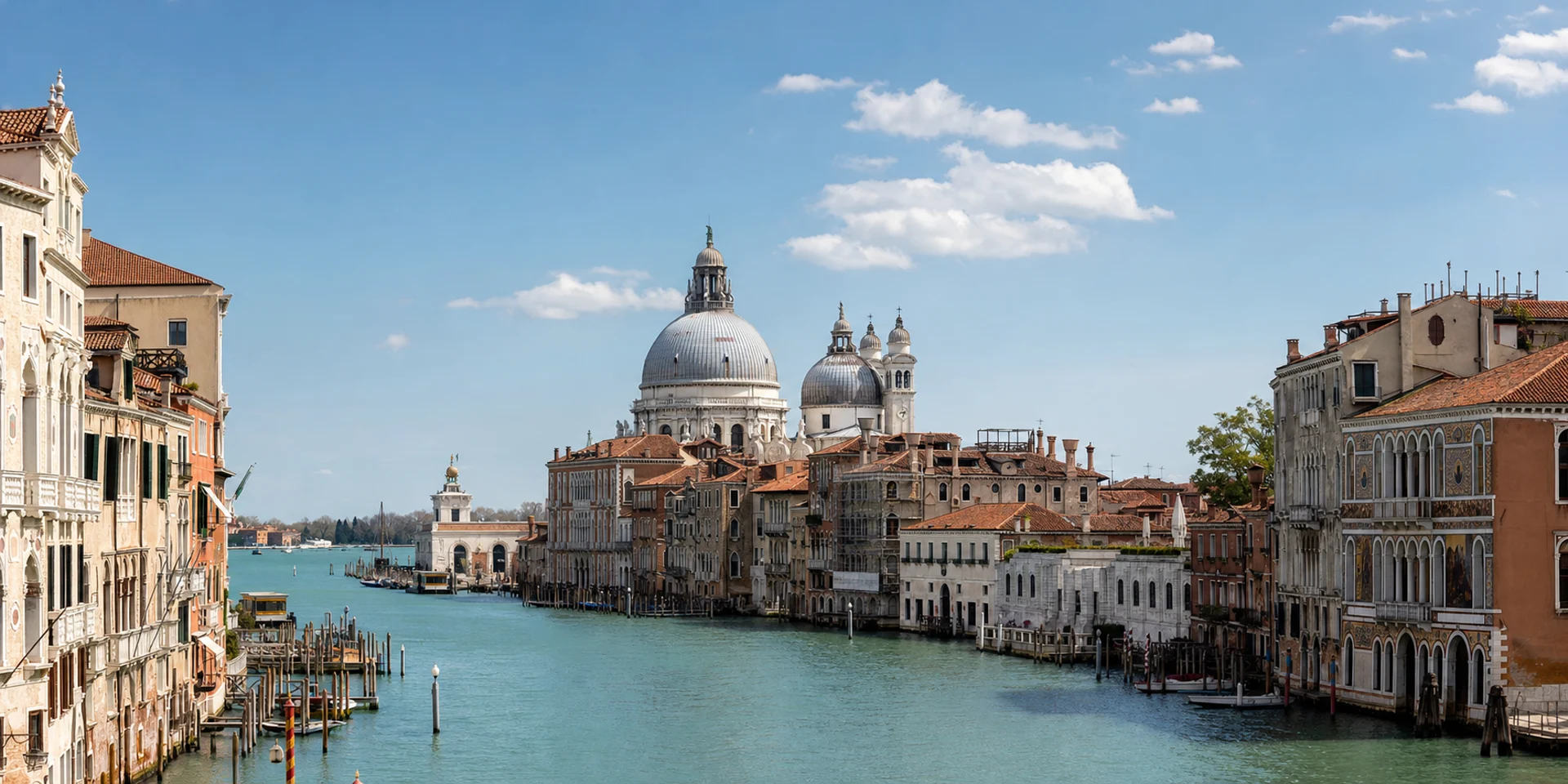
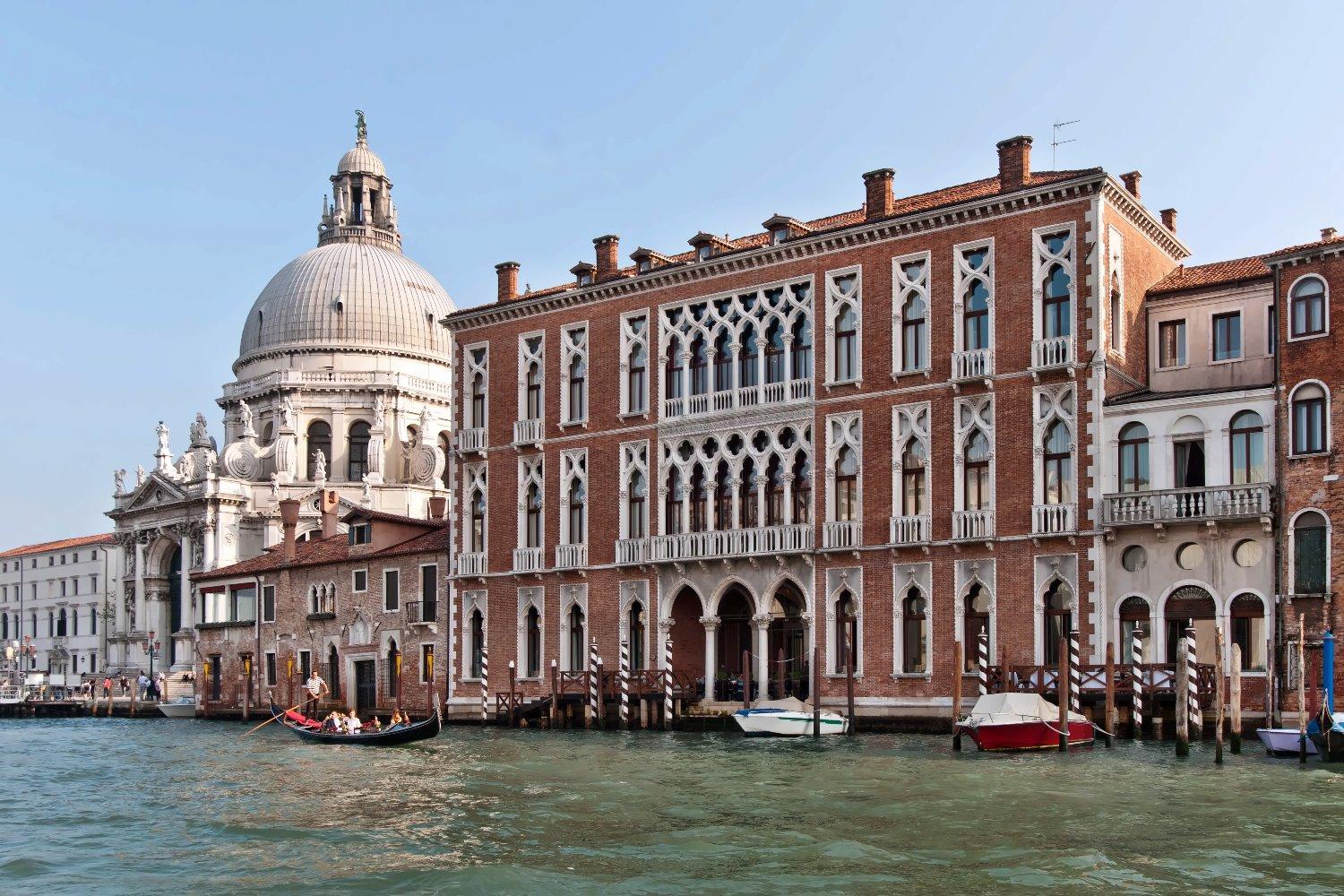
Sina Centurion Palace sits beside Santa Maria della Salute with direct access to the Accademia, contemporary collections and quieter fondamenta. The district suits art-focused stays and repeat visitors, although evening restaurant plans across the Grand Canal should include realistic walking or boat time.
Giudecca and San Clemente
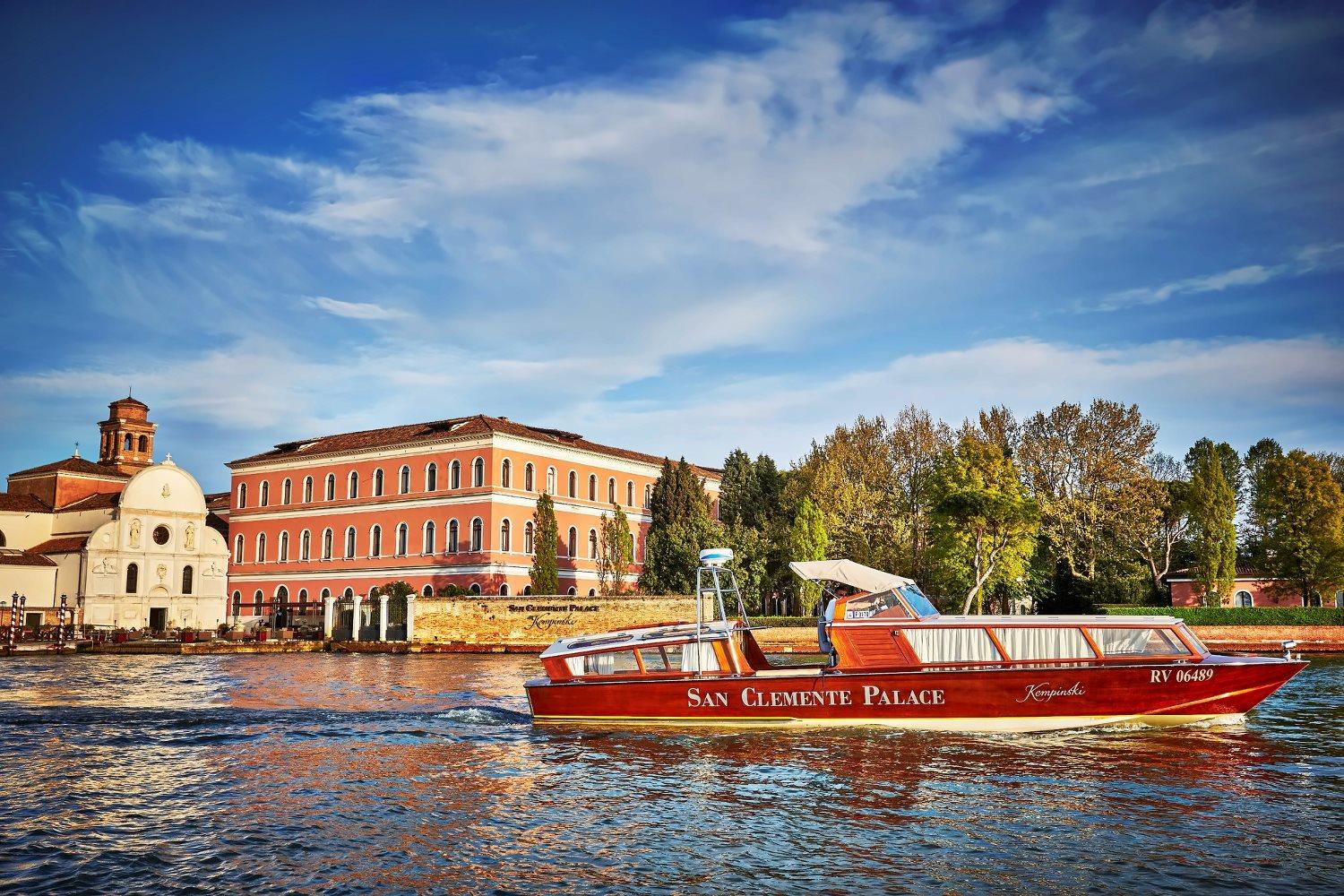
Hotel Cipriani faces the city from Giudecca. San Clemente Palace occupies its own island. Both provide pools, gardens and breathing room that central palazzi cannot replicate. The decision requires more than a preference for calm: compare shuttle frequency, last departures and how many fixed appointments the itinerary contains.
Cannaregio, Castello and Venice beyond the hotel cluster
The current Virtuoso selection is concentrated elsewhere. But these districts belong in the daily programme. Cannaregio offers the Ghetto, canals and neighbourhood dining. eastern Castello leads toward the Arsenale and Biennale grounds. Explore early or late and respect residential lanes rather than treating them as shortcuts between headline sights.
How the Venice Virtuoso hotels differ
The useful question is not which hotel is most famous. But what kind of Venice it enables.
History, water arrival and ceremony
Aman, Gritti Palace, Danieli and Ca’ Sagredo make the building itself a cultural experience. Protect time for salons, frescoes, staircases and canal perspectives.
San Marco access and open-water views
Londra Palace and Baglioni Luna support early monuments. While St. Regis combines central access with a garden and Grand Canal frontage. Exact view categories require confirmation.
Craft, discretion and smaller scale
Violino d’Oro and Sina Centurion offer a more contained rhythm. Choose them when personal atmosphere or Dorsoduro access matters more than extensive resort facilities.
Pools, gardens and a deliberate pause
Cipriani and San Clemente are strongest for summer, families and longer stays. Their value disappears when every hour is scheduled in central Venice.
St Mark’s Square and the Doge’s Palace without the rush
St Mark’s Basilica, the campanile, the Doge’s Palace and the Correr complex are separate experiences with different entry procedures. The Doge’s Palace publishes official hours and ticket information through the civic museums. verify the current product before arrival. Begin the square in the first daylight hours. Then use a timed museum entry after breakfast rather than joining the midday flow.
A private guide adds value by connecting political rooms, art and the city’s maritime system, not by forcing every room into one visit. Dress appropriately for sacred spaces and check bag restrictions. Return later for atmosphere if desired. But protect the clear morning light for mosaics, façades and the basin.
Old Masters, contemporary art and the Biennale
The Gallerie dell’Accademia should be approached with a focus on Venetian painting, material. Colour and the city’s changing image rather than as a checklist of names. Its official website provides current visitor information. The Peggy Guggenheim Collection and Punta della Dogana form a strong contemporary chapter in Dorsoduro. During Biennale years, the Giardini and Arsenale require substantial time.
La Biennale publishes official dates, venues and ticketing. National pavilions, collateral events and private foundations cannot all fit into one day. Choose themes, divide venues geographically and leave visual rest between exhibitions. One major historic collection or one Biennale sector per half day creates a better experience than continuous entry slots.
The lagoon, Murano, Burano and Torcello
The lagoon is not an excursion outside Venice but the system that made the city possible. Murano rewards a carefully arranged furnace or design visit, not a generic showroom sequence. Burano offers colour, lace traditions and a different island scale. Torcello provides archaeological depth and open landscape. Combine islands according to interest rather than collecting all of them automatically.
A private boat creates flexibility and access but should not become a high-speed sightseeing device. Weather, tides and daylight influence the route. And some workshops close on particular days. Begin early. Reserve a serious lunch where appropriate and allow time on foot. Guests staying at Cipriani or San Clemente should distinguish hotel shuttles from a dedicated lagoon itinerary.
Bacari, restaurants and Venetian craft
Venetian food is tied to lagoon fish, seasonal vegetables, rice, polenta and the trading history of spices. A bacaro walk works best as a selective introduction at lunch or early evening, not as an endless circuit. Reserve destination restaurants and small acclaimed tables early, particularly during Biennale openings and summer weekends.
Geography matters because a late dinner across several bridges feels longer than the map suggests. Artisan visits should be equally selective: glass, textiles, marbled paper, bookbinding, masks and restoration become meaningful when material and technique are explained. Avoid shops presenting imported souvenirs as local craft. Hotel concierges can confirm current openings and arrange water access where a workshop location makes it useful.
Best time to visit Venice
Spring
March to May brings longer days and active cultural calendars, with high demand around Easter and Biennale openings. Weather changes quickly. So combine indoor and outdoor alternatives.
Summer
June to August can be hot and crowded. Begin outside early, use the hotel at midday and consider an island property with pool when rest matters. Major events increase boat and restaurant demand.
Autumn and winter
September and October remain popular for art. November to February can be atmospheric and quieter, with shorter daylight and greater tide awareness. Carnival creates a separate high-demand period.
Tides, weather and practical elegance
High water is a natural and managed part of lagoon life, not a permanent condition across the entire city. The City of Venice publishes official tide information and forecasts. use those sources close to travel rather than dramatic historic images. Hotels can advise on local access, temporary walkways and appropriate footwear. Rain and wind also affect private launches and exposed lagoon routes.
Pack light enough to manage bridges when necessary, use waterproof but presentable shoes and allow the hotel to coordinate luggage from airport, station or car terminal. Travel insurance and flexible timing matter during severe weather. But most visits continue normally with informed planning.
Venice in three, four or six nights
Three nights – a disciplined first chapter
Give one day to San Marco and civic Venice, one to Dorsoduro and art. And one to Rialto, Cannaregio or a selected lagoon island. Keep one major museum and one important dinner per day.
Four to five nights – the ideal balance
Extra time allows the lagoon, artisans, smaller churches and genuine hotel downtime. During the Biennale, four nights should be considered a minimum for art plus the historic city.
Six nights or more – Venice at a slower scale
A longer stay supports architectural walks, multiple islands, concerts and a split between central palace and island resort. Change hotels only when the contrast justifies the transfer.
Airport, rail and water transfers
Venice Marco Polo Airport publishes current transport information and serves the city by road-to-boat combinations and water services. Santa Lucia railway station places arriving guests directly on the Grand Canal. Piazzale Roma is the terminal for road vehicles. The final transfer should be selected by hotel entrance, luggage, mobility, weather and arrival time.
A private launch is often the most elegant solution but not every hotel doorway is accessible under every tide condition. Vaporetto services are useful for independent movement. While water taxis save time for airport, station, evening dress and multi-stop schedules. Confirm the hotel’s exact landing instructions and never assume a car can approach a Venetian property.
Combining Venice with a wider journey through northern Italy
Venice connects naturally with the Dolomites, Verona, Lake Garda, Bologna, Florence and Milan. But the route should create contrast rather than accumulate cities. The Dolomites add landscape and active days. Verona and the Veneto wine regions offer opera, architecture and estates. Bologna contributes gastronomy and rail convenience. High-speed trains make Florence and Milan straightforward.
While private drivers serve country hotels and mountain transfers. Cruise arrivals and departures require separate port logistics and should not compress the Venice stay. Deluxetargets can coordinate rail, boats, road transfers, guides and luggage as one journey, preserving enough nights for Venice before the next chapter begins.
What to decide before booking
Confirm whether immediate walking access, Grand Canal theatre, lagoon panorama or island space matters most. Compare exact room view, stairs and lift access, water entrance, bed configuration and need for connecting rooms or pool. Canal and lagoon views belong to specific categories and may be partial. historic palazzi also vary in floor plan. The qualifying Virtuoso rate should be assessed by total value:
breakfast, 100 USD hotel credit or an experience. Top priority for room and suite upgrades, top priority for early check-in and late check-out. And VIP status in the hotel.
Our Venice planning recommendations
- Choose between San Marco access, Grand Canal drama, Dorsoduro calm and an island resort before comparing hotel brands.
- Reserve the Doge’s Palace, major art collections, Biennale sectors and destination restaurants as soon as dates are fixed.
- Protect the first daylight hours for St Mark’s, the Grand Canal and outdoor architecture.
- Confirm exact canal or lagoon views, water entrance and lift access by room category in writing.
- Use official tide information, coordinate luggage by water and group each day geographically to reduce unnecessary bridge crossings.
Frequently asked questions about Virtuoso hotels in Venice
Which area is best for a first visit
San Marco gives the easiest access to the principal monuments. While Dorsoduro offers a calmer art-focused base. A Grand Canal hotel makes the waterway central to the stay.
Should I choose central Venice or an island resort
Choose the centre for a short first visit and walking access. Choose Cipriani or San Clemente for pools, gardens, families and at least four nights with protected downtime.
How many nights should I plan
Four nights provide an excellent first balance. Three require strict priorities. five or six support islands, artisans, Biennale visits and a slower rhythm.
Is a Grand Canal view guaranteed
No. Canal and lagoon views belong to precise categories and can be partial or angled. The exact outlook should be confirmed before booking.
Do I need a private boat throughout
No. Walking and vaporetto services suit many journeys. A private launch is valuable for airport and station transfers, lagoon days, luggage and complex evening schedules.
What happens during high water
Conditions vary by location and forecast. Use official City of Venice tide information and follow the hotel’s practical advice close to the stay.
Are Virtuoso benefits identical at every hotel
No. Benefits apply to the qualifying rate. the exact credit or experience and property-specific details are confirmed for the selected stay.
Can the hotels be booked online
Yes. The booking button opens the corresponding PrivateUpgrades page with live rates, availability and confirmed benefits for the chosen dates.
Combine your hotel stay with a privately designed journey through Italy, with hotels, transfers and experiences planned as one seamless itinerary.