
Virtuoso Hotels
Virtuoso Hotels in Verona, Italy
2
2
Hotels
Virtuoso hotels in Verona: Roman layers, opera and the right Veneto base
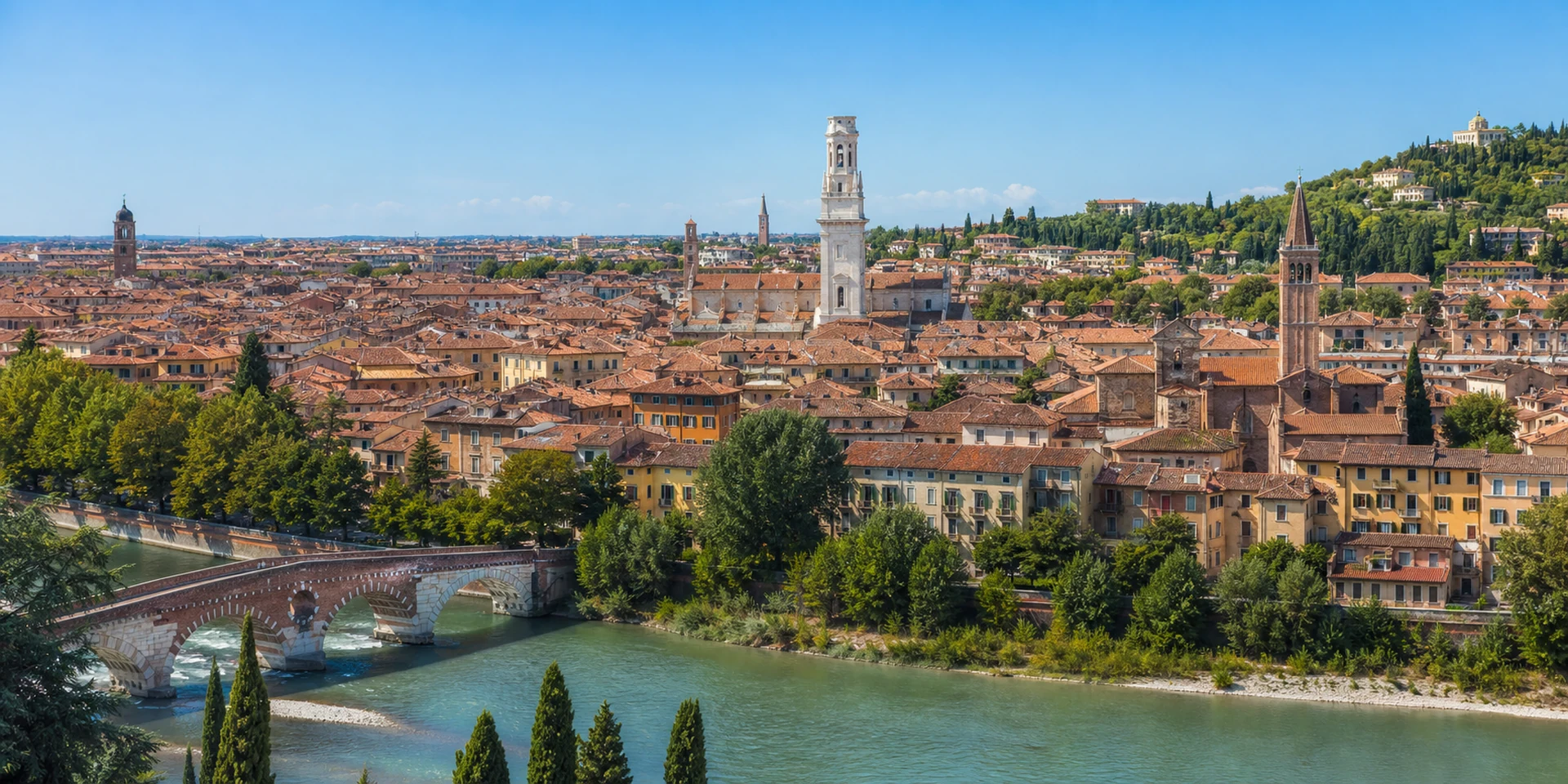
Verona rewards travellers who look beyond a single balcony and a quick opera night. The UNESCO-listed city preserves Roman gates and an amphitheatre, medieval lanes, Scaliger monuments. Renaissance palaces, churches, bridges and the Adige within a centre compact enough to read on foot. Its scale makes deep sightseeing possible without the constant transfers of a larger Italian city, yet major event dates require unusually careful planning.
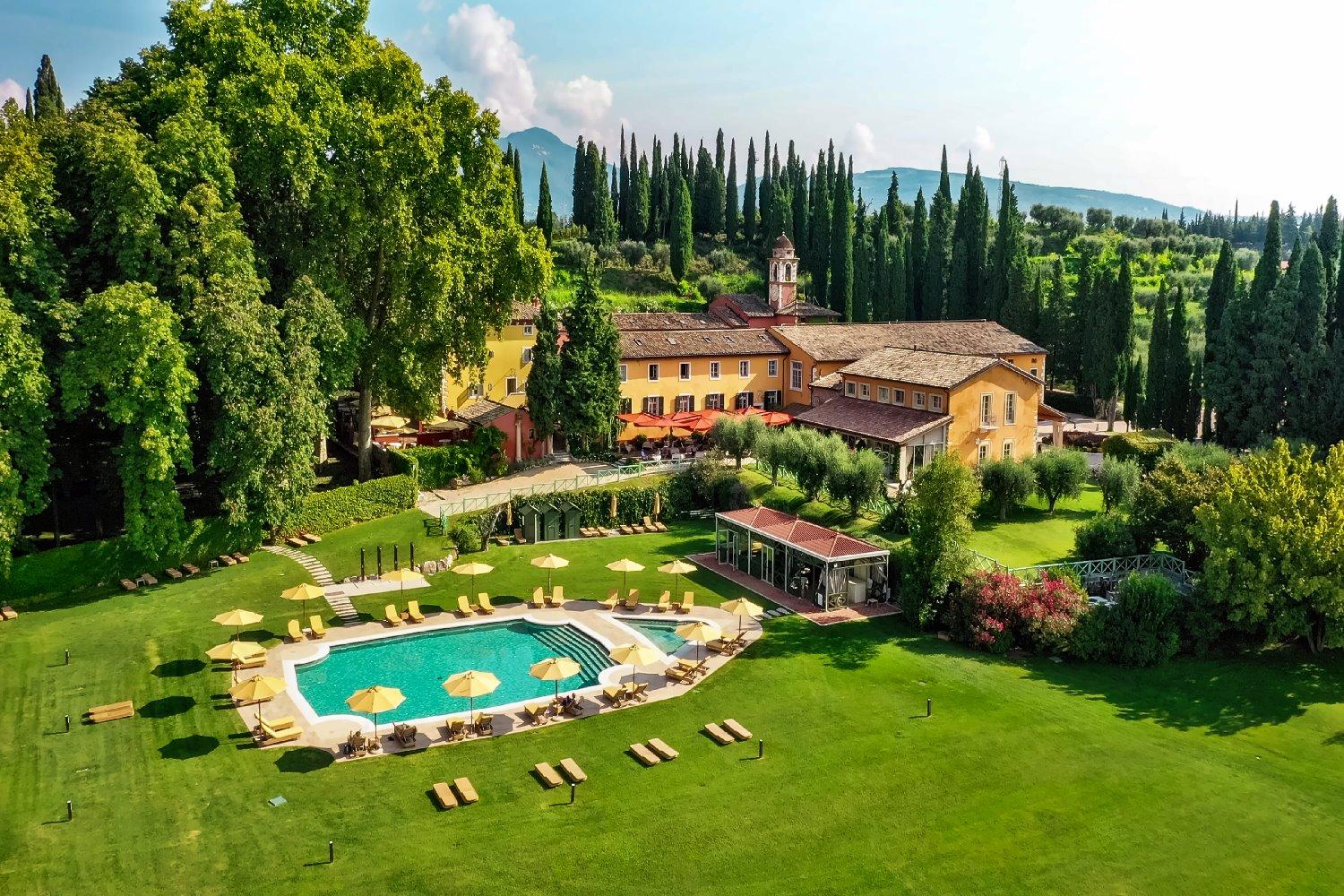
The two Virtuoso addresses represent opposite stay styles. Due Torri Hotel is embedded beside Sant'Anastasia in the historic centre, placing early walks and evening atmosphere outside the door. Villa Cordevigo lies among vineyards near Cavaion Veronese, closer in spirit to Lake Garda and Valpolicella than to a city break. Choose location before décor: one supports an urban programme,
the other a country retreat with planned drives. Four nights work well for Verona. five or six allow the lake and wine country without sacrificing the city.
Choose historic centre or wine estate
Due Torri Hotel is the logical choice when the Arena, Piazza delle Erbe, Ponte Pietra and churches shape most days. Walking reduces transfers, although restricted traffic, stone streets, bells and event crowds make room orientation important. Villa Cordevigo suits guests who prefer gardens, vineyards, spa time and destination dining, with Verona reached by arranged car.
It is not a suburban substitute for a central hotel. it creates a different trip. Compare the number of city evenings, desired restaurant reservations, Lake Garda plans and willingness to schedule drivers. A split stay can work when each portion receives at least two nights rather than becoming another packing exercise.
Read Verona through its Roman framework
The Arena is only one part of Verona's Roman inheritance. Porta Borsari, Porta Leoni, the Arco dei Gavi, Ponte Pietra and the Roman theatre reveal how the ancient city related to roads, river and later building. The UNESCO account provides useful context. While current admission must come from official monument information.
Begin early around the gates and street plan before crowds fill the central shopping route. Then reserve the Arena or theatre for a focused visit. A specialist guide can connect surviving fragments without exaggerating reconstruction. Comfortable shoes matter because polished stone, steps and heat can make a short map distance more demanding than it appears.
Plan the Arena as monument and venue
A daytime monument visit and an evening performance are different experiences and may follow different access arrangements. Use the official Arena and foundation sites for the current calendar, authorised tickets, entry rules and accessibility information. For opera. Choose seats by comfort, view, acoustic expectations and willingness to sit on historic stone. follow the organiser's guidance on cushions and prohibited items.
Eat early, carry minimal belongings and allow substantial time for security and pedestrian congestion around Piazza Bra. In unstable weather, understand the event policy before leaving the hotel. Do not schedule a long Lake Garda excursion on the same day as an important performance.
Give churches and squares quiet time
Piazza delle Erbe and Piazza dei Signori are most revealing before day visitors arrive or after the main shopping hours. Link them to Sant'Anastasia, the cathedral complex and San Fermo rather than treating each church as an isolated interior. Opening hours, worship and dress requirements can change. So check official church information and remain quiet during services.
Architectural detail rewards binoculars or a guide. While frescoes need slow looking rather than rapid photography. Pause for coffee away from the most obvious through-route and revisit one square in the evening. The centre is compact enough that deliberate repetition creates understanding instead of wasting time.
Protect half a day for Castelvecchio
Castelvecchio combines a medieval Scaliger fortress, an important civic art collection and Carlo Scarpa's influential museum design. Check the municipal museum's official opening and ticket information. Then allow enough time to study the relationship between objects, windows, bridges and the fabric of the castle. The adjoining fortified bridge adds a strong river perspective but can become congested at popular hours.
Avoid placing another large museum immediately afterwards. A slow walk along the Adige or an unhurried lunch makes a better continuation. Travellers interested in architecture should consider a guide who can explain Scarpa's interventions without reducing the visit to decorative details.
Use Lake Garda selectively
Lake Garda is close enough for an excursion but too diverse to describe as one simple stop. Choose a particular shore, town and purpose. Roman archaeology at Sirmione, a waterfront lunch, a garden, or a quieter eastern-lake day. Summer traffic and parking can transform short distances. So confirm current transport and avoid stacking several lakeside towns.
From Villa Cordevigo, a driver or car makes the lake more natural. from central Verona, a train can suit selected southern destinations. Protect the return margin before a city dinner or performance. If the itinerary already includes a dedicated Garda hotel, keep Verona focused on its own urban depth.
Approach Valpolicella as wine culture
Valpolicella should be planned around a small number of thoughtful appointments rather than a race through tastings. Select producers by style, history and level of technical interest. Ask whether cellar tours are private. And reserve a driver so nobody must calculate alcohol and driving. Amarone is important. But local identity also includes Valpolicella, Ripasso, Recioto,
olive oil, cheese and changing landscapes between valleys. Eat adequately, drink water and expect tasting rooms to follow confirmed times. Villa Cordevigo provides an estate context of its own. central Verona guests can make one dedicated countryside day. Shipping rules and vintages should be verified directly with the producer.
Build a measured northern Italy route
Three nights support a first Verona visit with Roman monuments, churches, Castelvecchio and one strong dinner. Four nights make space for opera or an unstructured afternoon. five or six allow either Garda or Valpolicella without hollowing out the city. Venice, Milan, Bologna and the Dolomites can all connect within an Italy roundtrip. But travel time,
station transfers and luggage handling remain real. Avoid using Verona as a nightly base for repeated long rail trips when a second hotel would create better days. On event dates, secure the Verona accommodation first. Then trains, transfers and restaurants around the confirmed performance rather than building the programme backwards.
Five practical Verona tips
- Choose Due Torri for a walking-based city stay and Villa Cordevigo for a vineyard retreat with planned transfers.
- Buy Arena performances only through authorised channels and review the current entry, seating and weather policy.
- Begin central squares and Roman gates early. Then reserve midday for a museum, lunch or hotel pause.
- Use a driver for wine tastings and select a few meaningful Valpolicella appointments rather than many short stops.
- Allow an event-night buffer around Piazza Bra and avoid a demanding Lake Garda excursion on the same day.
Verona hotel and travel questions
How many nights should I spend in Verona
Four nights make a strong city stay. five or six add Lake Garda or Valpolicella without reducing Verona to a single sightseeing day.
Should I stay in the centre or countryside
Stay central for walking and evening atmosphere, or choose the countryside for vineyards, spa and dining with scheduled drives into Verona.
Do I need a car
Not in central Verona. A car or driver is useful for Villa Cordevigo, Valpolicella and a carefully planned Lake Garda day.
Is the Arena worth visiting without opera
Yes, as a major Roman monument. Check current daytime access because performances and conservation work can affect the visitor route.
Can I visit Lake Garda in one day
Yes, if you choose one area and purpose. Trying to circle the lake or collect many towns creates more traffic than pleasure.
Are Verona's main sights walkable
Most central monuments are walkable. But stone surfaces, summer heat and event crowds call for supportive shoes and realistic pauses.
When is the best time to visit
Spring and autumn suit walking. summer brings opera and crowds. While winter offers quieter streets with shorter days and variable openings.
How does Verona fit an Italy roundtrip
Connect it by rail with Venice, Milan or Bologna, or continue by car toward Garda and the Dolomites after several protected city days.
Combine your hotel stay with a privately designed journey through Italy, with hotels, transfers and experiences planned as one seamless itinerary.