
Virtuoso Hotels
Virtuoso Hotels in Malaysia
4
4
Hotels
Virtuoso hotels in Malaysia: city, rainforest and coast in one coherent route
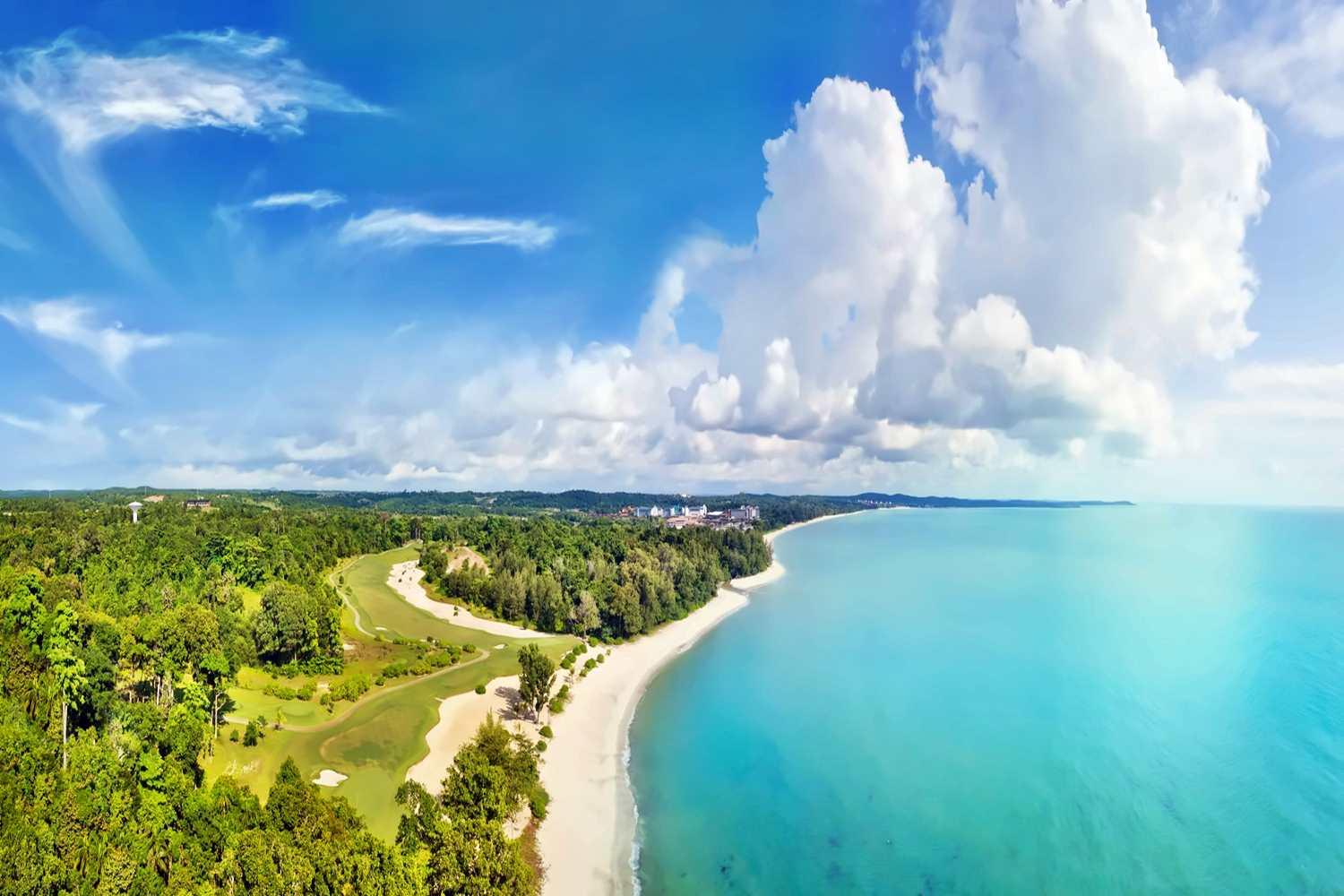
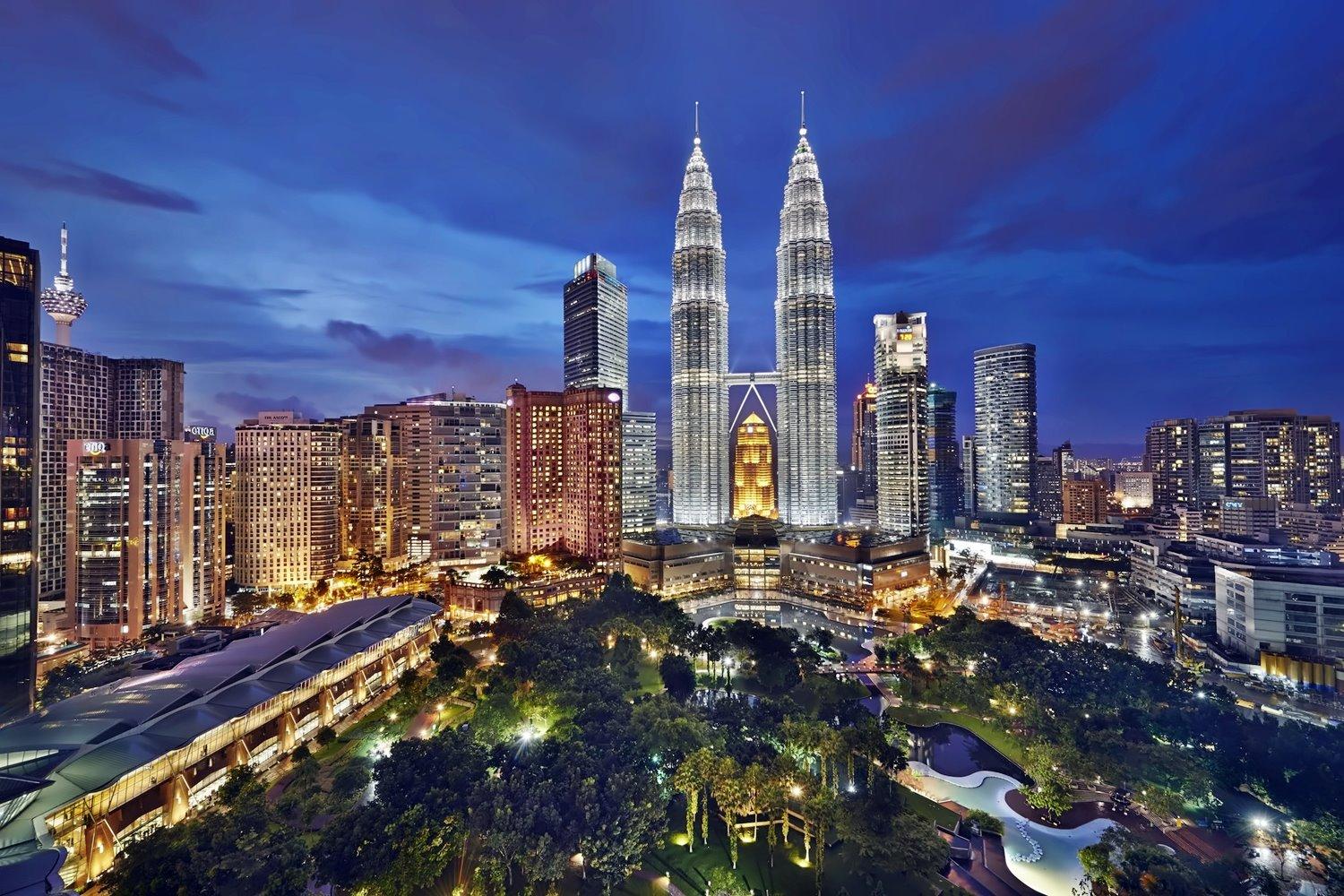
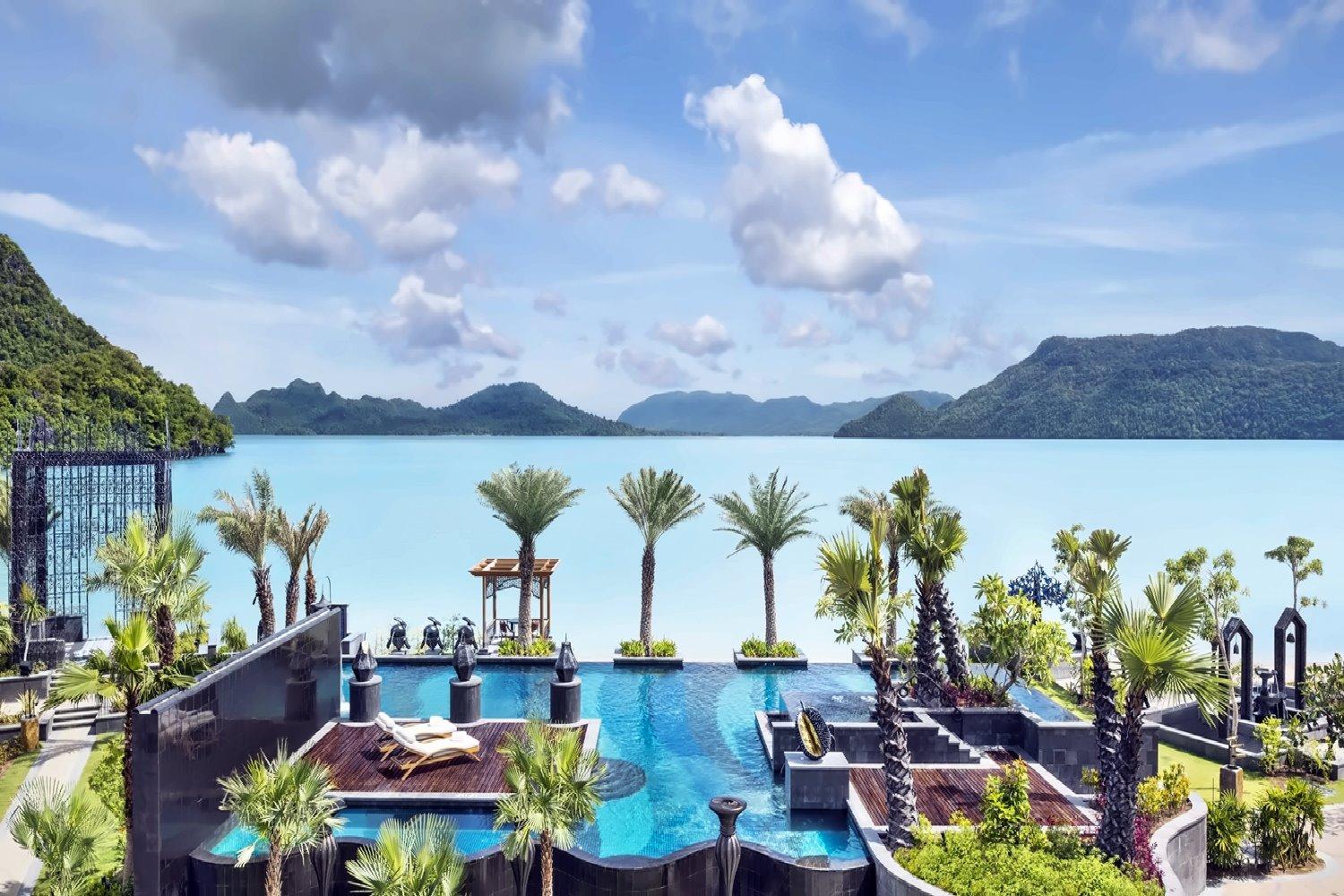
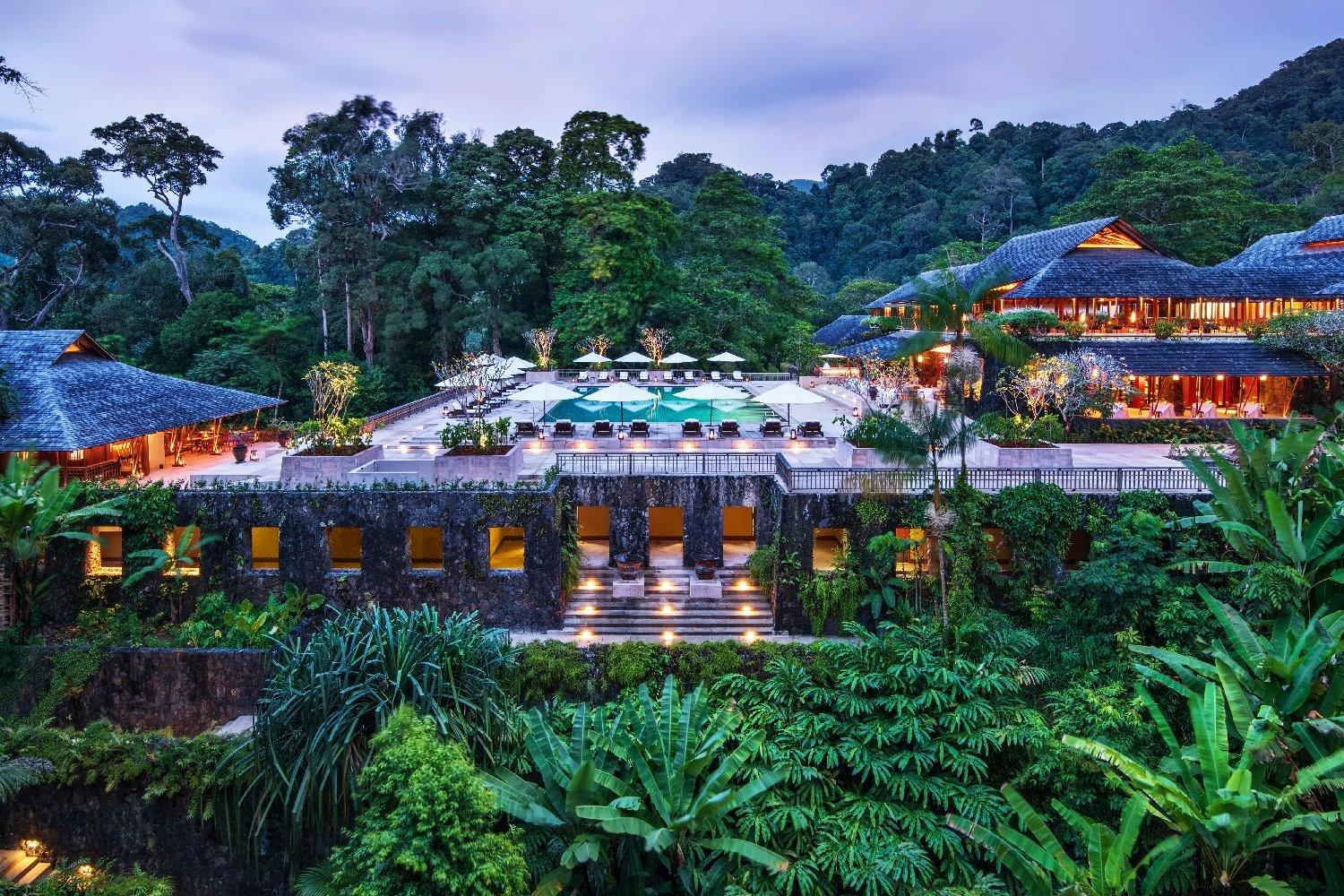
Malaysia’s four listed hotels represent three genuinely different journeys. Mandarin Oriental Kuala Lumpur is an urban base beside KLCC. Anantara Desaru Coast Resort &. Villas faces the South China Sea in Johor. The St. Regis Langkawi and The Datai Langkawi occupy contrasting parts of the island, one near Kuah and the other within ancient rainforest on Datai Bay.
Kuala Lumpur supplies international access, food and architecture. While Desaru and Langkawi require separate air or road decisions and respond differently to monsoon patterns. Trying to combine every cluster in a short stay creates more transit than discovery. Select one coastal counterpoint to the capital, or allocate enough nights for both islands and peninsula to function as distinct chapters.
A high-quality stay therefore starts with a route that protects time and energy, not with a ranking of famous addresses. Treat transfer durations, weather exposure, room orientation and cancellation terms as connected decisions. The best hotel is the one that supports the purpose of its particular stage: an efficient arrival. A culturally rich city interval,
or a quiet recovery by the water. Confirm material details in writing, leave space for local life. And avoid turning every day into a sequence of reservations. That approach makes premium travel feel composed while preserving alternatives when transport, weather or opening hours change.
Geography and the right hotel base
Mandarin Oriental links directly to KLCC’s park, towers and shopping. Anantara Desaru sits on the southeastern peninsula, practical from Johor Bahru or Singapore with border-time caveats. St. Regis Langkawi favours bay access near Kuah. The Datai is remote on the forested northwest coast. Map the trip by daily reach rather than by straight-line distance.
A prestigious address loses value when every excursion begins with traffic, a ferry dependency or an unnecessary return journey. Decide which experiences must be walkable, which justify a private transfer and which belong on a separate overnight stage. Then compare hotels inside the correct geographic cluster.
This method also reveals whether a split stay genuinely adds variety or merely creates packing and check-in friction. Keep the first and final nights operationally simple, especially when international flights or weather-sensitive connections frame the itinerary.
Arrival and movement without wasted days
Kuala Lumpur International Airport is far from the centre, making rail or a prearranged car important. Langkawi requires a flight and island transfer. Desaru involves a substantial road journey or seasonal ferry possibilities. Singapore border queues can erase optimistic timings. So never schedule tight onward commitments. Confirm the complete arrival chain before choosing a room category:
airport procedure, realistic luggage time, transfer meeting point and the last dependable connection. Domestic flights, ferries, trains and road transfers should be assessed as door-to-door movements, not advertised journey times. Avoid placing a prepaid meal or demanding excursion immediately after a complex arrival. A private car can buy certainty on a critical sector.
While public transport may be more efficient in a dense centre. Build one fallback for each fragile link and share the final sequence with every hotel involved.
Season, weather and booking windows
Malaysia has regional monsoon differences rather than one national dry season. Langkawi is often driest from roughly December to March. While Desaru’s northeast-monsoon exposure can bring rougher seas and heavier rain around November to February. Kuala Lumpur stays hot, humid and showery throughout the year. Seasonality changes more than temperature. It affects sea conditions,
road reliability, daylight, restaurant schedules, wildlife, visibility and the room types that sell first. Use historical climate patterns for planning. Then check a short-range forecast close to departure without treating either as a guarantee. Shoulder periods can offer calmer hotels and stronger value. But require flexible outdoor plans. During peak weeks. Reserve scarce transfers and signature experiences early.
Protect one uncommitted half-day so rain, heat or delayed transport does not force the loss of the experience that matters most.
Building a balanced country itinerary
Combine Kuala Lumpur with either Langkawi or Desaru for a clean one-week structure. Including both coasts needs additional nights and preferably separate flight days. In the capital, group KLCC, heritage districts and food neighbourhoods geographically. at the resorts, avoid filling every day with distant excursions. A strong itinerary alternates intensity with recovery.
Give each overnight stop a clear function and resist adding a destination simply because it appears close on a map. Two or three well-used bases generally create a richer trip than repeated one-night stays. Schedule major cultural visits when attention is fresh, keep transfer days light. And leave room for spontaneous meals or neighbourhood walks.
If two regions require different transport systems or climates, insert a buffer rather than joining them with a tightly timed chain. The final route should still work when one activity moves by several hours.
Room and resort strategy
At Mandarin Oriental. Compare tower, park and city orientations plus renovation or event noise. At St. Regis. Verify bay outlook and distance from shared facilities. at The Datai, rainforest and beach villas offer different wildlife, privacy and transport experiences. Anantara guests should confirm villa layout and family activity zones. Compare rooms by lived experience, not only by category name or floor area.
Ask about exact outlook, balcony privacy, noise exposure, connecting configuration, bathroom layout and distance from the facilities you will actually use. At a resort, a remote villa can provide seclusion but add buggy dependence. in a city, a dramatic view may bring traffic or nightlife noise. Families should confirm bedding and occupancy in writing. For a split stay,
spend on the room where private space matters most and keep the operational stop efficient. Never assume an upgrade until the hotel confirms it.
Virtuoso value and confirmation discipline
Virtuoso details should be checked property by property, especially breakfast occupancy, resort credit exclusions, airport transfers and upgrade paths between fundamentally different villa categories. In remote Datai Bay or Desaru, dining credit and transport arrangements may be more useful than a nominal category change. Virtuoso amenities matter when they align with the stay rather than merely increasing the list of inclusions.
Establish whether breakfast covers every registered guest, where it is served, how the credit may be used. And whether an upgrade is subject to availability at arrival. Compare the qualifying rate with flexible alternatives on the same dates and room basis. Ask the advisor to record priorities such as quiet location, celebration recognition or connecting rooms.
But separate requests from guarantees. Reconfirm transfers, inclusions and cancellation deadlines shortly before travel so the booking record remains actionable.
Food, culture and the rhythm of place
Malaysia’s Malay, Chinese, Indian and Indigenous traditions are visible through mosques, temples, markets and extraordinary food. Explore nasi lemak, laksa, banana-leaf meals and hawker cooking with allergy guidance. Dress respectfully at religious sites, remove shoes where requested and understand that Ramadan can alter daytime rhythms. Leave enough unscheduled time to experience the destination beyond the hotel.
Markets, neighbourhood restaurants, museums, religious sites and local guides each operate on their own rhythm and may require different standards of dress or advance booking. Ask before photographing people, learn the basic etiquette around service and gratuities. And choose guides who can add context rather than only transport.
Hotel dining can be valuable on an arrival night or at a remote resort. While independent meals provide a broader sense of place. Balance celebrated venues with simple regional cooking and seasonal produce.
Responsible planning and resilient decisions
The Datai landscape demands strict wildlife distance and respect for naturalist guidance. mangroves and marine areas elsewhere deserve licensed low-impact operators. Avoid feeding macaques, reduce plastic and choose seafood thoughtfully. In cities, support long-standing vendors without obstructive photography. on islands, use water and energy conservatively. Responsible luxury combines comfort with decisions that reduce avoidable pressure on communities and landscapes.
Prefer established local operators, respect protected areas, limit single-use items and follow water or energy guidance where resources are constrained. Do not schedule wildlife encounters that depend on touching, feeding or staging animals. Keep copies of essential documents, appropriate insurance and a realistic medical plan. Then check current official advice before departure. A resilient itinerary also includes flexible rates where disruption would be costly. Sensible transfer margins and at least one lower-impact day with no long vehicle movement.
Practical tips for planning Virtuoso hotels in Malaysia
- Choose the exact Malaysia hotel cluster before comparing room categories or promotional rates.
- Confirm every airport, road, rail, ferry or domestic-flight segment in door-to-door time.
- Request written room orientation, bedding, occupancy and noise details before the cancellation deadline.
- Match weather-sensitive experiences to a realistic backup block rather than a fixed packed schedule.
- Verify Virtuoso breakfast, credit, upgrade and late-checkout terms for the booked dates.
Frequently asked questions about Virtuoso hotels in Malaysia
How many Virtuoso hotels are listed in Malaysia
Four hotels are listed. But their geographic positions and operating contexts differ enough that travellers should compare function before prestige.
Which hotel area should I choose first in Malaysia
Choose the cluster that supports most priority experiences with the fewest fragile transfers. Then assess room quality inside that practical area.
How long should a first Malaysia itinerary be
Allow enough nights for each selected base to provide two useful days. complex internal movement needs additional arrival and recovery time.
What room details require written confirmation
Confirm exact outlook, noise exposure, bedding, occupancy, connecting configuration, accessibility needs and distance from the facilities your party will use.
Are Virtuoso benefits guaranteed at these hotels
Only confirmed benefits on an eligible rate should be treated as certain. upgrades and late checkout commonly remain subject to availability.
How should weather affect a Malaysia booking
Use regional seasonal patterns to select dates, retain flexible outdoor blocks. And verify current forecasts and transport conditions shortly before travel.
Is a private transfer always the best choice
No. Reserve private transport for fragile or luggage-heavy sectors. While reliable rail, ferry or urban transit may save time elsewhere.
What should be checked immediately before departure
Reconfirm entry requirements, official travel advice, insurance, transfer contacts, hotel inclusions, cancellation deadlines and any weather-dependent activity or connection.
Combine your hotel stay with a privately designed journey through Malaysia, with hotels, transfers and experiences planned as one seamless itinerary.