
Virtuoso Hotels
Virtuoso Hotels in Mexico City, Mexico
7
7
Hotels
Virtuoso hotels in Mexico City: neighbourhoods, art and the right luxury stay
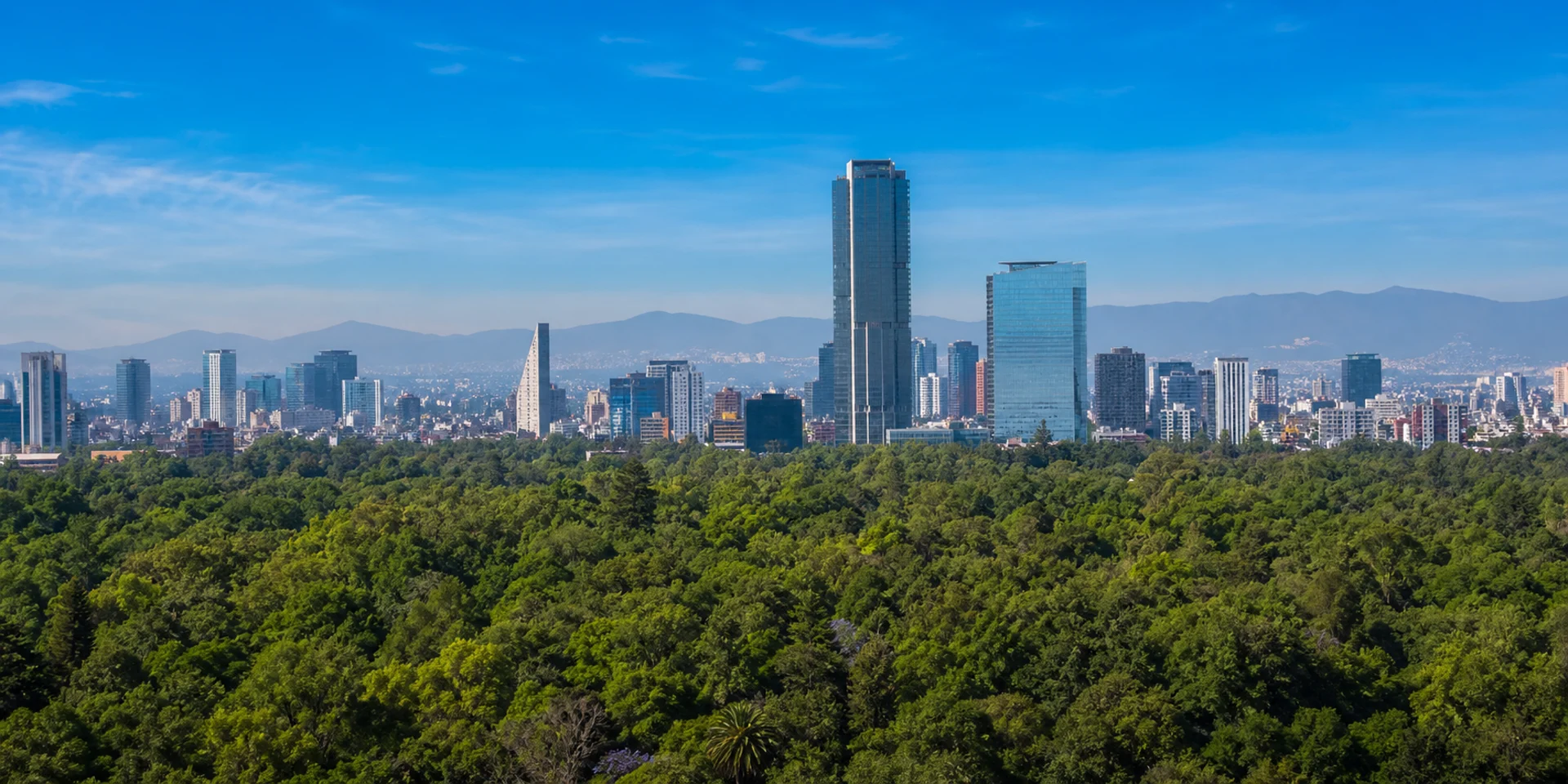
Mexico City is too large and layered for hotel choice to be cosmetic. Polanco places galleries, restaurants, boutiques and Chapultepec museums close together. Paseo de la Reforma connects park, monuments, business and central neighbourhoods. Centro Histórico serves archaeology, colonial architecture and civic history. Roma and Condesa offer design, food and a residential street rhythm. Virreyes provides privacy and contemporary business access. The right geography protects hours from traffic.
The Virtuoso collection includes intimate design hotels, residential Polanco houses, low-rise courtyard retreats and high Reforma towers. This guide compares those positions, structures museums, food, architecture, neighbourhoods and Teotihuacán. And helps travellers understand the capital as a living cultural metropolis rather than a collection of famous restaurants and photographs.
A quick choice by travel style
Choose Polanco for luxury shopping, major museums, galleries and destination dining. Reforma for efficient access between Chapultepec, Roma and the central city. a high-rise Reforma hotel for views. Virreyes for discretion and modern business appointments. None of the Virtuoso hotels sits inside Centro Histórico. So its monuments require a planned guided day. Compare the restaurants and museums that matter most before the brand. Then place fixed reservations on geographically coherent days.
Polanco, Parque Lincoln and residential luxury
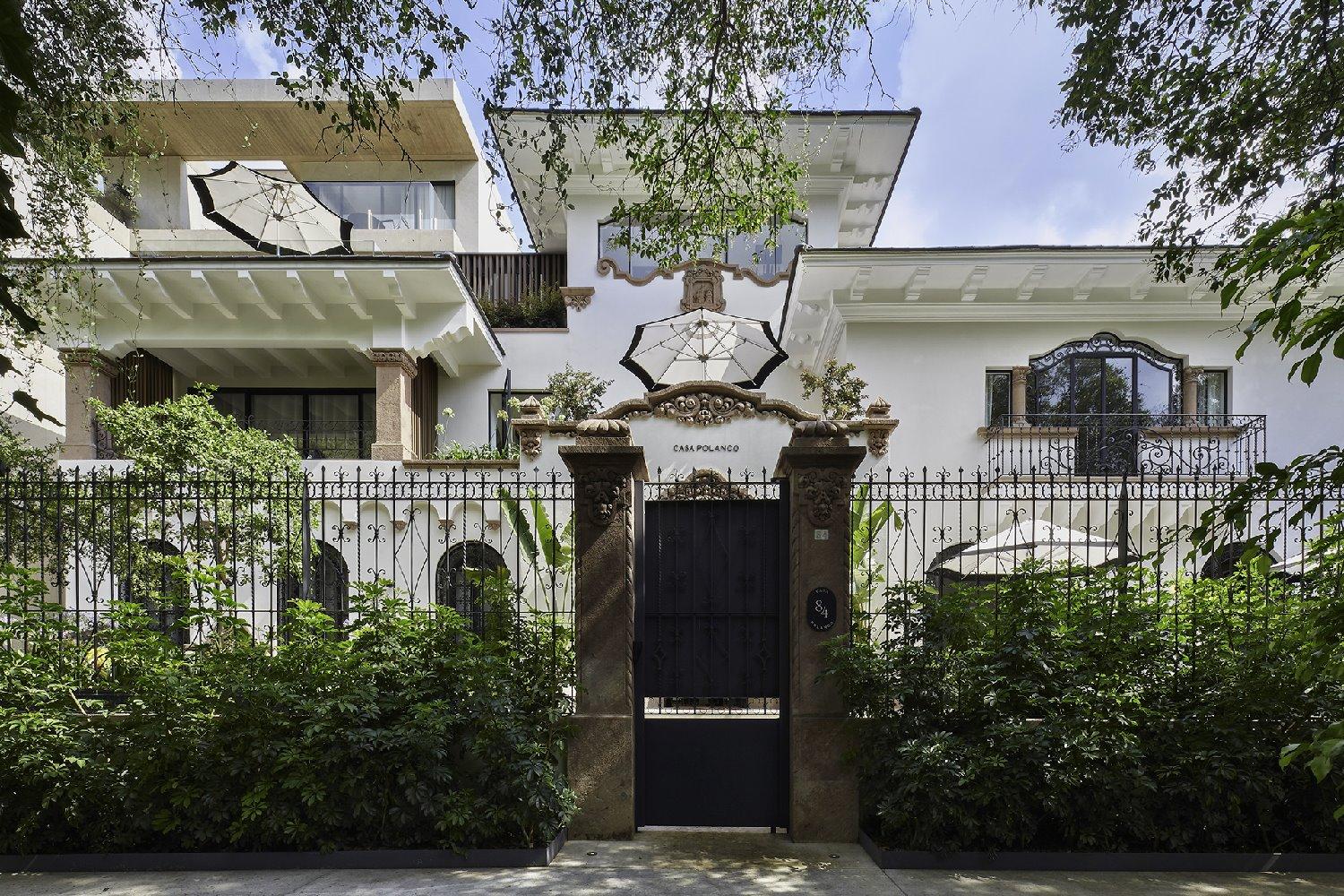
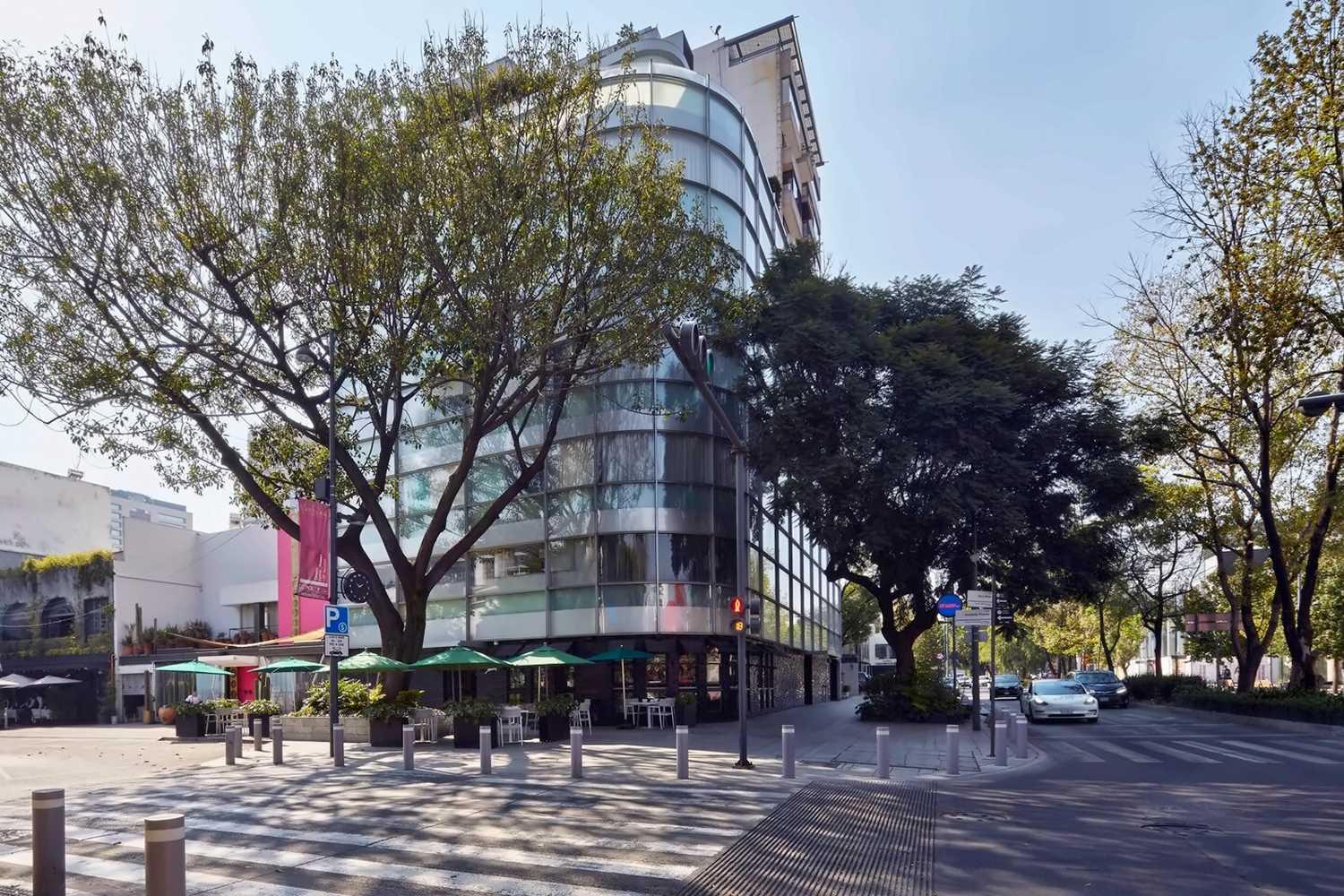
Casa Polanco and Las Alcobas provide intimate alternatives within walkable Polanco. While the district's broader hotel geography supports Avenida Presidente Masaryk, Parque Lincoln, galleries and restaurants. Polanco is polished but not uniform. quieter residential streets differ from commercial avenues. Reserve important tables far ahead, group galleries by current exhibitions and keep one unscheduled neighbourhood morning. Confirm vehicle pickup points because dinner traffic can be substantial even when map distances appear short.
Paseo de la Reforma and Chapultepec edge
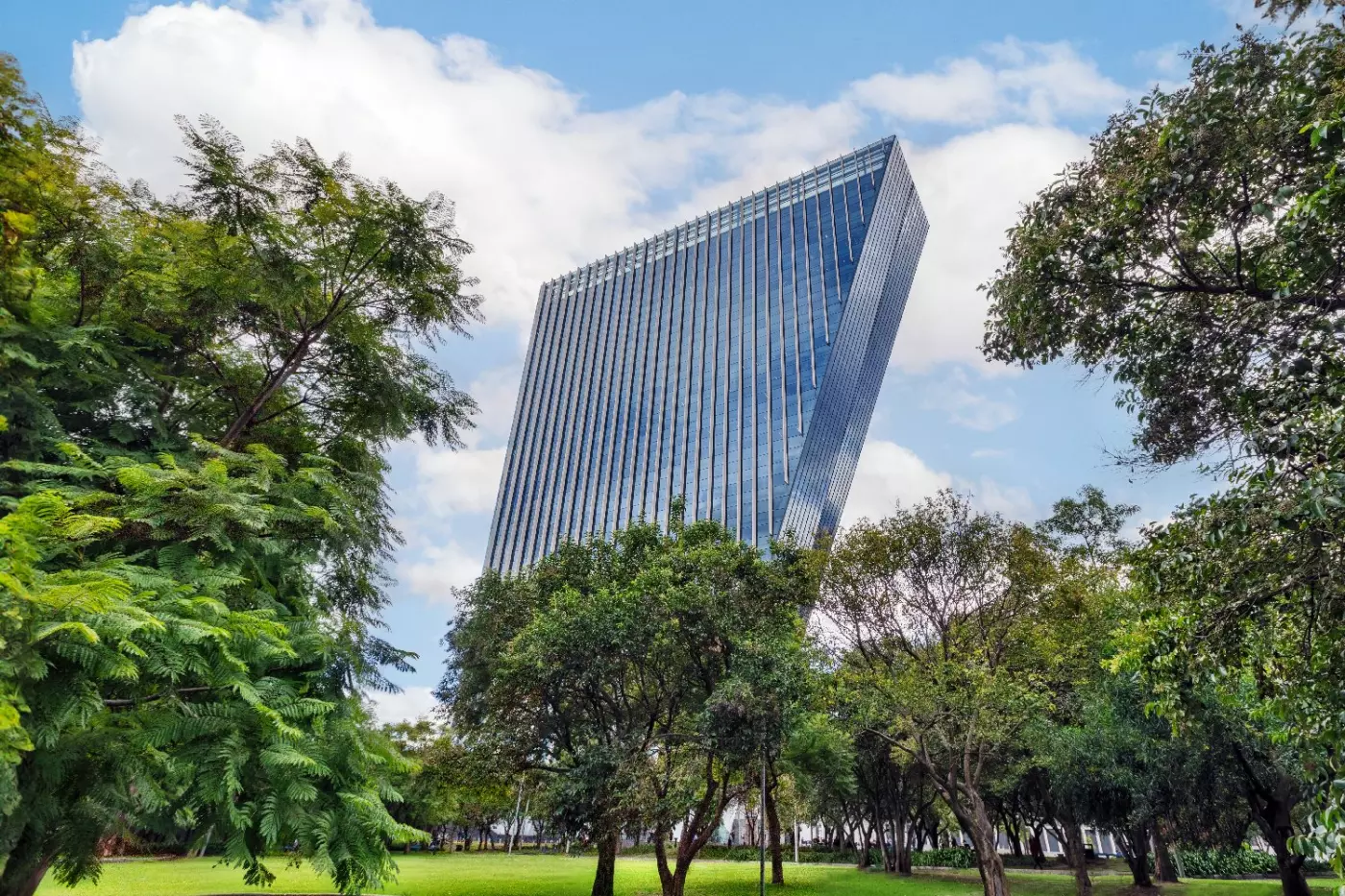
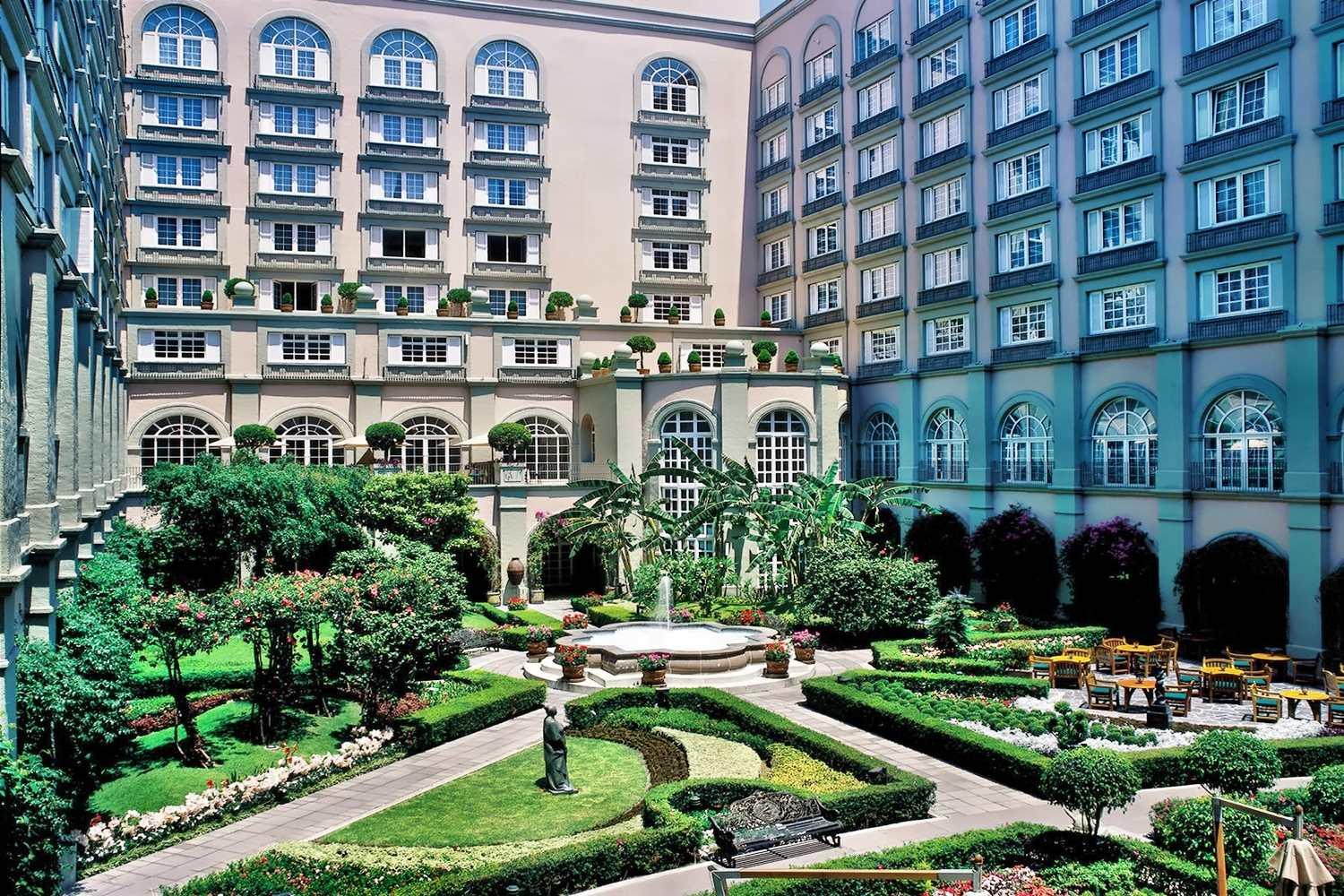
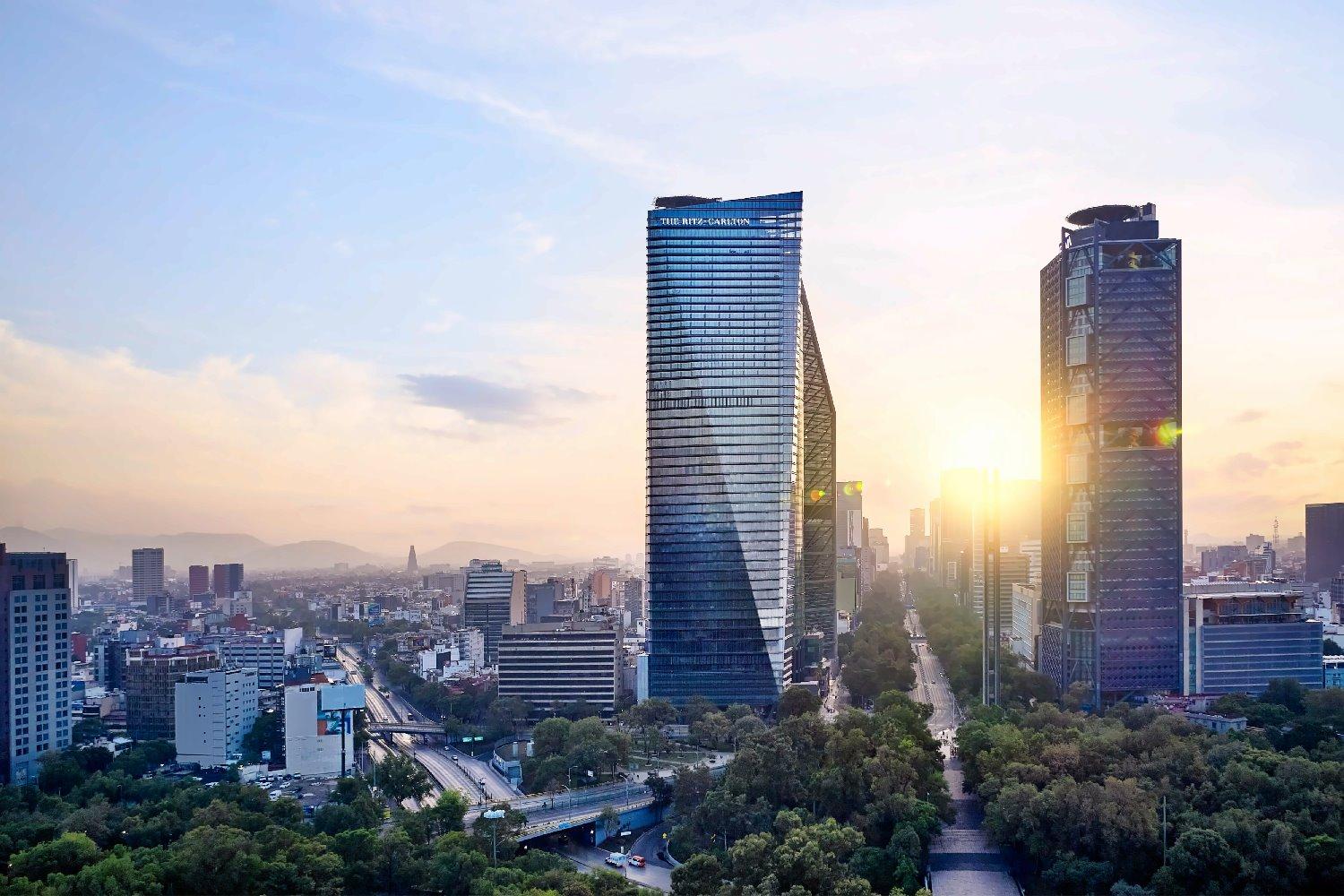
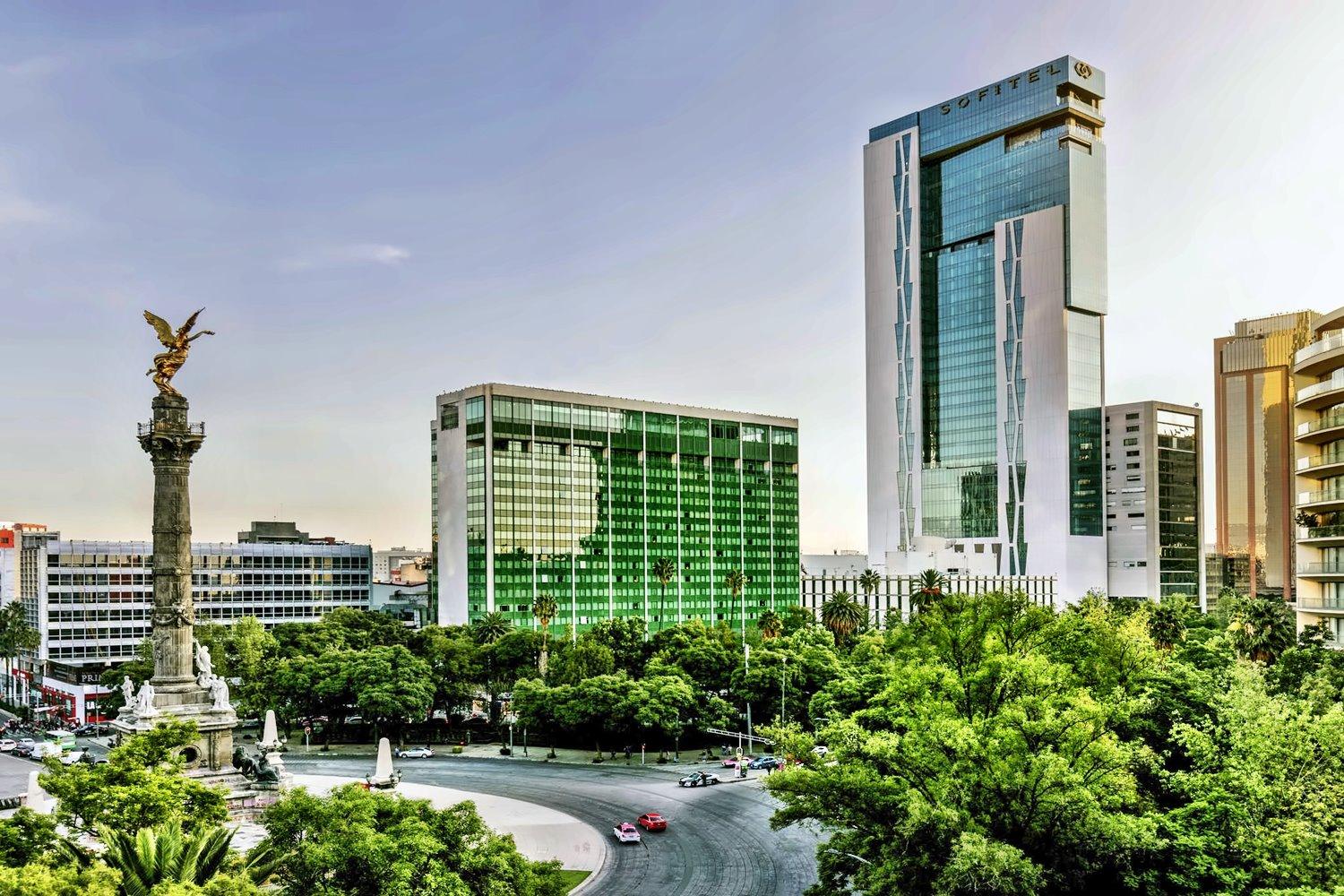
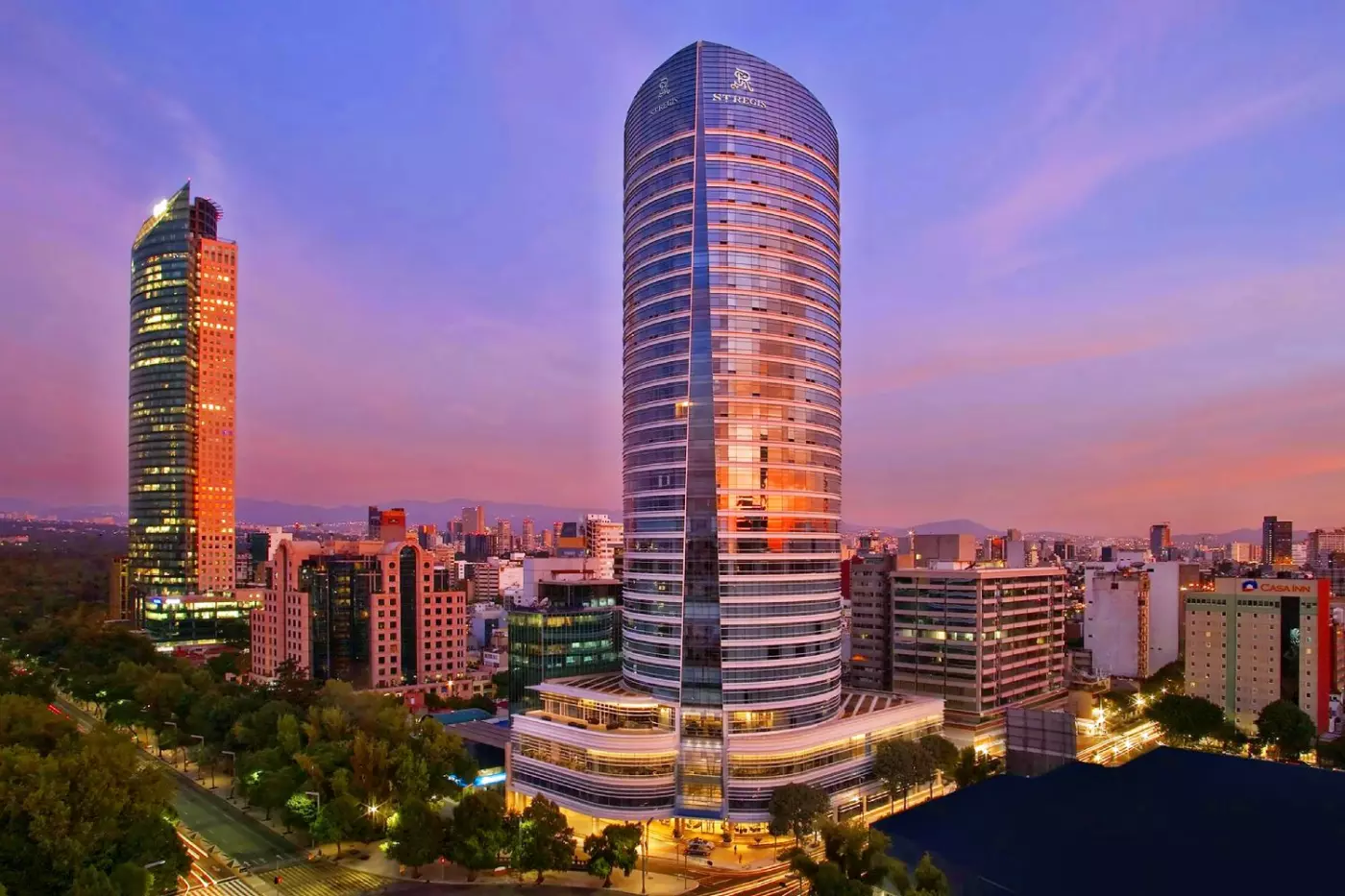
Four Seasons, The Ritz-Carlton, Sofitel and The St Regis interpret Reforma as courtyard refuge, panoramic tower, social high-rise and butler-led residence. The avenue provides useful access to Chapultepec, Roma, Juárez and business appointments, yet street crossing and traffic require attention. High floors vary by direction, with park, mountains and city changing through haze. Protect hotel time for courtyards, spas or rooftops. otherwise a major reason for choosing these properties disappears.
Centro Histórico with expertise
The Zócalo, Metropolitan Cathedral, Templo Mayor, National Palace area and layers of colonial and modern architecture demand context. Arrange a qualified guide, start early and verify current access and security arrangements. Templo Mayor should be understood as part of a living city built over Mexica structures, not an isolated ruin. Add selected interiors and a considered lunch rather than racing through every landmark. Traffic from Reforma or Polanco varies. So keep the entire central chapter geographically focused.
Chapultepec and the National Museum of Anthropology
The National Museum of Anthropology is one of the capital's defining institutions and cannot be absorbed casually. Use official information. Choose collections with an expert and allow time to discuss archaeology, Indigenous cultures, collecting and contemporary identity. Chapultepec also contains the castle, art museums, paths and extensive green space. they do not fit into one compressed visit. Start early, wear good shoes and pair one principal museum with a deliberate park sequence or lunch.
Modern and contemporary art
Museo Soumaya, Museo Jumex, Museo Tamayo, Museo de Arte Moderno and private galleries offer very different collections and institutional stories. Choose according to artistic interest and temporary exhibitions, not obligation. Soumaya and Jumex can be grouped in Nuevo Polanco. Tamayo and modern art belong to the Chapultepec chapter. A curator-led gallery route in Polanco, Roma or San Miguel Chapultepec can add current voices, provided opening days and appointments are confirmed.
Roma, Condesa and neighbourhood rhythm
Roma and Condesa combine tree-lined streets, architecture, design, cafés and a dense dining scene. They are residential districts rather than open-air lifestyle sets. Walk with an architecture or social-history guide who can discuss earthquake history, preservation, displacement and new investment. Choose a few shops, studios and restaurants meaningfully and ask before photographing people or private interiors. Traffic after dinner can be slow. So coordinate the return to Polanco or Reforma before the evening begins.
Coyoacán and Frida Kahlo with context
Coyoacán deserves more than a timed visit to Museo Frida Kahlo. Official advance admission is important. But the wider district includes plazas, domestic architecture, cultural institutions and histories linked to artists, politics and university life. A specialist guide can connect Casa Azul with Diego Rivera, modern Mexico and the neighbourhood without turning biography into myth. Start early, avoid stacking distant afternoon reservations and consider nearby museums according to current opening information.
Food beyond a reservation checklist
Mexico City's dining ranges from market breakfasts, antojitos and family-run specialists to ambitious tasting menus and hotel restaurants. Reserve globally known tables early. But do not let them replace regional cuisines, bakeries, coffee, contemporary casual cooking and serious street-food guidance. Use a vetted expert who understands hygiene, history and geography. Communicate allergies in Spanish where possible,
pace rich meals and keep one evening flexible. A restaurant across the city may require more transfer time than the meal plan suggests.
Architecture, design and urban layers
The capital contains pre-Hispanic foundations, viceregal buildings, Porfirian avenues, modernism, social housing and contemporary towers. A specialist architecture route can connect Centro, Reforma, UNAM or Luis Barragán-related sites. But not all in one day. Private houses and studios require official appointments and respectful access. UNAM's central campus carries major artistic and political history and should be treated as a distinct southern chapter. Select one coherent architectural argument instead of collecting façades across the metropolis.
Teotihuacán as a dedicated day
Teotihuacán requires an early departure, current official access information, sun protection, water and substantial walking. A qualified archaeologist or expert guide should explain urban planning, ritual, trade, mural painting and the limits of current knowledge rather than offering only pyramid photographs. Do not combine the site with a late international flight or important city dinner.
A private driver protects timing. a carefully selected meal can extend the day without turning it into a generic tourist circuit.
Three, four or six nights
Three nights allow Centro Histórico, Chapultepec and one neighbourhood or food chapter. But remain concentrated. Four nights provide the best first balance, adding art, Coyoacán or Teotihuacán without eliminating hotel time. Five or six nights support deeper galleries, UNAM, architecture, multiple food districts and a calmer pace. Do not count a late arrival as a sightseeing day. Altitude, traffic and long museum visits make fewer well-built chapters more rewarding than an ambitious checklist.
Altitude, transport and practical planning
Mexico City sits at high altitude. And travellers may need a gentler first day, hydration and moderation with alcohol. Traffic varies sharply. private cars are valuable for fixed appointments. While Metro and other public transport can be efficient for experienced travellers following current guidance. Keep destinations and addresses in Spanish. Confirm airport terminal and allow substantial buffers.
Air quality and weather change. So adapt outdoor intensity using current official information and never schedule a major tasting menu immediately after arrival.
Season, rain and booking decisions
Dry-season months often offer clear mornings and cool evenings. While summer rain commonly builds later in the day. conditions and air quality vary. Start outdoor architecture and archaeology early and keep museums or spa as resilient alternatives. Major holidays, art weeks and events affect access and rates. Before booking. Confirm district, room outlook, noise,
balcony and qualifying Virtuoso rate. Assess breakfast, 100 USD hotel credit or an experience, upgrade priority, early check-in, late check-out and VIP status as one total-value package.
Our Mexico City planning recommendations
- Choose Polanco, Reforma or Virreyes according to museums, restaurants and the fixed appointments that matter most.
- Give Centro Histórico, Chapultepec, Coyoacán and Teotihuacán separate geographic chapters rather than forcing cross-city combinations.
- Reserve major restaurants, Frida Kahlo Museum and specialist guides early. Then leave one evening flexible.
- Begin with a lighter first day for altitude and schedule outdoor architecture or archaeology early.
- Use a private driver for Teotihuacán and complex appointments, with substantial buffers around every important reservation.
Frequently asked questions about Virtuoso hotels in Mexico City
Which area is best for a first visit
Polanco suits museums, dining and luxury shopping. Reforma provides broader cross-city access. The best choice depends on fixed restaurant and cultural reservations.
How many nights should I plan
Four nights offer the best first balance. Three are concentrated. five or six allow Teotihuacán, Coyoacán and deeper art without rushing.
Does altitude affect visitors
It can. Plan a lighter arrival day, hydrate, moderate alcohol and seek medical advice when personal health conditions make altitude relevant.
Is Teotihuacán a full-day trip
Treat it as a dedicated day with an early start, expert guide and driver. The walking, sun and traffic make a compressed half-day less rewarding.
Do I need a private driver
Not for every central journey. But a driver adds value for fixed reservations, Teotihuacán, Coyoacán and complex multi-stop days.
Should restaurants be booked early
Yes for prominent tasting menus and weekend tables. Balance them with guided markets, neighbourhood specialists and flexible meals.
Are Virtuoso benefits identical everywhere
No. They apply to the qualifying rate. And the exact credit or experience and property conditions are confirmed for the chosen stay.
Can I book the hotels online
Yes. The booking button opens the relevant PrivateUpgrades page with live rates, availability and confirmed benefits.
Combine your hotel stay with a privately designed journey through Mexico, with hotels, transfers and experiences planned as one seamless itinerary.