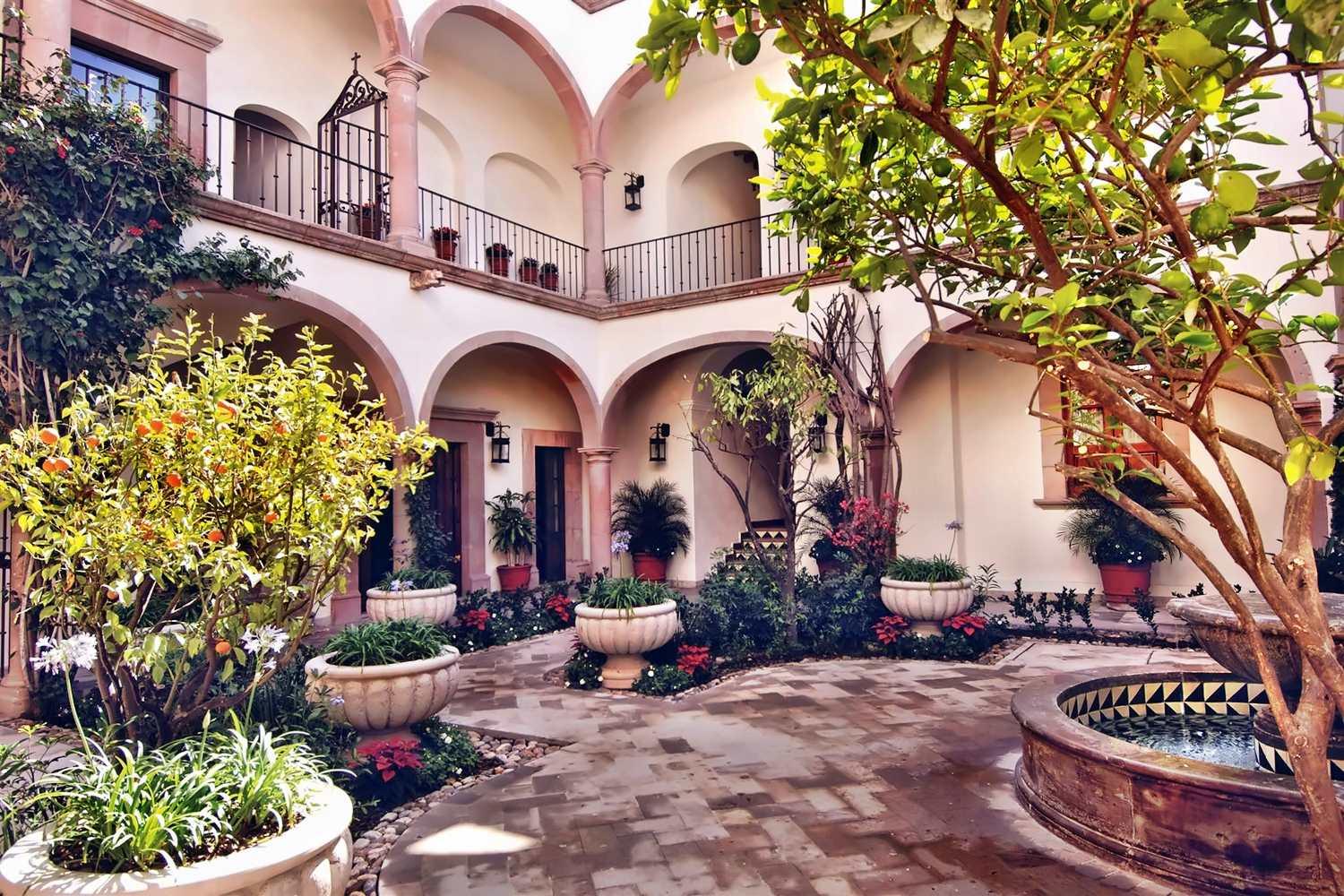
Casa de Sierra Nevada, A Belmond Hotel, San Miguel de Allende
San Miguel de Allende, Mexico
Book online
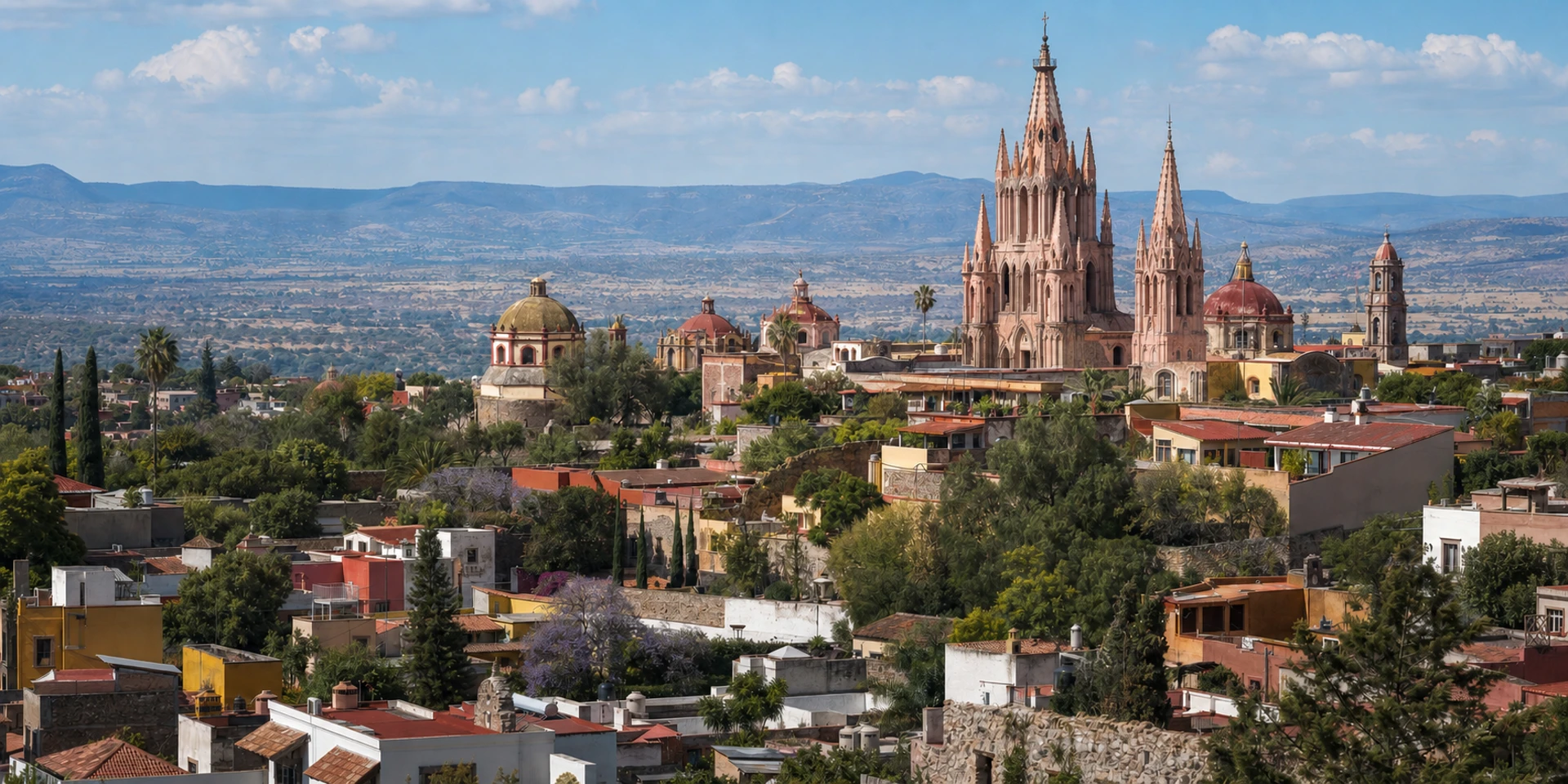
San Miguel de Allende, Mexico
Book online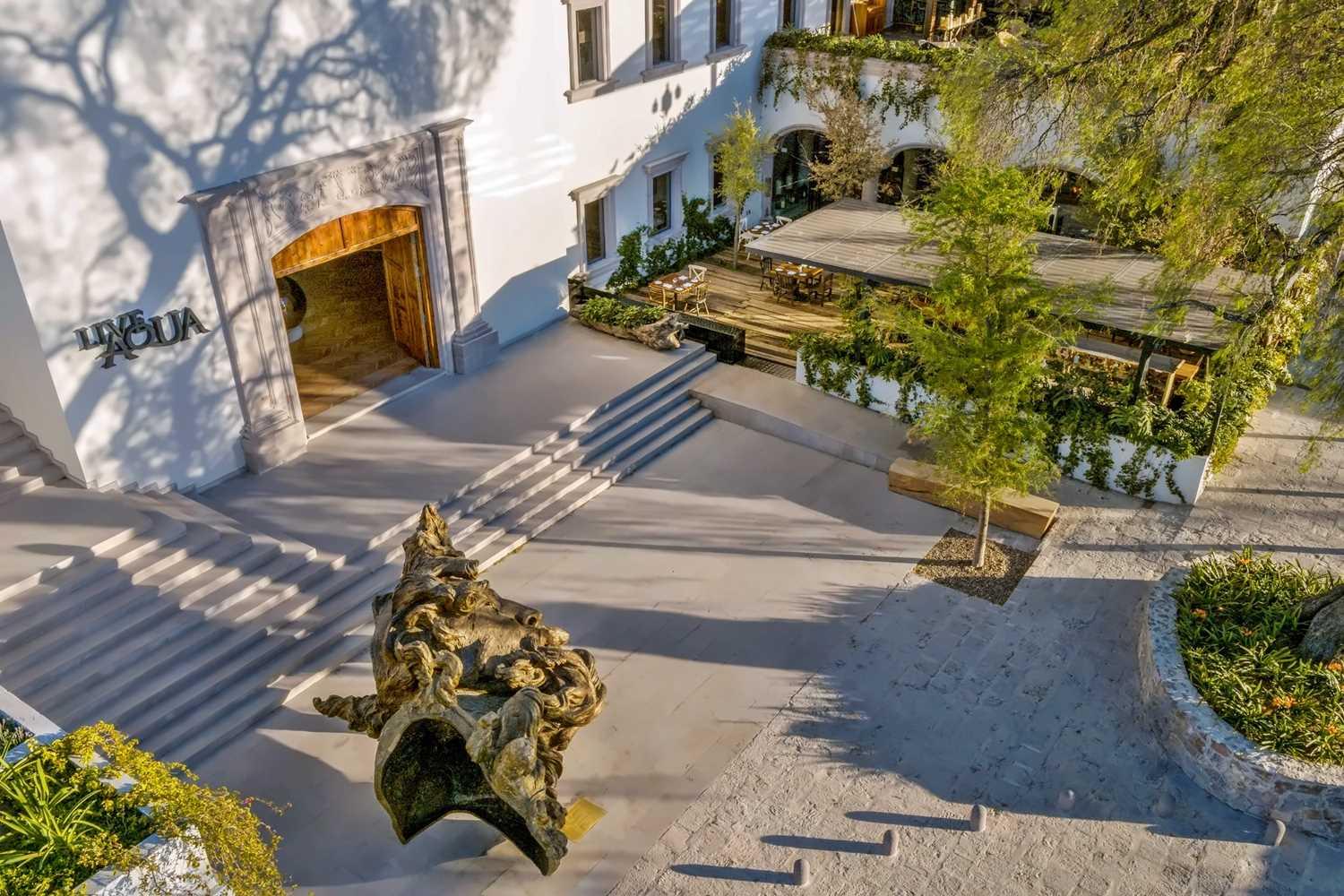
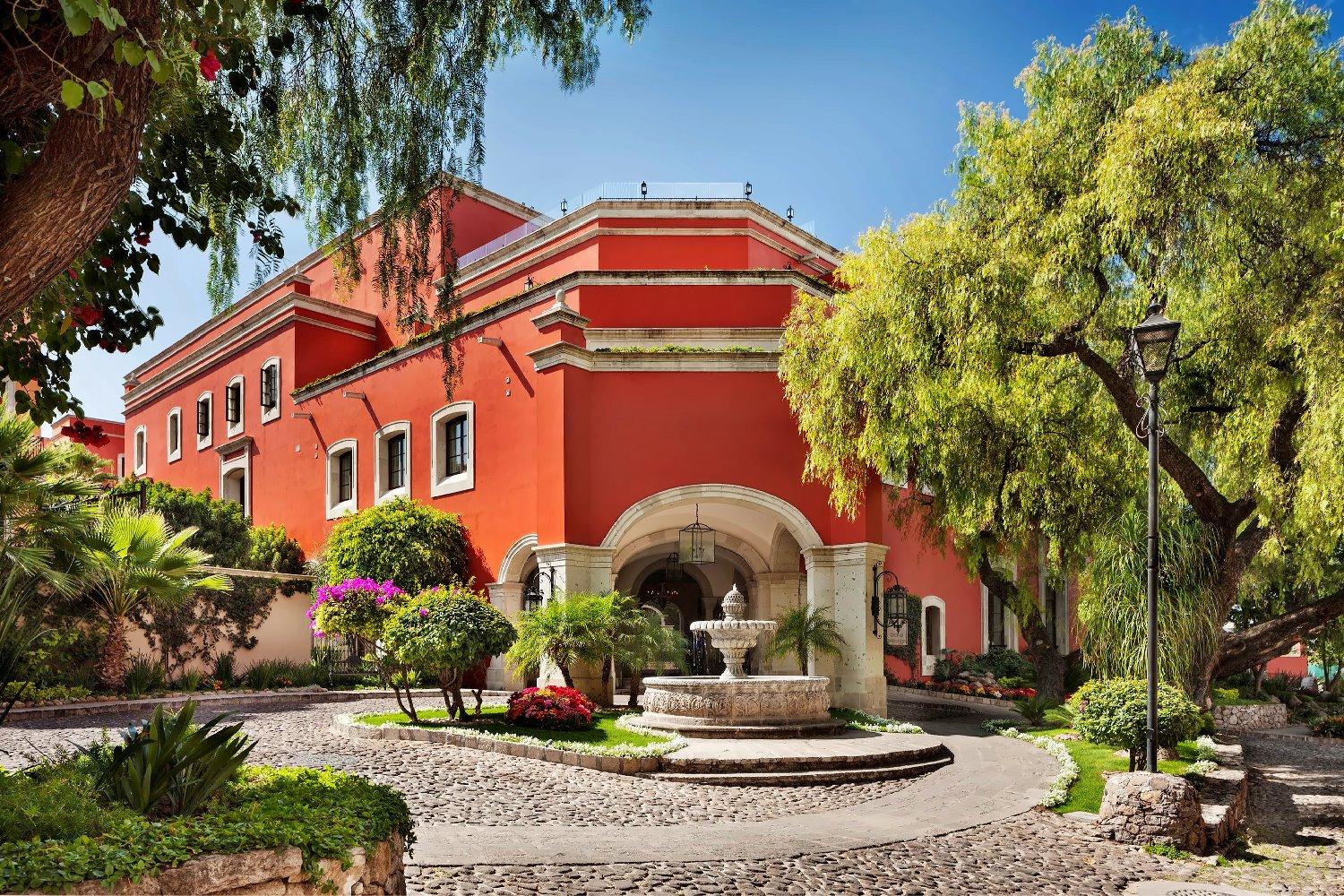
San Miguel de Allende is compact on a map but steep, cobbled and operationally varied. Casa de Sierra Nevada, A Belmond Hotel occupies several historic houses close to El Jardín and the Parroquia. Rosewood San Miguel de Allende spreads resort-scale gardens and facilities along the southern edge of the historic centre.
While Live Aqua Urban Resort San Miguel de Allende sits north of the core near the Obraje area. All can reach the centre. But room location, slopes and return transport matter.
The UNESCO inscription joins the protective town of San Miguel with the Sanctuary of Jesús Nazareno de Atotonilco. Architecture, independence history, religious life, craft, art education, migration and contemporary development deserve to be read together. Events, processions, fireworks, traffic and private celebrations can alter quiet and access. Opening hours and hotel operations may change after this review on 3 August 2026. confirm exact arrangements with official institutions and the property.
Casa de Sierra Nevada gives the most intimate central experience. But rooms are distributed among heritage buildings, making exact house, stairs and street exposure essential. Rosewood offers larger gardens, pools, spa and restaurants within a substantial property south of the centre. the walk to El Jardín is feasible for many but uphill and rough underfoot on return.
Live Aqua creates a contemporary urban-resort base north of the core. With strong on-property dining and spa but a planned car advisable for some evenings. Ask every hotel for a route map from the proposed room to reception, breakfast and street, plus event and church-bell exposure. Do not equate a central postcode with step-free access or silence in a celebratory city.
Most guests arrive by road from Querétaro, Guanajuato/Bajío, Mexico City or another regional stop. Reserve a named, licensed hotel transfer with the exact terminal or address meeting point and realistic travel time. Road conditions, construction, rain and holiday traffic can shift duration considerably. Do not enter an unsolicited vehicle because someone knows the hotel name.
Historic-centre streets can be narrow, one-way or temporarily closed for processions. So send arrival details and let the property choose the final approach. A rental car is rarely useful for daily central walking and may sit in valet, though it can support a broader journey. Keep documents and medicines with you. On departure, preserve road margin and never plan a distant vineyard lunch before a fixed flight.
Book a qualified local historian for an early walk linking Indigenous regional context. The colonial town, religious and civic institutions, independence figures, trade routes, architecture and modern demographic change. Ask which archives and local scholarship inform the route. The UNESCO designation should not turn streets into a frozen stage. residents, schools, worship, businesses and public services remain active.
Keep doors and pavements clear. Ask before photographing people and avoid loud commentary during services. El Jardín and the Parroquia de San Miguel Arcángel are visual anchors. But the parish's neo-Gothic façade is a later intervention and should be distinguished from earlier fabric. Good interpretation also explains conservation tensions, housing pressure and the effects of destination popularity.
San Miguel's churches are worship spaces before visitor attractions. Check service schedules, dress modestly, silence phones and never use flash or photograph ceremonies without explicit permission. A guide can distinguish the Parroquia, Oratorio de San Felipe Neri, Templo de San Francisco and other foundations without rushing through every interior. Religious festivals, bells,
processions and fireworks are part of local practice but can affect sleep and street access. ask the hotel what is expected on the dates. Do not demand that a procession move for a vehicle or staged photograph. Travellers sensitive to noise should request an inward room and still bring ear protection. A single carefully interpreted church plus time in the public square is more meaningful than collecting façades.
The Sanctuary of Jesús Nazareno de Atotonilco lies outside the city and forms part of the same World Heritage property. Reserve a qualified guide and car. Verify opening and worship. And approach its mural programme, pilgrimage role and independence associations with appropriate care. Interior conservation is sensitive. follow all photography and movement rules. Do not present the sanctuary as merely Mexico's Sistine Chapel,
a comparison that erases its own theology, artists, devotional culture and regional history. Combine the visit with one carefully chosen countryside lunch, craft workshop or thermal programme only if timing and ethics are clear. Avoid intrusive photography in the village. A measured half-day allows the sanctuary to stand as living sacred heritage rather than a quick roadside add-on.
San Miguel's reputation as an art centre includes historic institutions, workshops, galleries, design businesses and a large international community. Choose a curator, artist or craft specialist who can explain local training, markets and attribution rather than offering a generic shopping walk. Verify current exhibitions and class schedules directly. Pay makers fairly. Ask before photographing studios and clarify shipping,
customs and insurance for significant purchases. Decorative objects inspired by regional traditions should not be represented as antique or Indigenous without evidence. A private workshop can be valuable when the teacher controls group size and compensation. Leave room for Instituto Allende or another current cultural programme. But do not confuse commercial gallery density with a complete account of Mexican art. The strongest afternoon combines one institution, one studio conversation and unstructured looking.
The city's dining spans Guanajuato ingredients, central-Mexican traditions, markets, contemporary restaurants and international influences. Reserve priority hotel and independent tables early, particularly on weekends and festival dates. And arrange the uphill or late return. A food guide should identify vendors, credit techniques and explain market etiquette rather than treating workers as a tasting display.
Ask before photographs and pay the stated price. Disclose allergies, chile sensitivity and cross-contact requirements in Spanish where useful. Vineyard and countryside experiences vary in agricultural substance. choose one that explains grapes, water, labour and production, with a designated driver. Michelin recognition and chef affiliations can change. So verify current claims. Read bills for service and ask how an additional tip is distributed.
San Miguel sits at high elevation. And some travellers notice dry air, stronger sun or shortness of breath on steep streets. Hydrate, moderate alcohol on arrival and schedule an easy first afternoon. Cobbles, narrow pavements, thresholds and stairs require supportive shoes. request a minimum-step route and vehicle if mobility is limited. Summer rains can be intense and make stones slippery.
While dry periods bring dust and large temperature swings between day and night. Consult Mexico's official weather service and carry layers, sun protection and a compact rain layer. Fireworks and bells may occur beyond hotel control. Travel insurance should match health and road-transfer needs. Seek professional care for persistent symptoms rather than attributing everything to altitude.
Weddings, public festivals, saints&apos. days, independence commemorations and family celebrations animate San Miguel, yet a visitor is not automatically entitled to enter or photograph them. Ask the hotel and guide which events are public, what dress or behaviour is appropriate and where photography is restricted. Never launch private fireworks, drones or rooftop equipment without permits and neighbourhood consideration.
Large destination weddings can affect hotel facilities, traffic and sleep. So request the event calendar before choosing a room. If a public procession changes the plan, wait respectfully and adapt. Support musicians and performers through organised payment rather than intrusive close-up images. The city's appeal depends on remaining a functioning community, not an aesthetic set for private content.
Four nights support an unhurried first visit: an early historian-led orientation, one sacred and architectural day. An Atotonilco half-day, one art or maker programme and two measured dinners. Five nights add weather margin, spa time or a carefully chosen countryside chapter. Switching among these hotels is unnecessary for a short stay. select the location and scale that fit daily priorities.
San Miguel de Allende can join a tailor-made Mexico round trip with Mexico City, Guanajuato or another central highland stop. But every road day needs real duration and a trusted driver. The existing Mexico journey link supports the wider plan. Keep the final morning local, reconfirm the airport car and avoid a late celebratory night before a long transfer.
Casa de Sierra Nevada has the most central distributed houses. Rosewood is south and Live Aqua north of the historic core.
Four nights give a thoughtful introduction. While five add flexibility for spa, art or countryside.
Querétaro and Guanajuato/Bajío are common regional gateways. While Mexico City is viable with a longer private road transfer.
Distances are compact but hills, cobbles and narrow pavements make supportive shoes and selective cars valuable.
Yes. it is part of the UNESCO property and deserves a qualified guide, current access and respectful sacred-site behaviour.
No. its famous neo-Gothic pink façade is a later intervention layered onto an older parish complex.
Yes. it pairs naturally with central Mexico when road times are realistic and each destination receives several nights.
They depend on eligible rate, programme rules, occupancy and availability. So obtain written benefits and treat upgrades as conditional.
Combine your hotel stay with a privately designed journey through Mexico, with hotels, transfers and experiences planned as one seamless itinerary.