
Virtuoso Hotels
Virtuoso Hotels in Amsterdam, Netherlands
7
7
Hotels
Virtuoso hotels in Amsterdam: canals, culture and the right quarter
Amsterdam is compact on a map but highly sensitive to address. A canal-house hotel near the Nine Streets gives immediate atmosphere and walkability, yet narrow historic buildings may mean smaller lifts and irregular rooms. Museum Quarter places the Rijksmuseum, Van Gogh Museum and Concertgebouw within an easy cultural circuit. Dam Square is emphatically central. While the Amstel offers water views and a calmer return after the centre’s busiest hours.
The city’s strongest luxury hotels are not interchangeable. Some occupy linked seventeenth-century canal houses. others turn a former music conservatory, municipal landmark or riverside grand hotel into the main event. This guide compares those settings, explains how to organise timed museums and canal journeys. And shows when three nights are enough or a fourth night materially improves the stay. The aim is an Amsterdam itinerary with room to look, not merely to collect reservations.
Choose the address before the hotel name
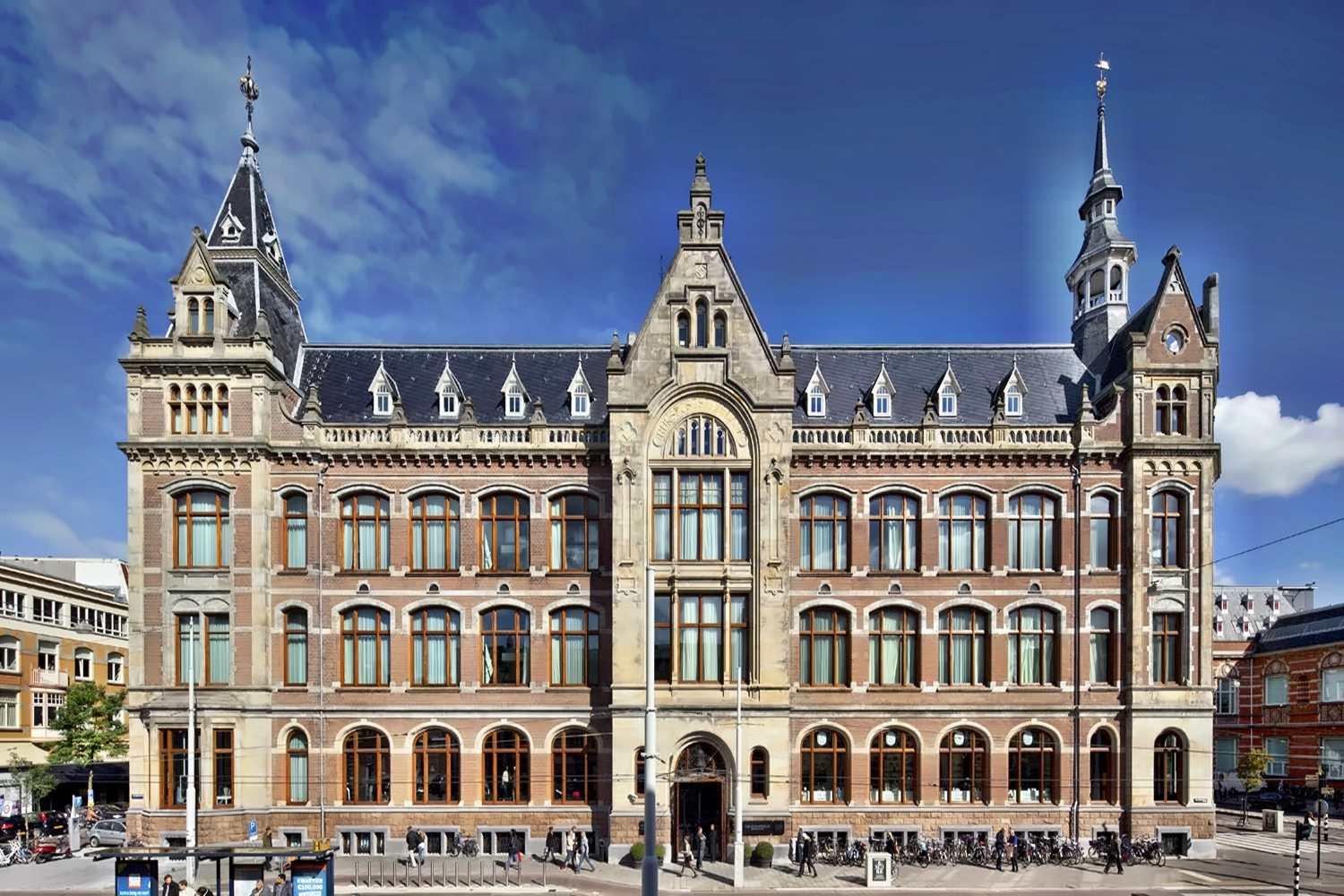
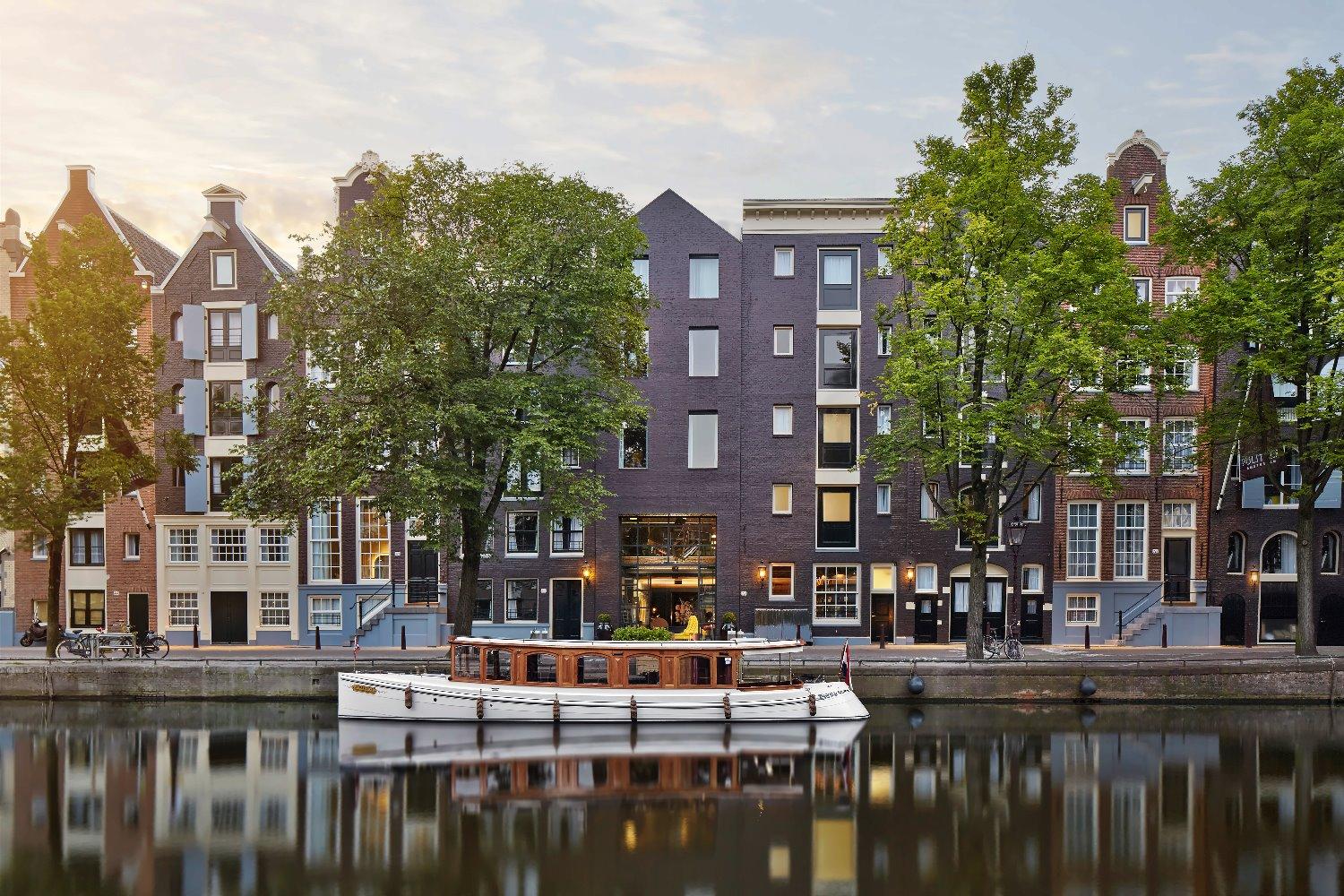
Begin with the daily rhythm. The western Canal Ring and Nine Streets suit travellers who want boutiques, galleries, canal-house museums and the Jordaan on foot. Pulitzer is the clearest hotel expression of that geography. The Museum Quarter is better for a culture-led first visit, with Conservatorium beside the principal museums and luxury shopping on P.C.
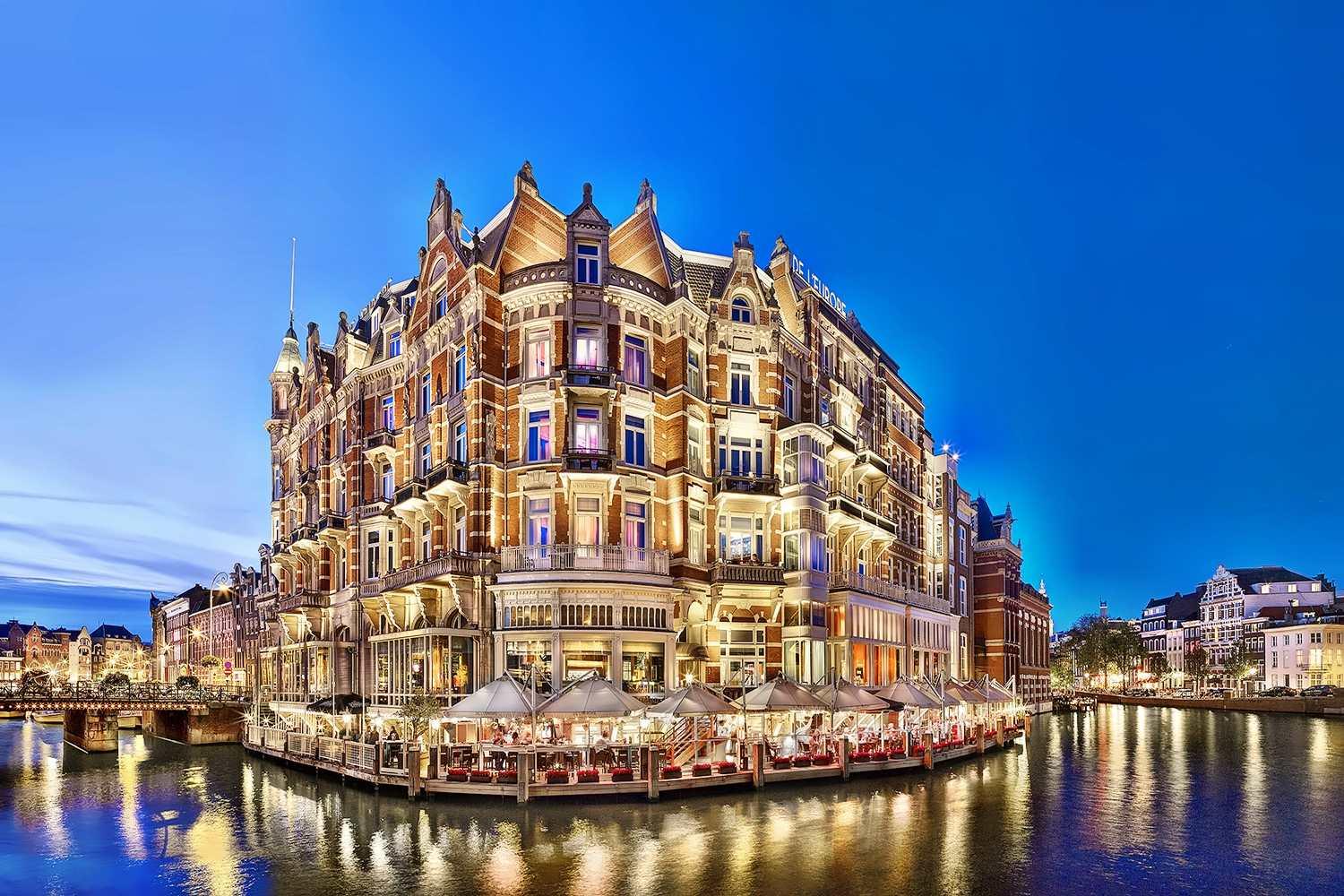
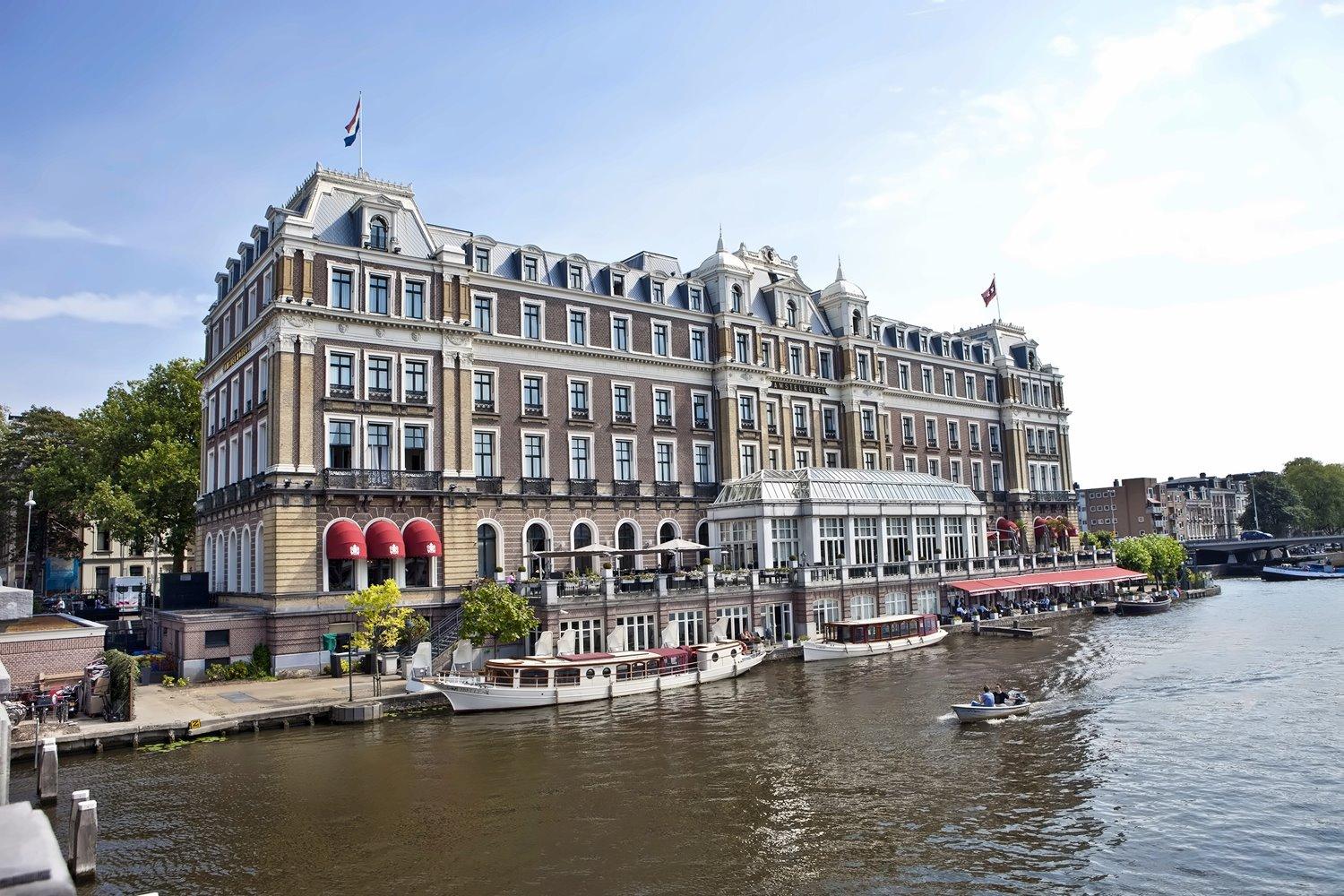
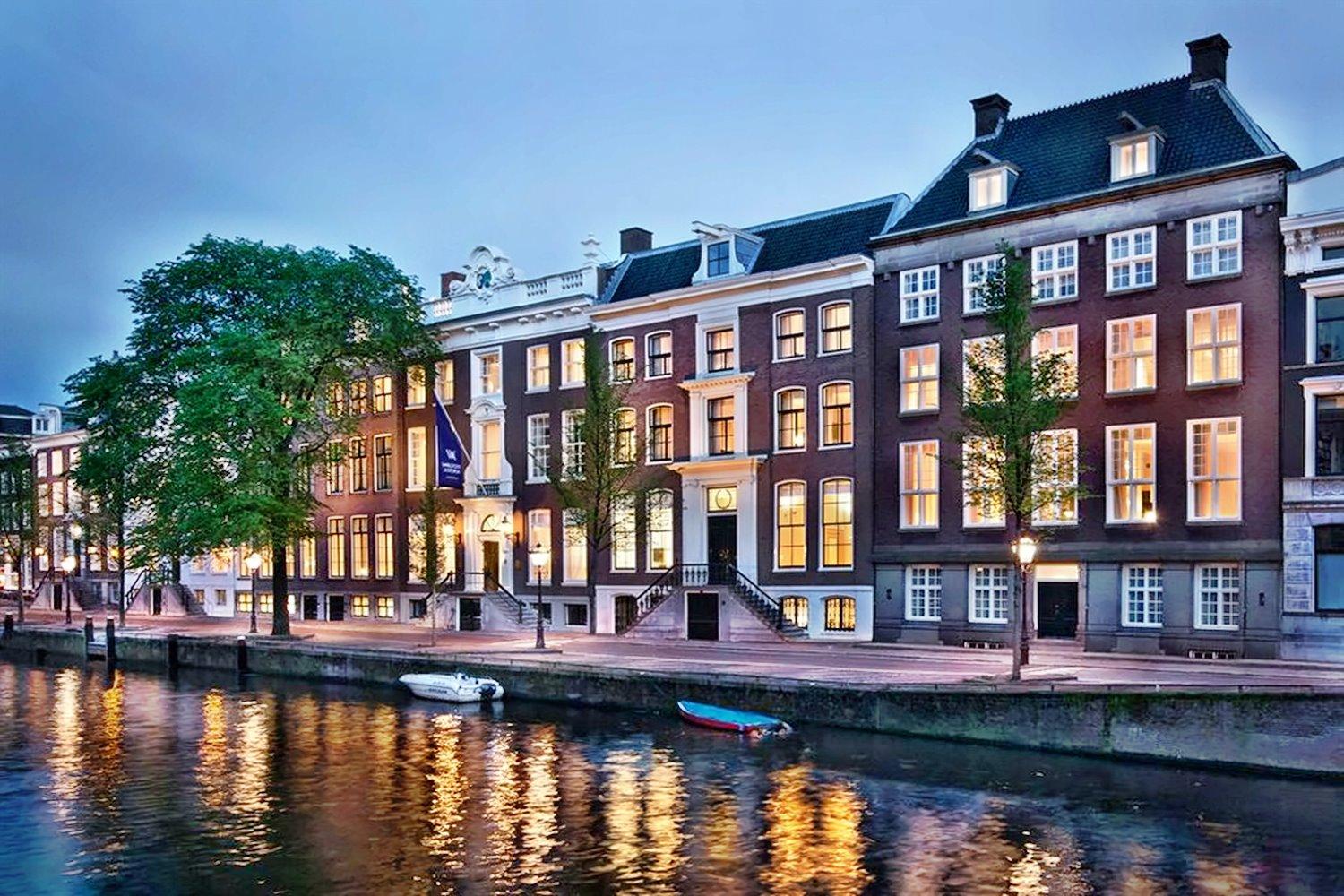
Hooftstraat. Dam Square, where Hotel TwentySeven sits above the city’s most public stage, is exceptionally central but never discreet outside the suite. Sofitel Legend The Grand and De L’Europe bridge old-centre access with more contained interiors. Waldorf Astoria offers Herengracht elegance and garden calm. While the Amstel Hotel trades doorstep sightseeing for river space, pool time and a more residential return.
The Canal Ring as architecture, not scenery
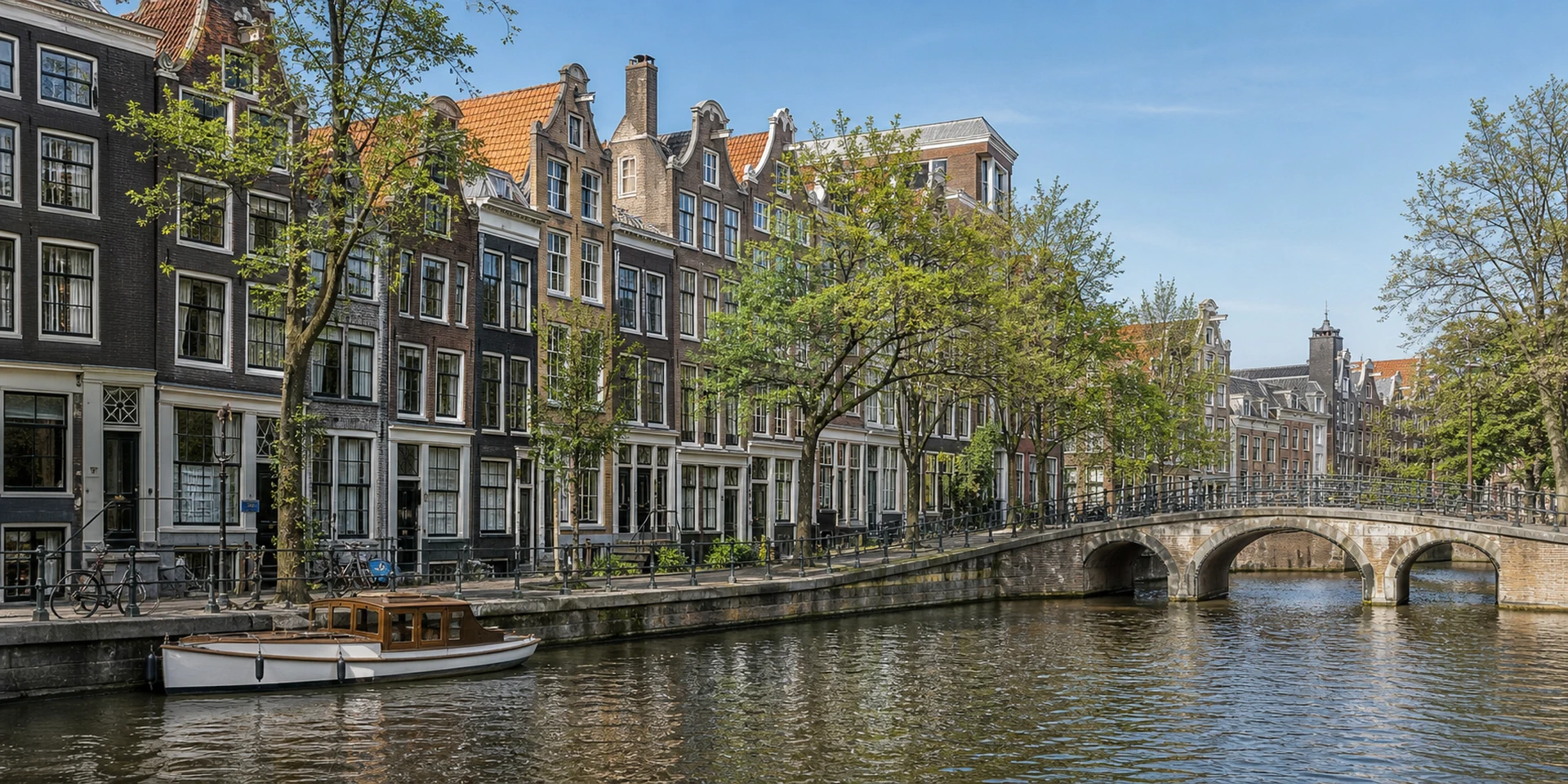
Amsterdam’s seventeenth-century Canal Ring is a UNESCO World Heritage property whose concentric waterways record an unusually ambitious expansion of the city. Read it slowly: plot widths explain the narrow façades, hoisting beams recall how goods reached upper floors. And differences in gables, stoops and warehouses reveal status and function. A private open boat with a knowledgeable guide is most rewarding early,
when reflections are cleaner and traffic lighter. Ask for a smaller electric vessel that can enter quieter canals. But accept that water levels, bridge clearance and temporary works shape the route. On foot, pair Herengracht’s formal houses with Brouwersgracht’s former warehouses and the smaller crossings around Reguliersgracht. Never stand in a cycle lane while composing a photograph.
Rijksmuseum, Van Gogh Museum and a disciplined Museumplein day
Treat the Rijksmuseum and Van Gogh Museum as separate major visits, not adjacent boxes to tick. Both publish current admission and visitor information on their official websites. And popular time slots can disappear well ahead of travel. Give the Rijksmuseum a focused morning: the Gallery of Honour, seventeenth-century interiors and a chosen decorative-arts thread are more memorable than an exhaustive march.
Reserve the Van Gogh Museum for another half day, allowing attention for drawings, letters and chronology rather than only famous canvases. Conservatorium guests can return easily between visits. travellers based in the Canal Ring should use a direct tram or prearranged car. Leave one unscheduled hour for the Rijksmuseum gardens, Museumplein or a recital at the Concertgebouw instead of inserting a third museum.
Anne Frank House, Jordaan and the western canals
The Anne Frank House is a place of testimony, not a flexible drop-in attraction. Consult the museum’s official website for the current ticket release process, arrive at the exact entrance time and keep the surrounding programme quiet. Afterwards, walk north or west through the Jordaan rather than returning immediately to Dam Square. Noordermarkt,
the small canals and independent workshops reveal the neighbourhood at a human scale, though the most photographed streets are also residential. The Nine Streets form a refined link back across Prinsengracht, Keizersgracht and Herengracht, with design, fashion and small museums close together. Guests at Pulitzer can organise this entire chapter on foot. from other hotels. Ask the driver to drop outside the tightest canal streets and walk the final section.
Historic centre, Dam Square and quieter ways through it
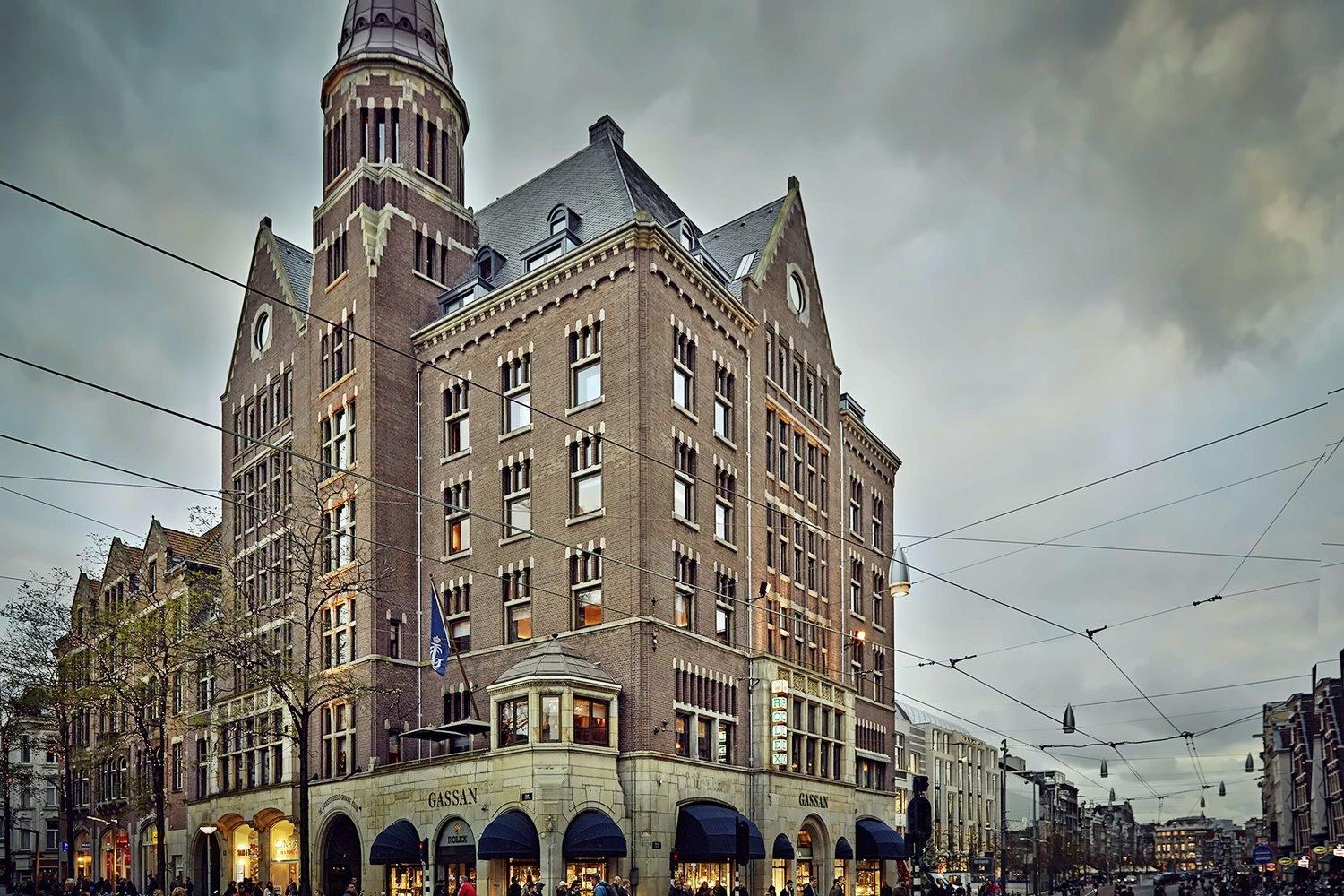
Dam Square concentrates the Royal Palace, Nieuwe Kerk, department stores and constant pedestrian movement. It is useful as an orientation point, not a place to spend an entire day. Begin early if the palace or medieval core matters. Then move toward the Begijnhof, Oudezijds Achterburgwal or the harbour edge before peak footfall.
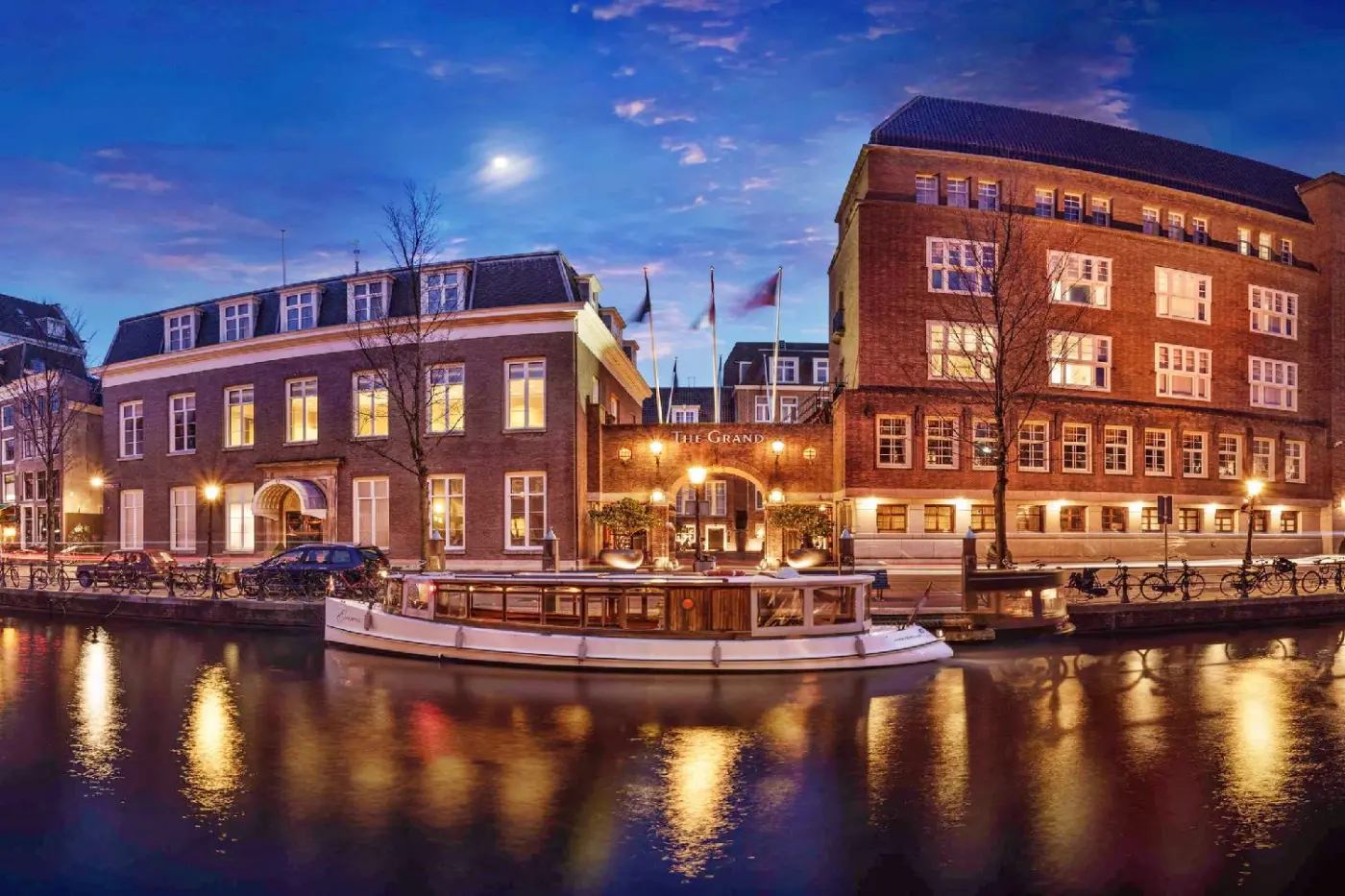
Hotel TwentySeven gives unmatched proximity and elevated views but requires guests to embrace the square’s public energy. Sofitel Legend The Grand provides a sheltered courtyard within the old centre, making it easier to pause between appointments. De L’Europe sits at the meeting of the Amstel and central canals, convenient for theatre and Rembrandtplein without sleeping directly on Dam. In De Wallen, follow local rules, avoid photographing workers and remember that ordinary homes stand beside visitor sites.
The Amstel, Plantage and Amsterdam beyond the postcard
The river broadens Amsterdam’s perspective. From the Amstel Hotel, a morning walk can follow the water toward the Magere Brug before turning into De Plantage for the Hortus Botanicus, Jewish Cultural Quarter or Artis. This is a calmer landscape of institutions, leafy streets and working city life, yet the historic centre remains a short ride away.
Waldorf Astoria and De L’Europe also use the Amstel as a natural axis, making a private boat transfer or short evening cruise particularly logical. Do not schedule every meal in the western Canal Ring: restaurants in De Pijp, Oost and around the Amstel create a better sense of contemporary Amsterdam. A concierge-arranged car is useful late at night. While tram and metro are usually more efficient during congested daytime hours.
When to visit and what the seasons change
April and May bring longening light, spring gardens and intense demand around tulip season, King’s Day and school holidays. book the city, not just Keukenhof, with a plan for crowded transport. June through August offers long evenings and outdoor dining. But central canals and headline museums are busy. September and early October often balance cultural energy with softer light.
While major trade fairs and events can tighten hotel inventory unexpectedly. Late autumn and winter suit museums, restaurants and atmospheric canal houses. daylight is shorter, rain and wind more likely. And festive weekends form their own peak. Amsterdam works year-round when the schedule alternates indoor and outdoor chapters. Check event dates and official transport notices before fixing a non-refundable rate, especially when a central route is affected by construction.
Arrival, trams, bicycles and realistic transfer times
Schiphol publishes current rail guidance. And the train to Amsterdam Centraal is usually the cleanest independent arrival for light luggage. A private car is preferable for a formal arrival, families or several cases. But central streets, bridge works and one-way canal routes can lengthen the final kilometre. GVB operates trams, metro, buses and IJ ferries.
contactless travel is convenient, yet every passenger needs a separate payment method and must check in and out correctly. Walking remains the best way to understand the Canal Ring. Renting a bicycle is not a beginner’s sightseeing shortcut: lanes carry fast local traffic, tram rails demand attention and parking rules matter. Choose a guided ride outside rush hour only if everyone is confident, or let a private boat provide the mobile city overview instead.
Three or four nights, and the right onward journey
Three nights can hold one major museum morning, a Canal Ring and Jordaan day, one boat journey and two considered dinners. Four nights are markedly better for a second major collection, De Plantage or Noord. And time to enjoy the hotel rather than treating it as an expensive bedroom. Five nights suit repeat visitors, design and architecture interests,
or a split between city and countryside. Haarlem is an easy rail chapter for historic streets and the Frans Hals Museum. The Hague combines courtly architecture with the Mauritshuis. Rotterdam provides modern urban contrast. For tulips, private gardens or the coast, use a driver and verify seasonal opening dates. Keep Amsterdam first if arriving long-haul. Then continue by train or car once jet lag has eased.
Decisions to confirm before booking
Ask for the exact outlook, floor, lift access and room configuration, because protected canal houses rarely produce identical categories. A canal view may face water obliquely. While a garden room can be quieter and more spacious. Confirm whether interconnecting rooms are guaranteed, whether steep internal stairs remain inside a duplex. And where a car can actually stop.
At Conservatorium, decide whether Museum Quarter access and the atrium define the stay. at Pulitzer, whether layered canal-house character matters more than uniform plans. at Waldorf Astoria, whether garden seclusion outweighs a more active lobby scene. Compare the qualifying Virtuoso rate by total value. And have breakfast, credit or experience, upgrade priority, early arrival and late departure confirmed for the precise stay rather than assumed.
Deluxetargets advice for planning Amsterdam
- Choose between Museum Quarter access, western Canal Ring atmosphere, Dam Square immediacy and Amstel calm before comparing room prices.
- Secure Anne Frank House, Rijksmuseum and Van Gogh Museum times as soon as their official release windows allow. Then build each half day geographically.
- Request the exact view, floor and lift route in historic canal houses. identical room labels can conceal very different plans.
- Take the first private canal journey in clear morning light and use trams for cross-city moves rather than losing time in central traffic.
- Reserve at least one unscheduled hotel afternoon when choosing a property for its garden, spa, pool, courtyard or architectural interiors.
Frequently asked questions about Virtuoso hotels in Amsterdam
Which area is best for a first visit
Museum Quarter suits art-led itineraries. the western Canal Ring offers the richest walking atmosphere. Dam Square maximises central access. While the Amstel is calmer.
How many nights should I book
Four nights provide the best balance for two major museums, canals, Jordaan and genuine hotel time. Three work with firm priorities.
Is a canal-view room always worth it
Only when the exact direction and window position are confirmed. Garden rooms can be quieter, larger and more private in historic properties.
Do I need advance museum tickets
Yes for the most requested museums. Always use each institution’s official website because release rules and entry procedures can change.
Should I use a car in central Amsterdam
Mostly for airport transfers, formal evenings or mobility needs. Walking, trams and boats are generally more effective within the historic core.
Is cycling suitable for every visitor
No. Amsterdam cycling requires confidence in busy local traffic, awareness of tram rails and strict lane etiquette. a guided off-peak ride is safer for capable newcomers.
Can Amsterdam combine with another Dutch city
Yes. Haarlem is compact and historic, The Hague adds courtly art. And Rotterdam creates a strong modern-architecture contrast.
Are Virtuoso benefits identical at every hotel
No. They apply to a qualifying rate. And the hotel-specific credit or experience plus upgrade and timing priorities must be confirmed for the stay.