
Virtuoso Hotels
Virtuoso Hotels in Queenstown, New Zealand
2
2
Hotels
Virtuoso hotels in Queenstown: lake, mountains and a measured alpine stay
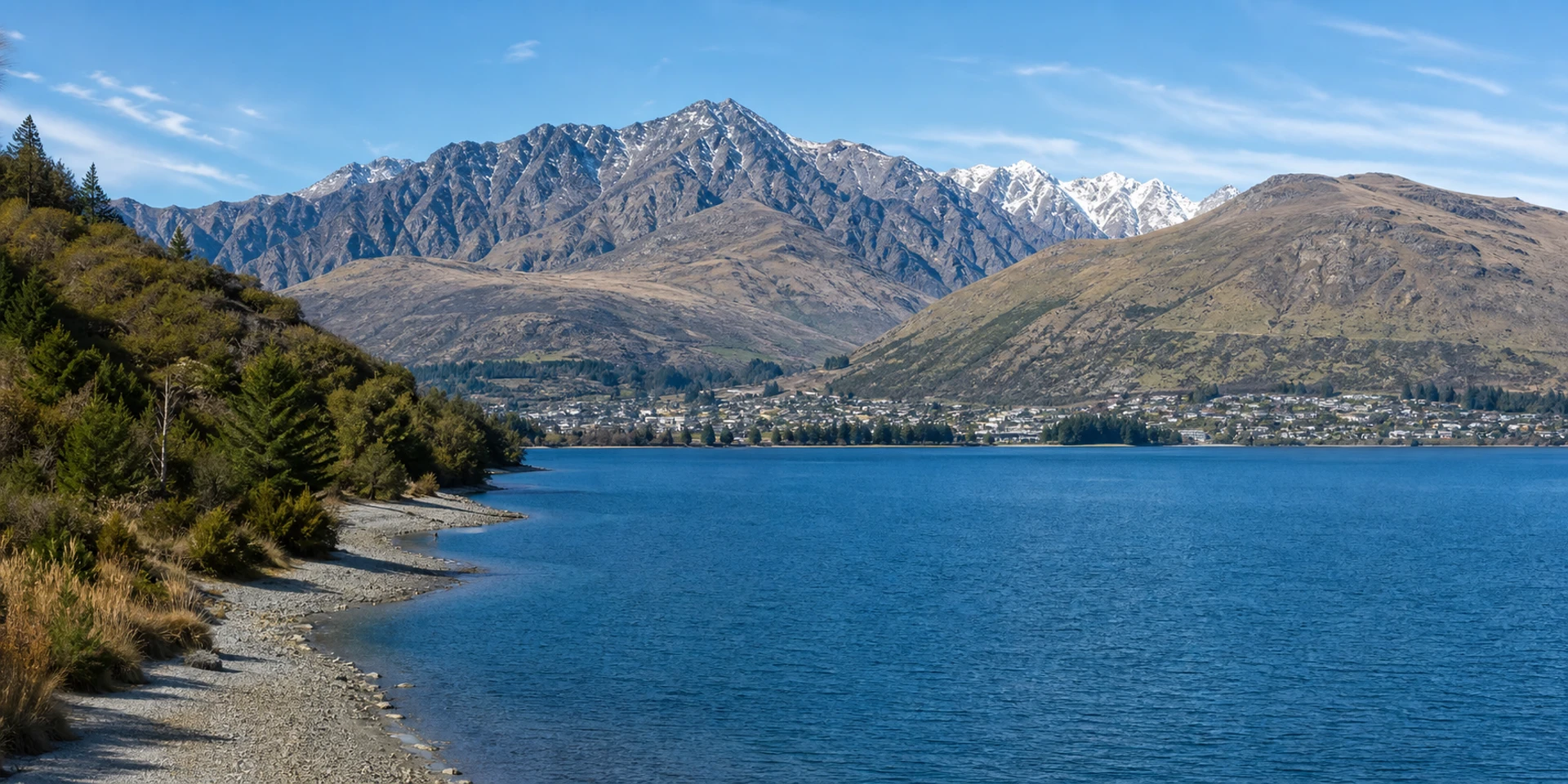
Queenstown occupies a spectacular but operationally demanding landscape between Lake Wakatipu and steep mountains. Adventure activities made it famous, yet the destination is equally rewarding through careful walks, Central Otago wine, lake views, food and unhurried lodge time. A successful stay treats alpine weather as a planning partner and avoids turning every day into a sequence of high-adrenaline bookings.
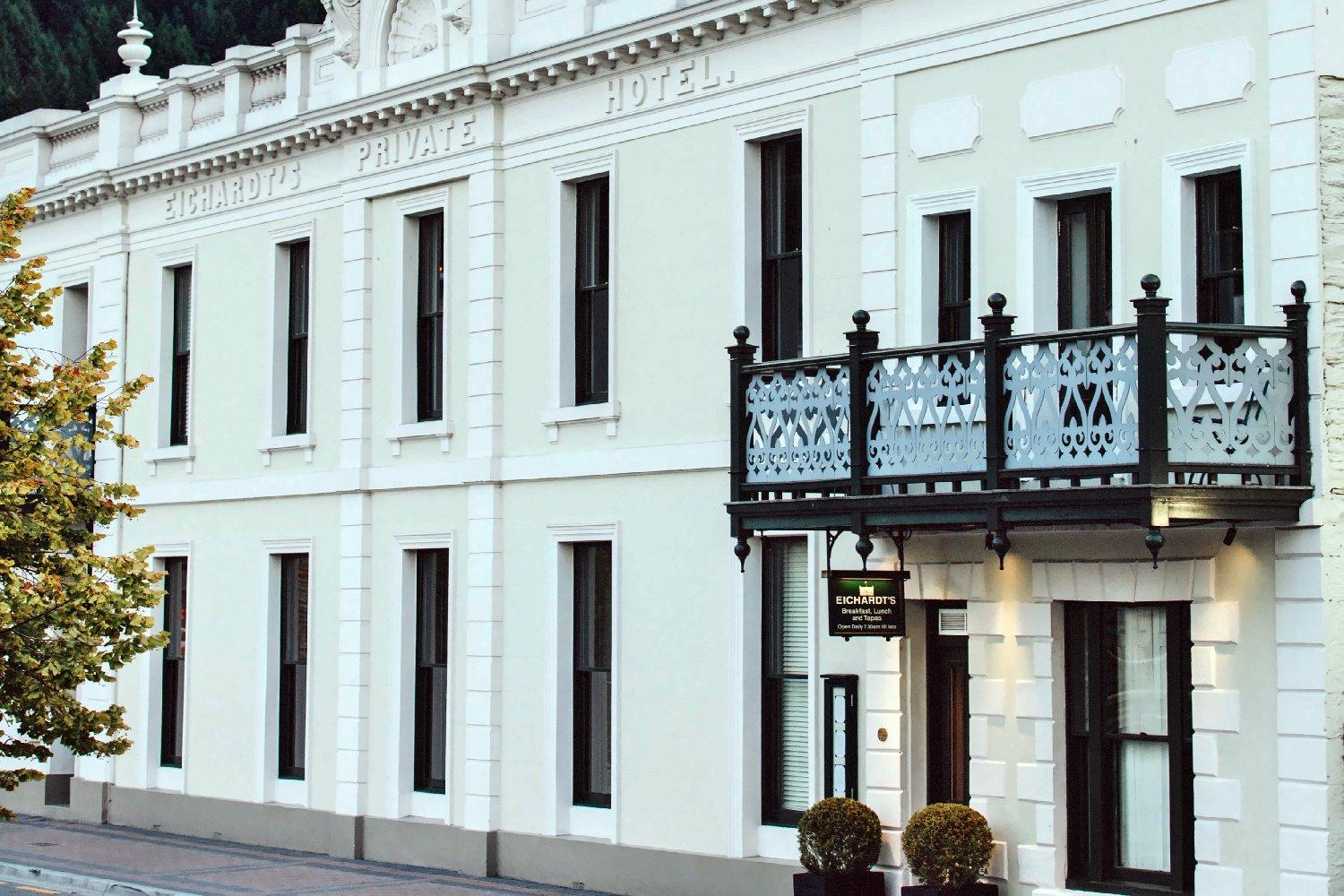
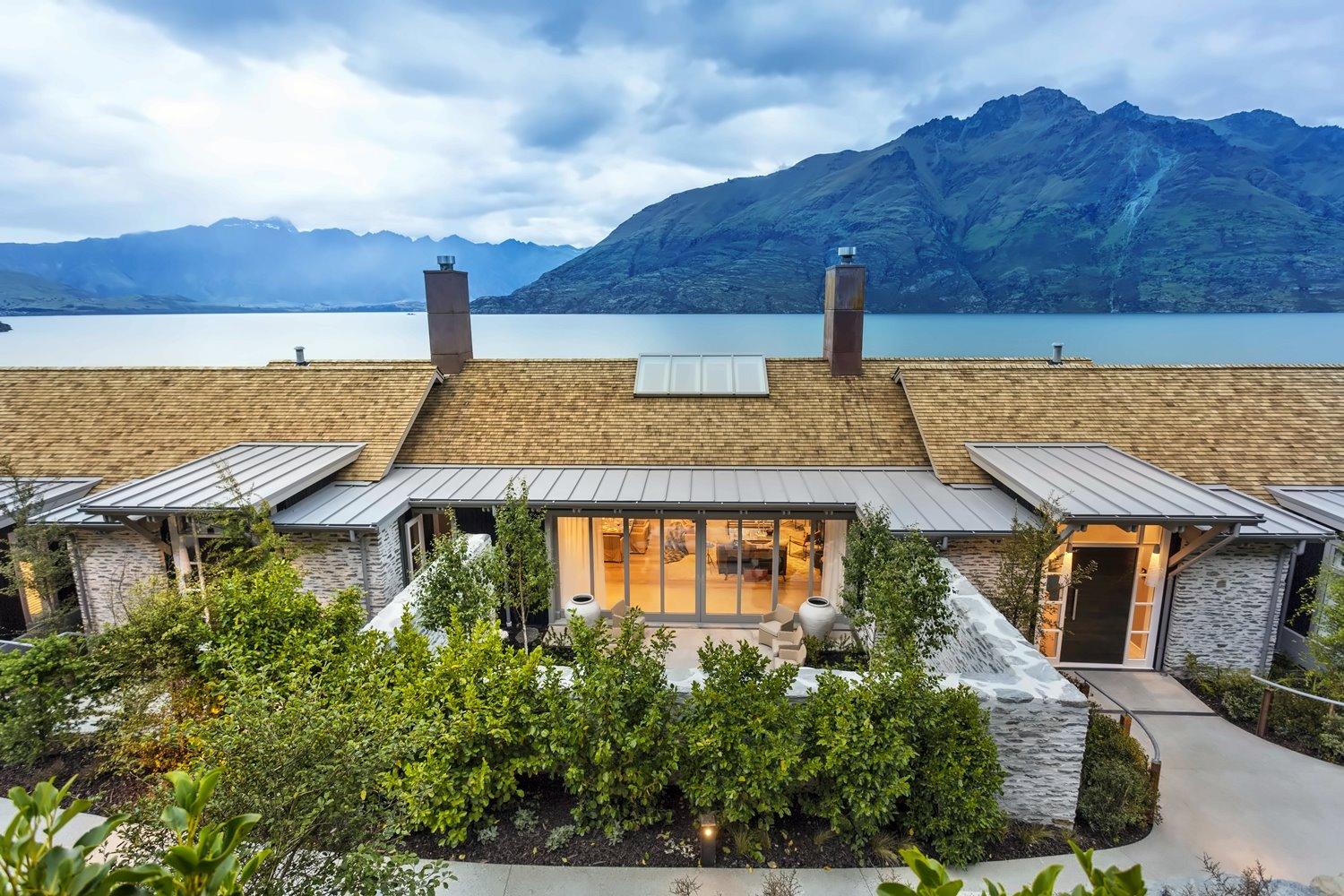
The two Virtuoso hotels create opposite rhythms. Eichardt's Private Hotel places the compact centre, restaurants and waterfront immediately outside. Rosewood Matakauri offers privacy and wide lake-and-mountain views beyond town. Select the geography before scheduling activities, because repeated transfers quickly consume daylight. Five nights suit a first stay. While six or seven add resilience for weather, skiing or a substantial regional excursion.
Choose the town centre or a private lodge
Eichardt's Private Hotel works when guests want to walk to restaurants, shops, the waterfront and many activity meeting points. Its historic scale feels intimate. But category, street orientation and lake outlook should be confirmed because the lively centre can affect privacy. Rosewood Matakauri suits travellers who want the property itself to shape the stay through space,
views and deliberate quiet. Reaching town requires a planned transfer, making spontaneous dinners less efficient. Compare the number of fixed city appointments with the hours you genuinely want at the lodge. Neither address eliminates driving for mountain or wine-country days. Book the location that supports the intended rhythm rather than the most dramatic single photograph.
Build mountain days around conditions
Queenstown's alpine activities depend on wind, visibility, snow, temperature and operator decisions. Check the official forecast and the relevant operator every morning. Then preserve an alternative that does not require the same weather window. Skiers should confirm mountain opening, road access, equipment, lessons and transfer times rather than assuming the town forecast reflects the slopes.
Hikers must match route, elevation and exposure to fitness and daylight. Carry layers, water, sun protection and appropriate footwear even on a bright morning. Never pressure staff to operate when conditions are unsafe. A cancelled flight, lift or guided trip is frustrating. But a flexible lunch, spa session, gallery visit or lower walk can still produce an excellent day.
Walk with Department of Conservation guidance
The Queenstown region offers lakeside paths, short viewpoints and demanding backcountry routes. But these categories are not interchangeable. Use Department of Conservation information for track status, alerts, facilities and required preparation on public conservation land. A local guide adds value when navigation, winter conditions or unfamiliar terrain are involved. Start early, sign into any required system and tell someone the plan.
Weather can change rapidly behind a ridge. And mobile coverage is not guaranteed. Stay on formed tracks, clean footwear to reduce biosecurity risks and carry all waste out. Travellers with limited mobility should ask about surface, gradient and transfer access rather than relying on the word walk. A shorter safe route is better than an ambitious turnaround after dark.
Treat Lake Wakatipu with respect
Lake Wakatipu gives Queenstown its visual identity. But cold water, wind and rapid weather changes require caution. Use qualified operators for any activity and follow life-jacket, age and safety requirements. Swimming conditions vary by location and season. seek current local advice and never assume calm appearance means warm or sheltered water. Waterfront paths provide a lower-risk way to understand the lake,
especially after travel. If a scenic cruise or other water plan matters. Confirm the exact operator, departure point and cancellation policy. Then avoid placing an irreplaceable flight immediately afterwards. Keep natural shorelines clean and do not disturb wildlife. The most memorable lake experience can be a quiet morning walk rather than a densely programmed excursion.
Explore Gibbston and Central Otago wine carefully
Gibbston lies close enough for a focused wine day. While the wider Central Otago region extends much farther than a casual map suggests. Pinot noir is prominent. But thoughtful tastings should also address site, climate, farming and the range of varieties produced. Reserve sought-after estates and lunch, limit the number of stops and use a professional driver.
New Zealand drink-driving rules and winding roads make self-driving after tasting inappropriate. Ask producers about current access and shipping rather than assuming every cellar welcomes unscheduled visitors. A cycling itinerary requires the same sobriety and weather judgment as driving. One coherent subregion gives more insight than rushing between distant valleys. Return before a late hotel dinner becomes another endurance event.
Approach Milford Sound and Glenorchy realistically
Milford Sound is a substantial journey from Queenstown, not a nearby attraction. Road travel can consume most of a day and is sensitive to weather, closures and traffic. scenic flights depend on visibility and may cancel. Book only with reputable operators, understand the fallback and do not connect the return directly to a flight home.
Glenorchy is closer but still deserves deliberate time for landscapes, local context and authorised walks rather than a hurried photograph. Check road conditions with New Zealand transport authorities, especially in winter. Travellers with limited nights may gain more from Queenstown, Arrowtown and a nearby trail than an extremely long day. Add Milford only when the itinerary has enough time and flexibility to absorb disruption.
Balance food, Arrowtown and local context
Queenstown's dining scene is busy and compact. So reserve important dinners early while keeping one evening flexible for weather. Arrowtown offers preserved streets, walks and a different historical scale. But its gold-rush story should include Chinese settlement and the consequences of colonisation rather than nostalgia alone. Māori place names,
Ngāi Tahu connections and contemporary community deserve respectful interpretation through credible sources and local guides. Ask permission before photographing people or cultural activity. Food experiences can connect regional produce, wine and landscape without adding another long transfer. Avoid scheduling a tasting lunch and a major dinner on the same day. The strongest cultural layer comes from depth and listening, not collecting a succession of scenic stops.
Plan seasons, roads and five good nights
Winter brings skiing, short daylight, frost and possible chain or road requirements. Summer offers long days and trails but also strong ultraviolet exposure and sudden alpine storms. Spring and autumn can be beautiful, with variable mountain operations and cooler evenings. Consult official forecasts and road information daily. Queenstown Airport is convenient but weather can affect approaches.
leave buffer before international connections. Five nights allow town, one mountain or trail day, wine country and true hotel time. Six or seven better suit skiing, Milford ambitions or slow lodge stays. Use the existing New Zealand roundtrip mapping to connect only confirmed destinations and transport. On arrival, declare risk goods honestly and follow New Zealand's strict biosecurity requirements.
Five practical Queenstown tips
- Choose town or lodge geography before booking activities. Then minimise repeated transfers across the same day.
- Check official mountain, weather, track and road status every morning and keep a lower-risk alternative.
- Reserve a professional driver for wine tasting and limit the day to one coherent Central Otago subregion.
- Pack alpine layers, strong sun protection and proper footwear regardless of a clear town forecast.
- Declare food, outdoor equipment and other risk goods accurately when entering New Zealand.
Queenstown hotel and travel questions
How many nights should I spend in Queenstown
Five nights suit a balanced first stay. six or seven provide better weather resilience for skiing, Milford Sound or extended lodge time.
Should I stay in town or outside it
Choose town for walking access to dining and activity points, or a private lodge for views, space and a slower property-led rhythm.
Do I need a car
Not for a town-focused stay. Professional transfers and tours work well. a car adds flexibility only when road conditions and driving plans are appropriate.
Can weather cancel activities
Yes. Wind, snow, visibility and road status can affect flights, lifts, water activities and walks. So preserve flexible alternatives.
Is Milford Sound a day trip
It can be. But road travel is very long and flights are weather-dependent. Add it only with adequate time and a clear cancellation plan.
Is Queenstown suitable for non-adventurous travellers
Absolutely. Lake walks, wine, food, galleries, scenic drives and lodge time create a rewarding stay without high-adrenaline activities.
When is the best season
Winter suits skiing. summer supports long walking days. Spring and autumn offer atmosphere with more variable operations and weather.
How does Queenstown fit a New Zealand roundtrip
Use the existing country mapping and confirmed flights or roads. Keep buffer around Queenstown because alpine weather can alter transport.
Combine your hotel stay with a privately designed journey through New Zealand, with hotels, transfers and experiences planned as one seamless itinerary.