Virtuoso Hotels
Virtuoso Hotels in Cusco, Peru
3
3
Hotels
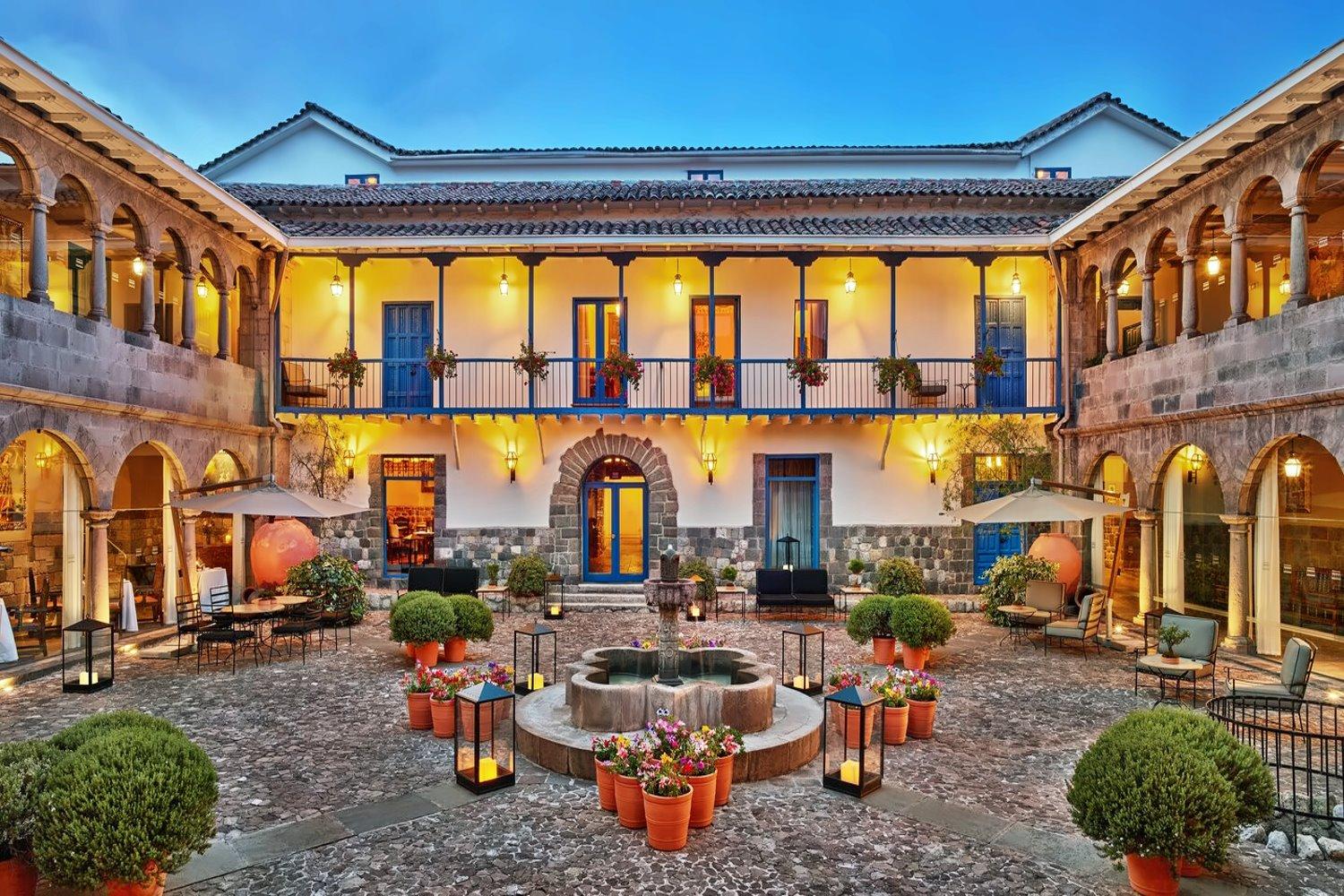
Virtuoso hotels in Cusco: Nazarenas cloisters or Qorikancha
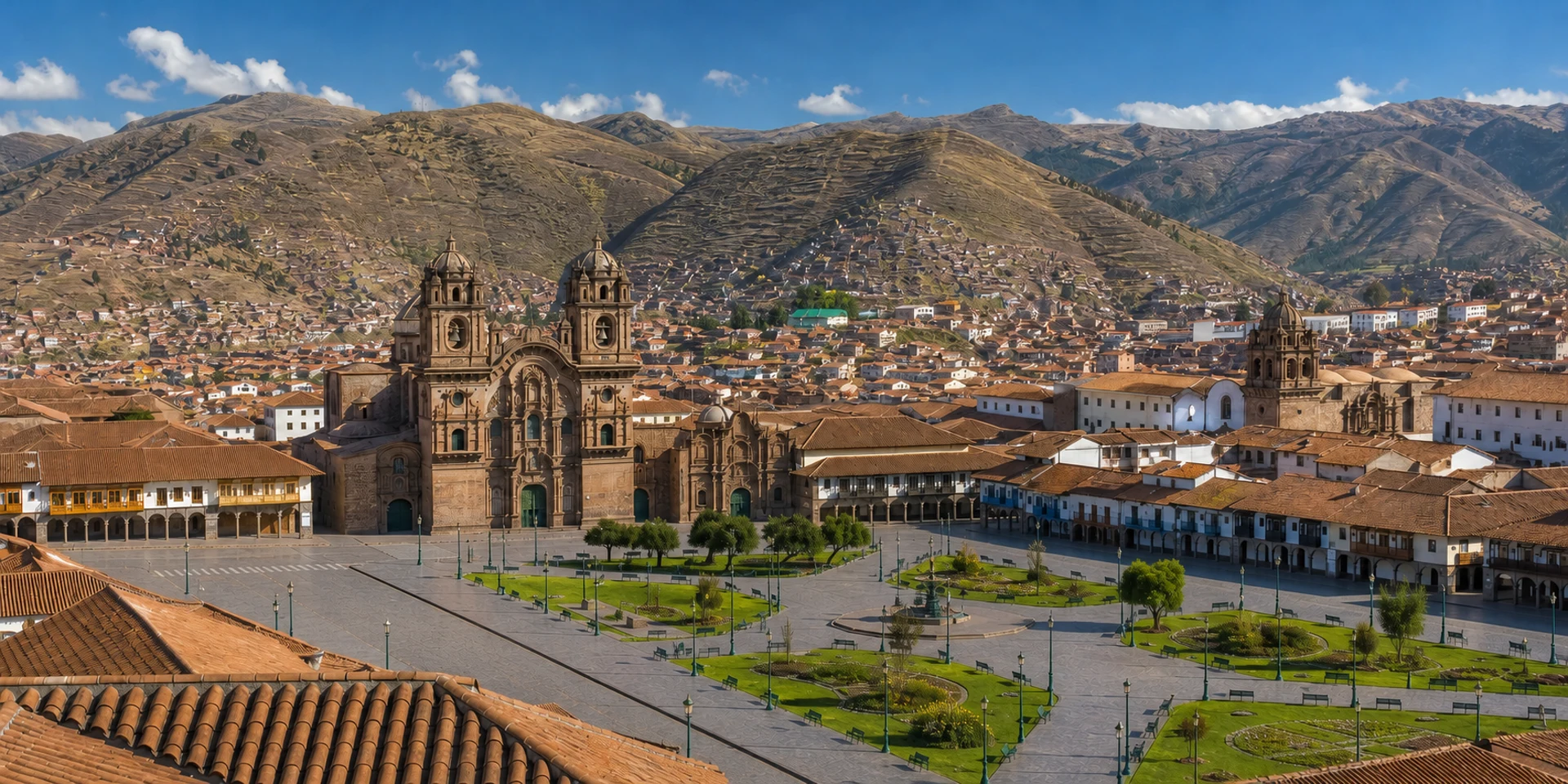
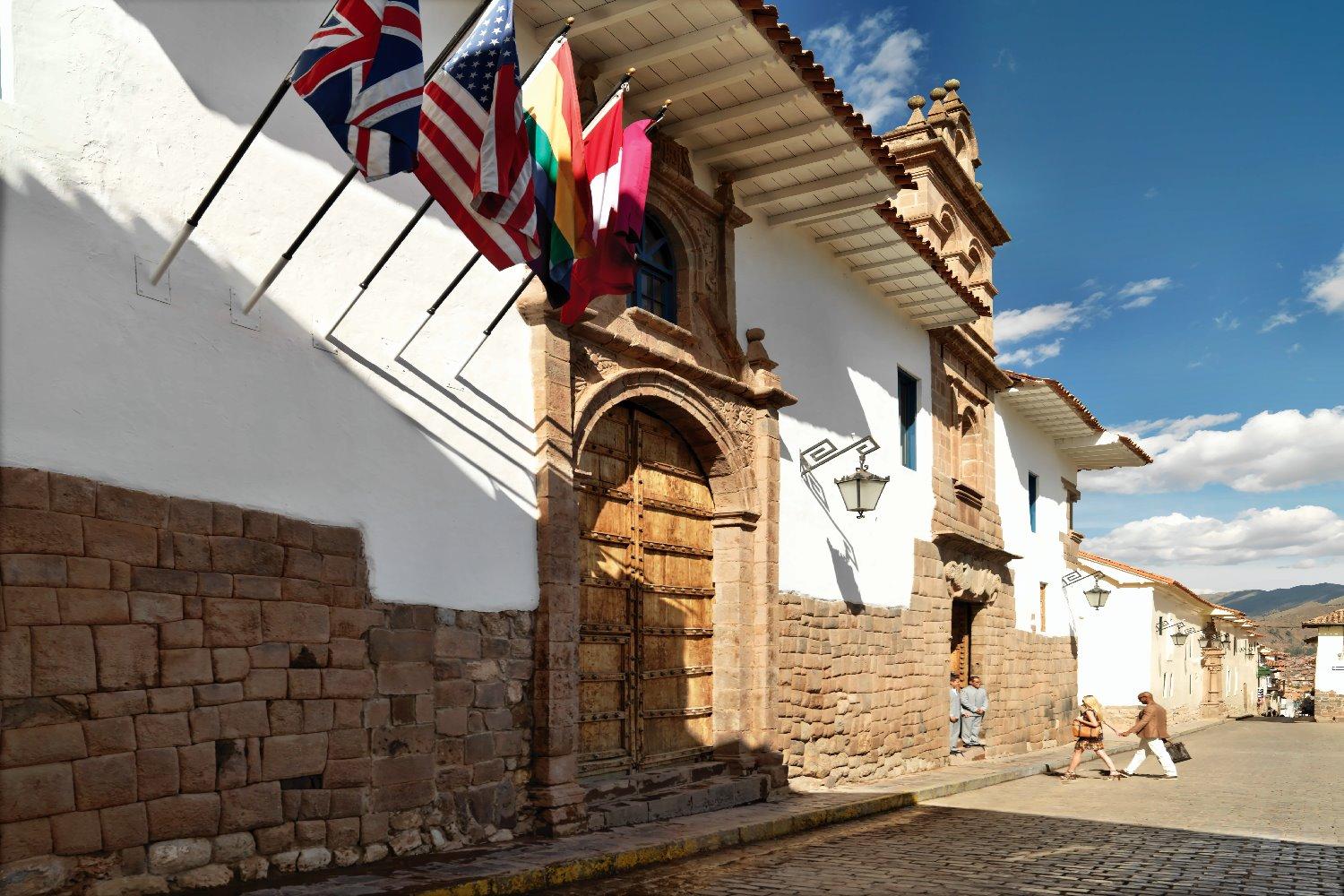
Cusco's three listed hotels split between two exceptionally walkable heritage positions. Monasterio and Palacio Nazarenas face neighbouring courtyards near Plazoleta Nazarenas, five minutes above Plaza de Armas and close to San Blas. Palacio del Inka sits beside Qorikancha on Plazoleta Santo Domingo, better aligned with Avenida El Sol. Wanchaq approaches and a different layer of Inca and colonial history.
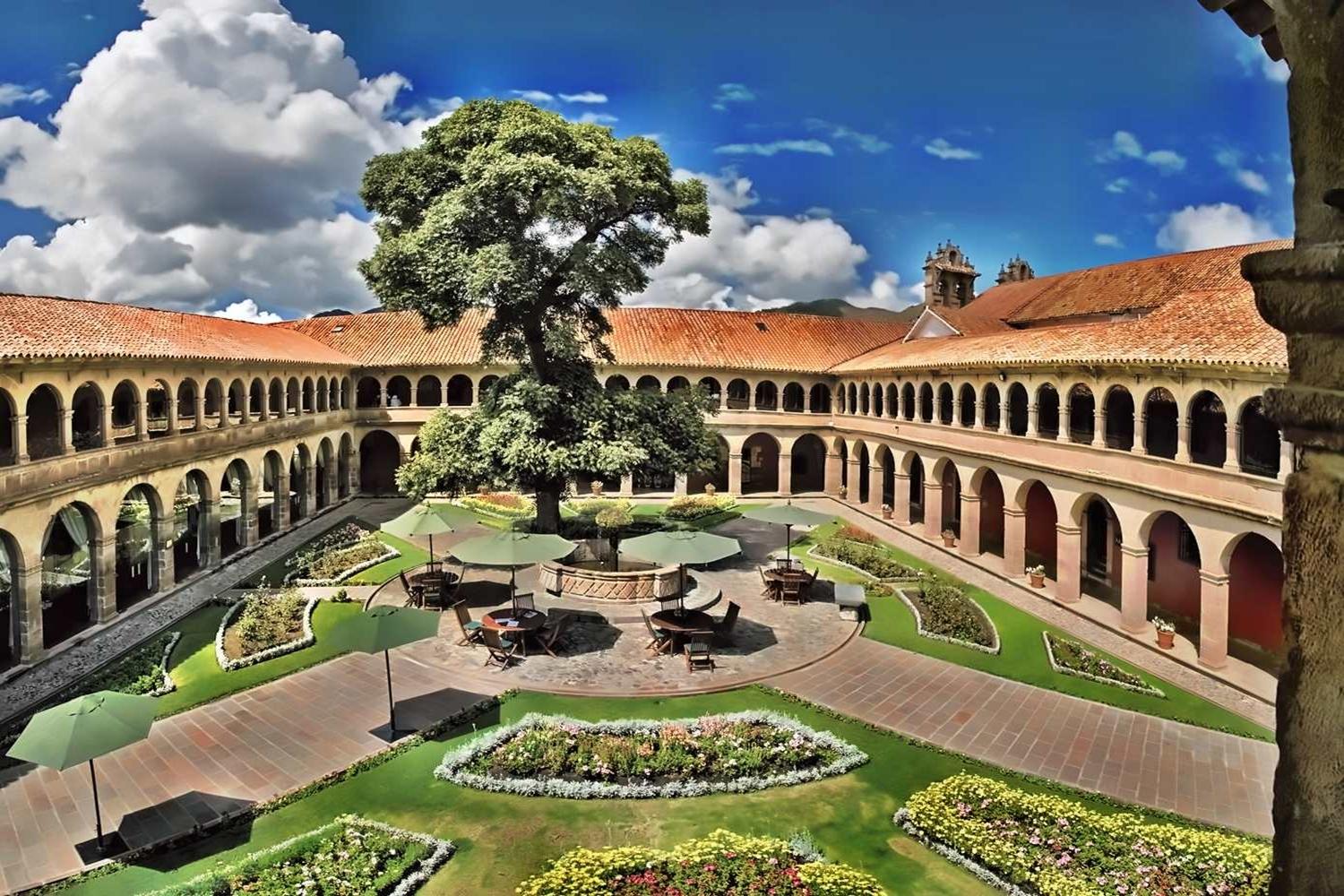
The two Belmond properties are not substitutes. Monasterio is a 117-key former monastery rich in Cusco School art. While Palacio Nazarenas is an intimate all-suite hotel with a heated outdoor pool and butler service.
At roughly 3,350–3,400 metres, hotel choice cannot replace responsible acclimatisation. Oxygen-enriched rooms may improve comfort but do not guarantee prevention or treatment of altitude illness. And symptoms must govern the itinerary. This guide converts location, exact oxygen category, archaeological interpretation, Tourist Ticket, Machu Picchu circuits. Rail baggage, markets, food, climate and a Sacred Valley route into decisions to confirm before payment.
Use official 2026 ticket channels, current train information and qualified medical advice for personal risk. never let a luxury schedule override health or conservation rules.
Choose Nazarenas intimacy or the Qorikancha axis
Monasterio and Palacio Nazarenas put Plaza de Armas, cathedral precinct and San Blas within short distances. But cobbles and slope remain demanding at altitude. Monasterio suits travellers prioritising a historic art collection, chapel, live music and larger cloistered atmosphere. Palacio Nazarenas offers 55 suites, 24-hour butler service, Mauka, Hypnôze Spa and the city's unusual heated outdoor pool.
Palacio del Inka faces Qorikancha and shortens access to Avenida El Sol, with Andes Spirit Spa and a substantial Inca-colonial interior. Map the first two low-effort days, not only the major excursions. The best base reduces uphill returns when the body is still adjusting.
Book oxygen by named category, never assumption
Palacio Nazarenas states that all 55 suites are oxygen enriched. While Monasterio explicitly warns that some, not all, rooms and suites offer added oxygen. At Monasterio. Reserve wording such as 'with oxygen&apos. and record it in the confirmation. a generic Superior or Deluxe room may not include the system. Palacio del Inka's room page does not promise universal oxygen enrichment.
So ask the hotel what support is currently available without treating it as part of the category. Confirm floor, stairs, ventilation, heating, bedding, bathtub or shower and access to medical assistance. Supplemental room oxygen does not make a rapid ascent safe or justify a harder first-day itinerary.
Treat altitude as a health decision
The CDC places Cusco at approximately 3,350 metres and identifies altitude-illness risk above 2,500 metres. Ascend gradually when possible, keep the first 48 hours light, avoid alcohol and heavy exercise at first. Hydrate normally and discuss prevention with a clinician familiar with high-altitude travel, especially with heart, lung, sleep or blood conditions.
Headache with nausea or unusual fatigue can signal acute mountain sickness. worsening symptoms, confusion, loss of coordination, breathlessness at rest or cough require urgent action and descent or medical care. Do not continue to a higher excursion while symptomatic. A Sacred Valley night at lower elevation before Cusco may help some itineraries. But it is not a medical guarantee.
Read Cusco as Inca capital and colonial city
Cusco's power lies in the visible joining of Inca masonry, Spanish churches, colonial houses and contemporary Quechua life. At Qorikancha and Santo Domingo, do not describe one tradition as merely decorative beneath the other. use a qualified guide to explain construction, conquest, adaptation and living religious meaning. Around Plaza de Armas, separate Cathedral and Church of the Society of Jesus admissions,
worship times and photography rules. Monasterio and Palacio Nazarenas themselves contain layered palace, convent and art histories. But a hotel tour is not a substitute for public heritage. Walk slowly. Ask permission before photographing people and resist using traditional clothing as anonymous scenery.
Use the Cusco Tourist Ticket deliberately
COSITUC currently offers an integral Tourist Ticket covering 16 sites and three partial tickets organised around Sacsayhuamán, the city and the Sacred Valley. Its official FAQ states that purchase is in person, that guide and transport are not included. And that tickets are sold at the central counter and most included sites. Choose only after mapping the exact places and validity needed.
a full ticket is not valuable if altitude or train plans leave no time. Sacsayhuamán, Q'enqo, Puka Pukara and Tambomachay can form one considered circuit. But surfaces, sun and climbing accumulate. Hire a licensed guide and driver rather than racing between gates to justify the ticket price.
Walk San Blas and markets without extracting culture
San Blas rewards slow attention to workshops, steep lanes and views. While San Pedro Market reveals daily food systems beyond souvenirs. Ask whether textiles are handwoven, where fibres and dyes come from and who sets the price. 'alpaca&apos. labels do not guarantee fibre content or local production. Pay fairly. Request permission before portraits and avoid staging children or vendors for photographs.
At markets, follow the stall's seating and hygiene practice, protect valuables and choose cooked food served hot if uncertain. The Nazarenas hotels simplify San Blas. While Palacio del Inka is closer to Avenida El Sol and San Pedro approaches. Descend on foot and use a licensed taxi uphill if fatigue appears.
Reserve Machu Picchu by circuit, route and identity
Machu Picchu is not a single interchangeable ticket. The official site lists three circuits grouping ten routes, with certain routes available only in high season. And Peru's Ministry of Culture opened 2026 sales through TuBoleto. Select the experience required—panoramic terraces, classic urban route or royalty sector—before buying, because a ticket does not grant free movement across every viewpoint.
Enter the traveller's identity accurately, carry the matching document and use only the official platform or a clearly authorised operator. Book train, bus, guide and hotel around the admission slot with realistic margins. Never rely on next-day walk-up inventory for an essential once-only visit.
Build the rail journey around station and baggage
Cusco-area rail departures can involve San Pedro, Poroy, Wanchaq with a bimodal bus connection, or Ollantaytambo, depending on service and season. Read the ticket for the true boarding point rather than assuming 'Cusco&apos. means one station. PeruRail currently limits Machu Picchu journeys to one backpack or carry-on within published weight and size allowances.
With storage and excess arrangements varying by station and service. Pack a separate overnight bag, leave large luggage at the hotel or approved storage and keep medicine, passport, ticket and rain layer with you. Arrive at least thirty minutes before departure and do not place a flight immediately after the return train.
Eat Andean ingredients with provenance and restraint
Cusco dining can connect native potatoes, corn, quinoa, tarwi, herbs, trout, cuy and contemporary Peruvian technique. But provenance matters more than a novelty checklist. Palacio Nazarenas houses Mauka by Pía León. Monasterio lists Oqre and El Tupay. Palacio del Inka offers Inti Raymi and Rumi Bar. Reserve venue and time precisely, state allergies in Spanish and ask about raw ingredients,
shared fryers and altitude's effect on appetite. Avoid heavy tasting menus and abundant alcohol on the first night. Buy coca products only where lawful and remember they do not prevent dangerous altitude illness. Leave room for a simple soup or market breakfast as well as one ambitious hotel meal.
Time rain, dry season, festivals and stone streets
The drier May-to-September period supports trekking but brings cold nights, intense sun and peak demand. the wetter season can offer greener landscapes with rain, cloud and route disruption. Cusco's high ultraviolet exposure requires sunscreen, hat and layers even in cool air. Historic cobbles become slippery, stairs lack uniformity and colonial hotels contain protected layouts that cannot always deliver modern step-free circulation.
Inti Raymi and other major festivals change crowding, traffic, rates and access. So book only with a dated operational plan. Carry water and rain protection, schedule outdoor archaeology early and preserve an indoor museum or spa option. Ask the hotel for the exact accessible entrance and room route.
Make the Sacred Valley part of acclimatisation and route
The Sacred Valley is lower than Cusco and can form a gentler first stage after arrival. With Pisac, Ollantaytambo, Chinchero and community or agricultural visits chosen selectively. A lower first night may support staged acclimatisation. But travellers still monitor symptoms and follow medical guidance. Avoid turning the valley into a one-day checklist before a late train.
Two nights allow one archaeological focus, one landscape or textile encounter and a calm departure from Ollantaytambo towards Machu Picchu. Verify road works, market days, ticket coverage, guide credentials and luggage handoff. A coherent Peru circuit can then continue to Lake Titicaca or Arequipa. But higher sleeping elevations require renewed caution rather than accumulated confidence.
Document benefits and protect the sequence
Before payment, have the adviser write the exact hotel name, room or suite, oxygen wording, floor, stairs. View, balcony, bedding, breakfast, hotel-credit outlet, upgrade priority, airport and rail transfer, cancellation and mobility route. Reserve Machu Picchu circuit and train first. Then place Cusco and Sacred Valley nights around health and station logistics. Fix only one important dinner and essential guide during the first days.
Keep passport details identical across flight, train and heritage tickets. Ask hotels how they respond to altitude symptoms. But contact medical professionals for clinical advice. A quiet first afternoon is not wasted luxury. it protects the archaeology, food and landscape that follow.
Deluxetargets tips for Cusco
- Use a lower Sacred Valley night when practical and keep the first 48 hours in Cusco deliberately light.
- Reserve a room explicitly labelled with oxygen when desired. never infer the feature from the hotel name.
- Buy Machu Picchu through the official channel by exact circuit and match every traveller's identity document.
- Pack a small rail bag within the operator's allowance and leave large luggage at approved storage or the hotel.
- Choose the Cusco Tourist Ticket only after mapping its included sites, validity, transport and realistic energy.
Frequently asked questions about Virtuoso hotels in Cusco
Which hotels are closest to Plaza de Armas and San Blas
Monasterio and Palacio Nazarenas share the Nazarenas area a short but sloping walk from both.
Which hotel is beside Qorikancha
Palacio del Inka stands on Plazoleta Santo Domingo immediately beside the Qorikancha complex.
Do all Monasterio rooms have added oxygen
No. Belmond says only explicitly named oxygen categories include it. So confirm the wording in writing.
Does room oxygen prevent altitude sickness
No. It may support comfort. But acclimatisation, symptom monitoring and medical advice remain essential.
Is one Machu Picchu ticket valid for every route
No. Tickets attach to a specific circuit and route, with some routes seasonal.
Can I buy the Cusco Tourist Ticket online
COSITUC currently states that it is purchased in person at its counter or most included sites.
How much luggage can I take towards Machu Picchu
Allowances depend on service. PeruRail publishes one small backpack or carry-on within specific limits for these journeys.
How many nights should I plan
Four Cusco nights plus two Sacred Valley nights create a responsible first itinerary before or after Machu Picchu.
Combine your hotel stay with a privately designed journey through Peru, with hotels, transfers and experiences planned as one seamless itinerary.