
Virtuoso Hotels
Virtuoso Hotels in Lima, Peru
2
2
Hotels
Virtuoso hotels in Lima: Pacific districts, archaeology and a serious food city
Lima is often treated as a logistical pause before the Andes, yet it is one of South America's essential cultural and food cities. Pre-Hispanic sites, colonial institutions, Pacific cliffs, modern neighbourhoods and communities shaped by migration require several days to connect. The coastal desert climate produces soft garúa light for much of the year. So atmosphere matters more than a promise of constant sunshine.
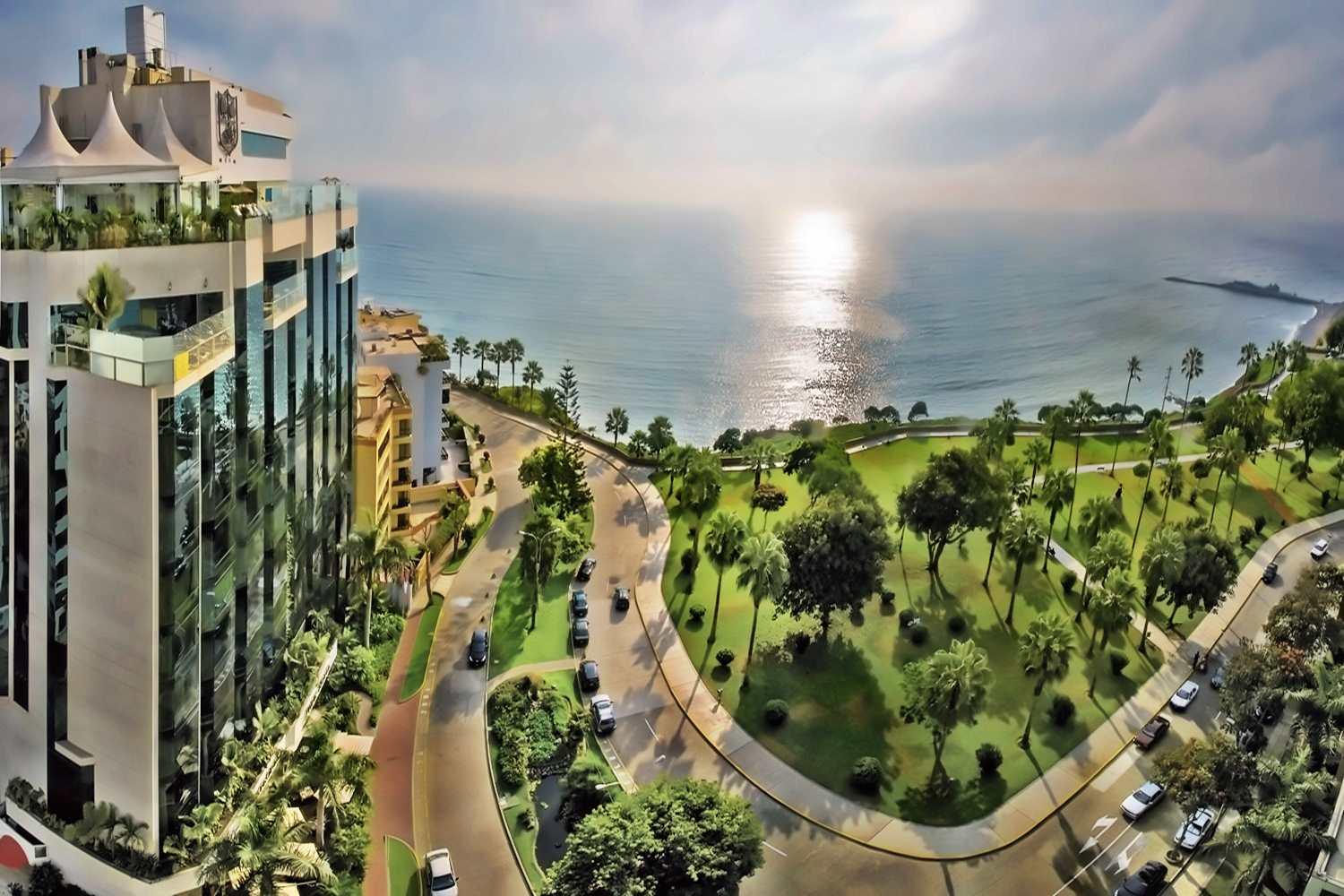
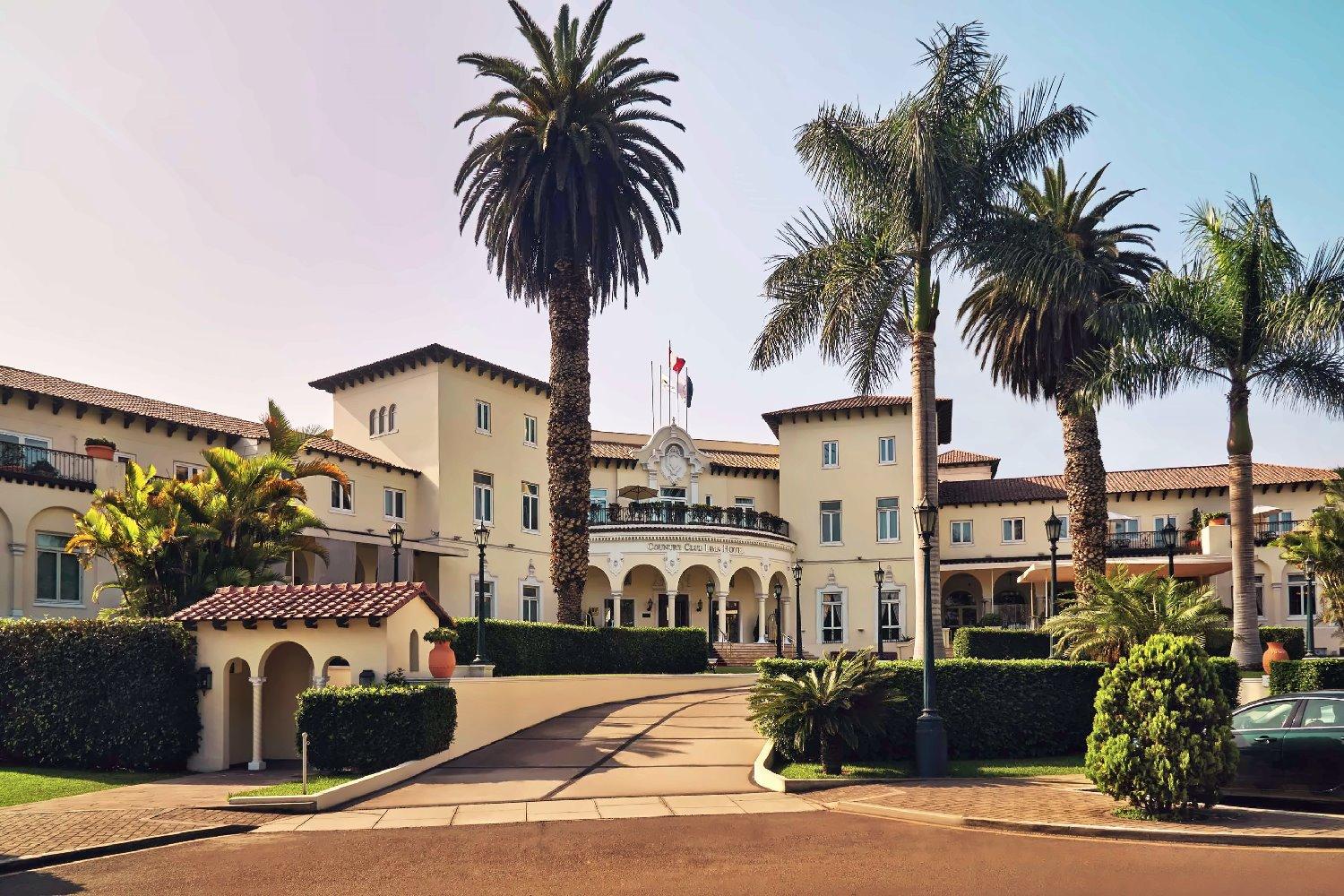
The two Virtuoso hotels provide complementary bases. Miraflores Park overlooks the Pacific beside clifftop green space and keeps Miraflores and Barranco convenient. Country Club Lima Hotel occupies a quieter historic setting in San Isidro near the business district and important archaeological context. Four nights allow food, history, archaeology and neighbourhood life without reducing Lima to arrival and departure.
Choose Miraflores or San Isidro
Miraflores Park suits travellers who value Pacific views, cliff parks, restaurants and access toward Barranco. The district is lively and convenient, though driving to the historic centre remains substantial. Confirm whether the booked category truly faces the ocean because inland and partial outlooks feel different in Lima's diffuse light. Country Club Lima Hotel offers a more residential rhythm in San Isidro,
with historic architecture and practical business access. It works well for guests who prefer calm evenings and planned cars to other districts. Neither address makes the whole metropolis walkable. Compare dinner geography, museum appointments, airport timing and desired hotel atmosphere. Then group each day by district instead of repeatedly crossing traffic.
Give the UNESCO historic centre focused time
Lima's UNESCO-listed historic centre preserves layers of viceregal religious, civic and domestic architecture. Plaza Mayor, the cathedral, monasteries, balconies and republican streets deserve an informed route rather than a hurried drive-through. Use a reputable guide who can address Indigenous histories, colonial power, faith and contemporary city life together. Check current access and opening hours directly,
dress appropriately for active religious sites and keep valuables discreet in crowded areas. Traffic makes an early start valuable. Do not combine the centre with multiple coastal dinner appointments without a buffer. One major monastery or museum, a considered walk and a proper lunch produce more understanding than collecting façades through a vehicle window. Follow current local guidance on streets and transport.
Connect Huaca Pucllana with the modern city
Huaca Pucllana demonstrates that pre-Hispanic Lima is embedded inside the contemporary capital rather than confined to a distant archaeological zone. Official access, guided circuits and opening schedules can change. So reserve through the site's authorised channel. The adobe complex is exposed to sun and uneven surfaces. use protection, water and appropriate shoes. A knowledgeable guide should explain construction,
ceremony, settlement and conservation without presenting complex societies as a prelude to the Inca alone. Pair the visit with a Miraflores walk or museum rather than a cross-city race. Respect barriers and photography rules. If an evening dining option operates on site. Confirm separately and do not assume a restaurant reservation automatically includes archaeological access.
Use Museo Larco for archaeological depth
Museo Larco offers an accessible route through thousands of years of Peruvian cultures, with galleries that help organise chronology, materials and regional diversity. Consult the museum's official opening and ticket information and allow enough time for both the main collection and visible storage when available. The celebrated erotic collection should be approached as cultural material,
not novelty. A specialist guide can connect ceramics, textiles, metalwork and belief systems to later travel in Peru. Avoid placing the museum immediately after a red-eye flight or before a rigid airport transfer. Its Pueblo Libre location requires realistic driving time from Miraflores or San Isidro. A focused lunch and no second major museum create the most intelligent day.
Treat dining as culture, not a checklist
Lima's food reflects coast, Andes, Amazon, Indigenous traditions, migration and contemporary experimentation. Famous tasting menus require early booking. But prestige alone should not determine every meal. Balance one ambitious dinner with ceviche at an appropriate daytime hour, criollo cooking, Nikkei or chifa context and neighbourhood bakeries. Ask the hotel to communicate allergies clearly in Spanish,
particularly around shellfish, fish, nuts, gluten and dairy. Raw seafood requires trust in sourcing and handling. travellers with relevant medical concerns should seek individual advice. Avoid two lengthy tasting menus on consecutive days and consider traffic when choosing a table. A market or cooking experience adds value when it explains ingredients, producers and history rather than offering photographs alone.
Walk Barranco and the cliffs with context
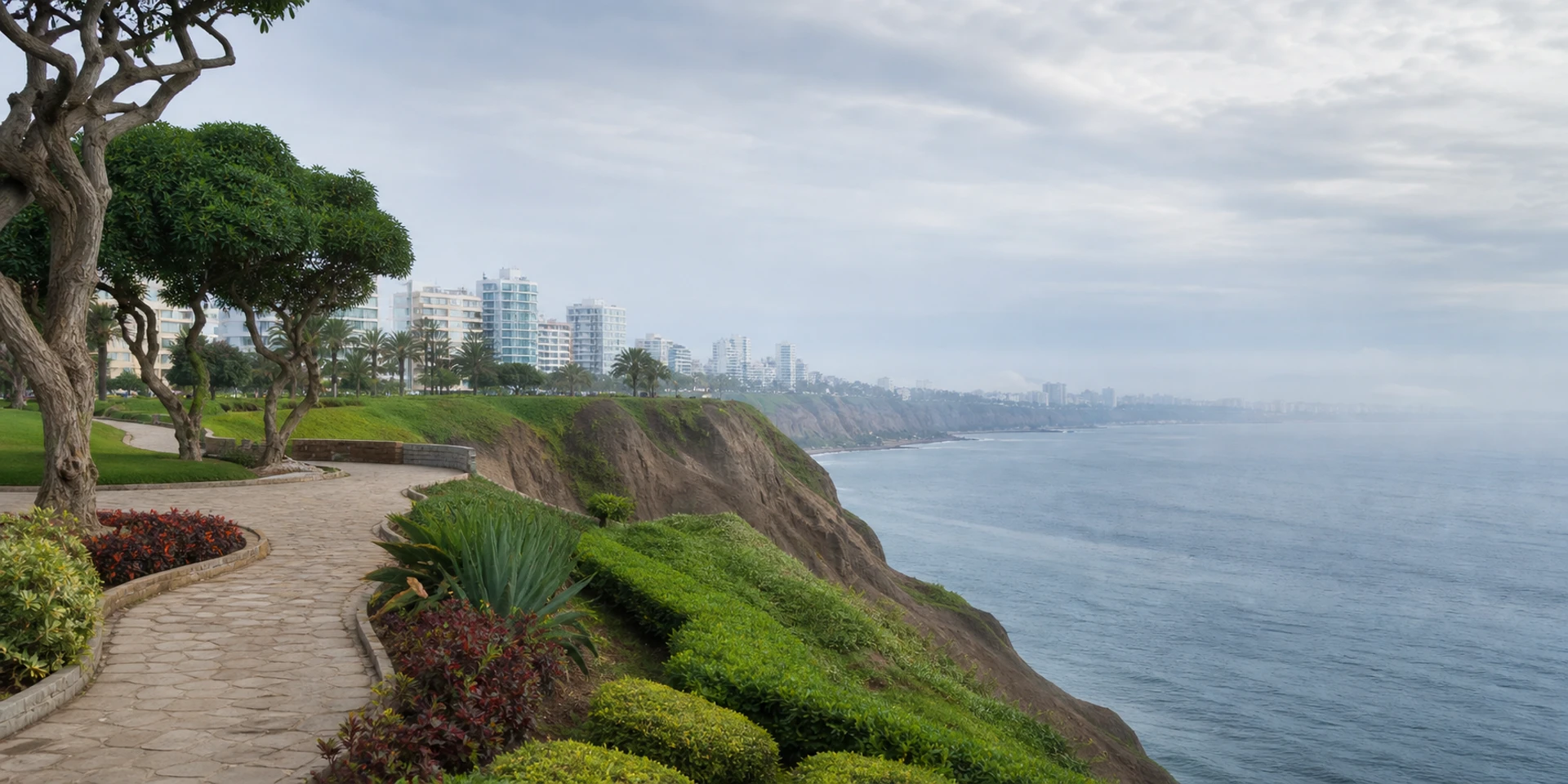
Barranco combines historic houses, galleries, music, studios, restaurants and active residential streets. Visit in daylight with a guide or carefully planned route. Then return for a reserved dinner if the evening atmosphere matters. Ask before photographing art inside private spaces or people at work. Miraflores clifftop parks reveal Lima's relationship with the Pacific. But paths,
bicycles, wind and cliff edges require attention. Paragliding and other activities depend on authorised operators and weather. never treat an informal offer as adequate safety assurance. Garúa can soften views while ultraviolet exposure remains relevant. Combine neighbourhood walking with café or gallery time. And use a licensed car between districts after dark instead of improvising a long unfamiliar route.
Plan traffic, airport and urban security
Lima's distances are shaped by congestion, not kilometres. Jorge Chávez International Airport requires a generous transfer window. And access patterns can change with infrastructure or traffic conditions. Confirm the current terminal and pickup plan with the airline, airport and hotel. Use hotel-arranged or licensed transport rather than accepting unsolicited offers. And build buffers before timed restaurants,
museums and flights. Keep phones and valuables discreet on busy streets and do not display expensive equipment unnecessarily. Local guidance can vary by district and hour. follow current hotel and authority advice. Walking is rewarding within carefully chosen neighbourhood zones. But it is not the solution for every cross-city journey. An itinerary grouped by geography saves time and reduces avoidable exposure.
Build four nights before altitude
Two nights usually reduce Lima to meals and transit. Four nights allow the historic centre, serious archaeology, Miraflores or Barranco, San Isidro and a flexible culinary rhythm. Five suits travellers with deeper museum or restaurant interests. Lima is near sea level and can be a useful pause before high-altitude destinations. But it does not itself acclimatise anyone for Cusco or the Andes.
Travellers with medical concerns should seek personal advice and plan ascent responsibly. Use only the existing Peru roundtrip mapping and confirmed transport schedules when connecting destinations. Keep the arrival day light, especially after an overnight flight. And avoid an irreplaceable tasting menu or museum ticket immediately before departure. Lima deserves complete days of its own.
Five practical Lima tips
- Group museums, walks and meals by district because traffic can transform short map distances into long transfers.
- Reserve major restaurants and official archaeological visits early. While keeping one meal flexible.
- Use hotel-arranged or licensed cars and confirm the current airport terminal and pickup procedure.
- Carry sun protection and a light layer because garúa, wind and ultraviolet exposure can occur together.
- Communicate food allergies in Spanish and verify raw-seafood choices according to personal medical needs.
Lima hotel and travel questions
How many nights should I spend in Lima
Four nights balance history, archaeology, neighbourhoods and food. five suit travellers who want deeper museum or dining exploration.
Should I stay in Miraflores or San Isidro
Choose Miraflores for Pacific parks, dining and Barranco access, or San Isidro for residential calm and practical business-district geography.
Is the historic centre worth visiting
Yes. Its UNESCO-listed architecture and layered history deserve a focused guided visit with current access and transport planning.
How early should I reserve restaurants
Reserve internationally sought-after tasting menus well ahead. Keep several simpler meals flexible and consider traffic before choosing times.
Is Lima sunny year-round
No. Coastal garúa often brings overcast, humid conditions. While summer can be brighter. Sun protection remains useful under cloud.
Can I walk everywhere
No. Walk within selected districts. But use licensed transport between distant areas and after dark according to current local guidance.
Does Lima help me acclimatise for Cusco
No. Lima is near sea level. Plan altitude ascent separately and seek medical advice when personal health makes this important.
How does Lima fit a Peru roundtrip
Use the existing country mapping and confirmed flights. Give Lima complete days rather than treating it only as an airport connection.
Combine your hotel stay with a privately designed journey through Peru, with hotels, transfers and experiences planned as one seamless itinerary.