
Virtuoso Hotels
Virtuoso Hotels in Sacred Valley, Peru
3
3
Hotels
Virtuoso hotels in the Sacred Valley: three stays within a living Andean landscape
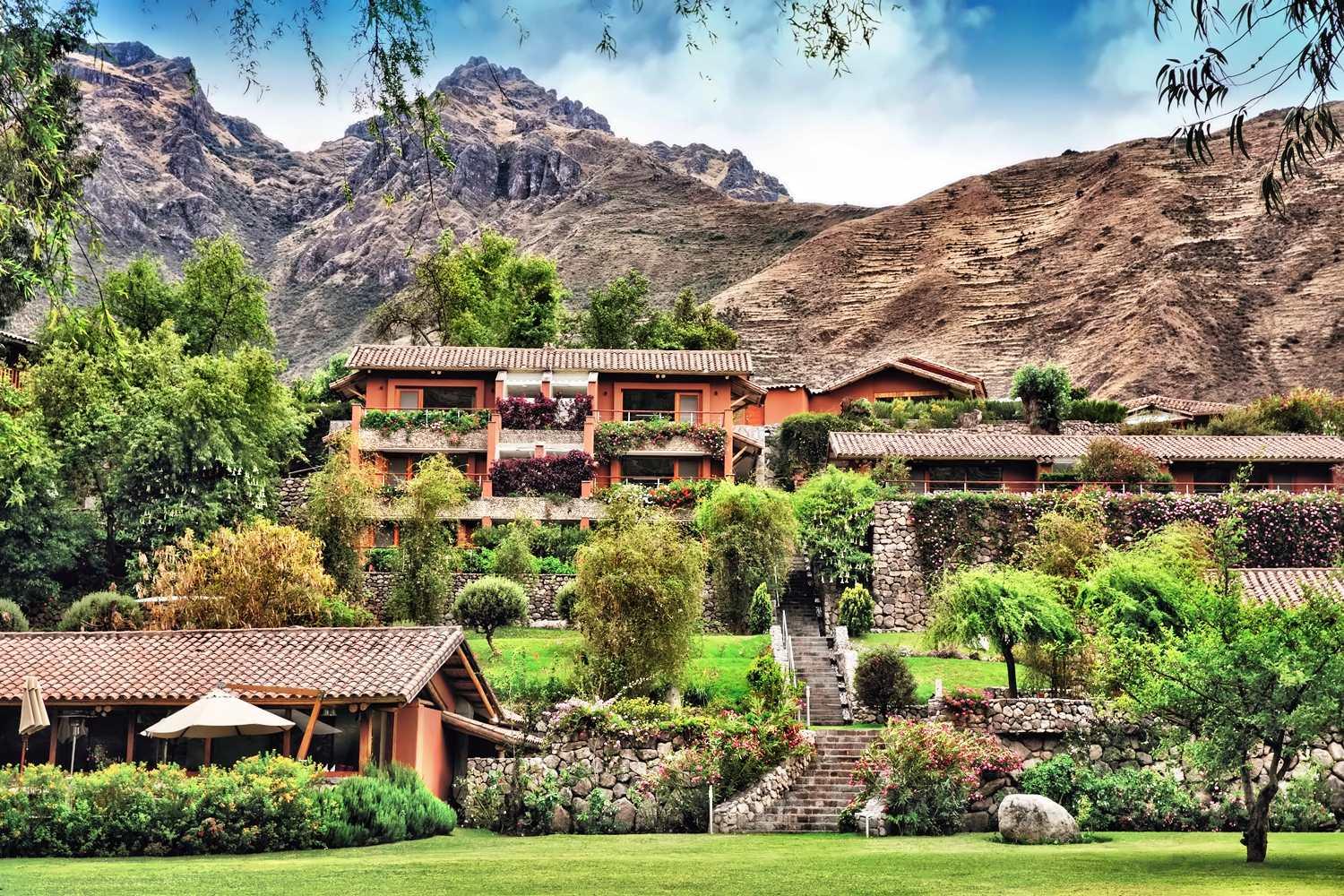
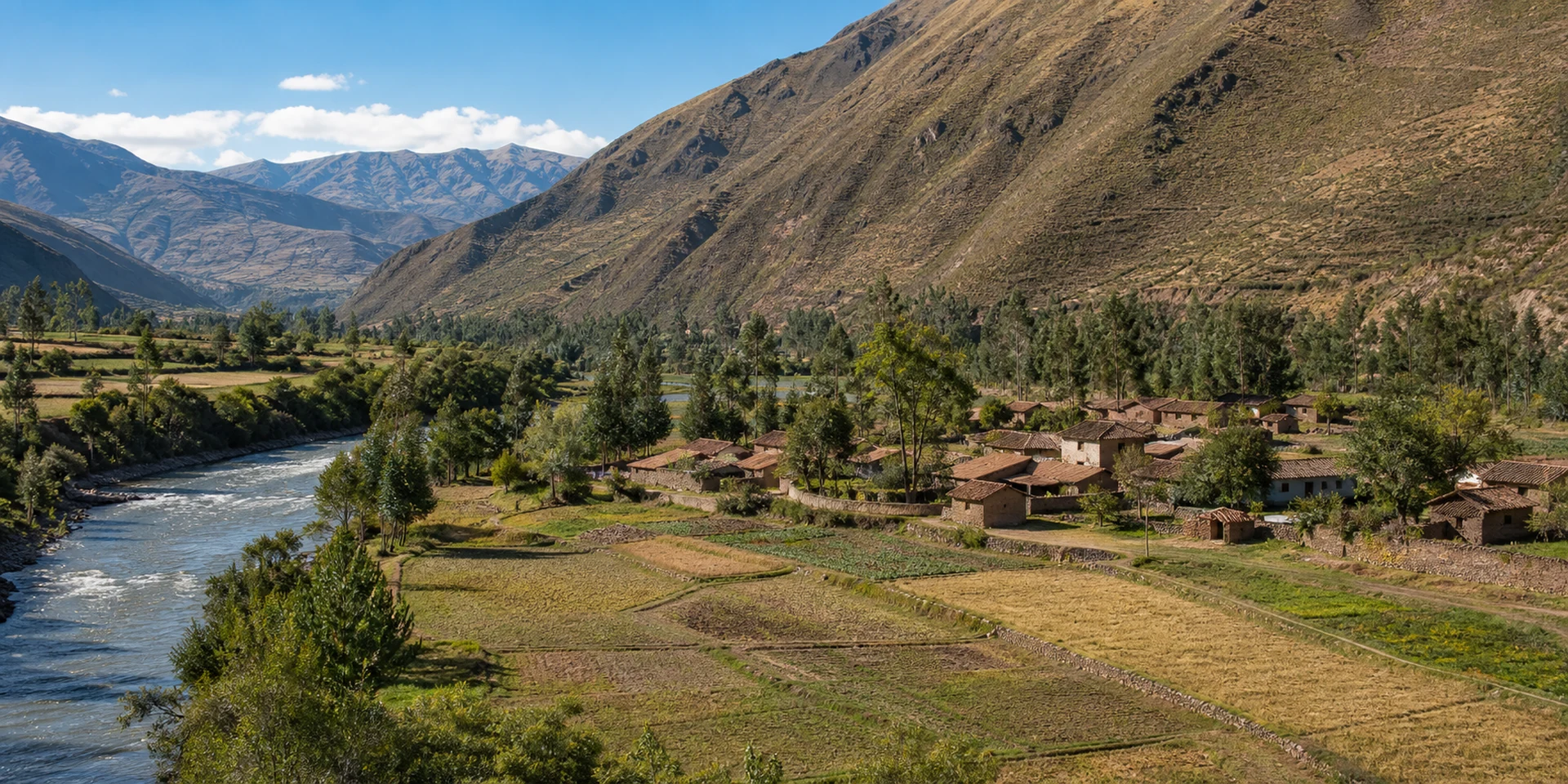
The Sacred Valley is a long inhabited corridor, not a single attraction on the way to Machu Picchu. The Urubamba River, irrigated fields, mountain walls, market towns, Quechua-speaking communities and Inca sites change character from Pisac through Calca and Urubamba to Ollantaytambo. Rio Sagrado, A Belmond Hotel, Sacred Valley occupies a lush, sloping riverside estate with a small-room count,
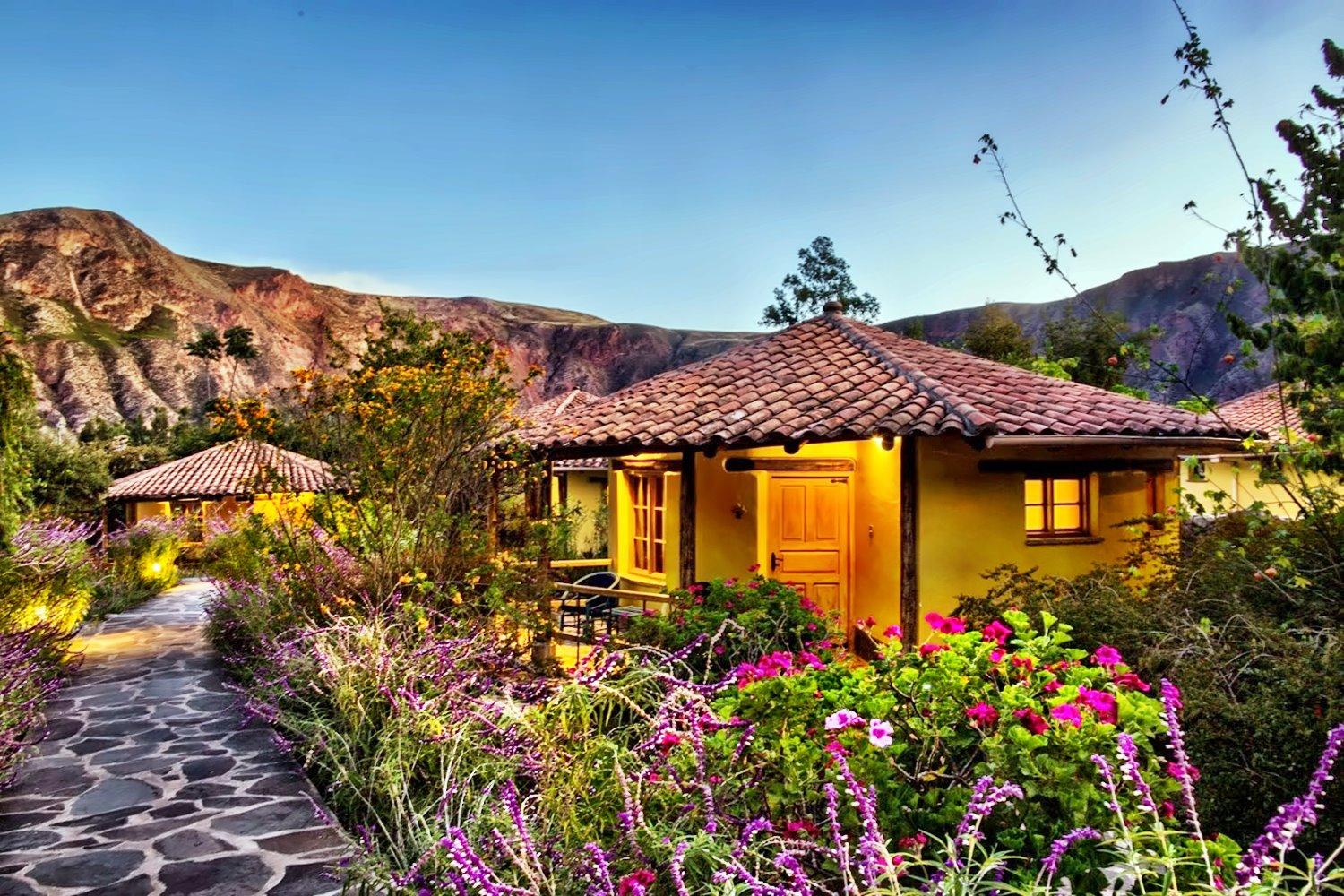
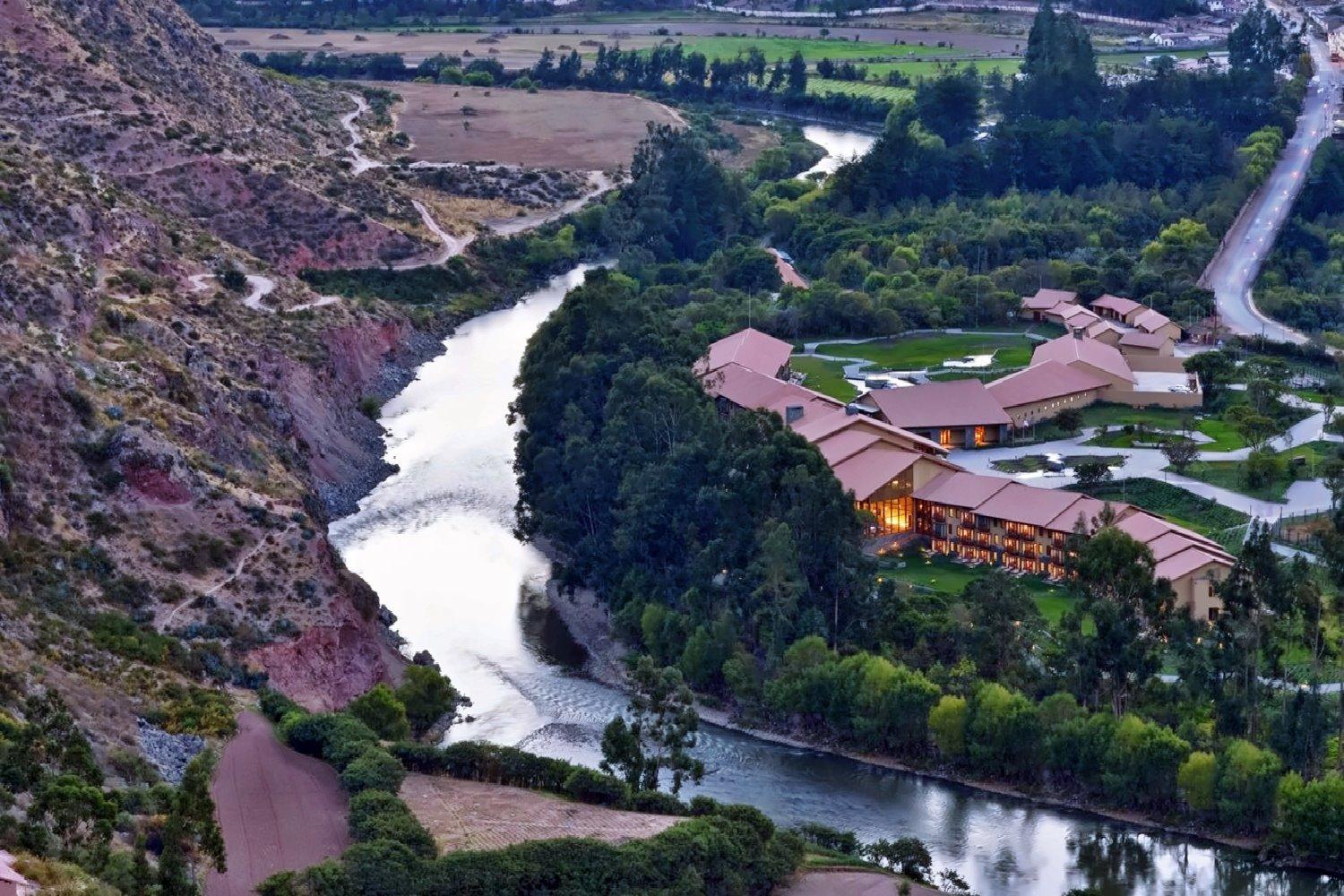
villas, El Huerto and Mayu Willka Spa. Sol y Luna spreads 43 individual casitas through gardens and links hospitality revenue to its education association, with riding, Wayra, Killa Wasi and Yacu Wasi Spa. Tambo del Inka, a Luxury Collection Resort and Spa, Valle Sagrado is the most facilities-led. Combining larger contemporary rooms, Kallpa Spa, Hawa and a private rail station whose current services must be date-checked.
Choosing among them means deciding how the landscape should be lived: intimate river retreat, colourful casita community or full resort base. Three nights allow one archaeological day, one village or maker-led day and actual hotel time. four better support acclimatisation before Cusco or Machu Picchu. Elevations across the valley remain substantial even when lower than Cusco.
And sun, cold evenings, rain, dust and steep paths require planning. Deluxetargets verifies the exact paid category, eligible Virtuoso rate and written benefits before purchase. This guide keeps living villages separate from staged folklore, pairs archaeological interpretation with official access. And builds road, rail, guide and luggage into one Peru journey. The existing Peru roundtrip link can connect the valley naturally without turning its communities into a drive-through exhibition.
Choose intimacy, social purpose or resort infrastructure
Rio Sagrado suits travellers wanting a low-key river setting, a limited collection of rooms and suites, villas for families and Belmond service. Its gardens slope. So ask about stairs, buggy help, room distance and exact river exposure. Sol y Luna feels more like an inhabited garden settlement, with individually decorated casitas, equestrian identity.
Two principal dining experiences and a social mission that should be understood beyond a slogan. Tambo del Inka offers the broadest conventional infrastructure, substantial spa, larger inventory. Indoor and outdoor pool relationships and a private station, useful for guests who value operational breadth. Map bedroom count, connecting needs, lift or step tolerance, restaurant priorities, spa time and planned excursions before rate. The most expensive suite is not automatically closest to the movement pattern your itinerary requires.
Understand a valley of distinct towns
Pisac anchors the eastern approach with its archaeological complex and market town. Urubamba functions as a practical central base. Ollantaytambo combines an active settlement, monumental Inca works and a major rail station. Chinchero sits higher toward Cusco with a different climate, textile traditions and archaeological layers. They are not interchangeable photo stops. Road time expands with traffic,
works, festivals and weather. While walking surfaces and altitude differ. Choose two focused areas for a full day instead of promising every name between breakfast and dinner. A good guide explains agricultural terraces, water, colonial interventions and present-day livelihoods without treating residents as remnants of an extinct civilisation. Ask the hotel to state collection time,
actual driving, meal plan and return after dark. Preserve one unstructured valley interval so landscape remains more than scenery through a window.
Visit living communities through permission and reciprocity
Quechua culture in the Sacred Valley is contemporary, diverse and shaped by family, farming, education, tourism and migration. A respectful community visit begins with a locally authorised host and a clear explanation of who receives payment. It avoids entering schools, homes, workshops or ceremonies merely because an outside operator calls the moment authentic. Ask before photographing anyone,
especially children. And accept refusal without offering money for a posed image. Learn a greeting, listen to the maker's account and buy only when the work, price and transport make sense. Sol y Luna publicly connects hotel profits with its association. interested guests should ask how governance, safeguarding and educational continuity operate rather than seeking emotional access to pupils.
Clothing, language and ritual are not costumes for visitors. Reciprocity can be quiet: fair fees, patient conversation and respect for private space.
Give archaeology its own trained interpretation
Ollantaytambo and Pisac deserve more than labels as warm-ups for Machu Picchu. Their terraces, water systems, defensive interpretations, ceremonial spaces and relationships to older and later occupation require a specialist who distinguishes evidence from attractive certainty. Verify current official hours, admission system and any bundled cultural ticket close to travel, because access and restoration work can change.
Start early, wear shoes with grip and carry layers and water. both sites involve exposed slopes and irregular steps. Never climb closed masonry, touch carved surfaces or fly a drone. In Ollantaytambo, the modern town and archaeological zone overlap but are not one stage: residents need doorways and lanes kept clear.
Separate the ruin visit from lunch and a slow street walk instead of turning the whole place into a quick platform before the train.
Use the lower elevation to acclimatise honestly
Many Sacred Valley bases sit lower than central Cusco, which can make them a sensible first Andean stop. But lower does not mean low. Symptoms can include headache, poor sleep, nausea, fatigue and shortness of breath. And individual response is unpredictable. Arrive gently, hydrate, eat modestly, limit alcohol and delay strenuous riding or high trail activity until you know your response.
Seek medical advice before travel for cardiopulmonary conditions, pregnancy or medications. And use professional help if symptoms worsen rather than relying on tea or hotel oxygen as a cure. Daytime ultraviolet exposure is strong. shade, hat, clothing and sunscreen matter even in cool air. Nights can be cold. And the rainy season changes roads, paths and river conditions. Build a genuine rest period into arrival day rather than disguising a long excursion as acclimatisation.
Plan farms, markets and textiles without staging
The valley's appeal comes partly from agriculture: maize, potatoes, quinoa, vegetables, orchards and irrigation shape both land and cuisine. A farm or market visit should follow current local permission, hygiene and trading rhythms, not rearrange work for a camera. In Chinchero or another textile setting. Ask the artisan to explain fibre, spinning, dye, weaving time and authorship.
then distinguish a locally made piece from imported or machine-assisted souvenir stock without humiliating a seller. Bargaining should remain proportionate to the value of labour. Hotel dining can extend the lesson. El Huerto, Sol y Luna's restaurants and Hawa each interpret Andean ingredients differently. But reserve and disclose dietary needs early. Avoid claiming every ingredient is hyperlocal without evidence.
One excellent maker meeting and one carefully chosen meal offer more understanding than four scripted demonstrations in a single day.
Connect road, private station and Machu Picchu rail
The Sacred Valley is a logical staging point for Machu Picchu because Ollantaytambo and other valley stations serve the rail corridor. Tambo del Inka's private station is distinctive. But not every train or timetable necessarily calls there on every date. confirm the exact operating service and a road alternative before choosing the hotel for that feature.
Rio Sagrado and Sol y Luna require planned transfers to the relevant station. Record pickup time, road duration, check-in deadline, luggage allowance, seat, arrival assistance and the location of the main suitcase. Weather, demonstrations and operations can change road or rail. So keep supplier contacts offline and avoid an unprotected same-day flight connection.
A premium carriage does not include Machu Picchu admission. Match the separate official citadel ticket and bus to the train chain, with enough margin for queues and walking.
Shape three or four nights inside a wider Peru journey
Three nights support a gentle arrival, one archaeological focus, one community, landscape or maker day and at least one spa or garden interval. Four nights add weather margin, a second geographic area or a deeper rest before Machu Picchu. Avoid changing between these nearby hotels during a short stay. packing and reorientation consume the very valley rhythm you came to find.
A coherent first Peru journey can begin in Lima, move to the Sacred Valley. Continue to Machu Picchu and then rise to Cusco, though flights and personal health may require another order. The existing tailor-made Peru journey link helps coordinate qualified guides, drivers, rail and hotels. It should also preserve unscheduled time and ensure each community visit has consent and economic clarity. Finish the valley with a local morning, not a distant excursion before a fixed train.
Five practical tips for a considered Sacred Valley stay
- Start gently — Use arrival for hydration, a short garden walk and early sleep rather than a high trail.
- Map the valley — Group Pisac, Urubamba, Ollantaytambo or Chinchero by geography instead of collecting every name.
- Verify the train — Confirm the exact station, operating service, luggage and road fallback for your date.
- Ask before photographing — Treat villages, workshops and markets as working communities, not open portrait studios.
- Protect hotel time — Reserve one meaningful meal, spa or garden interval that justifies the property you selected.
Frequently asked questions about Virtuoso hotels in the Sacred Valley
Which hotel feels most intimate by the river
Rio Sagrado combines a limited room count, sloping gardens, villas and direct Urubamba atmosphere.
Which hotel has individual garden casitas
Sol y Luna has 43 casitas and links its hospitality model to a local education association.
Which hotel offers the broadest resort infrastructure
Tambo del Inka has the largest conventional facilities, major spa and a date-dependent private-station advantage.
Is the Sacred Valley lower than Cusco
Generally yes. But it remains high altitude and still requires gentle acclimatisation and health awareness.
How many nights should I stay
Three are a strong minimum. four add weather margin, another valley area and proper recovery.
Can I visit Pisac and Ollantaytambo in one day
It is possible but often rushed. a specialist should design realistic driving and site time.
Does the hotel train include Machu Picchu entry
No. rail, bus and the official named archaeological ticket are separate arrangements.
Are Virtuoso benefits guaranteed for every booking
No. the channel and rate must qualify. While upgrade and flexible arrival remain availability-dependent.
Combine your hotel stay with a privately designed journey through Peru, with hotels, transfers and experiences planned as one seamless itinerary.