
Virtuoso Hotels
Virtuoso Hotels in Lisbon, Portugal
7
7
Hotels
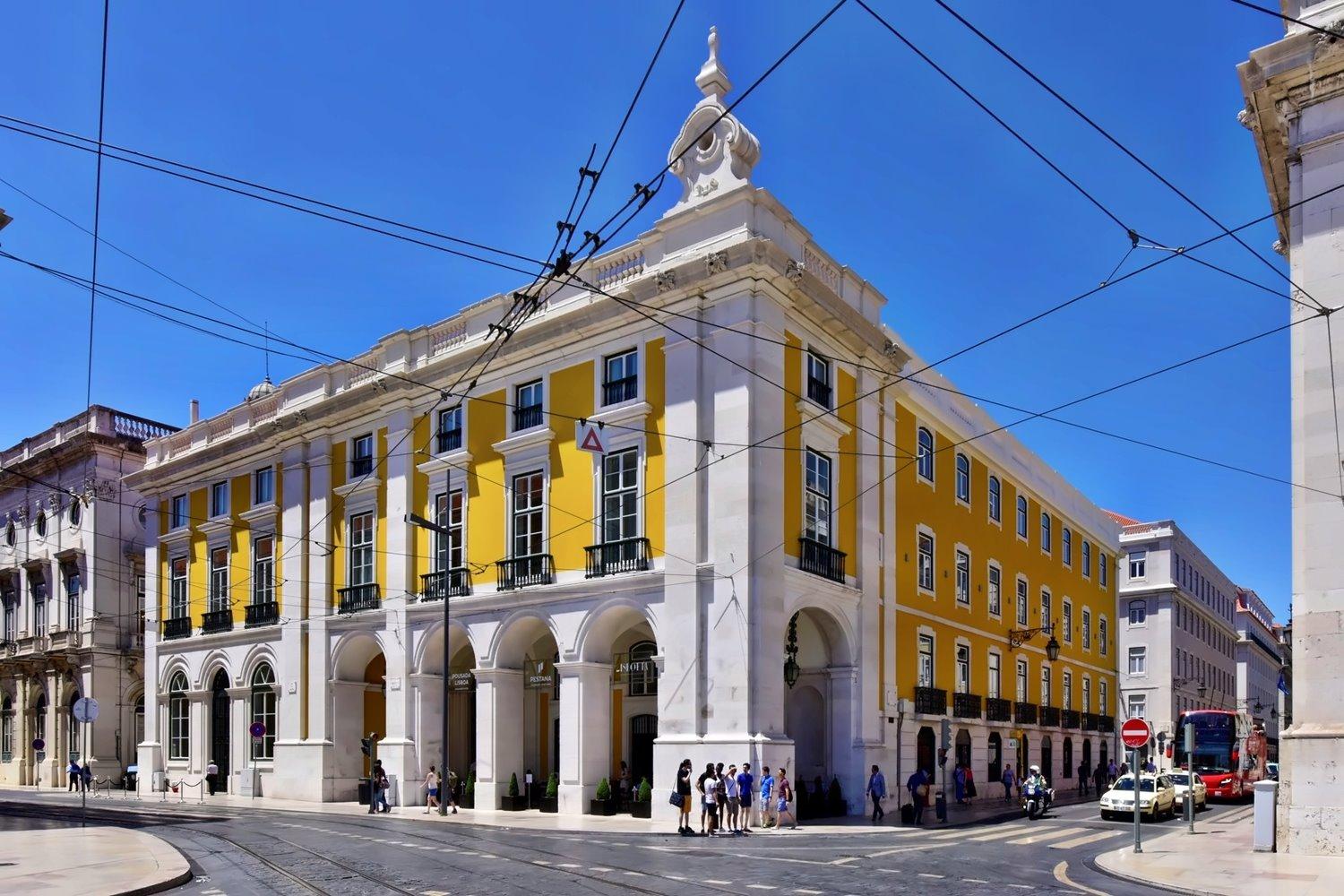
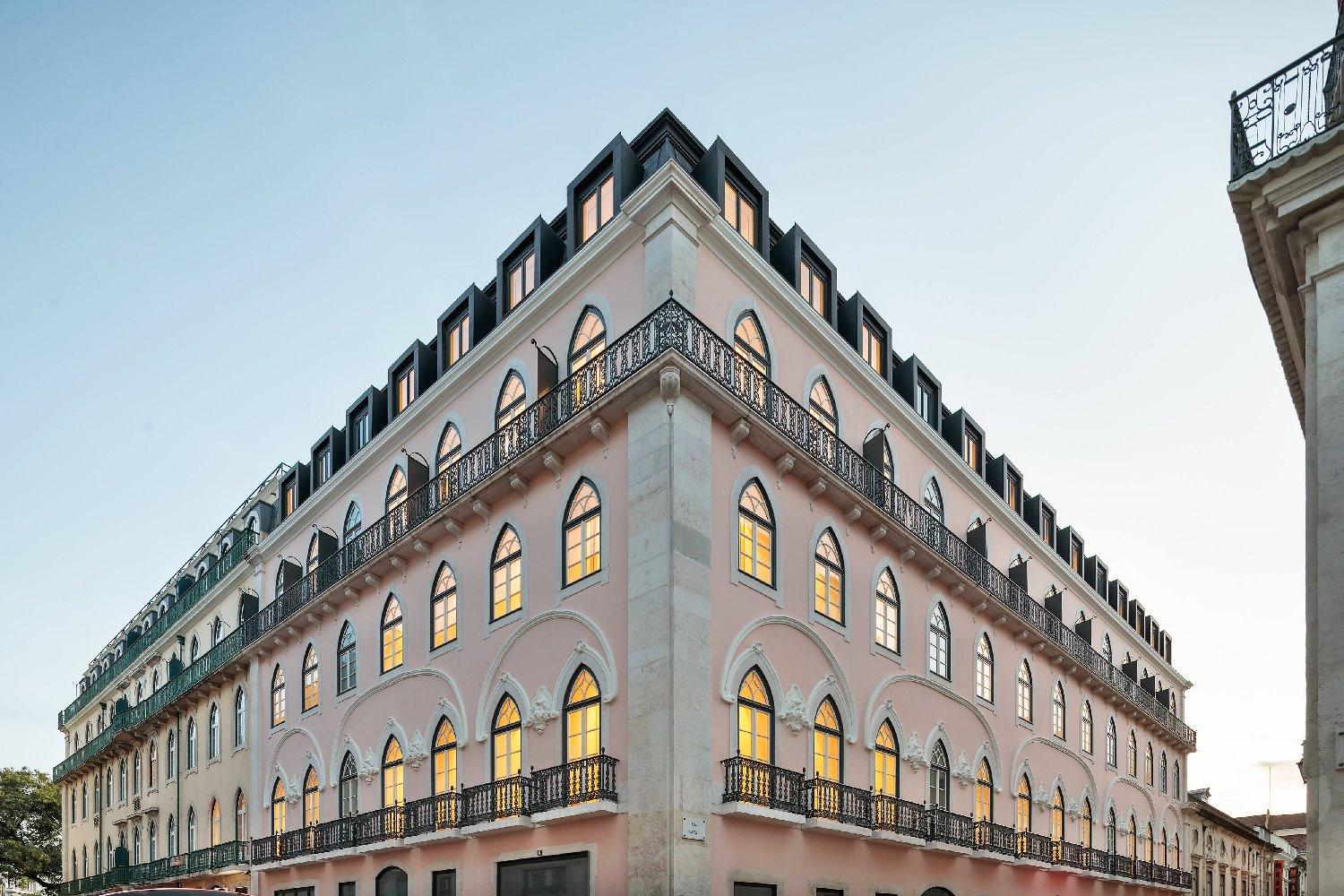
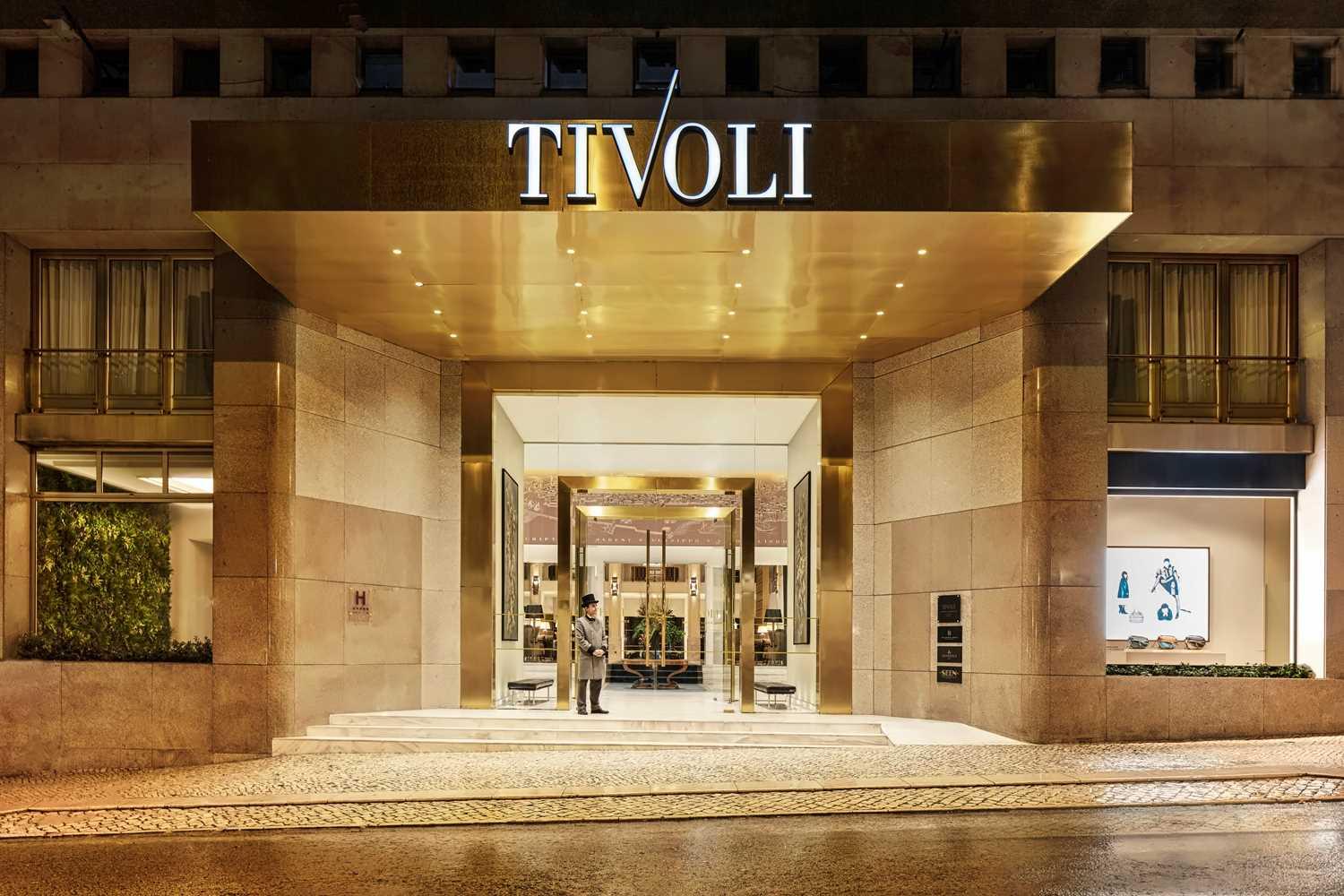
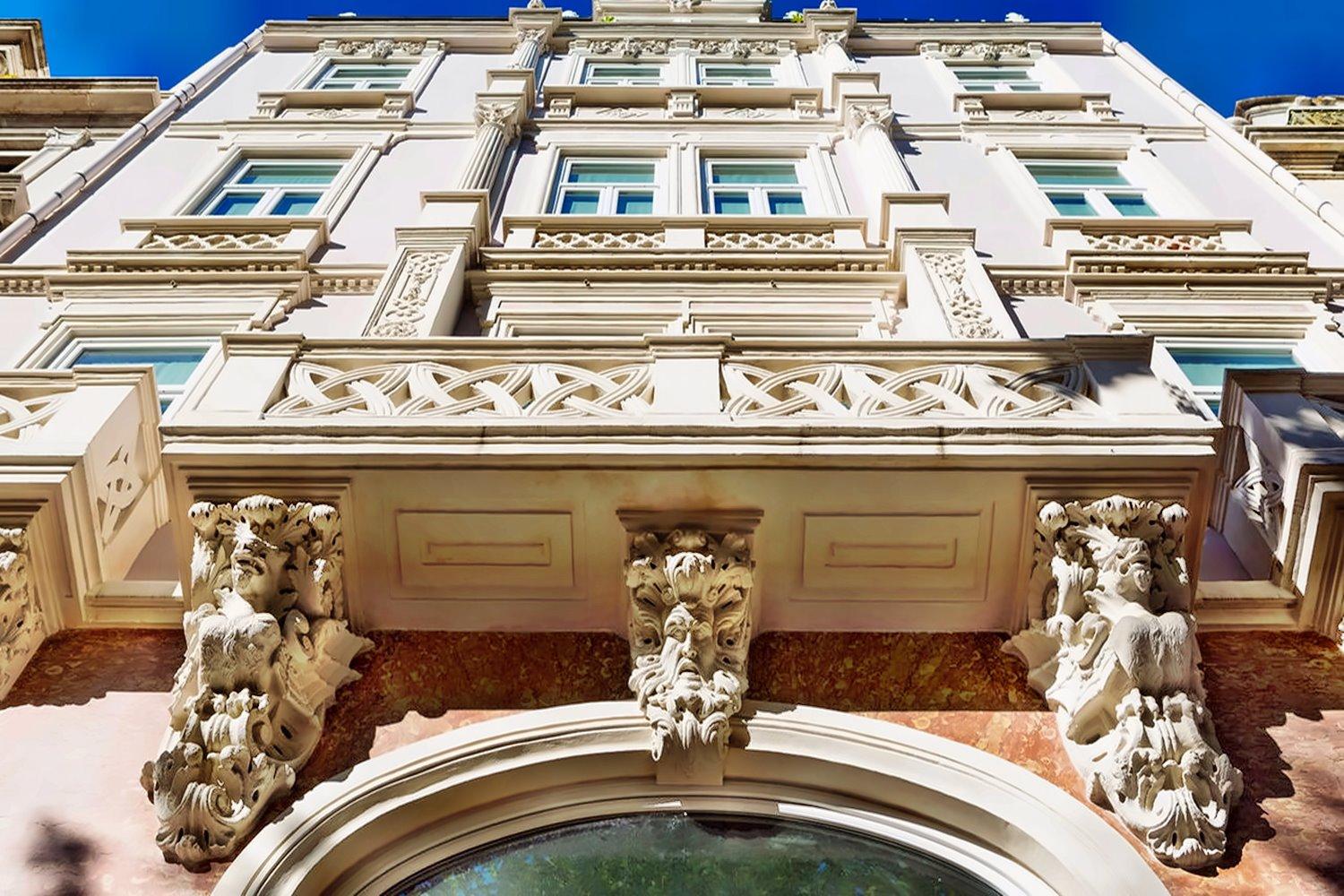
Virtuoso hotels in Lisbon: the right address for hills, heritage and the Tagus
Lisbon is not one compact historic centre but a sequence of hills, riverfront districts and distinct daily rhythms. Chiado and Bairro Alto place restaurants, theatres and steep lanes outside the door. Baixa gives the clearest walking access to Praça do Comércio and the river. Avenida da Liberdade offers elegant city-hotel comfort. Lapa protects residential calm and gardens. Choosing the hotel by geography is more useful than comparing star categories alone.
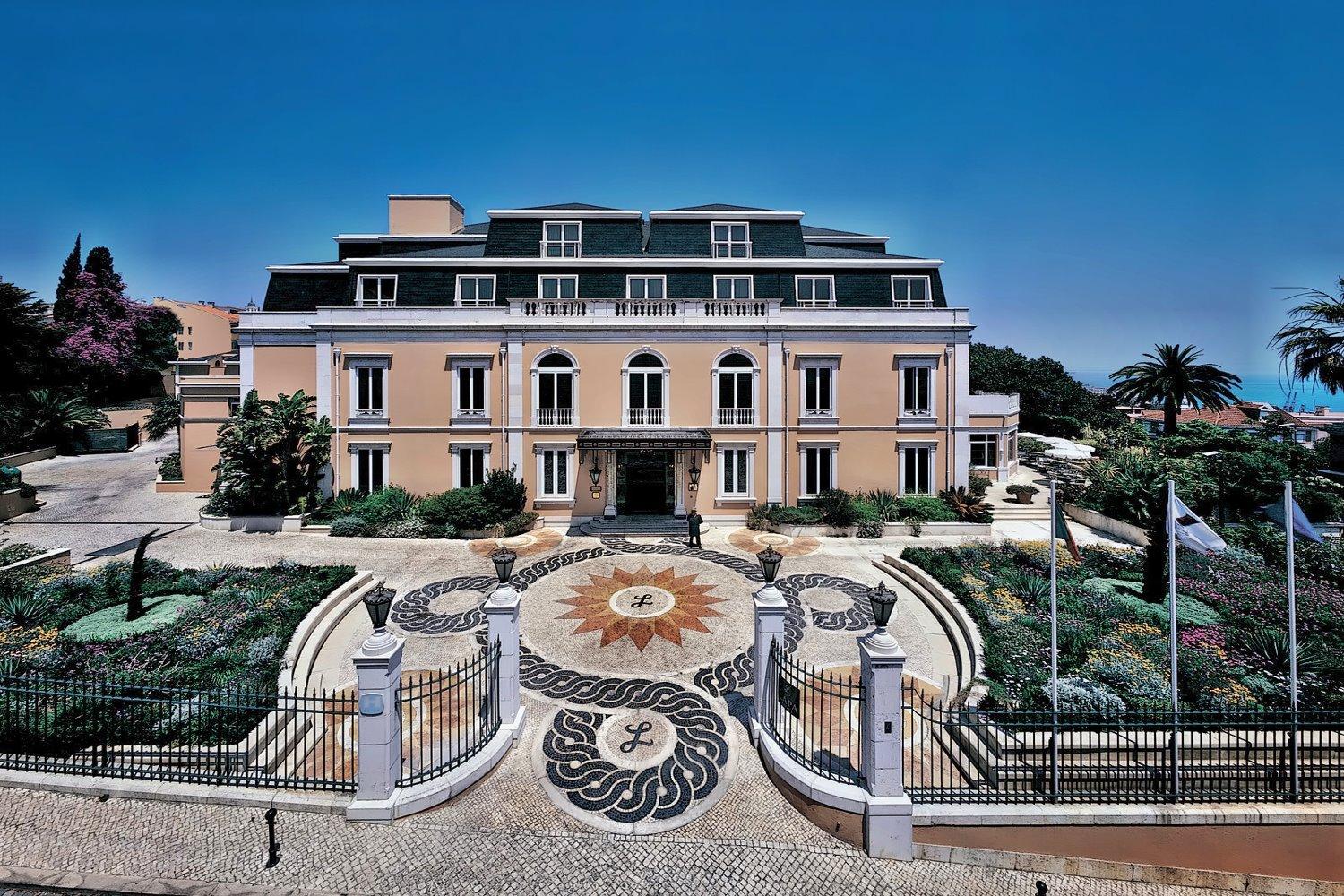
The Virtuoso collection spans a grand modernist landmark, intimate townhouse hotels, a nineteenth-century palace, a monumental riverside pousada and lively design-led addresses. This guide compares those settings, builds a realistic four-day plan and explains how to combine Alfama. Belém, art, food, fado and Sintra without spending the journey in traffic or queues. Lisbon rewards early starts, comfortable shoes and deliberate pauses above the Tagus.
Choose the district before the hotel
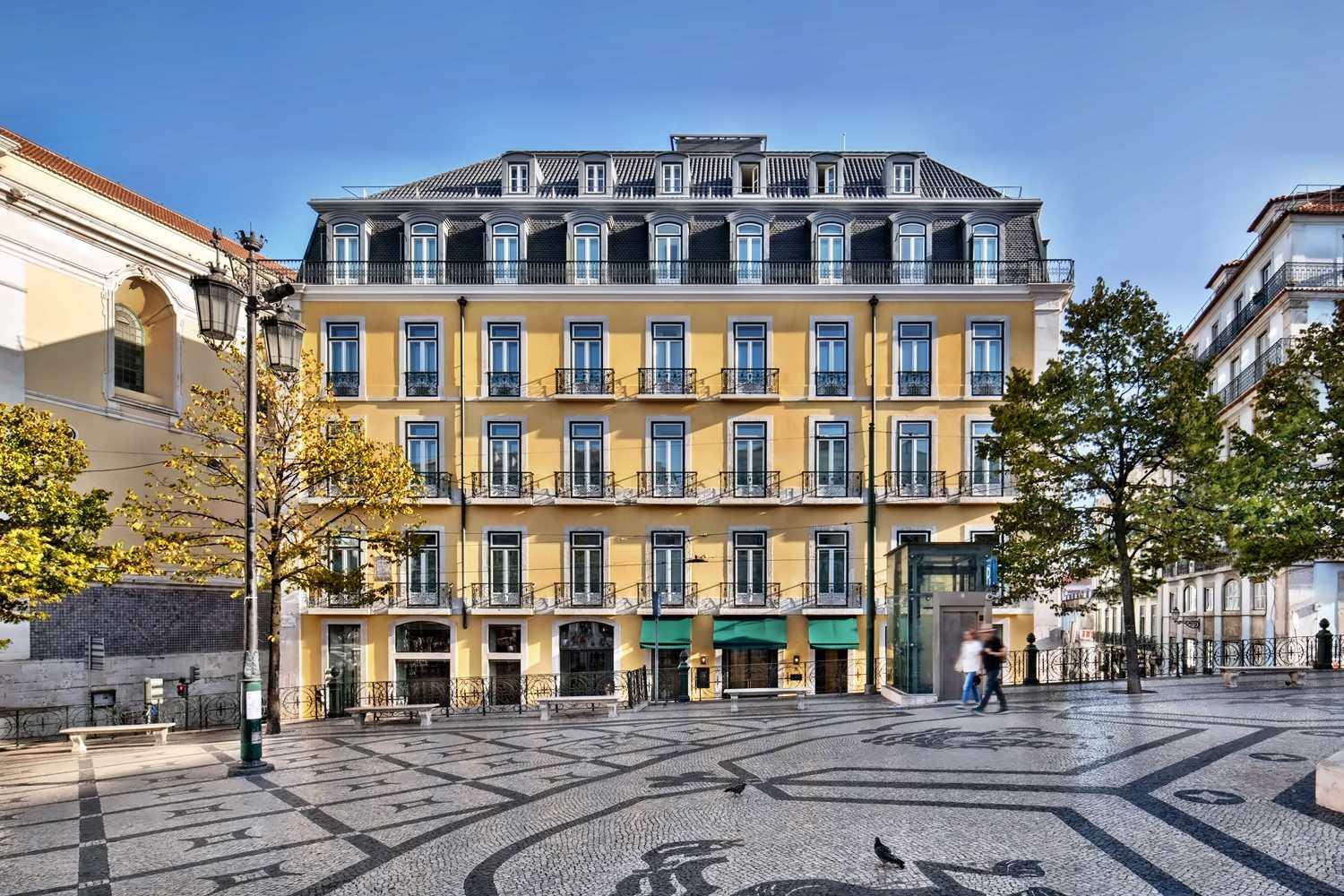
Stay in Chiado or Bairro Alto for immediate restaurants, independent shops and a dense cultural evening. choose Baixa for level river access and a first-time orientation. select Avenida da Liberdade for larger facilities, polished transfers and easy movement north or south. choose Lapa for gardens, diplomacy-quarter calm and a residential atmosphere. No district solves every day.
Compare walking tolerance, desired nightlife, room outlook and how often a car will be needed before deciding which hotel feels most luxurious.
Baixa, Chiado and Bairro Alto on foot
Begin at Praça do Comércio before tour groups fill the arcades. Then cross the rational Pombaline grid of Baixa toward Rossio. Continue uphill by foot or funicular to Chiado, where bookshops, cafés and theatres make a useful midday chapter. And enter Bairro Alto later when its lanes change character. The pavements can be polished and steep.
So footwear matters. A private guide adds value by connecting the 1755 earthquake, reconstruction, trade and contemporary city life rather than merely linking viewpoints.
Alfama, the castle hill and fado
Alfama should be walked slowly from a high starting point down toward the river, not attacked as a checklist of lanes. Combine one viewpoint, the cathedral area, São Vicente or the castle according to current access. Then leave room for courtyards and tiled façades. Tram 28 is historic public transport. But crowding can make a private tram experience,
another route or walking more sensible. For fado. Choose an artist-led house. Reserve ahead and listen during the performance instead of treating music as background to conversation.
Belém needs a dedicated half-day
Belém is west of the historic centre and deserves one coherent visit. Reserve Jerónimos Monastery according to official opening and ticket information, view the UNESCO-listed tower in its river setting. And add only one substantial museum such as the contemporary collection at Centro Cultural de Belém or the National Coach Museum. Walk the waterfront and taste the district’s famous custard pastry.
But do not combine every monument. Morning light, shorter queues and a pre-arranged return make the experience markedly calmer.
Azulejos, art and modern Lisbon
The National Tile Museum gives the strongest context for the azulejos seen across façades, churches and stations. its location east of the centre means it should be planned rather than added casually. Pair it with one contemporary institution, private gallery appointment or architectural walk. Calouste Gulbenkian’s collections and gardens form a separate northern chapter.
While MAAT and Belém work geographically together. Check exhibition calendars and closure days. Then protect enough time to look closely instead of moving through several museums at headline speed.
Restaurants, markets and the right food rhythm
Lisbon dining reaches beyond seafood and pastel de nata: regional Portuguese cooking, Atlantic fish. Shellfish, petiscos, mature cheeses, rice dishes and modern tasting menus all deserve space. Reserve one important dinner, one traditional address and one spontaneous lunch rather than stacking formal meals. Markets are most useful with a culinary specialist who knows producers and avoids staged sampling.
Confirm allergies in Portuguese. Ask about the day’s catch and prices. And let lunch run late when the kitchen and room invite it.
Viewpoints without chasing every miradouro
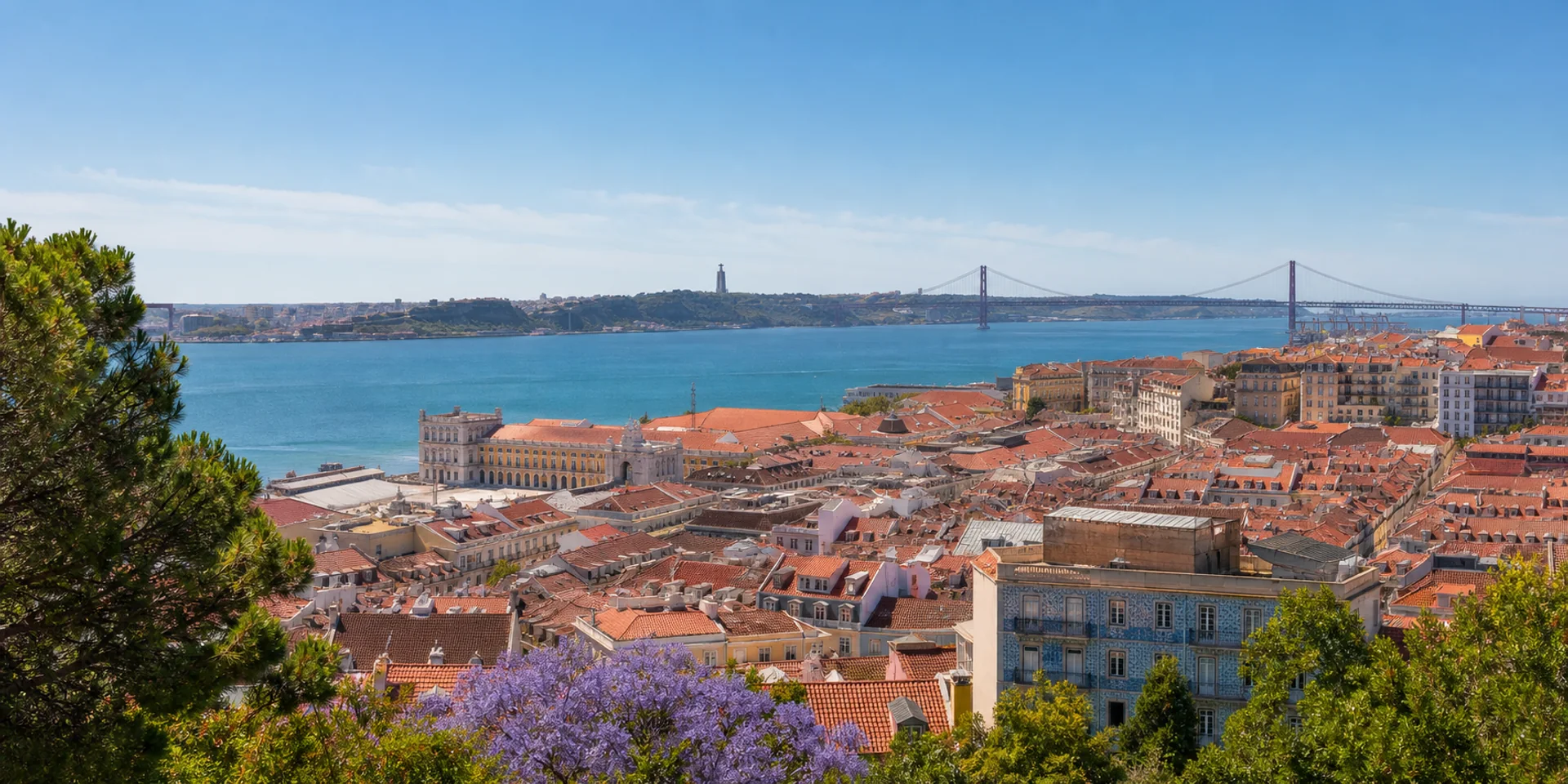
Lisbon’s miradouros reveal how hills, castle, river and bridge relate. But visiting too many creates repetition and unnecessary climbing. Select one eastern viewpoint for Alfama roofs, one central terrace around Chiado or São Pedro de Alcântara. And perhaps a hotel rooftop for an unhurried final perspective. Go early for clear space and daytime photography.
In heat, use a driver, funicular or elevator strategically. Then walk downhill. Keep valuables secure in crowded transport and never sacrifice a museum reservation merely for another similar panorama.
A realistic four-day Lisbon plan
Day one should establish Baixa, Chiado and the river with a private historical walk. Use day two for Alfama, one major monument and an evening of serious fado. Give day three to Belém, its UNESCO heritage and a chosen museum, returning for protected hotel time before dinner. Day four can focus on tiles and contemporary art,
or become a private Sintra excursion. A fifth night allows Cascais, additional design, a slower food day or simply the pool and gardens without turning Lisbon into a transit stop.
Sintra is an excursion, not an afterthought
Sintra’s palaces, gardens and microclimate require an early departure, timed entries and a selective route. Choose two major sites at most, match walking demands to fitness and use a knowledgeable driver-guide because traffic. Parking and one-way systems can consume the day. Mist is part of the landscape rather than a failure. While summer crowds reward the earliest official slot.
Add the coast only if it does not compress the palaces. And return to Lisbon before a late, demanding dinner reservation.
Season, weather and the seven hills
Spring and autumn usually offer comfortable walking weather but also strong demand. summer calls for early monuments, shaded lunches and a pool or spa interval. winter can bring bright days, rain and cooler interiors. Wind on the riverfront differs from heat in sheltered lanes. Lisbon’s calçada paving becomes slippery when wet. And gradients are real even when distances look short.
Pack grip, layers and sun protection. Then plan the hardest ascent in the morning rather than repeatedly crossing hills throughout the day.
Airport, transfers and city movement
Lisbon Airport is close to the city on a map, yet traffic and arrivals can vary sharply. Arrange a private transfer for a smooth first impression and confirm whether the hotel entrance is accessible during street restrictions. Metro, trams and funiculars are useful. While taxis or vetted drivers protect energy between distant districts. Keep Belém,
Alfama and Avenida appointments geographically grouped. For departure. Allow a conservative buffer and do not place a prepaid museum entry or long lunch immediately before the airport transfer.
Booking the right Virtuoso stay
Assess the qualifying Virtuoso rate as a complete stay rather than a room-only price. Breakfast, a 100 USD hotel credit or an experience, priority for room and suite upgrades, priority for early check-in and late check-out. And VIP recognition can materially change value. But exact terms are confirmed for the chosen dates.
Ask us to compare room size, balcony, river or garden outlook, noise exposure, pool season and connecting options. In Lisbon, the best benefit is often the room category and location that remove daily friction.
Our Lisbon planning recommendations
- Choose Chiado, Baixa, Avenida da Liberdade or Lapa by walking style and evening rhythm before comparing hotel brands.
- Reserve Jerónimos, major museums, fado and the most important restaurant before arranging flexible neighbourhood walks.
- Walk Alfama from high to low with a specialist guide and use trams for transport, not as the centre of the itinerary.
- Give Belém one coherent half-day and Sintra one selective full day with timed entries rather than combining them.
- Keep one afternoon for the hotel pool, garden, spa or rooftop so Lisbon’s hills do not exhaust the journey.
Frequently asked questions about Virtuoso hotels in Lisbon
Which Lisbon district is best for a first stay
Chiado and Baixa give the easiest central orientation. While Avenida da Liberdade offers larger hotel facilities and Lapa gives residential calm.
How many nights should I spend in Lisbon
Four nights cover the principal districts at a good pace. five allow Sintra without sacrificing the city.
Do I need a private guide
A specialist guide is particularly valuable for the earthquake history, Alfama, azulejos and a selective Sintra day.
Is Tram 28 essential
It is atmospheric public transport. But queues and crowding can make walking, another tram or a private arrangement more rewarding.
Can Belém and Sintra be combined
We do not recommend it because both deserve protected time and timed access. separate them for a calmer journey.
When is Lisbon most comfortable
Spring and autumn are attractive for walking. While summer requires early starts and winter benefits from flexible indoor alternatives.
Are Virtuoso benefits identical at every hotel
No, the qualifying rate and exact credit or experience are confirmed for each property and stay.
Can I book these hotels online
Yes, the booking button opens PrivateUpgrades with live availability, rates and confirmed benefits.
Combine your hotel stay with a privately designed journey through Portugal, with hotels, transfers and experiences planned as one seamless itinerary.