
Virtuoso Hotels
Virtuoso Hotels in Seoul, South Korea
3
3
Hotels
Virtuoso hotels in Seoul: river districts, royal history and precise metropolitan planning
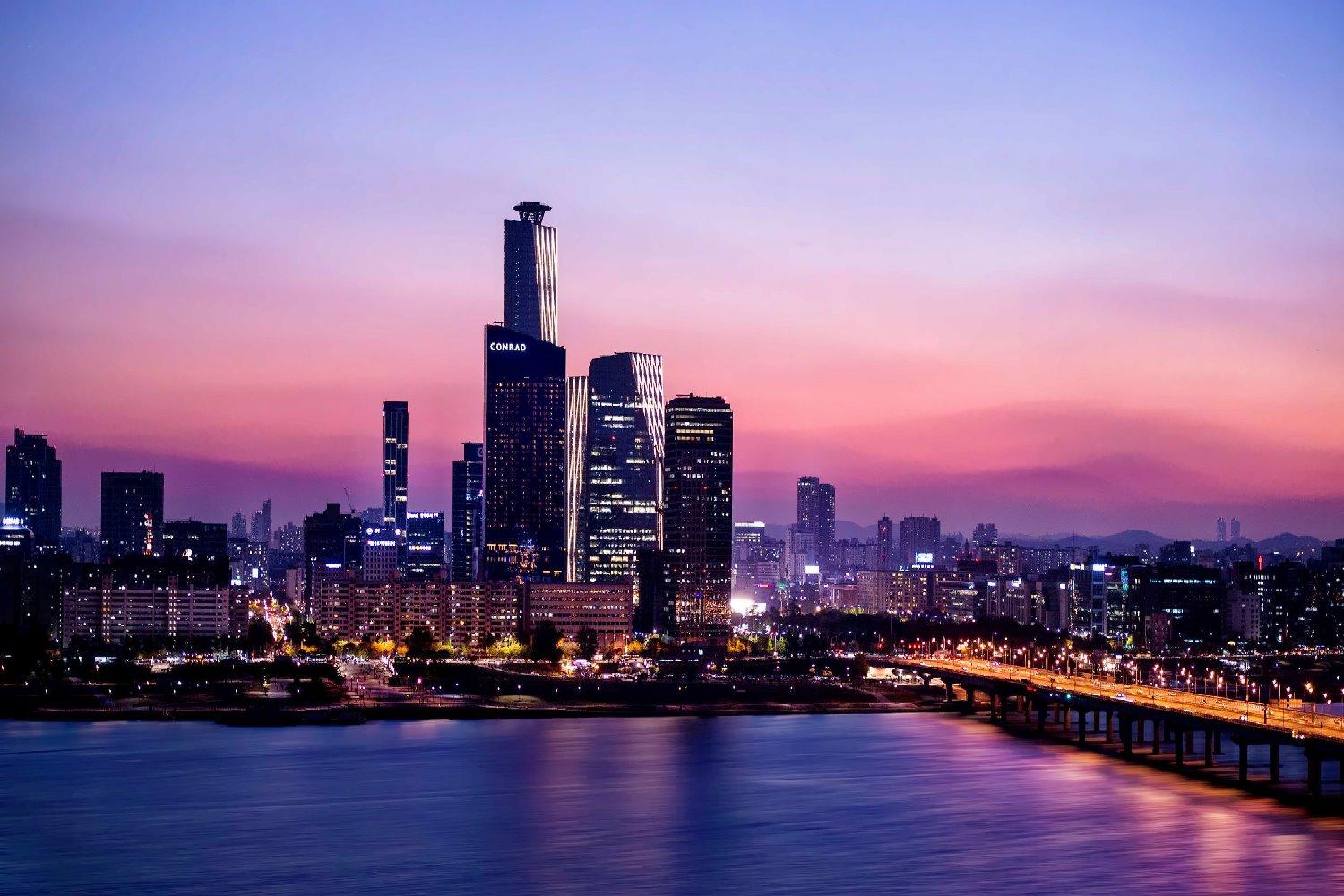
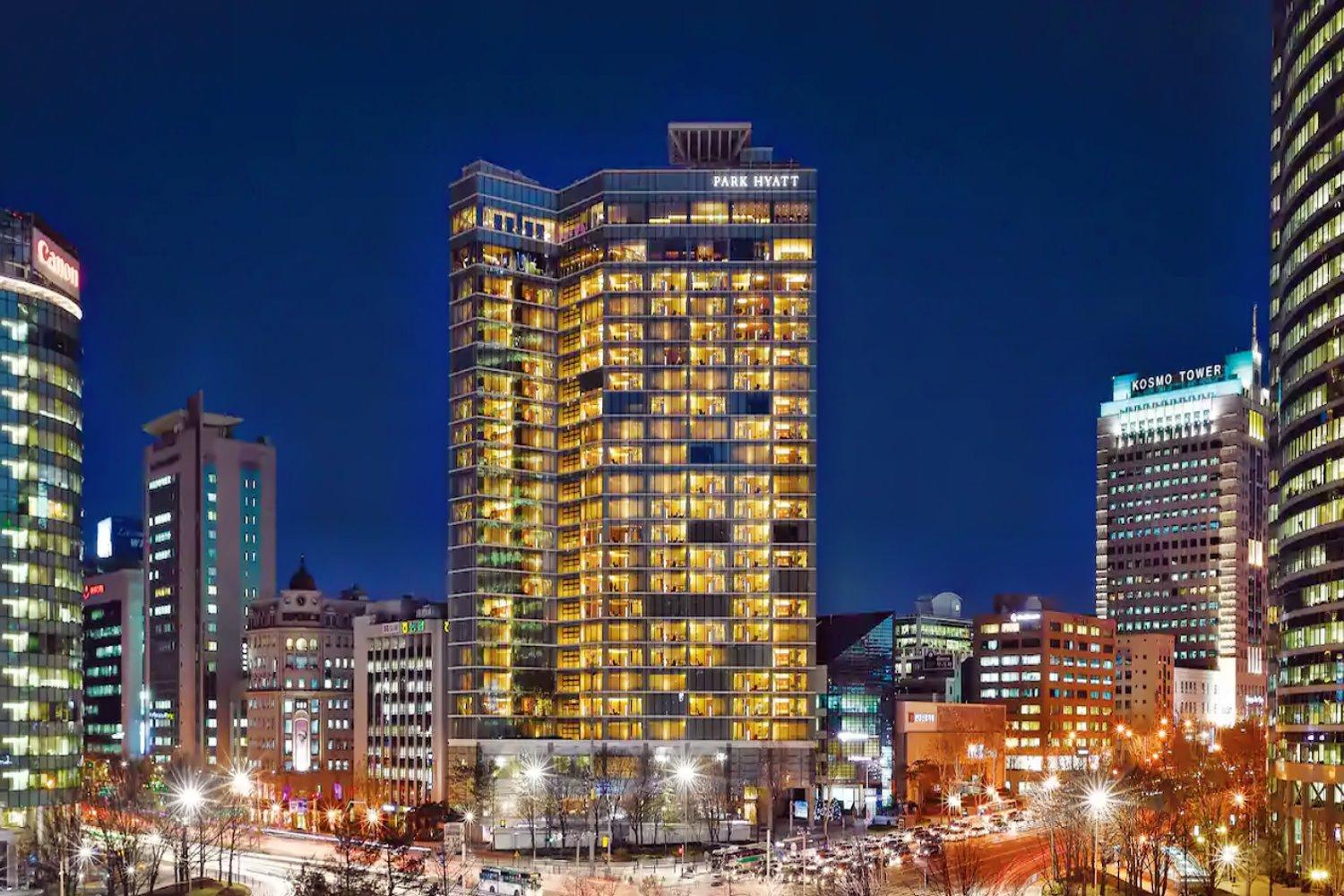
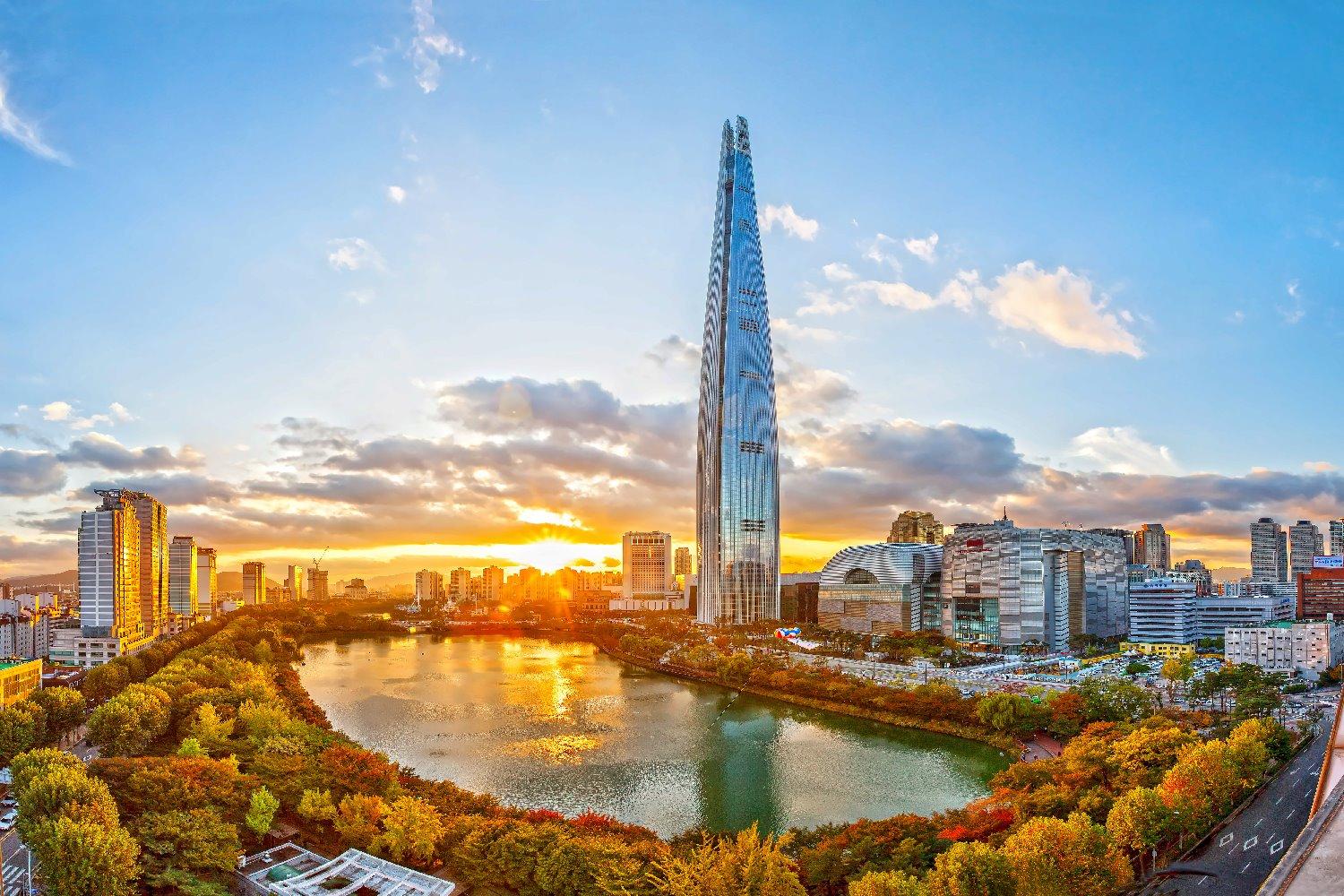
Seoul is polycentric. And its three listed hotels occupy different sides of the Han River. Park Hyatt Seoul is in Samseong-dong, Gangnam, opposite the COEX district. Conrad Seoul anchors Yeouido's business and river environment. While SIGNIEL SEOUL occupies upper floors of Lotte World Tower in Jamsil. None is a short walk from the royal-palace core north of the river. daily district grouping is more important than a generic central label.
A sophisticated Seoul itinerary connects Joseon royal culture, Japanese colonial rule, war, division, industrialisation, democracy and contemporary design without treating old and new as opposites. Transit is excellent. But scale, transfers, reservations, heat, monsoon rain and air quality affect the plan. Opening, palace closures, exhibitions and hotel operations may change after this review on 4 August 2026. confirm each timed element with official institutions and the property.
Choose Gangnam, Yeouido or Jamsil deliberately
Park Hyatt Seoul suits travellers whose business, design, shopping or dining priorities cluster around Gangnam and COEX. With direct urban energy and long cross-river journeys to palaces. Conrad Seoul offers Yeouido access, river views and links to The Hyundai Seoul. Useful for finance and west-central movement but still separate from the historic core.
SIGNIEL SEOUL delivers extreme-height views and a self-contained luxury base at Jamsil. Close to the tower complex and eastern attractions but far from western cultural districts. Compare the first three days on a map before choosing. Ask for exact view direction, floor, distance from lifts, event exposure and connecting-room details. Skyline height can magnify weather-related view variability. So never pay on the assumption of permanently clear visibility.
Build airport and first-day logistics
Incheon International Airport is well connected but distant. Gimpo is closer for some regional services. Choose among AREX, licensed taxi, private hotel transfer and airport bus according to luggage, arrival hour and final district. After a long flight, a named transfer is simplest for all three hotels. Confirm terminal meeting point, vehicle size, tolls and child seats.
And send flight changes immediately. Do not accept an unsolicited ride. Seoul traffic can make road time unpredictable. While rail may still require a taxi or metro connection with stairs. Keep the first evening within the hotel's district and avoid a fixed palace admission after arrival. For departure, work backward from airline guidance with margin for river crossings, weather and terminal changes. Keep medicines and one essential change in cabin luggage.
Use public transport by neighbourhood clusters
The metro is often faster and more reliable than a car. But stations can be vast and transfers involve walking, escalators and multiple exits. Obtain a suitable transit card, use a current navigation service and check the exact numbered exit nearest each appointment. A hotel concierge can write Korean destination details for a taxi and explain late return options.
Group Gyeongbokgung, Bukchon and nearby museums on one day. keep Gangnam and Jamsil together. use Yeouido and western districts as another cluster. Avoid crossing the river repeatedly for meals. Priority seating and quiet carriage behaviour deserve respect. Travellers with mobility needs should verify lift-equipped entrances rather than assume every exit is accessible. Late-night service ends. And rain or major events can sharply increase taxi demand. So arrange critical returns.
Read the royal palaces with protocol
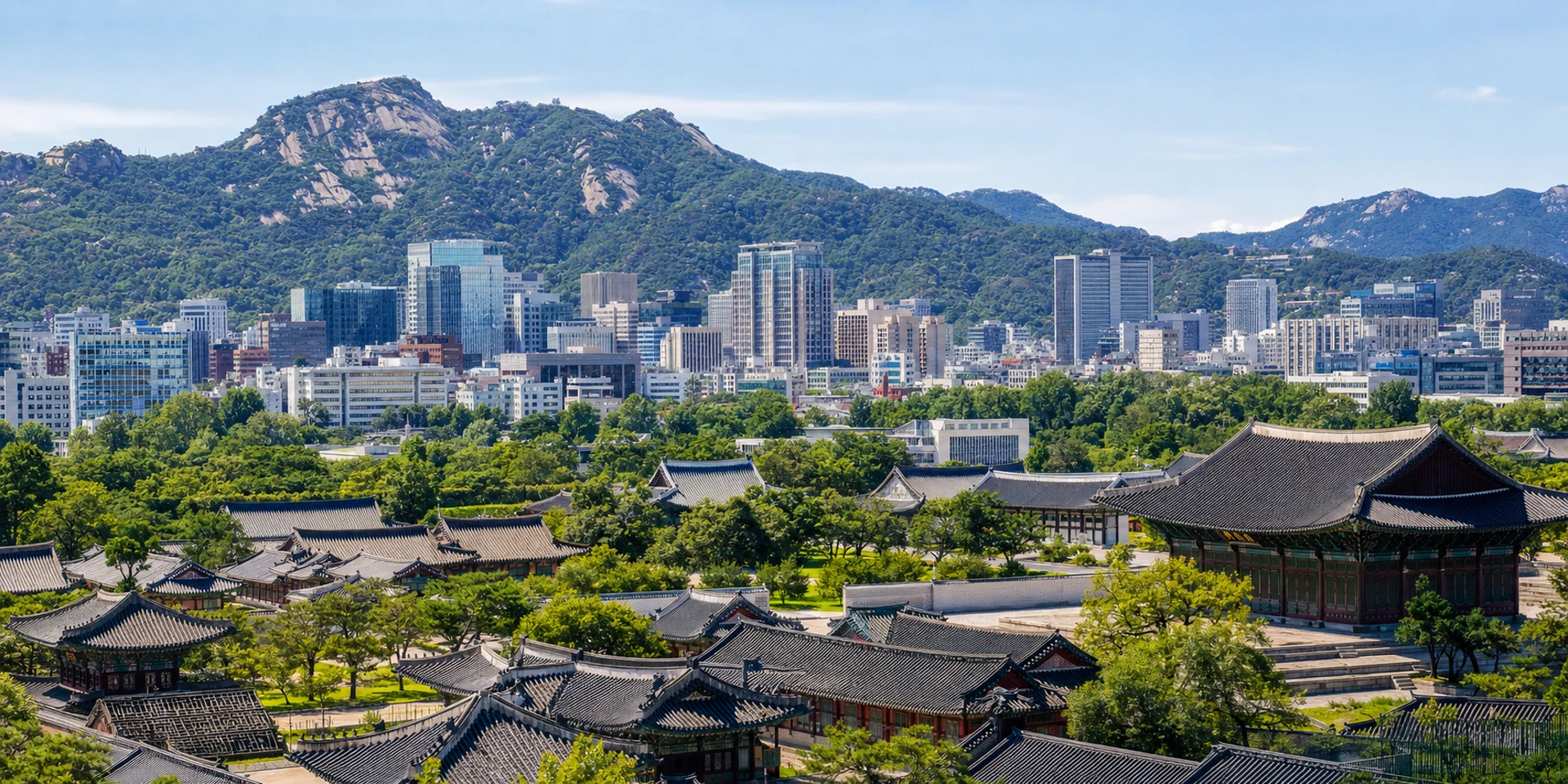
Seoul's palaces differ in purpose, landscape, restoration history and closure day. Select Gyeongbokgung for broad state architecture, Changdeokgung for its layered palace and garden context. Or another complex according to scholarship and current access rather than racing through all five. Book an expert guide who explains Joseon court life, governance, gendered spaces, occupation-era damage and modern reconstruction.
Verify guided-garden reservations and palace closure through official heritage sources. Rental hanbok can be enjoyable. But wear it respectfully, do not block gates and avoid treating cultural dress as costume comedy. Stay out of roped rooms, keep drones away and ask before photographing ceremonies. Early admission reduces heat and crowds. a museum or tea break should follow rather than another exposed courtyard at midday.
Use museums to connect modern history
The National Museum of Korea provides a wide chronological foundation and deserves at least half a day. With current gallery and exhibition details checked on its official site. For twentieth-century Seoul. Choose institutions whose scholarship covers colonisation, liberation, the Korean War, division, authoritarian rule, industrialisation and democratisation.
Do not compress this history into a triumphalist technology narrative or use the DMZ as its only frame. A specialist guide can connect museum evidence with urban sites and memorials. Verify English, German or French resources, timed tickets, bags and accessibility before arrival. Museum closures often fall on different days from palaces. Guests at Yeouido,
Gangnam or Jamsil should preserve travel time and not attach a distant dinner to the last gallery hour. Leave space for reflection after war or human-rights interpretation.
Visit neighbourhoods without turning them into sets
Bukchon, Seochon, Ikseon-dong, Euljiro and other districts are living places with different histories, housing patterns and commercial pressures. Use a small-group local guide, keep noise down, obey residential photography restrictions and never look through private windows or doorways. In Bukchon, official quiet-hours and route controls should shape the visit. Choose one or two neighbourhoods and ask how preservation,
redevelopment, rent and tourism affect residents. Contemporary cafés and shops can coexist with heritage. But a photogenic hanok does not automatically indicate age or public access. Buy directly from identified makers and ask before photographing staff. Early weekday visits reduce pressure. If signage marks a lane closed to tourists. Choose another route instead of arguing that a hotel concierge recommended it.
Reserve food through technique and context
Seoul's dining spans royal and temple traditions, markets, barbecue, noodles, fermentation, regional cuisines and experimental contemporary kitchens. Reserve high-priority tasting menus early and confirm deposit, cancellation, dress and allergies. For markets, use a knowledgeable guide who identifies vendors, explains ordering and avoids turning working stalls into a grazing spectacle. Ask before photographing cooks and pay the stated price.
Allergies require precise discussion because broths, shellfish, sesame, soy and fermentation may be less visible than the headline ingredient. Each hotel has destination dining. But venues and days should be confirmed. Michelin recognition and chef roles change. So verify through current issuing sources. Late dinner across the city can add an hour to the return. choose by district and keep one unstructured meal.
Treat the DMZ as controlled contemporary history
A DMZ-related excursion is optional and should never be marketed as entertainment. Access, nationality rules, passport requirements, routes and sites can change with little notice according to security conditions. Use an authorised operator, provide accurate identity information, follow all photography and movement instructions and carry the required original documents. A strong guide explains the Korean War,
armistice, separated families, ongoing division and differing perspectives without promising dramatic encounters. The Joint Security Area may be unavailable even when other observation sites operate. Do not build a same-evening non-refundable performance or flight around the scheduled return. Travellers who prefer deeper urban history can use specialist museums and oral-history programming instead. Any cancellation for security reasons must be accepted without seeking an unofficial alternative.
Plan weather, air quality and mountain exposure
Seoul has hot humid summers, concentrated monsoon rain, cold winters and striking but variable spring and autumn conditions. Check the Korea Meteorological Administration and AirKorea close to each day. Fine-dust episodes can make strenuous outdoor activity unwise. follow health guidance and move to museums when needed. Summer heat calls for early palace walks, water and indoor midday time.
Rain can flood paths and slow roads. winter ice makes slopes dangerous. Bukhansan and urban mountains are real hikes with steep rock, not casual city viewpoints. Use marked trails, suitable footwear and current park advice. And do not start late. Travel insurance should match weather and medical needs. Hotel skyline views are conditional on visibility, not a guaranteed product attribute.
Shape five nights and a South Korea journey
Five nights support a measured introduction: one palace and hanok-district day, a major museum day. One Gangnam-Jamsil chapter, one food or design focus and flexibility for weather. Seven nights allow a mountain programme, additional contemporary art or the optional controlled DMZ excursion without sacrificing rest.
Switching among these three hotels rarely helps a short visit because river crossings and luggage create more friction than they solve. Seoul can anchor a tailor-made South Korea round trip with Gyeongju, Busan, Jeju or another region. But high-speed rail and domestic flights still need transfer time. The existing South Korea journey link supports that planning.
Keep departure day within the hotel district, reconfirm airport transport and reserve the highest-priority palace, museum and restaurant shortly before travel.
Five practical Seoul planning tips
- Choose Gangnam, Yeouido or Jamsil by the first three days&apos. geography rather than a generic central claim.
- Use metro exit numbers and neighbourhood clusters to avoid repeated Han River crossings.
- Reserve one palace with a specialist guide and verify its closure day and garden access officially.
- Check official weather and AirKorea readings before mountain, palace or long outdoor plans.
- Confirm room view direction, dining schedules, transfers and Virtuoso inclusions in writing.
Seoul hotel and travel-planning FAQ
Which listed hotel is closest to the royal palaces
None is in the palace district. Conrad in Yeouido is generally west-central. While Park Hyatt and SIGNIEL are south and east.
How many nights should I stay
Five nights give a strong introduction. While seven add weather flexibility and space for hiking or the DMZ.
Should I use taxis or the metro
Use the metro for predictable cross-city movement and taxis selectively for luggage, late returns or mobility needs.
Can I visit all five palaces in one day
It is possible but unhelpful. choose one or two with expert interpretation and allow time for gardens and context.
Is a DMZ tour guaranteed
No. security conditions, routes and access can change quickly. And every official cancellation or restriction must be accepted.
When is Seoul's best weather
Spring and autumn are often comfortable. But air quality and exact forecasts matter more than a seasonal promise.
Can Seoul join a wider South Korea itinerary
Yes. it is a strong anchor for rail or air links when each regional stop receives enough nights and transfer margin.
Are Virtuoso benefits guaranteed
They depend on eligible rate, programme rules, occupancy and availability. So obtain written benefits and treat upgrades as conditional.
Combine your hotel stay with a privately designed journey through South Korea, with hotels, transfers and experiences planned as one seamless itinerary.