
Virtuoso Hotels
Virtuoso Hotels in London, United Kingdom
32
32
Hotels
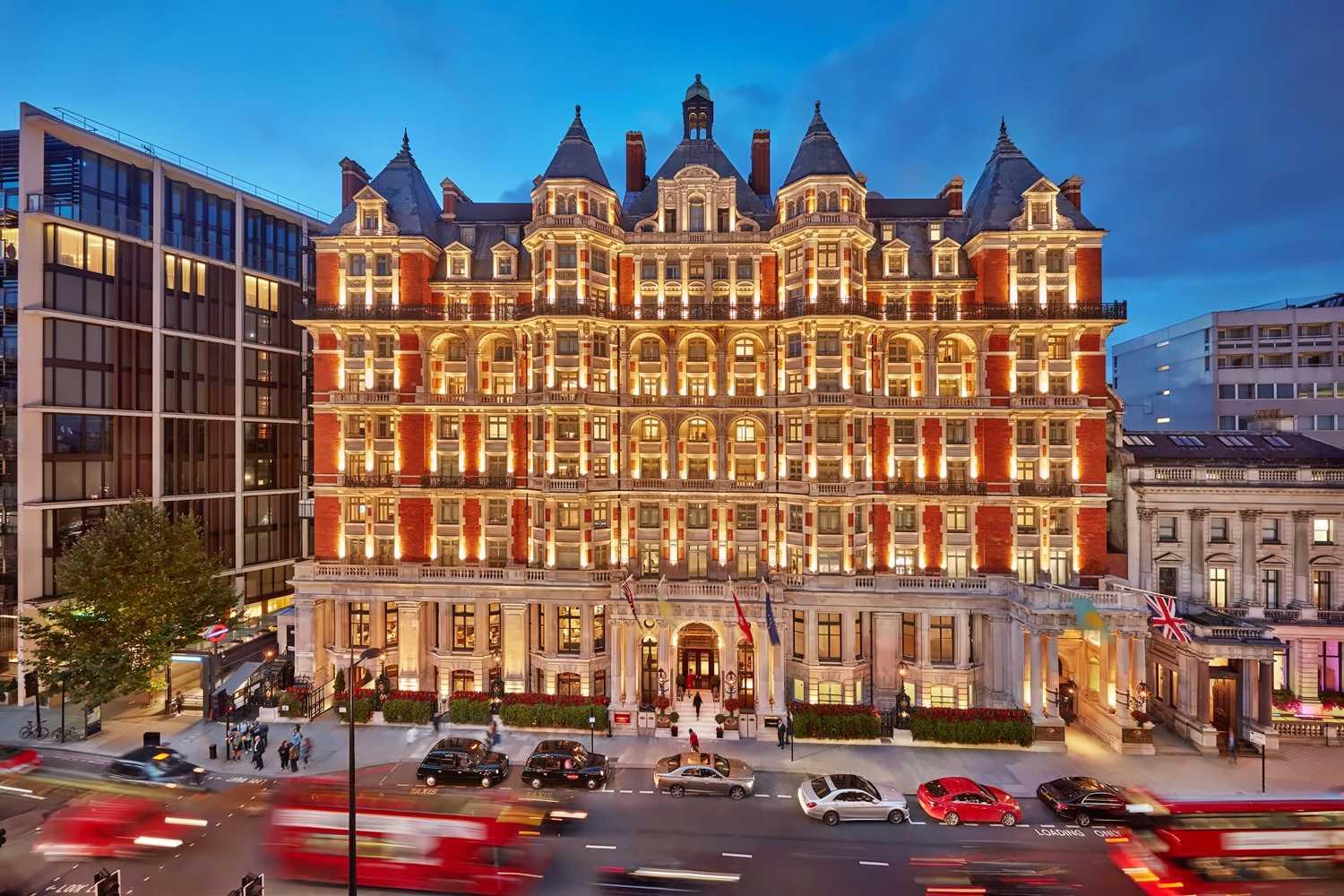
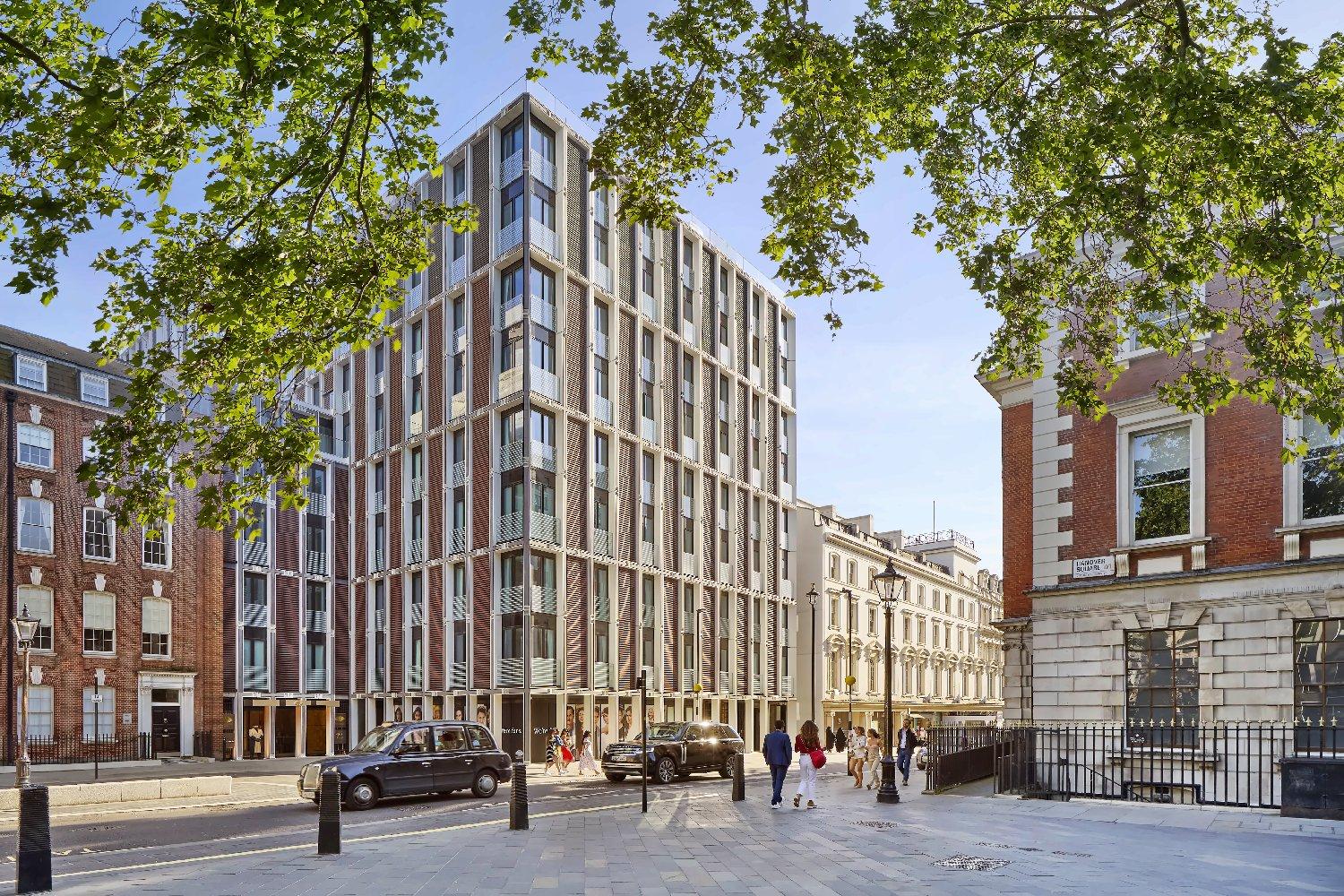
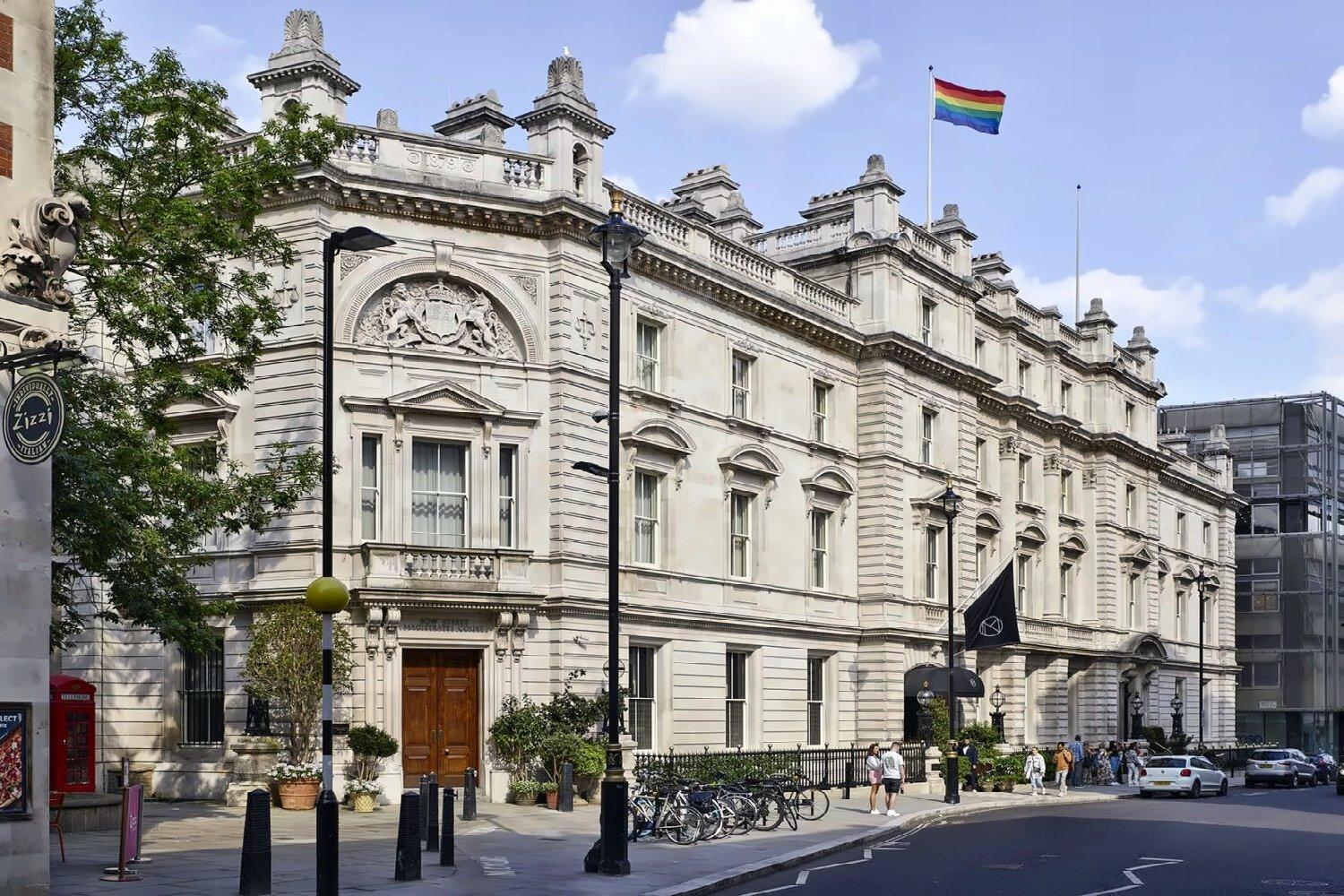
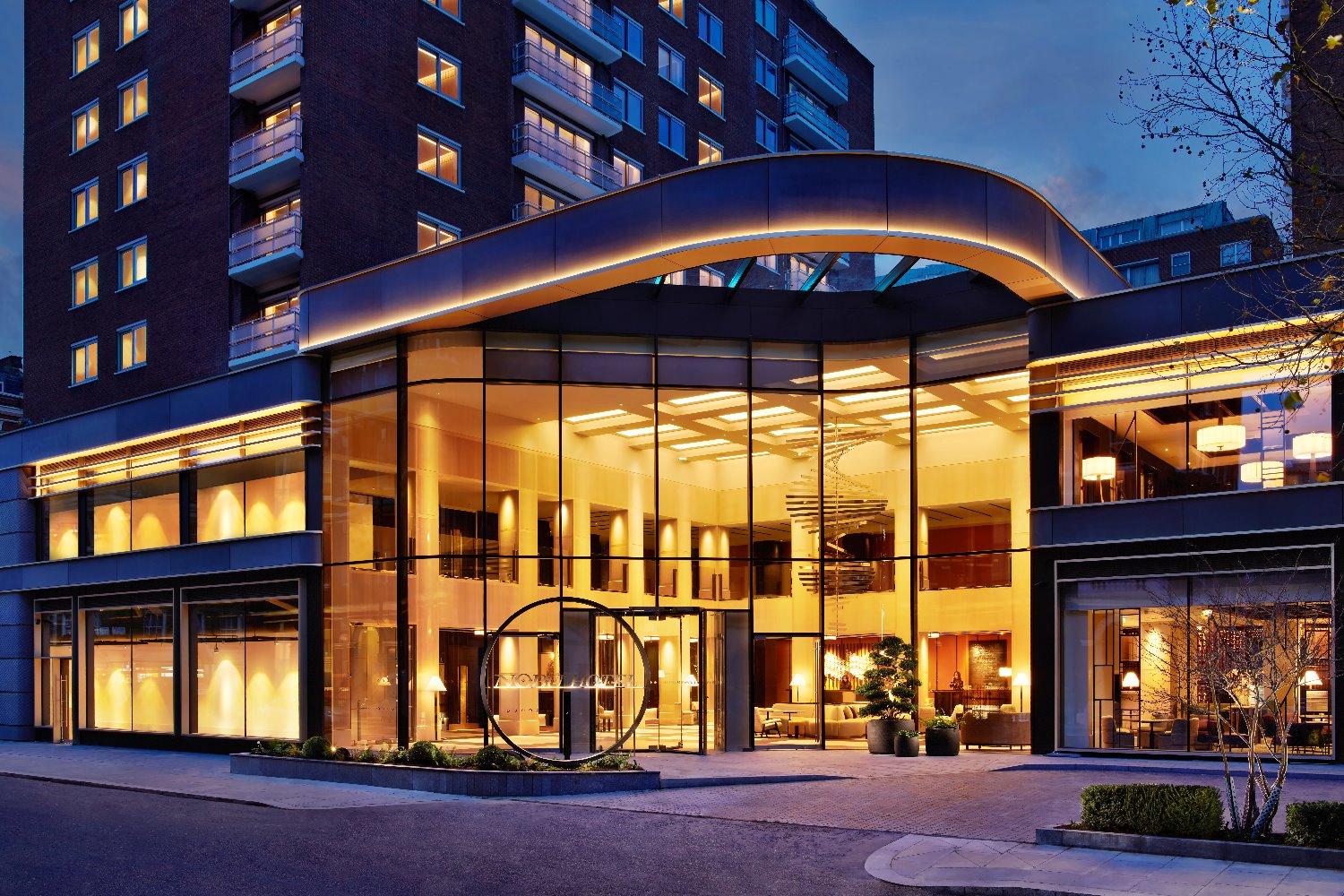

Virtuoso Hotels in London: neighbourhoods, culture and hotel choice
London rewards a precise hotel choice. Mayfair, Knightsbridge, Covent Garden, Whitehall and the City sit only a few miles apart. Yet their position can determine whether a day feels effortless or dominated by transfers. Gallery visits, theatre, shopping, royal history and East London dining each favour a different base.
The Virtuoso hotels listed here range from landmark grand hotels to contemporary properties with a strong art, design or restaurant identity. This guide organises the choice by neighbourhood, atmosphere and daily rhythm. Helping distinguish the right address for a first visit, a cultural weekend, a shopping trip or a longer London stay.
Quick choice by travel style
Begin with the way London should feel, not with the longest list of hotel names.
Mayfair and St James’s
The position between Hyde Park, Buckingham Palace, Bond Street and the West End is exceptionally balanced. Museums, shopping, parks and restaurants can be combined without complicated logistics.
Covent Garden and the West End
Royal Ballet and Opera, the National Gallery, Somerset House and Theatreland are close together. This base suits travellers who want performances, exhibitions and late dinners within walking distance.
Knightsbridge and Belgravia
Harrods, Sloane Street, Hyde Park and elegant residential streets define west London. The area is calmer than Soho and works well for shopping, families and stays with more time at the hotel.
The City and South Bank
St Paul’s, the Tower, Tate Modern, Borough Market and the Thames create a rewarding dialogue between old and new. Reaching the West End every day requires additional travel time.
London’s principal hotel neighbourhoods
Mayfair – classical London elegance
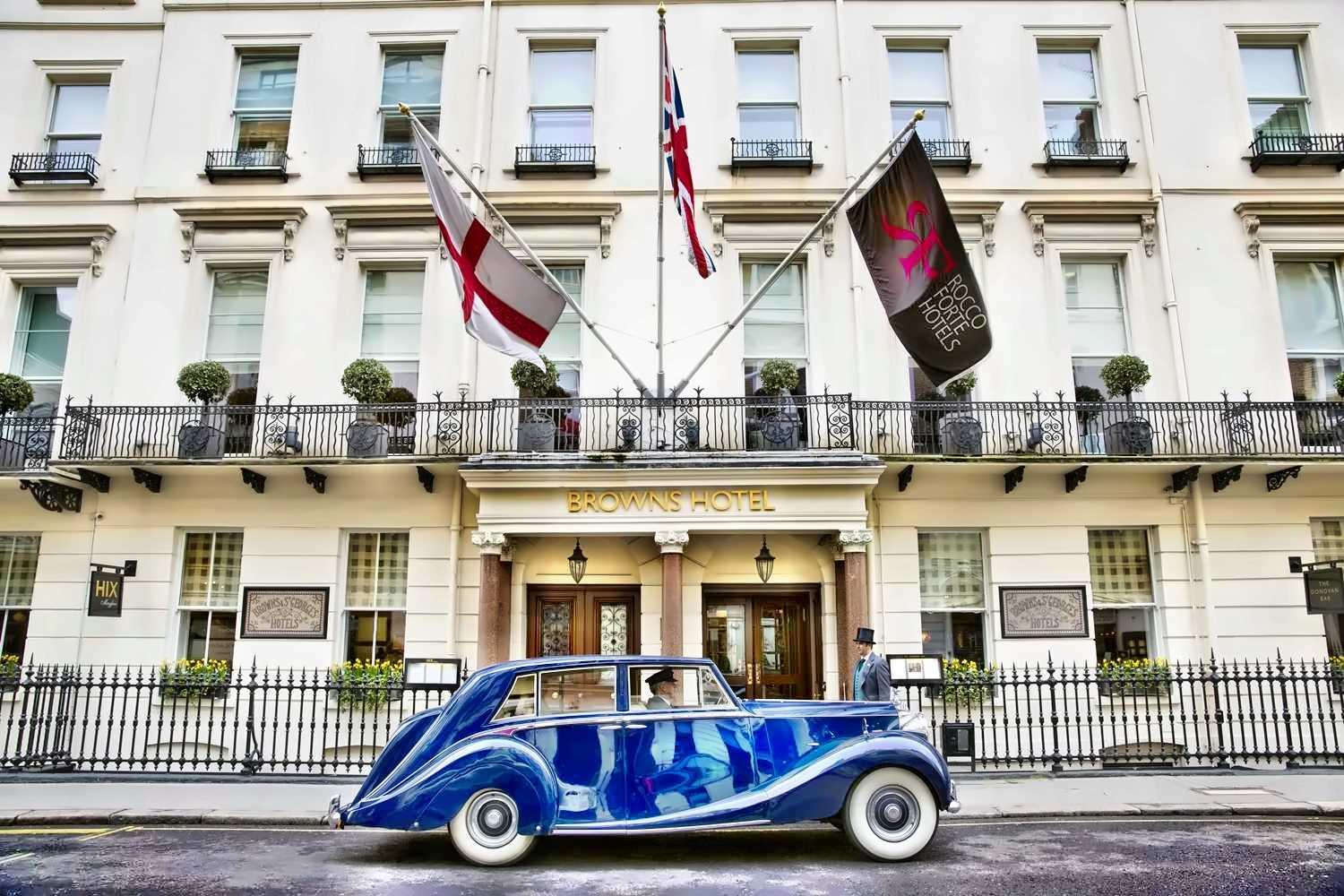
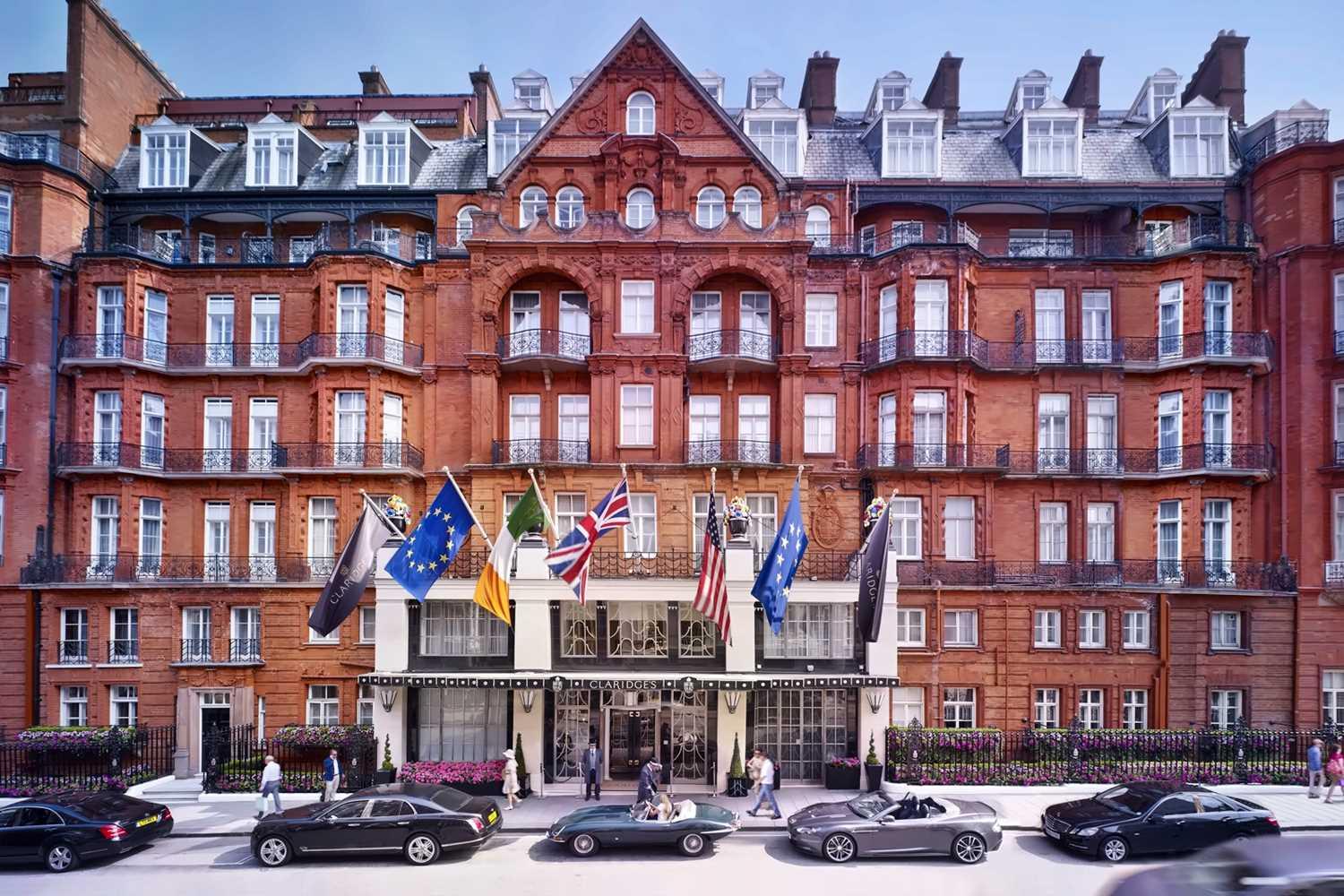
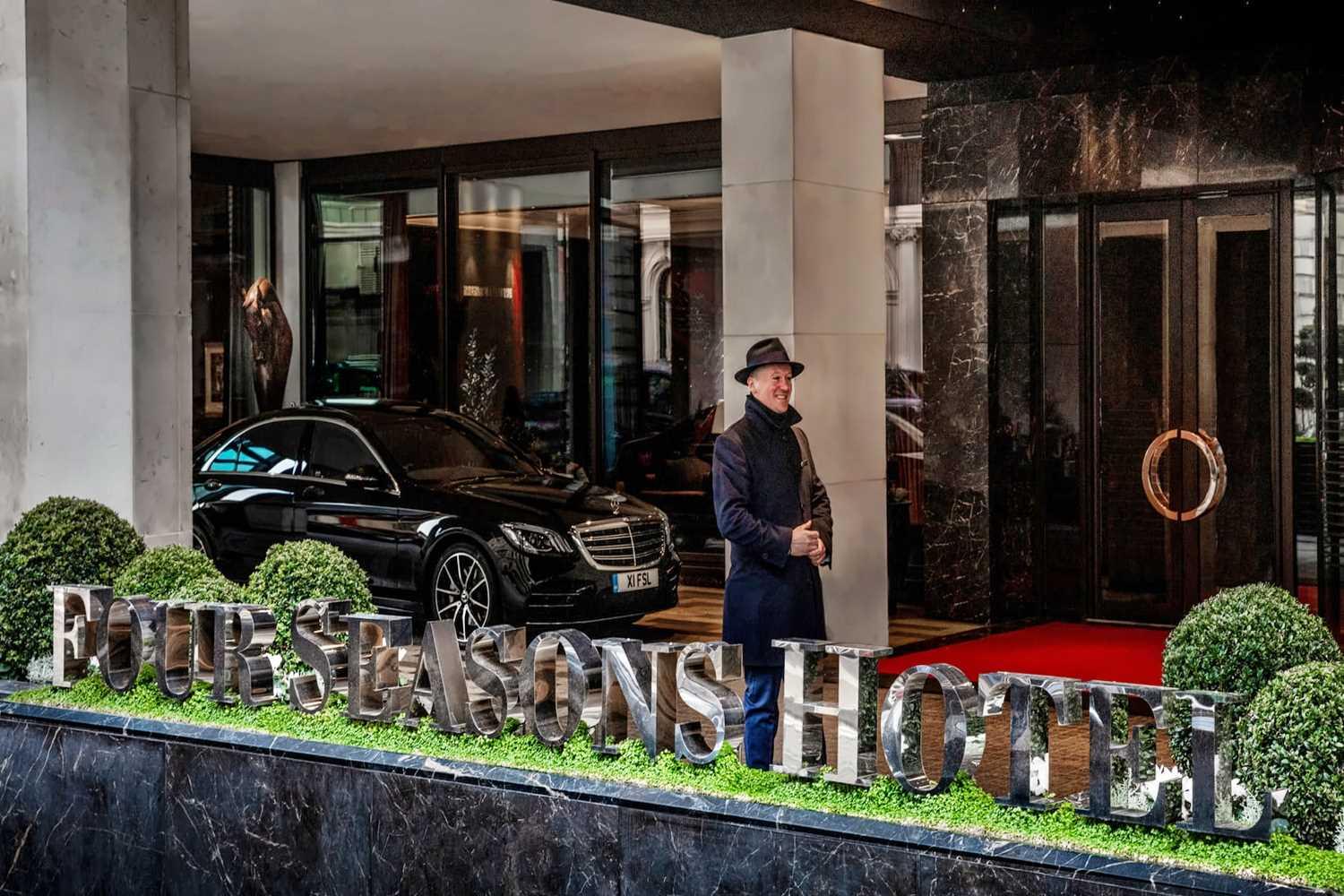
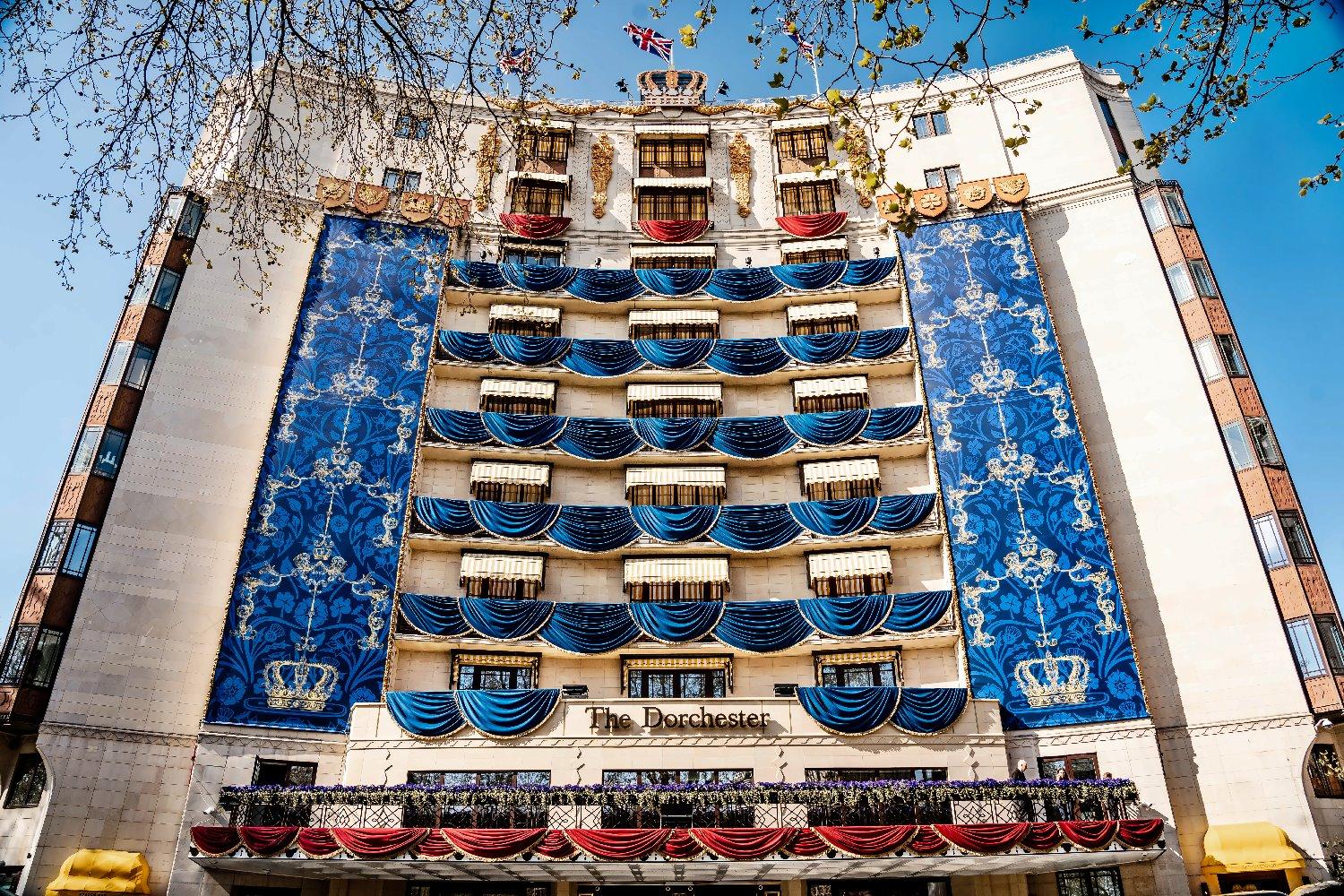
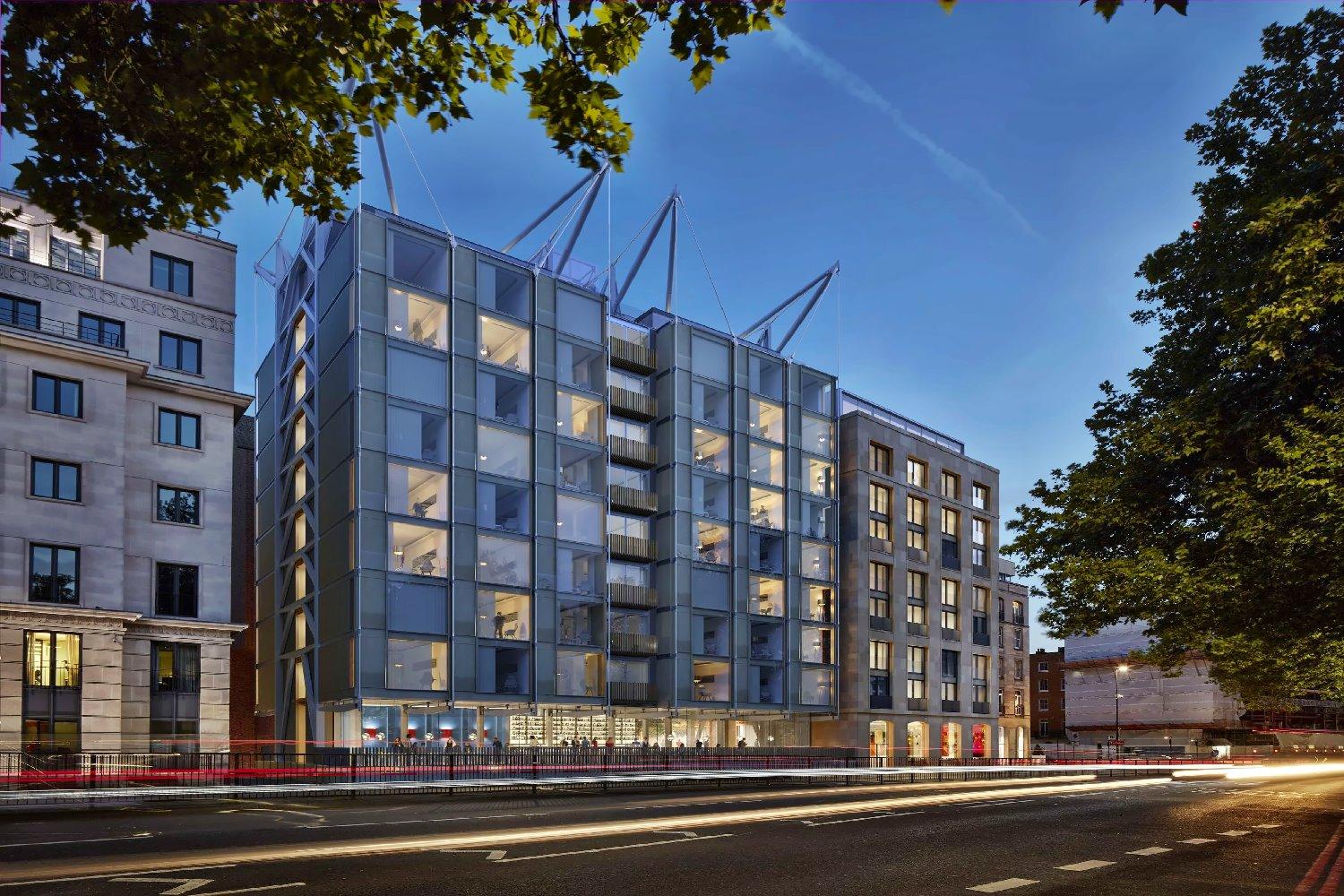
Mayfair occupies a central West End position between Hyde Park, Oxford Street, Regent Street and St James’s. Bond Street, Savile Row, galleries, Michelin-starred restaurants and Georgian squares make it the city’s most versatile luxury base. Claridge’s, The Dorchester, 45 Park Lane, The Beaumont, Browns, Four Seasons Park Lane.
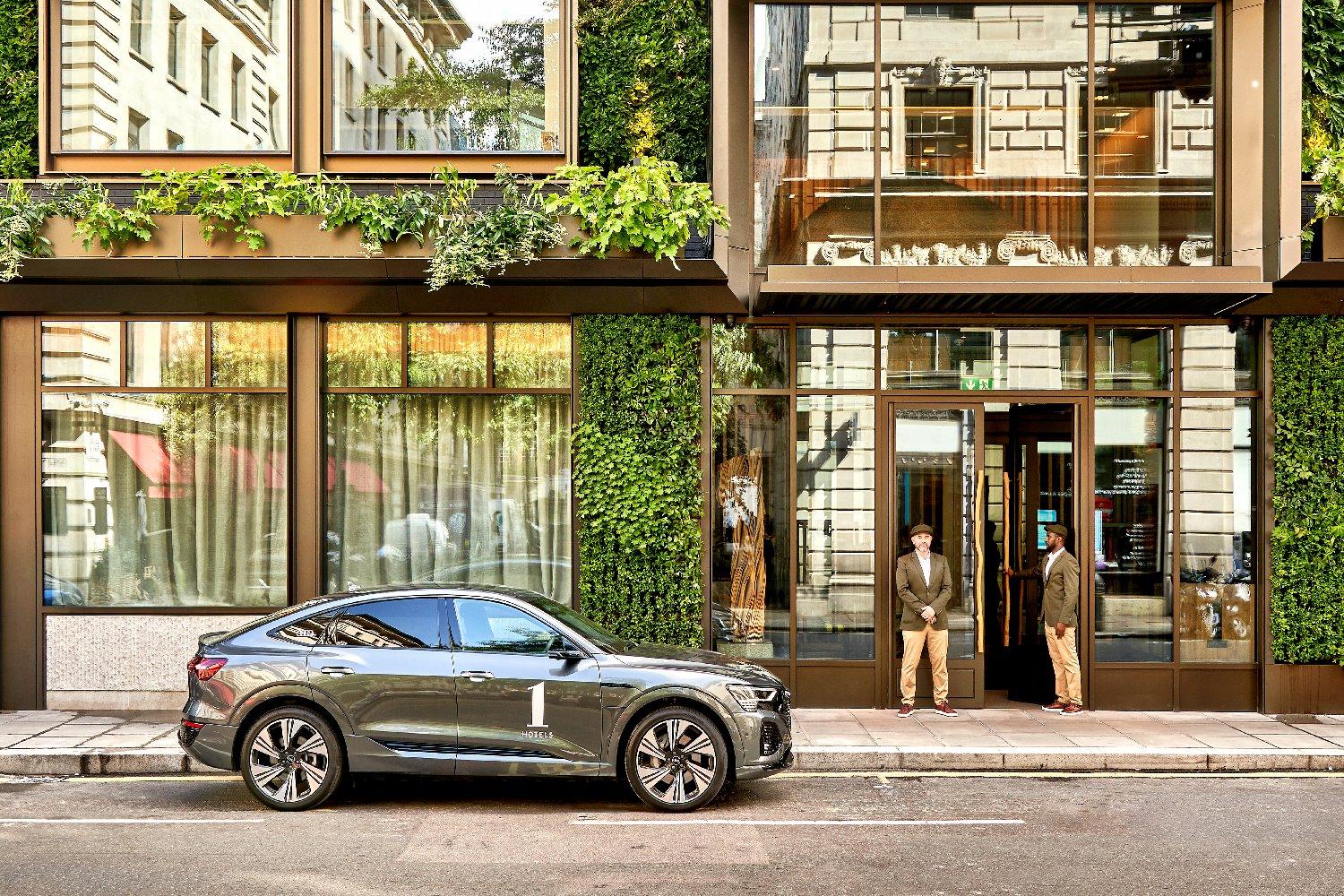
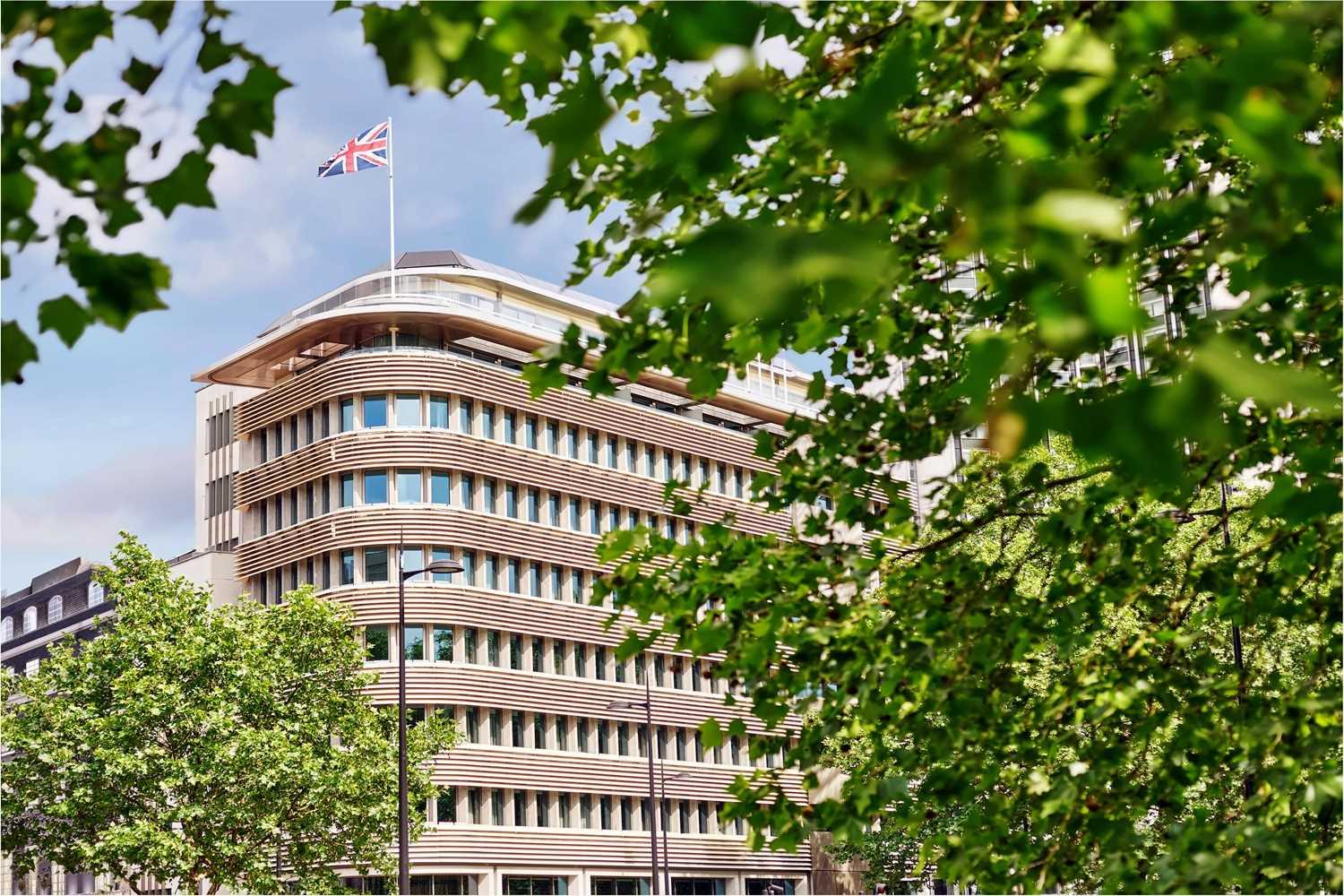
1 Hotel Mayfair and Mandarin Oriental Mayfair offer different moods but share excellent access to shopping, parks and cultural institutions.
St James’s, Whitehall and Westminster – royal and political history
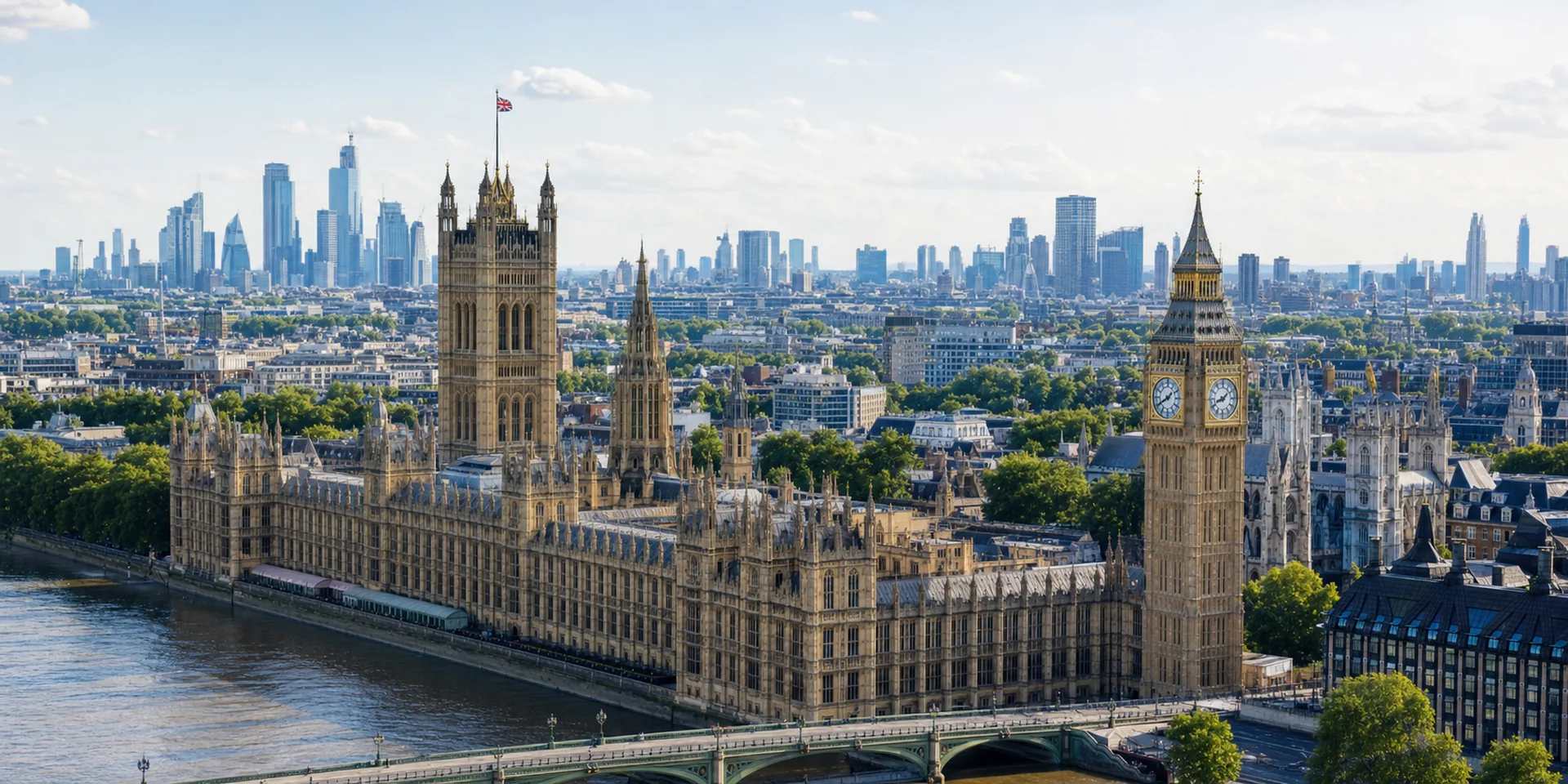
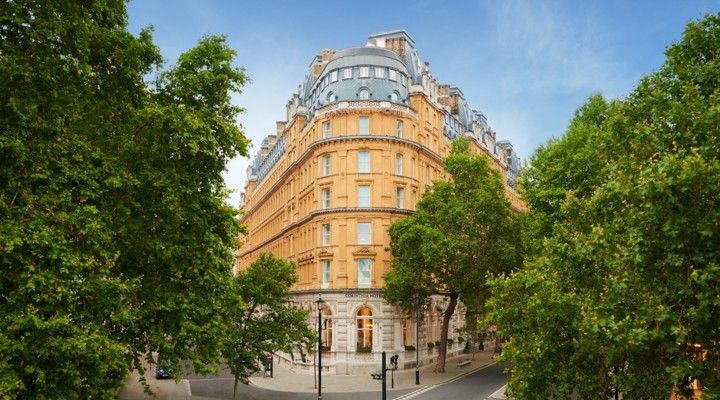
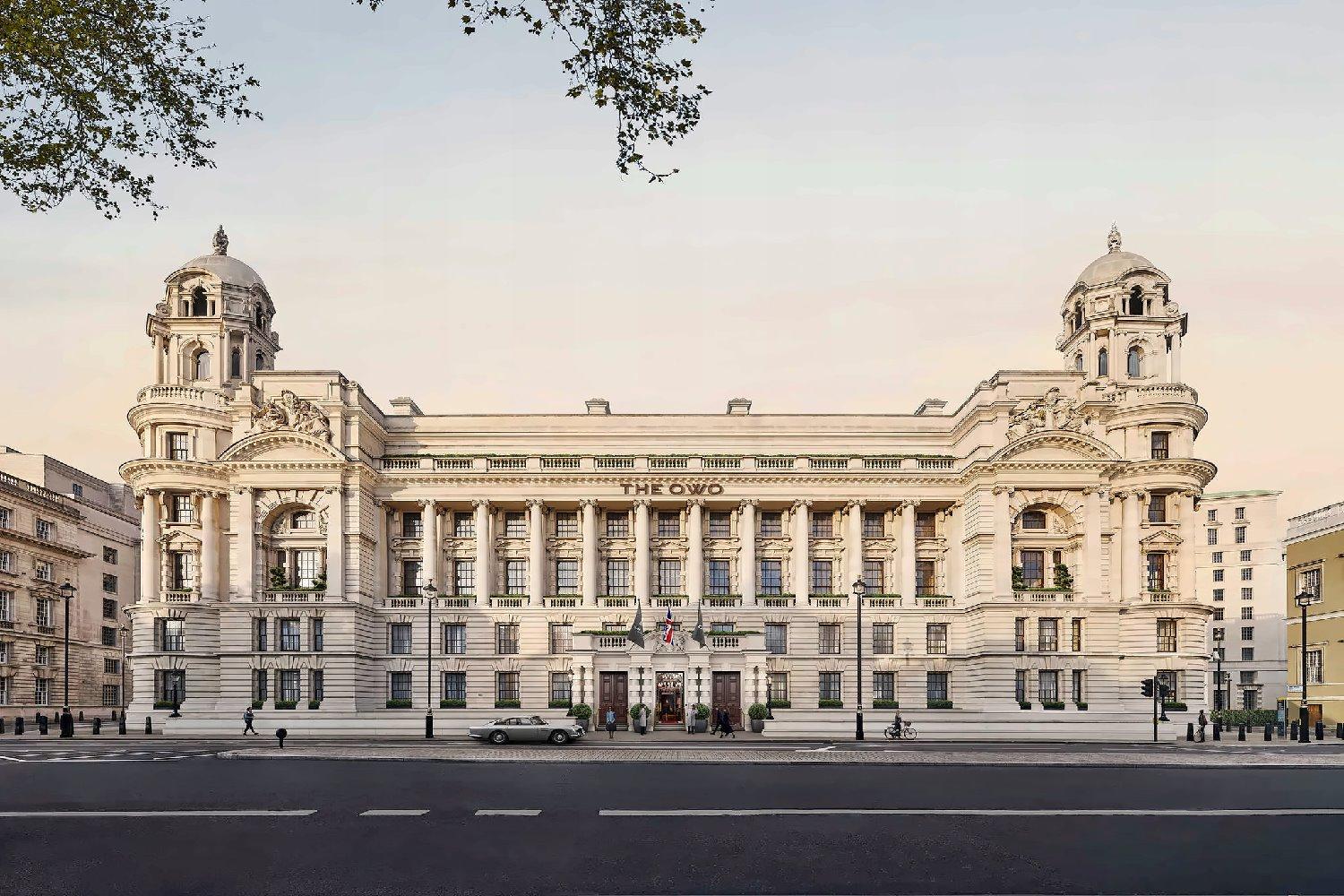
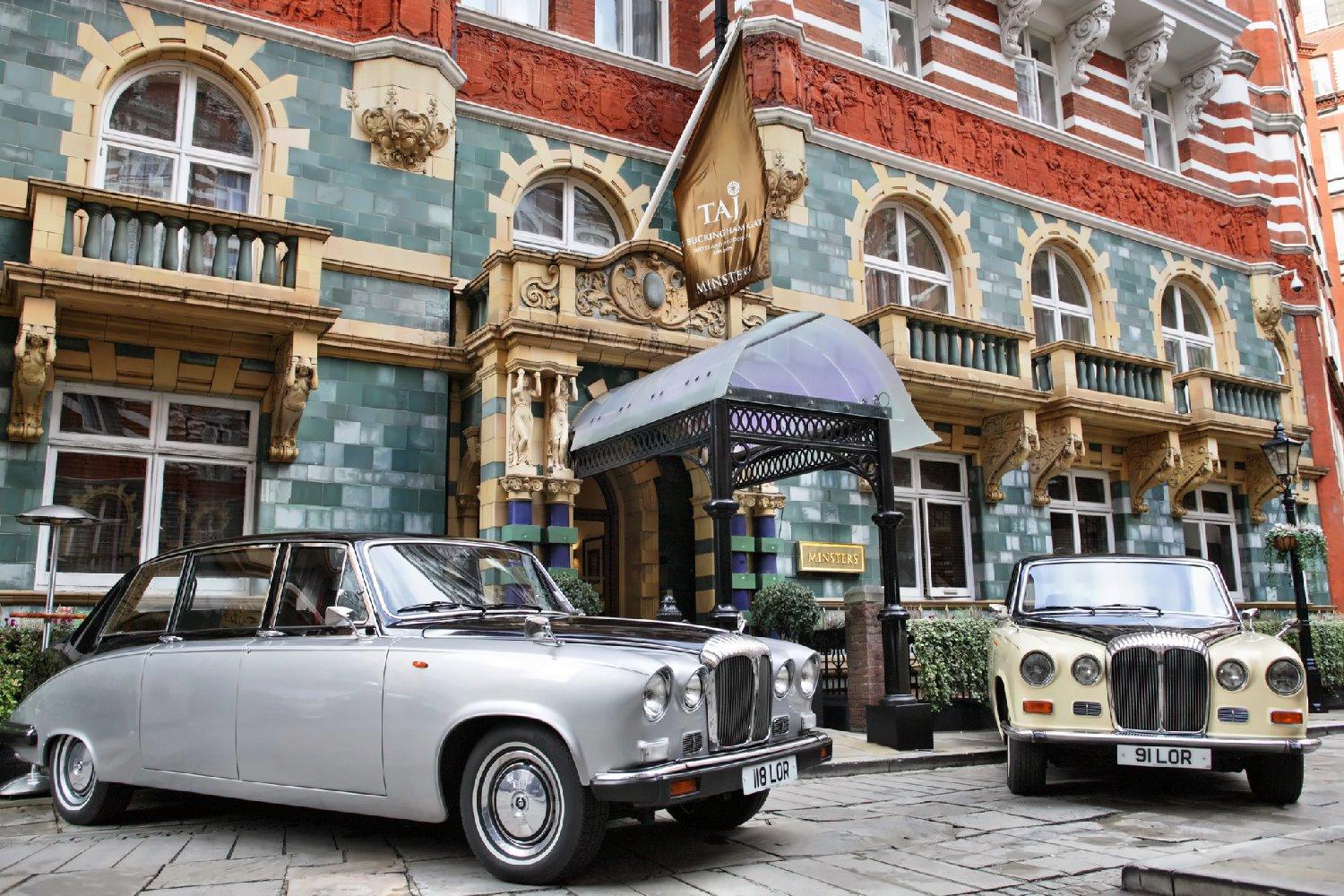
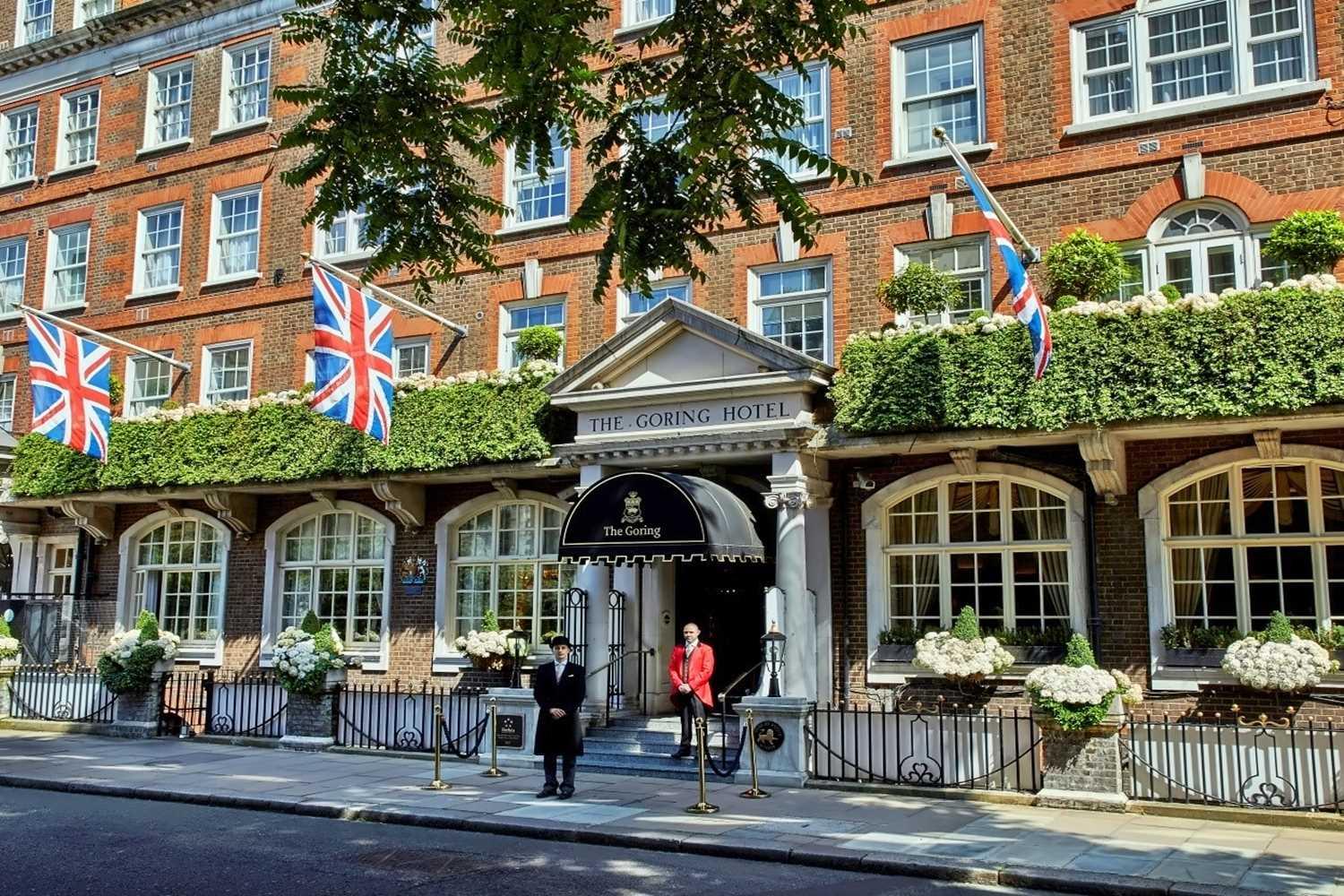
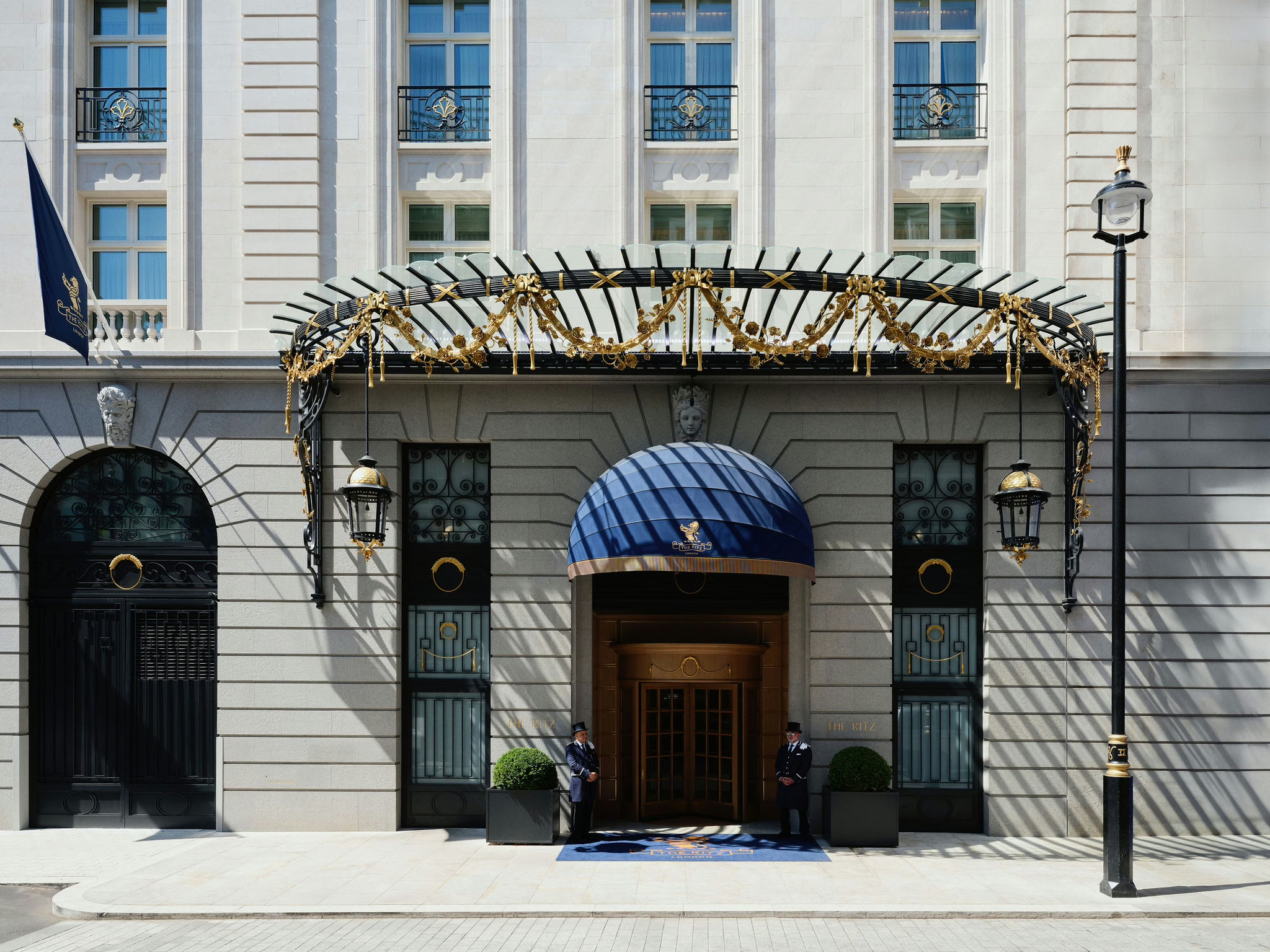
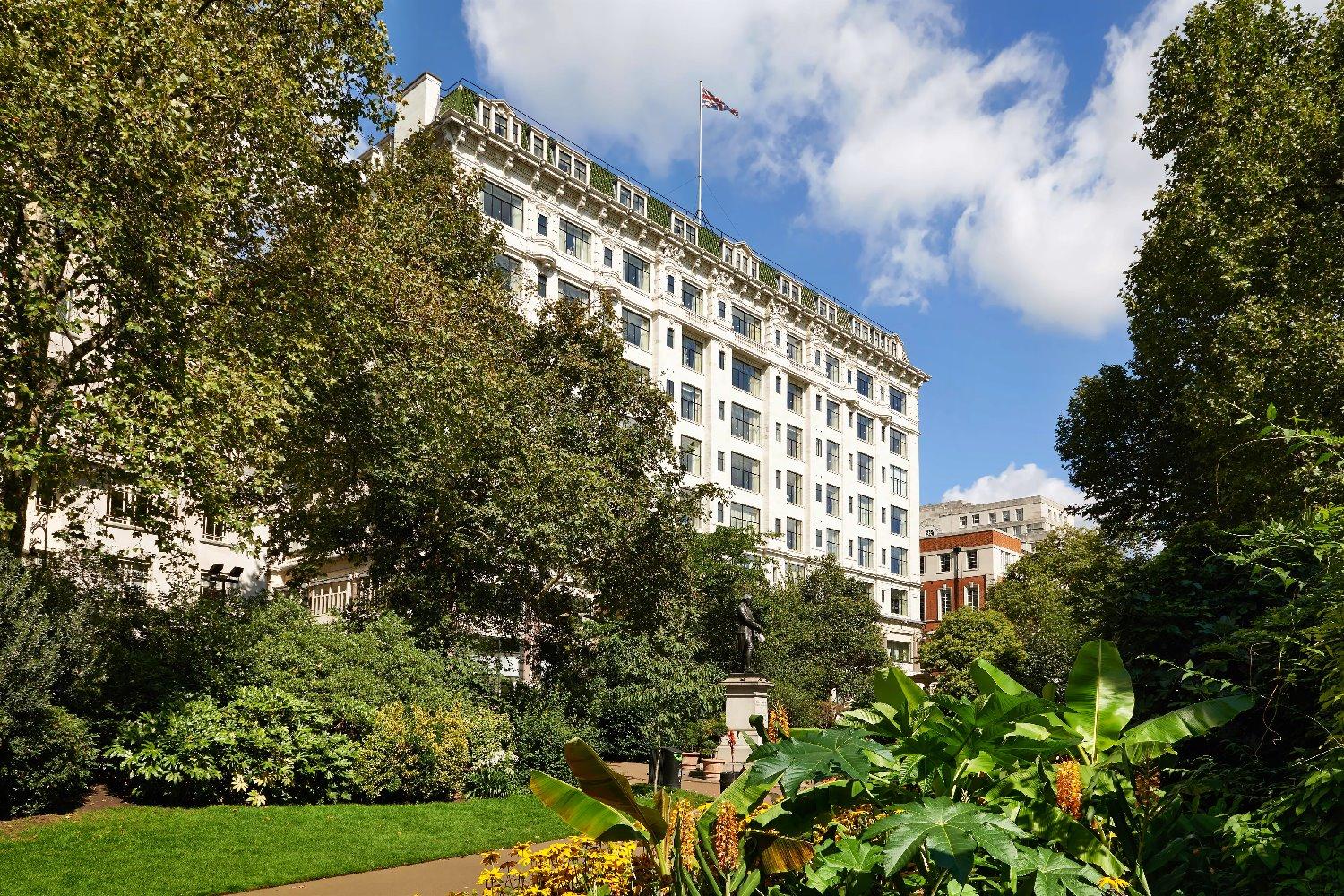
St James’s combines Green Park, Jermyn Street, Fortnum &. Mason and traditional clubs with a discreet atmosphere. Towards Whitehall and Westminster, Buckingham Palace, Churchill War Rooms, Westminster Abbey, the Houses of Parliament and the National Gallery take priority. The Stafford, The Ritz, Raffles London at The OWO, Corinthia, The Goring and Taj 51 Buckingham Gate suit travellers drawn to history, ceremony and central sightseeing.
Knightsbridge and Belgravia – shopping, parks and residential calm
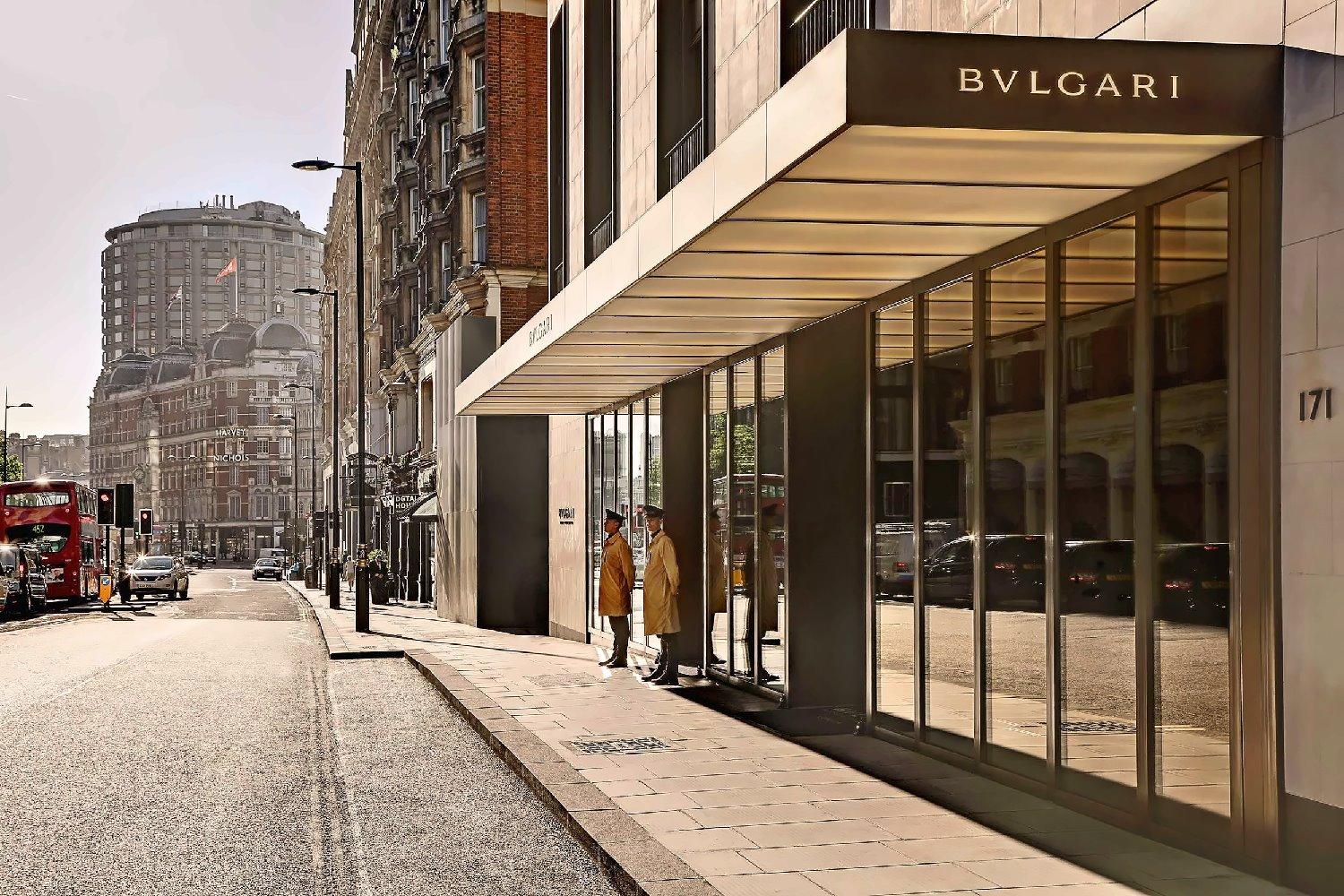
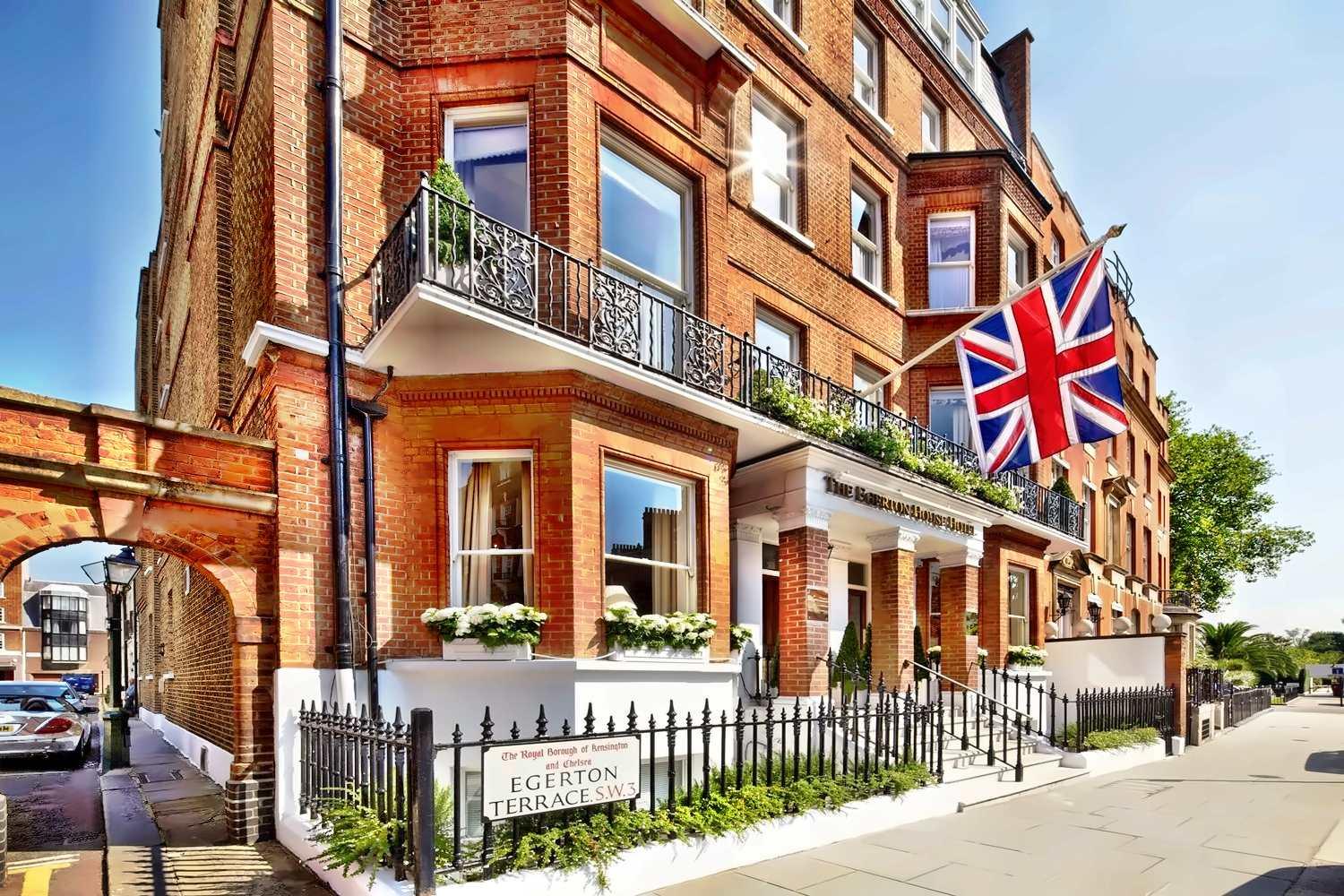
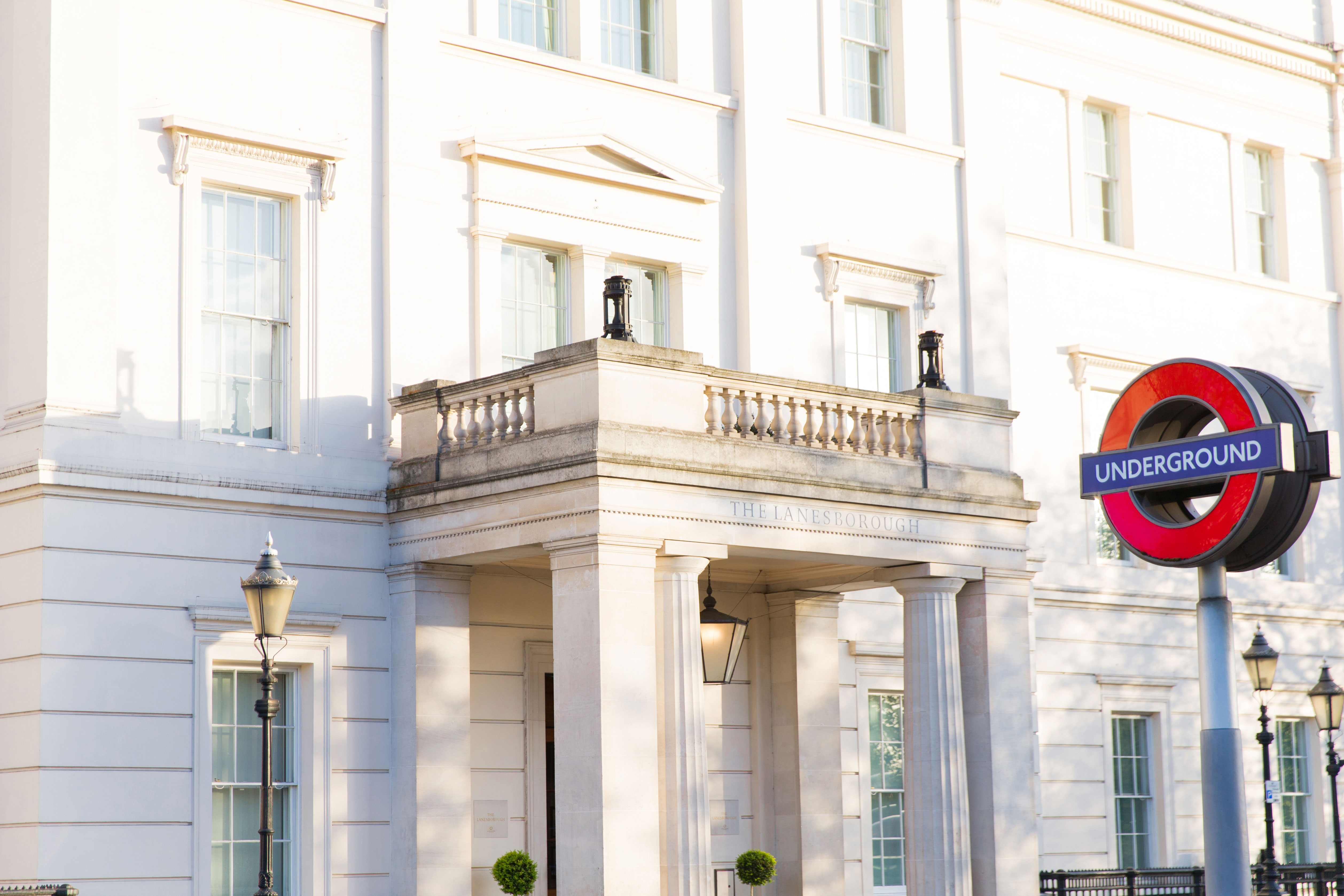
Knightsbridge brings together international fashion, Harrods, Sloane Street and the South Kensington museums. Belgravia adds quieter squares and elegant residential streets. Mandarin Oriental Hyde Park, Bulgari, Jumeirah Carlton Tower, The Lanesborough, The Emory, The Milestone and Egerton House range from urban resort scale to intimate townhouse hospitality.
Covent Garden, Soho and Fitzrovia – stage and city energy
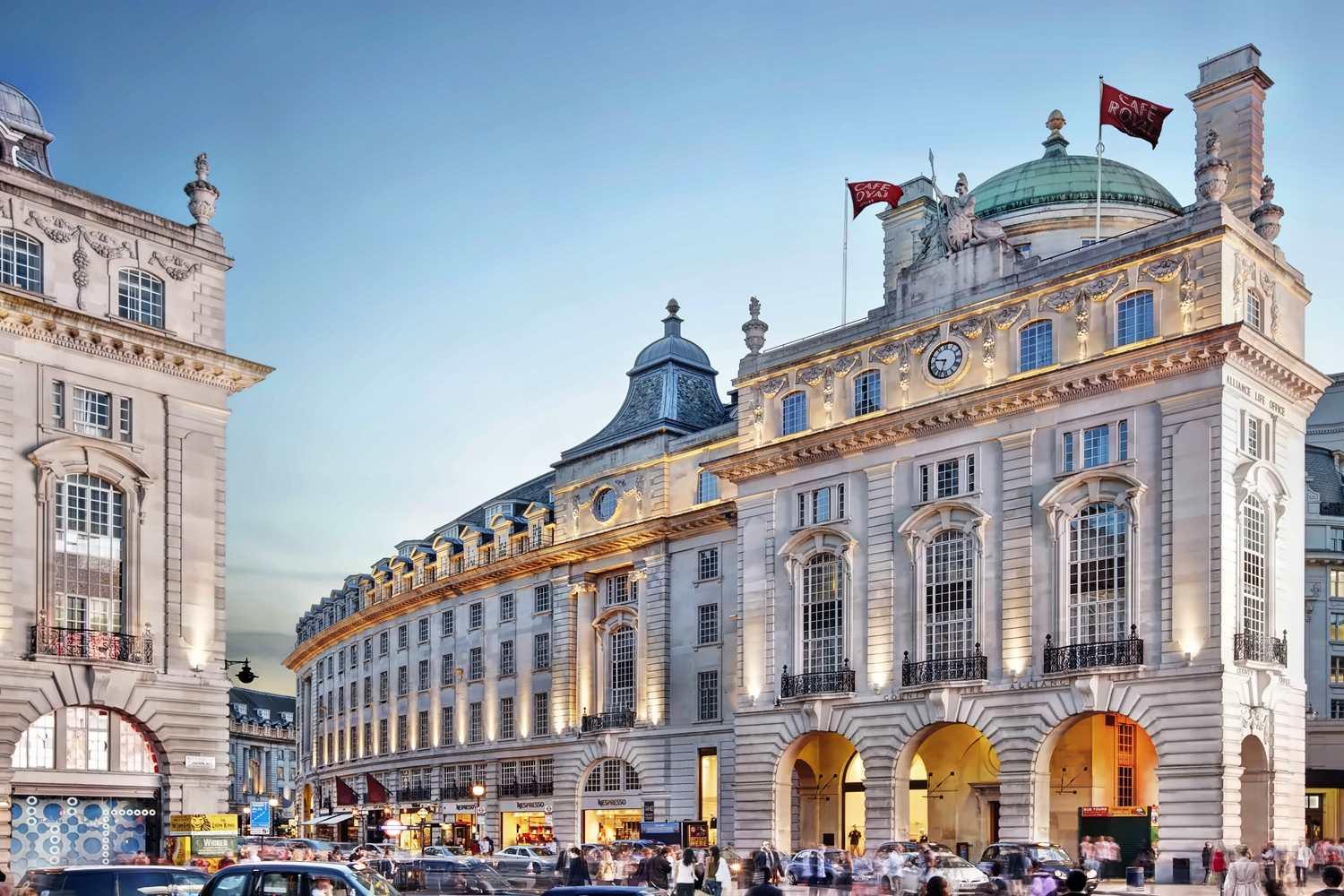
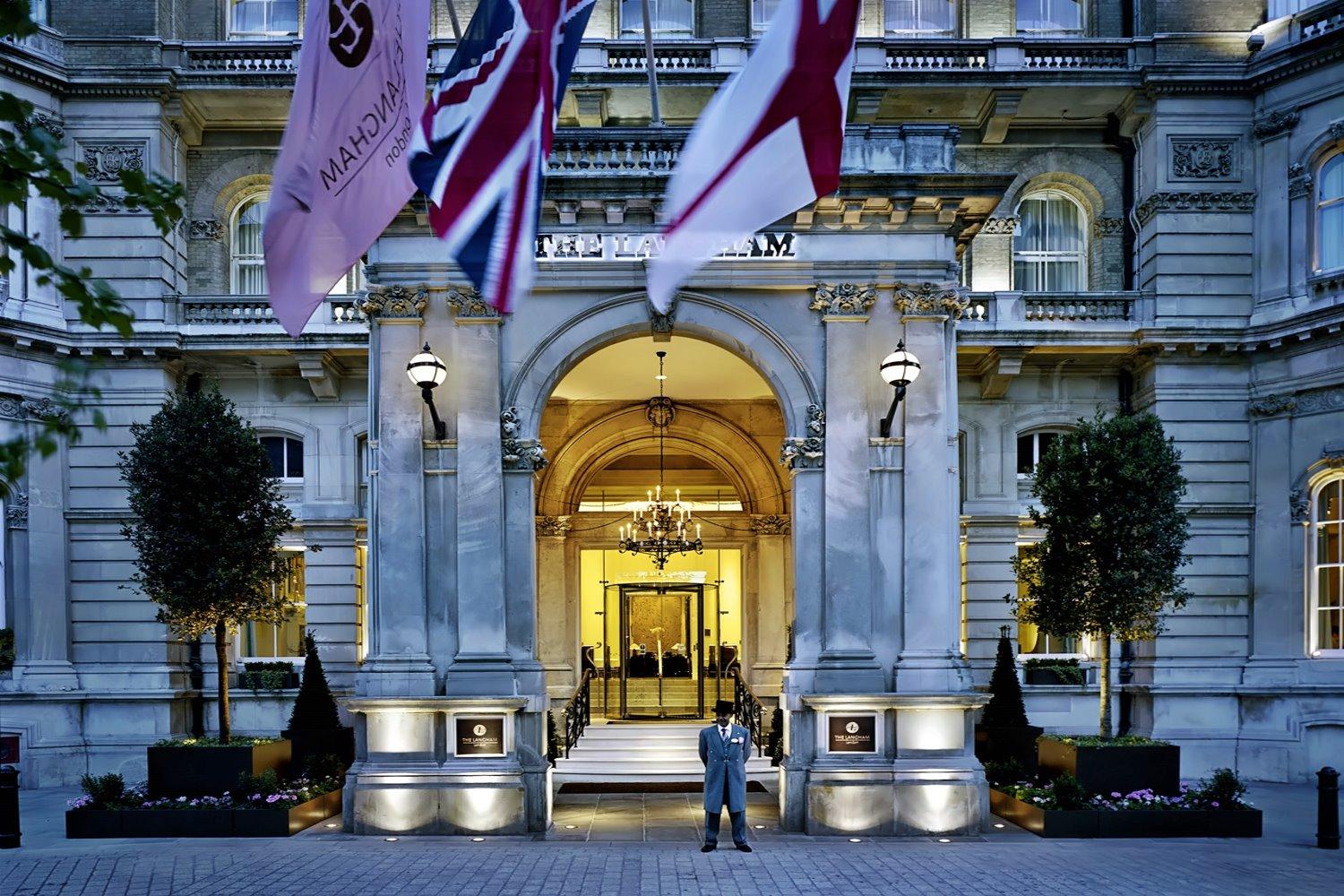
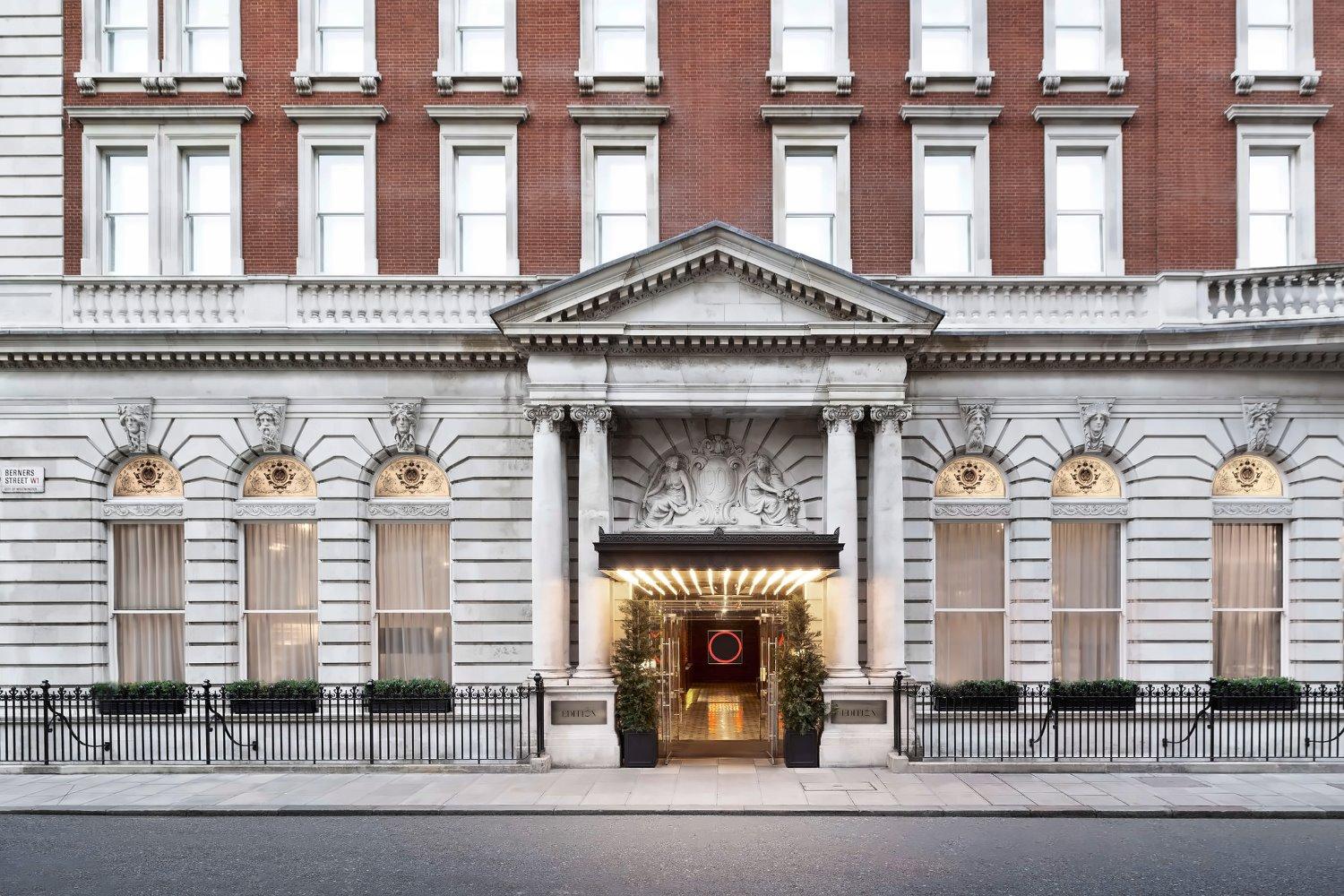
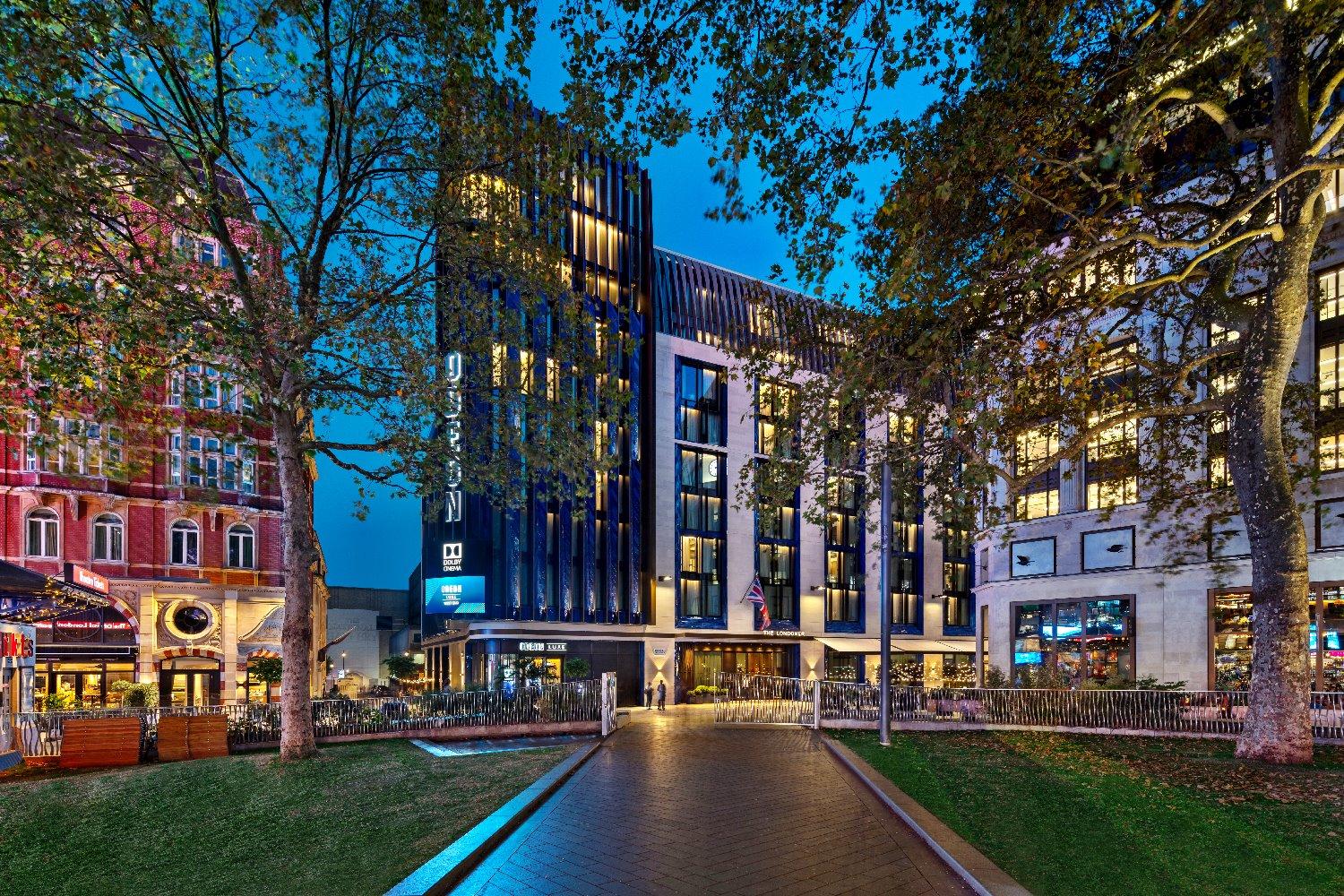
Covent Garden sits between the Strand, Seven Dials, Trafalgar Square and the West End. Royal Ballet and Opera, theatres, restaurants and shops dictate the rhythm. NoMad and The Savoy are excellent for culture. The Londoner for Leicester Square and Theatreland. Hotel Café Royal for Regent Street and Soho. The Edition and The Langham for Fitzrovia, Marylebone and the northern West End.
The City and South Bank – historic London and a modern skyline
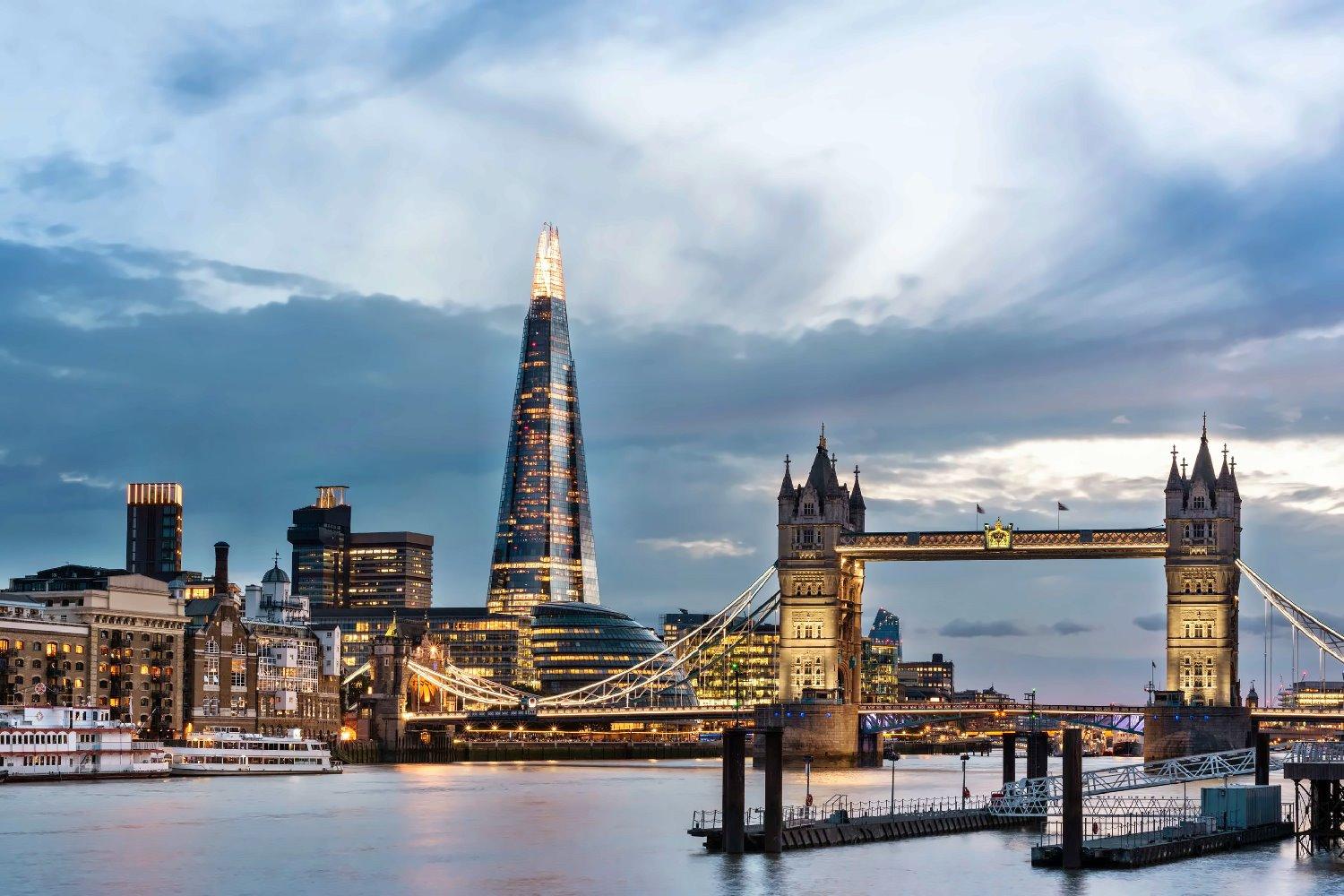
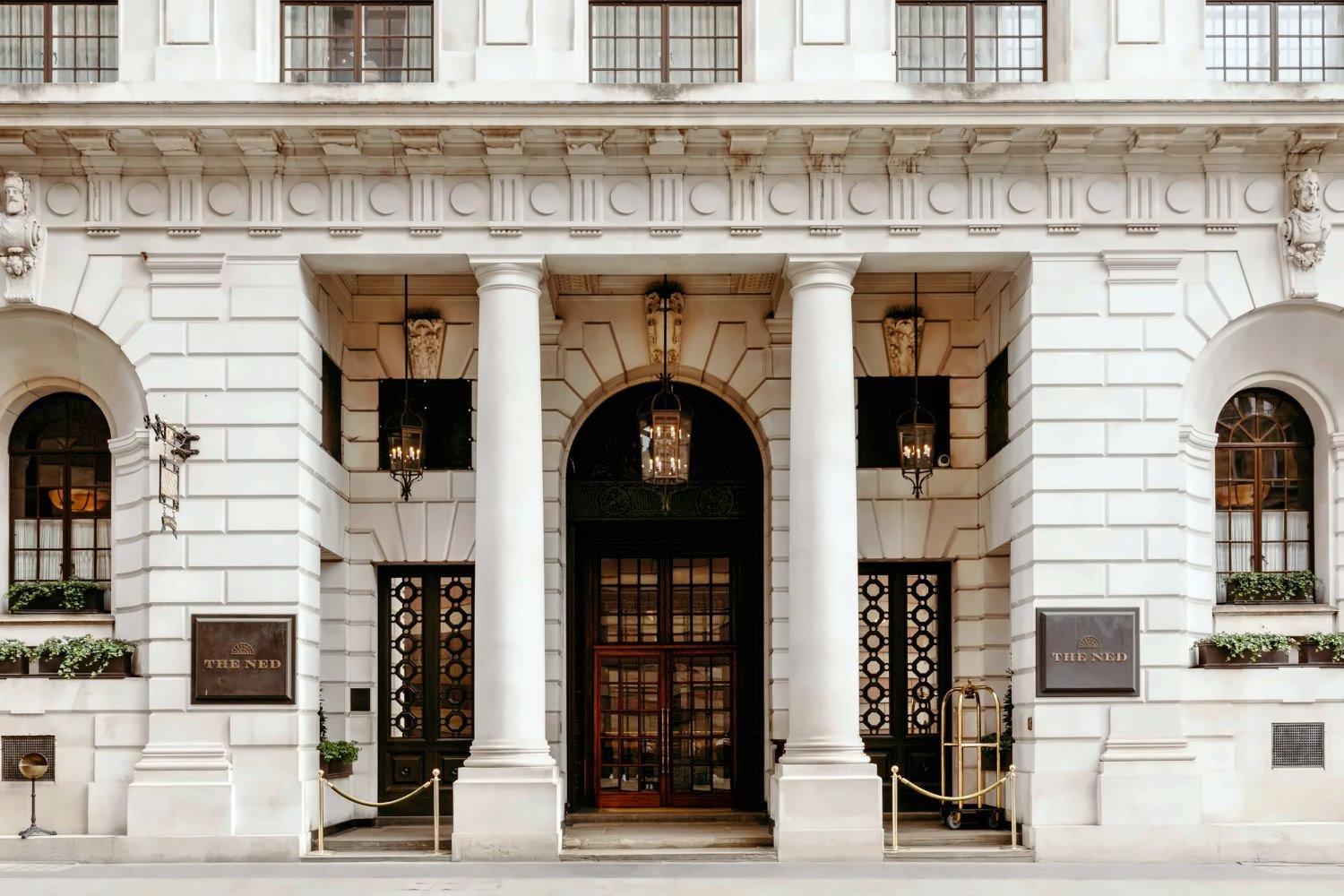
The City layers Roman remains, St Paul’s, Leadenhall Market and the Tower with contemporary architecture. The Ned makes sense for financial-district appointments and its dining scene. Shangri-La The Shard sits south of the Thames near Borough Market, Tate Modern and South Bank. the view is remarkable. While the daily rhythm differs significantly from Mayfair.
How London’s Virtuoso hotels differ
With 32 addresses, a universal ranking is less useful than understanding the kind of London each hotel creates.
Tradition, ritual and landmark names
Claridge’s, The Dorchester, The Savoy, The Ritz and The Goring are defined by service culture, afternoon tea and a consciously classical atmosphere. Choose them when the hotel itself should be part of the London experience.
Historic buildings, contemporary expression
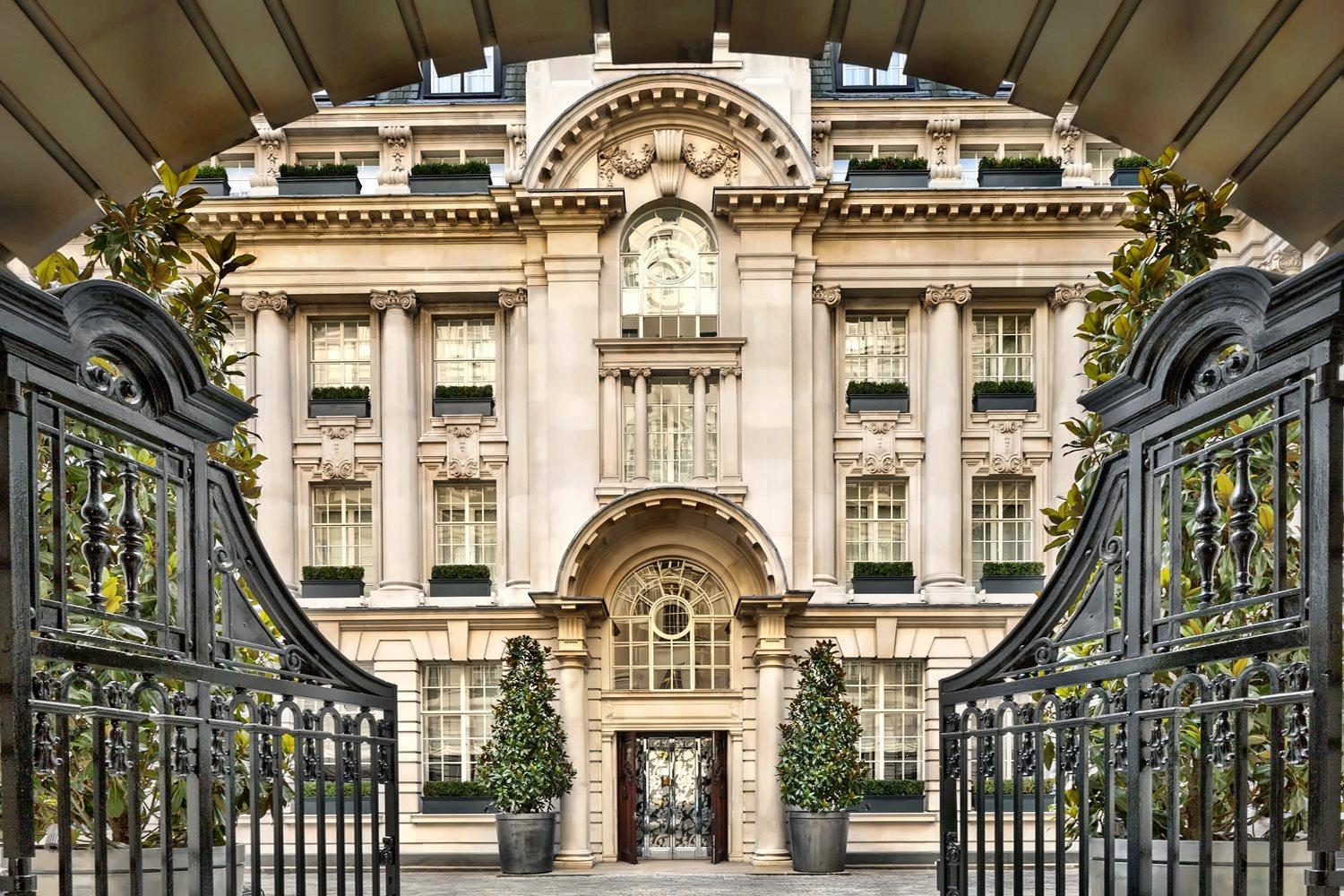
Raffles at The OWO, NoMad, Rosewood and Corinthia combine important architecture with modern dining, wellness and design. They suit cultural trips where history should never feel museum-like.
A clear visual and social identity
The Londoner, 1 Hotel Mayfair, The Edition, Café Royal and The Ned have a more pronounced social and design energy. Their restaurants, bars and location can matter as much as the room.
Townhouse scale and personal atmosphere
The Beaumont, The Stafford and Egerton House feel more intimate than the great palace hotels. They suit returning travellers who value recognition and a more residential London mood.
Culture, landmarks and intelligent day planning
London works best in geographical chapters rather than as one long checklist. Reserve the crucial time slots before arrival.
- Westminster and St James’s: combine Buckingham Palace, Westminster Abbey, Churchill War Rooms, the National Gallery and St James’s Park.
- South Kensington: the V&A, Natural History Museum and Science Museum sit close together. timed exhibitions deserve advance planning.
- City and Southwark: the Tower, St Paul’s, Borough Market, Tate Modern and a Thames walk create a complete day.
- West End: coordinate theatre or Royal Ballet and Opera tickets with a properly timed pre-theatre dinner.
- Private access and early museum appointments often create more value than adding another attraction.
Restaurants, afternoon tea and evenings
Restaurant planning shapes a London stay. Mayfair and St James’s offer established fine dining, Soho and Shoreditch a more dynamic scene. Covent Garden strong pre-theatre choices and Borough Market an informal approach. Sought-after Thursday-to-Saturday tables should be reserved early. Afternoon tea is not interchangeable between the leading hotels: room, tea selection,
pastry and atmosphere all differ. We match the address to the rest of the day and treat it as a proper appointment rather than squeezing it between visits.
Best time to visit and dates that matter
Spring and early summer
April to June brings longer days, parks and a dense cultural calendar. Chelsea Flower Show, Chelsea in Bloom and Trooping the Colour increase both interest and demand. Hotels, restaurants and private arrangements should be secured together.
Summer and Wimbledon
June and July bring Wimbledon, open-air events and long evenings, alongside high demand and heavy visitor numbers. Air conditioning, location and realistic journey times become more important. August can be quieter for business travel while tourist districts remain busy.
Autumn and winter
September and October are excellent for exhibitions, theatre and restaurants. London Fashion Week can affect specific dates. November and December are atmospheric but shopping districts and festive events become crowded. January and February are quieter and particularly good for museums, spa time and dining.
London in three, four or six nights
Three nights – a concentrated introduction
Use one day for Westminster and Mayfair, one for the City and South Bank and one for South Kensington or Covent Garden. One important exhibition, a theatre evening and a deliberate afternoon tea or dinner create more value than an overloaded list.
Four to five nights – the best balance
Extra time allows separate cultural chapters, unhurried shopping and an evening beyond the hotel neighbourhood. Notting Hill, Marylebone, Chelsea or Hampstead can be included without sacrificing the classics.
Six nights or more – London and beyond
Nearly a week creates room for private gallery appointments, a second performance and an excursion. Windsor, Hampton Court, Kew or, with enough time, Oxford and the Cotswolds extend the journey meaningfully.
Airports, transfers and moving around London
Official visitor information places Heathrow about 32 kilometres west of central London. Heathrow Express reaches Paddington in approximately 15 to 20 minutes. While the Elizabeth and Piccadilly lines serve several central stations. A private transfer is comfortable after a long-haul flight. But timing depends heavily on traffic and hotel location. Gatwick has useful rail links to Victoria and London Bridge.
London City is much closer to the centre. Within London, the Underground is frequently faster than a car. Chauffeur service remains valuable for luggage, evening dress, families and consecutive appointments, provided realistic buffers are built in.
Combining London with Britain
London works as a self-contained city journey or the beginning of a wider route. Bath and the Cotswolds suit architecture and landscape, Oxford and Cambridge academic history. And Edinburgh offers a strong urban contrast. Rail, driver arrangements, luggage and minimum stays should be designed as one itinerary. A rushed day trip is not always the most elegant solution. an additional night outside London can be far more rewarding.
Our planning recommendations
- Choose the neighbourhood before choosing the hotel.
- Reserve theatre, Royal Ballet and Opera, sought-after restaurants and afternoon tea early.
- Plan Westminster, South Kensington. And the City with South Bank as separate areas.
- Check Wimbledon, Chelsea Flower Show, Fashion Week and public holidays before booking flights.
- Use the Underground and Elizabeth line strategically. a car is not automatically faster in central London.
Frequently asked questions about Virtuoso hotels in London
Which neighbourhood is best for a first London stay
Mayfair and St James’s offer the strongest balance of parks, landmarks, shopping, restaurants and West End access.
Is Knightsbridge or Mayfair better
Knightsbridge suits Harrods, Sloane Street, South Kensington and a calmer residential mood. Mayfair is more versatile for Bond Street, St James’s, theatre and central culture.
How many nights should I spend in London
Four to five nights give a first luxury stay the best balance. Three nights work with strict priorities.
Which London airport is most convenient
Heathrow offers the widest choice and several direct rail connections. London City is closest to the centre. Gatwick can suit hotels near Victoria or London Bridge.
Do I need a chauffeur in London
Not continuously. The Underground and Elizabeth line are often faster. A chauffeur is valuable for airport transfers, evening engagements, families and complex programmes.
When should theatre and restaurants be reserved
Popular productions, weekend performances and established restaurants should be secured before arrival whenever possible.
Are Virtuoso benefits identical at every hotel
No. Breakfast and VIP recognition are typical with a qualifying rate. the credit and additional benefits are confirmed for the specific hotel and stay.
Can I book the hotels online
Yes. Book online opens the relevant PrivateUpgrades page with current rates, availability and confirmed benefits.