
In Botswana, luxury is defined less by the largest suite than by the right combination of habitat, guide and time. A beautiful camp at the wrong water level may not deliver the intended safari. A thoughtful route therefore connects distinct landscapes—permanent channels, seasonal floodplains, wildlife-rich dry islands and, with enough nights, Linyanti or the Kalahari—rather than collecting famous names.
A journey that has time to work
- 6 nights
- Two camps of three nights: focused, without a third landscape.
- 8–9 nights
- Three camps of three nights: ideal for water, strong game drives and regional contrast.
- 11–12 nights
- Okavango, Linyanti and Makgadikgadi or Kalahari, provided extra flights do not dominate.
- Rule
- Never book from a camp ranking. Season and habitat first, then activities, guide and design.
The Okavango is not one uniform body of water
The UNESCO World Heritage Site combines permanent marshes, seasonally flooded plains and dry islands. Water travels from the Angolan highlands and reaches the fan during Botswana’s dry months. June and July can therefore bring both dry air and expanding water. The pattern varies each year and between neighbouring concessions.
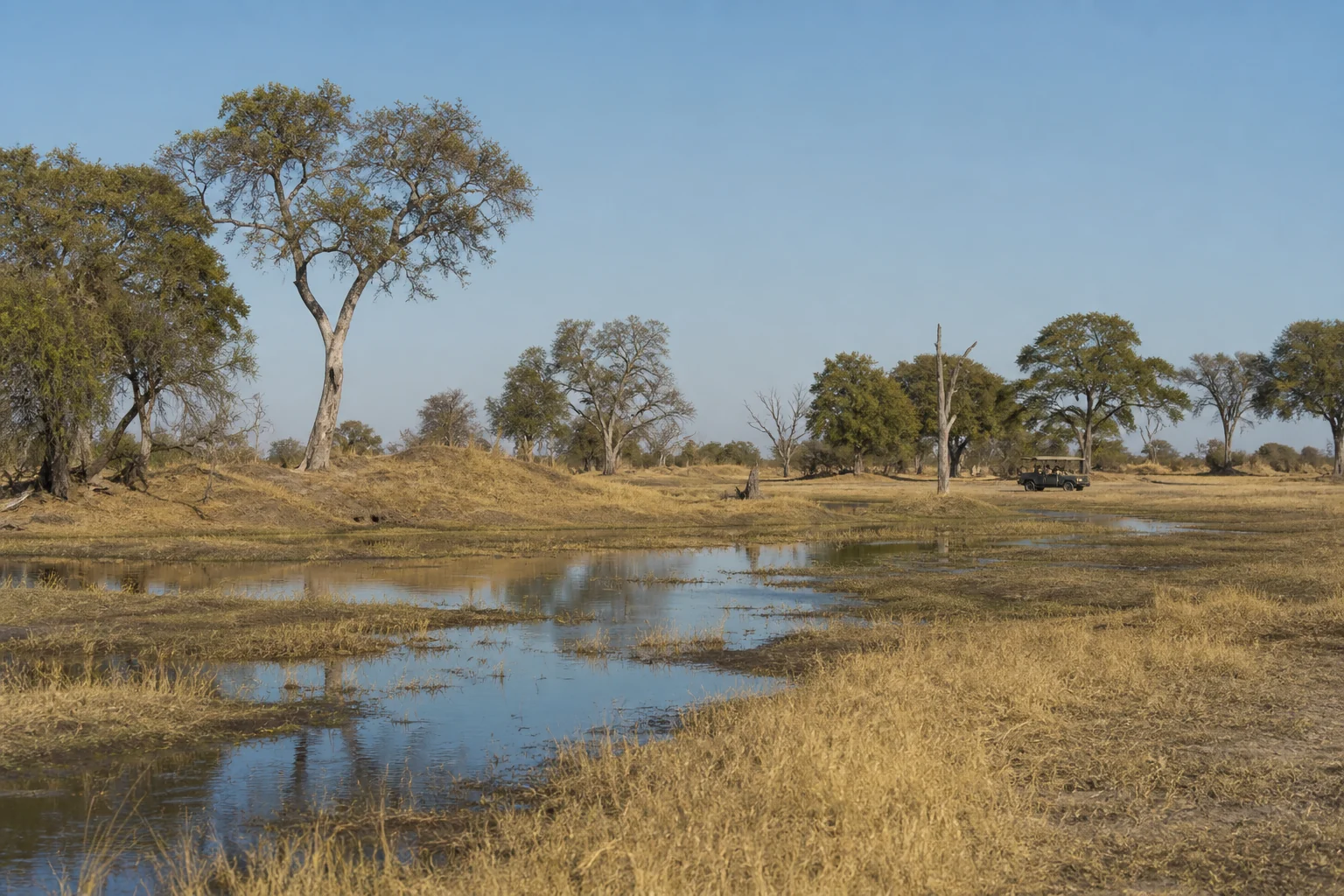
A mokoro photograph does not prove that every camp offers water activities throughout the year. The proposal must distinguish permanent water, seasonal channels and predominantly dry land—and confirm what is realistic for the exact month.
| Landscape | Strength | Possible limit | Role |
|---|---|---|---|
| Permanent water | Boats, mokoro, birds, quiet perspective | Not automatically big-cat country | Atmosphere and Delta understanding |
| Seasonal floodplain | Dynamic land and water | Water varies annually | Versatile middle ground |
| Dry island / Moremi | Powerful game drives | Fewer reliable water activities | Wildlife anchor |
| Linyanti | Elephant corridors, river, predators | Additional flying | Contrast to the inner Delta |
| Kalahari / Makgadikgadi | Space, geology, seasonal movements | Different wildlife rhythm | Strong beginning or conclusion |
Water safari and game drive do different jobs
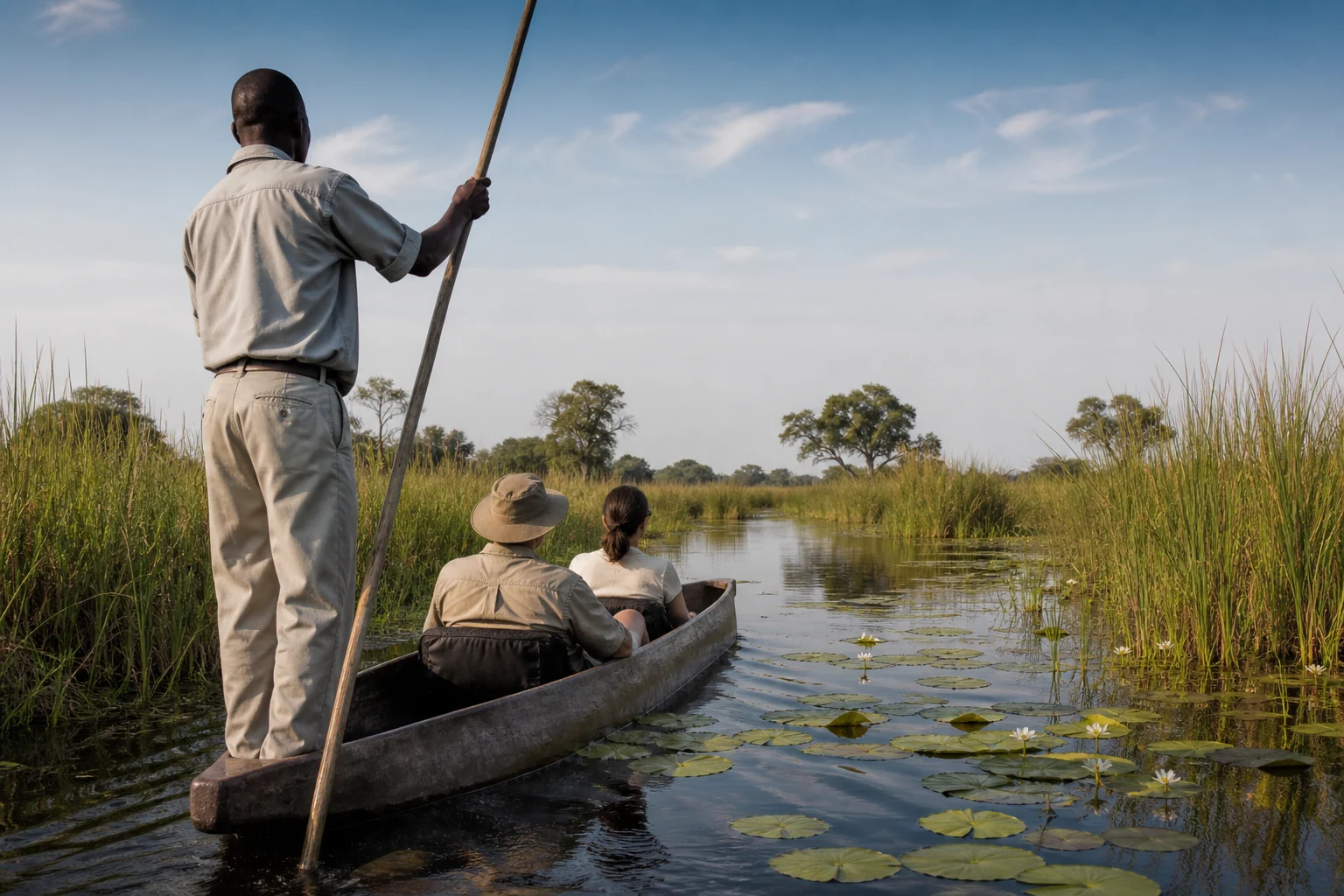
A mokoro moves slowly through shallow channels and reveals reeds, frogs, birds and small details; it is not designed to chase sightings. A motorboat covers distance, while a vehicle searches dry ground and predators. Good itineraries combine these perspectives. Activities and rules vary by concession, reserve, water level, child age and mobility, and require written confirmation.
Three camps, three clear roles
Wilderness Mombo, deep in Moremi, sits on a productive floodplain and focuses on game drives and predator-prey dynamics. It is a wildlife-intensive anchor. Wilderness Vumbura Plains combines land and water activities in seasonally inundated grassland, useful for guests unwilling to choose between classic drives and the Delta’s aquatic character.
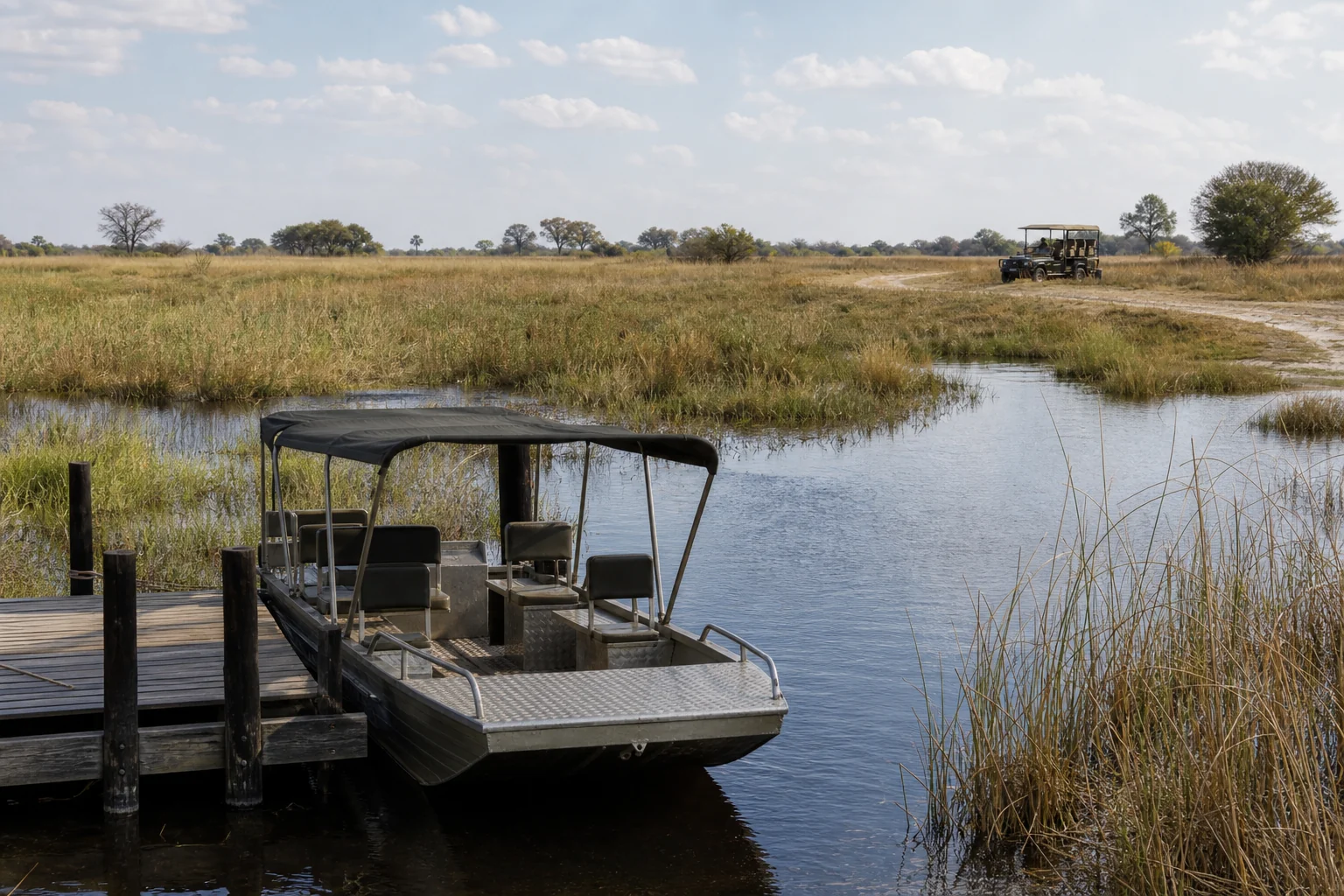
Wilderness DumaTau lies in Linyanti between elephant corridors and along extensive river frontage. Elephants, wild dogs and the river create a different narrative from the inner Delta. Great Plains, &Beyond and independent operators interpret similar habitats differently; brand comes after ecological role. No camp guarantees a species or sighting.
Three nights per camp are not an indulgence
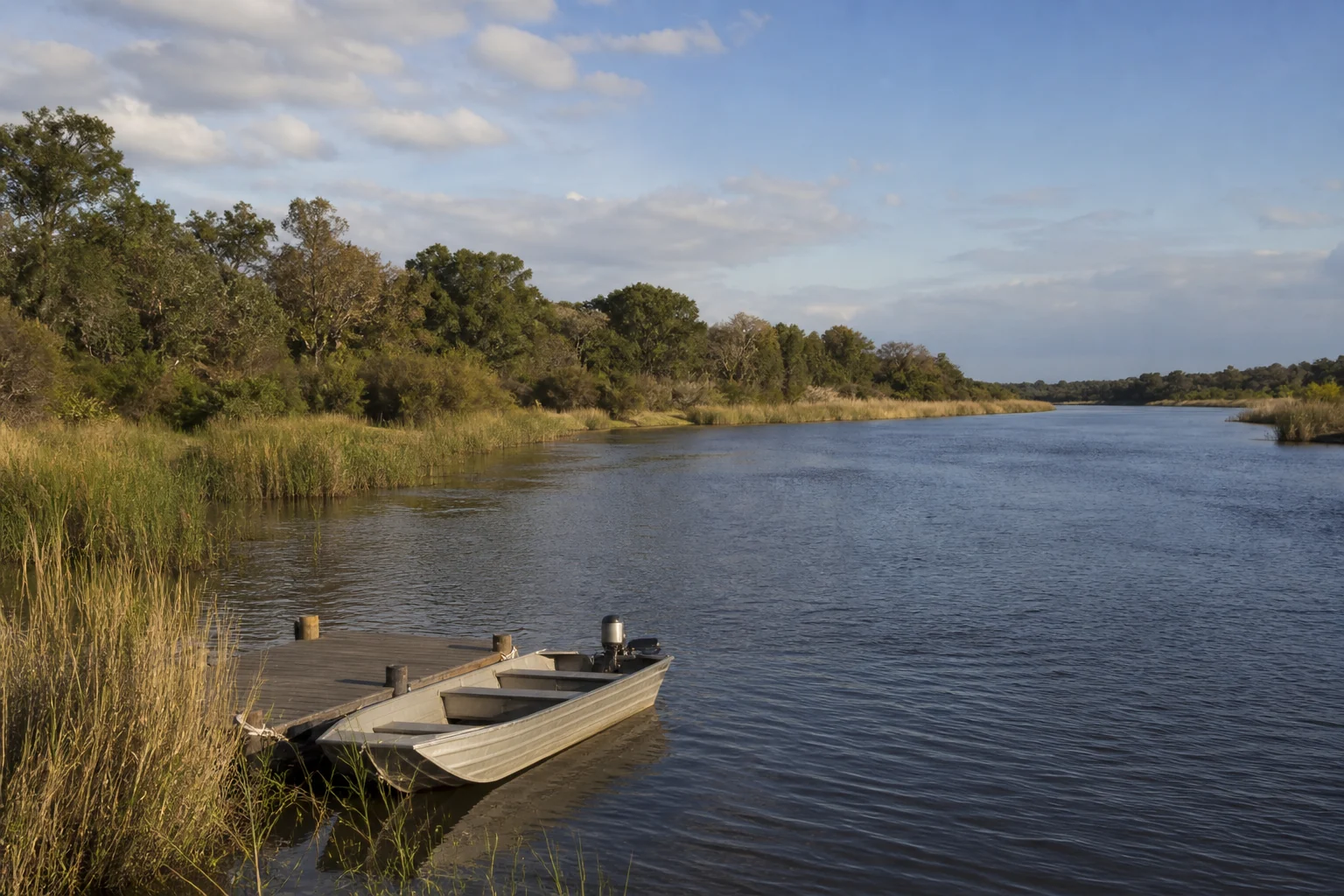
Two nights usually produce only one afternoon and two morning activities; a delayed flight or quiet wildlife period then weighs heavily. Three nights create five or six activity windows and allow one session to be skipped. Four nights suit photographers, families or camps offering genuine land-and-water variety. Every move also means a flight, safety briefing, baggage transfer and new guide.
Guide and vehicle change the safari
A private vehicle is valuable for photography, children, mobility needs or a personal schedule. It permits a longer sighting or an early return but guarantees neither animals nor an exclusive position. A well-matched shared vehicle can be excellent. Confirm guide level, maximum occupancy, seating, private-vehicle cost and concession rules before booking.
The flying safari must be visible in the plan
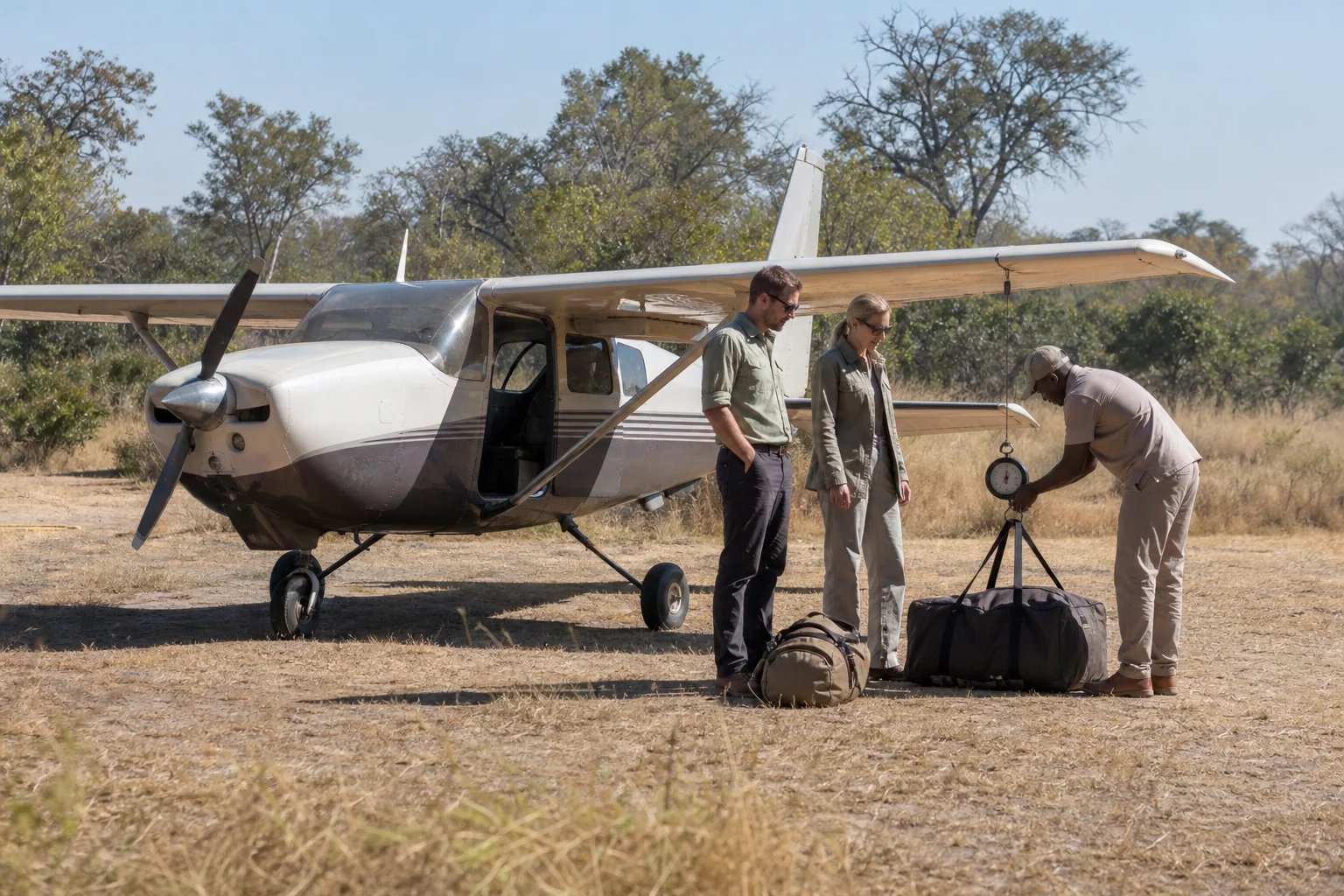
Small aircraft and bush strips connect most camps. Weather, passenger routing and intermediate stops mean that a quoted flight time is not the full transfer. Luggage conditions are strict: Wilderness cites typical limits of 15–20 kilograms depending on the operation and soft bags. The confirmed carrier rule prevails; camera equipment, medication and valuables need their own weight-compliant plan.
When to go
June to October brings dry weather, cold mornings and—depending on year and location—high floodwater. Wildlife concentrates around water, while prices and demand rise; September and October can be intensely hot. November to March is green season, with rain, dramatic light, migrant birds and young animals, but more heat, humidity and insects. April and May can be rewarding transitions. No monthly formula replaces a current concession water report.
A balanced nine-night structure
- Three nights in a water-oriented Delta camp: boat or mokoro, birds and a quiet opening.
- Three nights on a productive dry island: serious game drives with an experienced guide.
- Three nights in Linyanti or a mixed concession: elephant corridor, river or integrated land-and-water activities.
Order follows flight logic, water and availability. With eight nights, two exceptional four-night stays may be more luxurious than three hurried camps.
Read conservation claims honestly
Low bed counts and high rates can fund wilderness, but do not prove impact. Credible operators explain concession models, local employment, community partnerships, energy, water, waste and research. “Eco-luxury” without evidence remains marketing. Ethical guiding also means no crowding, blocking, baiting or pursuing wildlife for a photograph.
The Deluxetargets recommendation
For a first Botswana journey, we would choose eight or nine nights across three genuinely different habitats, or six to eight nights in two exceptionally well-matched camps. Water, season and activities come first; guide, vehicle, flight sequence and luggage follow. The suite comes last. The result is not a collection of expensive camps, but a safari whose landscapes explain one another.