
A private visit in Champagne is not a master key to every closed door. The most rewarding journeys pair a great house for architecture and history with a grower for origin and vintage—and leave enough space between them to taste rather than collect appointments.
What can realistically be booked
- Reliably planable
- Reserved tours, small groups, deeper tastings and a private driver.
- Possible with lead time
- A private host, rare cuvées, lunch or a format outside the regular programme.
- Never guaranteed for sale
- Owners, cellar masters, closed archives or spontaneous prestige allocations.
- Best rhythm
- Two nights, two meaningful visits per day and at least one grower.
“Private” has several meanings in Champagne
It may describe an exclusive guide for your party, a separate tasting, a non-public tour or simply a reserved time. Those experiences differ substantially in access and price. A visit can feel personal and exceptional while other guests are elsewhere in the cellars. Conversely, a locked door does not guarantee a more illuminating conversation.
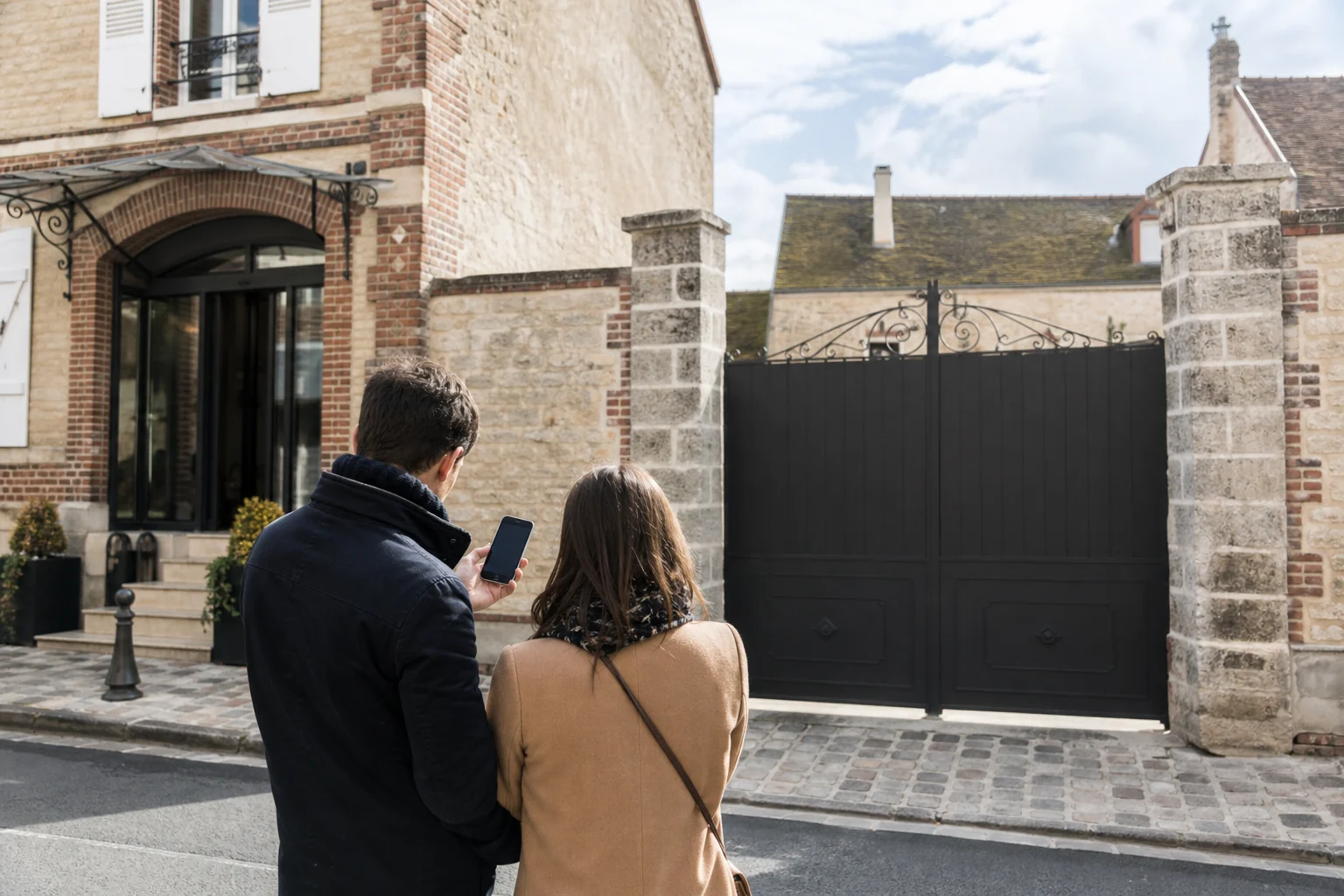
Ask four questions before booking: Is the guide exclusive Who will host Which wines will be poured Which spaces are included, and how much time is protected for discussion Only those details turn “VIP” into a service that can be judged.
Transport is part of the definition too. A private room has little value when the party arrives late from a shared transfer or must leave after an hour. The written service names host or host role, maximum group, language, rooms, exact duration, tasting sequence, purchasing opportunity and driver waiting. Private becomes a verifiable allocation of time and attention, not a status adjective.
Reims, Épernay or Aÿ: the base changes the journey
| Base | Strength | Limit | Best for |
|---|---|---|---|
| Reims | Chalk cellars, major houses, cathedral and urban dining | Longer drives to southern vineyards | First visits, architecture and history |
| Épernay | Avenue de Champagne and central access to wine villages | Less city life at night | Classic houses plus growers |
| Aÿ / wine villages | Vineyards, producers and landscape close at hand | Driver and dinner logistics matter more | Collectors and quieter stays |
The UNESCO-listed Champagne Hillsides, Houses and Cellars are not one museum but a connected cultural landscape. A thoughtful route therefore combines city, subterranean chalk and vineyard rather than stringing together familiar labels.
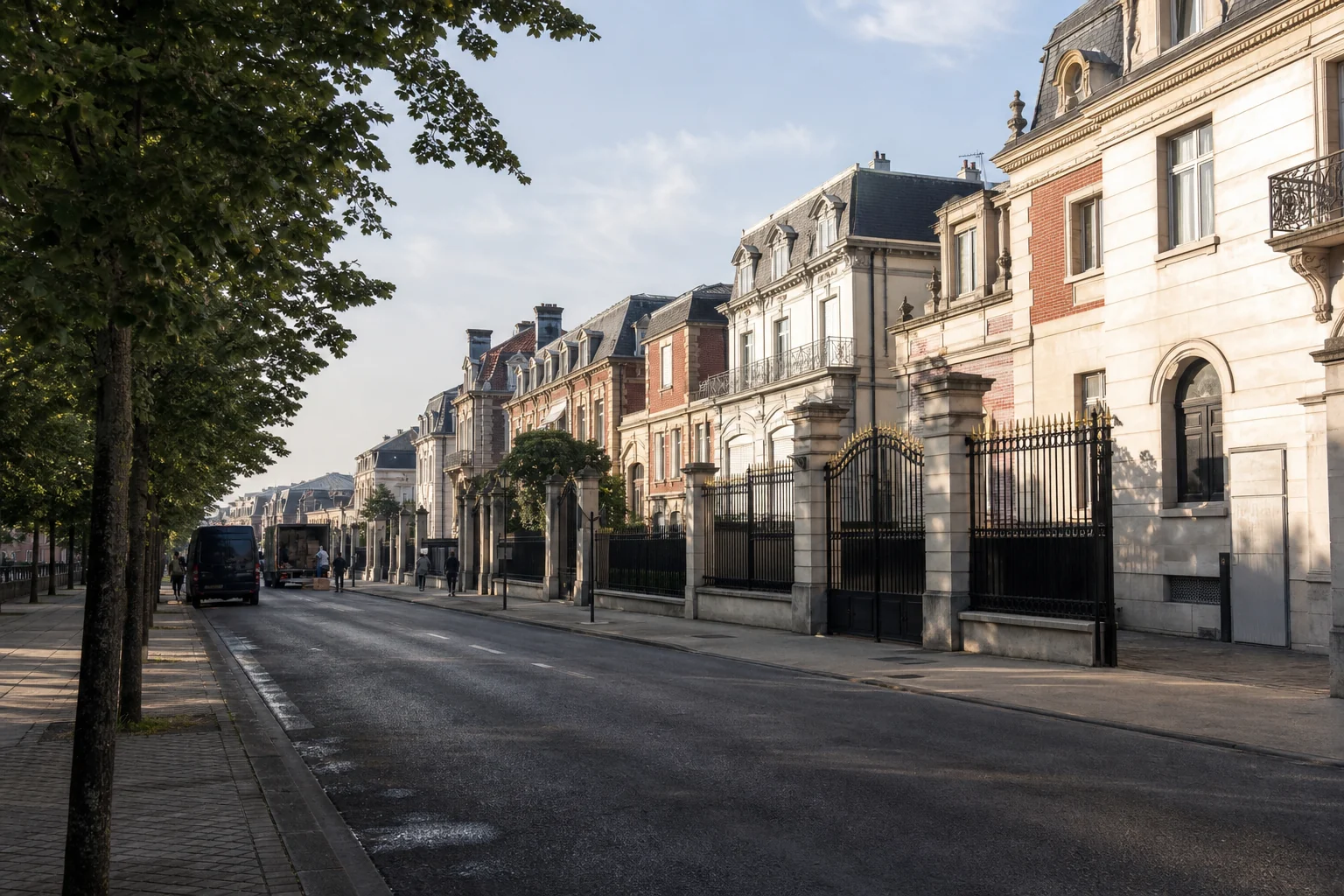
Reims suits an arrival afternoon of cathedral, crayères and an urban dinner. Épernay shortens the following day's reach into many wine villages; Aÿ brings guests closer to working producers but makes evening transport more important. Two houses on opposite sides are not paired merely for their names. Drive, cellar appointment and lunch need one line that survives traffic and a visit running long.
What leading houses actually offer
Several celebrated maisons operate professionally bookable visitor programmes. Ruinart, for example, publishes a two-hour guided visit to its crayères limited to twelve participants. Bollinger opens year-round bookable experiences in Aÿ through its 1829 programme and distinguishes regular visits from invitation-only events. That is an honest boundary: a sophisticated public format can be excellent; an event “by invitation only” does not become a retail product because a guest requests it.
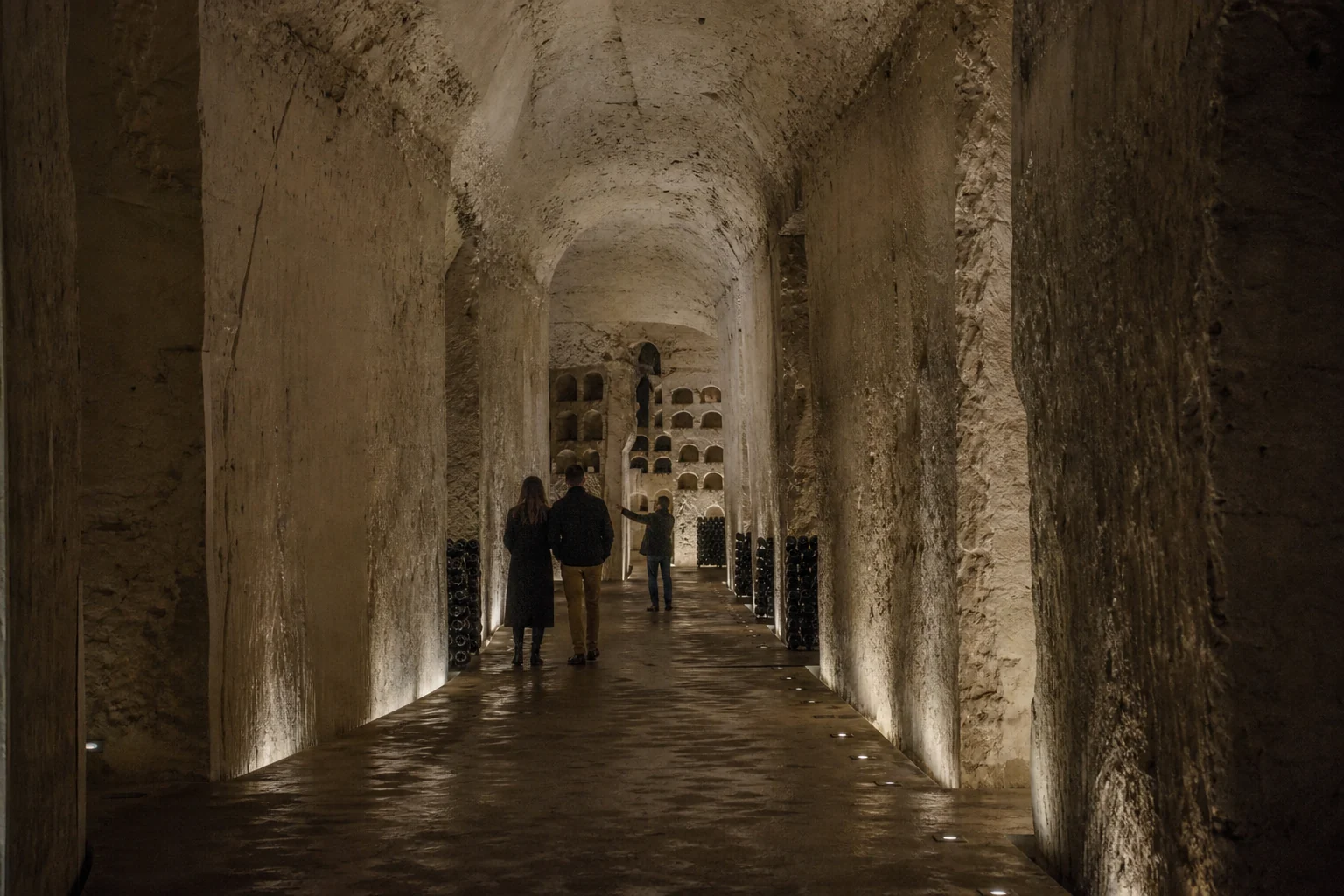
Availability, language and the cuvées poured change. Every visit must be reconfirmed for the date rather than inherited from an old prestige list.
A published programme proves only that a format exists in principle. It does not promise a private host or access to production, archive, vineyard or cellar master on a chosen day. A request may ask for greater depth while treating the regular experience as legitimate. Relationships sometimes create a better conversation; they do not turn operational boundaries into purchasable privileges.
Why the route needs a grower
At a major house, the story is often cellars, blending, ageing and the continuity of a house style. With a récoltant-manipulant, origin can feel more immediate: plot, soil, harvest and family decisions. The Comité Champagne's official producer directory allows houses and growers to be filtered geographically and by their visitor offering.
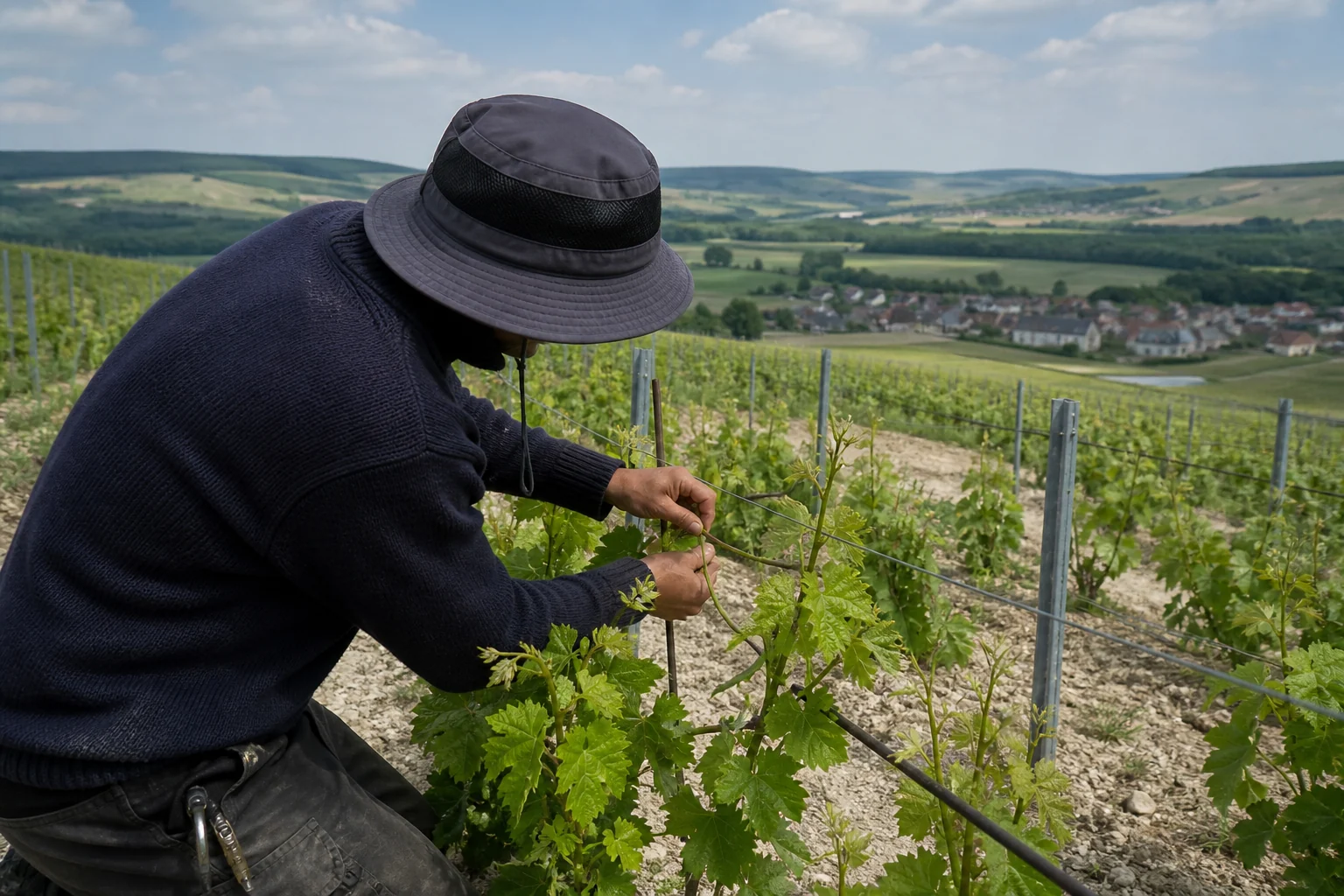
That contrast has more editorial value than a third famous name. It explains why Champagne is both a global symbol and an agricultural place.
For the grower, confirm whether the meeting takes place in cellar, vines or tasting room and who actually has time. A family name on the website does not promise that person as host. Farming choices, parcels, pressing and style carry the substance; conversation must still respect active work. The selected Côte des Blancs perspective complements the house instead of imitating it.
Two tastings in one day are enough
A serious visit lasts far longer than a glass at a bar. Add driving, welcome, cellar walks and purchases. Three or four appointments turn nuance into repetition and hospitality into a schedule. Two substantive visits, a considered lunch and time to look at the vineyards make the more luxurious day.
Guests who intend to taste analytically should use the spittoon, drink water and take breaks. A private driver is not only comfort; it is the responsible foundation of a day involving alcohol.
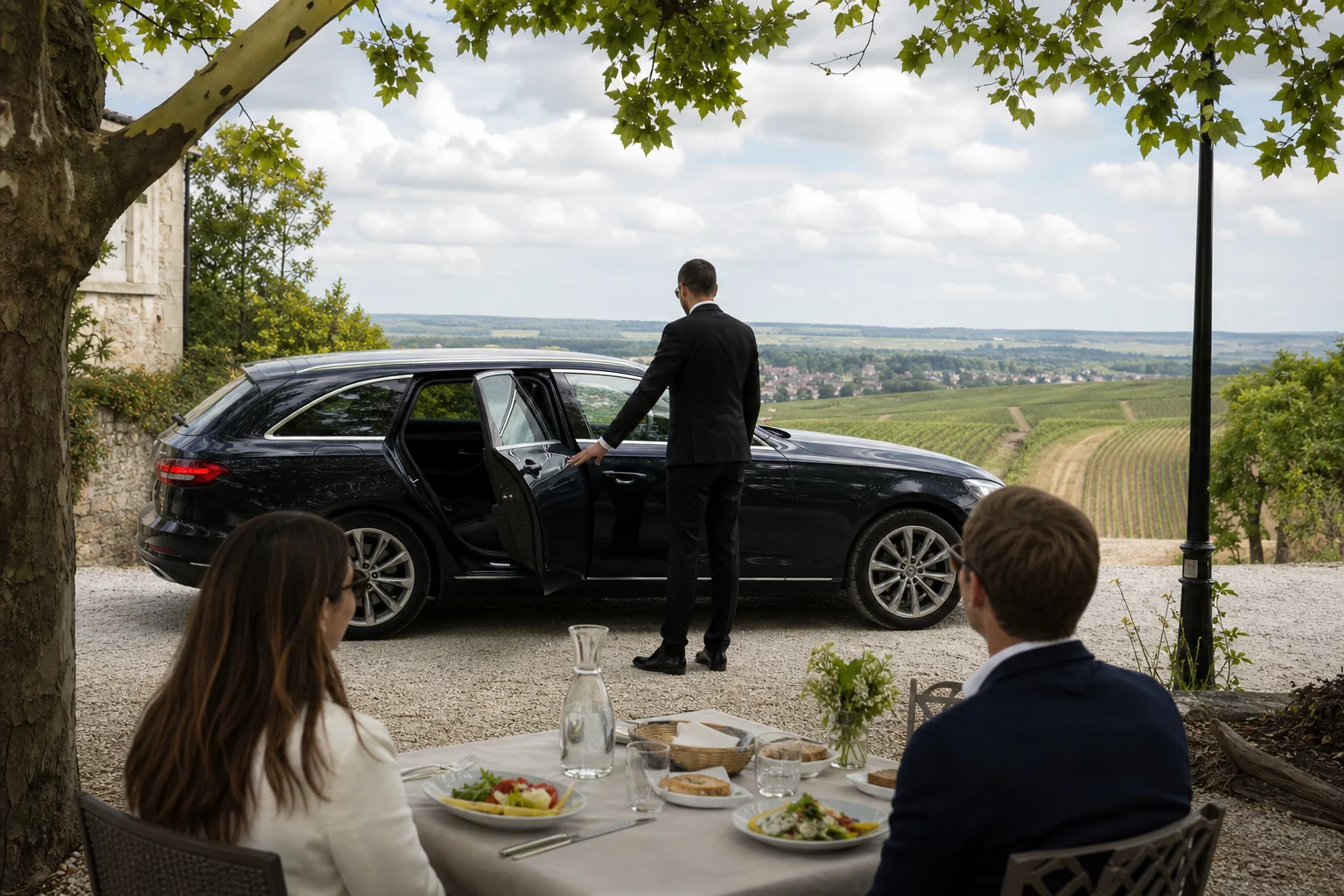
Lunch separates the tastings and protects the palate. It should be light enough not to blur the afternoon while providing food and water. Strong fragrance, coffee immediately before tasting and a hurried cellar transfer all reduce perception. Nobody needs to finish every glass; responsible tasting is not a failure of appreciation.
Rare cuvées require a precise brief
“Prestige tasting” is too vague. Is the interest a particular vintage, rosé, blanc de blancs, extended lees ageing or a comparison of base wines The sharper the question, the easier it is to identify a suitable existing format. An archive bottle still depends on stock, house policy and occasion.
Mention buying intentions in advance. Some bottles are available at the house; others are allocated or not sold there at all. Shipping, customs and temperature control are separate decisions.
A useful wine brief names three to five reference bottles and the question behind them: ageing, dosage, origin, élevage or vintage character. It never demands an archive bottle as admission. If a rare cuvée is confirmed, the offer identifies vintage, bottle size, number of pours and possible substitution. A tasting agreement implies neither a sales allocation nor guaranteed shipping.
Harvest is compelling—and operationally sensitive
During harvest, producers focus on the defining work of the year. Some visitor programmes become restricted; others create particular insight. Both possibilities require date-specific confirmation. Spring and autumn can be gentle, while winter offers quieter cellars but demands weather-aware vineyard plans. Season is not a hierarchy of quality; it changes the lens.
Harvest is never rearranged as guest theatre. Safety routes, hygiene, vehicle movement, working hours and estate decisions precede photography or participation. A short conversation or view from an authorised area may be enough. If grapes, weather or cellar work cancel access, a pre-agreed alternative away from production should replace it.
A persuasive two-night structure
On arrival afternoon, one architecturally important cellar in Reims and an unhurried dinner are sufficient. The full day pairs a house in the morning with a light lunch and a grower in the villages in the afternoon. Departure day allows one further landscape or a focused purchase. A third night creates a free half-day and makes Reims and Épernay feel connected rather than commuted.
The driver receives every address and operating contact but no unnecessary guest data. Leave thirty to sixty minutes between appointments for traffic, water and notes. The final visit ends early enough for return, rest and dinner. When delay occurs, first shorten the current sequence rather than automatically sacrificing the next house; hosts and driver decide from live conditions.
What the request must contain
- Dates, nights and preferred base.
- Wine knowledge and preferred styles, not only brand names.
- Private guide, private tasting or simply a very small group
- Languages, mobility and tolerance for cool, uneven cellars.
- Purchasing and shipping intentions.
- Dining rhythm and a responsible driver plan.
Before payment, confirm house, address, date, local time, duration, host role, language, group maximum, spaces, wines, price, tax, cancellation, photography and accessibility in writing. Add vehicle, pickup, lunch, water and return. Recheck two days before arrival in case harvest, production or staffing has altered the plan. Responsible tasting and a non-driving arrangement remain non-negotiable.
The Deluxetargets recommendation
Allow two or three nights and no more than two tastings on a full day. Combine one major house with one grower, define “private” in writing and treat rare cuvées as a confirmed enhancement rather than a condition. The result is not a trophy list but a genuine understanding of Champagne.