
A remote lodge, solar panels and a line called “conservation fee” do not yet prove a contribution to nature. Impact begins where land is protected for the long term, local rights are respected, revenue is traceable, wildlife is viewed responsibly and outcomes are measured. Discerning safari travellers may enjoy great comfort — while asking exactly which system their stay is funding.
Conservation governance begins with verifiable claims
Linen, timber, local art and a savannah view may be beautiful while revealing nothing about governance or ecology. The Global Sustainable Tourism Council frames hotel sustainability through management, socioeconomic, cultural and environmental impacts. Safari needs that same breadth. Energy and waste matter; so do land rights, wages, procurement, participation, wildlife practice and transparent finance.
“We protect 50,000 hectares” sounds impressive. Who owns or manages that land, for how long, under which contract and protection category Is it actively monitored or merely drawn on a marketing map A credible operator names partners, legal basis, objectives and recent results. Sensitive animal locations can remain confidential while the structure and evidence stay intelligible.
A private reserve, state concession and community conservancy distribute rights and revenue differently. No model is inherently best. Duration, decision-making, benefit and dispute resolution are what matter. Namibia’s NACSO describes communal rights and tourism concessions; Kenya’s KWCA documents community conservancy structures. A lodge should identify its exact arrangement instead of folding everything into the phrase “community land”.
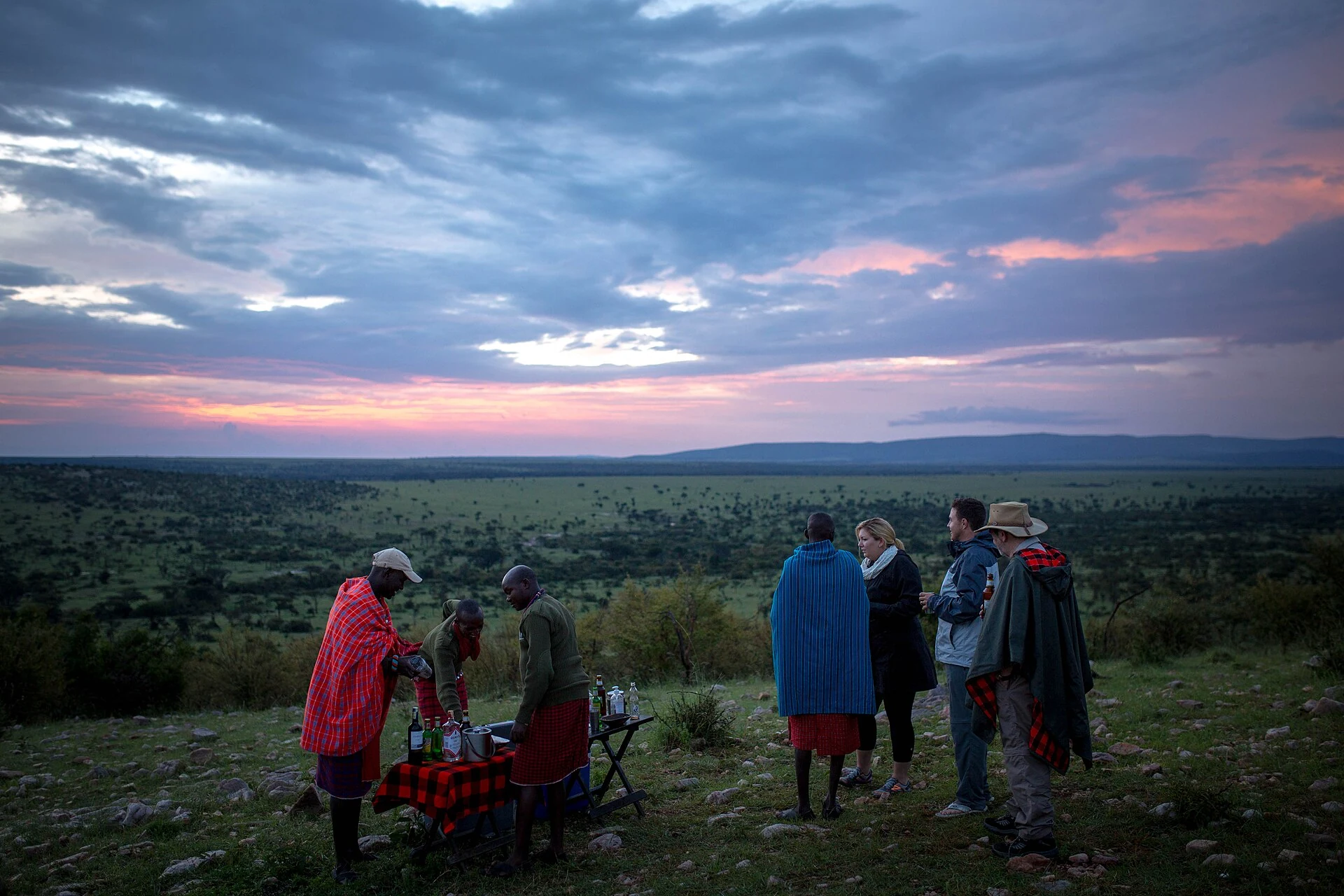

People living in and around wildlife landscapes are rights holders, neighbours, employees, entrepreneurs and political actors, not merely recipients of donations. Ask who negotiates contracts, sits on boards, sets revenue priorities and handles grievances. A school pictured on the website may be valuable and cannot substitute for a fair land agreement. Conservation lasts only when local costs, authority and benefit are taken seriously.
Nightly rate, park fee, conservancy fee, community levy and voluntary donation can have different recipients and purposes. Ask for each line: who collects it, where it goes, what it may fund and how reporting works. A broad “impact fee” without governance is difficult to assess. Conversely, an unglamorous official park charge may directly support the functioning of a protected area.
A large amount proves neither effective protection nor fair distribution. It might pay for rangers, monitoring, compensation, roads or general administration, each producing different value. Seek budget categories, annual reporting and measured results. Do not reduce conservation to easily counted animals: habitat, water, conflict prevention and institutional stability are less photogenic and often more decisive.
Who sets tourism density, off-road rules, new construction, water use, jobs and distributions Is there a board, community representation, audit and complaint route A lodge may employ outstanding guides inside a weak system; a robust conservancy may work with several lodges. The sophisticated traveller evaluates institutions behind the host. Durable conservation comes from rules, not one charismatic founder.
Credible certification can test management and processes externally. Examine the standard, accredited certification body, exact site, scope and validity. Even strong certification may not capture every local distribution question or the conduct of a particular sighting. Ask what was certified and which gaps remain. A footer logo starts due diligence; it does not complete it.
A serious report states period, baseline, method, objective, result and setback. “More wildlife” requires a count method and defined area; “local jobs” needs numbers, contract types and seniority; “less plastic” needs a boundary. Human stories make data meaningful but cannot replace it. Operators become more credible when they disclose missed goals or conflict and explain what changes next.
Rights, leadership, revenue and cultural agency
The share of local staff is important and incomplete. Who manages the lodge, leads guides, oversees finance and sits in executive roles Are contracts year-round, wages fair, training recognised and promotion visible Seasonal entry positions under entirely external leadership are not the whole success story. Accommodation, transport, family time and safe grievance procedures also shape employment quality.
Food, furniture, building, laundry, craft, transport and professional services can support regional businesses. “Local” still needs definition: village, county or country Small suppliers need reliable volume, fair payment and realistic standards. A lodge may import what cannot responsibly be sourced nearby, but should explain the choice. Regional value extends well beyond decorative craft in the boutique.
Village visits, dance or craft demonstrations must not turn communities into programme items. Who designed the experience, sets timing and group size, approves photography and receives payment Can participants decline Private access is not automatically respectful. A shared conversation, locally guided project or ordinary market may be stronger than an “authentic” scene staged to order. Cultural dignity belongs inside conservation.
Wildlife rules, habitat and conflict governance
A responsible lodge does not promise a sighting, hunt or exclusive proximity. It explains seasonal likelihood and accepts that animals may withdraw. Guides preserve distance, avoid blocking escape, never feed and follow area rules. Kenya Wildlife Service, for example, publishes park-specific restrictions around distance, feeding and off-road driving; other reserves differ. The applicable local rule always governs.
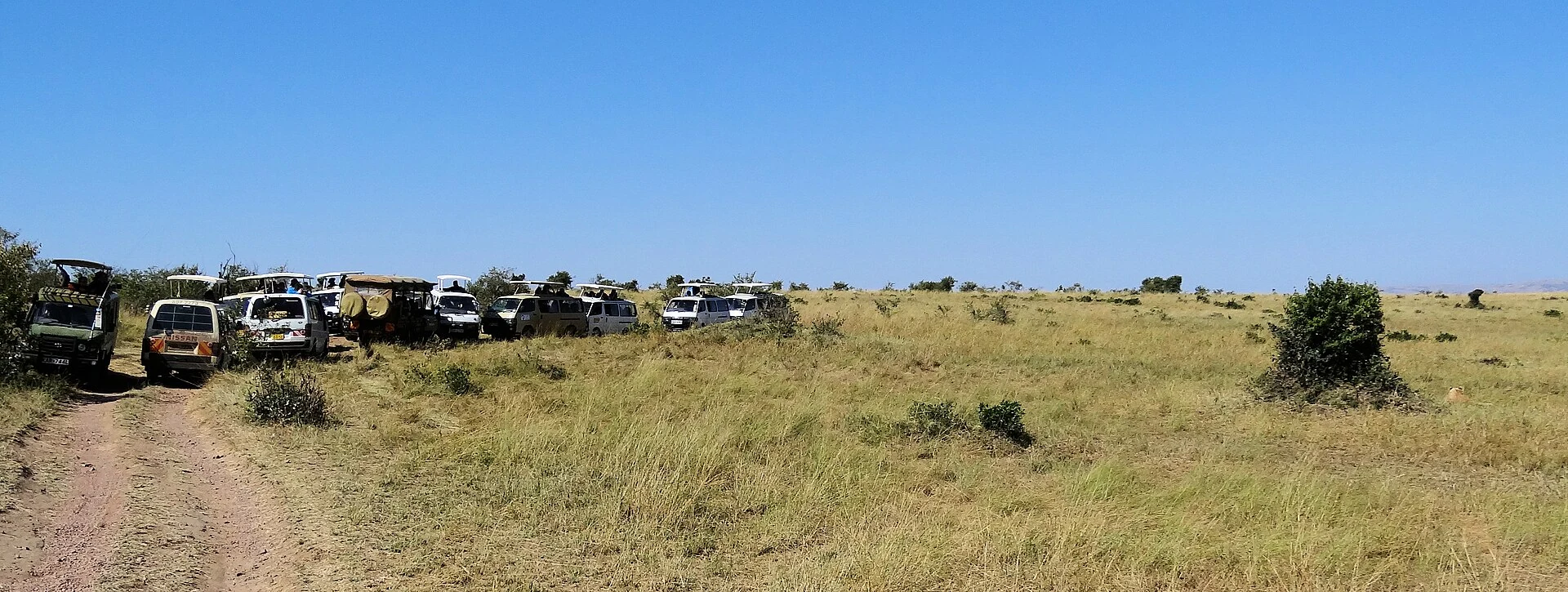
A private vehicle improves flexibility without automatically reducing pressure. When many cars crowd one sighting, animal stress, soil damage and emissions rise. Ask about vehicle caps, rotation, radio protocol, off-road practice and sensitive young. A strong guide leaves a famous scene when it becomes crowded and reveals behaviour, landscape or smaller species elsewhere.

Great guides read tracks, ecology, history and guest mood. They resist pressure to complete a wish list. Training, licence, employment model, continuing education and local origin deserve attention. Guests support quality by expressing curiosity rather than demanding “Big Five by tomorrow”. A rewarding drive may spend an hour with birds, plants or a watercourse and yield no headline photograph.
Private conservancies may permit activities restricted in national parks. They can be valuable and still require ecological management. Which zones, seasons, species and ground conditions apply How are tracks restored, lights and speed controlled “Exclusive access” is not a sustainability metric. Value appears when access is connected to monitoring and explicit limits.
Marketing centres lions, elephants, rhinos and leopards. Conservation must include grassland, forest, corridors, water, prey, soil and smaller life. A rhino programme may be vital without defining total impact. Ask about habitat management, fire, invasive species, fences and links to neighbouring land. Long-term protection keeps a system functioning, not merely one iconic population visible.
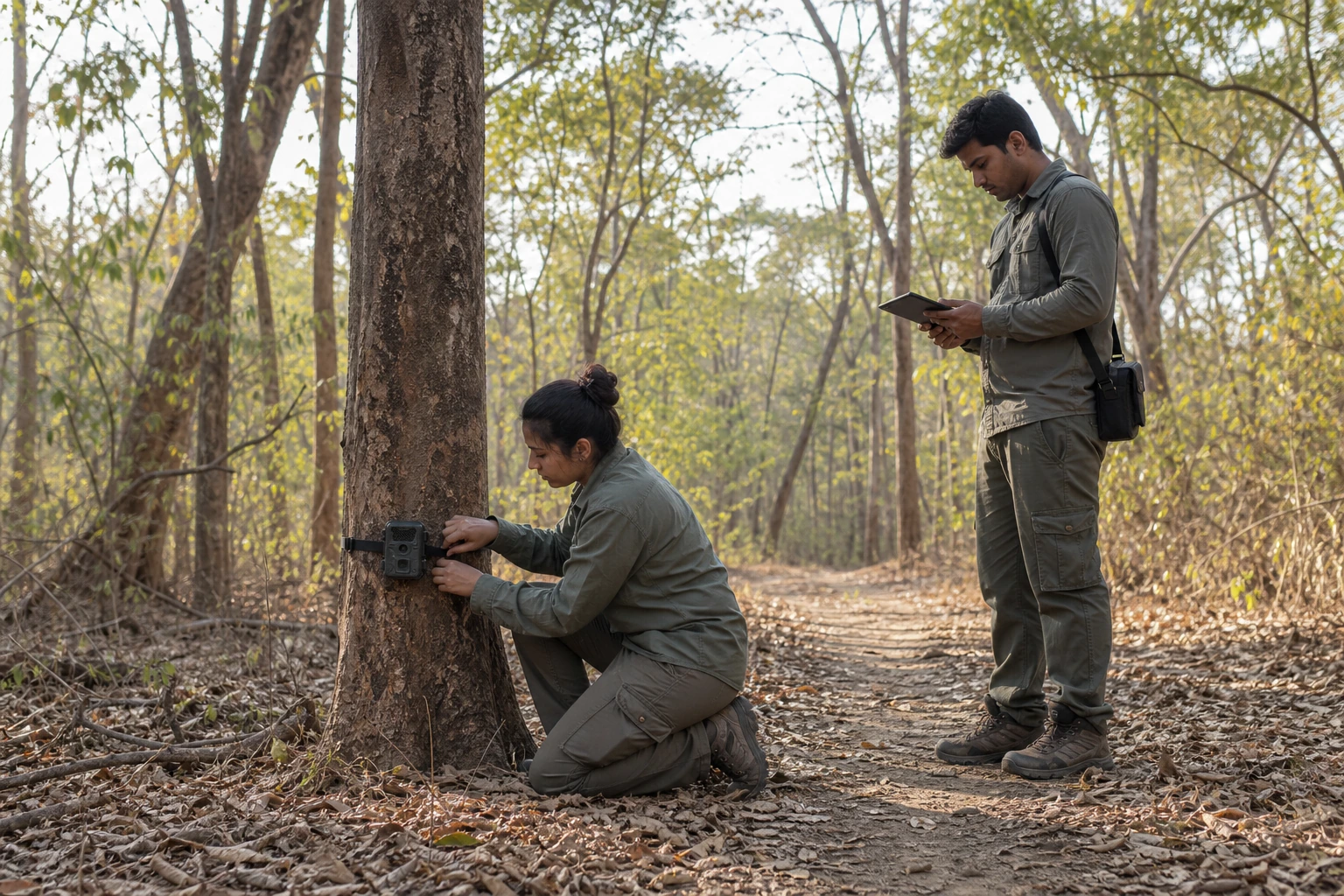
Camera traps, ranger patrols, bird counts and vegetation plots look scientific; value lies in how they are used. What question is measured, who analyses it and what changes afterwards Partnerships with authorities, universities or independent organisations may strengthen quality. Sensitive data need not be public. The lodge should still explain how evidence informs tourism density, water points, fire or anti-poaching.

Wildlife can affect crops, livestock, water and safety. Travellers see a desirable encounter, rarely its local cost. Credible conservancies invest in prevention, fast response, compensation or insurance and community decision-making. Ask how incidents are recorded and funded. A growing animal population is durable progress only when neighbouring people experience benefit and dependable support.
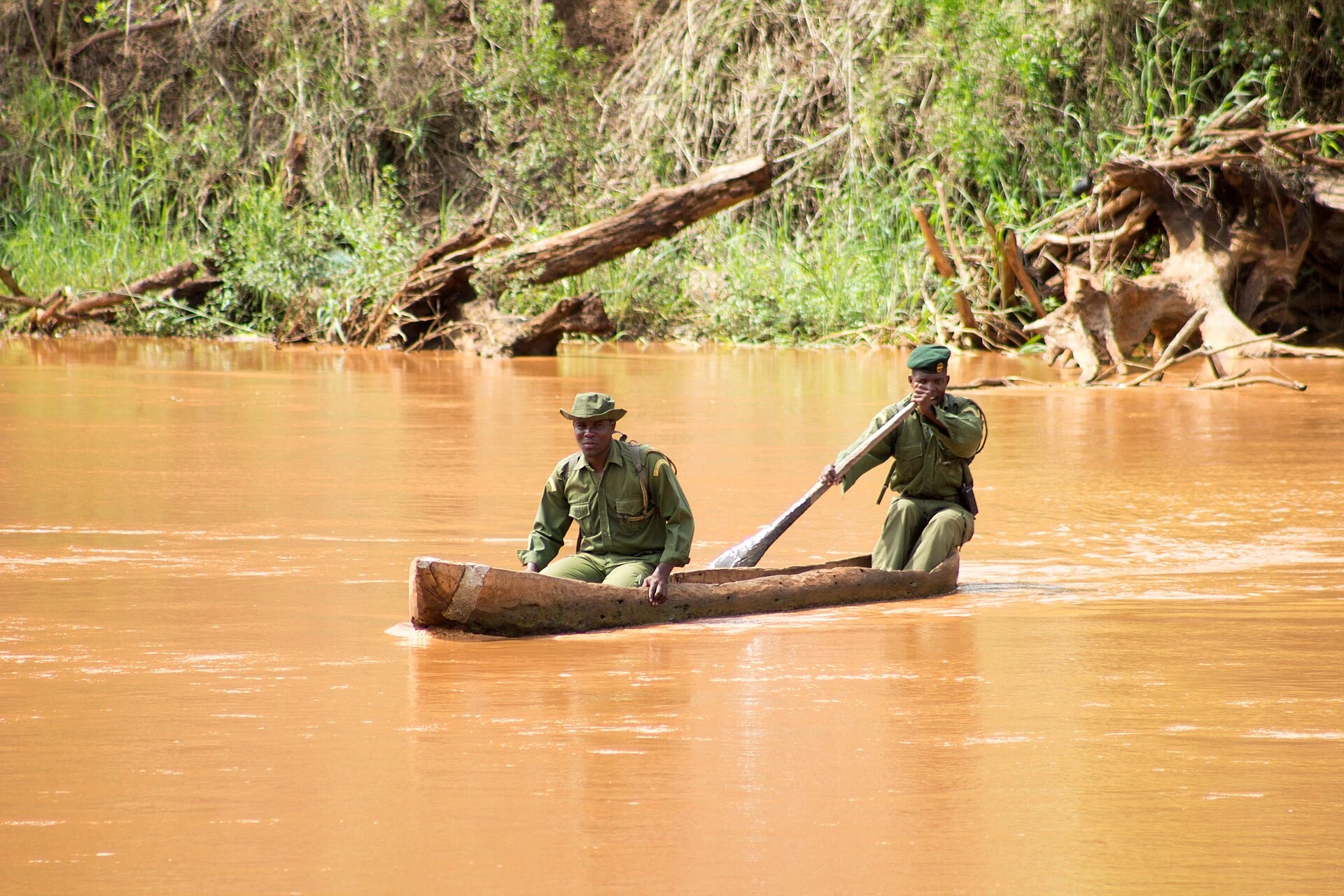
Patrol, data, fire, wildlife response, visitor rules and community cooperation often intersect. Responsible communication avoids romantic military language and respects genuine risk. Ask about training, equipment, conditions and state coordination. Guest visits must not disrupt operations or expose sensitive intelligence. Support can be meaningful without producing an armed performance for tourists.

The operating footprint as supporting evidence
Pool, laundry, shower and irrigation consume scarce resources in dry landscapes. One number per guest means little without context. Where does water come from, how is withdrawal monitored, what is treated and where does wastewater go A small lodge may waste; a larger one may be efficient. Comfort and restraint can coexist when technology, behaviour and capacity are aligned.
Solar power in camp is positive while vehicles, generators, cold chain, materials, supply and flights remain part of the journey. Ask for renewable share, backup, fuel, efficiency and transport logic. “100 per cent solar” may apply only to certain functions. Honest operators define scope. Longer stays and fewer lodge changes can reduce friction more meaningfully than symbolic guest gestures.
Glass bottles and refillable amenities are visible; what happens to metal, organic waste, batteries, oil and sewage matters more. Remote regions may lack recycling infrastructure. Ask about avoidance, back-hauling, composting, hazardous material and supplier packaging. Burning or landfill should not disappear beneath the word “recycled”. Strong operations begin with procurement before waste exists.
A light tented camp may use fewer foundations while relying on imported materials, cooling and frequent replacement. A permanent lodge may be durable and efficient. Examine site selection, sealed ground, wildlife corridors, materials, maintenance and removal plan. “Low-impact design” belongs to lifecycle and land take, not the colour of canvas.
Offsets cannot replace reduction. An operator should explain inventory boundary, calculation, project standard and double-counting safeguards. Guest flights may sit outside the lodge account and remain real. The most effective itinerary choice is often a longer safari with fewer internal flights and property changes. Offset may complement that work but cannot justify a “guilt-free safari” promise.
Reserve model, density and institutional durability
Three nights rather than two does not automatically create impact, but reduces transfers per night and gives guest, guide and place greater depth. Fewer camps lower aircraft and vehicle movement while concentrating spend. Link ecosystems only where the contrast justifies the journey. A slower safari is often both more luxurious and more operationally rational.
Peak season brings income and pressure; green season can distribute work while changing landscape, wildlife and roads. Neither is universally more sustainable. Examine water, access, animal movement, camp operation, flight schedule and employment. A year-round team and adaptive visitor cap may matter more than marketing around a “secret season”.
National parks protect public natural heritage and may carry higher traffic. Private reserves can control access tightly and still need transparent governance. Community conservancies connect land use, resident rights and tourism through complex institutions. A strong route may combine systems. Rank them not by exclusivity but by the landscape, institution and experience each contributes.
High rates may support few beds, large landscapes, expert teams and difficult logistics. They may also support high margin without proportional impact. Ask about bed count, area, employment, fee structure and contract duration. “High value, low volume” convinces only when density is measured and value reaches protected area, community, staff and operator.
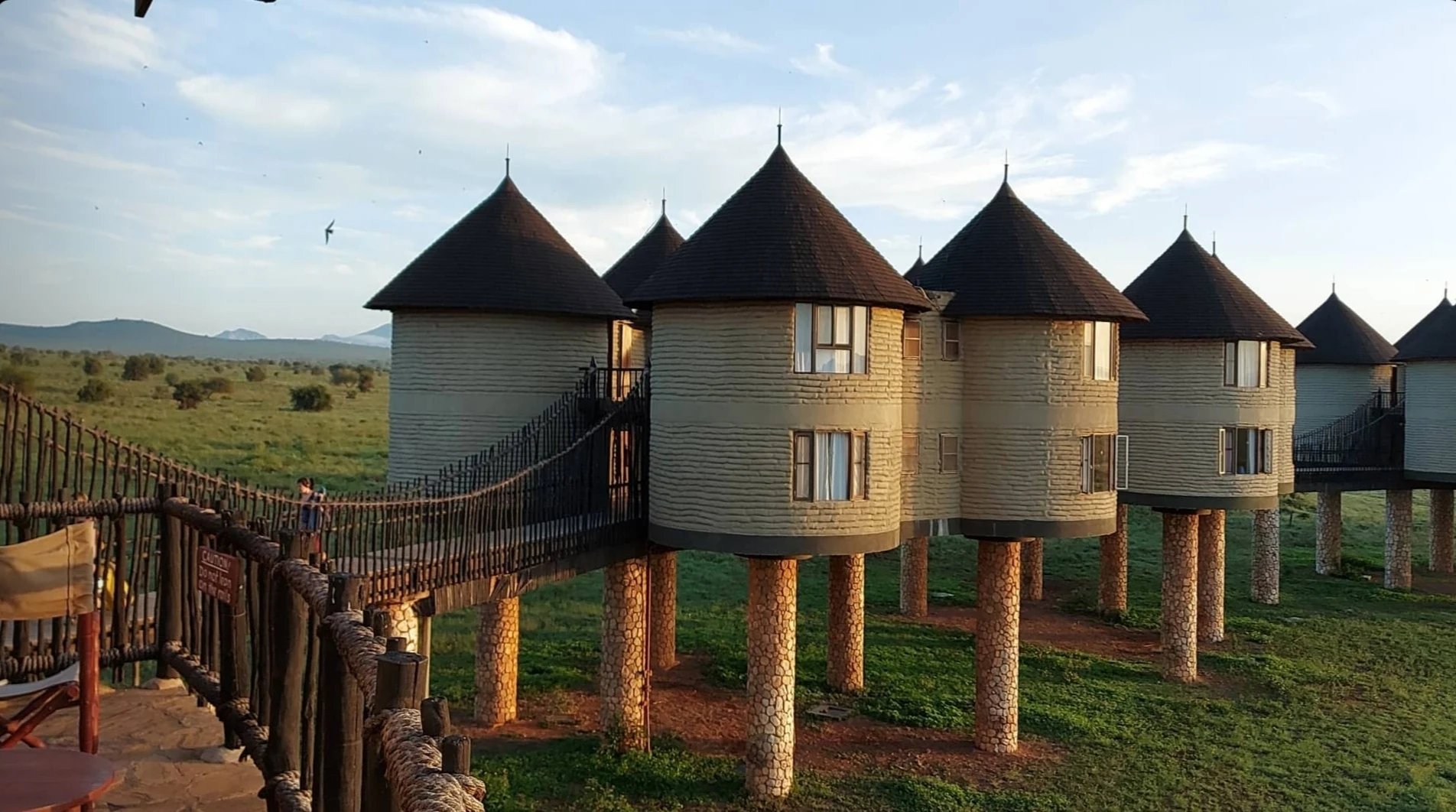
A great bed, fine food, private vehicle and beautiful pool do not make safari less sustainable. Wasteful resources, oversized construction or service that overrides ecological boundaries do. Comfort may lengthen stays, fund conservation and support local careers. The question is not whether luxury is permitted, but how its price, operation and land claim fit a credible system.

A foundation may fund useful work, but donations cannot compensate for weak wages, unfair lease or damaging operations. Examine governance, overhead, selection and reporting separately. A guest need not donate again to make the stay “good”. If they choose to contribute, unrestricted or locally prioritised funding may be more useful than a photogenic single project.
Ten governance questions for a conservation lodge
What land model applies Who shares decisions Where do fees go Which current outcomes are measured What do local leadership and procurement look like Which sighting rules apply How is vehicle density managed What happens after wildlife conflict How do water, energy and waste work Which report or audit supports the claims Precise answers outrank awards and founder profiles.
Do not expect perfect answers inside a sales call. Ask for links, names and documents that can be reviewed afterwards. A strong travel advisor separates independently confirmed facts, statements made by the operator and questions still open. That simple source discipline prevents an emotional wildlife story or persuasive founder film from becoming the entire basis of selection.
We begin with landscape, season, protection model and desired depth. Then come lodge, guide, vehicle, flight sequence, baggage, fees and stay length. Two or three strong bases often beat five logos. Impact claims, operation, park rules, health advice and flights are reverified for the dates. The route should protect wildness, respect local institutions and give the guest time to understand them.
A sustainable luxury safari is not an aesthetic category but a verifiable relationship among land, people, wildlife, money and rules. Comfort gains meaning when it carries low density, excellent guiding, fair work, habitat protection and transparent institutions. The discerning guest does not demand a perfect story. They seek an operator able to evidence progress, name limits and explain its place within a larger conservation system.